Top 9 Castles around Châteauroux
Best castles around Châteauroux are found in a historic town in central France, situated on the banks of the Indre River. This region is known for its medieval origins, with several castles contributing to its rich past and cultural significance. The landscape features riverbanks, forests, and open fields, offering diverse settings for exploration. Châteauroux itself takes its name from a nobleman who built a castle here, highlighting the area's deep historical roots.
Best castles around Châteauroux
- The most popular castles is Raoul Castle, a castle dating back to the 10th century. It stands prominently on the left bank of the Indre River and gave the town of Châteauroux its name.
- Another must-see spot is Valençay Castle, a castle with a large park of around 50 hectares. It contains many historic pieces of furniture and played a role during the Second World War as a storage site for Louvre artworks.
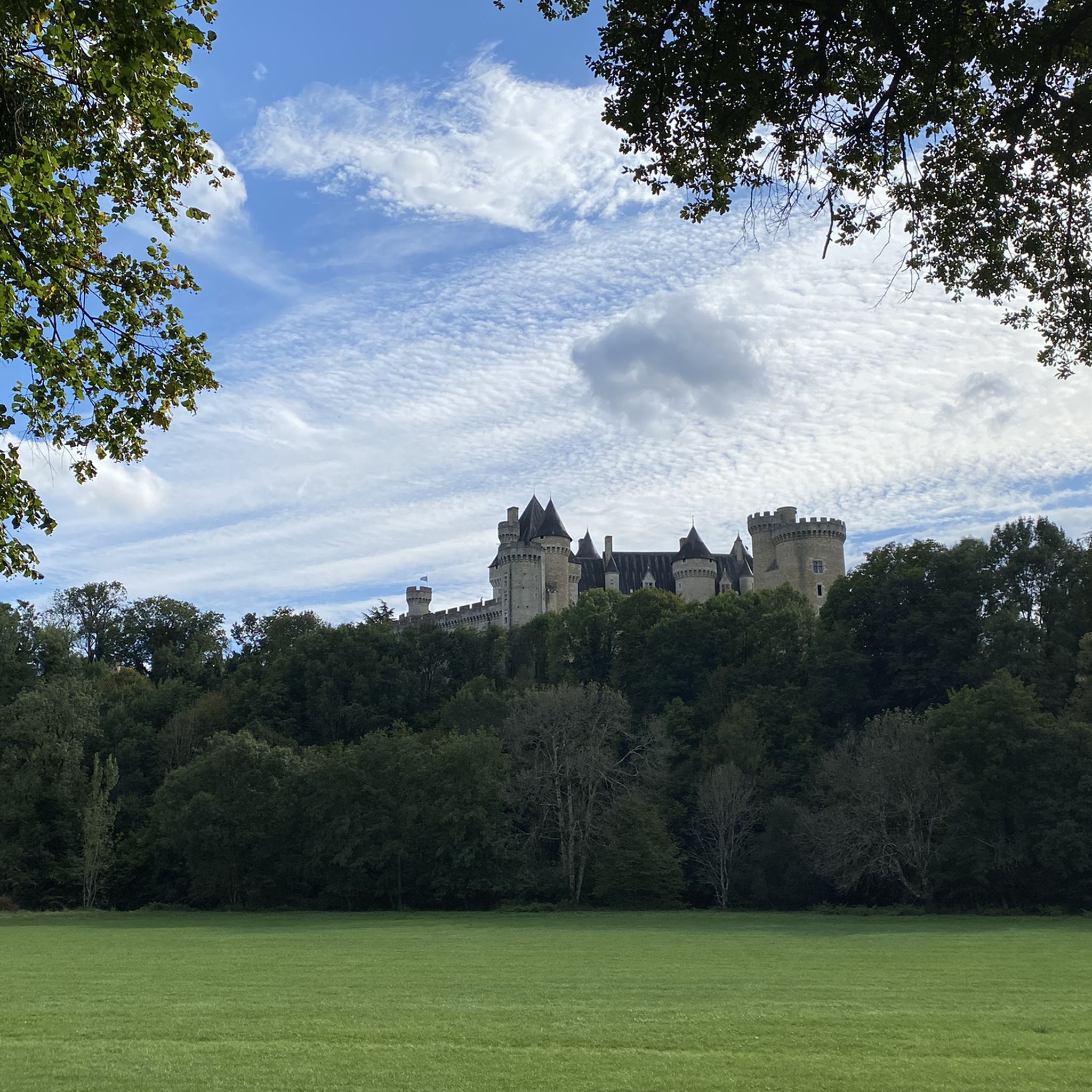
- Visitors also love View of Château de Chabenet, a viewpoint offering views of a castle built during the reign of Louis XI. The castle was completed in 1471 and was partially dismantled in 1635.
- Châteauroux is known for its feudal castles, historic châteaux, and castle viewpoints. The area offers a variety of castles to see and explore, from medieval fortresses to grand estates with extensive parks.
- The castles around Châteauroux are appreciated by the komoot community, with 24 upvotes and 25 photos shared across 11 highlights.
Last updated: October 12, 2026
Châteauroux
Highlight • Castle
This historic town is also home to a Cluniac abbey founded in 917, the surroundings of which can be visited by canoe.
Translated by Google •
Tip by

Raoul Castle
Highlight • Castle
Translated by Google •
Tip by

Sign up now to discover places like this
Get recommendations on the best single tracks, peaks, & plenty of other exciting outdoor places.
View of Château de Chabenet
Highlight • Viewpoint
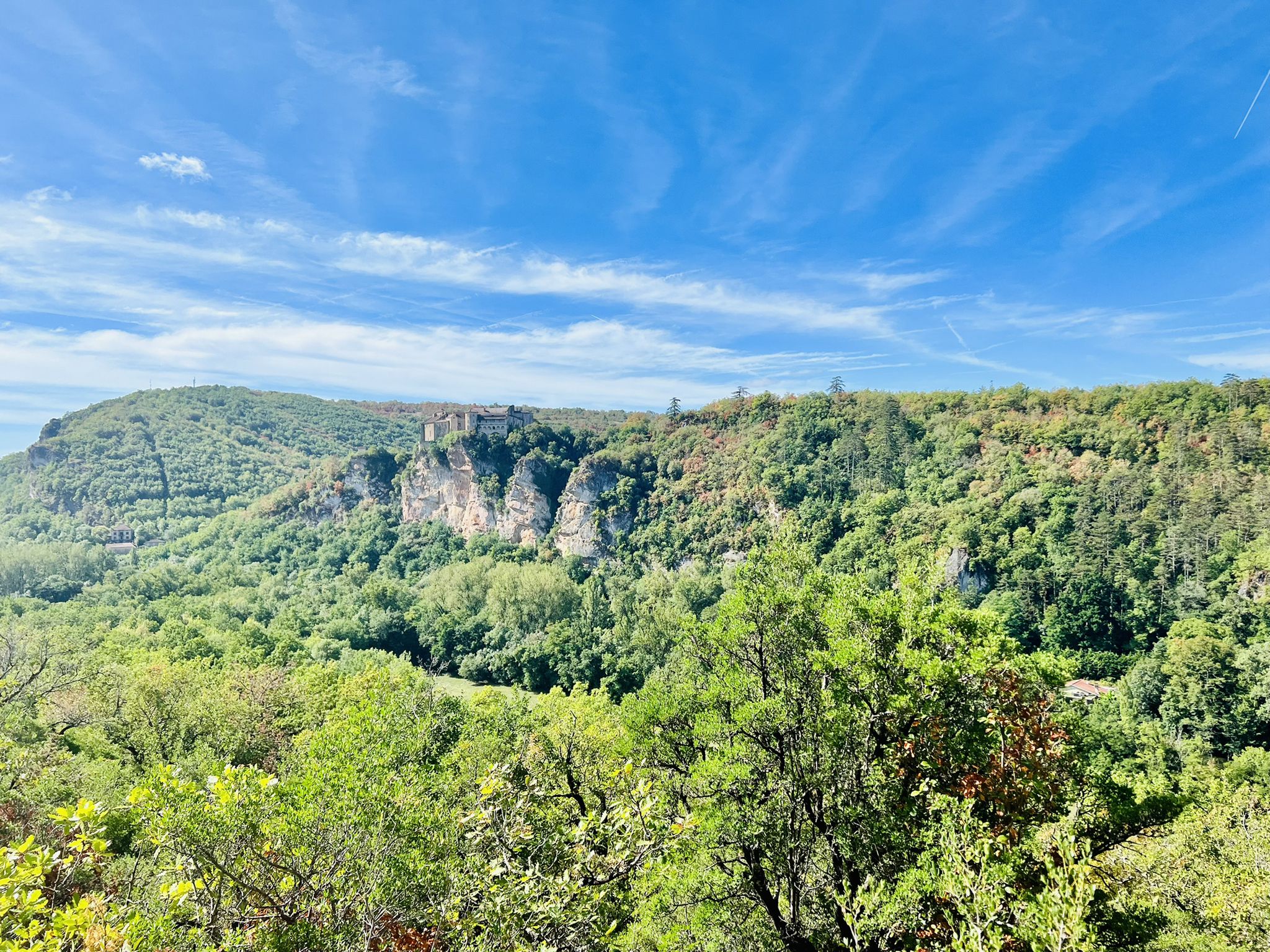
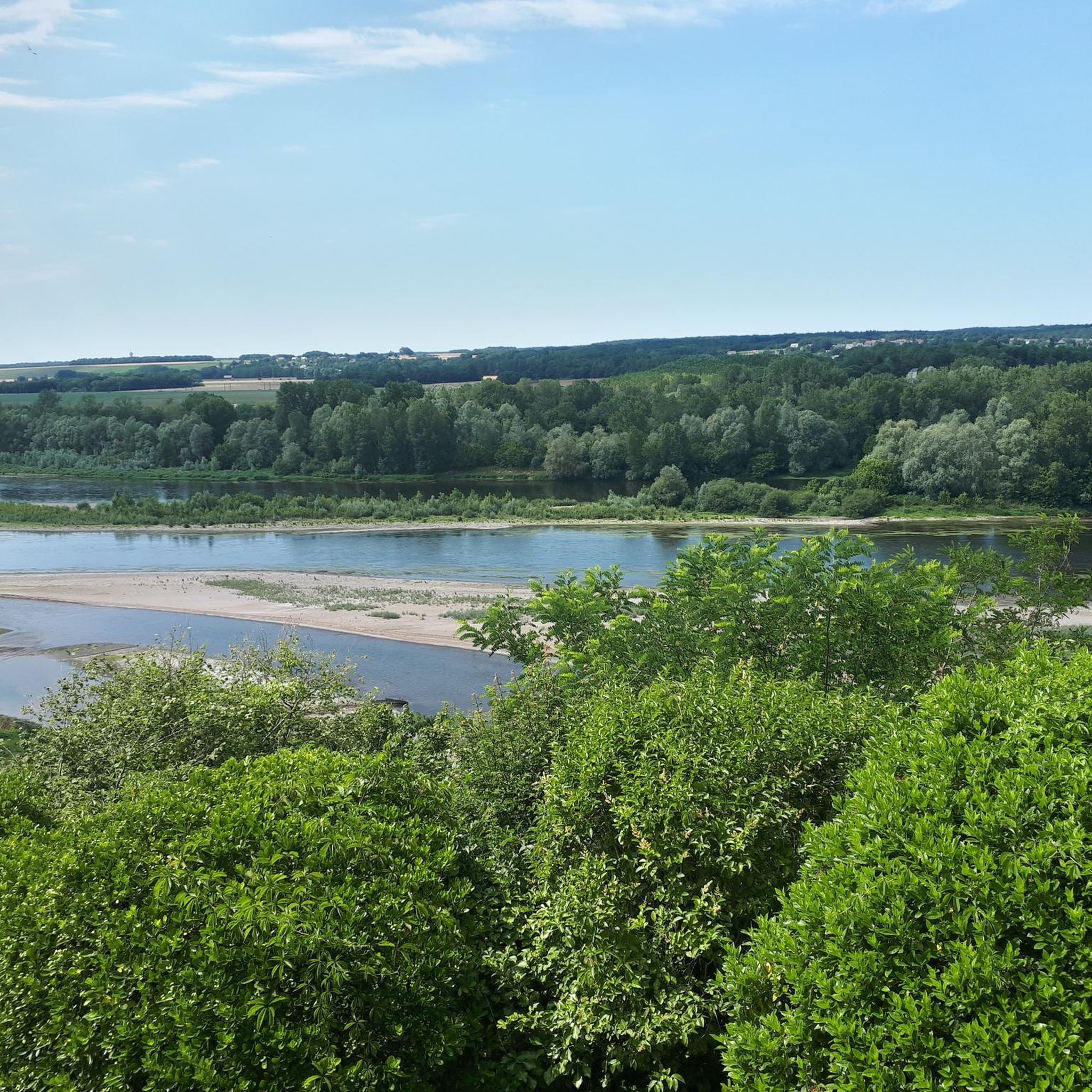
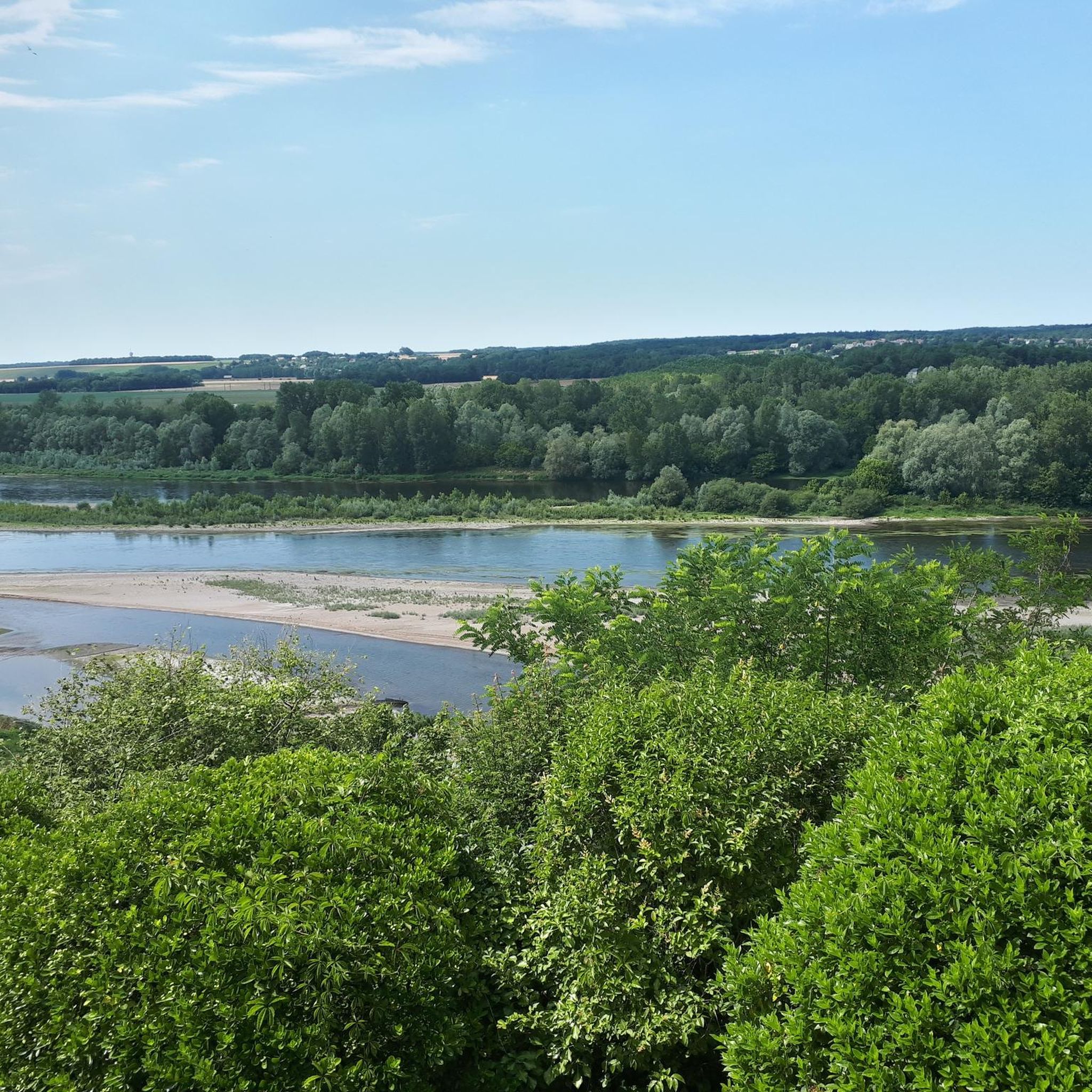
A delightful loop of approximately 8 km that includes everything: views of the Château de Chabenet, a stop at the charming Château du Petit-Broutet, the unique Pont Couvert bridge, and the impressive Viaduc de la Bouzanne.
The mix of riverbanks, forests, and open fields ensures you'll constantly encounter a new setting. There are plenty of quiet spots along the way to pause and enjoy the surroundings. Definitely recommended for those who enjoy combining culture and nature.
Translated by Google •
Tip by
Valençay Castle
Highlight • Castle
Translated by Google •
Tip by

Palluau-sur-Indre
Highlight • Settlement
This village has less than 800 inhabitants but is home to an 11th century feudal castle and several 15th century houses.
Translated by Google •
Tip by
Château du Courbat
Highlight • Castle
Translated by Google •
Tip by

Châtillon-sur-Indre
Highlight • Settlement
Translated by Google •
Tip by
Château de Bouges
Highlight • Castle
Translated by Google •
Tip by
Château de Bouesse
Highlight • Castle
Translated by Google •
Tip by
Château de Levroux
Highlight • Castle
Translated by Google •
Tip by
Sign up for free to discover even more castles around Châteauroux.
Already have an account?
Start today with a free account
Your next adventure awaits.
Popular around Châteauroux
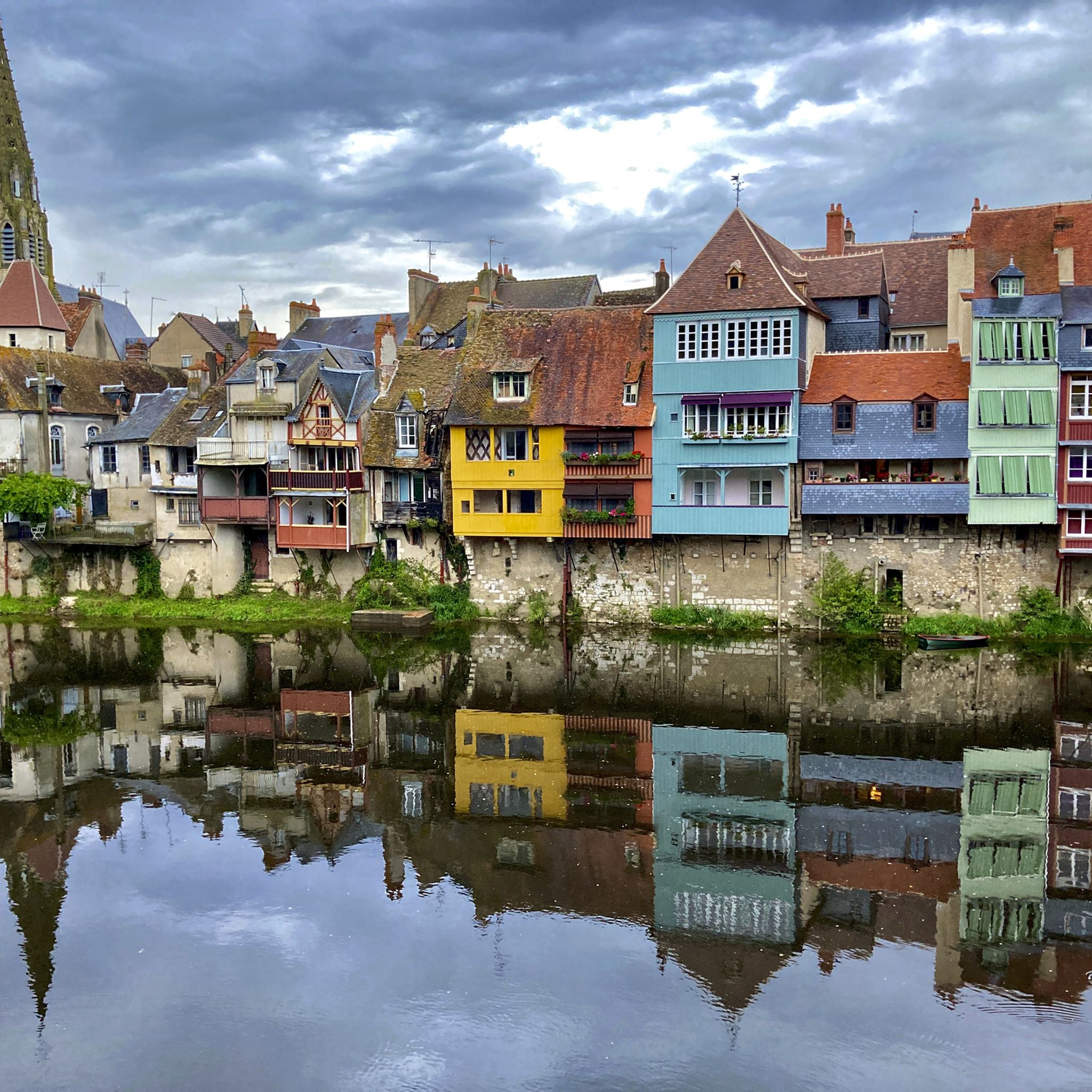
GR 46 — The Truant School
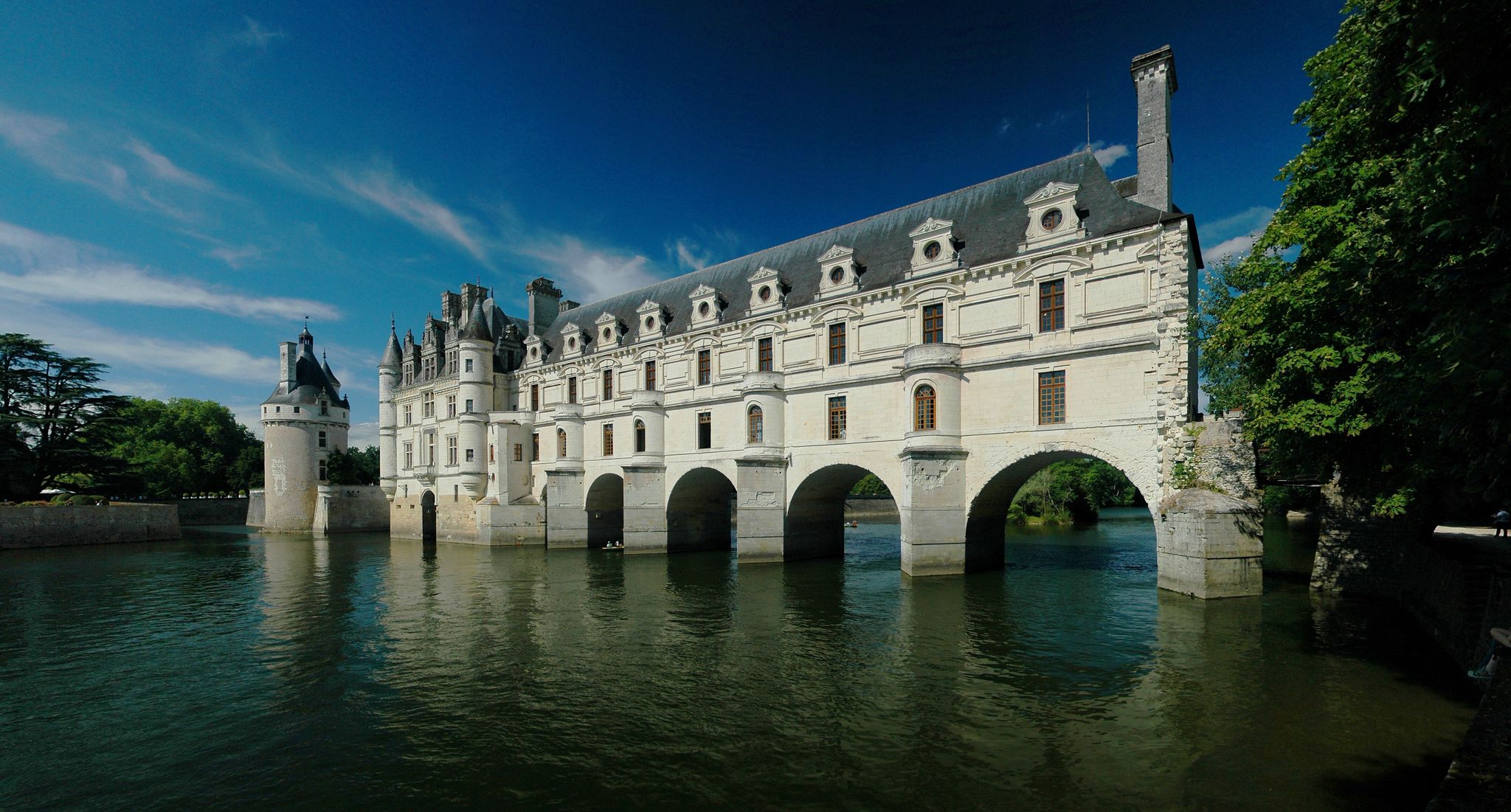
The Loire Valley – escape to the great outdoors
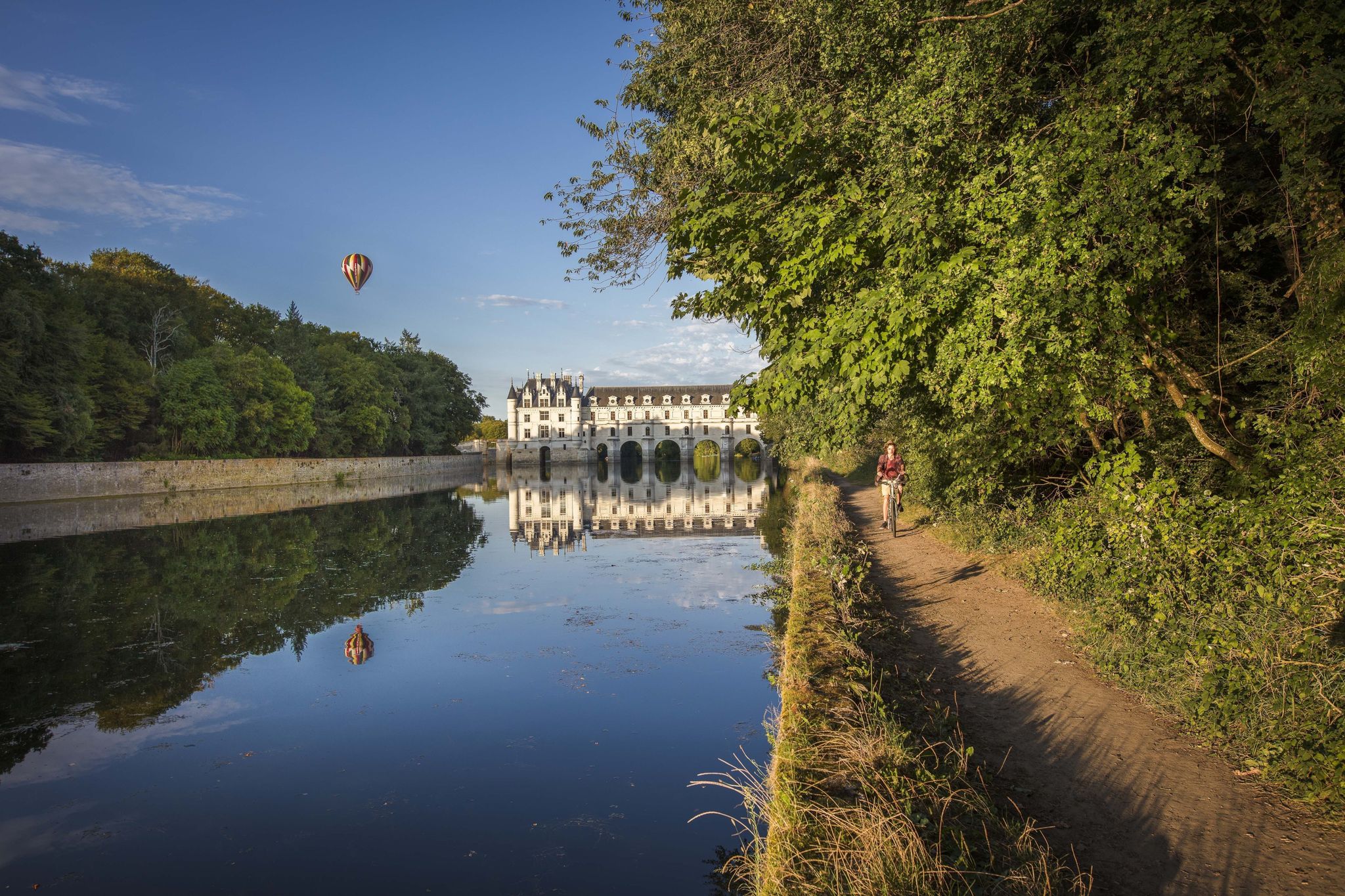
Between Touraine and Berry – France’s Indre River by bike
Road Cycling Routes around Châteauroux
Cycling around Châteauroux
Hiking around Châteauroux
Running Trails around Châteauroux
MTB Trails around Châteauroux
Gravel biking around Châteauroux


Tips from the Community

Above the Indre River stands the castle that gave the entire town its name. Once, in the 10th century, a wooden fortress belonging to the lords of Déols stood here. In the 12th century, Raoul le Large had it rebuilt in stone—and ever since, it bears his name: Château-Raoul. From that castle, the town's name, Châteauroux, evolved.
3
0
Walk past this medieval castle and notice the contrast: a high keep with machicolations and details like coats of arms and an ornate tympanum above a door. Imagine it once being defended, while its inhabitants still sought comfort. And if you walk past it at dusk, the silhouettes of the towers and nature make it almost poetic.
3
0
A beautiful route full of variety! A delightful loop of approximately 8 km that includes everything: views of the Château de Chabenet, a stop at the charming Château du Petit-Broutet, the unique Pont Couvert bridge, and the impressive Viaduc de la Bouzanne. The mix of riverbanks, forests, and open fields ensures you'll constantly encounter a new setting. There are plenty of quiet spots along the way to pause and enjoy the surroundings. Definitely recommended for those who enjoy combining culture and nature.
6
0

From the chemin de charrières, which runs along La Bouzanne, you have a fantastic view of the castle above the path. The asphalt path is easy to walk on and has little traffic, even in addition to the fantastic view of the castle. The best way to get to this path from the castle is to walk to the railway bridge. Then turn left into the dead end before the railway bridge. This path, which is also asphalted, leads directly to the chemin de charrières, which you have to follow for about 1 km in the valley to get to the viewing point with a view of the castle. Just do it❗
1
0

Located in Châteauroux, Château Raoul is a historic gem dating back to the 14th century. It is surrounded by magnificent gardens and offers breathtaking views of the Indre. Recently renovated, it hosts cultural events and guided tours.
0
0

Châteauroux is a medieval town named after a nobleman, Raoul le Large, who built a castle on the banks of the Indre River. Over the centuries, the name Château Raoul evolved into Châteauroux. This historic town is also home to a Cluniac abbey founded in 917, whose grounds can be explored by canoe.
0
0

Built in the 1760s, the Château de Bouges located near Valençay elegantly illustrates the arts of the 18th century. When Claude Leblanc de Carnaval bought the estate in 1765, the old building present until then was razed to make way for an “Italian-style house”. This new, up-to-date construction displays the ambition of the rich ironmaster, who managed to rise in the world of Parisian finance and was recently ennobled. Ruined twelve years later, his castle was seized and sold. During the 19th century, successive buyers included the Prince of Talleyrand and Henri Dufour, who restored the castle and had the park landscaped in the English style. The Château de Bouges owes its transformation above all to the Viguier couple: Henry, director of a Parisian department store, and his wife Renée. Acquired in 1917, the Château de Bouges regained its initial vocation as a sumptuous residence. The Viguier couple brought the castle back to life with the acquisition of exceptional furniture dating from the 18th century, which wonderfully expresses the taste for well-being and refinement specific to the society of that era in harmony with the setting. Left without descendants, they bequeathed the castle to the State in 1967. Of elegant Italian construction, the charm of this castle lies in its inhabited appearance. A visit that will transport you to the elegance of the 18th century! After visiting the castle, be sure to discover the English-style park designed by the landscaper Achille Duchêne at the beginning of the 20th century. The winding paths allow you to discover varied views of the Château de Bouges all along the walk. The stone balustrade separates the park from the French garden where boxwood embroidery and trimmed yews are bordered by lime trees. The old vegetable garden, transformed into a flower garden by Madame Viguier, is today dedicated to the cultivation of flowers used for the composition of the bouquets which adorn the rooms of the castle. A visit to the outbuildings made up of the stables, the saddlery and the orangery allows you to discover Henri Viguier's passion for horse riding.
0
0

This castle has a rich history. The castle has many historic pieces of furniture, as well as a large park of around 50 hectares, alternating gardens and forests. It also played an important role during the Second World War, as a warehouse for the Louvre's works of art.
0
1
Frequently Asked Questions
What are some of the most historically significant castles in Châteauroux?
Châteauroux is deeply rooted in history, with its very name derived from a castle. Raoul Castle, dating back to the 10th century, is foundational to the town's development. While generally a private residence, it occasionally opens for guided tours. Another significant site is Château du Parc (also known as Château Balsan), which transitioned from a noble residence to a royal wool manufacturing facility, showcasing architectural evolution and economic history. Its oldest section, the White Lady Tower, dates to 1513.
Are there castles around Châteauroux that are family-friendly?
Yes, several castles offer experiences suitable for families. Valençay Castle is a great option, featuring a large park of around 50 hectares that families can explore. Château de Bouges is also listed as family-friendly and provides a beautiful setting for a visit.
What kind of outdoor activities can I do near the castles in Châteauroux?
The region around Châteauroux offers diverse outdoor activities. You can find numerous cycling routes, such as 'The Bohemian Cycle Route' or 'Valençay, Luçay-le-Mâle et Villentrois — loop through the forest and the countryside'. For runners, there are trails like the 'Ecopark – Raoul Castle loop'. Hikers can enjoy easy routes like the 'Château de Bouges Park Loop'. You can find more details on these activities and routes in the cycling guide, running guide, and easy hikes guide for Châteauroux.
Are there good viewpoints to see castles in the Châteauroux area?
Yes, you can enjoy scenic views of castles from various points. The View of Château de Chabenet is a popular viewpoint offering fantastic perspectives of this historic castle, which was partially dismantled in 1635. The surrounding paths provide a mix of riverbanks, forests, and open fields, making for a pleasant walk with cultural sights.
What is the best time to visit castles around Châteauroux?
The best time to visit depends on your interests. For exploring castle exteriors and enjoying the parks, spring and summer offer pleasant weather and lush greenery. Some castles, like Raoul Castle, open their doors for guided tours on special occasions, often during the summer period and European Heritage Days. Always check specific castle opening times before your visit.
Can I visit castles that are not fully open to the public?
Some castles, like Raoul Castle, are primarily private residences but occasionally offer public access. For example, Château Raoul opens its doors on special dates, such as during the summer and European Heritage Days, for guided tours. The exterior of Château du Parc is accessible year-round through the paths of Balsan park, allowing visitors to appreciate its architecture and surroundings even if the interior is not open.
Are there any medieval towns with castles near Châteauroux?
Yes, the region boasts several medieval towns with significant castle heritage. Palluau-sur-Indre is a medieval town home to an 11th-century feudal castle and several 15th-century houses. Châtillon-sur-Indre is another settlement with historical significance and a castle.
What are some lesser-known or 'hidden gem' castles to explore?
Beyond the most prominent sites, you might consider Château du Courbat or Château de Bouesse. While details on public access might vary, these offer a glimpse into the region's rich architectural heritage away from the main tourist trails. Another interesting historical site is Château de Levroux.
What natural features can be found near the castles in Châteauroux?
The castles in Châteauroux are often set amidst beautiful natural landscapes. The town itself is situated on the banks of the Indre River, with several parks along its course. Many routes around the castles, such as those near the View of Château de Chabenet, feature a mix of riverbanks, forests, and open fields. Valençay Castle, for instance, is surrounded by a large park that alternates between gardens and forests.
Are there cafes or restaurants near the castles in Châteauroux?
While specific cafes directly adjacent to every castle might be limited, the town of Châteauroux itself, where Raoul Castle and Château du Parc are located, offers a variety of dining options. For castles further afield, it's advisable to check local amenities in nearby villages. Some highlights, like Château de Bouesse, are noted to have a restaurant.
How long should I plan for a visit to the castles around Châteauroux?
The duration of your visit will depend on the castle and your interest. For castles with extensive parks like Valençay Castle, you could easily spend half a day or more exploring the grounds and interiors. For viewpoints like the View of Château de Chabenet, a shorter stop combined with a walk or hike in the surrounding area would be sufficient. If you plan to visit multiple sites, consider dedicating a full day or more to the region.
Most popular routes around Châteauroux
Most popular attractions around Châteauroux

Get inspired with the komoot mobile app


Didn’t find what you were looking for?
Explore Châteauroux’s best castles region by region:
Explore more
Looking for the best castles somewhere else? Discover other guides around Châteauroux:
