The best gravel rides around Reguengo e Reguengo e Reguengo e São Julião
18
riders
5
rides
Gravel biking around Reguengo e São Julião Portugal is characterized by diverse landscapes within the Serra de São Mamede Natural Park. The terrain features mountainous areas with peaks, ridges, and escarpments, alongside valleys with abundant vegetation and clean water courses. Geological diversity includes ancient granites and quartzitic ridges, creating varied surfaces for gravel bike trails. The region's cork oak and Pyrenean oak forests contribute to a rich natural environment for cycling.
Best gravel bike trails around Reguengo e Reguengo e…
Last updated: July 11, 2026
3
riders
73.2km
06:34
1,600m
1,600m
Hard gravel ride. Very good fitness required. Mostly paved surfaces. Suitable for all skill levels.
27.2km
02:03
380m
380m
This moderate 16.9-mile gravel biking route from Portalegre explores the diverse terrain and natural beauty of Serra de São Mamede.

Sign up for free
8
riders
85.0km
06:41
1,240m
1,240m
Hard gravel ride. Very good fitness required. Mostly paved surfaces. Suitable for all skill levels.
4
riders
45.4km
03:01
460m
460m
Hard gravel ride. Very good fitness required. Mostly paved surfaces. Suitable for all skill levels.
3
riders
74.0km
05:35
1,580m
1,580m
Hard gravel ride. Very good fitness required. Mostly paved surfaces. Suitable for all skill levels.
Our route recommendations are based on thousands of hikes, rides, and runs completed by other people on komoot.
Start today with a free account
Your next adventure awaits.
Login or Signup
Popular around Reguengo e Reguengo e Reguengo e São Julião
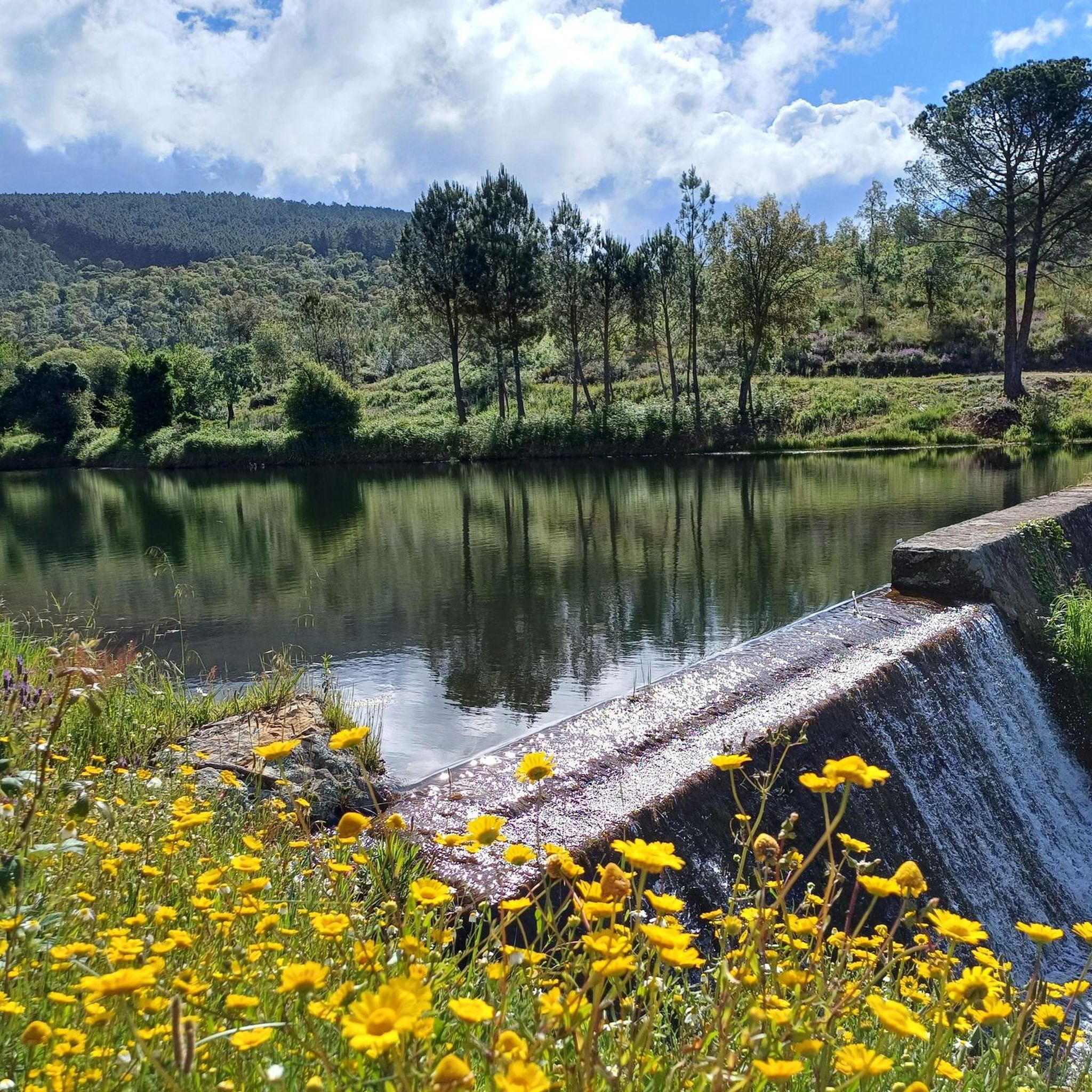
Hiking around Reguengo e Reguengo e Reguengo e São Julião

Running Trails around Reguengo e Reguengo e Reguengo e São Julião
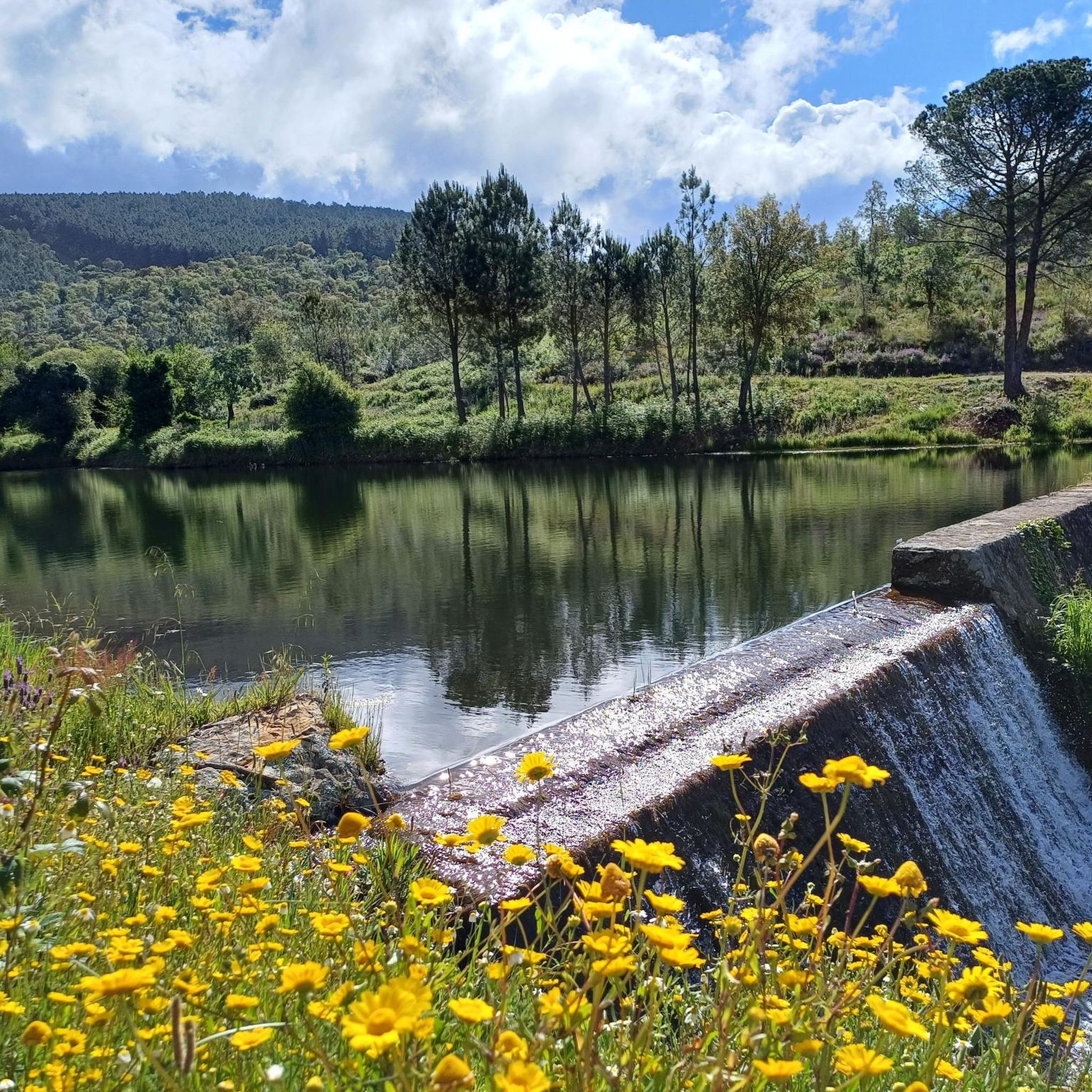
MTB Trails around Reguengo e Reguengo e Reguengo e São Julião
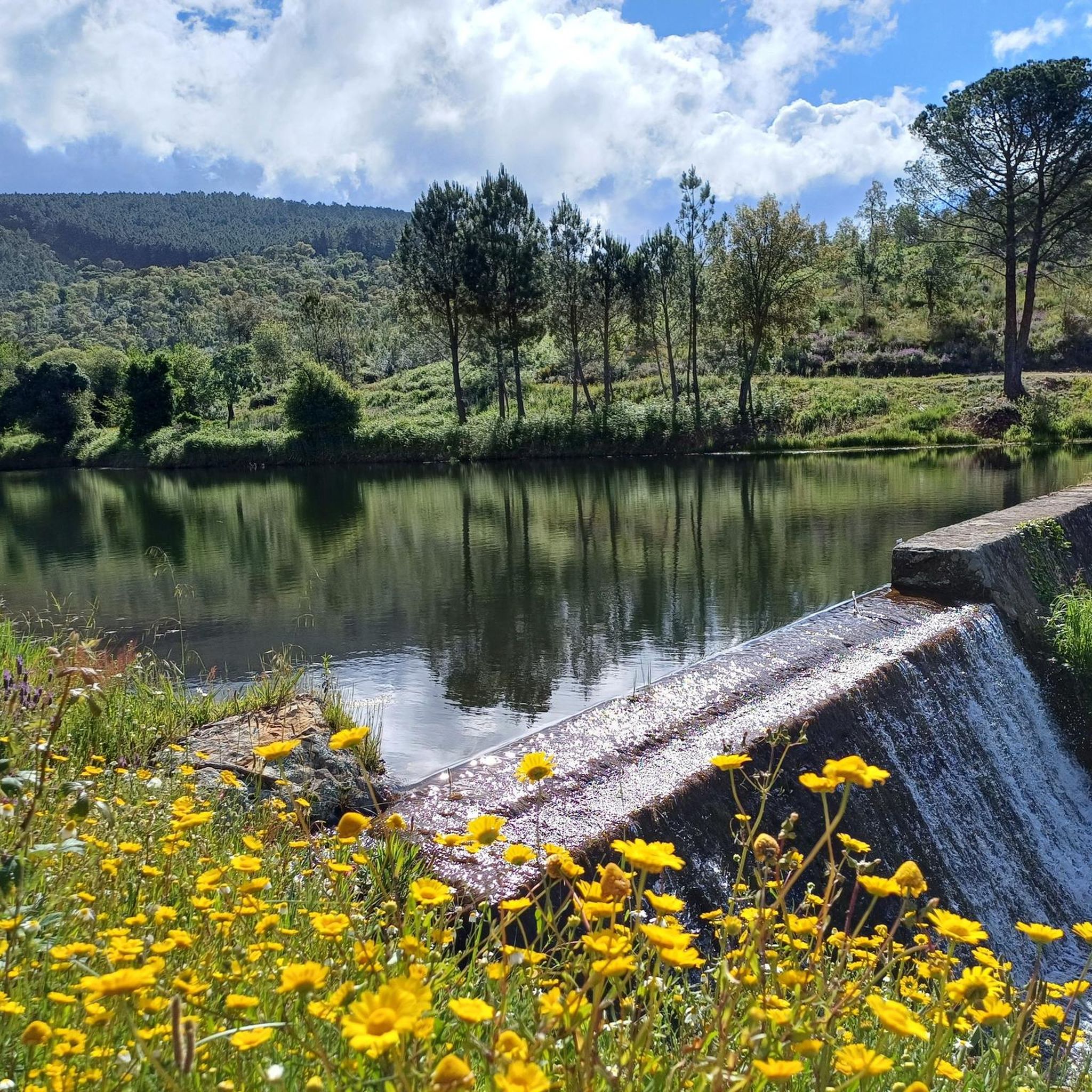
Road Cycling Routes around Reguengo e Reguengo e Reguengo e São Julião
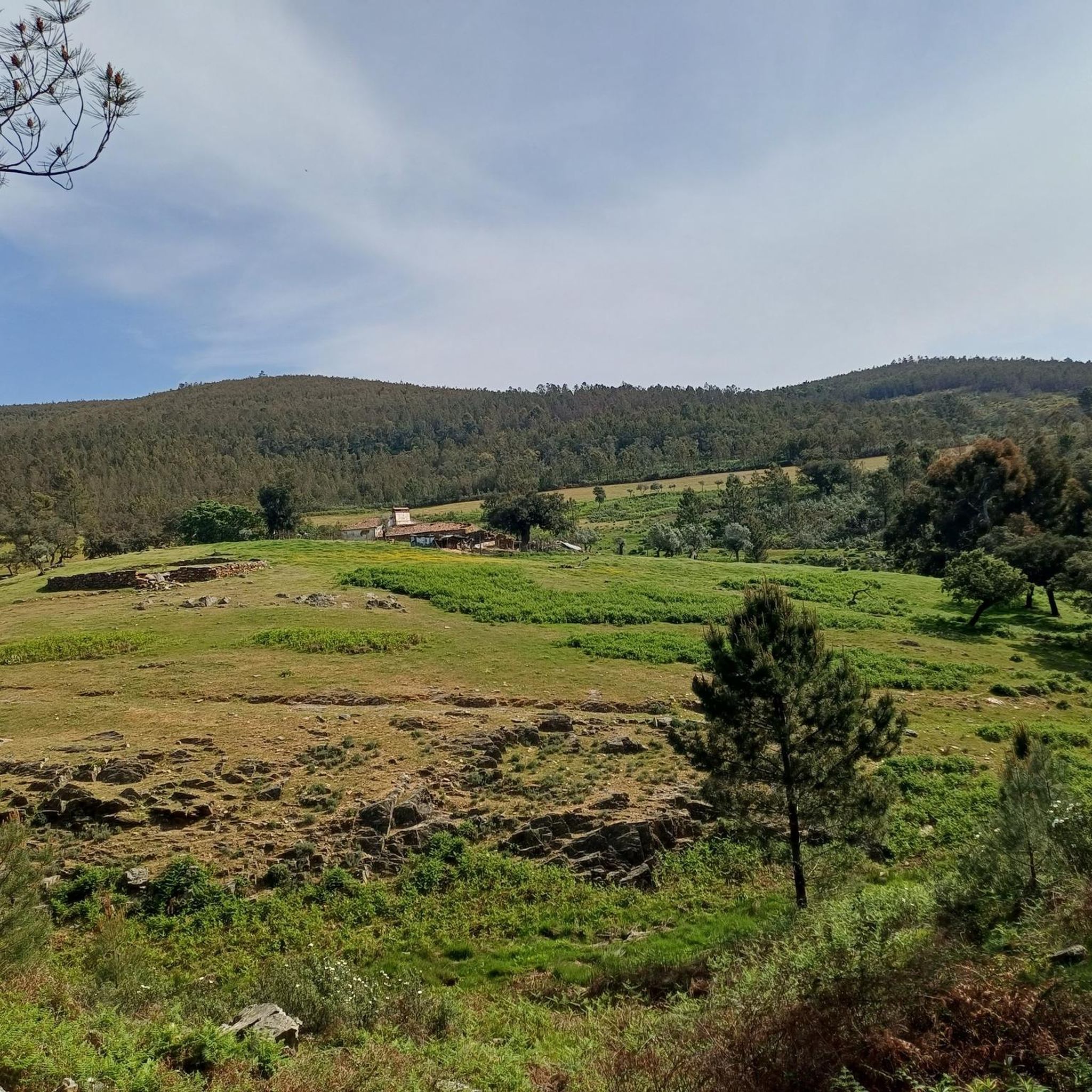
Cycling around Reguengo e Reguengo e Reguengo e São Julião
Tips from the Community

For those planning to hike in the Alegrete area, the main reference route is the PR3 PTG – Percurso de Alegrete. This circular route offers a complete immersion in the Serra de São Mamede Natural Park, combining the medieval heritage of the village with montado landscapes and water lines. The Main Route (PR3 PTG) The PR3 PTG - Percurso de Alegrete is about 11.4 km long and is classified as medium/low difficulty. The recommended starting and ending point is near Fonte Nova, although many hikers start their journey in the village of Alegrete itself to explore the historic center right away. Castle and Village: The Castle of Alegrete is the (literal) highlight of the hike. Situated at about 500 meters above sea level, it offers a panoramic view of the Alentejo border region. Don't miss the Clock Tower (Torre do Relógio). Nature and Biodiversity: The trail crosses areas of cork oak montado, pine forests, and riparian areas. It is an excellent place for bird watching (such as the robin or the titmouse) and, near the water lines, you can find rare vegetation like the royal fern. Religious Heritage: During your passage through the village, you can also visit the small Chapel of Mercy (Capela da Misericórdia), which is part of the local historical complex. Practical Hiking Tips Time of Year: Avoid the months of July and August due to the extreme temperatures in the Alentejo. Autumn and spring are ideal for the colors of the vegetation and mild temperatures. In winter, be careful with the ground, which can become quite slippery on cobblestones and rocky trails. Equipment: Use footwear with good grip (the ascents and descents to the castle and river have sections of loose stones). Bring enough water, as outside the village, refueling points are scarce. Safety and Respect: Always follow the official signage (yellow and red marks).
0
0

Far in the northeast of Alentejo lies Castelo de Vide, just a few kilometers from the border with Spain. The town is often called Cidade branca (white city), which is primarily due to the pretty whitewashed houses of the town. The highlight of the town (besides its great location in the Parque Natural da Serra de São Mamede) is the 14th-century Castelo de São Roque. From the castle, you have a fantastic view of the old town. Other sights in Castelo de Vide include the old Jewish quarter with the oldest synagogue in Portugal and the numerous churches and chapels of the town.
1
0

If you're traveling from Marvão or Castelo de Vide to Spain, this is the highlight, so stop and enjoy it!
0
0
The castle was founded by King D. Dinis in 1290, with the aim of defending the Alentejo border. Originally, it had an imposing structure with a double ring of walls, twelve towers and eight gates. Over the centuries, it lost part of its structure to the growth of the city, but it remains a National Monument. The Keep is the best-preserved part of the original complex. Inside, there is a museum that you can visit.
1
0

A place to visit every month. It's wonderful.
2
0

The chafurdão is a traditional dry-stone shelter with a false dome, typical of the region’s vernacular heritage. Though most surviving examples are recent (the oldest dated to 1733), they follow ancient construction techniques. Oriented toward sunrise, these structures include ventilation and lighting through wall openings. Built for temporary use by farmers and shepherds, they often have walled pens and a compact earth-covered roof stabilized by stone capping.
0
0
You can cycle on the dam and watch the reservoir from this viewpoint.
0
0

Castelo do Alegrete is an imposing medieval fortress located on a rocky outcrop near the village of Alegrete, Portugal. Dating back to at least the 13th century (with probably older origins), it played a key role in defending the border with Spain. It features a large quadrilateral wall with cubic towers. Although part of the castle is in ruins, it still retains elements such as parapets, gates and arrow slits. It offers spectacular views of the surrounding landscape and is an important national monument, a testimony to the defensive history of the region.
0
0
Frequently Asked Questions
How many gravel bike trails are there in Reguengo e São Julião?
There are over 4 gravel bike routes available around Reguengo e São Julião, offering a range of experiences within the Serra de São Mamede Natural Park.
What kind of terrain can I expect on gravel bike trails in Reguengo e São Julião?
The terrain in Reguengo e São Julião is quite diverse, characterized by mountainous areas with peaks, ridges, and escarpments, alongside valleys featuring lush vegetation and clean water courses. You'll encounter varied surfaces due to the region's ancient geological formations, including granites and quartzitic ridges, often passing through cork oak and Pyrenean oak forests.
Are there any gravel bike routes with significant elevation gain in the region?
Yes, several routes offer substantial elevation gain. For example, the Loop tour from Portalegre – Parque Natural da Serra de São Mamede features an elevation gain of over 1,500 meters, providing a challenging ride through the natural park. Another demanding option is the Marvão Castle – Castelo de Vide loop from Marvão, with over 1,200 meters of ascent.
What natural features or landscapes can I see while gravel biking in Reguengo e São Julião?
While gravel biking, you'll experience the rich natural environment of the Serra de São Mamede Natural Park. Expect to see abundant vegetation, clean water courses, and diverse forests including cork oak and Pyrenean oak. The mountainous terrain offers panoramic views from peaks and ridges, showcasing the region's unique geological history.
Are there any historical landmarks or attractions along the gravel bike routes?
Yes, the region is rich in history. You can explore attractions such as the Historic Village of Marvão, the impressive Marvão Castle, and the 16th-century bridge of Portagem. The Roman City of Ammaia also offers a glimpse into ancient history.
Are there options for advanced or experienced gravel bikers seeking a challenge?
Absolutely. The region offers several difficult routes designed for experienced cyclists with good physical preparation. The Marvão Castle – Castelo de Vide loop from Marvão and the Loop tour from Portalegre – Parque Natural da Serra de São Mamede are both classified as difficult, featuring significant distances and elevation changes.
Can I find circular gravel bike routes in Reguengo e São Julião?
Yes, many of the gravel biking routes in the area are circular, allowing you to start and end at the same point. Examples include the Loop tour from Portalegre – Parque Natural da Serra de São Mamede and the Portalegre and Reguengo Loop.
What is the best time of year for gravel biking in Reguengo e São Julião?
The region's climate, with its lush vegetation and ample water sources, generally makes it pleasant for outdoor activities. Spring and autumn are often ideal, offering milder temperatures and vibrant landscapes. Summers can be warm, while winters are generally mild but may have more rainfall.
Where can I find parking for gravel biking in Reguengo e São Julião?
While specific parking areas for each route are not detailed, many routes, particularly those starting and ending in towns like Portalegre or Marvão, will have public parking available. It's advisable to check local parking options in the starting village or town for your chosen route.
Are there any cafes or places to stop for refreshments along the gravel bike trails?
The region is known for its rural charm and high-quality local products. While specific cafes on trails are not listed, routes often pass through or near villages and towns where you can find local establishments offering refreshments and regional specialties like cheese, honey, and local wines.
What makes the gravel biking experience unique in Reguengo e São Julião?
Gravel biking here offers a unique blend of challenging terrain, rich biodiversity, and cultural immersion. You'll ride through ancient cork oak forests, past geological formations dating back millions of years, and alongside clean water courses, all within the protected landscape of the Serra de São Mamede Natural Park. The opportunity to discover local products and historic villages adds to the distinct experience.
What do other gravel bikers say about the trails in Reguengo e São Julião?
Over 20 gravel bikers have used komoot to explore Reguengo e São Julião's varied terrain. While specific reviews aren't available, the popularity of routes like the Marvão Castle – Castelo de Vide loop from Marvão suggests a high level of satisfaction with the extensive views and challenging mountainous landscapes.
Most popular routes around Reguengo e Reguengo e Reguengo e São Julião
Most popular attractions around Reguengo e Reguengo e Reguengo e São Julião

Get inspired with the komoot mobile app


Explore more
Browse the best Gravel rides in other regions.
