The best gravel rides around Pousada
25
riders
1
ride
Gravel biking around Pousada offers diverse landscapes, from rugged mountains and rolling vineyards to picturesque coastlines. The region features unpaved roads and extensive networks of gravel and dirt tracks, providing varied terrain for exploration. These routes often traverse areas with cork forests, pine trees, and undulating sections. The landscape provides options for different riding preferences.
Best gravel bike trails around Pousada
- The most popular gravel bike trail is Barcelos Historic Centre – Fão Bridge loop from Braga, a 52.6…
Last updated: May 15, 2026
7
riders
84.7km
05:59
1,150m
1,150m
Hard gravel ride. Very good fitness required. Mostly paved surfaces. Suitable for all skill levels.
6
riders
42.2km
03:13
510m
510m
Hard gravel ride. Very good fitness required. Mostly paved surfaces. Suitable for all skill levels.

Sign up for free
6
riders
43.5km
03:11
460m
460m
Hard gravel ride. Very good fitness required. Mostly paved surfaces. Suitable for all skill levels.
3
riders
46.1km
03:35
760m
760m
Hard gravel ride. Very good fitness required. Mostly paved surfaces. Suitable for all skill levels.
3
riders
49.4km
03:27
650m
650m
Hard gravel ride. Very good fitness required. You may need to push your bike for some segments of this route.
Our route recommendations are based on thousands of hikes, rides, and runs completed by other people on komoot.
Start today with a free account
Your next adventure awaits.
Login or Signup
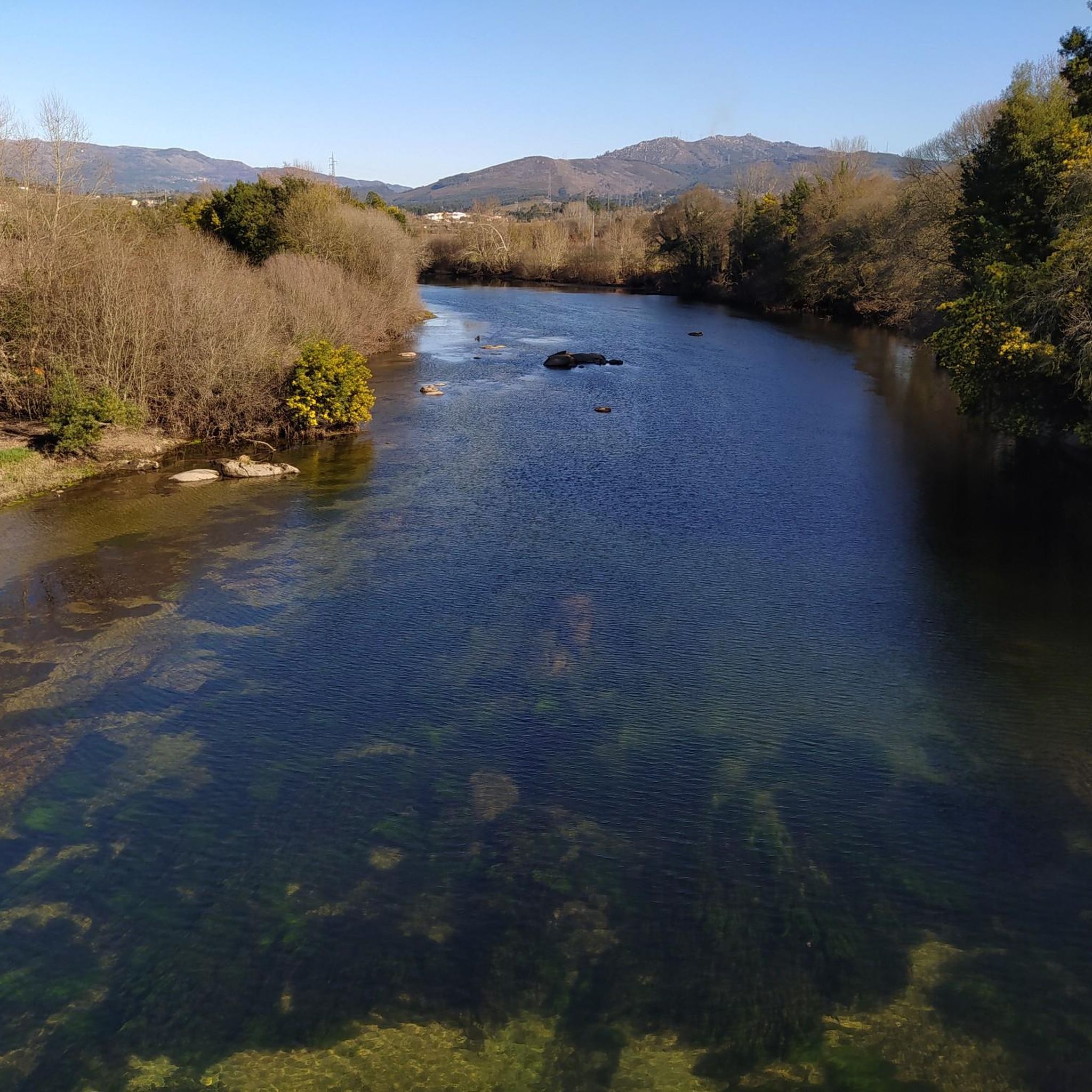
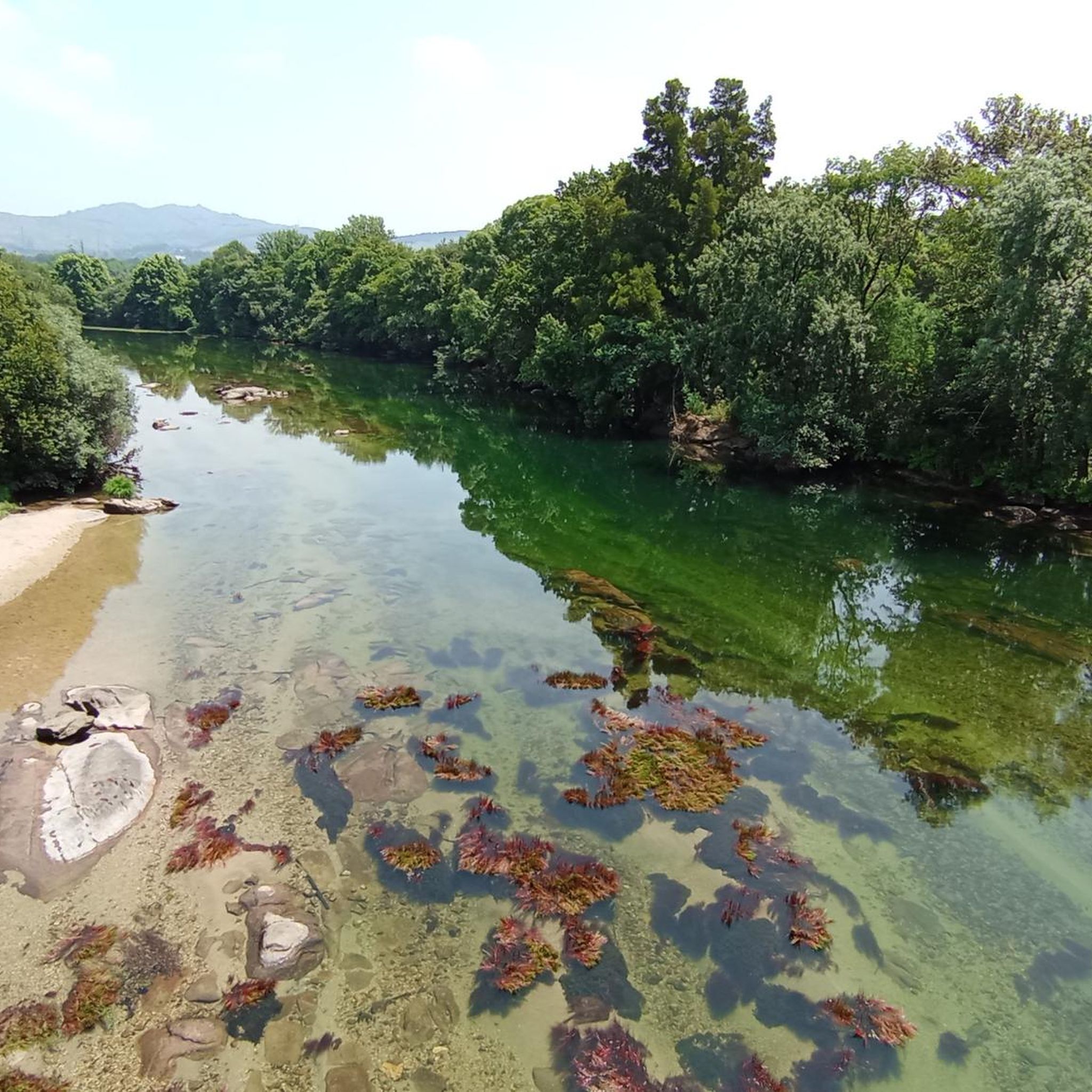
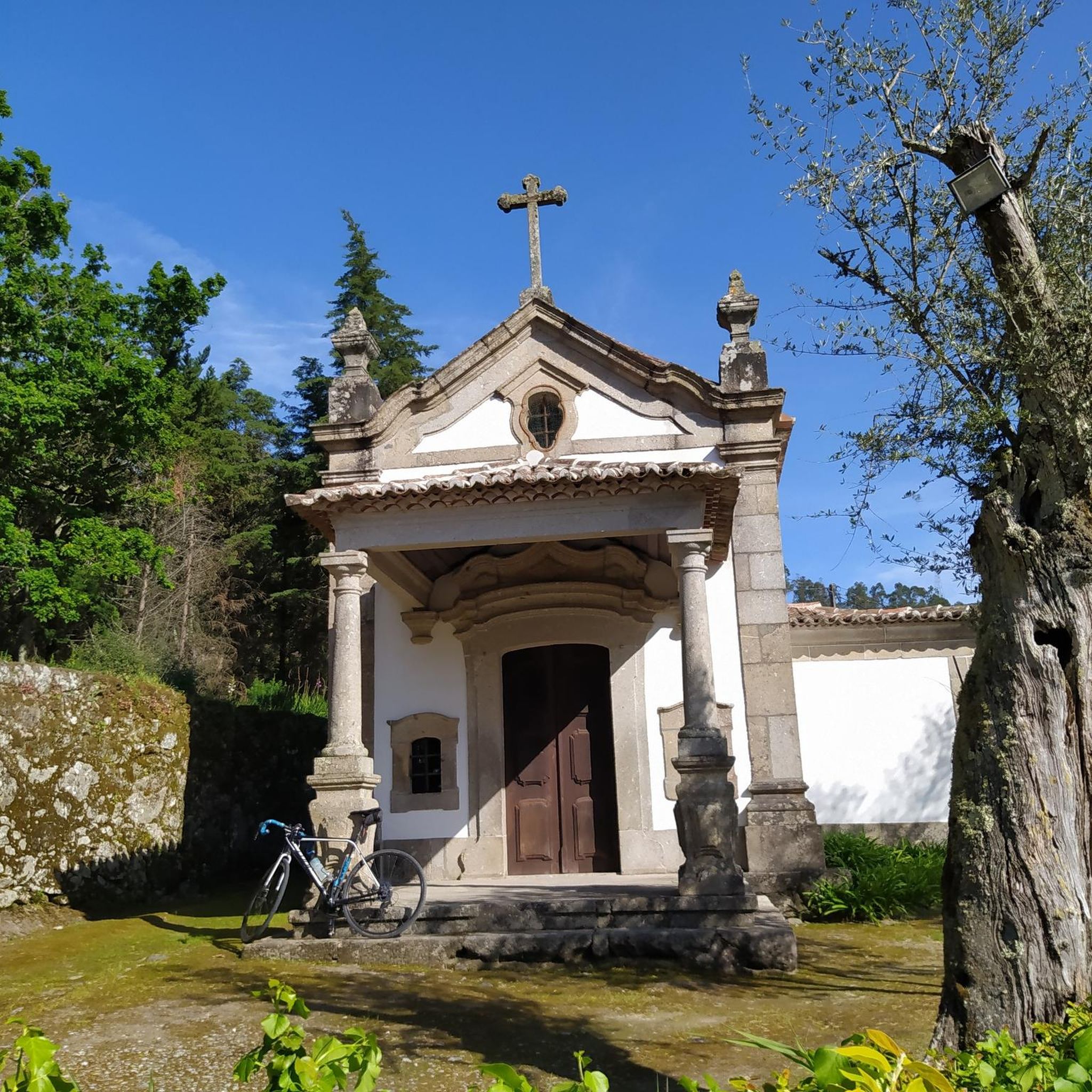

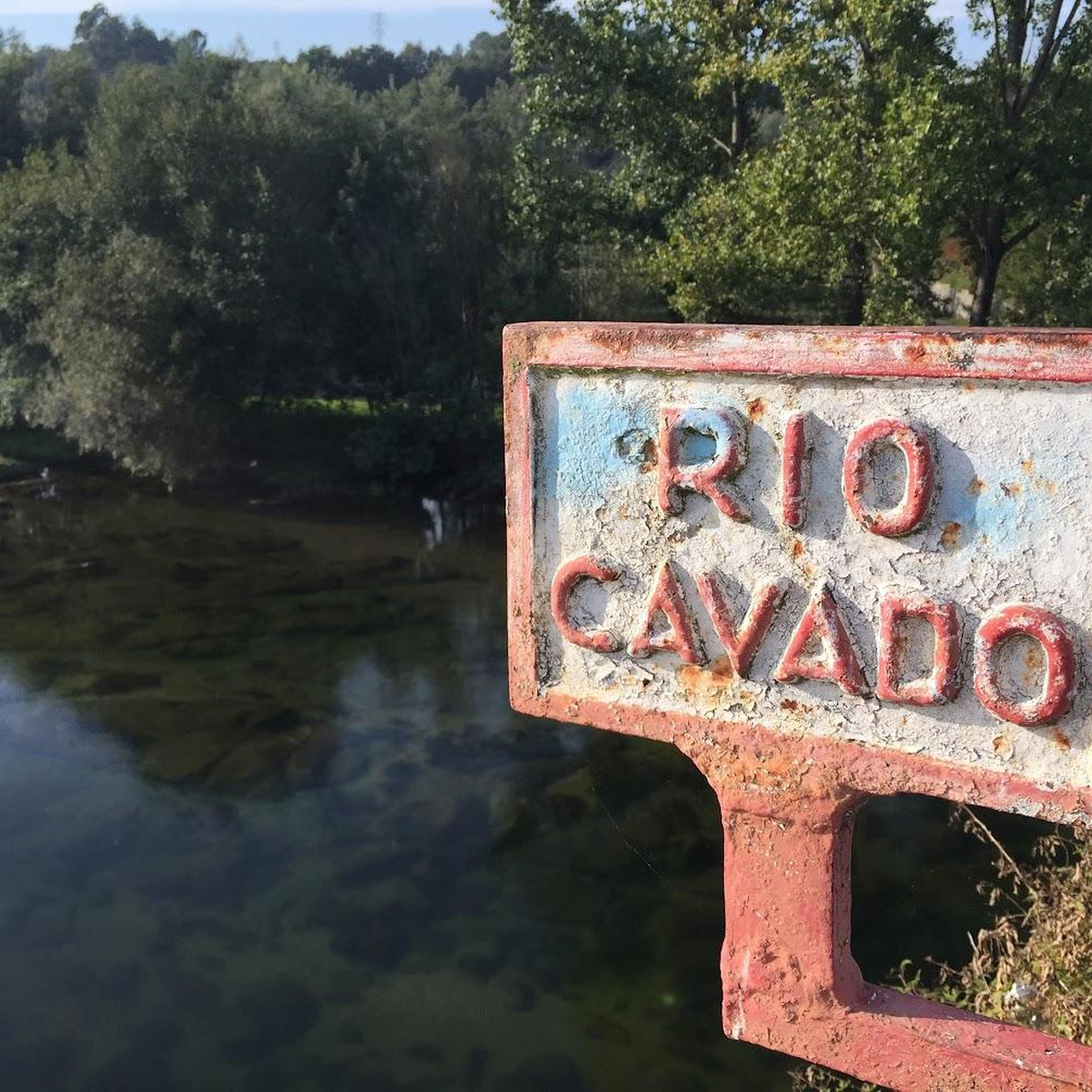
Tips from the Community

The Metal Bridge of Fão (Esposende) Location: It crosses the Cávado River, on National Road 13 (EN13), in the parish of Fão, in Esposende. Alternative Name: It is frequently referred to as the D. Luís Filipe Bridge. History: It is a significant example of iron architecture in Portugal, inaugurated on August 7, 1892. Characteristics: The bridge, which is a Property of Public Interest, has an extensive metal structure and has recently been rehabilitated.
2
0
In Esposende, the main historical bridge that crosses the Cávado River is the Ponte Metálica de Fão, also known locally as Ponte D. Luís Filipe.
2
0
The church is open for visitation and prayer most days, with specific times for Masses. Opening Hours: Monday to Sunday: 10:00–12:00 and 15:00–19:30. Mass Times (subject to change, please check the official website): Tuesday: 7:00 PM. Thursday: 7:00 PM. Saturday: 5:30 PM. Sunday: 11:00 AM.
1
0
The church was built in the 14th century in a transitional style between Romanesque and Gothic, on the foundations of an earlier 11th-century church. Main Features: Style: Transitional Gothic and Romanesque, with Renaissance and Baroque additions throughout the centuries. Interior: It has three naves, notably featuring 14 blue and white tile panels that cover much of the walls, dating from the 17th and 18th centuries. Notable Elements: The chancel vault is a Manueline work (early 16th century), and the main façade features a Neo-Gothic rose window, the result of a 20th-century restoration. Heritage: The church houses notable altarpieces and funerary monuments of important families, such as the Pinheiro family. The Parish Church of Santa Maria de Barcelos is a point of historical and architectural interest for tourists and pilgrims traveling the Camino de Santiago.
1
0
The Parish Church of Santa Maria de Barcelos, also known as the Collegiate Church, is the main religious temple in the city of Barcelos and a National Monument of Portugal.
1
0


Benedictine Monastery and National Monument
0
0

The Cathedral of Braga, the oldest archdiocese in Portugal
3
0
Frequently Asked Questions
How many gravel bike routes are available around Pousada?
There are several challenging gravel bike routes around Pousada, offering diverse terrain and scenic views. Our guide features five distinct routes, all categorized as difficult, ranging from approximately 42 km to 84 km in length.
Are there any easy gravel bike trails for beginners in Pousada?
The gravel bike routes currently featured around Pousada are generally considered difficult, with significant elevation gains and longer distances. For example, the Riverside Path – Parque Perez loop from Vila de Prado covers over 42 km with more than 500 meters of ascent. Riders should have good fitness and advanced skills for these trails.
What is the typical elevation gain on gravel bike routes near Pousada?
The gravel bike routes around Pousada feature notable elevation gains, indicating challenging rides. For instance, the Barcelos Historic Centre – Fão Bridge loop from Braga includes over 1,100 meters of ascent, while the Parque Perez – Riverside Path loop from Vila de Prado has over 760 meters of climbing.
Are there any circular gravel bike routes in the Pousada area?
Yes, all the gravel bike routes highlighted in this guide are designed as loops, allowing you to start and finish at the same point. Examples include the Braga Cathedral (Sé de Braga) – Parque Perez loop from Braga and the Ponte do Porto – Parque Perez loop from Nogueira, Fraião e Lamaçães.
What kind of scenery can I expect on gravel bike trails around Pousada?
The region around Pousada, particularly in Portugal, offers diverse landscapes. You can expect to ride through areas with rolling vineyards, historic towns, and picturesque coastlines. The terrain often includes hard-packed dirt and sandy sections, providing a varied and scenic gravel biking experience.
What are some interesting landmarks or attractions to see near the gravel bike routes?
Many routes are close to significant cultural and historical sites. For example, you can explore attractions like the Sanctuary of Bom Jesus do Monte, Raio Palace, and the impressive Braga Cathedral (Sé de Braga). These offer great opportunities to combine your ride with some sightseeing.
What is the best time of year for gravel biking in Pousada?
Portugal, including the region around Pousada, benefits from a warm, sunny climate that allows for year-round cycling. Spring and autumn generally offer the most pleasant temperatures for gravel biking, avoiding the peak heat of summer while still enjoying good weather conditions.
Are there any cafes or places to refuel along the gravel bike trails?
While specific cafes are not listed for each route, many of the gravel trails pass through or near towns and villages, especially those starting or ending in places like Braga or Vila de Prado. These locations typically offer opportunities to find cafes, restaurants, and shops to refuel during your ride.
Is public transport available to access gravel bike trails in Pousada?
Given that many routes are accessible from larger towns like Braga, it is often possible to reach starting points via public transport. For example, routes like the Barcelos Historic Centre – Fão Bridge loop from Braga begin in urban centers, which are well-served by local transport networks.
What are the typical weather conditions for gravel biking in Pousada?
The Pousada region in Portugal generally experiences mild winters and warm, dry summers. Riders can expect varied conditions depending on the season, from sunny and pleasant days for most of the year to potentially wetter conditions during the winter months. Always check the local forecast before heading out.
Are there any hidden gem gravel bike trails in the Pousada area?
While our guide focuses on established challenging routes, the broader region of Portugal is known for its extensive networks of gravel and dirt tracks. Exploring areas slightly off the main routes can often lead to discovering quieter, less-trafficked paths that offer unique perspectives of the landscape.
Most popular attractions around Pousada

Get inspired with the komoot mobile app


Explore more
Browse the best Gravel rides in other regions.
