The best gravel rides around Skulsk
5.0
(2)
21
riders
5
rides
Gravel biking around Skulsk offers diverse landscapes shaped by glacial activity, featuring numerous lakes, dense forests, and river valleys. The region, located in Poland's Greater Poland Voivodeship, provides a network of paths suitable for gravel biking. Terrain includes extensive woodlands and varied surfaces, with routes often incorporating a mix of paved and unpaved segments. The area is generally flat, providing accessible routes for various skill levels.
Best gravel bike trails around Skulsk
- The most popular gravel bike trail is Przyjezierze…
Last updated: October 14, 2026
2
riders
27.7km
01:47
70m
70m
Easy gravel ride. Great for any fitness level. Mostly paved surfaces. Suitable for all skill levels.
4
riders
32.0km
01:57
80m
80m
Easy gravel ride. Great for any fitness level. Mostly paved surfaces. Suitable for all skill levels.

5.0
(1)
9
riders
49.8km
03:00
140m
140m
Moderate gravel ride. Good fitness required. Mostly paved surfaces. Suitable for all skill levels.
2
riders
42.1km
02:30
130m
130m
Moderate gravel ride. Good fitness required. Mostly paved surfaces. Suitable for all skill levels.
2
riders
Easy gravel ride. Great for any fitness level. Mostly paved surfaces. Suitable for all skill levels.
Our route recommendations are based on thousands of hikes, rides, and runs completed by other people on komoot.
Start today with a free account
Your next adventure awaits.
Tips from the Community

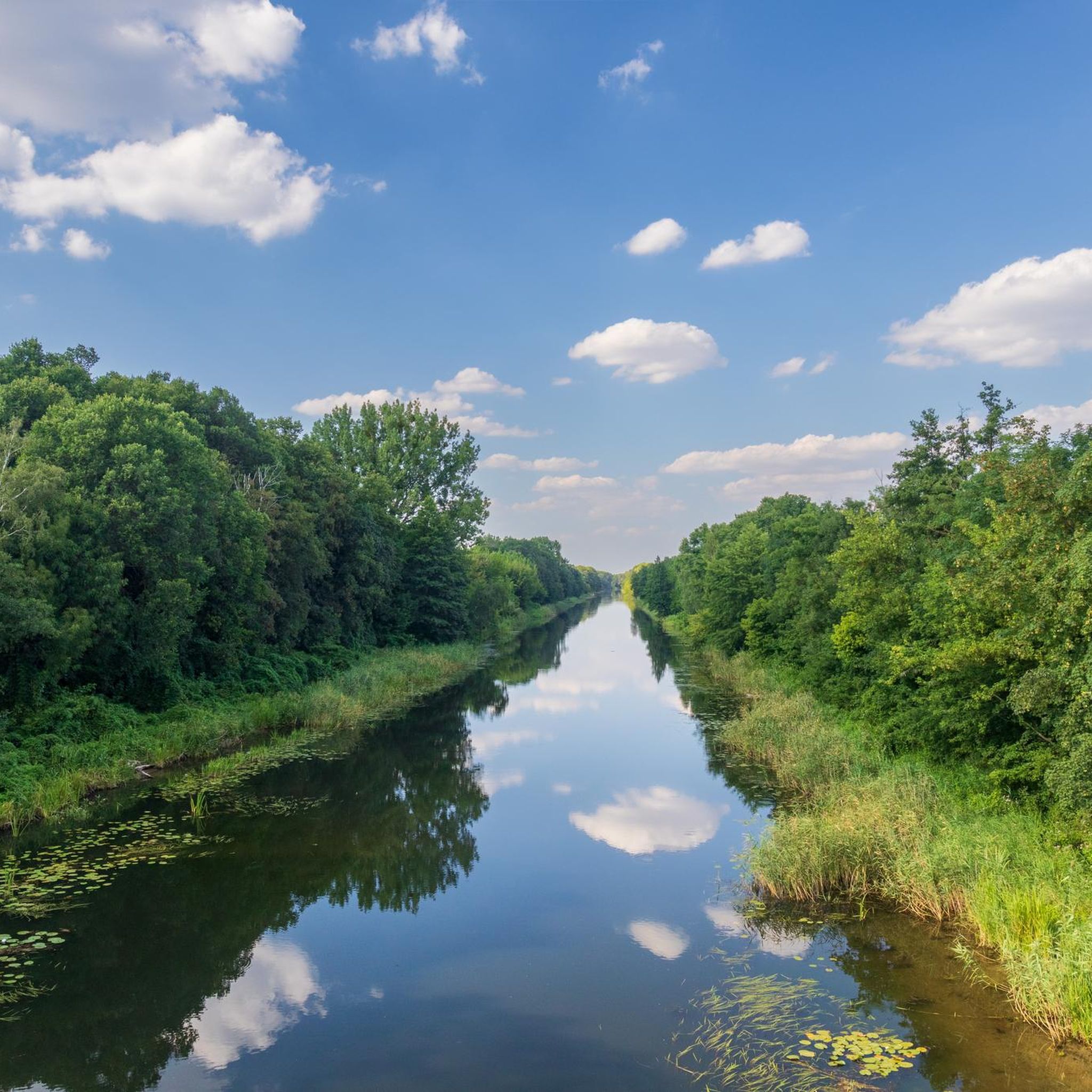
in the shade, so on a hot summer day, it's worth spending time here.
0
0


Once an active culvert between two lakes. Waiting for better times.
0
0
The ferry transports for free from one bank to the other. Opening hours Mon-Sat 5.30 - 10.00 then from 12.00-21.30 Sunday 5.30-13.00 then 15.00-21.30 Greetings to the inland navigation captain Mariusz. A very nice man in love with the ferry.
2
0

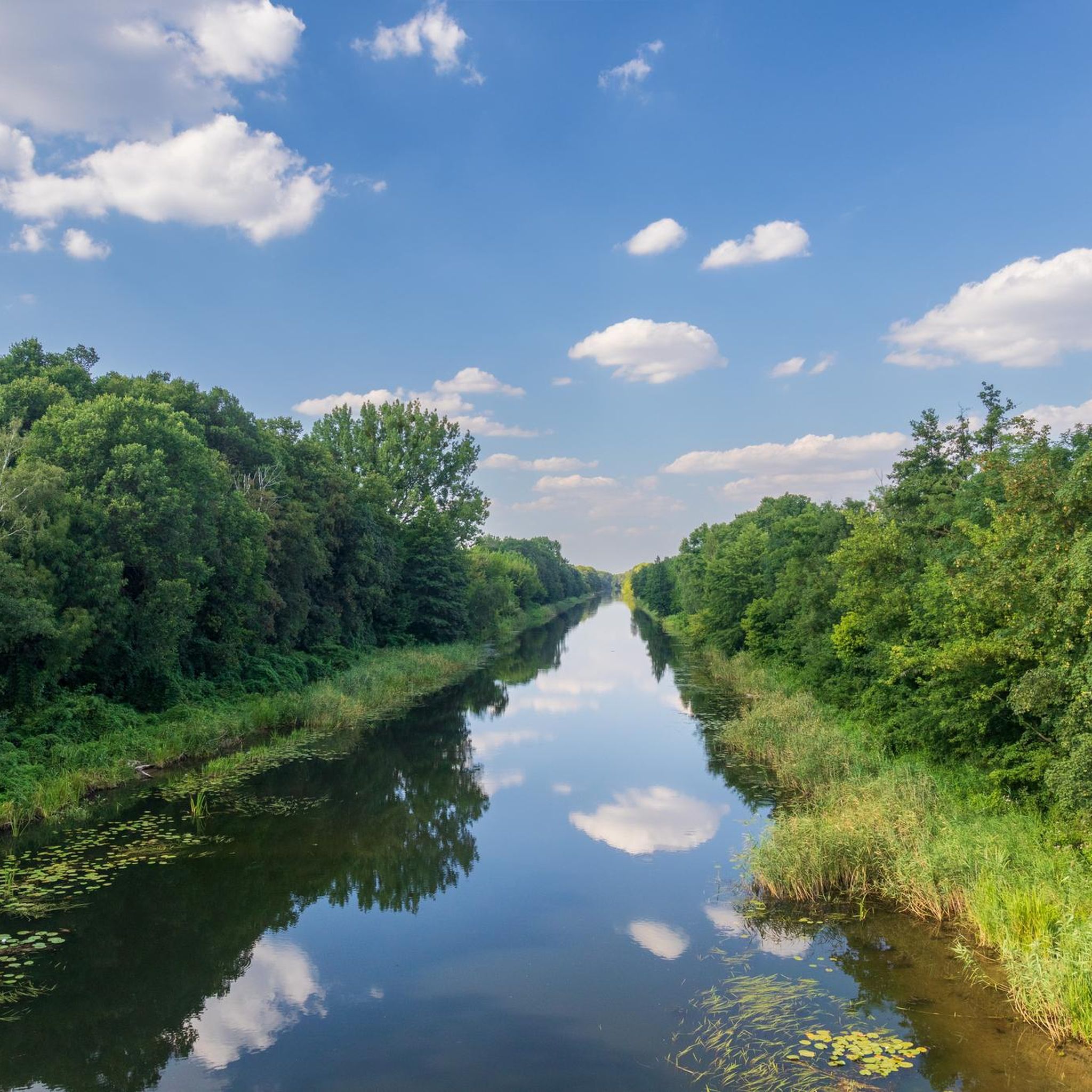
The only way to cross the narrow outlets of Jezioro Goplo.
1
0


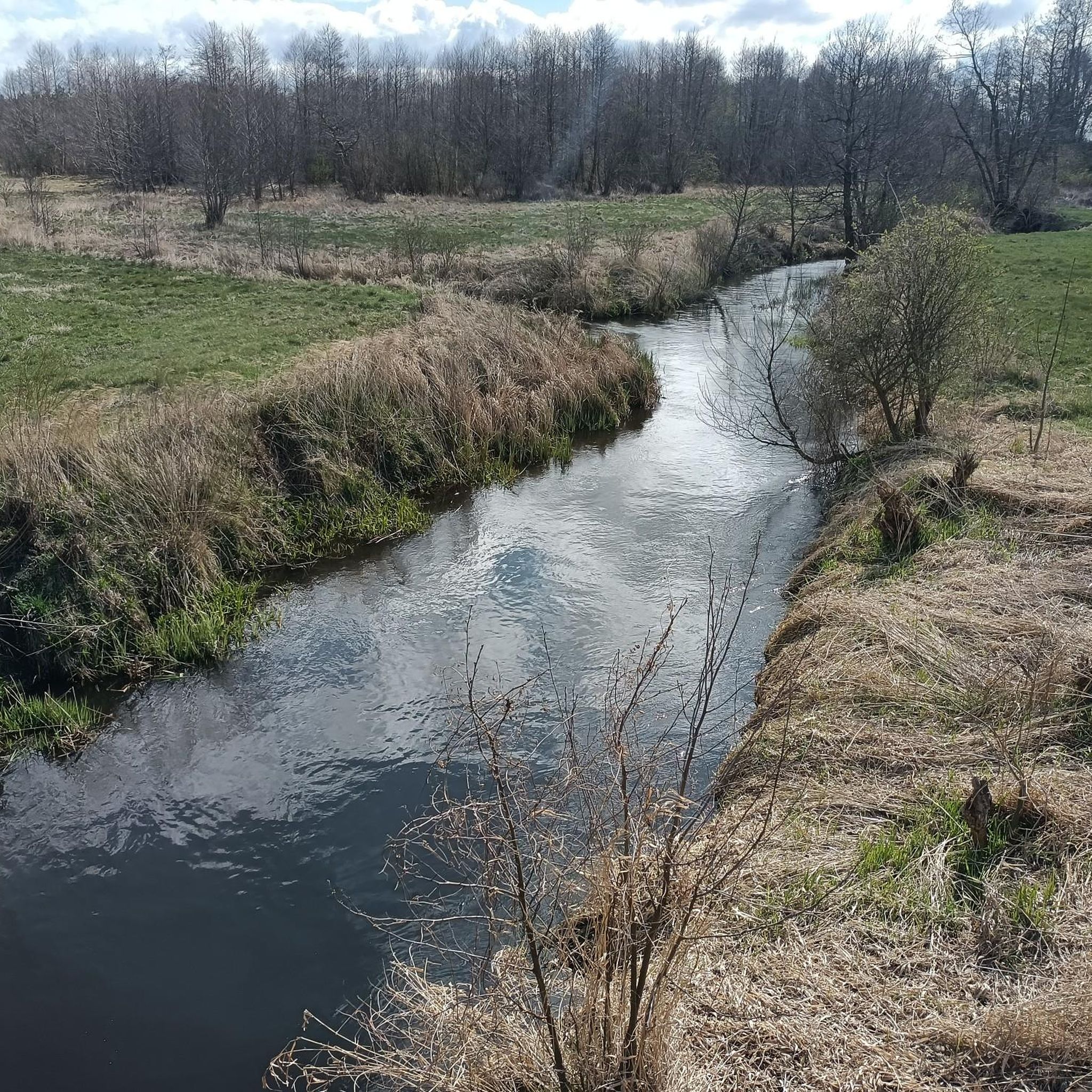
There used to be water
0
0

St. Martin's Church in Linówiec – a wooden branch church dedicated to St. Martin. 🪵 History and Construction - The church was founded in 1749 by the village owner, Sebastian Cząstkowski. - Built using log construction on a stone foundation, it is timbered and oriented – in keeping with tradition, the chancel faces east. - The church has a hall-like layout, without a separate chancel, and is enclosed on three sides. - The mansard roof, covered with sheet metal, is topped by an octagonal bell tower with an onion-shaped dome and a lantern. 🎨 Interior and Furnishings - The interior is covered with a flat ceiling with a coving, and the choir loft, supported by two columns, houses the organ case. - The main altar comes from the Reformed Friars Minor monastery in Pakość – Baroque, from the first quarter of the 18th century, with sculptures of adoring angels and a painting of the Marriage of the Blessed Virgin Mary to Joseph – a rare motif in church iconography. - At the top of the altar is an oval painting of St. Martin. - The side altar and pulpit represent the Baroque-folk style, from the turn of the 18th and 19th centuries. - Remnants of polychrome paintings have survived, as well as a granite stoup and a processional cross with the date "1756."
0
0
Frequently Asked Questions
How many gravel bike trails are available around Skulsk?
There are currently 6 gravel bike routes documented around Skulsk on komoot, offering a variety of experiences for different skill levels. These include 2 easy routes, 3 moderate routes, and 1 difficult route.
What kind of terrain can I expect on gravel bike trails in Skulsk?
The terrain around Skulsk is diverse, shaped by glacial activity. You can expect generally flat routes featuring numerous lakes, dense forests, and river valleys. Many trails combine paved sections with unpaved segments, making them ideal for gravel biking.
Are there any easy gravel bike routes suitable for beginners or families?
Yes, Skulsk offers several easy gravel bike routes. A great option is the Marina Ślesin – Napoleon's Gate loop from gmina Ślesin, which is 13.7 km long and takes less than an hour, leading through the charming town of Ślesin. Another easy route is the Beśka Grocery, Przyjezierze – Ostrowskie Lake Beach loop from Wójcin, offering scenic views around Ostrowskie Lake over 20.7 km.
What are some notable attractions or points of interest along the gravel bike routes?
Many routes pass by or near interesting sites. You can explore historical landmarks like the Archaeological Open-Air Museum in Kownaty-Mrówki, or visit the Napoleon’s Gate in Ślesin. The Marina Ślesin is also a popular spot, offering beautiful lake views and amenities.
Are there any gravel bike routes that feature lakes or beaches?
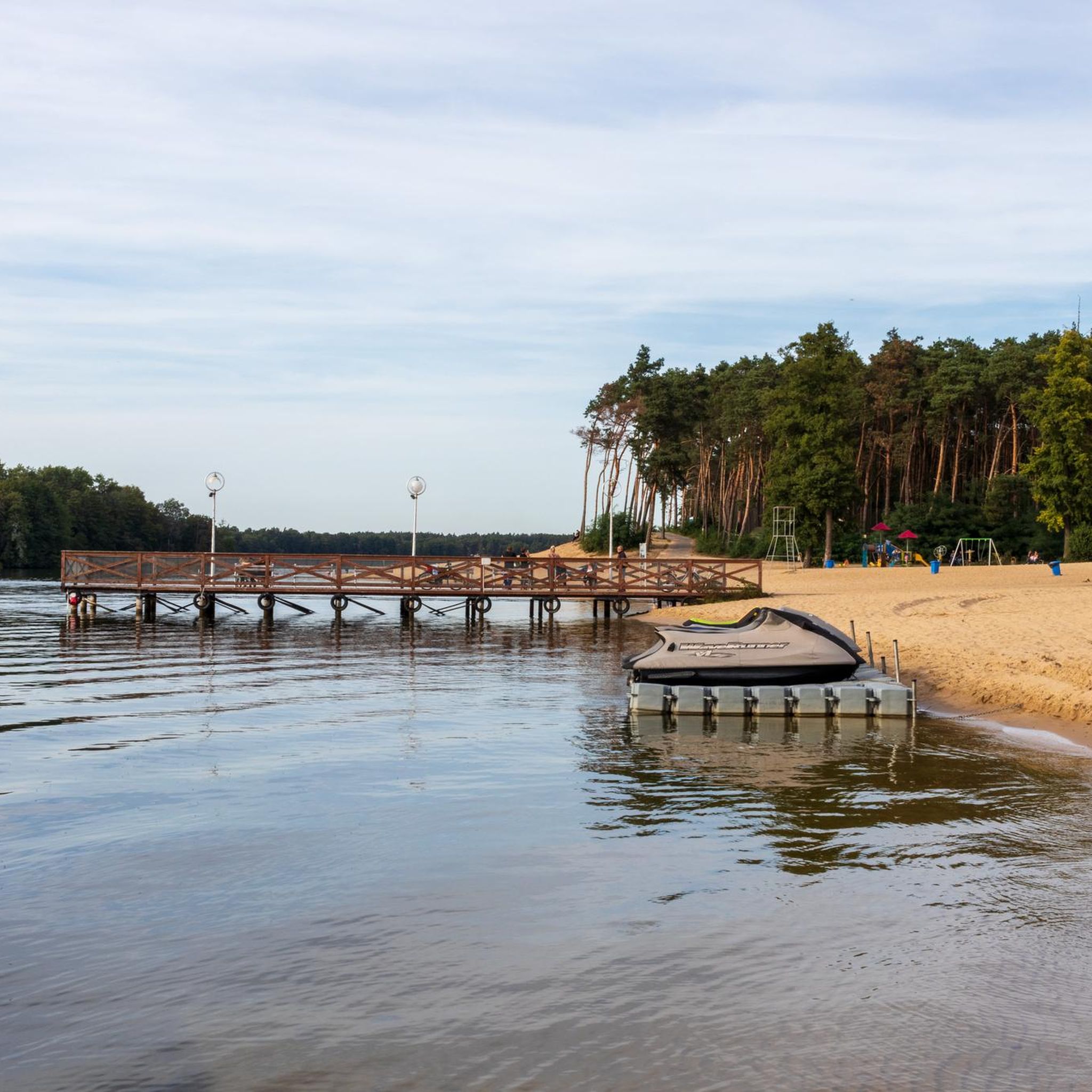
Absolutely. The Skulsk region is known for its numerous lakes. Many routes incorporate lakeside scenery, such as the Beśka Grocery, Przyjezierze – Ostrowskie Lake Beach loop from Wójcin which circles Ostrowskie Lake. You can also find routes near Wiczyn Lake Beach and Ślesińskie Lake Beach, perfect for a refreshing stop.
What do other gravel bikers say about the trails in Skulsk?
The gravel bike trails around Skulsk are highly rated by the komoot community, with an average score of 5.0 stars from more than 2 reviews. Many of the 23 visitors praise the varied terrain, the scenic lake views, and the well-maintained paths that make for an enjoyable ride.
Are there any longer or more challenging gravel bike routes for experienced riders?
For those seeking a longer ride, the Wooden Church – Disappearing Lake loop from Gaj is a moderate 32.3 km route. Another moderate option is the Przybrodzin Beach and Camping – Przybrodzin Beach loop from Gaj, which is nearly 50 km long and offers a substantial gravel biking experience.
Can I find circular gravel bike routes in the Skulsk area?
Yes, most of the gravel bike routes around Skulsk are designed as loops, allowing you to start and end at the same point. Examples include the Beśka Grocery, Przyjezierze – Ostrowskie Lake Beach loop from Wójcin and the Przyjezierze Beach – Przyjezierze Beach loop from Gaj, both offering convenient circular journeys.
What is the best time of year to go gravel biking in Skulsk?
Skulsk offers enjoyable gravel biking throughout much of the year. Spring and autumn provide pleasant temperatures and beautiful scenery with changing foliage. Summer is also popular, especially for routes near lakes where you can combine cycling with water activities. The generally flat terrain makes it accessible, though some unpaved sections might be muddy after heavy rain.
Are there any routes that pass through historical areas or offer cultural insights?
Yes, the region is rich in history. The area around the Archaeological Open-Air Museum in Kownaty-Mrówki is particularly noted for historical bike trips, allowing you to explore traces of old settlements. The Marina Ślesin – Napoleon's Gate loop from gmina Ślesin also takes you past the historic Napoleon’s Gate in Ślesin.
Are there any gravel routes that are particularly scenic?
Many routes in Skulsk are scenic due to the abundance of lakes and forests. The Beśka Grocery, Przyjezierze – Ostrowskie Lake Beach loop from Wójcin is highlighted for its beautiful views around Ostrowskie Lake. The routes around Przyjezierze, such as the Przyjezierze Beach – Przyjezierze Beach loop from Gaj, also offer pleasant lakeside scenery.
Most popular attractions around Skulsk

Get inspired with the komoot mobile app


Explore more
Browse the best Gravel rides in other regions.
