The best walks and hikes around gmina Janowiec Kościelny
5.0
(1)
27
hikers
10
hikes
Hiking around gmina Janowiec Kościelny offers diverse natural beauty, characterized by expansive forests, colorful fields, and winding rivers. The region is situated within the Narew River basin, with the Orzyc River forming its eastern boundary. The terrain features easily accessible paths, suitable for various skill levels, and includes historical elements such as ancient burial mounds. The landscape is shaped by post-glacial activity, resulting in undulating plains and moraine hills, such as the Dębowe Góry, which reach up to 236 meters…
Last updated: July 11, 2026
4
hikers
6.32km
01:38
30m
30m
Easy hike. Great for any fitness level. Easily-accessible paths. Suitable for all skill levels.
2
hikers
8.55km
02:10
20m
20m
Moderate hike. Good fitness required. Easily-accessible paths. Suitable for all skill levels.

Sign up for free
3
hikers
4.33km
01:07
20m
20m
Easy hike. Great for any fitness level. Easily-accessible paths. Suitable for all skill levels.
2
hikers
7.51km
01:57
50m
50m
Easy hike. Great for any fitness level. Easily-accessible paths. Suitable for all skill levels.
2
hikers
3.43km
00:52
10m
10m
Easy hike. Great for any fitness level. Easily-accessible paths. Suitable for all skill levels.
Get access to more routes and recommendations from other explorers.
Sign up for free
Already have an account?
Our route recommendations are based on thousands of hikes, rides, and runs completed by other people on komoot.
Start today with a free account
Your next adventure awaits.
Login or Signup
Popular around gmina Janowiec Kościelny
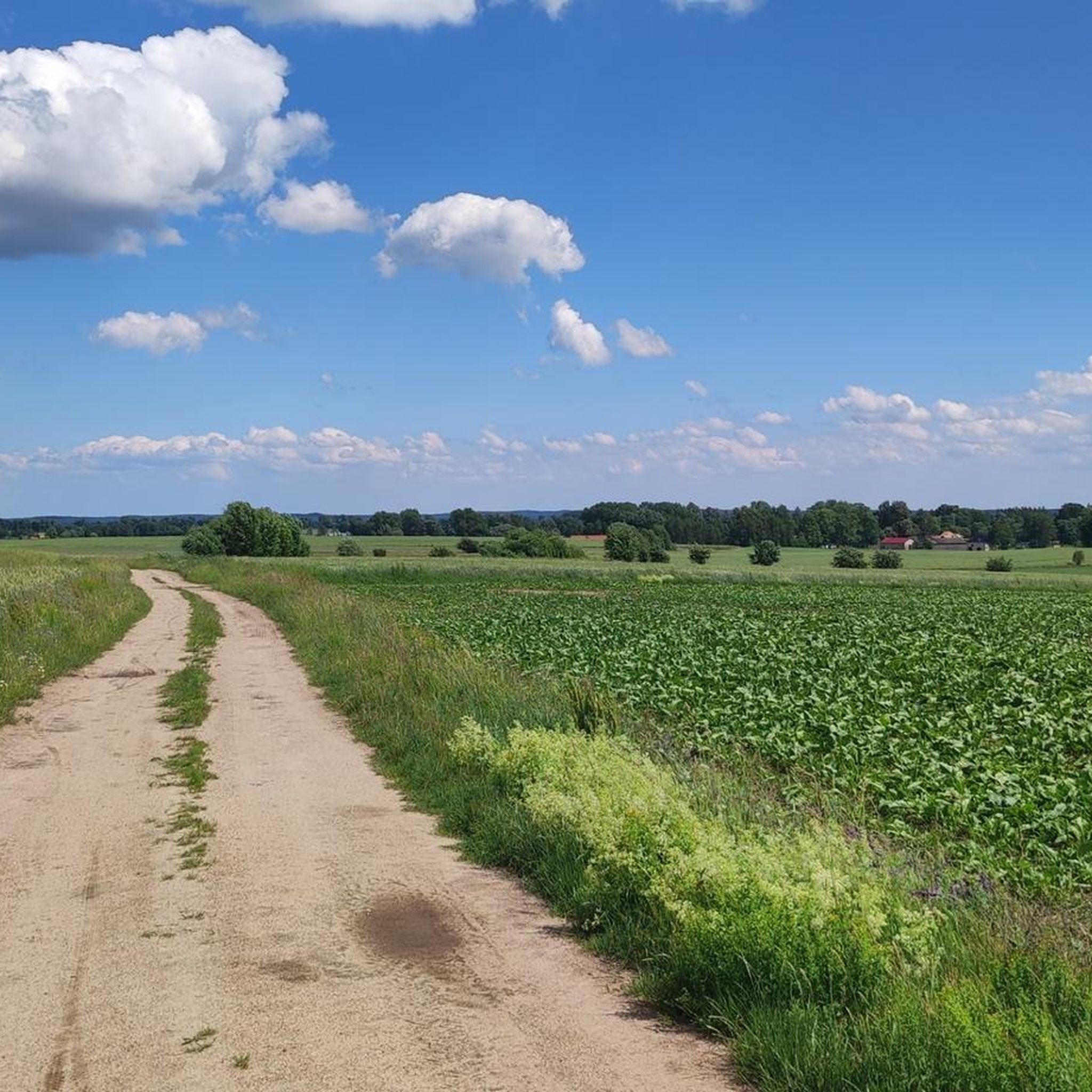
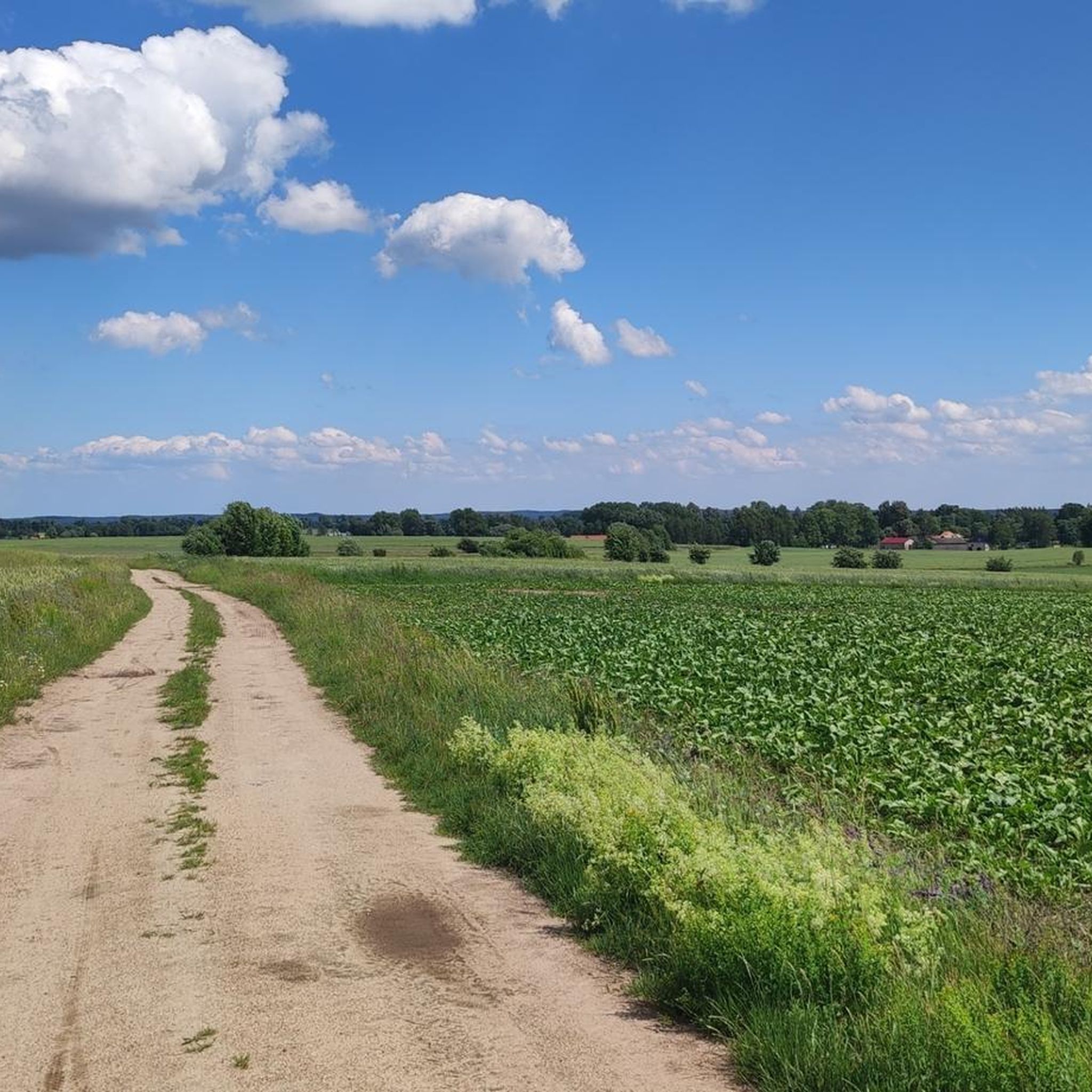

Tips from the Community

The construction of the castle began around 1398, the main western wing was completed in 1405, and the remaining works were completed in the spring of 1409[1]. The Teutonic procurator resided there. On July 12, 1410, on his way with his army into the depths of the Teutonic state, the undefended castle was occupied by Polish troops. During the Hunger War in 1414, the castle was besieged by Polish knights and captured on July 6 after an eight-day siege. In 1454, the castle was occupied by the pro-Polish Prussian Confederation and in February 1455, it was handed over to Czech mercenaries led by Jan Kolda of Žampach, who repelled the invasion of the Teutonic troops on April 28[2]. In 1517, the outer bailey was expanded and fortified. In 1784, the outer bailey burned down. In 1812, the castle was devastated by French troops. In the years 1828-1830 the castle was rebuilt into a court and prison. In the winter of 1945, Soviet troops bombarded the castle, which remained a ruin until its reconstruction in 1961-1965.
0
0
Nidzica Castle – was built at the beginning of the 15th century in the Gothic style as the seat of the Teutonic prosecutor.
0
0

First, some information about visiting, namely it is closed on Mondays. The construction of the castle began around 1370, and in 1409, a Teutonic prosecutor was already residing there. On July 12, 1410, on the way with an army into the depths of the Teutonic state, the undefended castle was occupied by Polish troops. During the Hunger War in 1414, the castle was besieged by Polish knights and captured on July 6 after an eight-day siege. In 1454, the castle was occupied by the pro-Polish Prussian Confederation. In February 1455, it was handed over to Czech mercenaries led by Jan Kolda of Žampach, who repelled the invasion of the Teutonic troops on April 28. In 1517, the castle's outer bailey was expanded and fortified. In 1784, the outer bailey burned down. The castle was damaged most by French soldiers, who were stationed here intermittently in the years 1806–1812. The building, devastated by the Napoleons, was saved from total ruin by the court counselor Ferdynand Tymoteusz Gregorovius, an effective initiator of the reconstruction (1828–1830) of the medieval fortress to serve as a courthouse, private apartments and a prison. However, Gregorovius stipulated that the people of Nidzica should build him a monument. The monument was built only more than seventy years after the castle was rebuilt. The monument is located in the castle park. In 1945, the castle was not so lucky – it was bombed by the Russians and burned down, losing its ceilings and part of the walls. However, the decision was quickly made to rebuild it. In 1949, the building was cleared of rubble, and three years later, the first security works began. The full restoration of the monument, including the conservation of the preserved paintings in the chapel and refectory, began in 1961 and was completed in 1965, after which it was ceremonially handed over to local cultural and social institutions. Currently, the castle serves as the city's center of business, culture and entertainment. It houses: the Museum of the Nidzica Region with an ethnographic and historical exhibition, the Nidzica Cultural Center, the Knights' Brotherhood of the Nidzica Commandery, the Hieronim Surpski Author's Gallery, a sculpture studio and a city library. There is also a hotel and a restaurant here. Admission to the outer bailey and the courtyard of the high castle is free, to the museum it is paid. The complex is surrounded by a dense 19th-century park. https://zamek-nidzica.pl/historia-zamku-2/
3
0

Currently, there is a shop with mead from Masuria
0
0

Frequently Asked Questions
How many hiking trails are available in gmina Janowiec Kościelny?
There are 8 hiking routes available in gmina Janowiec Kościelny. These trails offer a variety of experiences, from easy strolls to moderate excursions through the region's diverse landscapes.
What kind of terrain can I expect on hikes in gmina Janowiec Kościelny?
The terrain in gmina Janowiec Kościelny is characterized by picturesque landscapes, including expansive forests, colorful fields, and winding rivers. Many paths are easily accessible, making them suitable for various skill levels. The region is largely within the Narew River basin, with the Orzyc River forming its eastern boundary.
Are there options for different hiking skill levels?
Yes, gmina Janowiec Kościelny offers routes for various skill levels. Out of the 8 available trails, 7 are rated as easy, and 1 is moderate. This ensures that both beginners and more experienced hikers can find suitable options.
Are there any historical or archaeological sites to see while hiking?
Absolutely. The gmina is rich in historical and archaeological significance. You can discover ancient burial mounds, known as 'kurhany,' in villages like Pokrzywnica Wielka, Bielawy, Bukowiec, and Szczepkowo Borowe. There are also medieval cemeteries, traditional peasant homesteads, and roadside figures. For a deeper dive into history, consider the "Szlak Szkół Dawnego Pogranicza" (Trail of Old Borderland Schools) which passes through localities with historical school buildings, including a mini-school museum in Waśniewo-Grabowo.
What natural features can I expect to see along the trails?
Hikers can enjoy lush forests, vibrant fields, and the scenic Orzyc River. The forests are known for being rich in mushrooms and game. For wildlife enthusiasts, beaver families can often be spotted building their lodges along the Orzyc River and its tributaries in areas such as Smrody and Zaborowo.
Are there any long-distance trails in the area?
Yes, two notable routes, originally designed for cycling but excellent for hiking, offer longer excursions. The "Szlak pobożańskich Kurhanów" (Pobozańskie Barrows Trail) is approximately 25 km long and connects villages with ancient burial sites. The "Szlak Szkół Dawnego Pogranicza" (Trail of Old Borderland Schools) stretches about 29 km and explores historical school buildings from the former borderlands.
Are there family-friendly hiking options in gmina Janowiec Kościelny?
Many of the trails in gmina Janowiec Kościelny are suitable for families, with a majority of routes rated as easy. The State Archive in Olsztyn – Former Brewery loop from Sewerynów, for example, is an easy 3.9 km path that explores historical points of interest, perfect for a family outing.
Can I bring my dog on the hiking trails?
While specific regulations can vary, generally, dogs are welcome on most hiking trails in the region, provided they are kept on a leash and owners clean up after them. It's always a good idea to check local signage for any specific restrictions in certain protected areas.
Are there circular hiking routes available?
Yes, many of the trails in gmina Janowiec Kościelny are designed as loops, offering convenient circular routes. A popular option is the Hiking loop from Nidzica, a moderate 8.5 km trail that showcases varied landscapes.
What is the best time of year to go hiking in gmina Janowiec Kościelny?
The gmina offers beautiful hiking experiences throughout the year. Spring and autumn are particularly pleasant, with vibrant colors and mild temperatures. Summer provides warmer weather for longer days on the trails, while winter can transform the landscape into a serene, snow-covered wonderland, though some paths might be less accessible.
What do other hikers say about the trails in gmina Janowiec Kościelny?
The routes in gmina Janowiec Kościelny are highly rated by the komoot community, with an average score of 5.0 stars from over 1 review. More than 20 hikers have used komoot to explore the varied terrain, often praising the tranquility and natural beauty of the area.
Are there any easy hikes for beginners?
Absolutely. Most of the trails in gmina Janowiec Kościelny are rated as easy, making them ideal for beginners. The Władysław Jagiełło Monument – Former Brewery loop from Nidzica is an easy 3.3 km trail that leads through local landmarks and can be completed in about 51 minutes.
Most popular routes around gmina Janowiec Kościelny

Get inspired with the komoot mobile app


Explore more
Browse the best Hikes in other regions.
