The best walks and hikes around gmina Siemiatycze
5.0
(5)
134
hikers
38
hikes
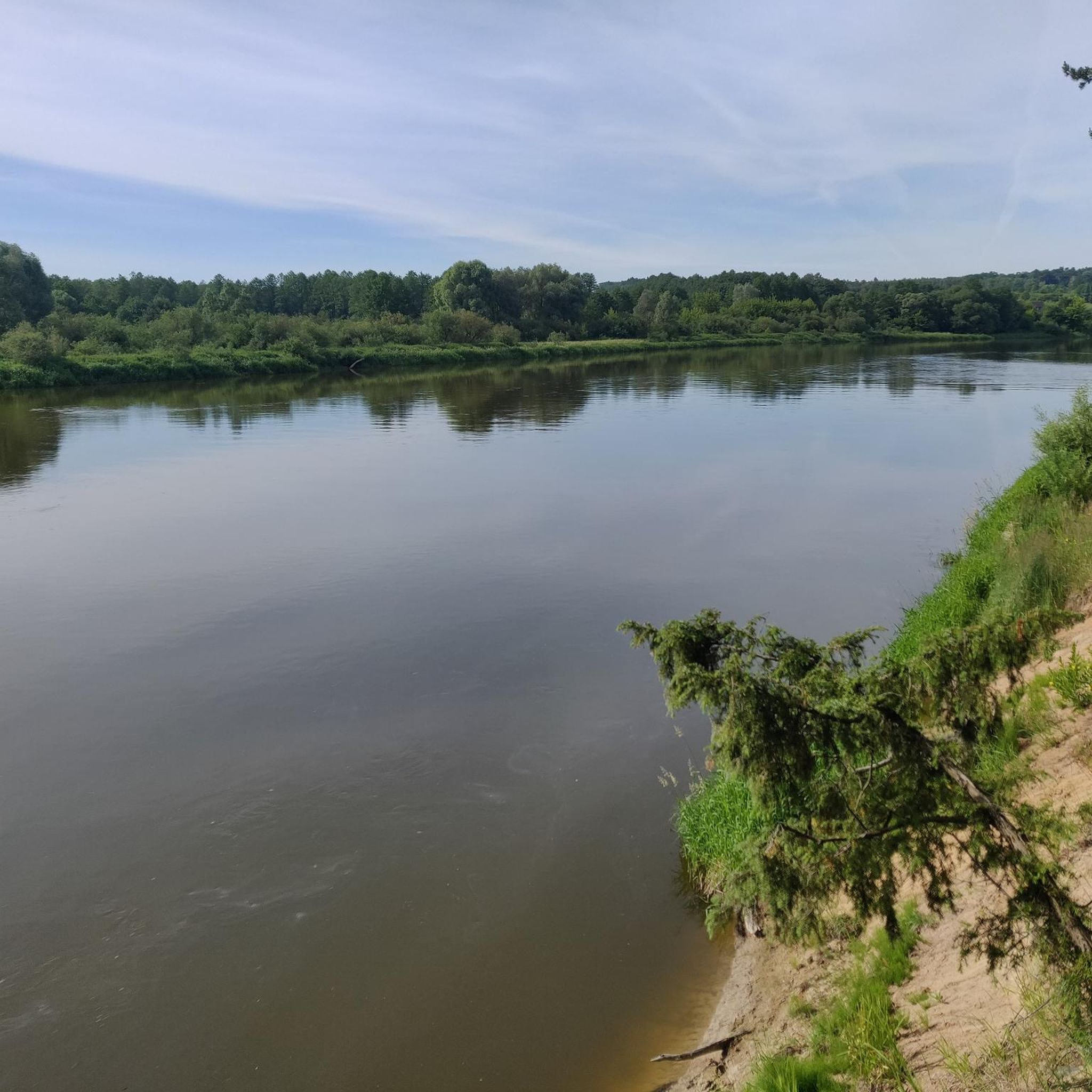
Hiking around gmina Siemiatycze offers diverse landscapes in the southern Podlaskie Voivodeship. The region is characterized by the Bug River Valley, rolling plains, and eskers, with absolute heights reaching around 210 meters above sea level. Lush forests and picturesque countryside provide a serene environment for exploration, featuring a network of marked trails.
Best hiking trails around gmina Siemiatycze
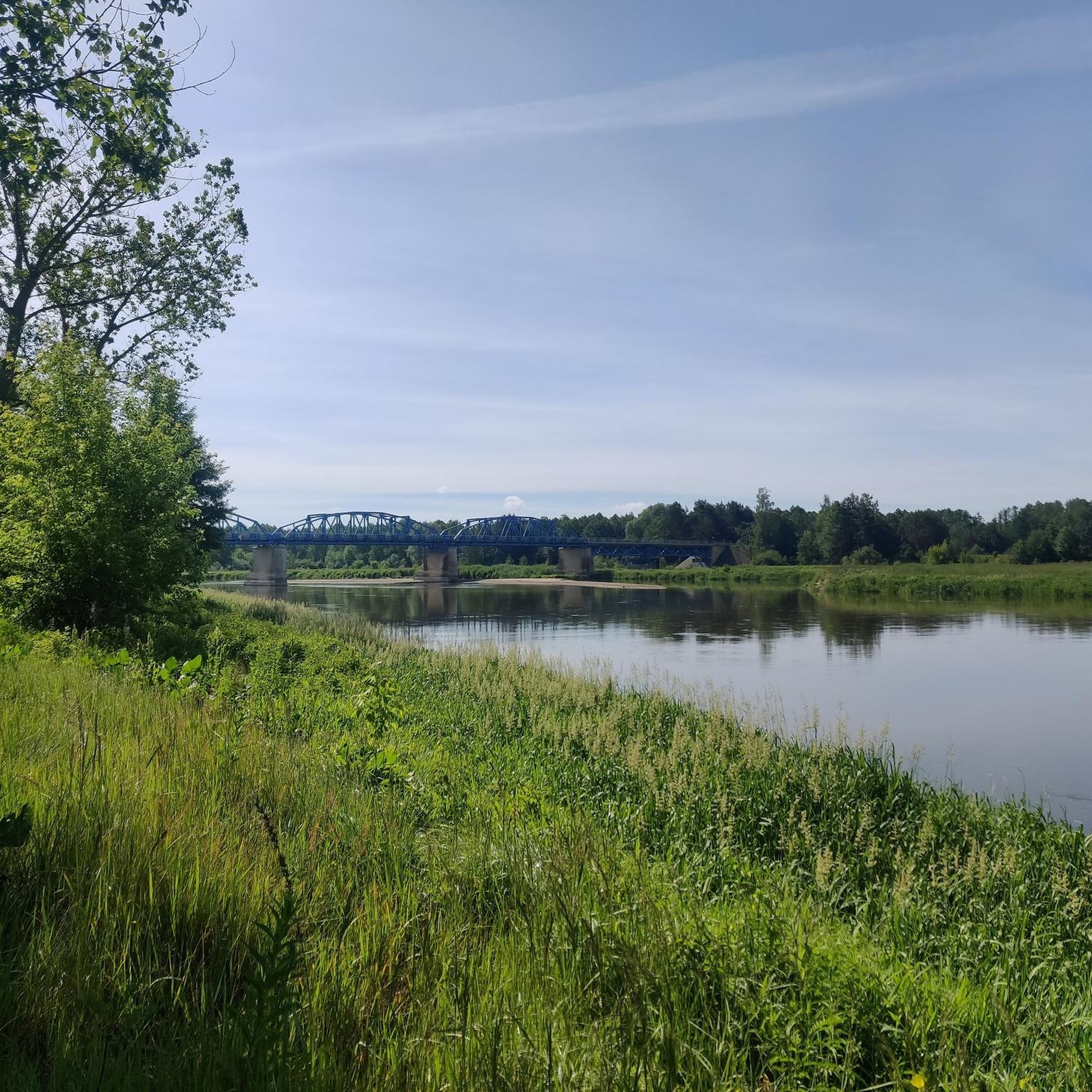
- The most popular hiking route is Loop Drohiczyn, an easy 1.7 miles (2.8 km) trail that takes about 45 minutes to complete, offering views along the Bug River.
- Another top favourite among local hikers is All Saints Church – Church of St. Nicholas loop from Drohiczyn, an easy 2.9 miles (4.7 km) path. This route provides historical insights and river scenery, typically completed in about 1 hour 15 minutes.
- Local hikers also love the Góra zamkowa loop from Drohiczyn, an easy 2.1 miles (3.4 km) trail leading through varied terrain near the Bug River, often completed in about 55 minutes.
- Hiking around gmina Siemiatycze is defined by the Bug River Valley, rolling plains, and moderately wooded areas. The network offers options primarily for easy walks, suitable for various fitness levels.
- The routes in gmina Siemiatycze are highly rated by the komoot community with an average score of 5.0 stars from a few reviews. More than 40 hikers have used komoot to explore gmina Siemiatycze's varied terrain.
Last updated: October 14, 2026
5.0
(1)
4
hikers
4.81km
01:16
40m
40m
Easy hike. Great for any fitness level. Easily-accessible paths. Suitable for all skill levels.
6
hikers
5.47km
01:25
30m
30m
Easy hike. Great for any fitness level. Easily-accessible paths. Suitable for all skill levels.

3
hikers
Easy hike. Great for any fitness level. Easily-accessible paths. Suitable for all skill levels.
5
hikers
3.19km
00:49
10m
10m
Easy hike. Great for any fitness level. Easily-accessible paths. Suitable for all skill levels.
5
hikers
3.50km
00:54
20m
20m
Easy hike. Great for any fitness level. Easily-accessible paths. Suitable for all skill levels.
Get access to more routes and recommendations from other explorers.
Already have an account?
Our route recommendations are based on thousands of hikes, rides, and runs completed by other people on komoot.
Start today with a free account
Your next adventure awaits.

Tips from the Community

A remnant of the palace and park complex of Princess Anna Jabłonowska. The sphinxes were created around 1777 after the princess's visit to Giza.
0
0

Located in the park by the fountain
0
0
inscription with the name of the city
0
0
The sphinxes are located in front of the county office building.
0
0
the monument is located in the park, right next to the starosty
2
0

The market square in Siemiatycze is a large square - a large roundabout. Street name John Paul II Square. In its center there is a square with a fountain and greenery.
0
0
illuminated inscription SIEMIATYCZE on the Market Square
0
1
Frequently Asked Questions
How many hiking trails are available in gmina Siemiatycze?
There are nearly 20 hiking routes recorded in gmina Siemiatycze on komoot, all of which are classified as easy. These trails offer diverse landscapes, from the Bug River Valley to rolling plains and lush forests.
What is the typical terrain and difficulty of hiking trails in gmina Siemiatycze?
The hiking trails in gmina Siemiatycze are predominantly easy, characterized by rolling plains, moderately wooded areas, and paths along the picturesque Bug River Valley. The highest points reach around 210 meters above sea level, making for gentle ascents and descents suitable for most fitness levels.
Are there any family-friendly hiking options in gmina Siemiatycze?
Yes, gmina Siemiatycze is very family-friendly. The 'Educational and Nature Paths' in Wólka Nadbużna are particularly suitable, featuring accessible routes, a playground, and naturalist figures of local flora and fauna. Many of the easy routes, such as Loop Drohiczyn, are also great for families.
Can I hike with my dog in gmina Siemiatycze?
Yes, gmina Siemiatycze is generally dog-friendly. The region's extensive network of natural trails through forests and along the Bug River provides ample space for walks with your dog. Always ensure your dog is under control and respect local regulations regarding leashes, especially in protected areas or near wildlife.
Are there circular hiking routes available?
Yes, many of the trails in gmina Siemiatycze are circular, offering convenient starting and ending points. Popular circular routes include Loop Drohiczyn, All Saints Church – Church of St. Nicholas loop from Drohiczyn, and Góra zamkowa loop from Drohiczyn.
What natural attractions can I discover along the hiking trails?
Hiking trails in gmina Siemiatycze offer views of the scenic Bug River Valley, rolling plains, and unique geological formations like eskers. You can also explore lush forests and visit sites like the Mężenin – Natura 2000 Lower Bug Valley, a significant natural monument, or the serene Sacred Spring of Grabarka.
Are there any historical sites or landmarks to see while hiking?
Yes, gmina Siemiatycze has a rich history reflected in its trails. You can explore remnants of Soviet fortifications along the 'Bunker Trail' (Molotov Line) or follow the 'January Uprising Trail' for a blend of nature and historical significance. Nearby, you might also find historical sites like Korczew Palace or the Ruins of the castle church in Mielnik.
What is the best time of year to go hiking in gmina Siemiatycze?
The best time to hike in gmina Siemiatycze is typically during spring, summer, and early autumn. These seasons offer pleasant weather for exploring the Bug River Valley, forests, and open countryside. Spring brings blooming nature, while autumn showcases vibrant foliage. Always check local weather forecasts before heading out.
Is there parking available near the trailheads?
While specific parking information for every trailhead isn't always detailed, many popular starting points for trails, especially in towns like Drohiczyn or Siemiatycze, offer public parking facilities. For routes like Zalew II loop from Siemiatycze, parking is often available near recreational areas.
What do other hikers enjoy most about hiking in gmina Siemiatycze?
The area is highly rated by the komoot community, with an average score of 5.0 stars. Hikers often praise the serene environment, the picturesque views along the Bug River, and the accessibility of the trails, which are suitable for various fitness levels. The blend of natural beauty and historical interest is also frequently highlighted.
Are there any longer trails for more extended hikes?
While komoot's recorded routes in the immediate gmina Siemiatycze area are generally shorter and easy, the broader region offers longer, marked trails. These include the 'Moszczona Valley Trail' and the 'January Uprising Trail', both around 24 km, and the 'Merchant Trail' which spans 40 km, providing options for more extended exploration.
Are there facilities like cafes or accommodation near the hiking trails?
Yes, towns like Siemiatycze and Drohiczyn, which serve as starting points for many trails, offer various amenities including cafes, restaurants, and accommodation options. Additionally, in Wólka Nadbużna, there's a recreational base with summer houses, a rope park, and camping facilities, enhancing the appeal for outdoor enthusiasts.
Most popular attractions around gmina Siemiatycze

Get inspired with the komoot mobile app


Explore more
Browse the best Hikes in other regions.
