The best cycling routes around Knittlingen
4.5
(214)
1,086
riders
44
rides
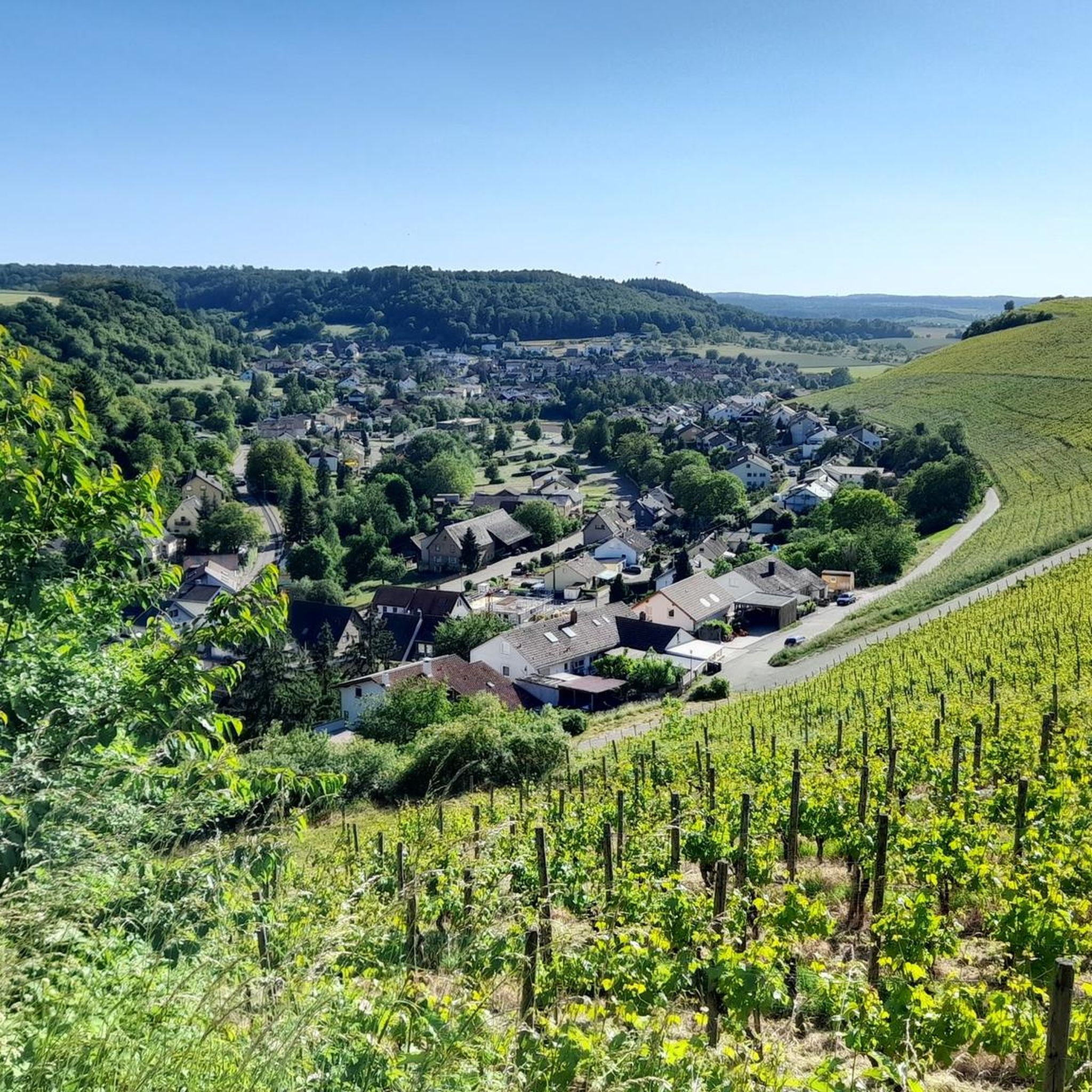
Touring cycling around Knittlingen offers a diverse landscape for riders. The region is characterized by rolling hills, dense forests, and vineyards, providing varied terrain for exploration. Situated in the Stromberg countryside on the edge of the Kraichgau region, it features the scenic Enz river and several reservoirs. This geographical setting creates a network of routes suitable for different cycling preferences.
Best touring cycling routes around Knittlingen
- The most popular touring cycling route is Seen-Tour - around Knittlingen and Maulbronn,…
Last updated: June 26, 2026
4.6
(54)
167
riders
30.2km
02:08
310m
310m
Moderate bike ride. Good fitness required. Mostly paved surfaces. Suitable for all skill levels.
4.3
(6)
104
riders
Easy bike ride. Great for any fitness level. Mostly paved surfaces. Suitable for all skill levels.

Sign up for free
4.0
(7)
83
riders
Easy bike ride. Great for any fitness level. Mostly paved surfaces. Suitable for all skill levels.
4.5
(17)
52
riders
Hard bike ride. Very good fitness required. Mostly paved surfaces. Suitable for all skill levels.
4.7
(6)
38
riders
32.6km
02:15
380m
380m
Moderate bike ride. Good fitness required. Mostly paved surfaces. Suitable for all skill levels.
Get access to more routes and recommendations from other explorers.
Sign up for free
Already have an account?
Our route recommendations are based on thousands of hikes, rides, and runs completed by other people on komoot.
Start today with a free account
Your next adventure awaits.
Login or Signup
Popular around Knittlingen
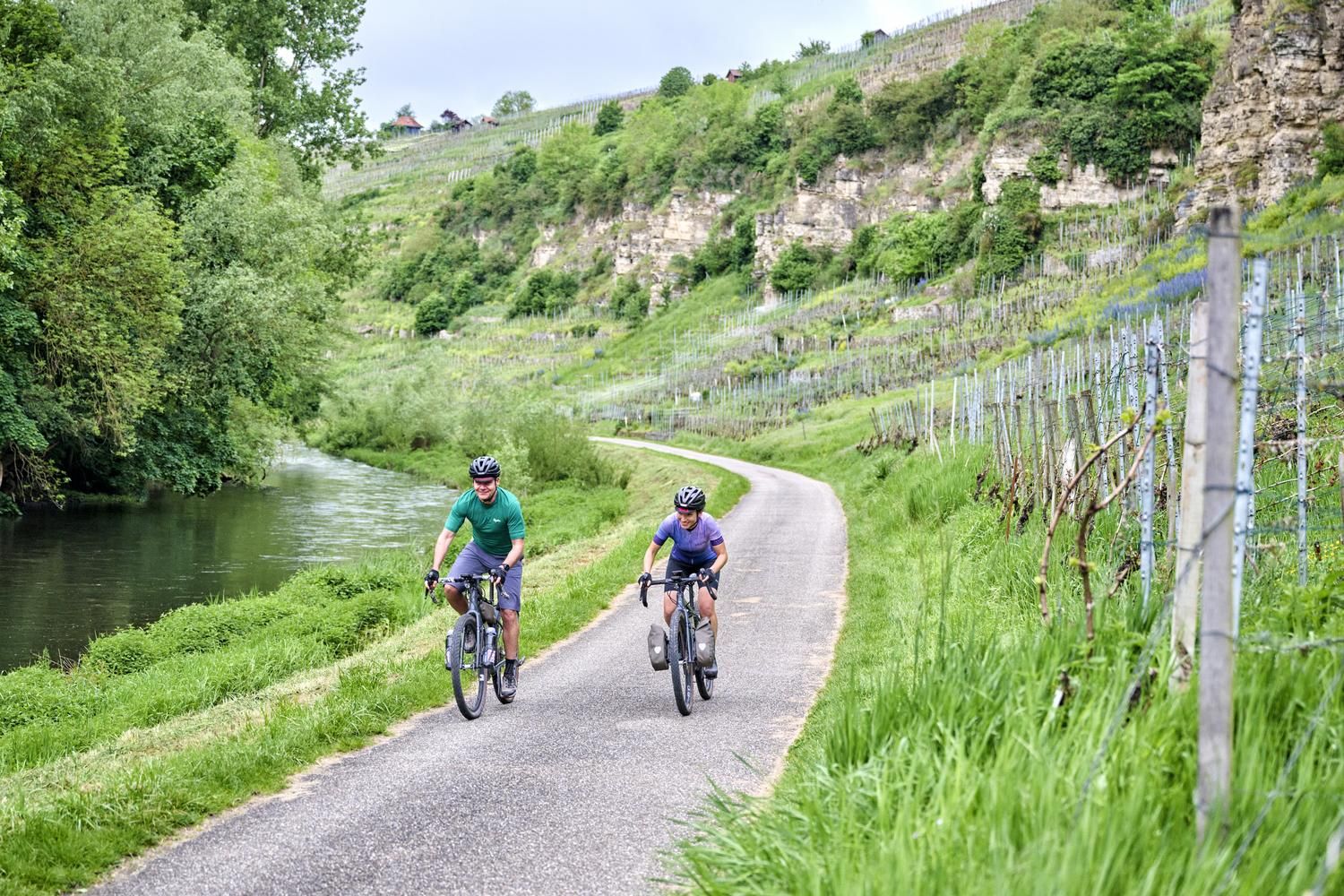
Erfrischend anders: wassernah radeln im Land der 1000 Hügel
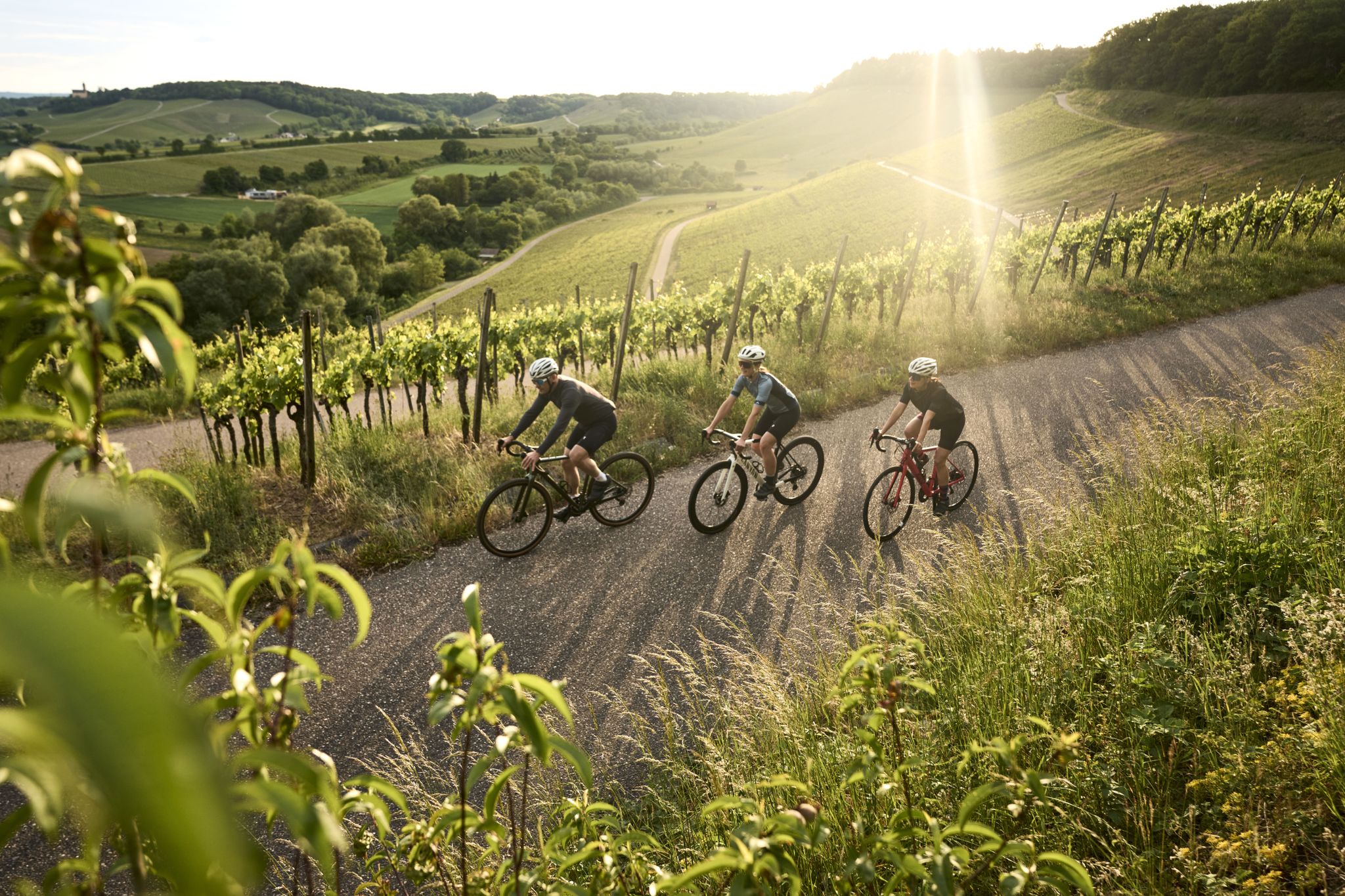
Tritt für Tritt durchs Land der 1000 Hügel
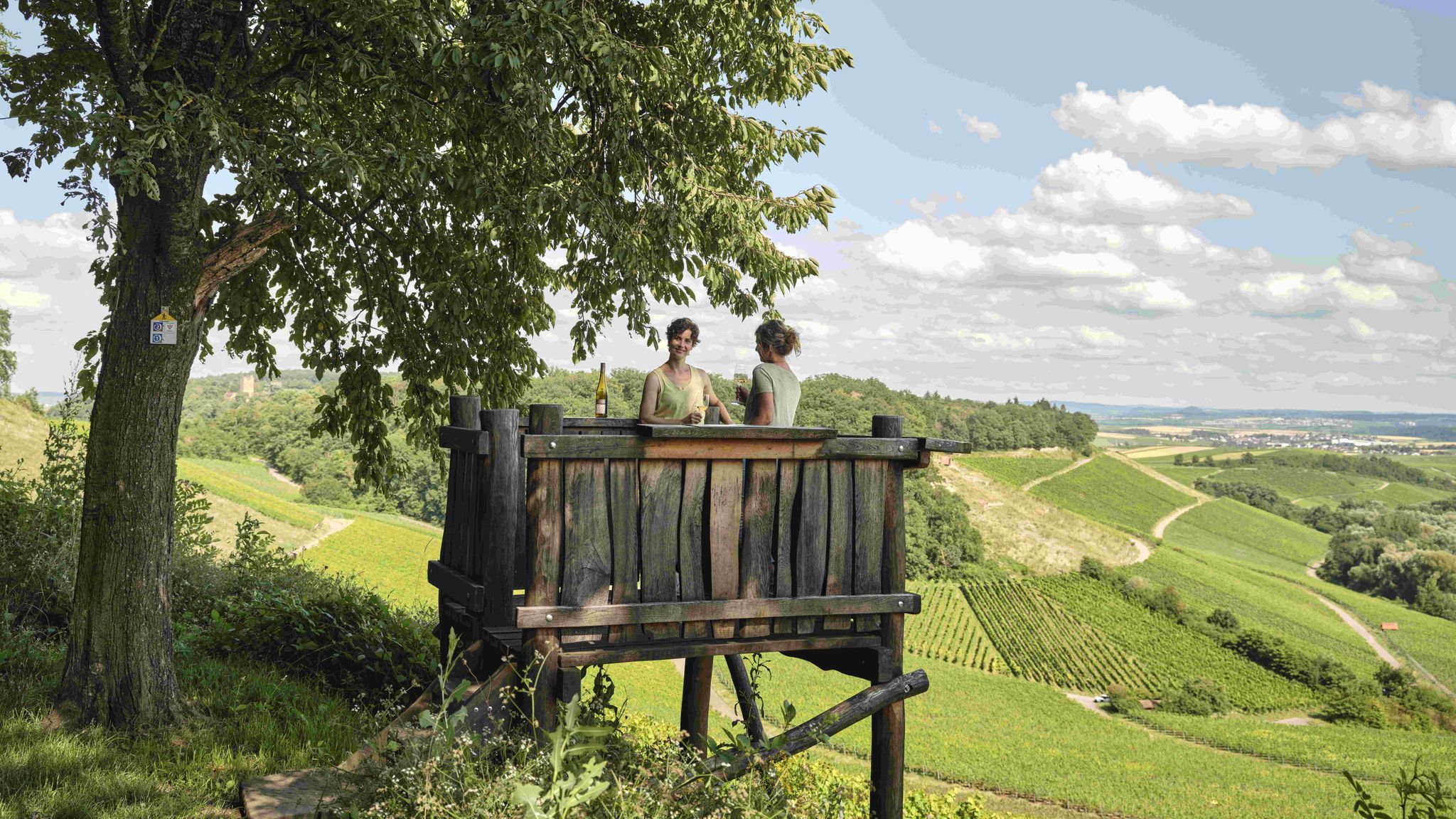
Genusswandern: Auf Wein(wander)wegen durch das Land der 1000 Hügel
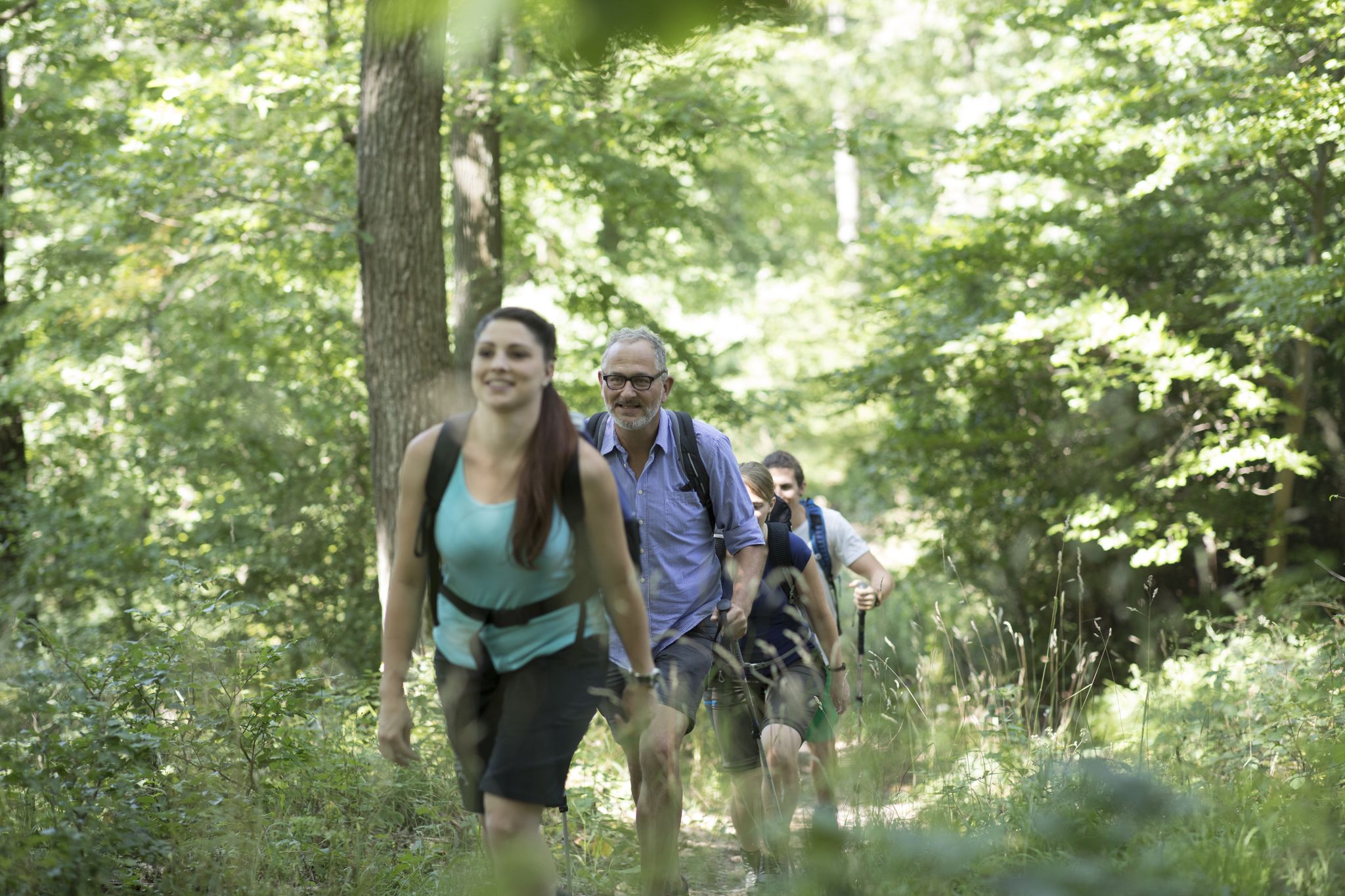
Wander3Klänge: Einfach Los Wandern im Naturpark Stromberg-Heuchelberg
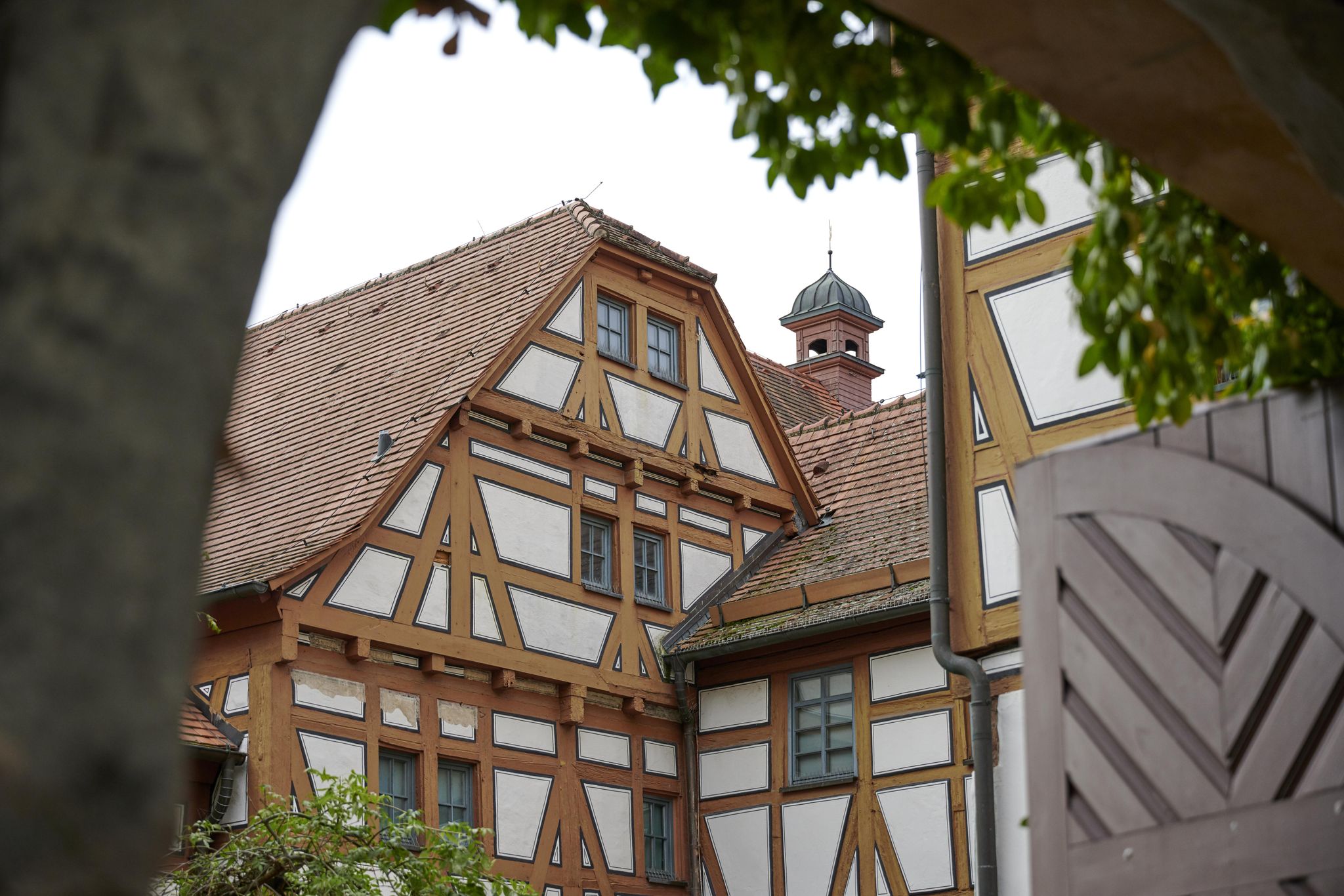
Das Land der 1000 Hügel mit der Buslinie 702 entdecken
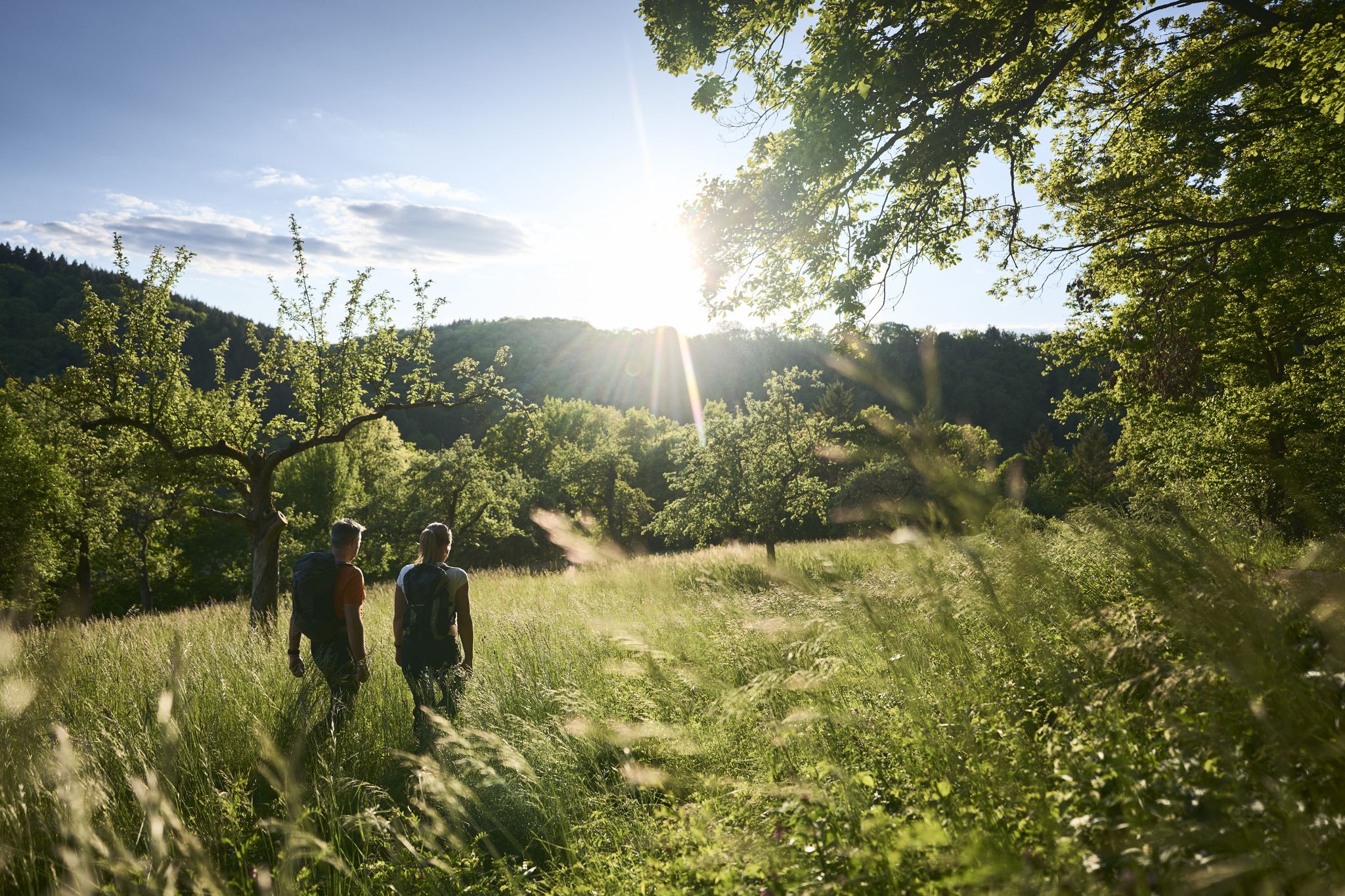
Zu Fuß durchs Land der 1000 Hügel
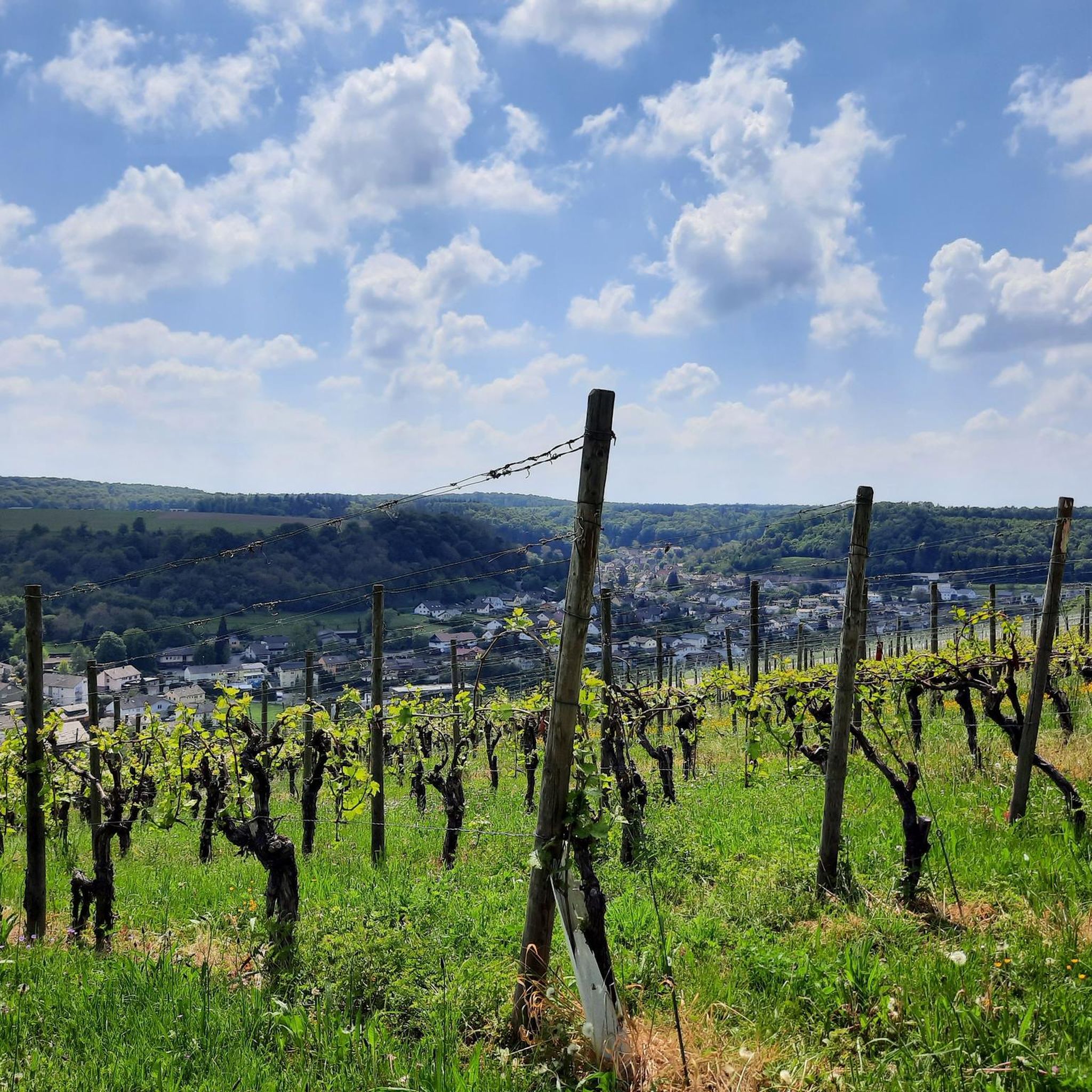
Hiking around Knittlingen
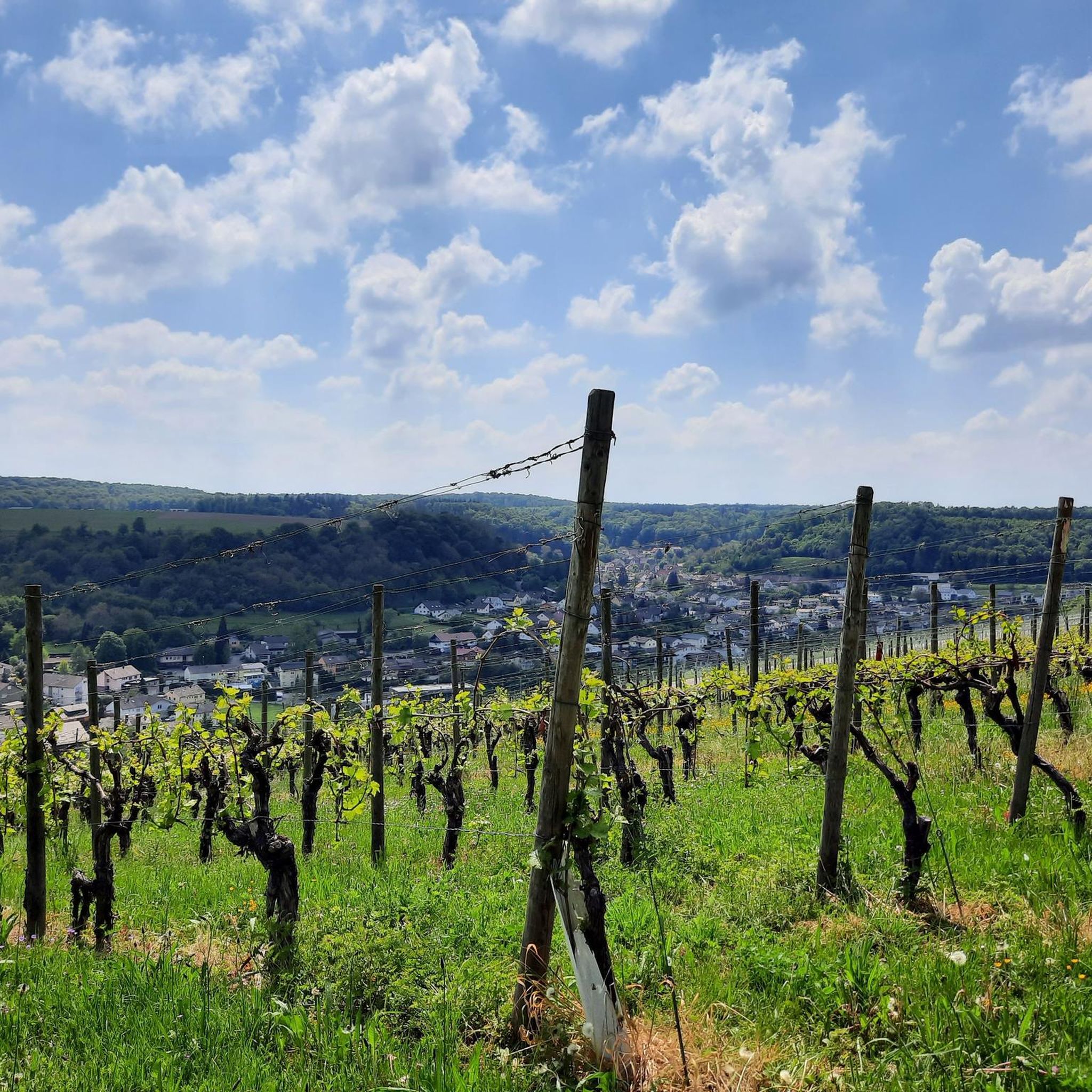
Road Cycling Routes around Knittlingen

Gravel biking around Knittlingen
Running Trails around Knittlingen
Other adventures around Knittlingen

Tips from the Community

Today, the Amthof in its entirety is a cultural monument of particular importance and is considered by historians and heritage conservationists to be the best-preserved monastic farmstead in Southern Germany. With the incorporation of the town hall into the tithe barn, the renovation of the rectory and other buildings, its significance has been expanded again and its fabric saved from decay. Thus, the Amthof will retain its importance as a cultural monument and focal point for the town of Oberderdingen in the years to come.
3
0


https://www.knittlingen.de/stadt-knittlingen/stadtgeschichte "Monday, June 2nd, I will depart. My heart expanded in all the expectations of what I will see and hear. Never have I felt so well as when, half an hour from here, I rode down the mountain – and below me lay Knittlingen…" (Friedrich Hölderlin in a letter from 1788)https://As "Württemberg's foremost bulwark and border fortress against the Palatinate" Knittlingen was first mentioned in a document in 843, then still as "Cnudelingen". In 1148, the Maulbronn monastery, completed a year earlier, acquired the rights over Knittlingen, where one of the monastery's seven granges also arose. In the following centuries, Knittlingen suffered major destruction multiple times – for example in 1360 by the Count Palatine of the Rhine, in the Thirty Years' War in 1632 by the troops of Imperial General Ernesto Montecuccoli, and in 1692 by the French. Partially devastating fires affected many historical buildings. Great influence on the development of urban life was exerted in 1490 by the idea of the Taxis dynasty (since 1650 Thurn und Taxis) to establish a horse relay post from Dutch Mechelen to Austrian Innsbruck and to open a post station in Knittlingen. From 1806 Knittlingen was part of the Oberamt Maulbronn, and in 1840 the place was officially granted town rights. From 1938 to 1972 Knittlingen belonged to the Vaihingen district, and since its dissolution to the Enzkreis in the administrative district of Karlsruhe. The history of Knittlingen's sub-districts Freudenstein (first mentioned in documents around 1251 as "Frodenstein") and Hohenklingen (first mentioned in writing in 1312) also dates back to the 13th or 14th century. The Waldensian village of Kleinvillars was founded in 1699 by reformed religious refugees from Piedmont. The incorporation of Kleinvillars into the town of Knittlingen took place on February 15, 1972, and the amalgamation of Freudenstein-Hohenklingen on August 9, 1975. Also not to be forgotten are the two Spanish partner municipalities Benaoján and Montejaque, with whom Knittlingen has been friendly connected for over 50 years, and since 2010 there has also been an official partnership. www.knittlingen.de/tourismus-freizeit/radtouren
0
0
Just a few kilometers west of Maulbronn Monastery lies the Elfinger Hof estate, one of the monastery's first granges. Together with the neighboring vineyard, it was among the monastery's most important economic holdings. Elfinger Hof encompassed 130 to 150 hectares, and as an estate, it was described as 190 hectares in 1870 by the Maulbronn district office (see Hachenberger 1990). The estate's layout is depicted on the Württemberg cadastral map of 1835. To the west of the estate and north of Elfinger Lake, there was another pond. The updated cadastral map of 1891 shows a garden and a path leading to the drained Elfinger Lake to the south of the estate.
5
0

Here you can marvel at the best-preserved medieval monastic farmstead. For details on the individual buildings, see Wikipedia or information on site. Text from the information board (with site plan) at the "Hexenturm": "The 150 x 200 m Amthof is one of the best-preserved medieval monastic farmsteads; it was also the grange of the Herrenalb Monastery for the Kraichgau region. As early as the 10th century, the Weißenburg sources mention a Selhof manor in Derdingen. In 1216, Herrenalb, the Cistercian monastery in the Northern Black Forest, is named as the owner of the Pfleghof, and by 1252 it was the sole owner of all sovereign rights in Derdingen. The monks established a monastic office here in the mid-15th century. Even after the Reformation, the monastic administrative office of Derdingen remained the center of the Württemberg possessions in the Kraichgau. Both the monastic administrator and the Württemberg district administrator had their seats in the current rectory. Since 1534, the farm has been referred to as Amthof. In a major fire in 1693, the wine press went up in flames, the roof structure of the chapel also burned down, as did the Bandhaus (cooperage), a hay barn next to the tithe barn, and one of the 4 towers in the Amthof, the Diebsbodenturm. As late as 1710, the drawbridge at the Amthof gate was renewed, and iron chains were installed instead of ropes. In 1717, the church tower received its current pointed helmet instead of the collapsed Welsch hood, which contained a watch room. In 1806, the Derdingen administrative office was dissolved; since 1808, the administrative building has been the seat of the local pastor. As late as 1870, the moat around the Amthof wall was partially filled. It was not until around 1903 that the Amthof wall was breached near the Hexenturm to create a second access road to the Amthof. In the years 1984-1988, the Amthof was renovated in consultation with the monument preservation authorities. As a cultural monument of high importance, the Amthof was placed under monument protection. Since the conversion of the tithe barn into the town hall and the renovation of the administrative building, the former monastic farmstead has once again become the center of the community. A small exhibition on the history of the Amthof is shown in the Hexenturm!"
2
0

A central location in Oberderdingen. It's a great place to rest in front of the Amthof.
0
0
There are chilled drinks and delicious 😋 ice cream 🍨
5
1

Frequently Asked Questions
How many touring cycling routes are available around Knittlingen?
There are over 40 touring cycling routes around Knittlingen, offering a diverse range of options for different skill levels and preferences. These routes explore the region's rolling hills, dense forests, and picturesque vineyards.
What is the best time of year to go touring cycling in Knittlingen?
The spring and autumn months are particularly beautiful for touring cycling in Knittlingen. In spring, fruit trees bloom and vineyards display vibrant colors, while autumn offers breathtaking views, especially along routes with panoramic vistas. The region's varied terrain is enjoyable throughout the warmer seasons.
Are there any family-friendly touring cycling routes in Knittlingen?
Yes, Knittlingen offers several easy routes suitable for families. For instance, the Melanchthon House, Bretten – Old Town Bretten loop from Knittlingen is an easy 6.64-mile (10.69 km) path that provides a gentle ride through historical sites. The Ehmetsklinge Reservoir also offers a perfect spot for family outings with amenities.
What natural attractions can I see along the touring cycling routes?
The touring cycling routes around Knittlingen feature several natural attractions. You can visit the unique Rock Gardens Mühlhausen on the Enzschleife, or enjoy the serene waters of the Ehmetsklinge Reservoir, West shore of Aalkistensee, or Katzenbachsee.
Are there any historical landmarks or cultural sites accessible by bike?
Absolutely. A short cycling tour can lead you to the UNESCO World Heritage Site of Maulbronn Monastery, one of the best-preserved medieval monastery complexes north of the Alps. The Knittlingen Old Town – Melanchthon House, Bretten loop from Knittlingen also guides you through historical town centers.
What is the difficulty level of touring cycling routes in Knittlingen?
Knittlingen offers a range of difficulty levels. You'll find 13 easy routes for leisurely rides, 22 moderate routes for those seeking a bit more challenge, and 8 difficult routes for experienced touring cyclists. The terrain includes rolling hills and dense forests, providing varied experiences.
Are there any circular touring cycling routes around Knittlingen?
Yes, many routes are designed as loops. For example, the popular Seen-Tour - around Knittlingen and Maulbronn is a circular route exploring the scenic surroundings. Another option is the challenging View of the Pfinz River – Böllstrich Lakes loop from Knittlingen-Kleinvillars.
What do other touring cyclists say about the routes in Knittlingen?
The touring cycling routes in Knittlingen are highly rated by the komoot community, with an average score of 4.5 stars from over 190 reviews. Cyclists often praise the varied terrain, from quiet woodlands to picturesque vineyards, and the well-maintained paths that make for an enjoyable experience.
Are there options for longer, more adventurous bikepacking routes?
For more adventurous touring cyclists, the region offers bikepacking routes such as the 'Kraichgau-Stromberg: World Heritage Route' and the 'Stromberg-Murrtal cycle path'. These routes often connect significant cultural sites and provide a more immersive experience through the diverse landscape.
Where can I find parking for touring cycling routes in Knittlingen?
Parking is generally available at various starting points for routes around Knittlingen. For example, the Enz Gardens in Mühlacker is a known parking location that can serve as a convenient starting point for exploring the Enz valley.
Can I reach touring cycling trailheads in Knittlingen using public transport?
Knittlingen is well-integrated into the regional transport network. Cyclists can reach the town via numerous bike paths, and public transport options are available to connect to various starting points for day trips, allowing for flexible exploration of the area.
Are there any routes that offer panoramic views?
Yes, the landscape around Knittlingen, particularly in areas like Freudenstein and the vineyards, offers routes with stunning panoramic views. While primarily a hiking trail, the 'Panoramaweg' also highlights the kind of breathtaking vistas you can expect on some of the cycling routes, especially in spring or autumn.
Are there cafes or places to stop for refreshments along the routes?
The charming town of Knittlingen itself has a historical town center with amenities. Additionally, the region's towns and villages along the cycling network often feature cafes, pubs, and restaurants where you can stop for refreshments and experience local hospitality.
Most popular routes around Knittlingen
Most popular attractions around Knittlingen

Get inspired with the komoot mobile app


Explore more
Browse the best Cycling routes in other regions.
