Top 15 Natural Monuments around Monestier-De-Clermont
Best natural monuments around Monestier-De-Clermont are situated within a landscape characterized by the French Alps and the Vercors massif. This region features distinctive limestone formations, high plateaus, and diverse ecosystems. The area offers a range of natural attractions, from prominent summits to unique geological features. It provides opportunities to explore mountainous terrain and scenic viewpoints.
Best natural monuments around Monestier-De-Clermont
- The most popular natural monuments is Grand Veymont, a summit that is the highest point of the Vercors. It…
Last updated: June 26, 2026
Grand Veymont
Highlight • Summit
Translated by Google •
Tip by

La Pierre Percée
Highlight • Natural Monument
Translated by Google •
Tip by

Sign up now to discover places like this
Get recommendations on the best single tracks, peaks, & plenty of other exciting outdoor places.
Sign up for free
Col de l'Allimas
Highlight • Mountain Pass
Translated by Google •
Tip by

La Grande Moucherolle
Highlight • Summit
Translated by Google •
Tip by
Col des Deux
Highlight • Mountain Pass
Translated by Google •
Tip by

Sign up for free to discover even more natural monuments around Monestier-De-Clermont.
Sign up for free
Already have an account?
Start today with a free account
Your next adventure awaits.
Login or Signup
Popular around Monestier-De-Clermont
Celebrate the arrival of spring – hike from Savoie to Provence in France
Road Cycling Routes around Monestier-De-Clermont
MTB Trails around Monestier-De-Clermont
Hiking around Monestier-De-Clermont
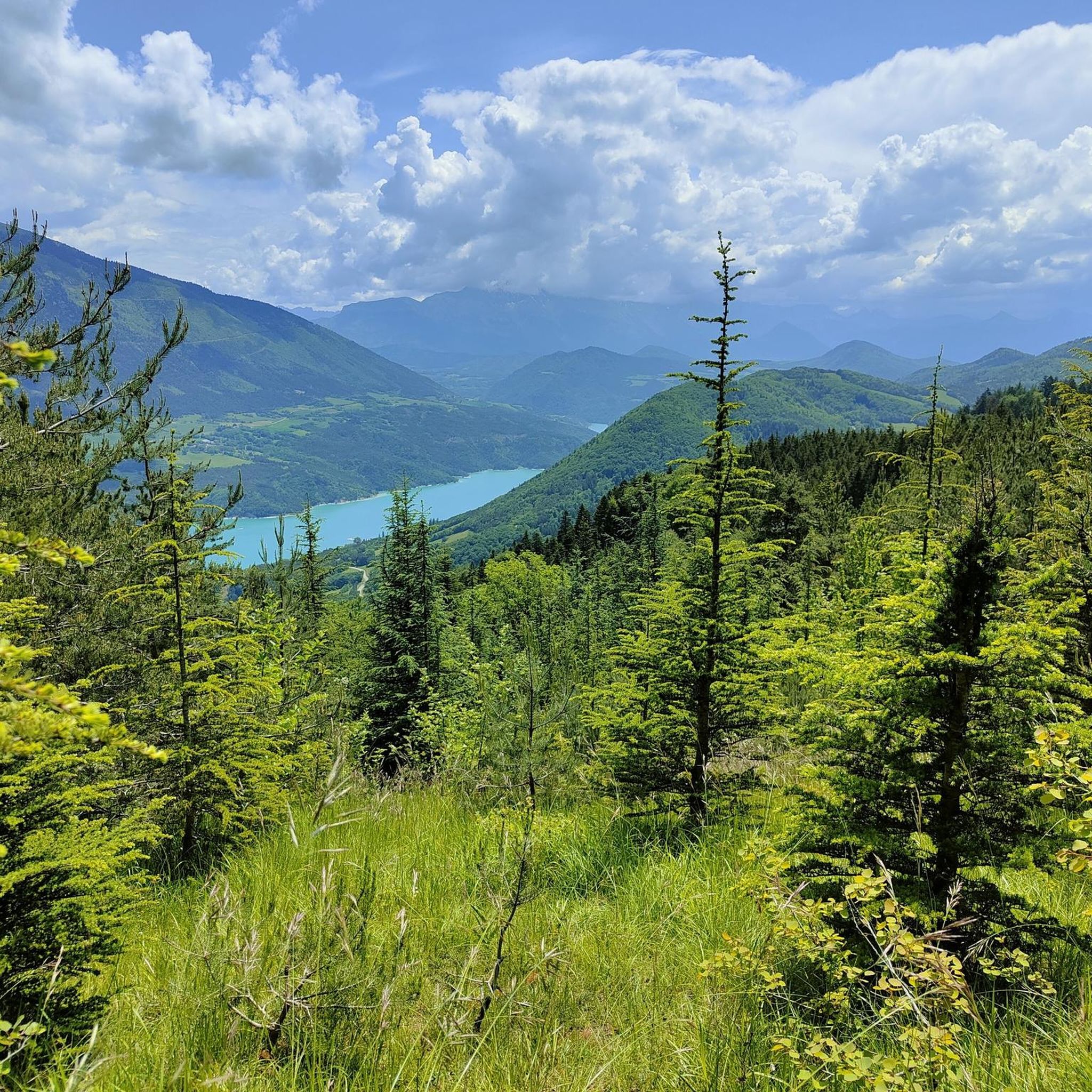
Cycling around Monestier-De-Clermont
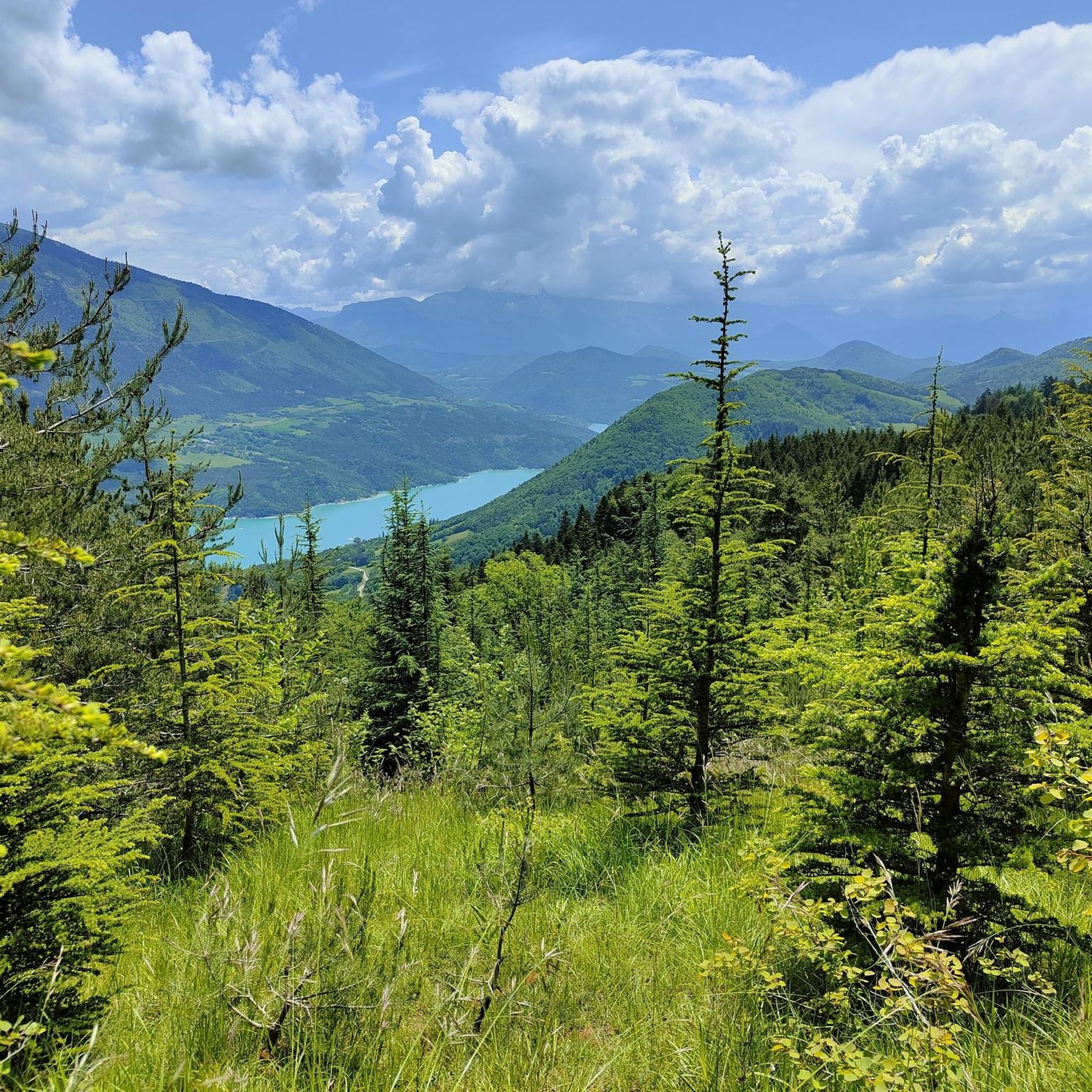
Running Trails around Monestier-De-Clermont
Gravel biking around Monestier-De-Clermont

Mountain Hikes around Monestier-De-Clermont
Other adventures around Monestier-De-Clermont

Tips from the Community

From Saint-Michel-les-Portes, it's about 7 km at an average gradient of 8%. The last few kilometers often reach double digits. A cruel climb if it's the last one of your day...
0
0

Beautiful view and nice place with a table
0
0

As pretty at the top as at the bottom, lots of ways to get to the top, accessible for all levels (not technical but lots of elevation gain depending on your starting point) but it's worth it!
1
0

The Col des Deux is not located in the Bauges Massif but in the Vercors between the Col de l’Arzelier and the Col de l’Allimas. This trilogy is well known to cyclists in the Grenoble metropolitan area.
0
0
Very beautiful panorama once you arrive at the Pierre Percée!
0
0

I did it on gravel, climbing via the Aveillans hill (west), it was fine. Direct descent to Putteville, very limited at the beginning on gravel, much steeper but it was fine.
0
0

Whether you're on gravel or mountain bike, this is a must-do for the many trails, paths, and roads that surround it. And the view of Mont-Aiguille 🤩
0
0

1st part very smooth and very pleasant, 2nd part much more technical with a nice climb on a very greasy muddy path, steep slopes and quite technical descents. The final does not take the greenway recently set up and which allows you to avoid the road.
0
0
Frequently Asked Questions
What are some of the most distinctive natural monuments to visit around Monestier-De-Clermont?
The region boasts several unique natural monuments. Don't miss La Pierre Percée, a natural arch with a 3-meter high hole framing panoramic views of the Matheysine plateau. Another iconic site is Mont Aiguille, a distinctive limestone mesa known for its unique geology and historical significance in mountaineering. Its striking, tooth-like shape is a result of erosion, and it offers panoramic views extending to Mont Blanc.
Are there any natural monuments suitable for family outings or easy walks?
Yes, the area offers options for families. The hiking circuit around Lake Monteynard-Avignonet, featuring the thrilling Himalayan Footbridges, is a popular choice. While the full loop is about 12-13 km, sections can be enjoyed, and the lake itself offers various water activities. The La Moucherolle Lake, though artificial, is also a photogenic spot in a rocky landscape.
What kind of panoramic views can I expect from the natural monuments in this region?
The natural monuments around Monestier-De-Clermont offer spectacular vistas. From the summit of Grand Veymont, you'll get beautiful 360-degree views of the Alps and the Vercors plateaus. The Col de l'Allimas provides magnificent views of both the Grand Veymont and Mont Aiguille. Additionally, the Belvédères de la Roche and Côte Rouge offer splendid panoramas, with the former overlooking Lake Monteynard and the latter providing a direct view of Mont Aiguille.
What unique geological features can be found among the natural monuments?
The region is rich in unique geological formations. Mont Aiguille is a prime example, a limestone mesa composed of Urgonian limestone from the Mesozoic era, separated from the main Vercors plateau by erosion. La Pierre Percée is another notable feature, a natural arch formed by erosion, creating a distinctive hole in the rock. The entire Vercors Regional Natural Park is characterized by dramatic limestone cliffs, plateaus, and forests, often described as a 'natural citadel' due to its unique geomorphology.
What outdoor activities are available near these natural monuments?
The area around Monestier-De-Clermont is ideal for various outdoor activities. You can find numerous mountain biking trails, such as the 'Rouge Cote – Ebron Footbridge loop' or the 'Fau Pass – Col de l'Allimas loop'. Cycling enthusiasts can explore routes like the 'East Balcony of the Vercors – Col de l'Arzelier loop'. For hikers, there are challenging mountain hikes, including the 'Path with panoramic view – Grand Veymont loop' and the 'Drac Footbridge – Ebron Footbridge loop'. You can find more details on these activities in the MTB Trails, Cycling, and Mountain Hikes guides for the region.
When is the best time to visit the natural monuments around Monestier-De-Clermont?
The best time to visit largely depends on the activities you plan. Spring is particularly rewarding for hikers, especially around Col de l'Allimas, due to the exceptional flora, including protected orchids. Summer offers ideal conditions for water sports at Lake Monteynard-Avignonet and for exploring higher altitude trails. Autumn provides stunning fall foliage, while winter conditions can be challenging, with snow and ice affecting accessibility to some higher monuments.
Are there any historical aspects associated with the natural monuments?
Yes, Mont Aiguille holds significant historical importance. Its first ascent in 1492 is widely considered the birth of mountaineering. This distinctive limestone mesa has captivated explorers for centuries, adding a layer of historical intrigue to its natural beauty.
What can I expect to see in terms of wildlife and biodiversity?
The region, particularly within the Hauts Plateaux du Vercors Nature Reserve (where Mont Aiguille is located) and the broader Vercors Regional Natural Park, is rich in biodiversity. You might spot rare flora like wild orchids and Lys-Martagon, especially in spring. The fauna includes chamois, marmots, and ibexes, which are often seen around Grand Veymont.
What do visitors enjoy most about the natural monuments in this area?
Visitors frequently highlight the breathtaking panoramic views, especially from summits like Grand Veymont. The unique geological formations, such as La Pierre Percée, are also a major draw, often described as perfect natural photo frames. The presence of wildlife like ibexes and marmots adds to the rewarding experience, as does the opportunity for diverse outdoor activities like hiking and cycling.
Are there any natural monuments that are particularly popular for cycling?
Cyclists frequently visit mountain passes in the region. The Col de l'Allimas and Col des Deux are well-known among cyclists in the Grenoble metropolitan area, offering challenging climbs and rewarding views. The Vercors massif, where these passes are located, provides numerous trails and roads suitable for both road and mountain biking.
Can I find natural monuments that are part of a larger protected area?
Yes, many of the natural monuments are situated within the vast Vercors Regional Natural Park. This protected area is a mountainous massif characterized by dramatic limestone cliffs, plateaus, and forests, offering a diverse ecosystem and over 3,000 km of signposted trails. Mont Aiguille, for instance, is located within the Hauts Plateaux du Vercors Nature Reserve, which is part of this larger park.
Are there any natural monuments that involve water activities?
Absolutely. Lake Monteynard-Avignonet is a prime spot for various water activities. Thanks to consistent thermal winds, it's popular for kitesurfing, windsurfing, and wingfoil. Paddleboarding and fishing are also common. The lake's stunning turquoise waters and the unique Himalayan Footbridges make it a memorable destination.
Most popular routes around Monestier-De-Clermont
Most popular attractions around Monestier-De-Clermont

Get inspired with the komoot mobile app


Explore more
Extend your search for the best caves by checking out these guides of the top ones around Monestier-De-Clermont:
