The best walks and hikes around Tábara
4.8
(4)
22
hikers
6
hikes
Hiking trails around Tábara are set within the northwest of Zamora province, offering diverse landscapes for outdoor activities. The region is characterized by the foothills of the Sierra de la Culebra, featuring soft, rounded peaks and extensive pine and heather forests. The nearby Esla River provides picturesque riverine scenery, contributing to the area's natural attractions. This environment supports a rich biodiversity, including various forest types and significant wildlife populations.
Best hiking trails around Tábara
- The most popular hiking route is…
Last updated: August 23, 2026
2
hikers
8.44km
02:27
240m
250m
Moderate hike. Good fitness required. Easily-accessible paths. Suitable for all skill levels.
14.8km
04:00
190m
190m
Hike the moderate 9.2-mile Route of the Corrales circular from Abejera (PR-ZA03) through varied landscapes in Sierra de la Culebra.

Sign up for free
4.8
(4)
15
hikers
Hard hike. Very good fitness required. Easily-accessible paths. Suitable for all skill levels.
2
hikers
5.31km
01:25
60m
60m
Easy hike. Great for any fitness level. Easily-accessible paths. Suitable for all skill levels.
2
hikers
18.6km
05:00
230m
230m
Moderate hike. Good fitness required. Easily-accessible paths. Suitable for all skill levels.
Our route recommendations are based on thousands of hikes, rides, and runs completed by other people on komoot.
Start today with a free account
Your next adventure awaits.
Login or Signup
Popular around Tábara
Tips from the Community

Tábara is a Spanish municipality of about 830-950 inhabitants located in the province of Zamora, within the autonomous community of Castile and León. This small village stands at an altitude of 749 meters and is the capital of the Tierra de Tábara comarca. It represents a center of great historical-cultural importance, as well as being a fundamental stop for pilgrims traveling the Camino Sanabrésl
1
0

Tábara, located in the northwest of the province of Zamora (Castilla y León), is a town with a rich medieval history, a stunning natural setting, and a significant cultural heritage. Origins: These date back to the Bronze Age and Roman period. Middle Ages: It was an important monastic center with the Monastery of San Salvador de Tábara, founded by Saint Froilán in the 9th century at the behest of Alfonso III.
10
0

another example of a corral restored a few years ago
1
0
wonderful enclave with traditional corals
1
0

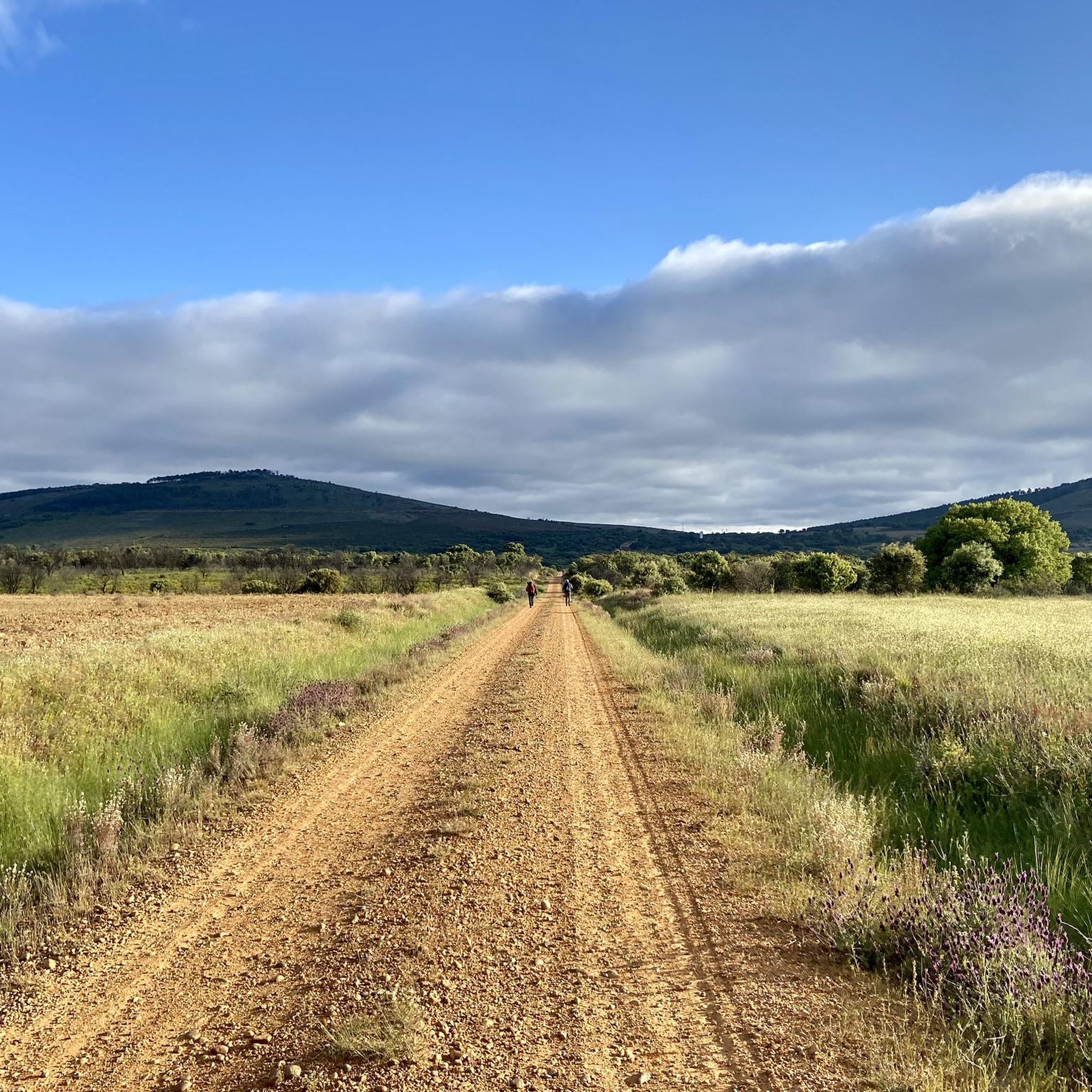
This is a nice section of dirt road that is perfect for a mountain bike and can be done on a gravel bike. As you go a bit further down the trail, the views get better.
0
0

Tábara is a small town located on the N-631 national highway and capital of the region known as Tierra de Tábara. The most notable building in the town is a Romanesque church.
3
3

Walking through the dense pine forests, we come across the stone outcrop where the Castro de Valdemera sits. Before beginning the access to the rocky ridges we find a spring in the same rock, surrounded by stones, which rather forms a deep pool. From the top we can see the walled complex of the castro, surrounded by the remains of the wall. Climbing to the top of the stones, we can contemplate the entire Sierra de la Culebra and give you an idea of how big the castro was.
1
0
Following the path between chestnut and pine trees we arrive at the Castillán fort. The views from the top are really beautiful and allow you to contemplate the entire Sierra de la Culebra and get an idea of how big the castro was. Awesome!
1
0
Frequently Asked Questions
How many hiking trails are available around Tábara?
There are 6 hiking trails around Tábara, offering a variety of experiences from easy walks to more challenging routes. These trails allow you to explore the diverse landscapes of the region.
What kind of terrain can I expect on hikes in Tábara?
Hikes in Tábara primarily feature the soft, rounded peaks of the Sierra de la Culebra, with extensive pine and heather forests. You'll also find picturesque riverine scenery along the Esla River. The terrain generally offers a mix of forest paths and open countryside.
Are there any easy hiking routes suitable for beginners or families in Tábara?
Yes, Tábara offers 2 easy hiking routes. A great option is the Abejera Shoeing Frame loop from Abejera, which is 3.3 miles (5.3 km) long and takes about 1 hour 25 minutes to complete, leading through the local countryside.
Can I find circular hiking routes in the Tábara area?
Yes, several routes in the Tábara area are circular. For example, the Castros de Castillan y Valdemera — circular desde Ferreras de Arriba is a moderate 5.2-mile (8.4 km) loop, and the Route of the Corrals (PR-ZA 3) is a moderate 9.2-mile (14.8 km) circular path that explores traditional pastoral corrals.
What are some natural attractions or points of interest to see while hiking near Tábara?
While hiking near Tábara, you can explore the foothills of the Sierra de la Culebra and the scenic Esla River. Notable points of interest include the historic Quintos Bridge Over the Esla River, a beautiful stone bridge built in 1920. You can also find various viewpoints offering expansive vistas of the river and surrounding landscapes, such as the View of the Esla River.
Is Tábara a good destination for wildlife observation?
Yes, Tábara, particularly the Sierra de la Culebra, is renowned for its rich biodiversity and is one of Europe's most significant areas for wildlife observation. It boasts the highest population density of Iberian wolves in Spain and Western Europe. Hikers might also spot deer, roe deer, wildcats, foxes, wild boars, and various birds of prey.
What is the best time of year to go hiking in Tábara?
The region's diverse flora, including pine forests, heather, and riparian forests, makes it appealing across seasons. Spring and autumn generally offer pleasant temperatures and vibrant natural colors. Summer can be warm, while winter hiking is possible, though conditions may vary.
Are there any long-distance or more challenging hikes available?
Yes, for those seeking longer or more challenging experiences, Tábara offers 2 difficult routes. An example is the Tábara – View of the Countryside loop from Chano la Devesica, which spans 14.6 miles (23.4 km) and typically takes over 6 hours to complete.
Are there any historical or cultural sites along the hiking trails?
Tábara is a significant point along the Camino Sanabrés, a variant of the Camino de Santiago, offering a historical pilgrimage experience. Additionally, the Route of the Corrals (PR-ZA 3) in Sesnández de Tábara takes you through traditional pastoral corrals, showcasing local heritage.
What do other hikers enjoy the most about hiking in Tábara?
The area is highly rated by the komoot community, with an average score of 4.0 stars. Reviewers often praise the opportunity to explore vast natural spaces with minimal human presence, the rich biodiversity, and the variety of trails suitable for different abilities.
Is it possible to hike along the Esla River?
Yes, the Esla River offers picturesque riverine scenery and is accessible for hiking. The Mozarabic Way Along the Esla River is a highlight that allows you to experience this beautiful natural feature.
Most popular routes around Tábara
Most popular attractions around Tábara

Get inspired with the komoot mobile app


Explore more
Browse the best Hikes in other regions.
