Top 20 Castles around Strambino
Best castles around Strambino are known for their rich history and diverse architectural styles. The region, located in Italy, features the notable Castello di Strambino, a complex structure blending 11th-century, 15th-century Gothic, and 17th-century residential elements. This area offers a journey through centuries of history, with structures ranging from ancient towers to preserved residential palaces.
Best castles around Strambino
- The most popular castles is Mazzè Castle, a castle that belonged to the Valperga family for centuries. It offers views…
Last updated: June 27, 2026
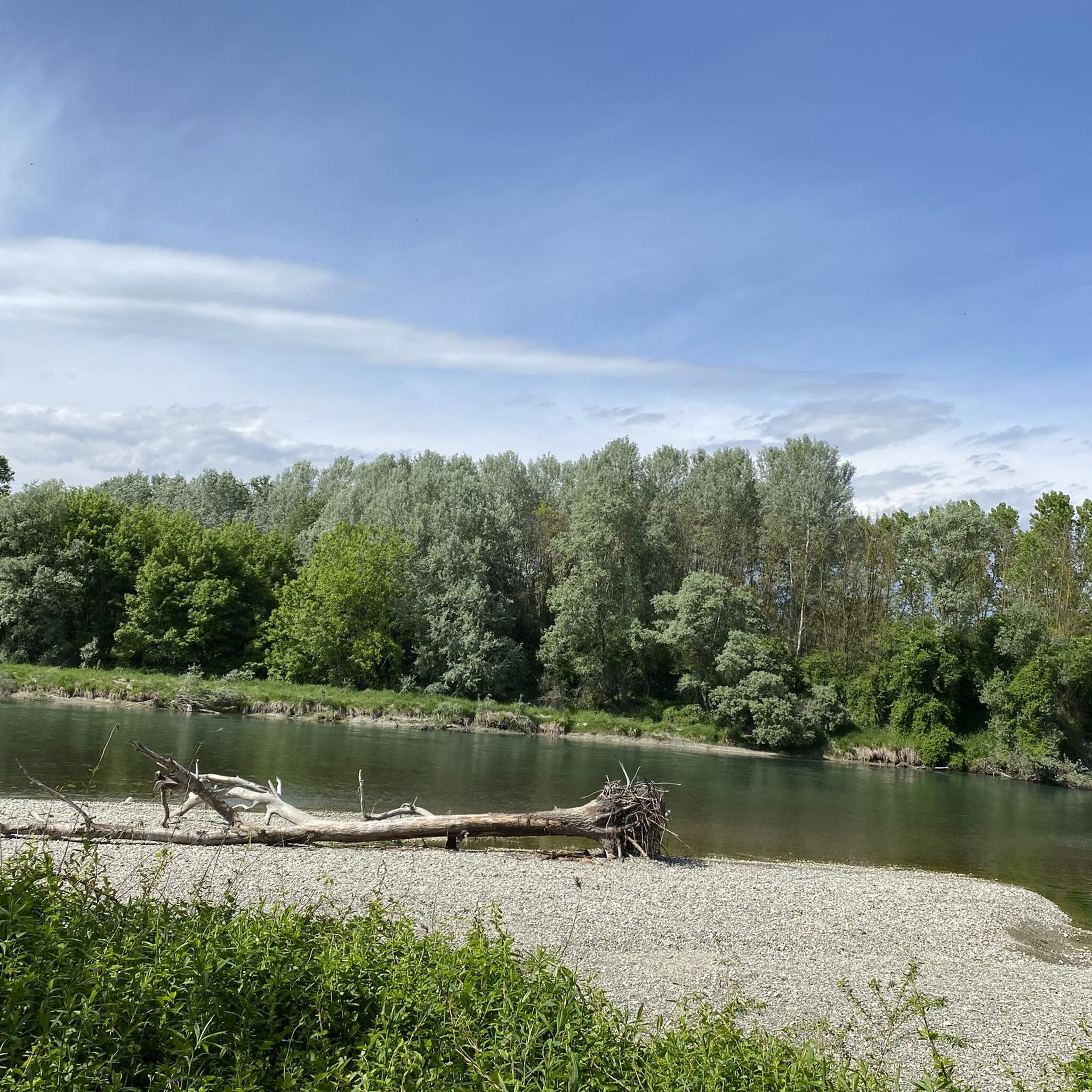
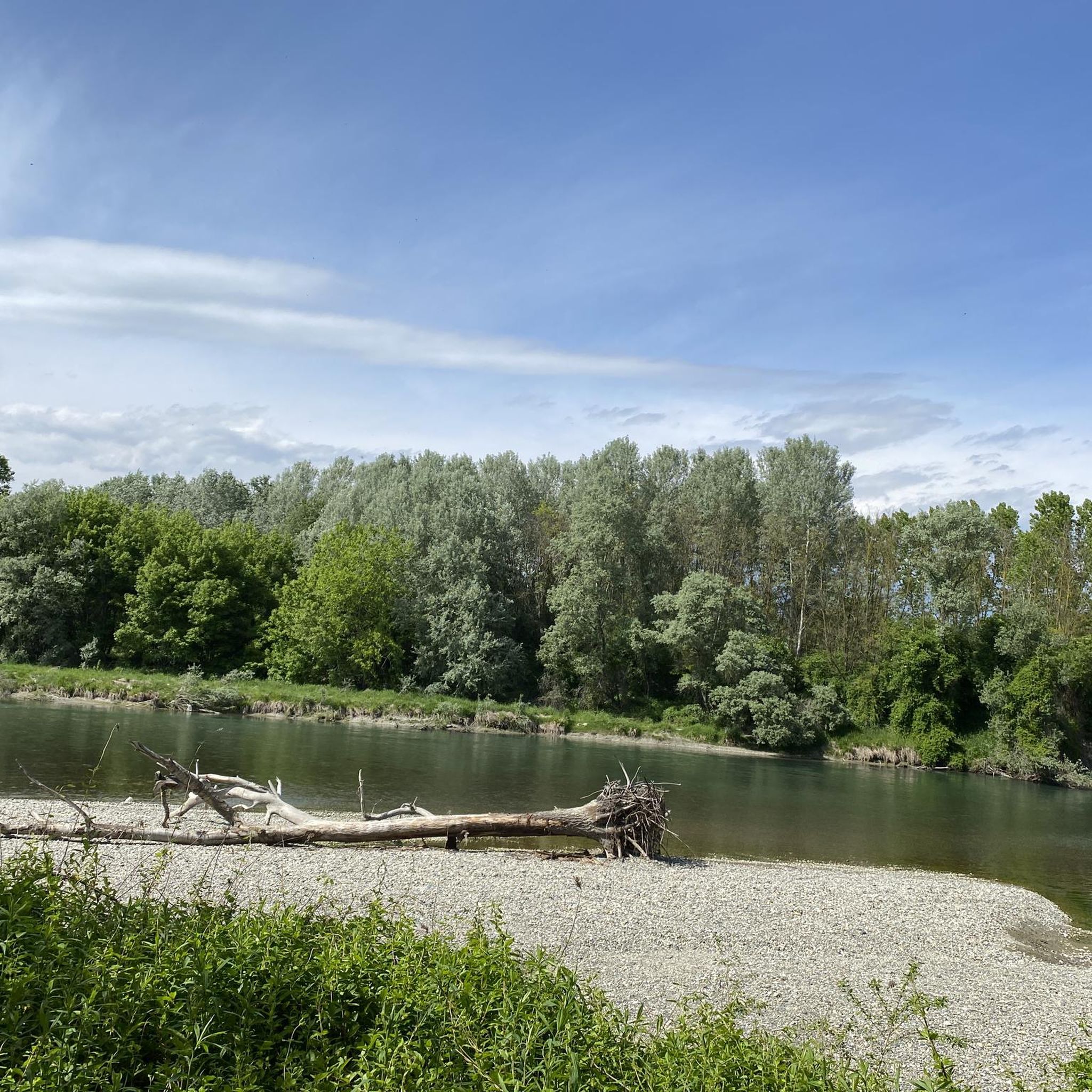
Ivrea Historic Centre and the Dora Baltea Riverside
Highlight • Historical Site
Translated by Google •
Tip by

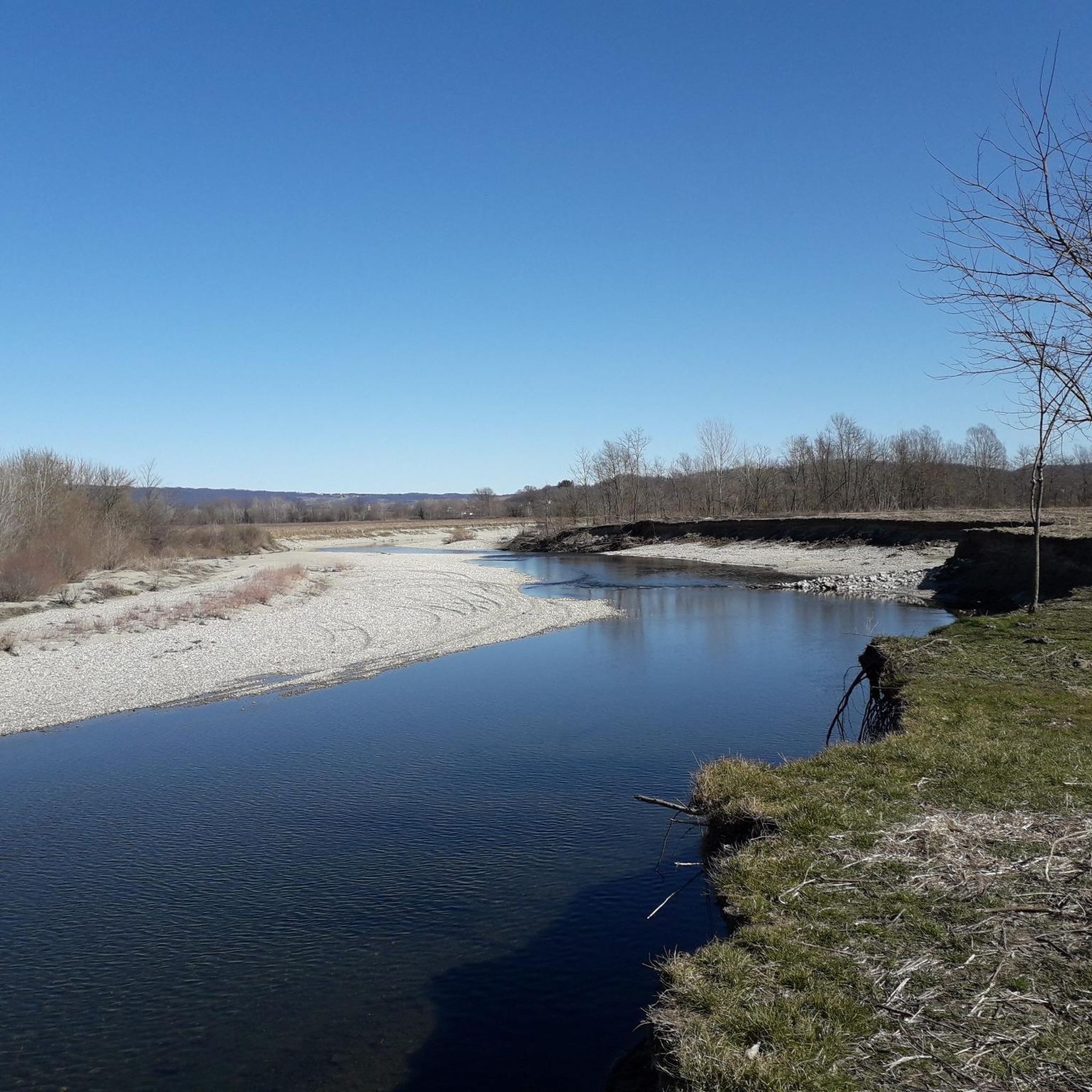
Mazzè Castle
Highlight • Castle
It has been private since the late 1970s. It enjoys a splendid view of the Dora Baltea.
Translated by Google •
Tip by

Sign up now to discover places like this
Get recommendations on the best single tracks, peaks, & plenty of other exciting outdoor places.
Sign up for free
Ricetto di Magnano
Highlight • Historical Site
Translated by Google •
Tip by

Agliè - the historic town center
Highlight • Historical Site
Translated by Google •
Tip by

Ivrea Castle
Highlight • Castle
Translated by Google •
Tip by

Sign up for free to discover even more castles around Strambino.
Sign up for free
Already have an account?
Start today with a free account
Your next adventure awaits.
Login or Signup

Tips from the Community

Il Ricetto di Magnano is a 12th-century fortified village that seems suspended in time, located on the crest of the Serra Morenica 🏰. Unlike the more famous Ricetto di Candelo, this one retains a more intimate, wild, and authentic atmosphere 🌿. Strolling through its narrow cobbled streets and ancient stone houses, you'll be surrounded by an almost magical silence 🤫. The highlight is the entrance tower-gate, which still welcomes visitors today, projecting them directly into the Middle Ages 🛡️.
1
0

Beautiful old town with imposing buildings and views of the mountains.
0
0

medieval ricetti are warehouses / granaries that can also be used for defensive purposes
1
2

The castle is beautiful but not open to visitors. The view from the park in the square in front of the nearby church is beautiful...
0
0
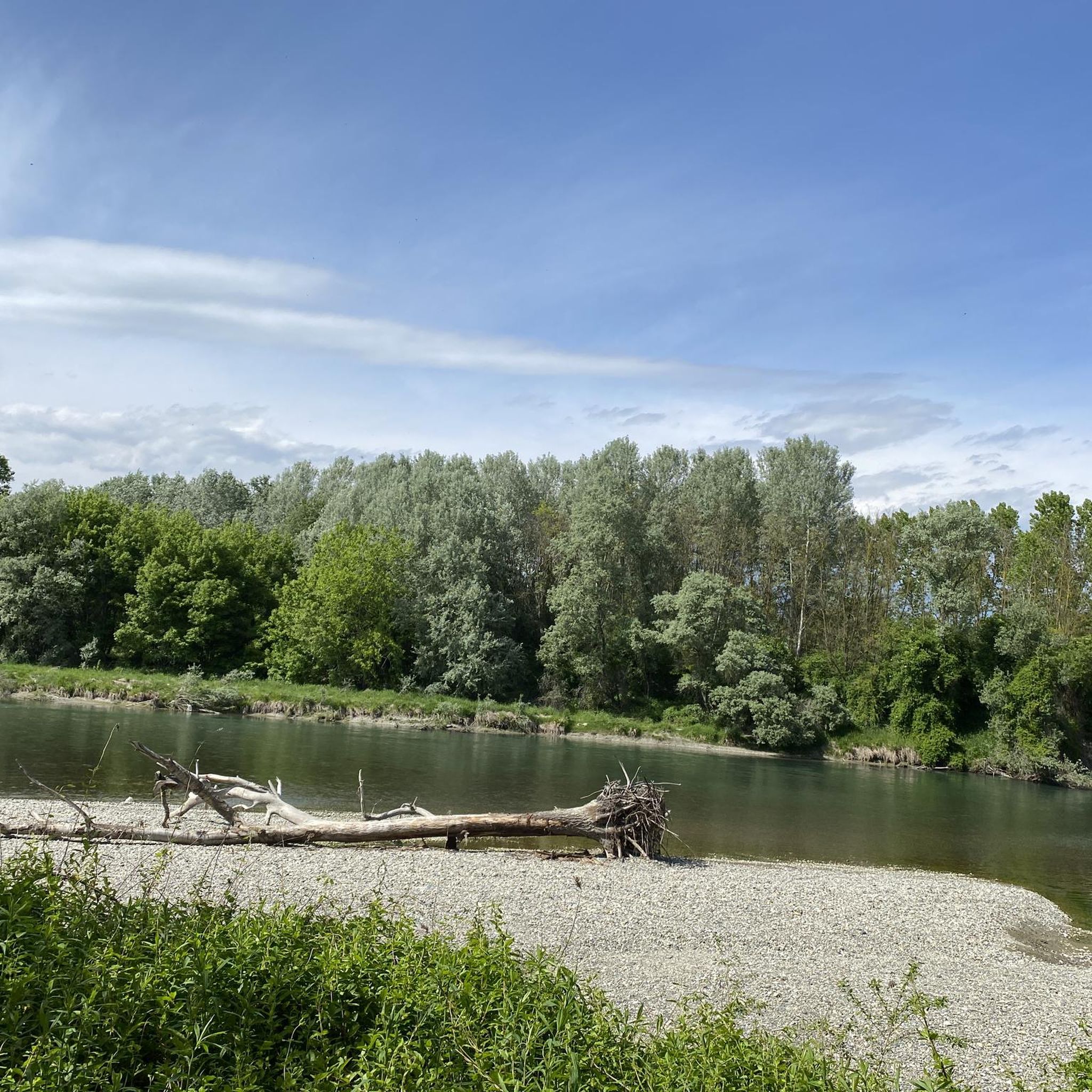
View from the park on the Dora river, on the dam and on the surrounding villages: Villareggia - Cigliano - Saluggia and on clear days up to the Monferrato hills
0
0

Less famous than Candelo, not too far away, but nice in its own small way.
1
0

Agliè, an enchanting village in the heart of Canavese, boasts a thousand-year history that has its roots in the Roman era. The original nucleus, probably located on the hills of the current hamlet of Santa Maria delle Grazie, was known as "Macunciacum" and depended on the Abbazia Fruttuaria di San Benigno. Agliè, as a fortified village, emerges in documents in 1141, when the feudal lords of Canavese divided the territory. The town became one of the lands of the San Martino di Rivarolo and Agliè, a family that would profoundly mark the history of the village. Despite the feudal struggles that raged in the region, Agliè maintained relative stability, even if it was not immune to looting and devastation. With the arrival of the Savoy, Agliè experienced a period of growth and development. In 1448, the village obtained municipal statutes, a sign of autonomy and recognition. The most emblematic figure of this period was Count Filippo San Martino di Agliè, a man of culture and prominent politician. Minister of Cristina of France, regent of the Duchy of Savoy, Filippo transformed the castle of Agliè into a sumptuous residence, enriching it with works of art and gardens. Today, Agliè is a village that preserves its historical and artistic charm intact. The Ducal Castle, with its gardens and richly decorated rooms, is an unmissable destination for visitors. The streets of the village, with their stone houses and noble palaces, tell the story of a place that has managed to preserve its identity over the centuries.
0
0

Frequently Asked Questions
What is the historical significance of the castles around Strambino?
The castles in the Strambino area, such as the Castello di Strambino, offer a journey through centuries of history. The Castello di Strambino itself is a complex blend of 11th-century medieval structures, a 15th-century Gothic wing, and a 17th-century residential palace. Other sites like Ivrea Historic Centre feature a 14th-century castle, while Mazzè Castle has Roman origins and belonged to the Valperga family for centuries.
Are there family-friendly castles to visit near Strambino?
Yes, several locations are suitable for families. The Ivrea Historic Centre and the Dora Baltea Riverside is listed as family-friendly, offering historical exploration. The historic town center of Agliè, with its Ducal Castle, is also a great option for families.
What unique architectural features can I expect to see at Castello di Strambino?
The Castello di Strambino is notable for its architectural evolution. You can see the oldest 11th-century section with its three towers, including an 18-meter central tower. The 15th-century Gothic wing features terracotta decorations and ogival windows. The 17th-century residential palace, also known as 'Castello Nuovo,' boasts black and white diamond patterns on its walls and floors, original wooden ceilings, and frescoes.
What outdoor activities can I do near the castles around Strambino?
The region offers various outdoor activities. You can explore gravel biking routes like the 'Naviglio di Ivrea – Lake Candia loop from Strambino' or the 'Serra d'Ivrea – Ricetto di Magnano loop from Strambino'. For road cycling, consider the 'Agliè Ducal Castle – View of Lake Candia loop from Strambino'. There are also running trails, such as the 'Sanctuary of Realizio loop from Strambino'. You can find more details on these activities in the Gravel biking around Strambino, Road Cycling Routes around Strambino, and Running Trails around Strambino guides.
Where can I find medieval structures other than traditional castles?
Beyond traditional castles, you can visit Ricetto di Magnano. This well-preserved medieval grouping of houses, surrounded by walls, served as a refuge for countryside inhabitants during times of danger. It's a unique example of a fortified settlement in the Biella area.
What is the best time to visit the castles around Strambino?
While specific opening hours vary by castle, the region generally offers pleasant weather for exploration from spring through early autumn. This period is ideal for enjoying both the historical sites and the surrounding outdoor activities. Always check individual castle websites for current visitor information.
Is there parking available at the castles?
Parking availability varies by location. For the Castello di Strambino and other major sites, it's advisable to check local signage or official websites for designated parking areas. Many historic centers, like Ivrea and Agliè, will have public parking options nearby, though they may require a short walk to the castle entrance.
Can I visit the Ivrea Castle?
Yes, the imposing Ivrea Castle, known for its 'red towers,' is a significant historical site. It has served various roles, from a Savoy residence to a military garrison and even a prison. Its strategic location and characteristic structure make it a fascinating visit within the Ivrea Historic Centre.
What kind of views can I expect from the castles?
Many castles in the Strambino area offer splendid views. Mazzè Castle provides a beautiful view of the Dora Baltea river. The Ivrea Historic Centre, with its castle rising above the city, offers panoramic vistas of the surrounding area, including the Dora Baltea. The Ricetto di Magnano is also situated to provide scenic viewpoints over the Biella hills.
Are there any castles that offer a unique stay experience?
Part of the Castello di Strambino currently functions as a bed and breakfast, offering a unique opportunity to stay within a historic setting. Visitors should be mindful that parts of the castle are still inhabited, requiring respect for privacy.
What is the significance of the Dora Baltea river in relation to these castles?
The Dora Baltea river plays a significant role in the geography and history of the region. Ivrea Historic Centre is located on its right bank, with its castle overlooking the river. Mazzè Castle also enjoys a splendid view of the Dora Baltea, highlighting the strategic importance of the river for these medieval fortifications.
What do visitors enjoy most about the castles around Strambino?
Visitors appreciate the rich history and diverse architectural styles found in the region's castles. The opportunity to journey through centuries of history within a single complex, like the Castello di Strambino, is a major draw. The unique features, such as medieval towers, Gothic terracotta decorations, and preserved 17th-century interiors, also make these sites fascinating to explore.
Most popular routes around Strambino
Most popular attractions around Strambino

Get inspired with the komoot mobile app


Explore more
Looking for the best castles somewhere else? Discover other guides around Strambino:
