Top 17 Castles around Montalenghe
Best castles around Montalenghe are found in a charming village nestled in a hilly position within the Ivrea Morainic Amphitheater. This region is home to significant historical structures, including the ruins of the medieval Castelvecchio and the 18th-century Castello di Montalenghe. These sites offer a tangible connection to early fortifications and local feudal conflicts, alongside elegant architecture and expansive parks. The area provides a blend of historical exploration and natural beauty.
Best castles around Montalenghe
- The most popular castles is…
Last updated: June 27, 2026
Mazzè Castle
Highlight • Castle
It has been private since the late 1970s. It enjoys a splendid view of the Dora Baltea.
Translated by Google •
Tip by

Agliè - the historic town center
Highlight • Historical Site
Translated by Google •
Tip by

Sign up now to discover places like this
Get recommendations on the best single tracks, peaks, & plenty of other exciting outdoor places.
Sign up for free
San Martino
Highlight • Settlement
Translated by Google •
Tip by
Castello di Masino
Highlight • Castle
Take a moment to visit its gardens and labyrinth.
Translated by Google •
Tip by
Panoramic view of the Dora Baltea
Highlight • Viewpoint
Translated by Google •
Tip by

Sign up for free to discover even more castles around Montalenghe.
Sign up for free
Already have an account?
Start today with a free account
Your next adventure awaits.
Login or Signup

Tips from the Community

Beautiful old town with imposing buildings and views of the mountains.
0
0


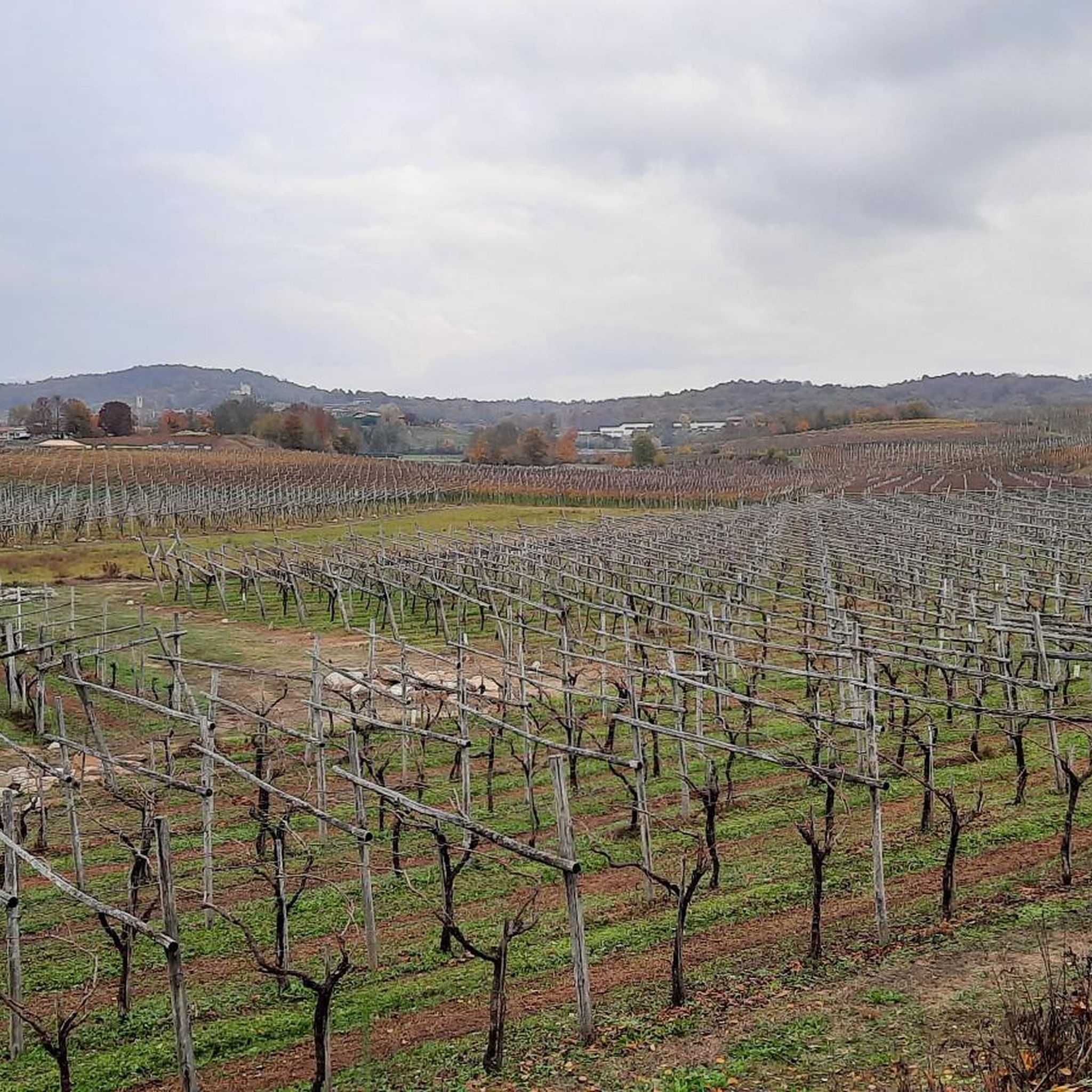
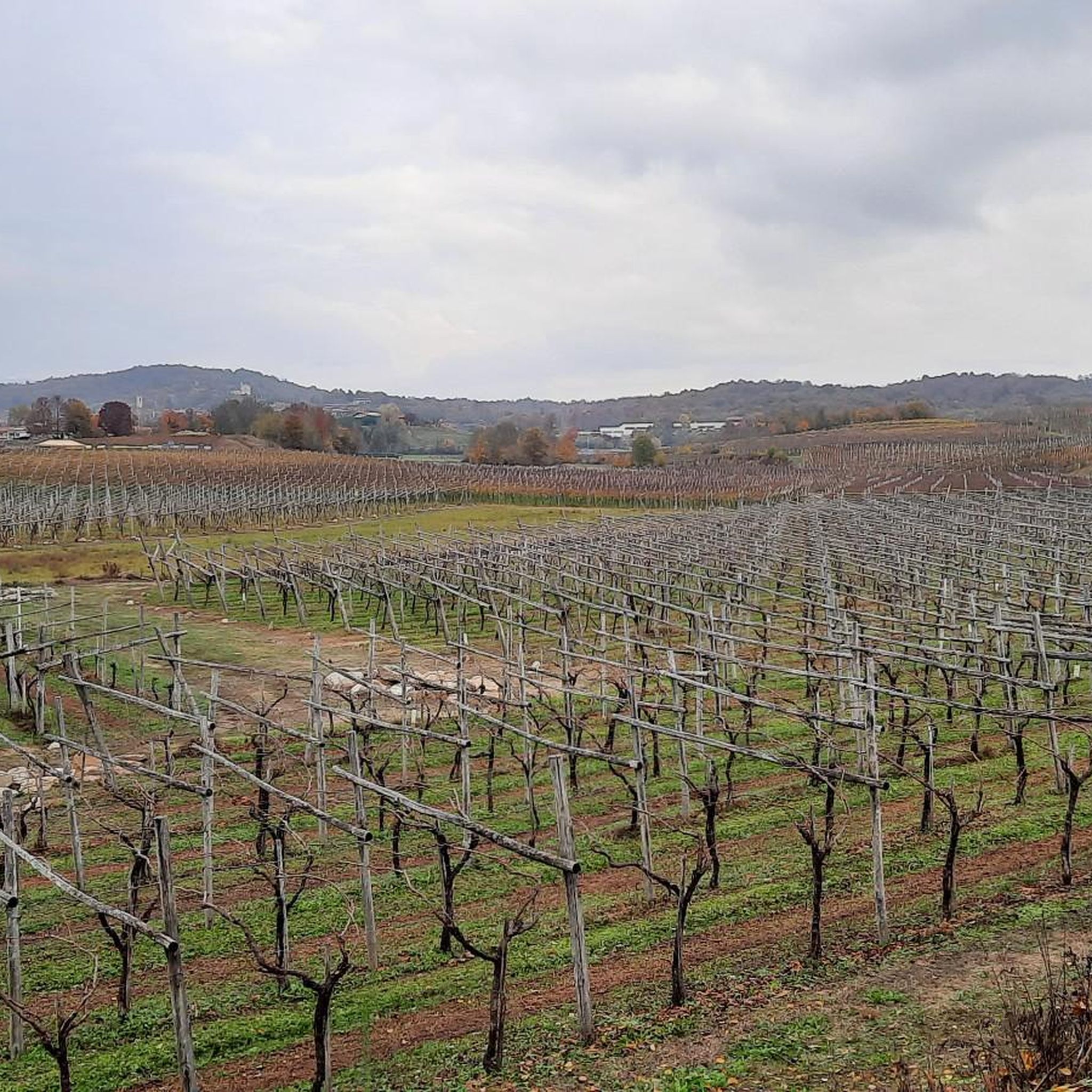
The castle is beautiful but not open to visitors. The view from the park in the square in front of the nearby church is beautiful...
0
0
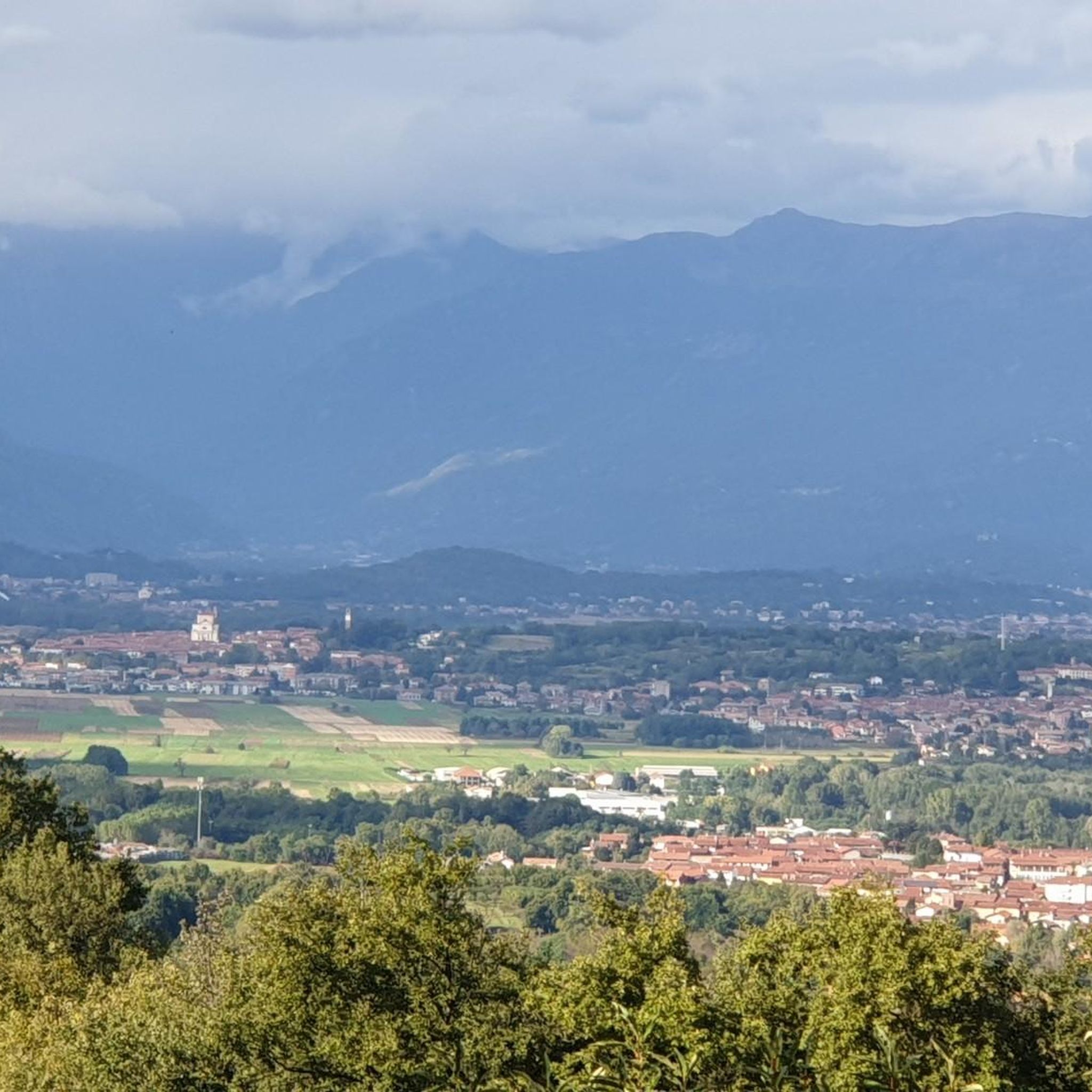
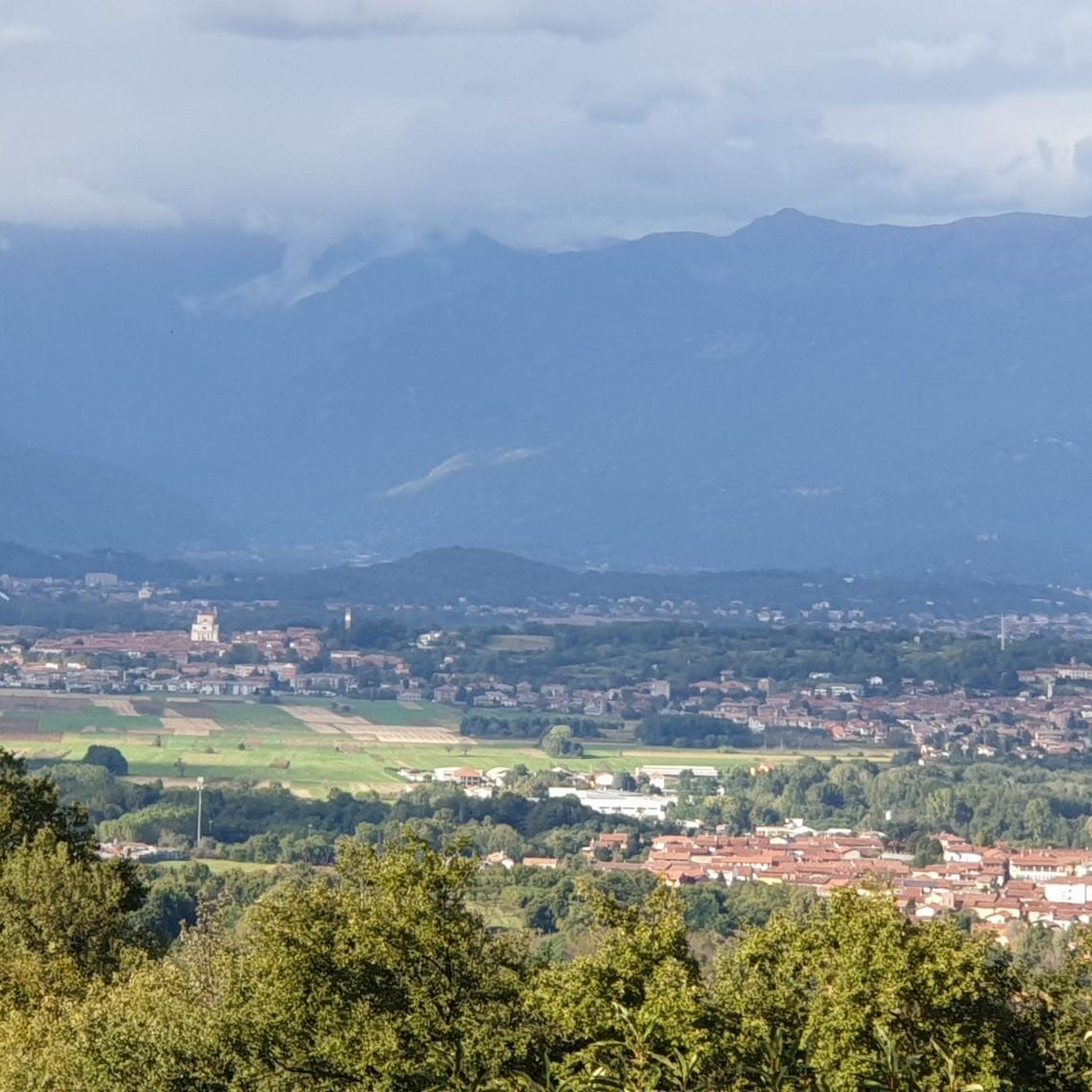
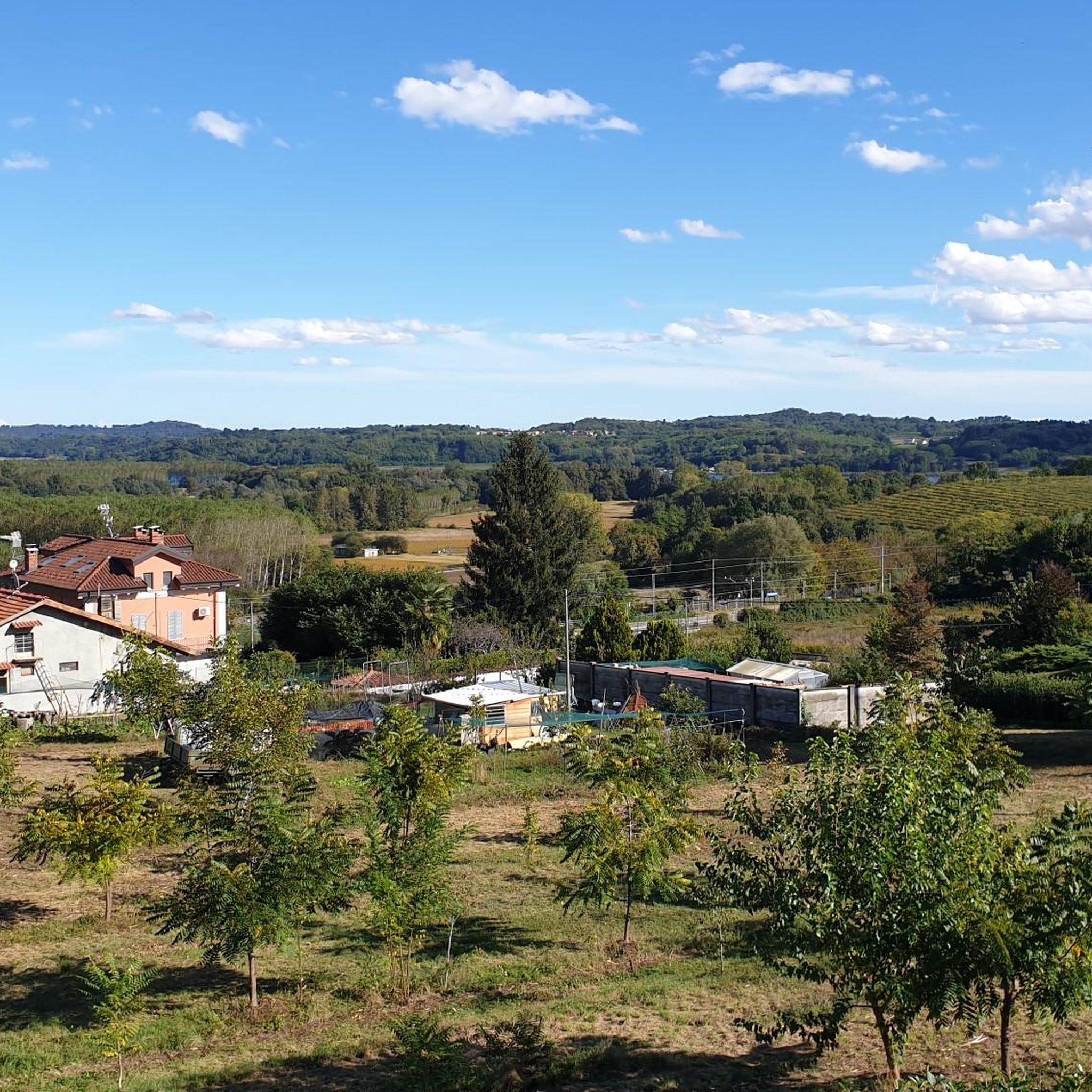
View from the park on the Dora river, on the dam and on the surrounding villages: Villareggia - Cigliano - Saluggia and on clear days up to the Monferrato hills
0
0

Agliè, an enchanting village in the heart of Canavese, boasts a thousand-year history that has its roots in the Roman era. The original nucleus, probably located on the hills of the current hamlet of Santa Maria delle Grazie, was known as "Macunciacum" and depended on the Abbazia Fruttuaria di San Benigno. Agliè, as a fortified village, emerges in documents in 1141, when the feudal lords of Canavese divided the territory. The town became one of the lands of the San Martino di Rivarolo and Agliè, a family that would profoundly mark the history of the village. Despite the feudal struggles that raged in the region, Agliè maintained relative stability, even if it was not immune to looting and devastation. With the arrival of the Savoy, Agliè experienced a period of growth and development. In 1448, the village obtained municipal statutes, a sign of autonomy and recognition. The most emblematic figure of this period was Count Filippo San Martino di Agliè, a man of culture and prominent politician. Minister of Cristina of France, regent of the Duchy of Savoy, Filippo transformed the castle of Agliè into a sumptuous residence, enriching it with works of art and gardens. Today, Agliè is a village that preserves its historical and artistic charm intact. The Ducal Castle, with its gardens and richly decorated rooms, is an unmissable destination for visitors. The streets of the village, with their stone houses and noble palaces, tell the story of a place that has managed to preserve its identity over the centuries.
0
0
Nestled in the rolling hills of Morena Ovest, the village of San Martino enchants visitors with its ancient charm and evocative atmosphere. Its history has its roots in the distant 11th century, when the construction of the majestic Torre-porta maggiore marked the beginning of the settlement. It was a fortified village, surrounded by mighty walls and moats that guaranteed its defense. The walls, made with pebbles arranged in a herringbone pattern and reinforced by megaliths still visible on the north side, testify to the construction skill of the time. Along the perimeter of the walls, there were at least six tower-gates, smaller in size than the main tower, which allowed access to the village. The village of San Martino was long linked to the powerful family of the Counts of San Martino, who exercised control over it for centuries. Their presence is evidenced by numerous historic buildings, including the castle, now in ruins, which dominated the village from above.
0
0


It's worth the trip just to see the stunning castle.
0
0
Frequently Asked Questions
What historical castles can I visit in Montalenghe itself?
In Montalenghe, you can explore the ruins of the medieval Castelvecchio, which dates back to the 11th-12th century and offers a glimpse into ancient fortifications and feudal conflicts. Additionally, the elegant 18th-century Castello di Montalenghe (also known as Villa Seicentesca), which once hosted Napoleon Bonaparte, is undergoing restoration and features a vast park with ancient trees.
Beyond the main attractions, are there other notable castles in the Montalenghe region?
Yes, the region offers several other impressive sites. You can visit Mazzè Castle, built on Roman fortress remains and offering splendid views of the Dora Baltea. Another must-see is Castello di Masino, an 11th-century castle with beautiful gardens and a labyrinth overlooking the Ivrea Morainic Amphitheater. The historic town center of Agliè also features a Ducal Castle with richly decorated rooms and gardens.
Are there opportunities for walking or hiking near the castles?
Absolutely. The Montalenghe region provides various routes for outdoor enthusiasts. You can find several running trails around Montalenghe, including moderate loops from San Giorgio Canavese or San Giusto Canavese. For more details, check out the Running Trails around Montalenghe guide.
Can I go cycling near the castles around Montalenghe?
Yes, the area is great for cycling. There are numerous routes, such as the challenging Lake Candia – Caluso Vineyards loop from San Giorgio Canavese, or the moderate Mazzè Castle – Caluso Vineyards loop. For mountain biking, you can explore trails like the Pietra del Vals – Montalenghe climb loop. Find more options in the Cycling around Montalenghe guide and the MTB Trails around Montalenghe guide.
Which castles are suitable for families with children?
Several castles in the area are family-friendly. Castello di Masino is a great choice, offering extensive gardens and a labyrinth that children often enjoy. The historic town center of Agliè, with its Ducal Castle and charming streets, also provides an engaging experience for families. The park at Castello di Montalenghe, with its ancient trees, is also ideal for family exploration.
When is the best time of year to visit the castles in the Montalenghe region?
The spring and autumn months generally offer the most pleasant weather for exploring the castles and their surrounding parks and trails. Spring brings blooming gardens, especially at Castello di Montalenghe with its planned rose garden, while autumn showcases beautiful foliage. Summer can be warm, but is still suitable for visits, especially in the mornings or late afternoons. Winter visits are possible, but some outdoor areas or specific castle sections might have reduced hours or accessibility.
What natural features can I see near the castles?
The region is rich in natural beauty. From Mazzè Castle, you can enjoy a remarkable panoramic view of the Dora Baltea river. Castello di Masino is situated on a hill overlooking the Morainic Amphitheater of Ivrea. The Castello di Montalenghe boasts a vast six-hectare park with around forty species of ancient trees, including a remarkable 300-year-old Cedar of Lebanon, Ginkgo Biloba, and Sequoia.
Are there any less crowded or hidden historical sites to explore?
For a more secluded historical experience, consider visiting the ruins of Castelvecchio in Montalenghe. While largely ruined, its dry-stone walls and remnants of a chapel and moat offer a tangible connection to medieval history without the crowds of more prominent attractions. Its elevated position also provides panoramic views.
What do visitors enjoy the most about the castles around Montalenghe?
Visitors frequently appreciate the historical significance and the stunning views. For instance, Mazzè Castle is loved for its splendid view of the Dora Baltea. The extensive gardens and labyrinth at Castello di Masino are also highly praised. The overall charm of historical villages like Agliè, with its well-preserved architecture, is a consistent highlight.
What is the history behind the castles in Montalenghe?
The region's history is deeply intertwined with its castles. Castelvecchio, an 11th-12th century medieval stronghold, played a significant role in 14th-century conflicts between local noble families before being abandoned. The Castello di Montalenghe, an 18th-century villa, reflects a later period of elegance and hosted historical figures like Napoleon Bonaparte. Many castles in the wider area, such as Mazzè Castle and Castello di Masino, have roots dating back to Roman times or the 11th century, often belonging to powerful families like the Valperga.
Are there any castles in the area with significant architectural or naturalistic restoration projects?
Yes, the Castello di Montalenghe is currently undergoing an ambitious architectural and naturalistic restoration. The project aims to transform it into a cultural and natural center, regenerating its vast park with rare and ancient tree species and creating a 'flowered garden' with thousands of roses. This makes it a particularly appealing site for those interested in ongoing preservation efforts and evolving cultural spaces.
Most popular routes around Montalenghe
Most popular attractions around Montalenghe

Get inspired with the komoot mobile app


Explore more
Looking for the best castles somewhere else? Discover other guides around Montalenghe:
