The best walks and hikes around Rospuda
5.0
(4)
101
hikers
7
hikes
Hiking trails around Rospuda offer diverse terrain shaped by postglacial formations, including high shores, gorges, and rocky riverbeds in its upper reaches. The region transitions into lowland rivers, meandering through swampy valleys, meadows, and dense forests within the Augustów Primeval Forest. Hikers can explore pristine wetlands, peat bogs, and numerous clean lakes, providing varied natural features for exploration. This area is a protected landscape, safeguarding its rich biodiversity.
Best hiking trails around Rospuda
- The most popular hiking route is Wysokie…
Last updated: June 26, 2026
4
hikers
6.01km
01:33
30m
30m
Easy hike. Great for any fitness level. Easily-accessible paths. Suitable for all skill levels.
5.0
(1)
7
hikers
16.2km
04:15
130m
130m
Moderate hike. Good fitness required. Easily-accessible paths. Suitable for all skill levels.

Sign up for free
4
hikers
6.20km
01:36
30m
30m
Easy hike. Great for any fitness level. Easily-accessible paths. Suitable for all skill levels.
5.0
(1)
3
hikers
8.64km
02:17
70m
70m
Moderate hike. Good fitness required. Easily-accessible paths. Suitable for all skill levels.
5.0
(1)
3
hikers
Moderate hike. Good fitness required. Easily-accessible paths. Suitable for all skill levels.
Get access to more routes and recommendations from other explorers.
Sign up for free
Already have an account?
Our route recommendations are based on thousands of hikes, rides, and runs completed by other people on komoot.
Start today with a free account
Your next adventure awaits.
Login or Signup
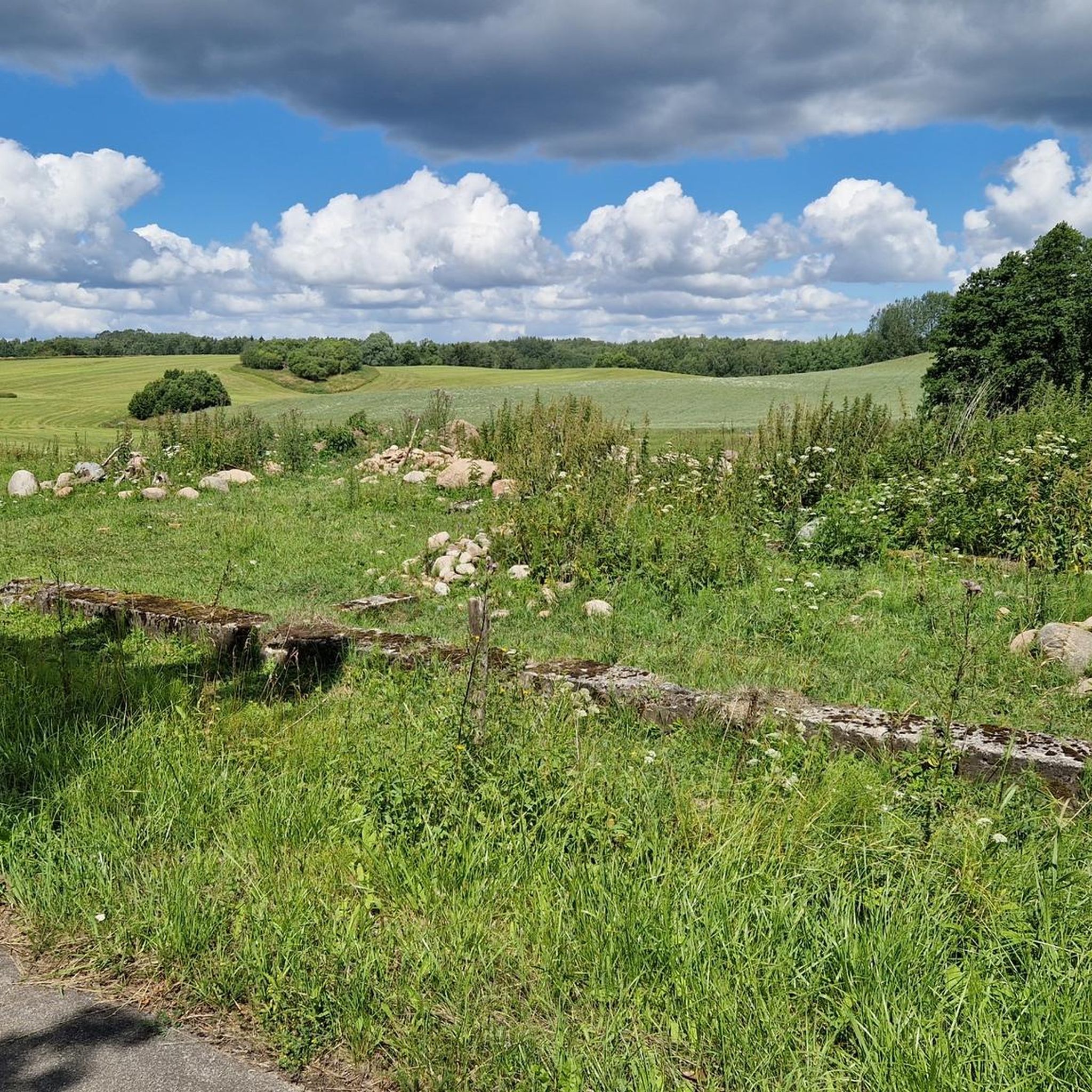
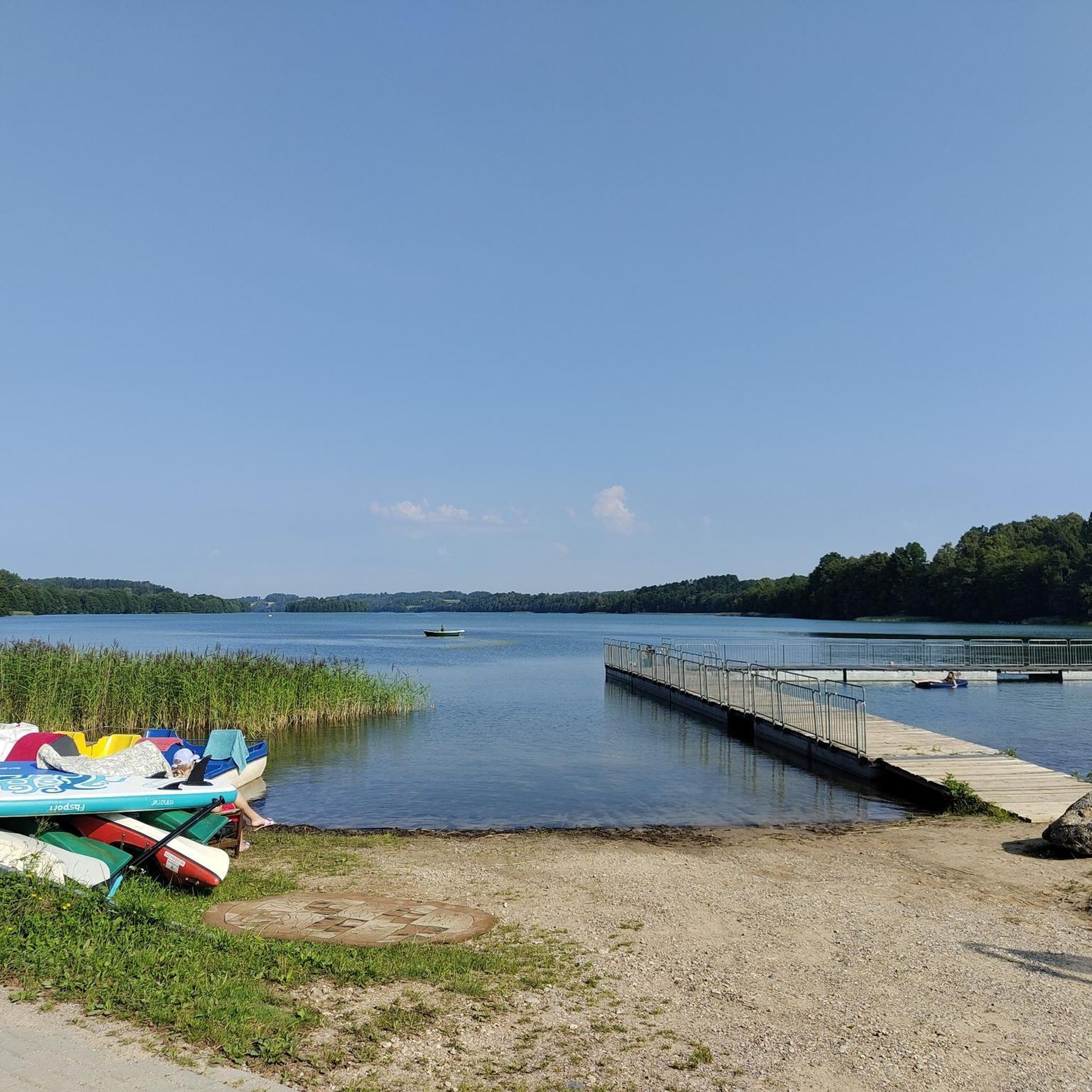
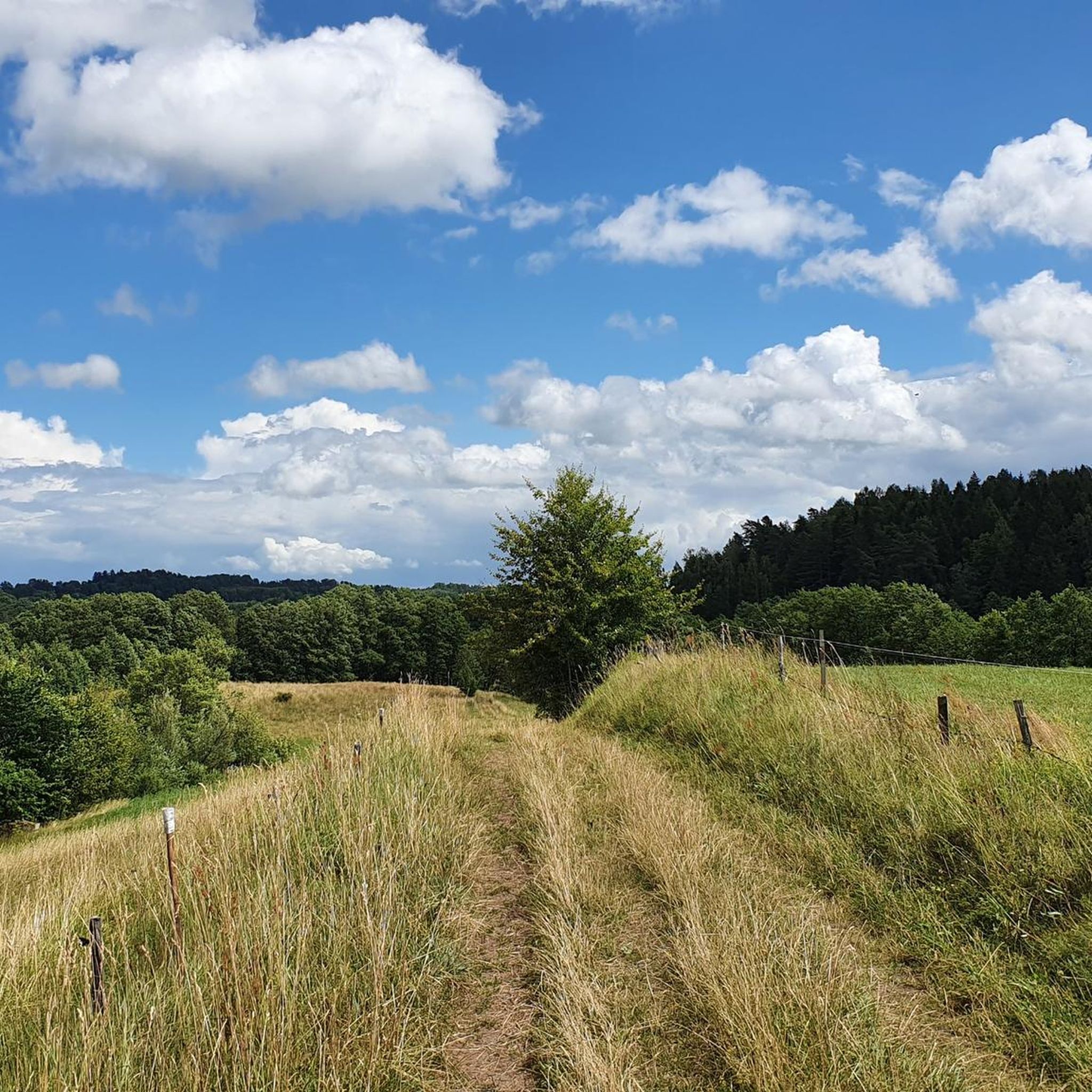

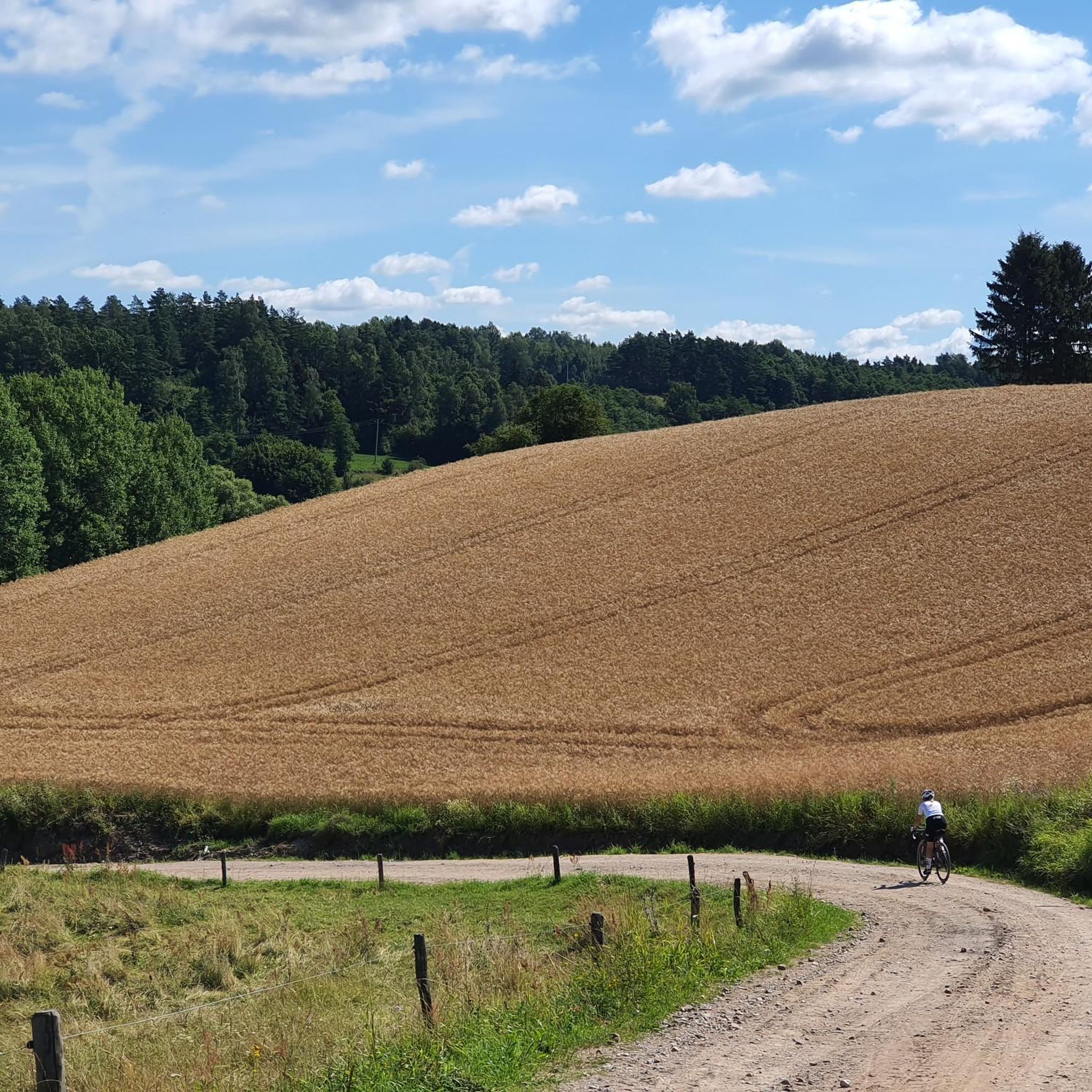
Tips from the Community

On the left there is a road that leads to the viaduct in Kiepojcie
3
0

An elaborately crafted figurine on the gravel road to the bridges in Kiepojecie.
3
1
Many people have heard about the bridges in Stańczyki and just as many have seen them. However, much less has been said about the bridges in Kiepojcie. The tour is completely free. Access via a gravel road. There is a small bay on site so you can turn around. A few hundred meters west of the viaduct there is a pair of twin railway bridges over the Bludzia River. The viaducts are very similar to the famous bridges in Stańczyki. The northern spans are made of brick and concrete, the southern bridge is unfinished. The line, originally planned as a local single-track line, was to be expanded in 1917-18 into a double-track main line connecting Chojnice through East Prussia to Vilnius. The bridge with red brick arches was completed before the outbreak of World War I, while the twin concrete bridge was built in 1918 and due to the approaching end of World War I, the construction of the embankments leading to it was not completed in time. On the western bank of the river, under the bridges, a road has been preserved, the embankment of which was reinforced with the roots of trees planted for this purpose and marked with stones. https://mazury.info.pl/atrakcje/kiepojcie/index.html
3
0
Driving along the road from Żytkiejmy towards Dubenninki, where the bike path ends, turn right and you will reach the first bridge. Kiepojcie lies in the central-southern part of the Dubeninki commune, on the Bludzia River and the northern edge of Lake Przerośl, on the Dubeninki - Żytkiejmy road. The name of the village was both old and current and is of Lithuanian origin. Near the village there is a railway viaduct on the inactive Botkuny - Żytkiejmy line, as well as an evangelical cemetery. https://mazury.info.pl/atrakcje/kiepojcie/index.html
3
0

Currently, you cannot enter the bridge as it is surrounded by barbed wire.
1
0

The attraction is slightly off the beaten track, so there are no crowds here and we can explore the ruins in peace. Motorists can drive up the gravel road almost to the viaducts.
1
0

Where do these amazing bridges in Masuria come from? To find the answer to this question, we need to go back to the times before World War I, or more precisely to 1910. It was in this year that the construction of a railway route through the Romincka Forest began, a route connecting Gołdap with the town of Żytkiejmy. This line was a complement to the route from Chojnice, Królewiec and further to Vilnius. The route was used for both passenger and freight traffic. Due to the hilly terrain, river valleys, swamps and floodplains, it was necessary to build crossings in critical places along the route. Arched structures set on pillars, secured from above with openwork railings, were chosen. The bridges in Masuria were designed by Italian architects, which is perhaps why they resemble Roman aqueducts so much. However, an interesting fact is that they are the only bridges of this type in Poland. Brick bridges in Kiepojcie We return to road 651 and after less than 17 kilometres, in the town of Barcie, according to the sign we head for the next bridges in Masuria, the bridges in Kiepojcie. Travelling along the Masurian gravel roads we come across a single bridge stretched over the road. This is the first bridge in Kiepojcie and a trained eye will immediately notice that it is different from the one stretched over the Jarka River. The bridges in Kiepojcie, as the only ones in Masuria, are made not only of reinforced concrete, but also of red brick. The arches of the bridges are finished with brick, which gives them a unique character. But that's not all. The real icing on the cake are the double bridges in Kiepojcie. They cross the Bludzia River and are often called "little Stańczyki". To get to them, you have to go up the embankment of the single bridge and head east. After a few minutes, our eyes will see two impressive and 50-meter-long bridges. https://robimypodroze.pl/2021/01/mosty-na-mazurach-kolejowe-stanczyki-kiepojcie-i-botkuny/ https://www.youtube.com/watch?v=gRRvIjzAaRc&feature=emb_rel_end
5
0
Frequently Asked Questions
What kind of terrain can I expect when hiking in Rospuda?
The Rospuda Valley offers a diverse hiking experience. In its upper reaches, shaped by glaciers, you'll find terrain that can feel almost mountainous, with high shores, gorges, and rocky riverbeds. Further downstream, the landscape transitions to more lowland river areas, meandering through swampy valleys, meadows, and dense forests within the Augustów Primeval Forest. This variation provides dynamic hiking, from challenging paths to leisurely strolls.
Are there hiking options for different skill levels in Rospuda?
Yes, Rospuda caters to various abilities. The region offers a mix of easy, moderate, and difficult routes. For example, the Wysokie – Rospuda loop from Wólka is an easy 6.0 km trail, while the Wysokie – Rospuda loop from Bitkowo is a moderate 16.2 km path. For a more challenging experience, consider the difficult Wysokie – Rospuda loop from Filipów Czwarty, spanning 21.7 km.
What natural features or landmarks can I see along the trails?
Rospuda is rich in natural beauty and unique formations. You can explore postglacial channel lakes, eskers, and pristine wetlands, including Europe's largest peat bog. The Augustów Primeval Forest offers dense woodlands, and the Rospuda River itself flows through scenic sections with rocky beds and gorges. A historical site, Uroczysko Powstańce, also serves as a pleasant resting spot within the woods.
Are there any circular hiking routes available in Rospuda?
Yes, many of the popular routes in Rospuda are circular, allowing you to start and end at the same point. Examples include the easy Wysokie – Rospuda loop from Wólka, the moderate Wysokie – Rospuda loop from Bitkowo, and the more challenging Wysokie – Rospuda loop from Filipów Czwarty.
Is Rospuda a good destination for family-friendly hikes?
Yes, Rospuda offers options suitable for families. The varied terrain includes easier, shorter paths that are ideal for walks with children. The region's pristine nature, clean lakes, and diverse flora and fauna provide an engaging environment for all ages to explore. Consider routes like the Wysokie – Rospuda loop from Wólka for a manageable family outing.
Can I bring my dog on the hiking trails in Rospuda?
The Rospuda Valley is a protected landscape and a Natura 2000 site, safeguarding its rich biodiversity. While many natural areas in Poland are dog-friendly, it's always best to keep dogs on a leash to protect wildlife and ensure a pleasant experience for all hikers. Check local signage for any specific restrictions in certain protected zones.
What is the best time of year to go hiking in Rospuda?
The Rospuda Valley offers unique experiences throughout the year. Spring and autumn provide pleasant temperatures and vibrant colors, with fewer insects. Summer is ideal for enjoying the lakes and lush forests, though it can be warmer. Winter hiking is also possible, offering a serene, snow-covered landscape, but requires appropriate gear for colder conditions.
Do I need any special permits to hike in the Rospuda Valley?
The Rospuda Valley is a protected landscape and a Natura 2000 site. Generally, hiking on marked trails does not require special permits. However, if you plan to venture into strictly protected nature reserves or engage in activities like camping outside designated areas, it's advisable to check with local forestry or park authorities for any specific regulations or permits required.
What do other hikers say about their experience in Rospuda?
The hiking routes in Rospuda are highly rated by the komoot community, with an average score of 5.0 stars from over 5 reviews. Hikers often praise the region's untouched nature, diverse terrain, and the tranquility it offers, making it an exceptional destination for those seeking to immerse themselves in a wild, unspoiled environment.
Are there places to park near the trailheads in Rospuda?
While specific parking information for every trailhead isn't always available, many popular hiking areas in natural regions like Rospuda typically have designated parking spots, often near villages or access points to the forest. It's recommended to check maps or local information for specific starting points like Wólka, Bitkowo, or Filipów Czwarty, which are common starting points for routes in the area.
Is public transport available to reach hiking areas in Rospuda?
Public transport options to the more remote hiking trailheads in the Rospuda Valley might be limited. While larger towns in the region may have bus connections, reaching specific starting points deep within the Augustów Primeval Forest or along the river may require a car. It's advisable to research local bus schedules for the nearest towns and plan accordingly.
Are there any cafes, restaurants, or accommodation options near the hiking trails?
The Rospuda Valley is known for its relatively untouched nature, so facilities like cafes and restaurants might be sparse directly along the trails. However, you can find accommodation, cafes, and restaurants in nearby villages and towns such as Filipów, Augustów, or Suwałki, which serve as good bases for exploring the region.
Most popular routes around Rospuda

Get inspired with the komoot mobile app


Explore more
Browse the best Hikes in other regions.
