The best gravel rides around La Cabrera
5.0
(1)
21
riders
5
rides
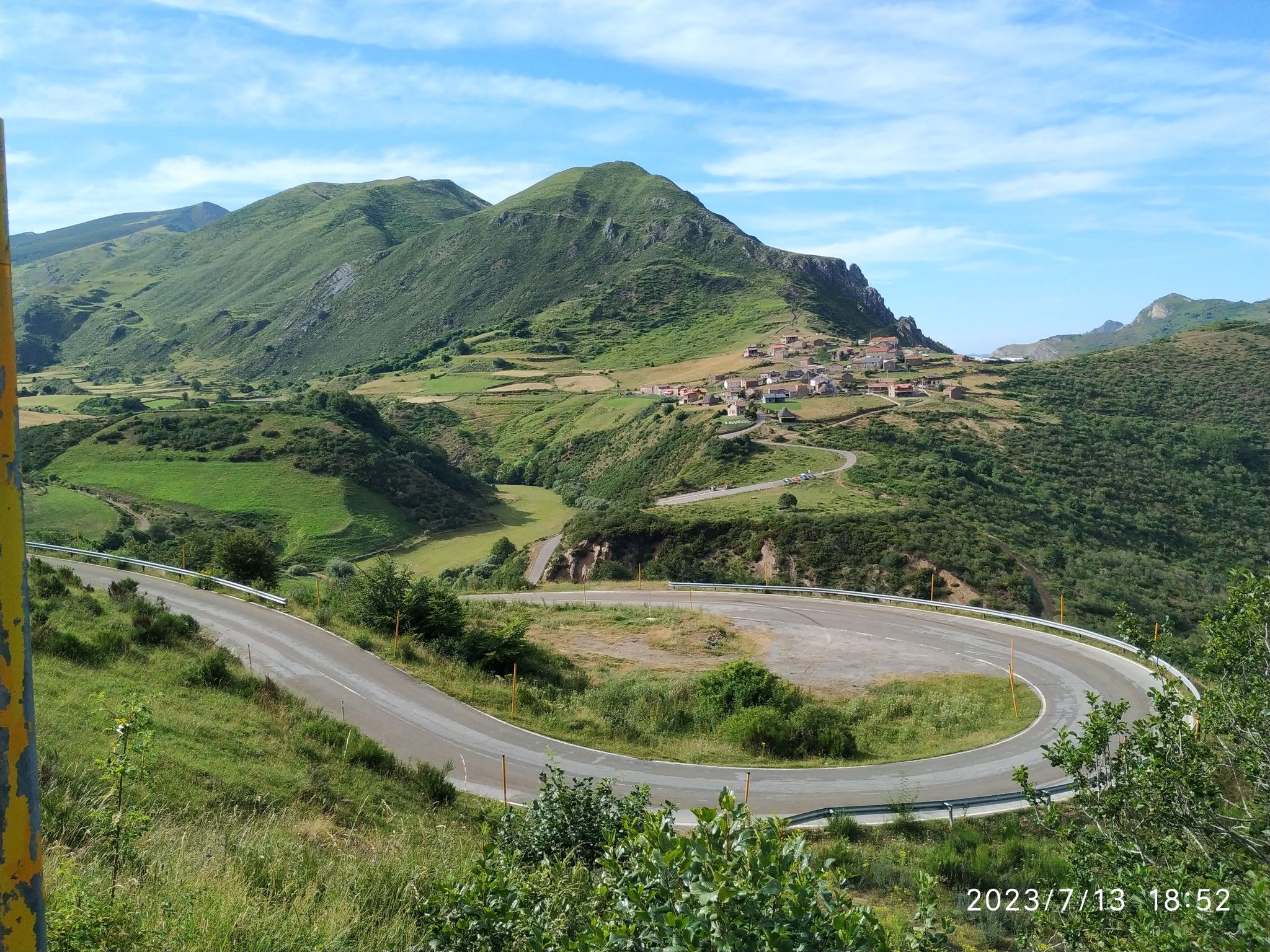
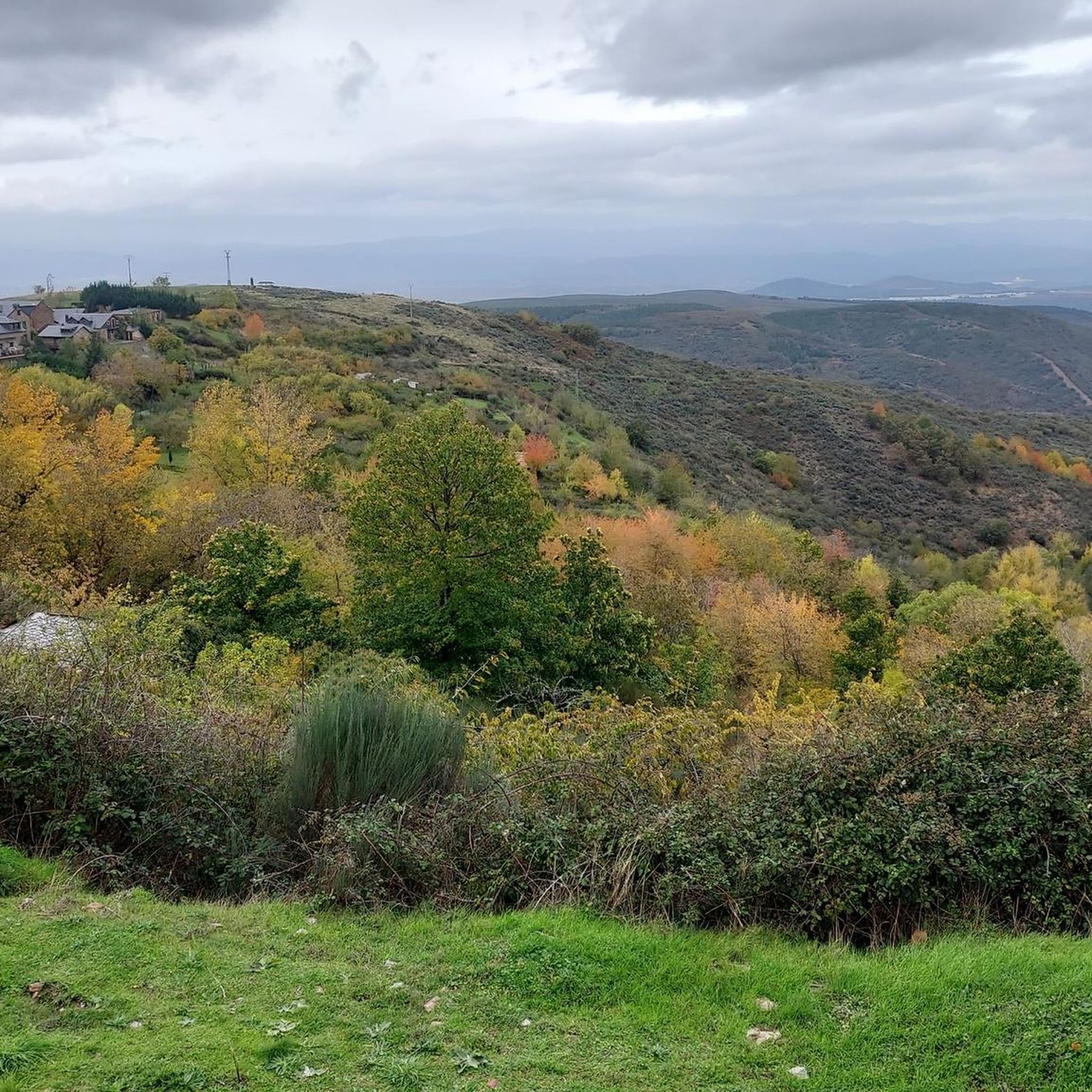
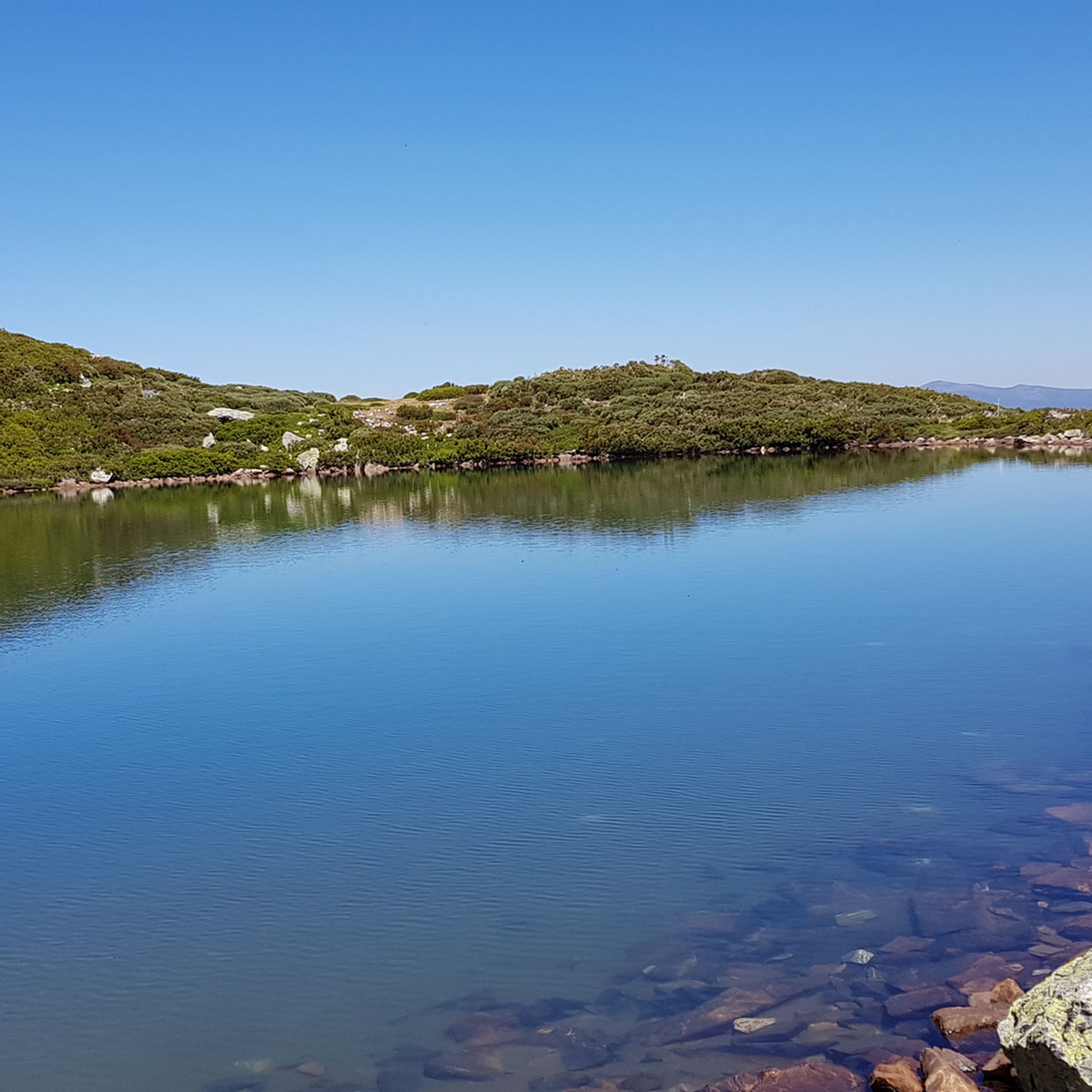
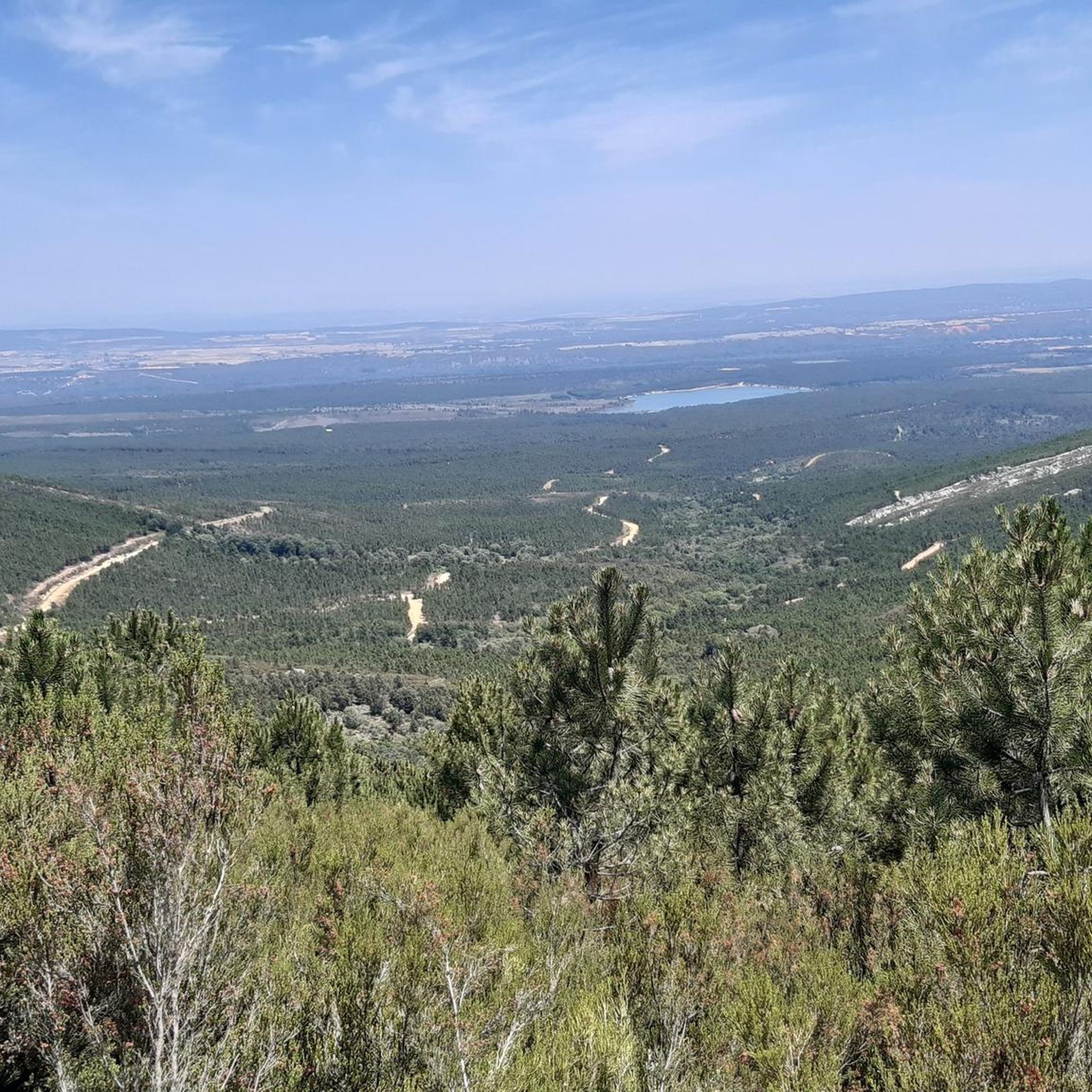
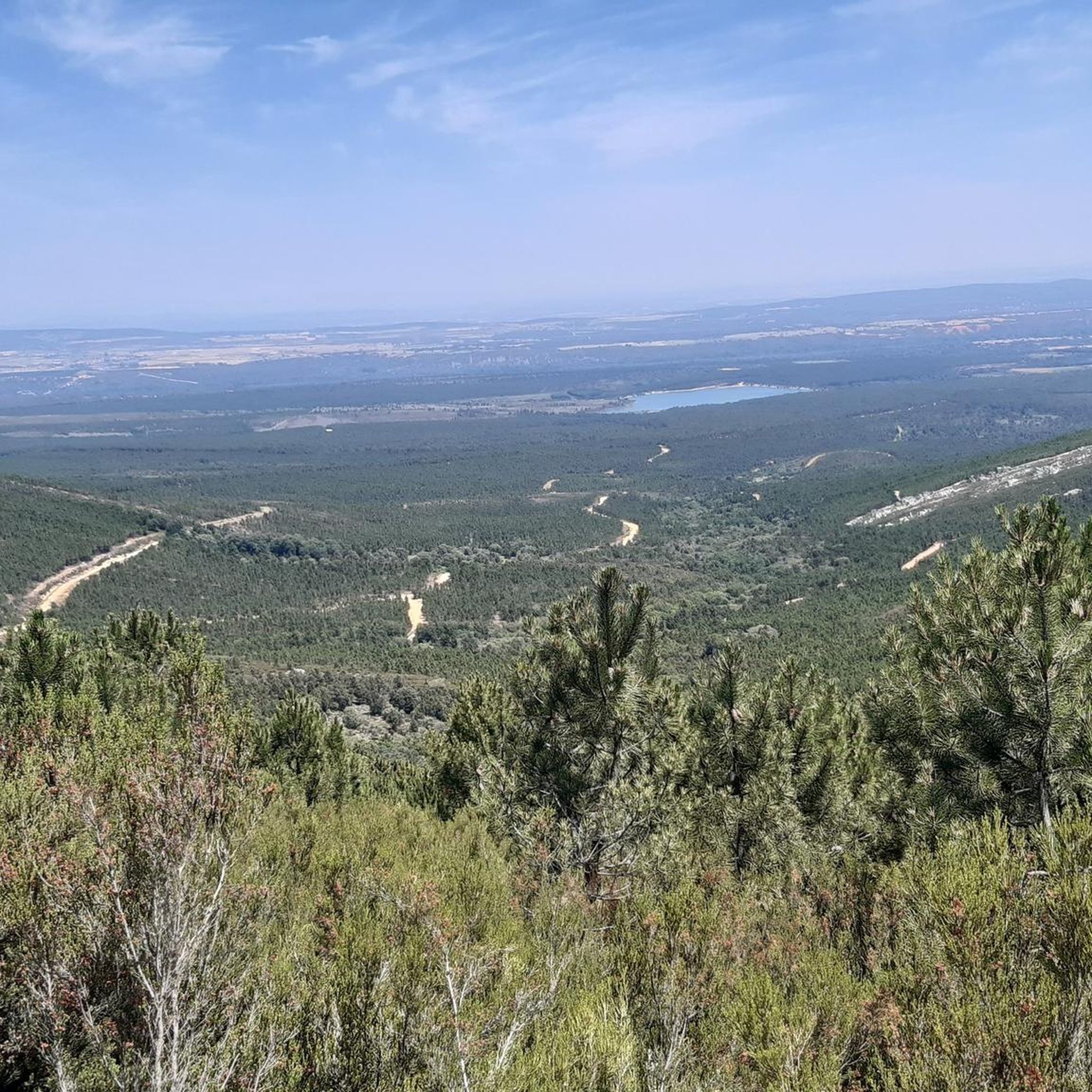
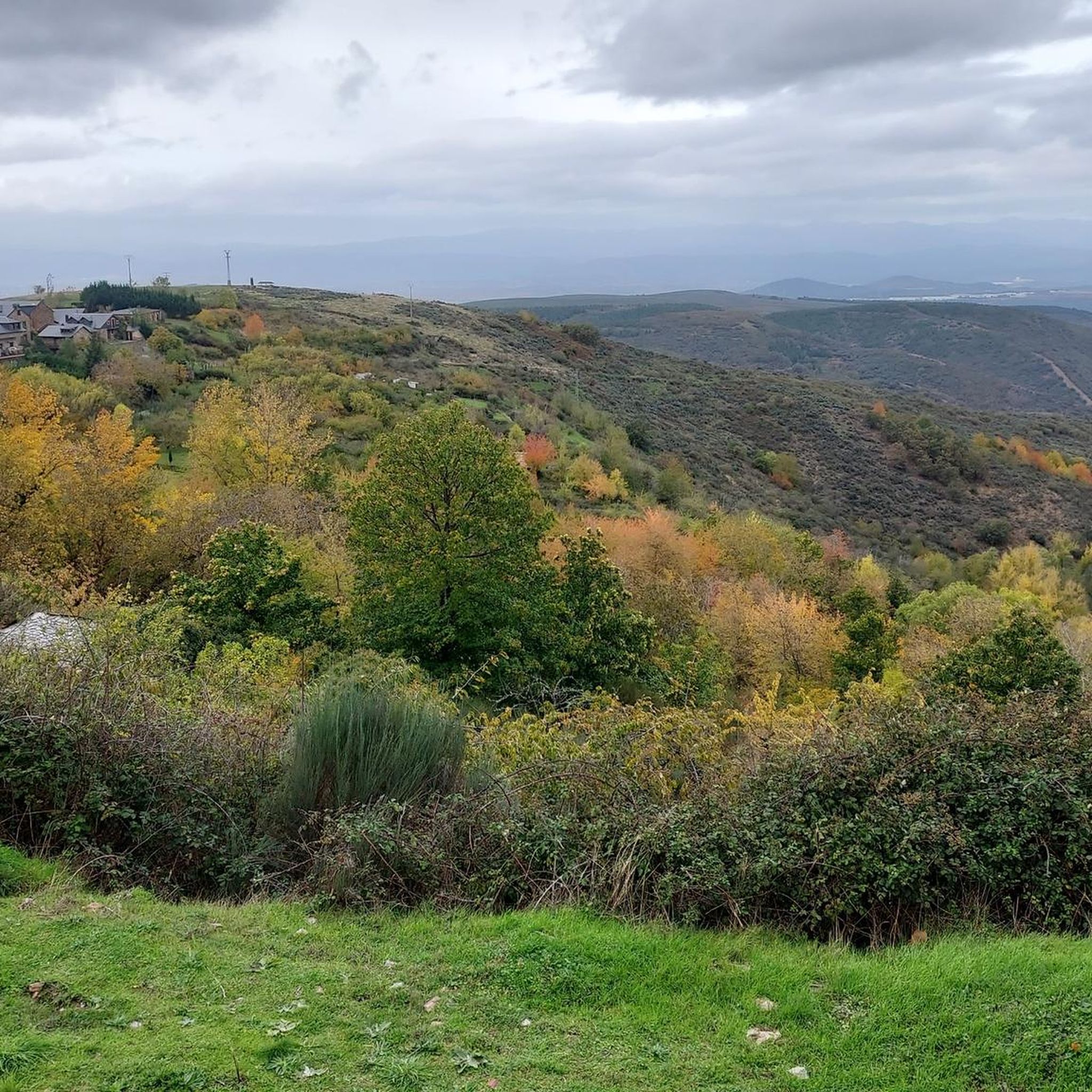
Gravel biking around La Cabrera offers diverse terrain within a mountainous topography in central Spain. The region is characterized by a granite massif of Palaeozoic origin, featuring prominent summits such as Cancho Gordo and Pico del Miel. Natural springs and streams feed the landscape, which includes varied flora like Pyrenean Oak and Holm Oak on its southern slopes. This mix of paved roads and unmaintained forest roads provides varied experiences for gravel cyclists.
Best gravel bike trails around La Cabrera
…Last updated: June 28, 2026
7
riders
22.0km
02:09
610m
610m
Hard gravel ride. Very good fitness required. Mostly paved surfaces. Suitable for all skill levels.
3
riders
11.1km
01:03
300m
300m
Moderate gravel ride. Good fitness required. Mostly paved surfaces. Suitable for all skill levels.

Sign up for free
2
riders
30.9km
02:25
150m
150m
Moderate gravel ride. Good fitness required. Mostly paved surfaces. Suitable for all skill levels.
2
riders
Moderate gravel ride. Good fitness required. Mostly paved surfaces. Suitable for all skill levels.
5.0
(1)
5
riders
58.7km
04:42
1,540m
1,540m
Hard gravel ride. Very good fitness required. Mostly paved surfaces. Suitable for all skill levels.
2
riders
Hard gravel ride. Very good fitness required. Mostly paved surfaces. Suitable for all skill levels.
Our route recommendations are based on thousands of hikes, rides, and runs completed by other people on komoot.
Start today with a free account
Your next adventure awaits.
Login or Signup
Other adventures around La Cabrera

Tips from the Community

The Lambrión Chupacandiles statue in Ponferrada is a bronze tribute to one of the most iconic figures of the local Semana Santa tradition. Installed in 2024 at the Church of San Andrés, the statue depicts a Nazareno in a black hooded robe, holding a bell—just as he parades through the city each year to announce the arrival of Holy Week. The figure, which originated in the 17th century, is linked to the Hermandad de Jesús Nazareno and takes its name from a legend that says he tasted wine and even oil from candlesticks along the way. Designed by Tomás Bañuelos and Soraya Triana, the sculpture has become a recognizable symbol of Ponferrada's religious heritage.
3
0

Although only part of the tower remains today, its presence is imposing: it was once a stately home and today serves as the perfect viewpoint over the Óbigo Valley. A bike ride up here is both visually and culturally rewarding. A great spot for epic photos, a restful break with views, and a bit of history on wheels. If you're planning a route with interesting stops, this castle is a definite yes.
0
0

When viewing the rock formations of Las Medulas, it's important to remember that this landscape is not natural, but rather the (sad) remains of a mountain range that was ruthlessly exploited for its gold ore as early as the Roman Empire. Nevertheless, this landscape of ruins is a UNESCO World Heritage Site. A 15-minute film documentary about it (although only available in German) is available in the ARD media library as part of the highly recommended series "Treasures of the World - Heritage of Humanity" =>> https://www.zdf.de/swr/schaetze-der-welt/page-video-ard-las-mdulas-und-seine-goldminen-spanien-100.html
3
0

The Mirador de Orellán is a spectacular observation point located in the town of Orellán, in the municipality of Borrenes, León. This viewpoint offers stunning panoramic views of the cultural landscape of Las Médulas, an ancient Roman gold mining complex declared a World Heritage Site by UNESCO. Near the viewpoint, you can visit the underground galleries that were part of the Roman gold mining system. Entry costs €3 and a helmet with headlamp is provided for the visit.
7
0
Castrocalbón is a place with a rich history and several points of interest that you can visit. Castrocalbón Castle: Although in ruins, it is a fascinating testimony to the medieval architecture and history of the region. San Pedro Church: A church with Romanesque and Gothic elements, which houses interesting altarpieces and sculptures. Hermitage of the Virgin of the Rosary: A place of local devotion, with simple architecture and a peaceful setting.
0
0
Castrocalbón Castle is an ancient fortress located in the town of Castrocalbón, in the province of León. Built in the Middle Ages, the castle has gone through various phases of construction and destruction over the centuries. Today, only a few remains remain, such as a rammed earth wall plastered with mortar and an ashlar arch. In the past, the castle had several archways and walls that have been compared to the Berber kasbahs of the High Atlas.
2
0

At the end of the 11th century, Osmundo, Bishop of Astorga, ordered the construction of a bridge (partly made of iron = pons ferrata) over the Sil for the pilgrims on the Way of St. James, near which a settlement was built. At the "pons ferrata", the iron bridge, the Knights Templar built a huge castle on a surface area of 160 x 90 m to protect the pilgrims on the Way of St. James. The medieval castle complex was inhabited by the Knights Templar from 1178 to 1312. Source: Wikipedia
5
0

The Templars' heyday from the 12th to 14th centuries led to the construction of this mighty fortress, among other things to protect the pilgrims on the Way of St. James. The rampart on the city hill stands out impressively against the mountain backdrop and absolutely conforms to the stereotypical image of a knight's castle. It is sensationally well maintained and a feast for the eyes.
6
0
Frequently Asked Questions
What kind of terrain can I expect on gravel bike trails in La Cabrera?
La Cabrera offers a diverse and engaging terrain for gravel biking. You'll encounter a mix of paved roads and rugged, unmaintained forest roads, reflecting the region's mountainous topography and granite massif. This variety provides both physical challenge and scenic rewards.
Are there gravel bike routes suitable for beginners or those looking for an easier ride?
Yes, while some routes are challenging, there are options suitable for varying skill levels. For a moderate ride, consider the Las Médulas – View of Las Médulas loop from Carucedo, which is 6.8 miles (11.0 km) long and offers beautiful views.
What are some of the more challenging gravel bike trails in La Cabrera?
For experienced gravel bikers seeking a challenge, the region offers routes with significant elevation gain and difficult grades. The Las Médulas – Orellán Galleries loop from Carucedo is a demanding 13.6-mile (22.0 km) trail with a challenging grade and substantial climbing. Another difficult option is the Río Oza – Path Along the Oza River loop from Toral de Merayo, which covers 36.5 miles (58.7 km) with over 1500 meters of elevation gain.
Are there any circular gravel bike routes in La Cabrera?
Yes, many of the gravel routes in La Cabrera are designed as loops, allowing you to start and finish in the same location. Examples include the La Portilla (895 m) – Eria Bridge in Castrocalbón loop from Felechares de la Valdería and the Eria Bridge in Castrocalbón loop from Felechares de la Valdería.
What points of interest or natural features can I see along the gravel bike trails?
The trails often pass through areas of natural beauty and historical significance. You might encounter features like the Truchillas River Wooden Bridge, the Church of Castrocontrigo, or the Ermita Virgen de la Guiana. The region is also known for its prominent summits like Cancho Gordo and Pico del Miel, offering impressive views.
What is the best time of year for gravel biking in La Cabrera?
La Cabrera is generally suitable for outdoor activities for much of the year. Spring and autumn typically offer the most pleasant temperatures for gravel biking, avoiding the intense heat of summer and potential colder, wetter conditions in winter. Always check local weather forecasts before heading out.
Are there any viewpoints along the gravel routes in La Cabrera?
Yes, the mountainous terrain of La Cabrera provides numerous opportunities for scenic viewpoints. Many routes offer panoramic vistas, such as the View of Valle del Arroyo de la Yegua. The prominent summits like Cancho Gordo and Pico del Miel also offer rewarding views for those who tackle the more challenging climbs.
What do other gravel bikers enjoy most about the trails in La Cabrera?
The komoot community highly rates the gravel biking experience in La Cabrera, with an average score of 5.0 stars. Riders often praise the diverse terrain, which combines paved sections with rugged forest roads, and the stunning natural landscapes of the granite massif and prominent peaks.
Is there parking available near the gravel bike trailheads in La Cabrera?
While specific parking details vary by trailhead, La Cabrera is generally accessible for outdoor activities. Many routes start from towns or villages like Carucedo or Felechares de la Valdería, where you can typically find public parking options. It's advisable to check the starting point of your chosen route for specific parking recommendations.
Can I access gravel bike trails in La Cabrera using public transport with my bike?
Public transport options for cyclists with bikes can vary by region and service. While La Cabrera is well-regarded for outdoor activities, it's recommended to check with local public transport providers (bus or train services) regarding their policies for transporting bicycles to ensure a smooth journey to the trailheads.
Are there any cafes or restaurants near the gravel bike routes in La Cabrera?
The towns and villages within and around La Cabrera, such as Carucedo and Felechares de la Valdería, offer amenities including cafes and restaurants where you can refuel before or after your ride. These establishments cater to locals and visitors enjoying the region's outdoor activities.
Are the gravel bike trails in La Cabrera suitable for families?
The suitability for families depends on the specific route and the family's experience level. While some routes feature challenging grades, there are also moderate paths that might be more suitable for families with some cycling experience. Always check the route's difficulty and length before setting out with children.
Most popular routes around La Cabrera
Most popular attractions around La Cabrera

Get inspired with the komoot mobile app


Explore more
Browse the best Gravel rides in other regions.
