Top 4 Castles around Neubreisach
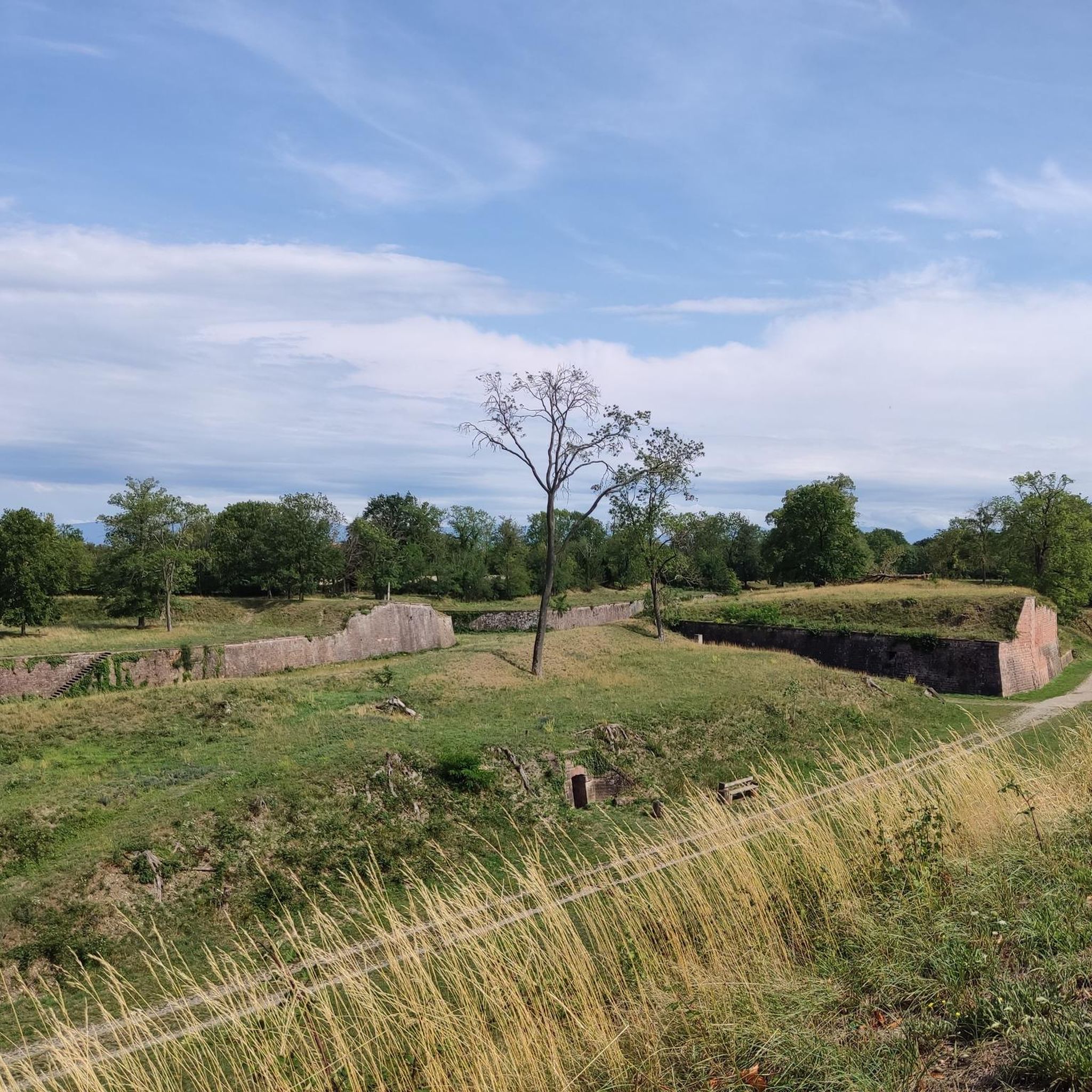
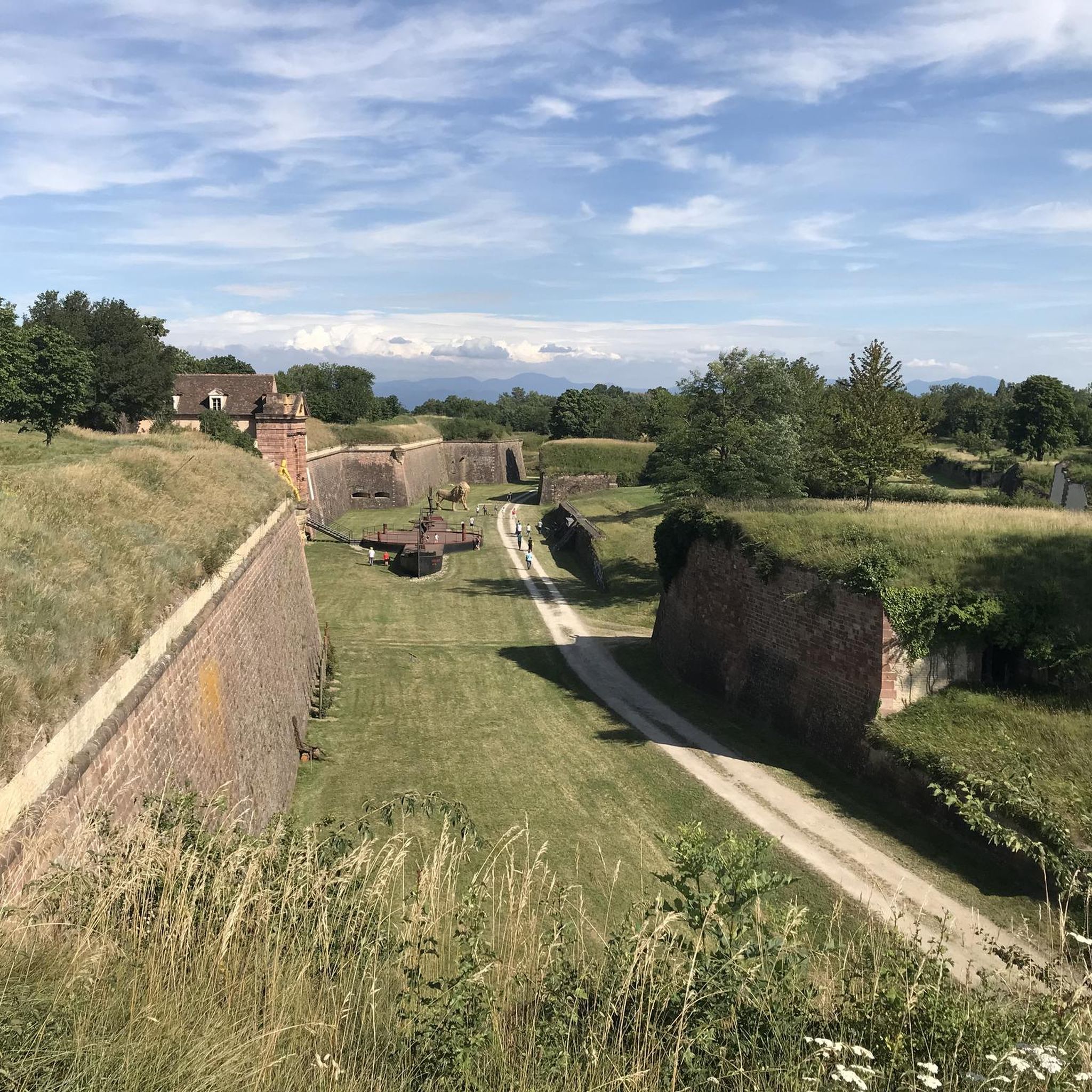
Best castles around Neubreisach include the unique fortified town of Neuf-Brisach, a UNESCO World Heritage site recognized for its military architecture. This area, situated in Alsace, France, features a landscape shaped by historical fortifications and the Rhine river. Neuf-Brisach itself is a masterpiece of military architecture designed by Sébastien Le Prestre de Vauban, showcasing an octagonal layout and a double line of defense. The region offers opportunities to explore significant historical sites and the remains of medieval castles.
Best castles…
Last updated: October 11, 2026
Burkheim Castle Ruins
Highlight • Castle
Translated by Google •
Tip by

Schwendi Castle Ruins (Burkheim)
Highlight • Castle
Translated by Google •
Tip by

Sign up now to discover places like this
Get recommendations on the best single tracks, peaks, & plenty of other exciting outdoor places.
Schlossberg Pavilion and the Höhingen Castle Ruins
Highlight • Castle
Translated by Google •
Tip by

View of the Rhine from the courtyard of Breisach Castle
Highlight • Viewpoint
Translated by Google •
Tip by

Start today with a free account
Your next adventure awaits.
Popular around Neubreisach
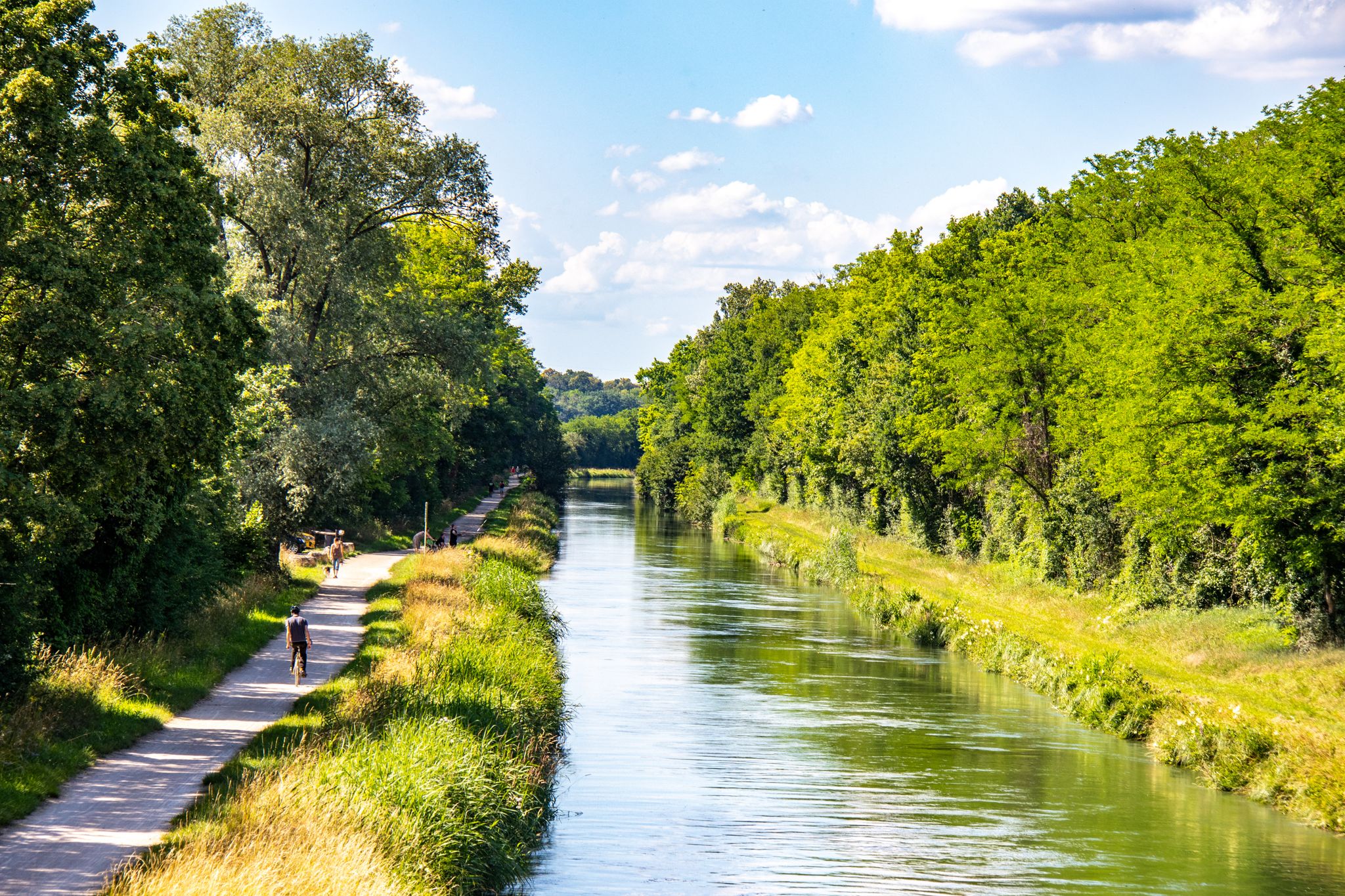
EuroVelo15 - Rhine CYCLE ROUTE (Alsace)
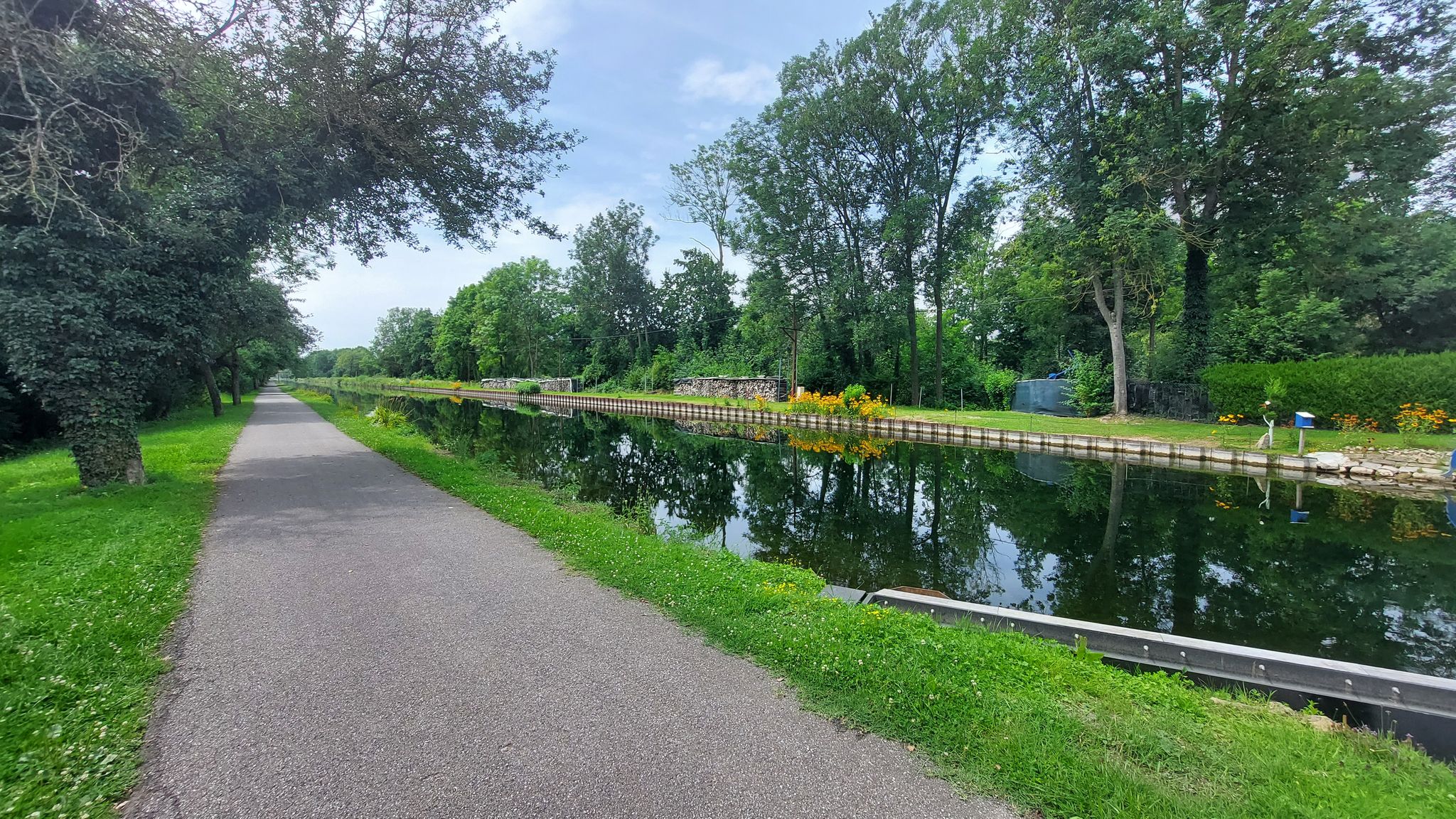
Alsace Along the Water – Rhine Cycle Route (EuroVelo 15)
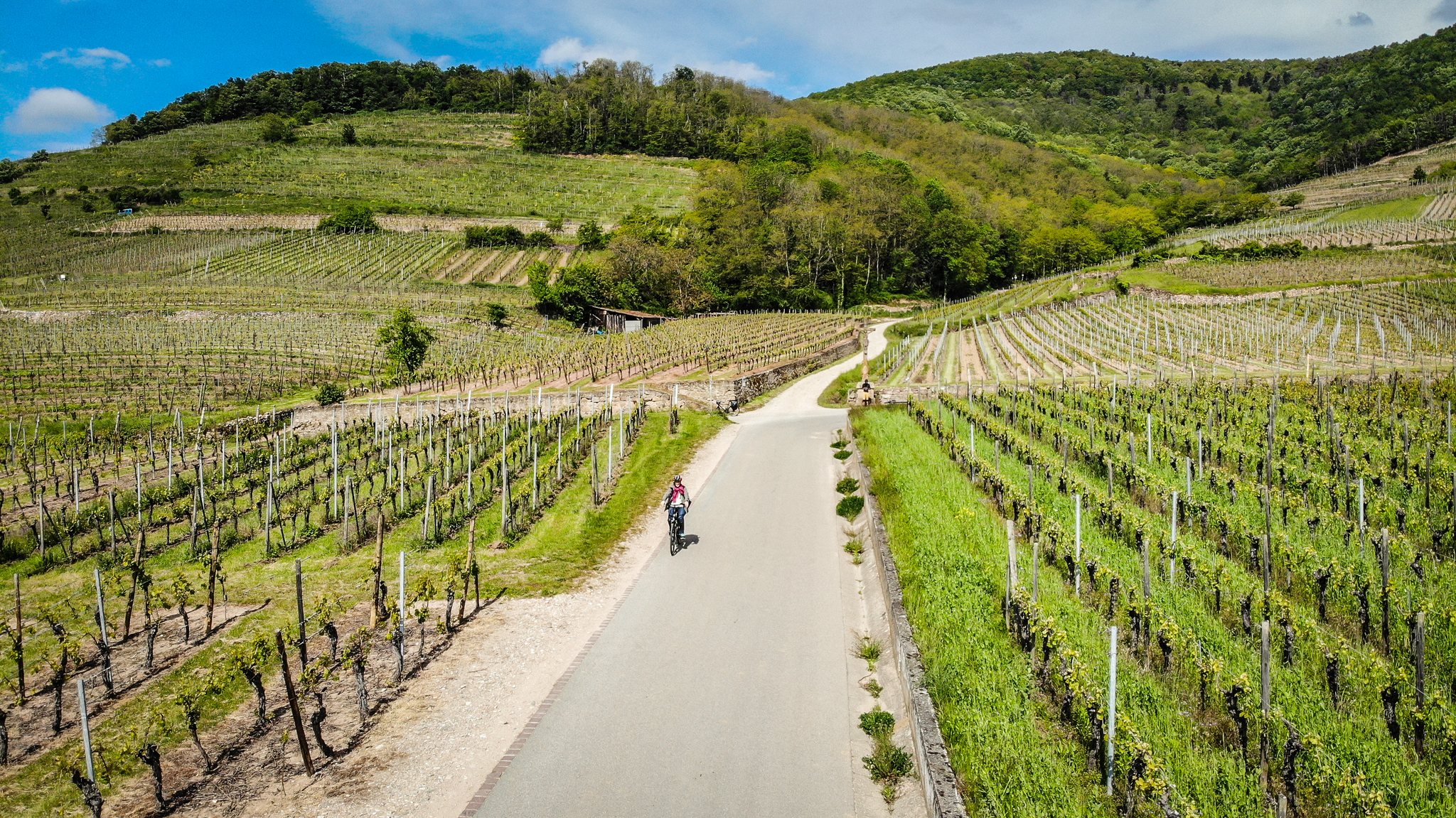
L’Alsace à Vélo - Entre canaux, vignoble et vallées vosgiennes
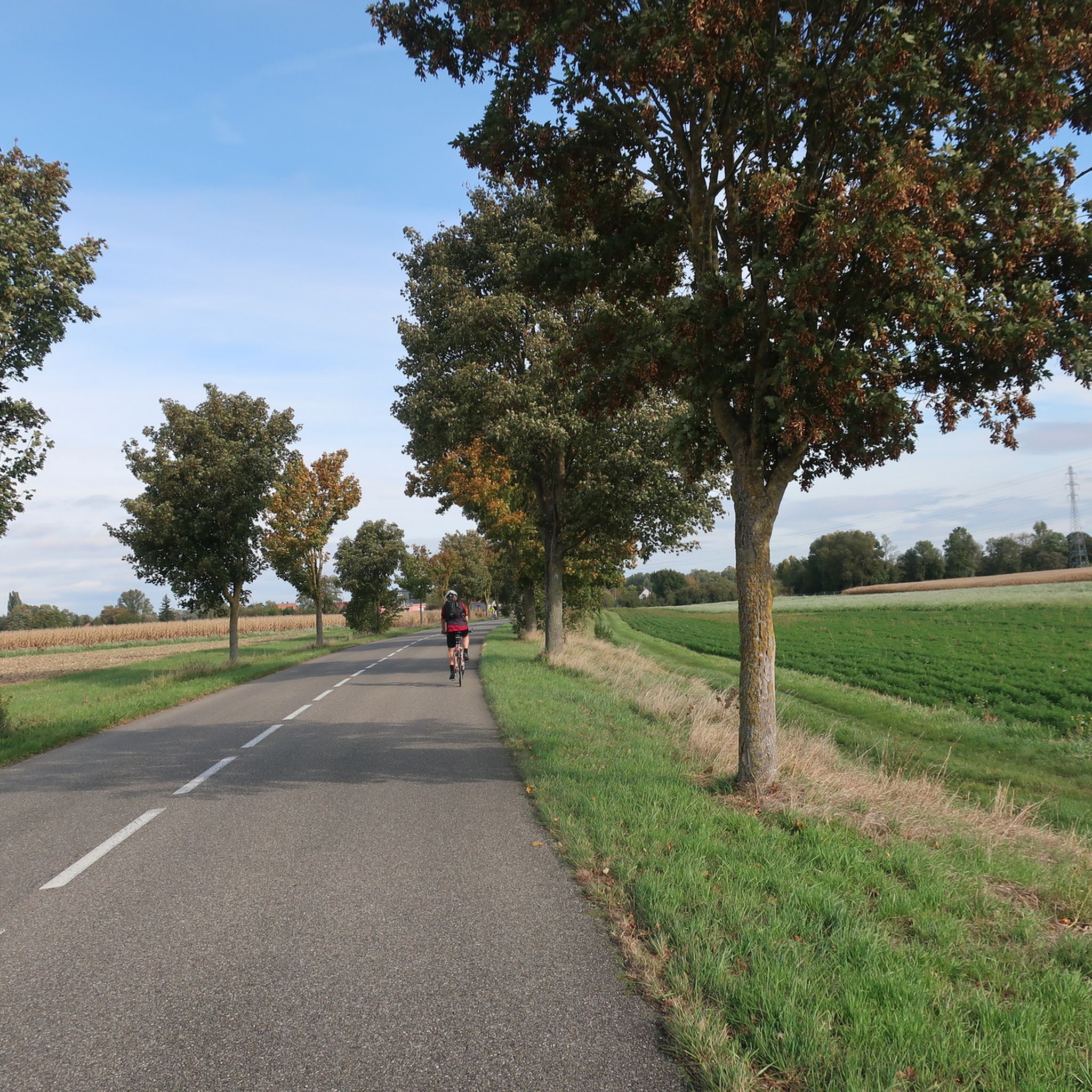
Cycling around Neubreisach
Road Cycling Routes around Neubreisach
Hiking around Neubreisach
Running Trails around Neubreisach
MTB Trails around Neubreisach

Gravel biking around Neubreisach


Tips from the Community

Great view of the Rhine.
0
0

Nice rest area, nice view. Well attended.
0
0

Insect hotel
0
1

Castle type: hilltop castle, hilltop location Today: only remains of ruins Date of origin: before 1064, first documented mention in 1259 Not much is known for sure about the beginning of the castle complex on the Schlossberg. However, castles are said to have existed as early as 1064 when Achkarren was first mentioned in writing on the occasion of the transfer to the Ottmarsheim monastery by King Heinrich IV. These were then expanded several times in the following centuries. After the family castle of the Lords of Üsenberg, Üsenberg Castle on the Üsenberg near Breisach, was probably destroyed by the Breisach family in the 1240s, they are said to have made Höhingen Castle available to the Üsenbergers as a replacement. It was first explicitly mentioned in writing in 1259. Around 1353 the castle was briefly pledged to the Schnewlin im Hof. In 1392, Margrave Hesso von Hachberg bought Werner von Hornberg's share in Höhingen Castle, and he already owned the other part. In 1415 the castle, together with the Margraviate of Baden-Hachberg, came to Margrave Bernhard I of Baden, who bought it from Margrave Otto II of Hachberg, the last of this branch of Baden. Otto was allowed to use Höhingen Castle until the end of his life in 1418. ... After centuries of existence, the castle itself was burned down for the first time in May 1525 during the peasant uprising with the participation of Achkarr farmers. This made Höhingen Castle one of only two margravial castles destroyed by the peasants, although a number of them had been occupied by the peasants. Long-standing disputes between the village of Achkarren and the Margraves over the use of the forest are suspected to be the motive. The farmers later had to compensate Margrave Ernst I of Baden-Durlach for the damage. ... In 1620, Margrave Georg Friedrich von Baden-Durlach rebuilt the castle as a defensive structure and put it into a state of defense, since the events of the war in the Rhine Valley and the Breisach Fortress could be observed well from here. In a contemporary report from the mayor of Breisach to the imperial governor of the Austrian provinces in Waldshut, Höhingen Castle, often referred to as a castle, is described as follows: “Its position was excellent, as it stood in the middle of the mountain's crest on hard rock, which because of its height had difficult access, and could not be commanded from any of the surrounding places. The building was surrounded by strong masonry, on the one hand with a deep ditch, on the other hand it encountered an inaccessible praecipitium [= abyss], which is used from below for a stone pit. The castle had a good cistern.” In 1633 there was an attack from Breisach. The Imperial Catholic troops captured and sacked the castle currently held by the Swedes and supported by the Protestants of Ihring. According to records at the time, the spoils included around 15,000 liters of wine. Property of Ihringen citizens stored in the castle was also lost. There are even reports of the loss of 200 horses and 300 head of cattle, which allows conclusions to be drawn about the dimensions of the facility. After several subsequent disputes about the castle, it was finally set on fire by the now imperial garrison in 1638, when it could no longer be held militarily. (Excerpt from Wikipedia)
1
0

Annual events on the premises - Advent market - Dates www.Kaiserstuhl-Events.de
2
0

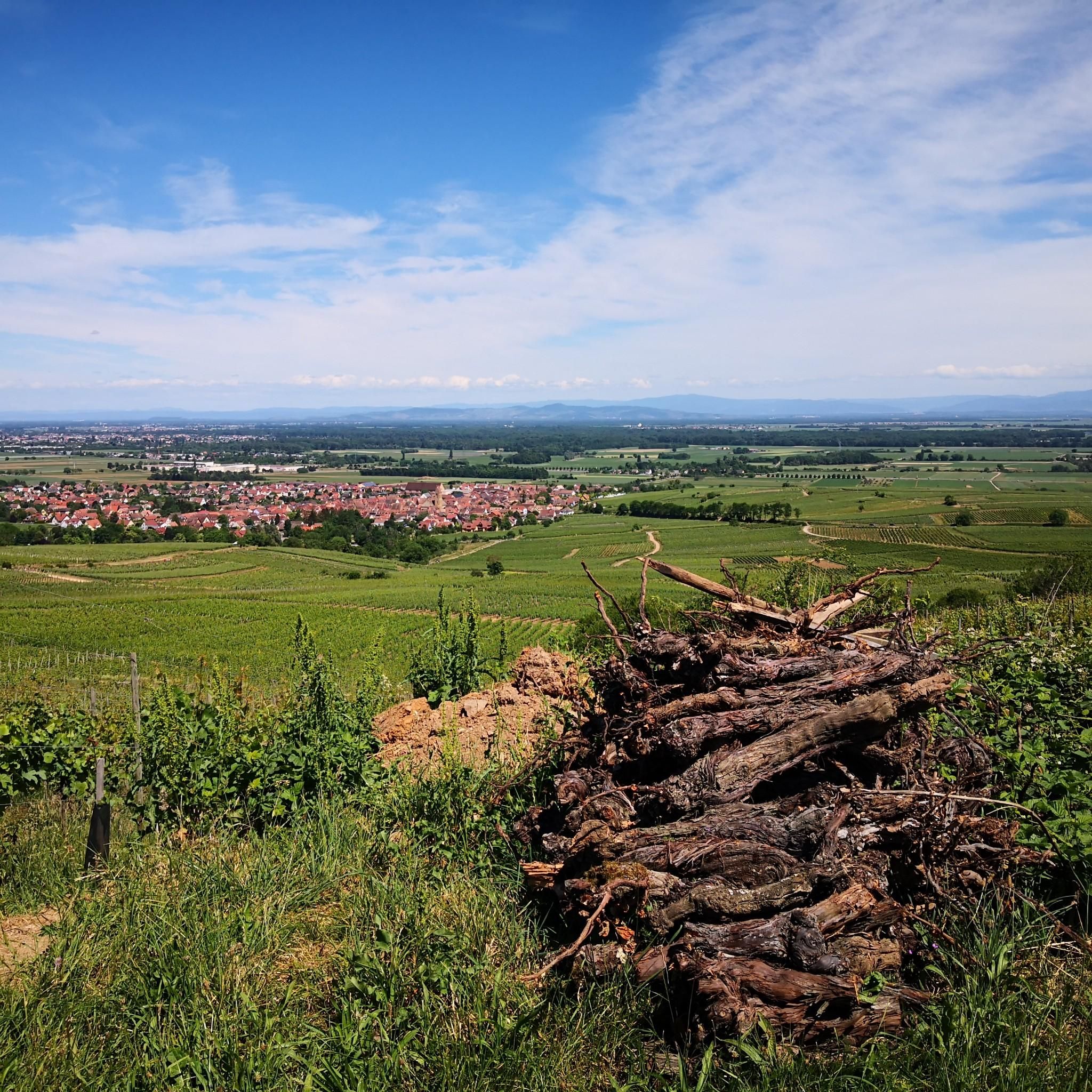
A gigantic view of the surrounding landscape
1
1
Interesting landscape with many insights
1
0
Frequently Asked Questions
What makes the fortified town of Neuf-Brisach a significant historical site?
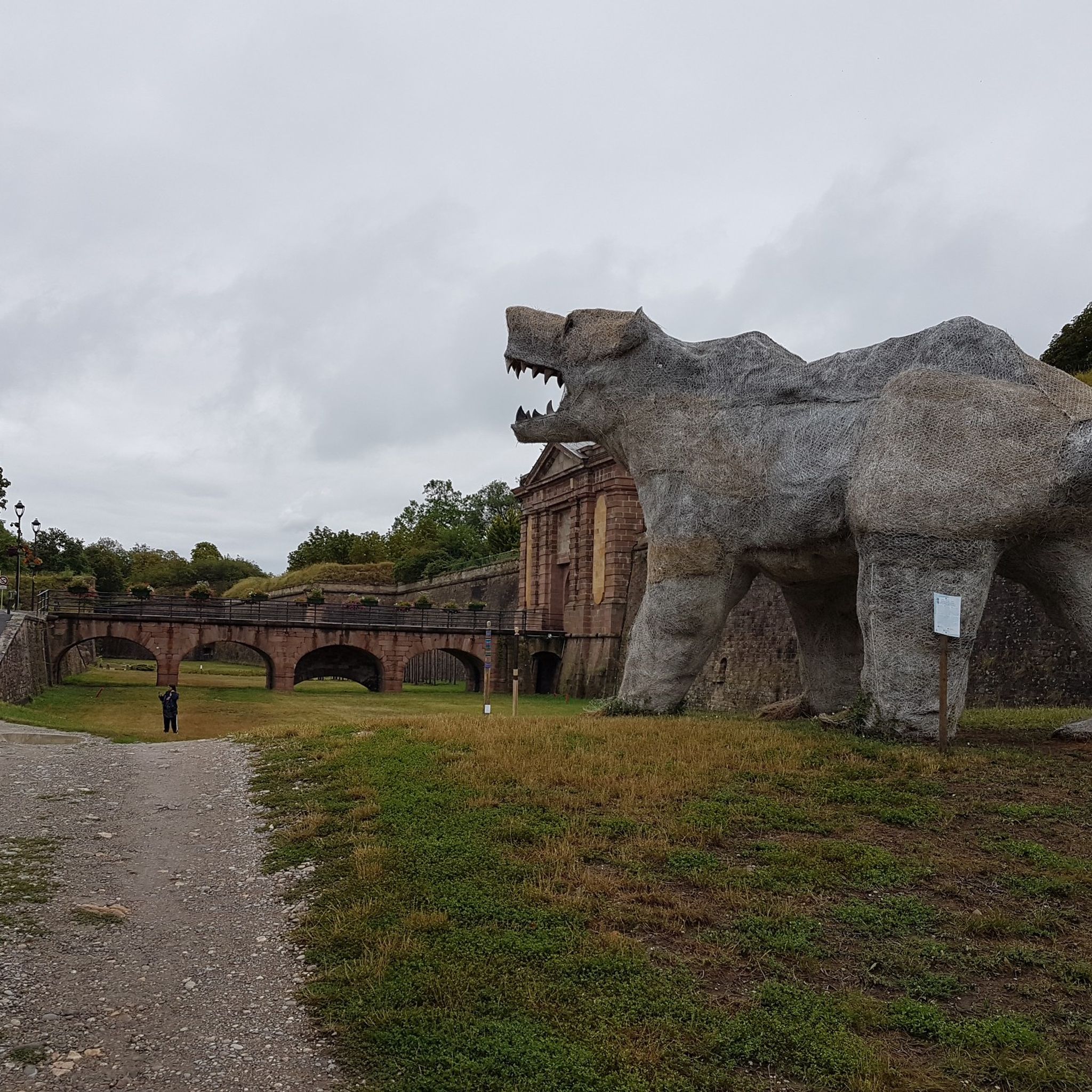
Neuf-Brisach is a UNESCO World Heritage site and considered the ultimate masterpiece of military architecture by Vauban. Its unique octagonal layout, intricate defensive system with bastioned towers, ramparts, and four gates (Belfort, Strasbourg, Basel, Colmar) showcase 17th-century military strategy and urban planning. You can learn more about its unique design at the Visit Alsace website.
Are there any castle ruins to explore near Neubreisach?
Yes, you can explore the Schwendi Castle Ruins (Burkheim), which feature beautiful ruined walls visible from afar, offering a romantic setting. Another option is the Schlossberg Pavilion and the Höhingen Castle Ruins, where you'll find small remains of the former Höhingen Castle and an inviting pavilion with forest sofas, providing a great view.
What historical attractions are available in Breisach am Rhein?
In Breisach am Rhein, you can visit the Rheintor – Museum of City History. This entrance portal, built in the French Baroque style, was part of the former Breisach fortress and now houses a museum detailing 4,000 years of the city's history. It is recognized as one of Europe's most beautiful surviving fortress gates.
What kind of outdoor activities can I do near the castles around Neubreisach?
The region offers various outdoor activities. You can find numerous running trails, including loops around the Neuf-Brisach Fortress Moat and Ramparts. For cycling enthusiasts, there are routes like the 'Old Rhine (Vieux Rhin) – Old Town of Breisach am Rhein loop'. Gravel biking options include routes with views of Burkheim Castle Ruins. Explore more options in the Running Trails around Neubreisach, Gravel biking around Neubreisach, and Cycling around Neubreisach guides.
Are there family-friendly historical sites in the Neubreisach area?
Yes, the Rheintor – Museum of City History, Breisach am Rhein is considered family-friendly. Its exhibits cover 4,000 years of history in an engaging way, making it suitable for visitors of all ages to learn about the region's past.
What are the best viewpoints to appreciate the historical sites around Neubreisach?
For scenic views, the Schlossberg Pavilion and the Höhingen Castle Ruins offer a great overview of the Kaiserstuhl region. The Schwendi Castle Ruins (Burkheim) are also visible from afar and provide a picturesque setting.
What is the best time of year to visit the castles and fortified town near Neubreisach?
The best time to visit is generally during the spring (April-June) and autumn (September-October) when the weather is mild and pleasant for exploring the outdoor sites and walking the ramparts. Summer can also be enjoyable, but it may be warmer and more crowded. Winter visits offer a different, often quieter, experience, though some outdoor activities might be limited by weather.
What do visitors enjoy most about the historical sites in the Neubreisach region?
Visitors particularly appreciate the unique historical significance of the fortified town of Neuf-Brisach, recognizing it as a UNESCO World Heritage site and Vauban's masterpiece. The romantic setting of the Schwendi Castle Ruins and the historical depth offered by the Rheintor – Museum of City History are also highly valued.
Can I find information about the construction and defensive principles of Neuf-Brisach?
Yes, the Vauban Museum, housed within the Belfort Gate in Neuf-Brisach, provides detailed insights into the history and architecture of the town. It features a sound-enhanced relief map that explains the sophisticated defensive system, including upstream ditches, ramparts, walls, and various fortifications designed to delay enemy approach.
Are there any specific cycling routes that include views of castles or historical sites?
Yes, several cycling routes in the area offer scenic views and pass by historical points. For instance, the 'View of Burkheim Castle Ruins – Burkheim Castle Ruins loop from Breisach' is a moderate gravel biking route. You can find more cycling options, including those along the Old Rhine and towards Colmar, in the Cycling around Neubreisach guide.
What is the significance of the Vauban Canal in Neuf-Brisach?
The Vauban Canal was specially designed and constructed to transport sandstone directly from the Vosges mountains, which was essential for building the fortified town of Neuf-Brisach. This canal highlights the immense logistical effort and engineering prowess involved in the town's construction.
Are there any guided tours available for Neuf-Brisach?
While specific tour details are not provided in the guide data, the region research indicates that guided tours, sometimes featuring actors in costume, are available to enhance the experience of exploring Neuf-Brisach's impressive ramparts and bastioned towers. It's recommended to check local tourist information for current offerings.
Most popular routes around Neubreisach
Most popular attractions around Neubreisach

Get inspired with the komoot mobile app


Explore more
Looking for the best castles somewhere else? Discover other guides around Neubreisach:
