Top 5 Castles around Algolsheim
Best castles around Algolsheim are found in the surrounding Haut-Rhin department of Alsace, a region known for its medieval fortifications. The area features numerous castles and ruins, many of which are situated on hillsides, offering views of the Alsace plain. These historical sites provide insight into the region's rich past and medieval architecture. Algolsheim serves as a base for exploring these historical structures.
Best castles around Algolsheim
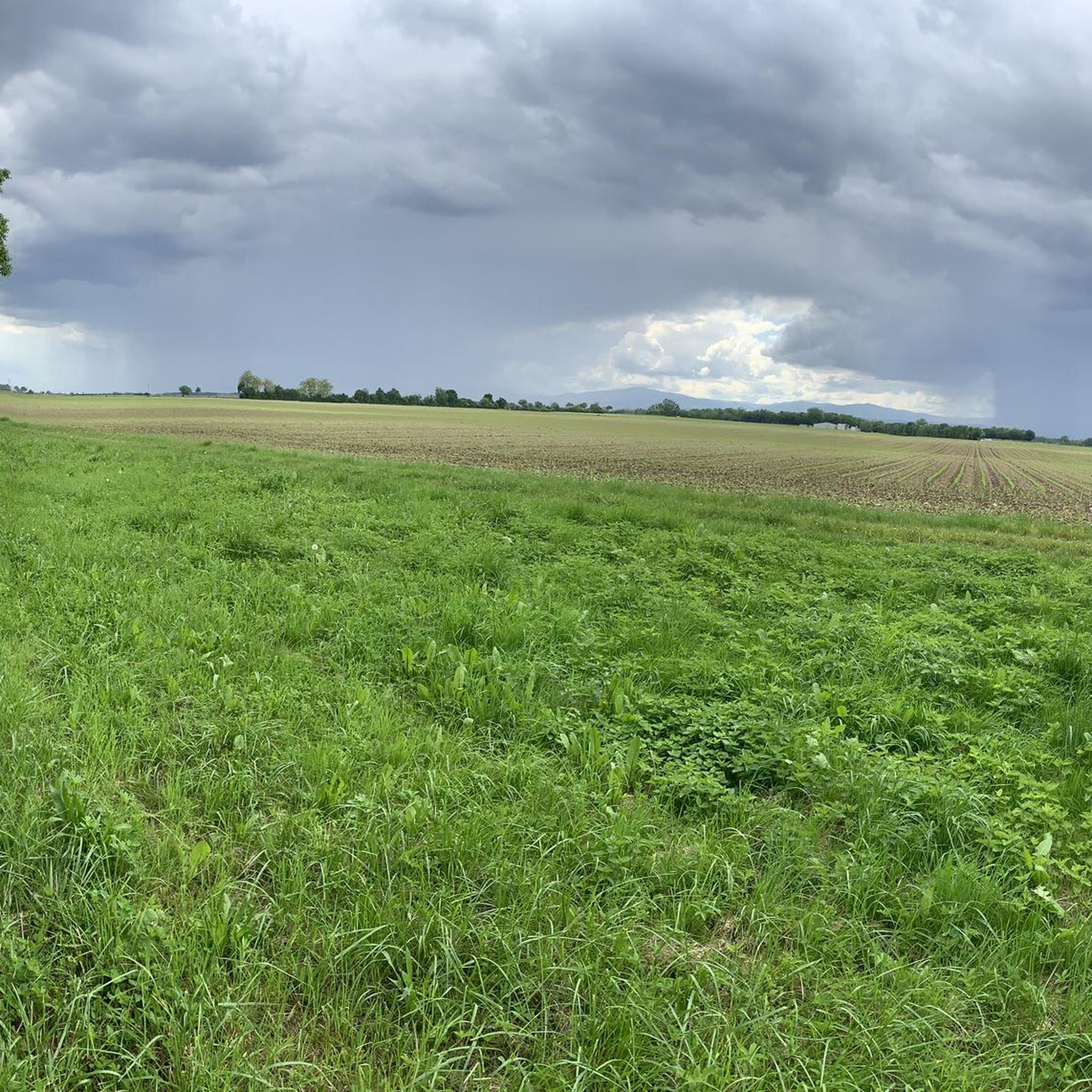
- The most popular castles is Schlossberg Pavilion and the Höhingen Castle Ruins,…
Last updated: October 11, 2026
Schlossberg Pavilion and the Höhingen Castle Ruins
Highlight • Castle
Translated by Google •
Tip by

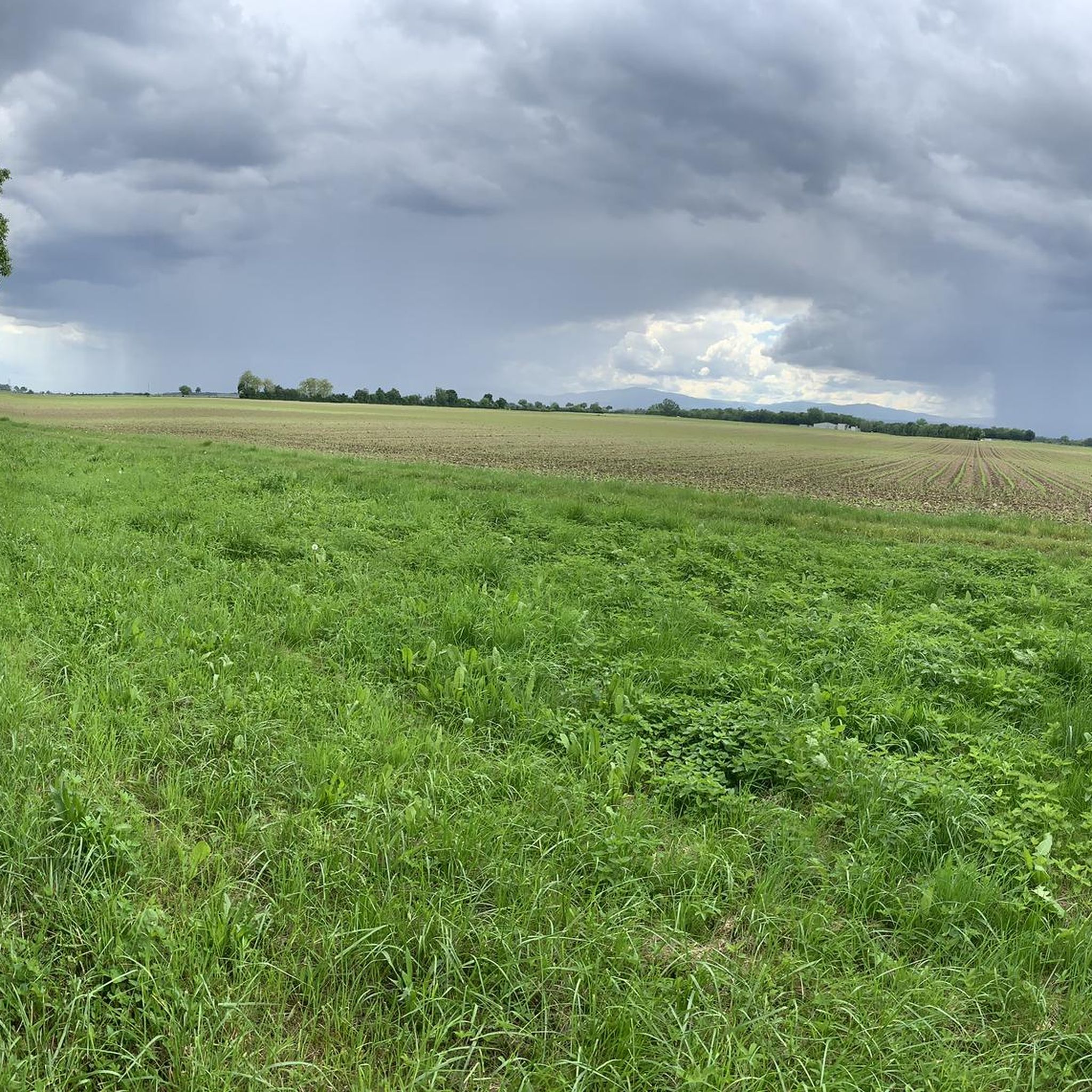
Schloss Rimsingen
Highlight • Castle
Translated by Google •
Tip by

Sign up now to discover places like this
Get recommendations on the best single tracks, peaks, & plenty of other exciting outdoor places.
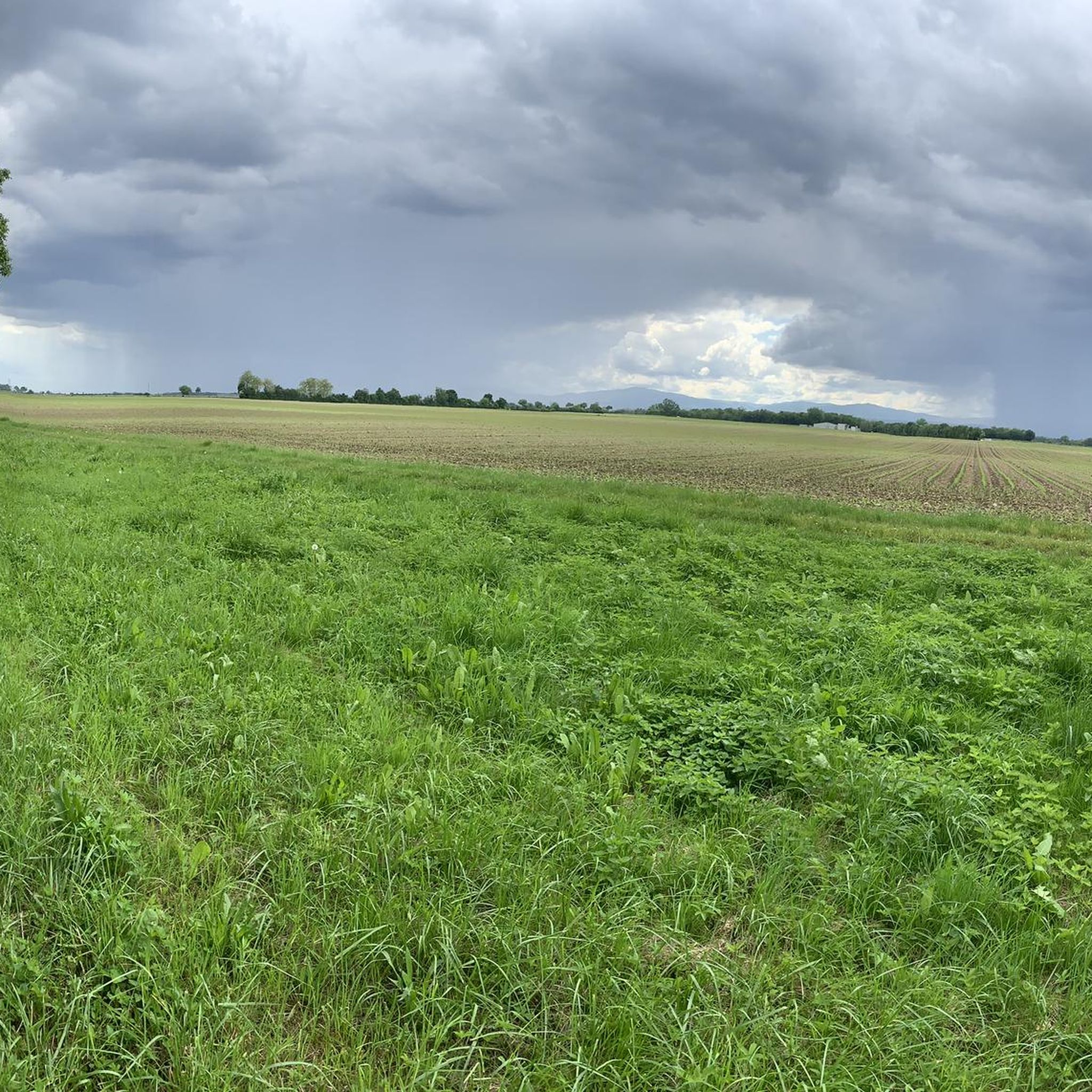
Kageneck Castle
Highlight • Castle
Translated by Google •
Tip by

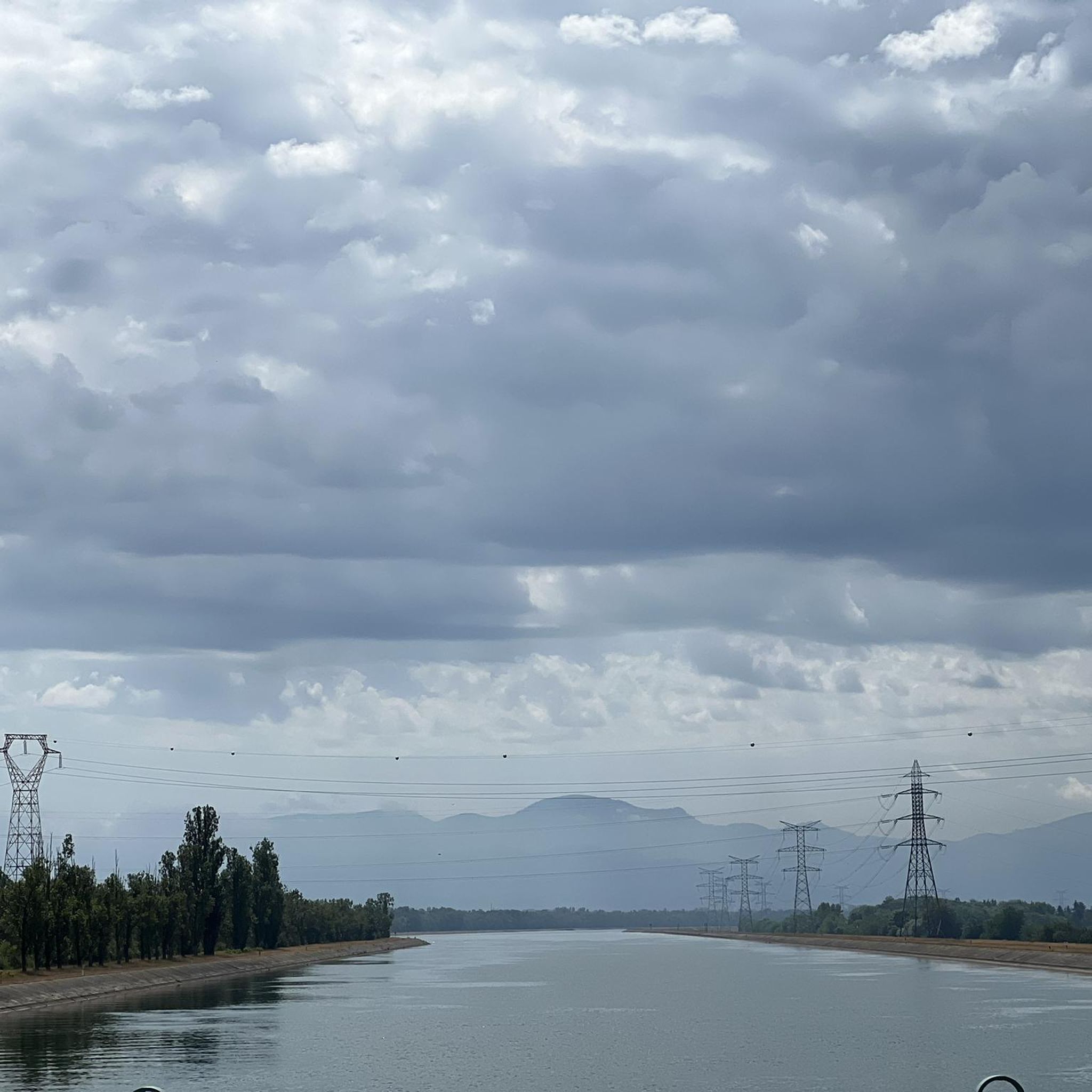
View of the Rhine from the courtyard of Breisach Castle
Highlight • Viewpoint
Translated by Google •
Tip by

Start today with a free account
Your next adventure awaits.

Tips from the Community

Great view of the Rhine.
0
0

Nice rest area, nice view. Well attended.
0
0

Insect hotel
0
1

The castle looked very empty as we walked past
0
0

We took a long break in the small park.
0
0

Castle type: hilltop castle, hilltop location Today: only remains of ruins Date of origin: before 1064, first documented mention in 1259 Not much is known for sure about the beginning of the castle complex on the Schlossberg. However, castles are said to have existed as early as 1064 when Achkarren was first mentioned in writing on the occasion of the transfer to the Ottmarsheim monastery by King Heinrich IV. These were then expanded several times in the following centuries. After the family castle of the Lords of Üsenberg, Üsenberg Castle on the Üsenberg near Breisach, was probably destroyed by the Breisach family in the 1240s, they are said to have made Höhingen Castle available to the Üsenbergers as a replacement. It was first explicitly mentioned in writing in 1259. Around 1353 the castle was briefly pledged to the Schnewlin im Hof. In 1392, Margrave Hesso von Hachberg bought Werner von Hornberg's share in Höhingen Castle, and he already owned the other part. In 1415 the castle, together with the Margraviate of Baden-Hachberg, came to Margrave Bernhard I of Baden, who bought it from Margrave Otto II of Hachberg, the last of this branch of Baden. Otto was allowed to use Höhingen Castle until the end of his life in 1418. ... After centuries of existence, the castle itself was burned down for the first time in May 1525 during the peasant uprising with the participation of Achkarr farmers. This made Höhingen Castle one of only two margravial castles destroyed by the peasants, although a number of them had been occupied by the peasants. Long-standing disputes between the village of Achkarren and the Margraves over the use of the forest are suspected to be the motive. The farmers later had to compensate Margrave Ernst I of Baden-Durlach for the damage. ... In 1620, Margrave Georg Friedrich von Baden-Durlach rebuilt the castle as a defensive structure and put it into a state of defense, since the events of the war in the Rhine Valley and the Breisach Fortress could be observed well from here. In a contemporary report from the mayor of Breisach to the imperial governor of the Austrian provinces in Waldshut, Höhingen Castle, often referred to as a castle, is described as follows: “Its position was excellent, as it stood in the middle of the mountain's crest on hard rock, which because of its height had difficult access, and could not be commanded from any of the surrounding places. The building was surrounded by strong masonry, on the one hand with a deep ditch, on the other hand it encountered an inaccessible praecipitium [= abyss], which is used from below for a stone pit. The castle had a good cistern.” In 1633 there was an attack from Breisach. The Imperial Catholic troops captured and sacked the castle currently held by the Swedes and supported by the Protestants of Ihring. According to records at the time, the spoils included around 15,000 liters of wine. Property of Ihringen citizens stored in the castle was also lost. There are even reports of the loss of 200 horses and 300 head of cattle, which allows conclusions to be drawn about the dimensions of the facility. After several subsequent disputes about the castle, it was finally set on fire by the now imperial garrison in 1638, when it could no longer be held militarily. (Excerpt from Wikipedia)
1
0

Kageneck Castle was built in 1672 in Renaissance style by the governor of Austria, Johann Friedrich Reichsfreiherr von Kageneck. In 1744, King Louis XV. of France in Munzingen Castle. From 1745 the castle was then largely redesigned in the Rococo style. The jewel of Kageneck Castle is the castle chapel with an altar made in 1760 with stucco marble. The dining room with its ancient canopy of gods also conveys an impression of the luxurious furnishings of Kageneck Castle. The decoration of the palace facade is one of the architectural rarities in southern Baden. In the courtyard of the castle there are unique stone figures, which are among the ancestors of the garden gnomes. Source: www.alemannische-seiten.de
0
0

MartiniMarkt - market of beautiful and fine things, in the noble sheds, under the chandelier, in the outside area of the castle, castle cellar + Falkenstein vault. 11/05/2022 & 11/06/2022 | 11 a.m. – 6 p.m A wine tasting tour of the event site with a wine advisor (DWI) on request. https://venyoo.de/veranstaltung/s3092456-martini-markt-markt-der-schoenen-und-feinen-dinge
0
0
Frequently Asked Questions
What are some of the most historically significant castles near Algolsheim?
While Algolsheim itself doesn't have historical castles, the broader Alsace region is rich in medieval fortifications. Notable sites include the iconic Schlossberg Pavilion and the Höhingen Castle Ruins, which offers a lookout point with panoramic views and a glimpse into its tumultuous past. Further afield, the extensively restored Château du Haut-Kœnigsbourg and the impressive ruins of Château du Hohlandsbourg provide deep historical insights into the region's medieval heritage.
Are there any castle ruins to explore near Algolsheim?
Yes, the region offers several captivating castle ruins. The Höhingen Castle Ruins, though only small wall remains, provide a historical viewpoint. For a more extensive experience, the Three Castles of Ribeauvillé (Château de Saint-Ulrich, Château de Girsberg, and Château de Haut-Ribeaupierre) and the Three Castles of Eguisheim (Châteaux de Weckmund, Wahlenbourg, and Dagsbourg) offer picturesque ruins ideal for hiking and exploring.
How much time should I allocate for visiting castles near Algolsheim?
The time needed varies greatly depending on the castle. For ruins like the Höhingen Castle Ruins or the Three Castles of Eguisheim, you might spend 1-2 hours, especially if combined with a hike. Larger, restored castles like Château du Haut-Kœnigsbourg can easily take half a day or more to explore thoroughly, including their furnished rooms, gardens, and exhibitions.
Are there family-friendly castles to visit around Algolsheim?
Yes, several castles in the wider region are suitable for families. The Rheintor – Museum of City History, Breisach am Rhein, offers engaging exhibits on 4,000 years of history. Château du Hohlandsbourg frequently hosts medieval festivals and educational activities, making it a great option for children. Even exploring the ruins of Ribeauvillé or Eguisheim can be an adventurous outing for families who enjoy hiking.
Can I hike between castles near Algolsheim?
Absolutely! The Alsace region is known for its hiking opportunities connecting castles. The Three Castles of Ribeauvillé are a prime example, offering a unique hiking experience where you can walk between the ruins while enjoying stunning vineyard views. Similarly, the Three Castles of Eguisheim are perched on a hill, providing a scenic hike with panoramic vistas.
What outdoor activities can I do near these castles?
Beyond castle exploration, the area around Algolsheim offers various outdoor activities. You can find numerous routes for hiking, including easy loops like 'Sculptures in the moat – Neuf-Brisach Fortress Moat loop'. For cyclists, there are options for gravel biking and road cycling, with routes like 'Beautiful cycle path along the canal – Rhine Bridge at Breisach loop'.
What do visitors enjoy most about the castles around Algolsheim?
Visitors frequently praise the panoramic views from the castle sites, such as the 'fantastic overview at the Kaiserstuhl' from the Schlossberg Pavilion. The historical depth and the opportunity to explore ancient ruins are also highly valued. The scenic settings, often amidst vineyards or on hillsides, contribute significantly to the overall appeal, as noted by visitors who enjoy the 'scenic setting' of Kageneck Castle.
Are there any castles near Algolsheim with dining options?
Yes, Schloss Rimsingen, a historical estate, occasionally hosts special dining events and markets, though it's primarily a venue for private celebrations. For more consistent dining, you'll often find restaurants in the towns and villages surrounding the castles, offering local Alsatian cuisine.
What is the best season to visit castles near Algolsheim?
Spring and autumn are generally considered the best seasons. In spring, the landscape is lush and green, and temperatures are pleasant for exploring. Autumn offers stunning fall foliage, especially around vineyard-flanked castles, and comfortable weather for hiking. Summer can be busy and warm, while winter might offer a unique, quieter experience, though some facilities or access might be limited.
Are there any castles that are particularly well-preserved or restored?
The most famous and well-preserved castle in the broader Alsace region is undoubtedly Château du Haut-Kœnigsbourg. It underwent extensive restoration in the early 20th century and offers fully furnished rooms, providing a comprehensive experience of medieval life. While Munzingen Castle is privately owned and can only be viewed from the outside, it is a beautifully restored Baroque palace.
Are there any castles near Algolsheim that offer panoramic viewpoints?
Many castles in the region are strategically located on hillsides to offer commanding views. The Schlossberg Pavilion and the Höhingen Castle Ruins provide a great lookout point. The Château du Haut-Kœnigsbourg is renowned for its unparalleled panoramic views of the Alsace plain and the Black Forest. Similarly, the ruins of Ribeauvillé and Eguisheim offer magnificent vistas over vineyards and the surrounding landscape.
What kind of historical insights can I gain from visiting these castles?
Visiting these castles offers a deep dive into the region's rich medieval history, including insights into feudal life, defensive architecture, and local rivalries. Sites like the Rheintor – Museum of City History, Breisach am Rhein, provide detailed exhibits spanning thousands of years. The ruins themselves, like those of Höhingen Castle, tell stories of sieges, peasant uprisings, and strategic importance through their remaining structures and historical accounts.
Most popular routes around Algolsheim
Most popular attractions around Algolsheim

Get inspired with the komoot mobile app


Explore more
Looking for the best castles somewhere else? Discover other guides around Algolsheim:
