The best gravel rides around Villarrobledo
22
riders
8
rides
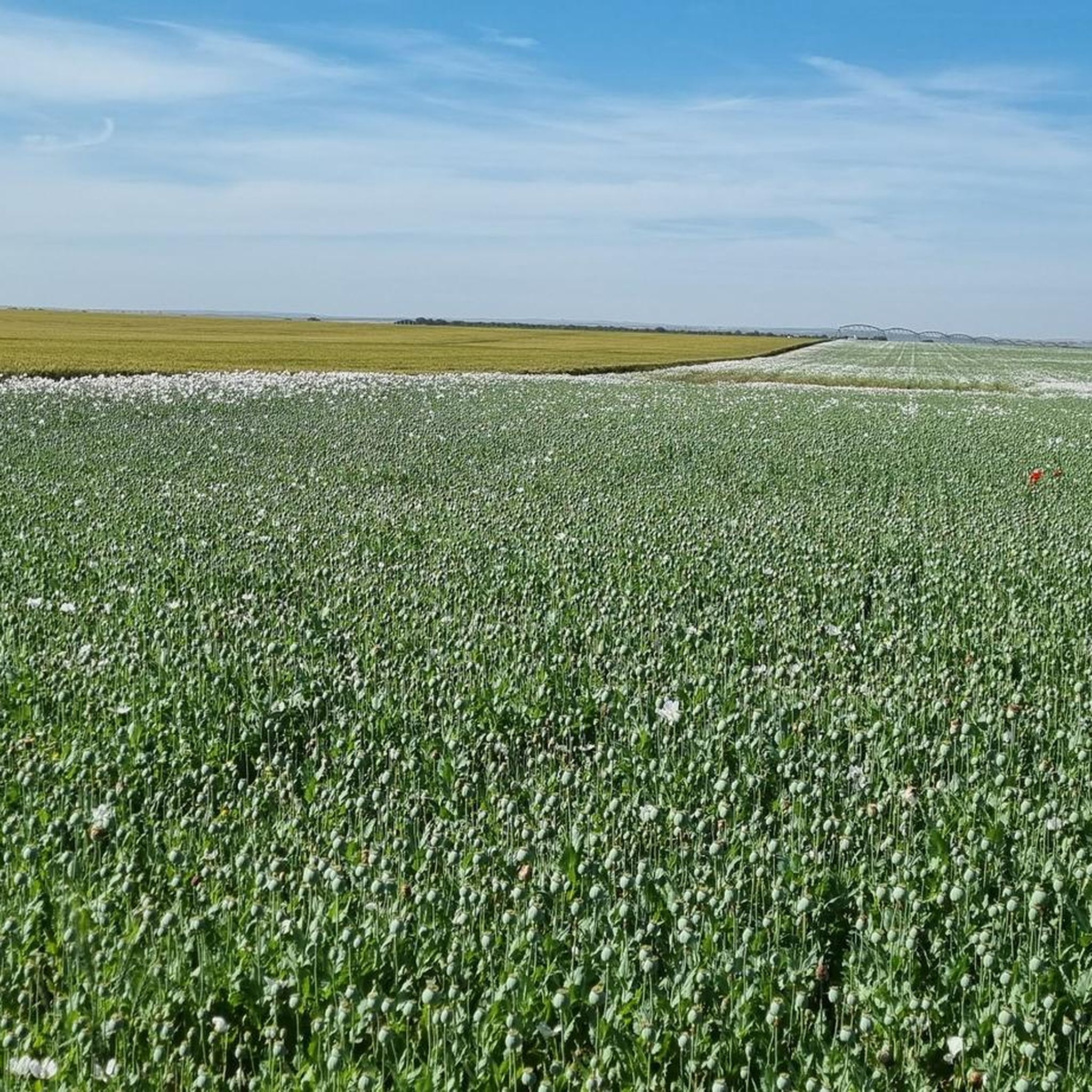
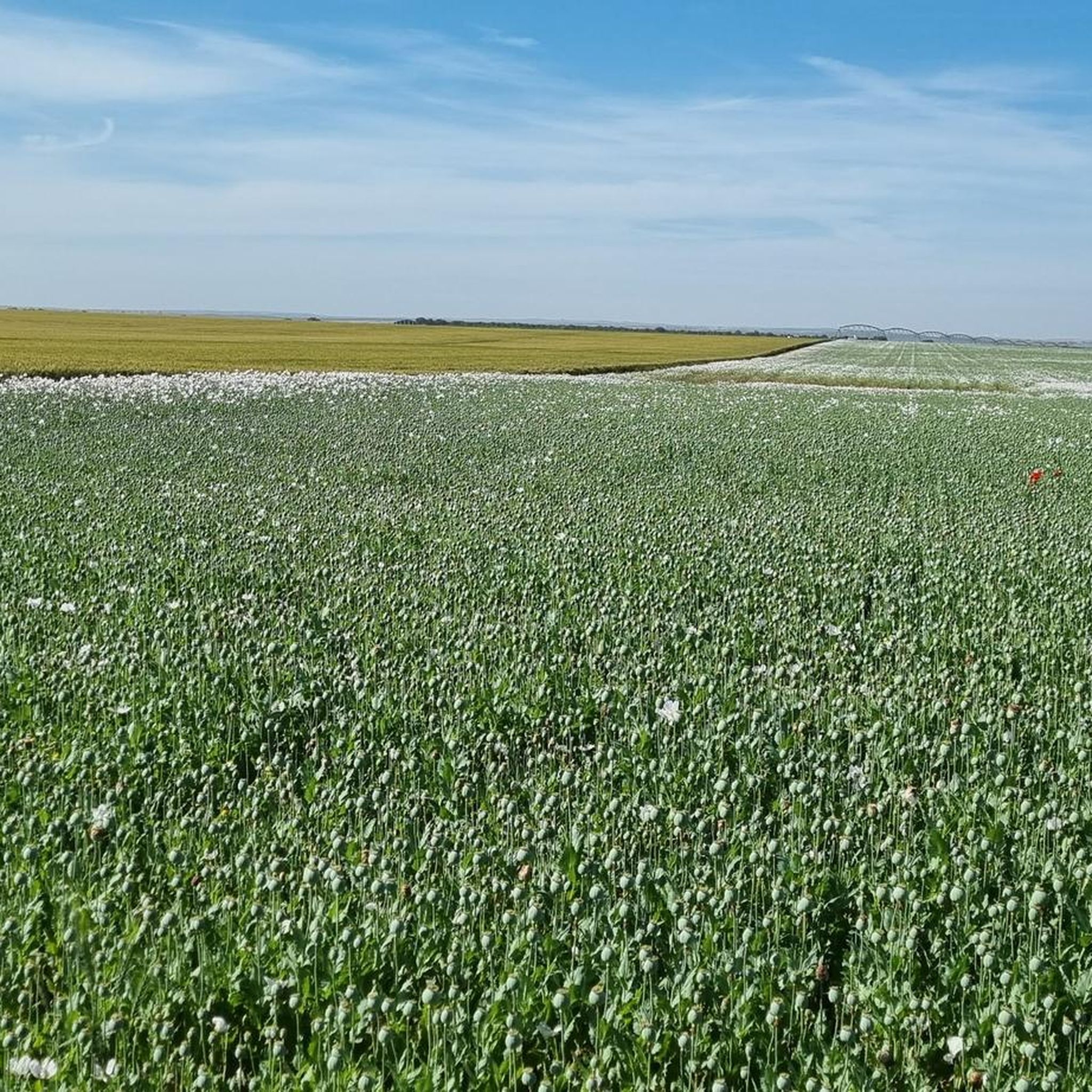
Gravel biking around Villarrobledo features routes across the flat plains and agricultural landscapes of La Mancha, interspersed with gentle hills and scattered pine forests. The terrain primarily consists of unpaved roads and tracks, suitable for gravel bikes. Elevations are generally low, with gradual ascents and descents across the region.
Best gravel bike trails around Villarrobledo
- The most popular gravel bike trail is Hill Esplanade – Pinar de Vadohondo loop from Villarrobledo, a 31.6 miles (50.9 km) trail that takes…
Last updated: July 7, 2026
4
riders
57.2km
04:25
180m
180m
Moderate gravel ride. Good fitness required. Mostly paved surfaces. Suitable for all skill levels.
4
riders
70.4km
05:20
370m
370m
Hard gravel ride. Very good fitness required. Mostly paved surfaces. Suitable for all skill levels.

Sign up for free
1
riders
38.5km
02:56
100m
100m
Moderate gravel ride. Good fitness required. Mostly paved surfaces. Suitable for all skill levels.
1
riders
43.0km
03:13
140m
140m
Moderate gravel ride. Good fitness required. Mostly paved surfaces. Suitable for all skill levels.
3
riders
76.5km
05:30
220m
220m
Hard gravel ride. Very good fitness required. Mostly paved surfaces. Suitable for all skill levels.
Get access to more routes and recommendations from other explorers.
Sign up for free
Already have an account?
Our route recommendations are based on thousands of hikes, rides, and runs completed by other people on komoot.
Start today with a free account
Your next adventure awaits.
Login or Signup

Tips from the Community

The typical houses of La Mancha in Las Pedroñeras and the surrounding region feature a very distinctive architecture, characterized by functionality and adaptation to the climate and agricultural life. Traditional materials: They were built with rammed earth (compacted mud) and adobe bricks mixed with straw. The roofs were made with poles, reeds, and plaster, and reinforced with green esparto grass ropes. White facades and indigo baseboards: The whitewash served to keep the houses cool and disinfect the walls, while the indigo blue on the baseboards and frames had both a functional and superstitious origin (to ward off insects and evil spirits).
5
0
The Castle of Santiago de la Torre, known in the region as Santiaguillo, is a medieval fortress located in the village of the same name. Although after its disappearance it was annexed to the municipality of San Clemente, its heart remains Provencian. This castle is located in the southwest of the province of Cuenca, in the heart of the region of Castilla-La Mancha, Spain. Explore this medieval treasure and immerse yourself in its legacy! 🏰🌿
3
0

The path is narrow and has some very fun jumps. In addition, this pine forest is ideal in summer, since there are many shades.
0
0
Villarrobledo, 86 km from the capital, is one of the largest towns in La Mancha, Albacete. It collects in its municipal term the districts of Moharras and Casa de Peñas. It was the 16th century that of its economic and social splendor, as demonstrated by several of the constructions that were made during this century such as the current church of San Blas, several convents and even the Town Hall. All of them are visits of interest. But in addition, it offers an urban complex of wide streets and whitewashed walls in the style of other towns in La Mancha, characteristic of the winery industry that prevails in the area. Its Carnivals deserve special mention, one of the most important in Spain, declared of national tourist interest.
13
0

Villarrobledo is a beautiful town. It is famous for its collection of historical heritage in the form of convents, churches, hermitages and cobbled streets. Its carnival attracts more and more visitors. And the Plaza de Ramón y Cajal is the perfect place to have a drink and rest, if you are passing through with your bicycle.
2
0

Very close to the historic center of the city, it is one of the oldest parks in Villarrobledo. Various plant species can be observed, for example, Aleppo pine, acacia, cypress, boxwood, privet, aromatic plants and rose bushes.
2
0
It is located in the upper part of the city, on the Cerro de San Cristóbal. It was built in the 18th century and is dedicated to San Cristóbal, patron saint of drivers and travelers. From the hill you can see the vineyard fields that surround the city.
2
0
A beautiful park, very green, with lots of vegetation and running paths.
1
0
Frequently Asked Questions
What kind of terrain can I expect on gravel bike trails around Villarrobledo?
Gravel biking around Villarrobledo primarily features unpaved roads and tracks across the flat plains and agricultural landscapes of La Mancha. You'll encounter gentle hills and scattered pine forests, with generally low elevations and gradual ascents and descents.
Are there any easy or beginner-friendly gravel bike routes in Villarrobledo?
Yes, while many routes are moderate, their gentle ascents make them accessible. A good option for beginners is the Villarrobledo – Hill Esplanade loop from Villarrobledo, which is 43.0 km (26.7 miles) with about 143 meters (469 feet) of elevation gain, offering a pleasant ride through open countryside.
Where can I find more challenging gravel bike routes around Villarrobledo?
For a more demanding ride, consider the Hermitage of San Cristóbal – Truncated Lives Monument loop from Villarrobledo. This difficult 69.4 km (43.1 miles) path includes more significant elevation changes, totaling around 364 meters (1,194 feet), and passes by cultural landmarks.
Are there any circular gravel bike routes available near Villarrobledo?
Most of the gravel bike routes in the area are designed as loops, allowing you to start and finish in the same location. For example, the popular Hill Esplanade – Pinar de Vadohondo loop from Villarrobledo is a 50.9 km (31.6 miles) circular trail exploring local pine forests.
What are the typical distances and elevation gains for gravel bike routes in Villarrobledo?
Routes vary, but you can expect distances generally ranging from around 38 km (24 miles) to over 75 km (47 miles). Elevation gains are typically moderate, often between 100 meters (328 feet) and 360 meters (1,181 feet), reflecting the region's gentle topography.
What is the best season for gravel biking in Villarrobledo?
The region's climate, characterized by hot, dry summers and mild winters, makes spring and autumn ideal for gravel biking. Temperatures are more comfortable, and the landscape is often at its most vibrant. Summers can be very hot, so early morning or late afternoon rides are recommended if cycling during this season.
Are there any viewpoints or scenic spots along the gravel bike trails?
Yes, many routes traverse open countryside, offering expansive views of the La Mancha plains and agricultural fields. Routes that include the 'Hill Esplanade' often provide elevated perspectives of the surrounding landscape. The Villarrobledo – Hill Esplanade loop from Villarrobledo is a good example.
What cultural landmarks or attractions can I see near the gravel bike routes?
Several routes pass by or are close to points of interest. For instance, the Hermitage of San Cristóbal – Truncated Lives Monument loop from Villarrobledo includes cultural landmarks. You can also explore the town of Villarrobledo itself, with highlights like the San Blas Church and Casa de los Tellez.
Are there less crowded gravel bike trails around Villarrobledo?
The region is known for its extensive network of quiet agricultural tracks and unpaved roads. While some routes are more popular, the sheer number of options means it's generally easy to find less crowded paths, especially away from the immediate vicinity of Villarrobledo. Routes like the Pinar de Vadohondo – Villarrobledo loop from Villarrobledo offer a sense of solitude across the open plains.
Is public transport available to access gravel bike trails near Villarrobledo?
Villarrobledo has a train station and bus connections, which can be used to reach the town. However, direct public transport access to specific trailheads outside the town center might be limited. It's advisable to plan routes that start and end within Villarrobledo for easiest access via public transport.
Are there options for parking near the gravel bike trails in Villarrobledo?
Yes, Villarrobledo offers various parking options within the town, from which many routes begin. As most trails are loops originating from the town, you can typically park your vehicle in a suitable spot in Villarrobledo and start your ride directly from there.
What should I wear for gravel biking in Villarrobledo?
Given the region's climate, lightweight, breathable cycling apparel is recommended, especially during warmer months. Layers are advisable for spring and autumn. Always bring sun protection, including sunscreen, sunglasses, and a hat or helmet cover, as many routes are exposed to the sun. In winter, mild conditions usually prevail, but a windproof layer can be beneficial.
Most popular attractions around Villarrobledo

Get inspired with the komoot mobile app


Explore more
Browse the best Gravel rides in other regions.
