The best road cycling routes around Aldea Del Cano
5.0
(3)
240
riders
10
rides
Road cycling routes around Aldea Del Cano traverse a varied topography, featuring rolling agricultural plains, small hills, and river valleys. The landscape is characterized by granite outcrops and stone fences, with Mediterranean forests and pastures contributing to the natural scenery. Many routes follow ancient paths, including sections of the historic Vía de la Plata, offering a blend of natural beauty and cultural heritage.
Best road cycling routes around Aldea Del Cano
- The most popular road cycling route is Section through…
Last updated: July 7, 2026
77
riders
Moderate road ride. Good fitness required. Some segments of this route may be unpaved and difficult to ride.
61
riders
Moderate road ride. Good fitness required. Mostly well-paved surfaces and easy to ride.

Sign up for free
26
riders
Moderate road ride. Good fitness required. Some segments of this route may be unpaved and difficult to ride.
20
riders
102km
05:04
880m
880m
Hard road ride. Very good fitness required. Mostly well-paved surfaces and easy to ride.
5.0
(1)
18
riders
42.1km
02:01
240m
240m
Moderate road ride. Good fitness required. Some segments of this route may be unpaved and difficult to ride.
Get access to more routes and recommendations from other explorers.
Sign up for free
Already have an account?
Our route recommendations are based on thousands of hikes, rides, and runs completed by other people on komoot.
Start today with a free account
Your next adventure awaits.
Login or Signup
Tips from the Community

Well integrated into the city, it is located between Hernán Cortés Avenue and Rodríguez de Ledesma Avenue. It is a pleasant space with a large central pond and an Open-Air Sculpture Museum, which we can admire as we stroll through. At the main entrance, there is a botanical garden, and at the end, a fountain known as La Madrila, restored by the Escuela Taller (Workshop School) and once used as a drinking trough and wash house.
7
0
The San Francisco Bridge in Cáceres is a historic structure that has undergone several transformations over the years. Originally built in the 16th century, this medieval bridge is located in the eastern part of the city, on the old road to Trujillo. The bridge was built to level the terrain of a promenade next to the San Francisco convent and was adorned with two rows of black poplars planted in 1752.
17
0

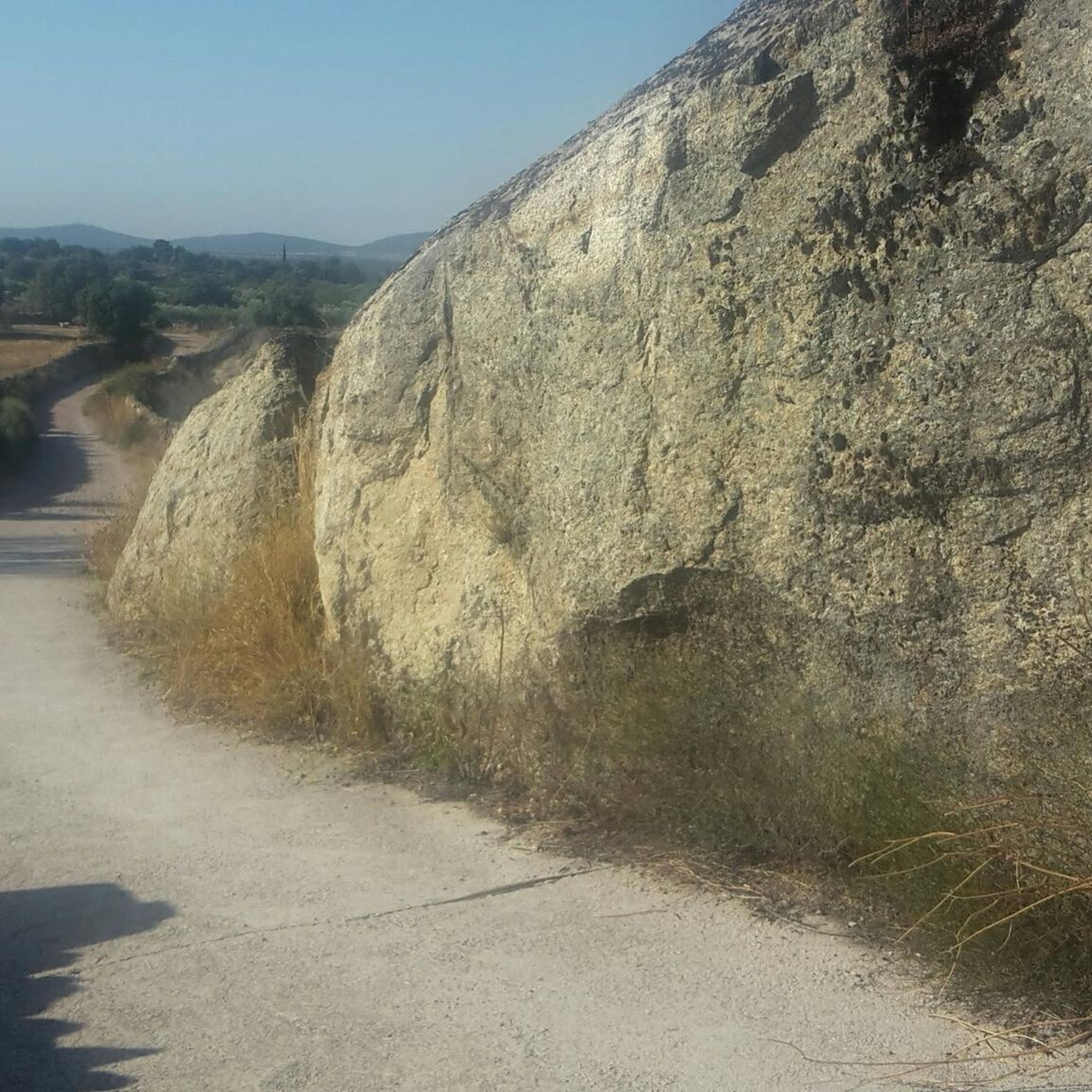
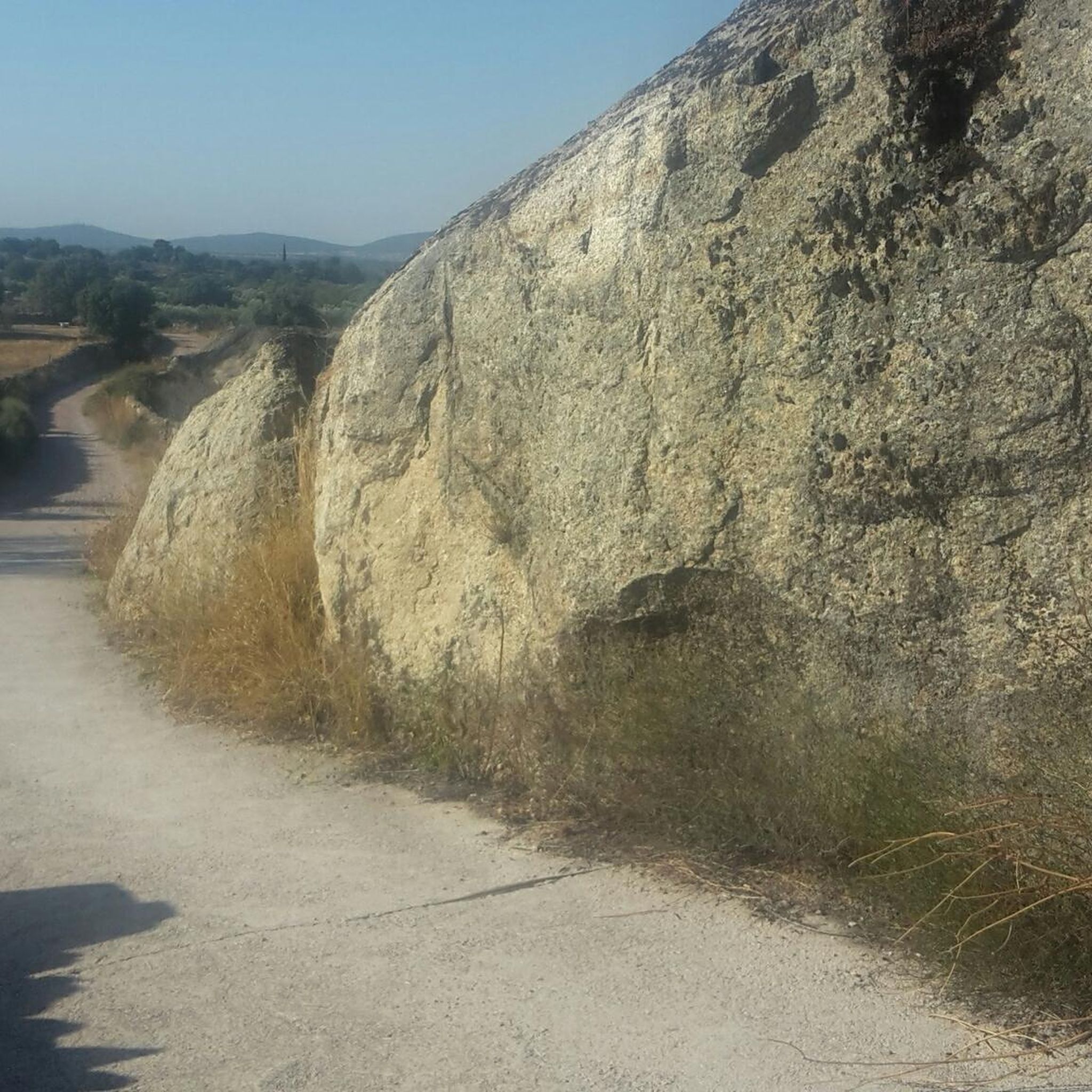
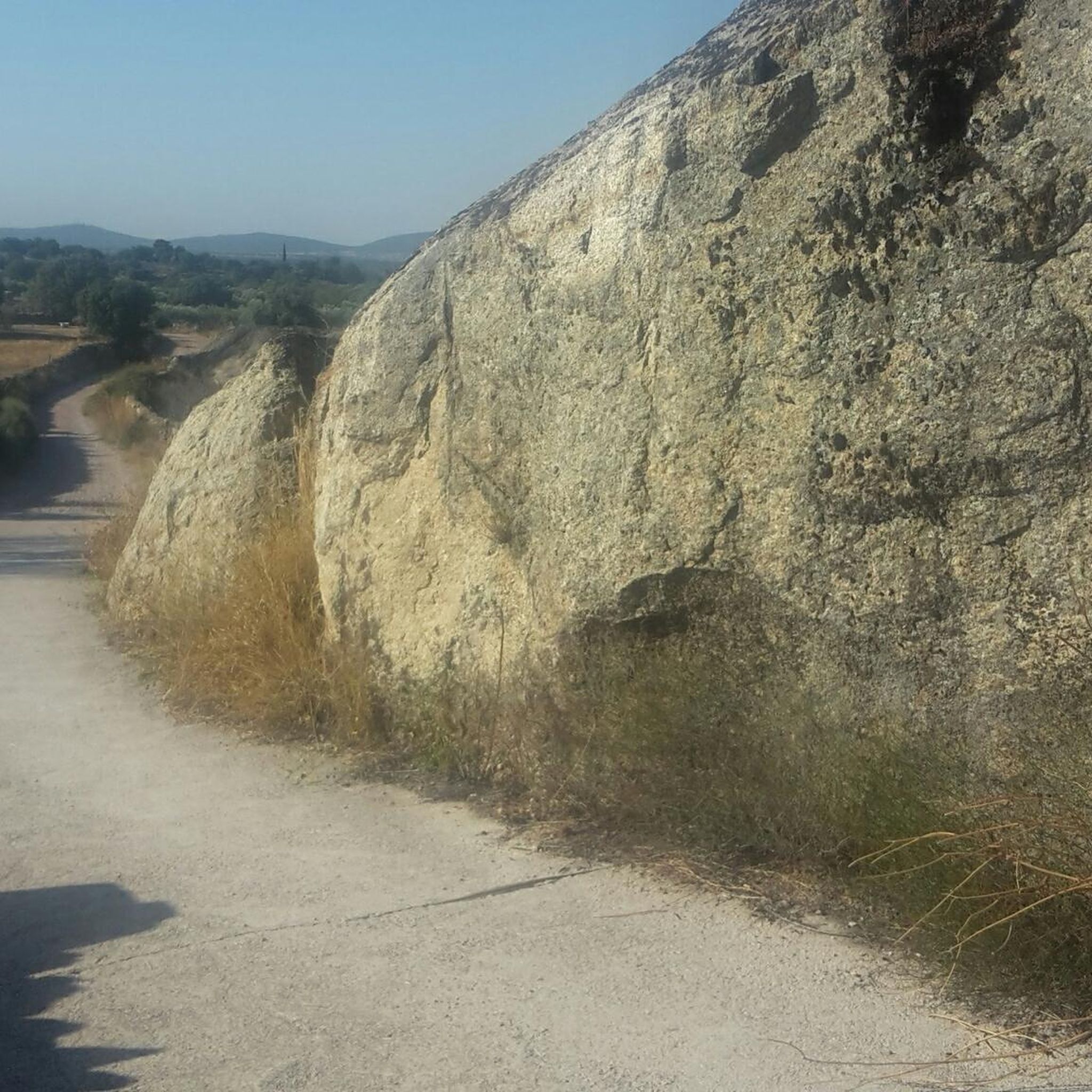
Nice gentle climb and one of the longest in Montanchez
0
1
This square is legally protected as an Asset of Cultural Interest (BIC) and is within the catalog of protected assets of the Cáceres city council. Its neo-Mudejar architecture and rich history make it an emblematic place for lovers of bullfighting and culture.
8
0
In 2011, the redevelopment and remodeling works of the Plaza Mayor were completed, led by architects Antonino Antequera, Francisco Pol Méndez and Asunción Rodríguez Montejano. The project included the creation of several spaces, such as the Summer Plaza, a shady place with trees and fountains; the Winter Square, flanked by a fountain wall and a continuous stone bench; the new Music Forum, in the Balbos Forum, next to the Town Hall, for chamber concerts; and a large central free space for events, whose pavement formally recalls the vernacular Cáceres brick vault, and which has water fountains to combat the summer heat. If you visit Cáceres, you cannot miss exploring this emblematic Plaza Mayor and admiring its rich history and architecture.
10
0

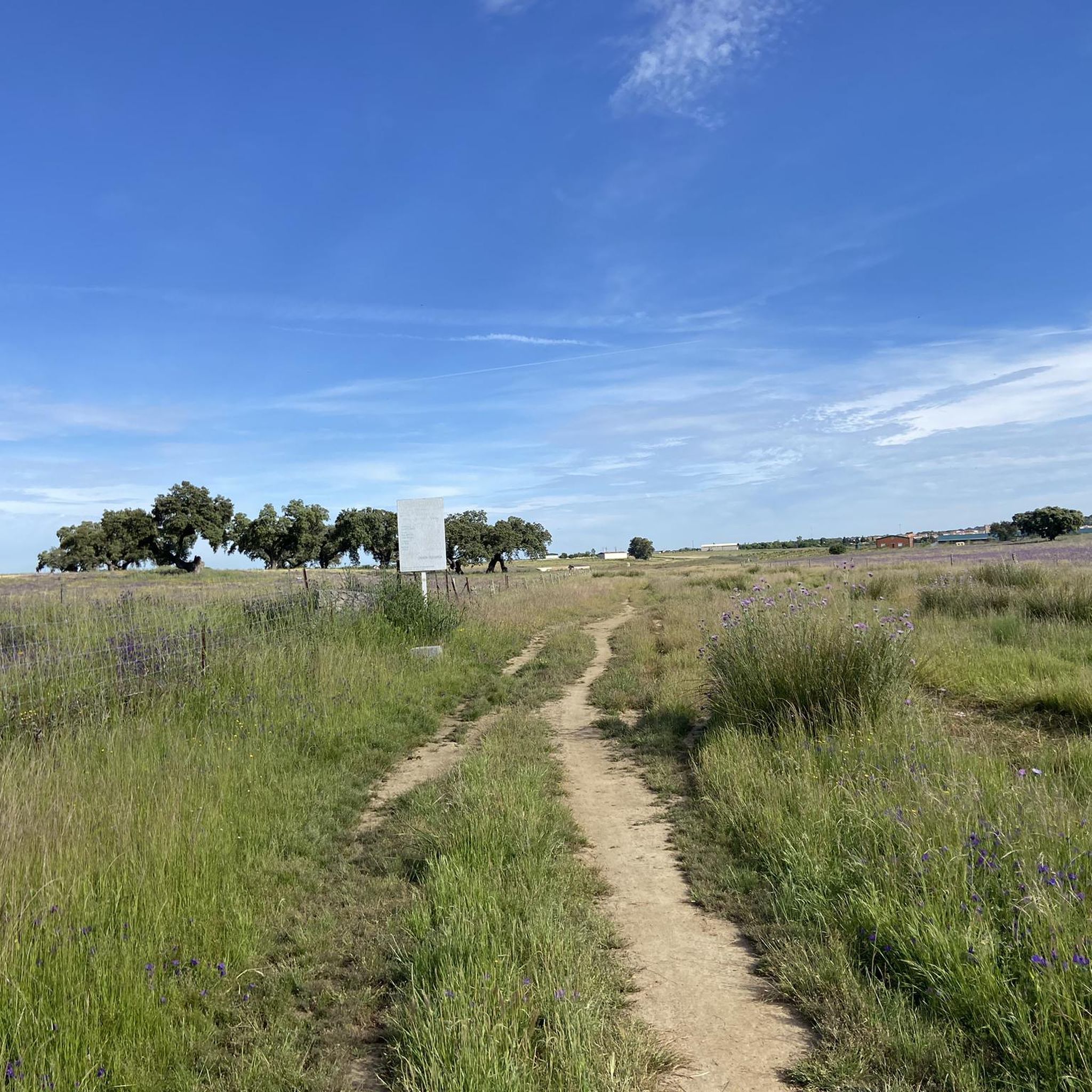
A beautiful stretch with very little traffic that always goes upwards.
0
0
It is presided over by the Town Hall built in 1869 by Ignacio María de Michelena. In it you can see such emblematic monuments as the Torre de la Hierba, the Torre de los Púlpitos and especially the Torre de Bujaco next to the Hermitage of Peace.
33
0
The peculiar structure of this bullring testifies to its historical past, which has earned it being declared a Site of Cultural Interest. The Cáceres Bullring, also known as “Coso de la Era de los Mártires”, is one of the oldest in Spain. Its construction began in 1844 and the works were completed two years later. The first bullfight was held on August 6, 1846, with bulls led by D. Gaspar Muñoz. The square is built with granite and masonry walls, it has a capacity of 8,000 spectators spread over three floors. In addition to bullfighting celebrations, it is also used for other types of events such as music concerts.
16
0
Frequently Asked Questions
How many road cycling routes are available in Aldea Del Cano?
There are 9 road cycling routes around Aldea Del Cano, offering a variety of experiences for different skill levels. These routes are highly rated by the komoot community.
What kind of terrain can I expect on road cycling routes around Aldea Del Cano?
The region features a diverse topography, including rolling agricultural plains, small hills, and river valleys. You'll encounter granite outcrops and stone fences, especially to the north and east, along with Mediterranean forests and pastures. Many routes also incorporate sections of the historic Vía de la Plata, blending natural beauty with cultural heritage.
Are there road cycling routes suitable for beginners or families in Aldea Del Cano?
Yes, there is 1 easy road cycling route available in Aldea Del Cano. While specific family-friendly routes are not detailed, the varied terrain offers options, and the easy route would be a good starting point for less experienced riders.
Are there challenging road cycling routes for experienced cyclists in Aldea Del Cano?
Yes, for experienced cyclists seeking a challenge, there is 1 difficult route available. Additionally, 7 moderate routes offer varying gradients and distances that can provide a good workout.
What is the best time of year for road cycling in Aldea Del Cano?
The region's climate generally allows for cycling through much of the year. However, spring and autumn typically offer the most pleasant temperatures for road cycling, avoiding the intense heat of summer when reservoir levels can also be lower.
What do other cyclists say about the road cycling routes in Aldea Del Cano?
The road cycling routes in Aldea Del Cano are highly regarded by the komoot community, with an average rating of 5.0 stars from 4 reviews. Over 160 road cyclists have explored the varied terrain using komoot, often praising the scenic views and the blend of natural and historical landscapes.
Are there any loop trails for road cycling around Aldea Del Cano?
Yes, many of the routes are designed as loops. For example, you can explore the Section through the Extremaduran dehesa – Cáceres Main Square loop from Cáceres or the View of Montánchez Castle – Montánchez Castle loop from Albalá, which offers varied terrain and views of Montánchez Castle.
What interesting sights can I see along the road cycling routes?
Many routes offer a blend of natural beauty and historical landmarks. You might encounter impressive granite formations like the 'Peñas del Nido' and 'Peñas de la Feria'. Along some routes, you can also see historical structures such as Puente Mocha or the Santiago de Bencáliz Bridge. The Extremaduran dehesa itself is a significant natural feature to explore.
Are there any castles or historical sites accessible by road bike?
Yes, the region is rich in history. Some routes, like the View of Montánchez Castle – Montánchez Castle loop from Albalá, offer views of historical castles. You can also find the Castillo de Las Arguijuelas de Abajo near some routes, adding a historical dimension to your ride.
What are some longer road cycling routes available?
For longer rides, consider the Section through the Extremaduran dehesa – Cáceres Main Square loop from Cáceres, which is 98.7 km (61.3 miles) long. Another substantial option is the La Mocha Bridge (Salor River) – Section through the Extremaduran dehesa loop from Estadio Príncipe Felipe, covering 80.4 km (49.9 miles).
Are there any routes that follow the historic Vía de la Plata?
Yes, Aldea del Cano is integrated into the historic Vía de la Plata (Silver Route). Many road cycling routes in the area incorporate sections of this ancient Roman road, allowing you to cycle along paths with rich historical and cultural significance.
What are the typical durations for road cycling routes in this area?
Route durations vary depending on length and difficulty. For example, a moderate route like the View of Montánchez Castle – Montánchez Castle loop from Albalá typically takes about 1 hour 42 minutes. Longer routes, such as the Section through the Extremaduran dehesa – Cáceres Main Square loop from Cáceres, can take around 4 hours 19 minutes.
Most popular attractions around Aldea Del Cano

Get inspired with the komoot mobile app


Explore more
Browse the best Road cycling routes in other regions.
