The best road cycling routes around Pescueza
40
riders
1
ride
Road cycling routes around Pescueza traverse a landscape characterized by rolling hills and significant elevation changes, particularly in routes extending from Coria. The region features a mix of historical towns and rural areas, with routes often connecting castles, cathedrals, and town centers. Terrain includes sustained climbs and descents, indicating a challenging environment for road cyclists. The area offers diverse routes ranging from shorter, less strenuous options to long-distance road cycling routes Pescueza with considerable ascents.
Best road cycling routes around…
Last updated: July 7, 2026
11
riders
113km
05:45
1,540m
1,540m
Hard road ride. Very good fitness required. Mostly well-paved surfaces and easy to ride.
7
riders
132km
06:53
2,030m
2,030m
Hard road ride. Very good fitness required. Some segments of this route may be unpaved and difficult to ride.

Sign up for free
6
riders
96.3km
04:58
1,270m
1,270m
Hard road ride. Very good fitness required. Some segments of this route may be unpaved and difficult to ride.
5
riders
59.0km
02:59
500m
500m
Moderate road ride. Good fitness required. Mostly well-paved surfaces and easy to ride.
5
riders
57.9km
02:52
620m
620m
Moderate road ride. Good fitness required. Mostly well-paved surfaces and easy to ride.
Our route recommendations are based on thousands of hikes, rides, and runs completed by other people on komoot.
Start today with a free account
Your next adventure awaits.
Login or Signup
Popular around Pescueza
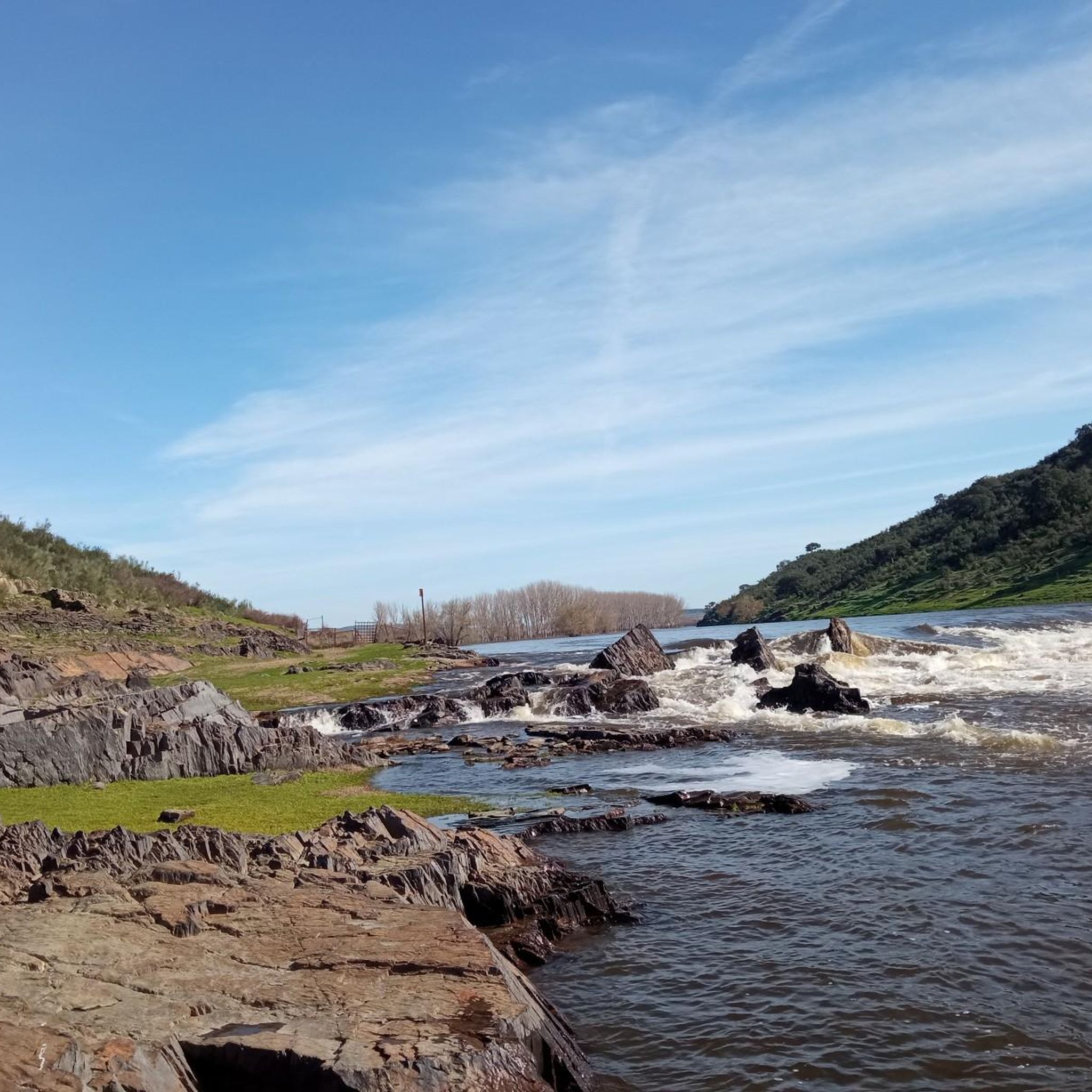

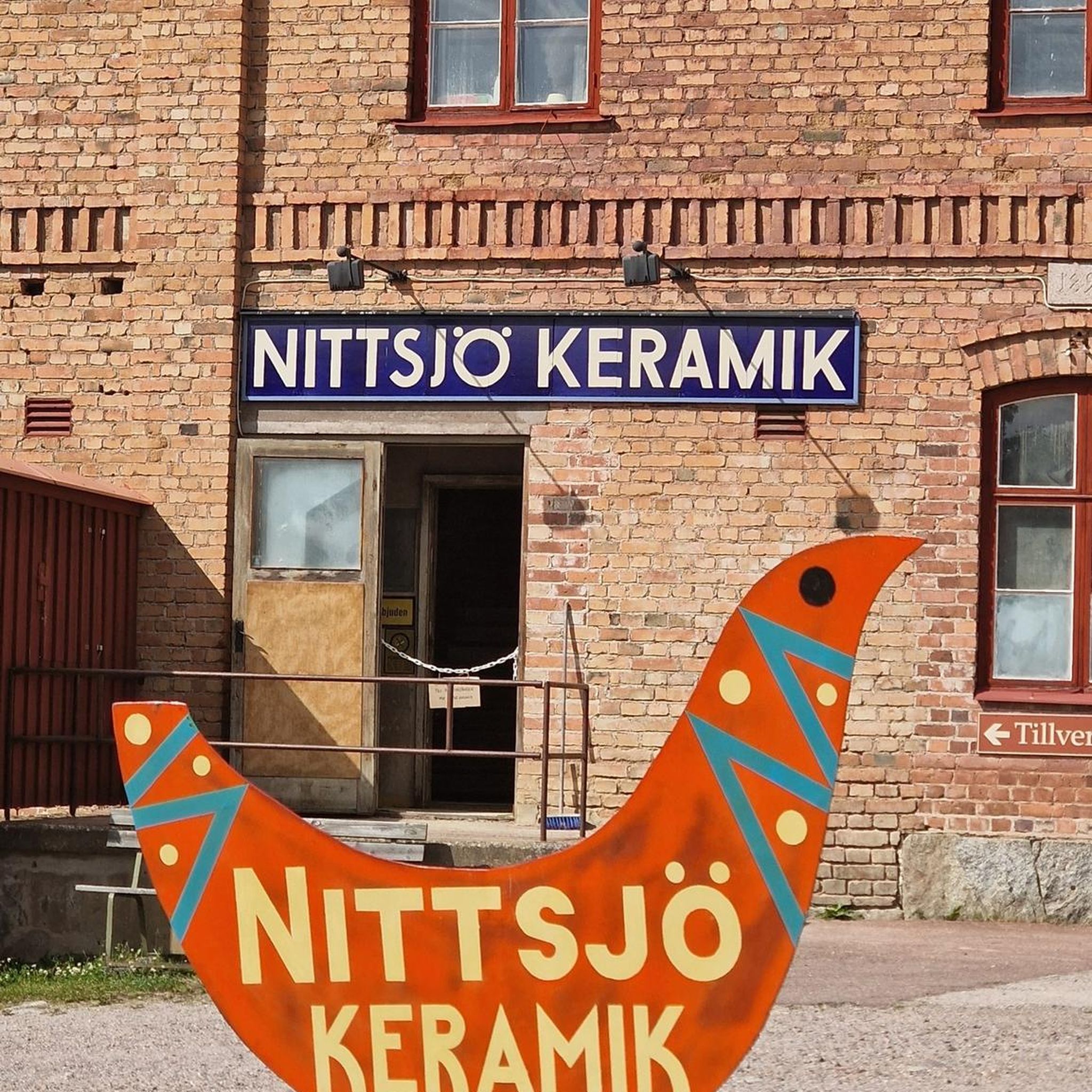
Tips from the Community

What to see in Hoyos: Church of Our Lady of the Good Man A Romanesque-Gothic church with portals in different styles and a remarkable Romanesque carving. It is one of the town's most emblematic buildings. Parish Church of Saint John the Baptist An example of the 16th-century Gothic-Mudéjar style, with a Baroque altarpiece and frescoes on its vaults. Ruins of the Convent of the Holy Spirit A 16th-century Franciscan convent located on the outskirts of town, surrounded by nature.
3
0
Hoyos is a highly regarded village in the Sierra de Gata mountains, renowned for its stately atmosphere, traditional architecture, and natural surroundings. It stands out for its tranquility, historical heritage, and mild microclimate, which for centuries attracted bishops and nobles to spend time there. It's a perfect destination if you're looking for peace, nature, hiking, history, and authentic Extremaduran cuisine. It's also considered a village with a rich cultural legacy, reflected in its cobbled streets, palaces, and ancestral homes.
3
0
Coria Castle is an imposing medieval fortress located in the upper part of Coria's historic center, very close to the Cathedral, and is one of the city's most prominent landmarks. It is integrated into the walled enclosure, forming part of the defensive complex of Roman origin. Main construction: between 1473 and 1478, commissioned by García Álvarez de Toledo, Marquis of Coria and Duke of Alba.
4
0
Founded before the Romans occupied the Iberian Peninsula, Coria was known as Cauria or Caurus. The Romans gave it its current Latin name, CAVRIUM. Later, he was granted Roman citizenship. In the Visigothic era, the Diocese of Coria was created, which maintained Coria as an episcopal see until the 20th century. After the Reconquista, Coria became the capital of a manor to which towns that still bear the name of Coria belonged, such as Guijo de Coria or Casillas de Coria.
8
0
San Martín de Trevejo is a Spanish municipality in the province of Cáceres, in the autonomous community of Extremadura. It is located in the extreme northwest, in the Sierra de Gata region, very close to the Portuguese border and the province of Salamanca. It is located in a valley at the foot of Mount Jálama. Its inhabitants are mañegas and mañegus, and their peculiar speech or “A Fala” is called “Mañegu”. It has been listed as One of the Most Beautiful Towns in Spain since 2019.
2
0
Moraleja is a Spanish municipality, located in the province of Cáceres, autonomous community of Extremadura. It includes the town of the same name and an extensive municipal area in which there are several small hamlets and colonization towns such as Cañadas and Rozacorderos.
8
0
Zarza la Mayor is a Spanish town and municipality, located in the province of Cáceres, in the autonomous community of Extremadura. It belongs to the judicial district of Cáceres and is the westernmost town in the community of Rivera de Fresnedosa. Furthermore, it is the only municipality in said community that has a border with Portugal, located four kilometers in a straight line from Salvaterra do Extremo.
10
0

At the west end of the city, the Plaza Mayor is worth visiting as you head out of town on your walk to admire the Church of San Andrés Apóstol and the council building.
4
0
Frequently Asked Questions
How many road cycling routes are available around Pescueza?
There are 5 highly-rated road cycling routes around Pescueza, offering diverse terrain and challenges for various skill levels.
Are there any road cycling routes suitable for beginners in Pescueza?
Yes, the region offers options for different ability levels. The Iron Bridge of Coria – Coria Castle and Cathedral loop from Coria is an excellent choice for beginner road cycling, covering 34.1 km through riverine and historical landscapes.
What are some challenging long-distance road cycling routes near Pescueza?
For experienced cyclists seeking a challenge, the Coria Castle and Cathedral – Navasfrías Town Center loop from Coria is a difficult 132.3 km route with over 2,000 meters of elevation gain. Another demanding option is the Coria Castle and Cathedral – Castillo de Eljas loop from Coria, which spans 114.5 km with significant climbs.
Are there any circular road cycling routes around Pescueza?
Yes, all the featured road cycling routes around Pescueza are loops, designed to bring you back to your starting point. Examples include the Coria Castle and Cathedral – Castillo De Trevejo loop from Coria and the Coria Historic Center – Coria Castle and Cathedral loop from Coria.
What kind of scenery can I expect on road cycling routes in Pescueza?
Road cycling routes around Pescueza traverse a landscape characterized by rolling hills, historical towns, and rural areas. You'll encounter riverine landscapes, historical landmarks, and varied rural scenery, often connecting castles and cathedrals.
What historical landmarks can I see along the road cycling routes?
Many routes connect historical sites. You can expect to see landmarks such as the Iron Bridge of Coria, the Medieval Bridge of Coria, and various castles like Castillo de Portezuelo. The routes often pass through or near historical town centers.
Are there any waterfalls or natural attractions to explore near the cycling routes?
Yes, a notable natural attraction in the vicinity is the El Chorrerón Waterfall and Stone Bridge, which offers a scenic stop and can be incorporated into a cycling excursion.
What is the best season for road biking in Pescueza?
While specific seasonal data isn't provided, the region's characteristics of rolling hills and varied terrain suggest that spring and autumn would offer the most pleasant temperatures for road cycling, avoiding the extreme heat of summer or potential chill of winter.
What do other road cyclists enjoy most about road cycling in Pescueza?
Road cyclists frequently praise the region's diverse terrain, which includes sustained climbs and descents, and the opportunity to connect historical castle sites and town centers. The network offers options for different ability levels, from easier, shorter loops to long-distance routes with substantial climbs.
Are there less crowded road bike routes available in Pescueza?
While specific crowd levels aren't detailed, the region offers a variety of routes. Exploring some of the longer, more challenging routes like the Coria Castle and Cathedral – Castillo De Trevejo loop from Coria might lead to a more secluded experience compared to routes closer to town centers.
Can I find routes that offer scenic viewpoints for road cycling in Pescueza?
Given the landscape of rolling hills and significant elevation changes, many routes naturally offer scenic viewpoints, particularly on climbs and descents. The routes often provide panoramic views of the rural scenery and historical landmarks.
Most popular routes around Pescueza
Most popular attractions around Pescueza

Get inspired with the komoot mobile app


Explore more
Browse the best Road cycling routes in other regions.
