The best gravel rides around Archidona
4.0
(1)
61
riders
11
rides
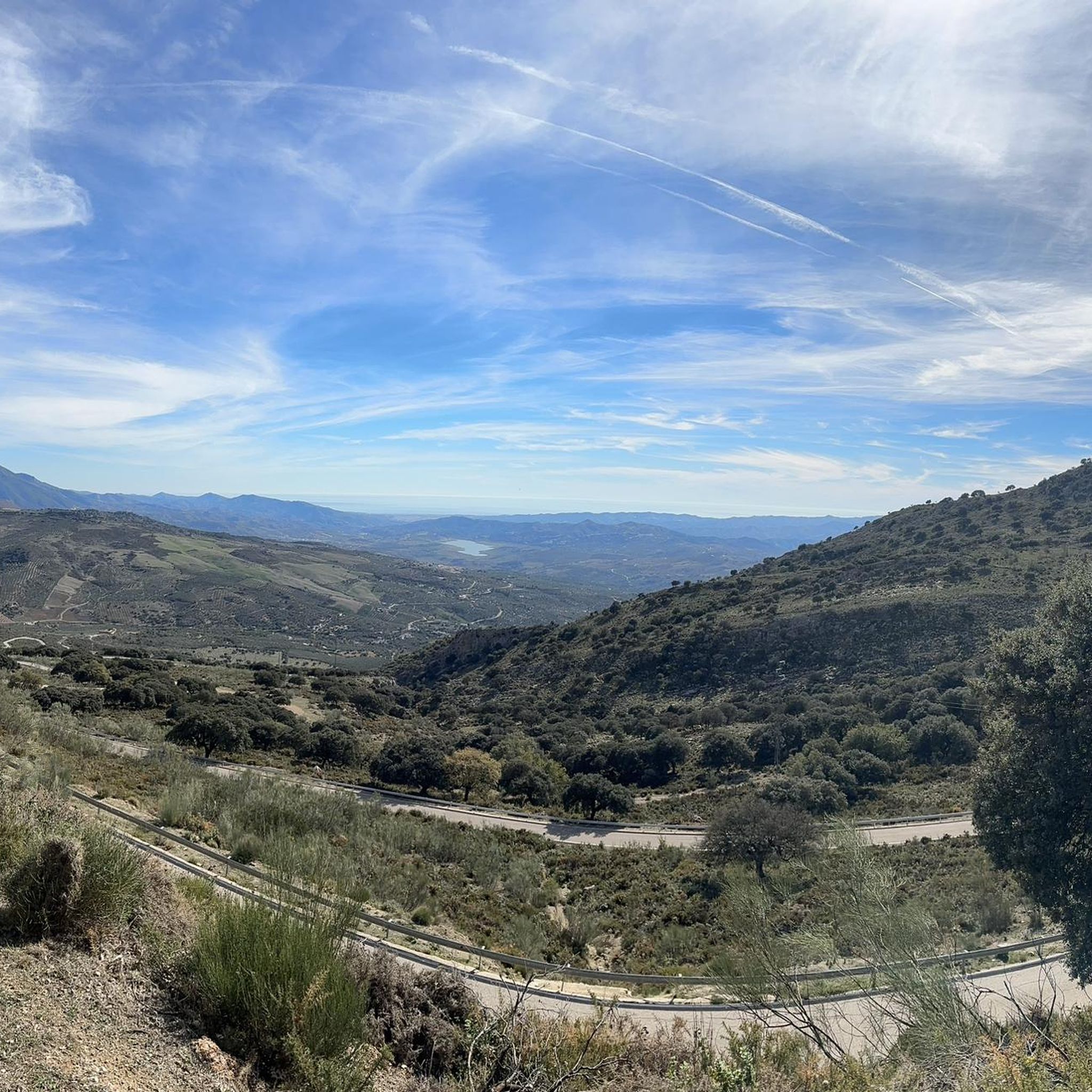
Gravel biking around Archidona offers diverse terrain, from undulating olive groves to rugged mountainous areas. The region is characterized by limestone formations, river canyons like the Hoz del Arroyo Marín, and extensive holm oak forests. Riders can explore a network of unpaved rural roads and tracks that traverse the agricultural landscape and natural reserves.
Best gravel bike trails around Archidona
- The most popular gravel bike trail is Hundred‑Spout Fountain – Molino Jabonero - Learn everything about Olives loop from Villanueva…
Last updated: July 7, 2026
22
riders
Hard gravel ride. Very good fitness required. Mostly paved surfaces. Suitable for all skill levels.
9
riders
Hard gravel ride. Very good fitness required. Mostly paved surfaces. Suitable for all skill levels.

Sign up for free
4.0
(1)
3
riders
24.2km
01:38
240m
240m
Moderate gravel ride. Good fitness required. Mostly paved surfaces. Suitable for all skill levels.
3
riders
43.5km
03:24
580m
580m
Hard gravel ride. Very good fitness required. Mostly paved surfaces. Suitable for all skill levels.
3
riders
29.1km
01:59
220m
220m
Moderate gravel ride. Good fitness required. Mostly paved surfaces. Suitable for all skill levels.
Get access to more routes and recommendations from other explorers.
Sign up for free
Already have an account?
Our route recommendations are based on thousands of hikes, rides, and runs completed by other people on komoot.
Start today with a free account
Your next adventure awaits.
Login or Signup
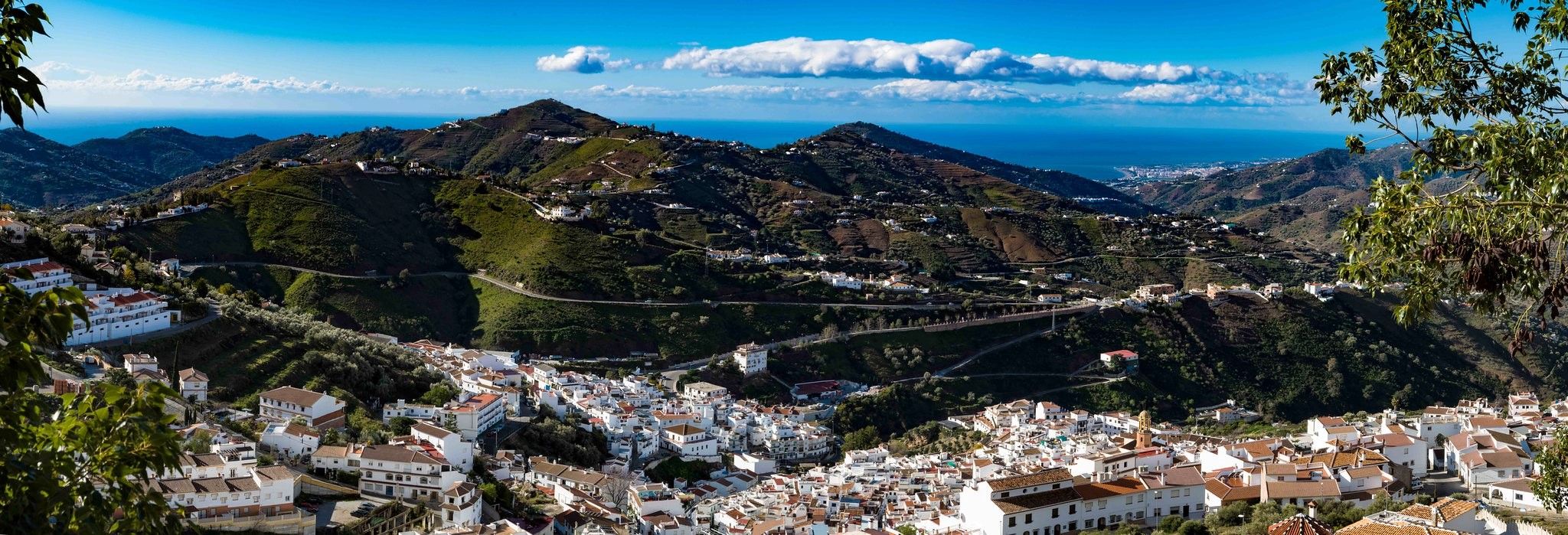
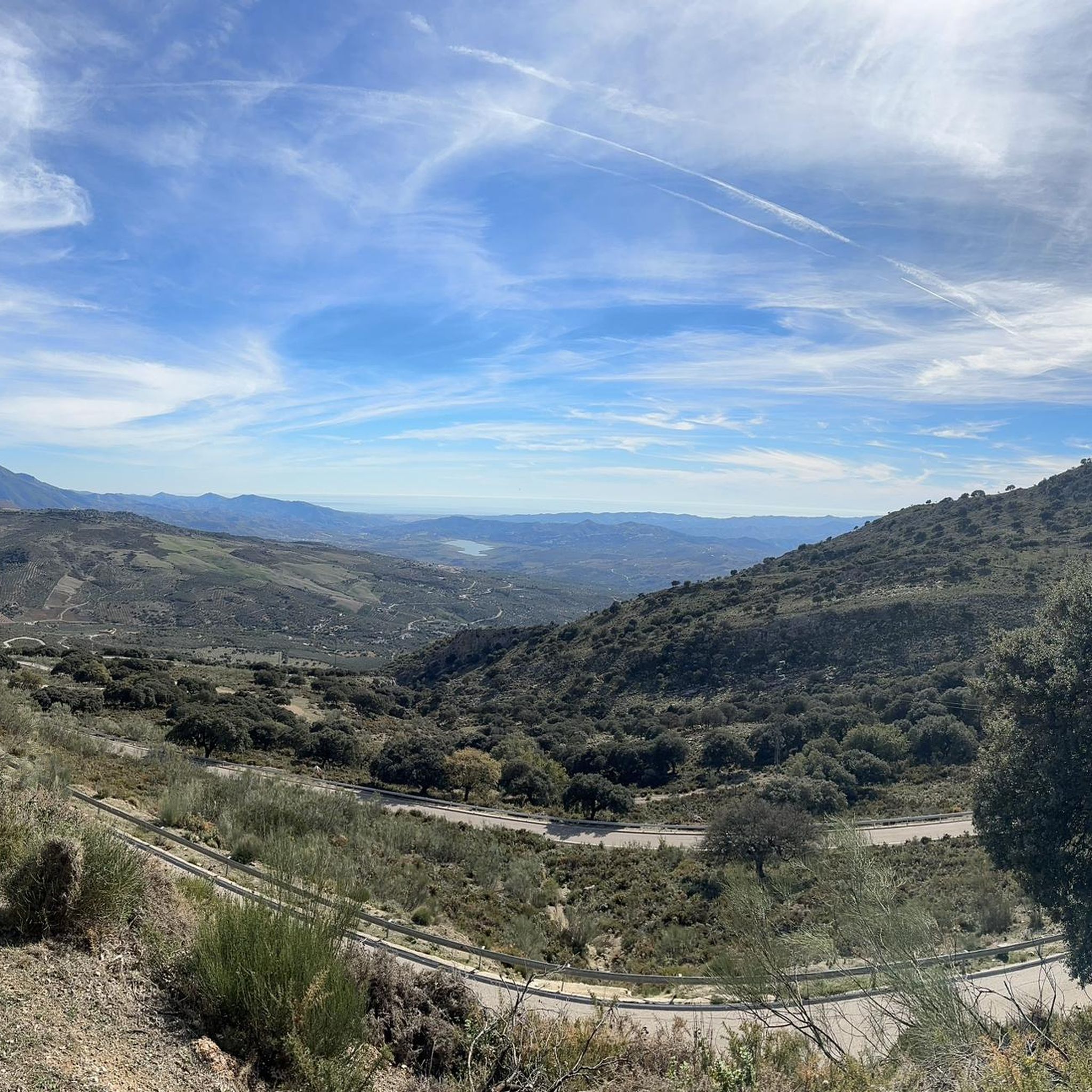
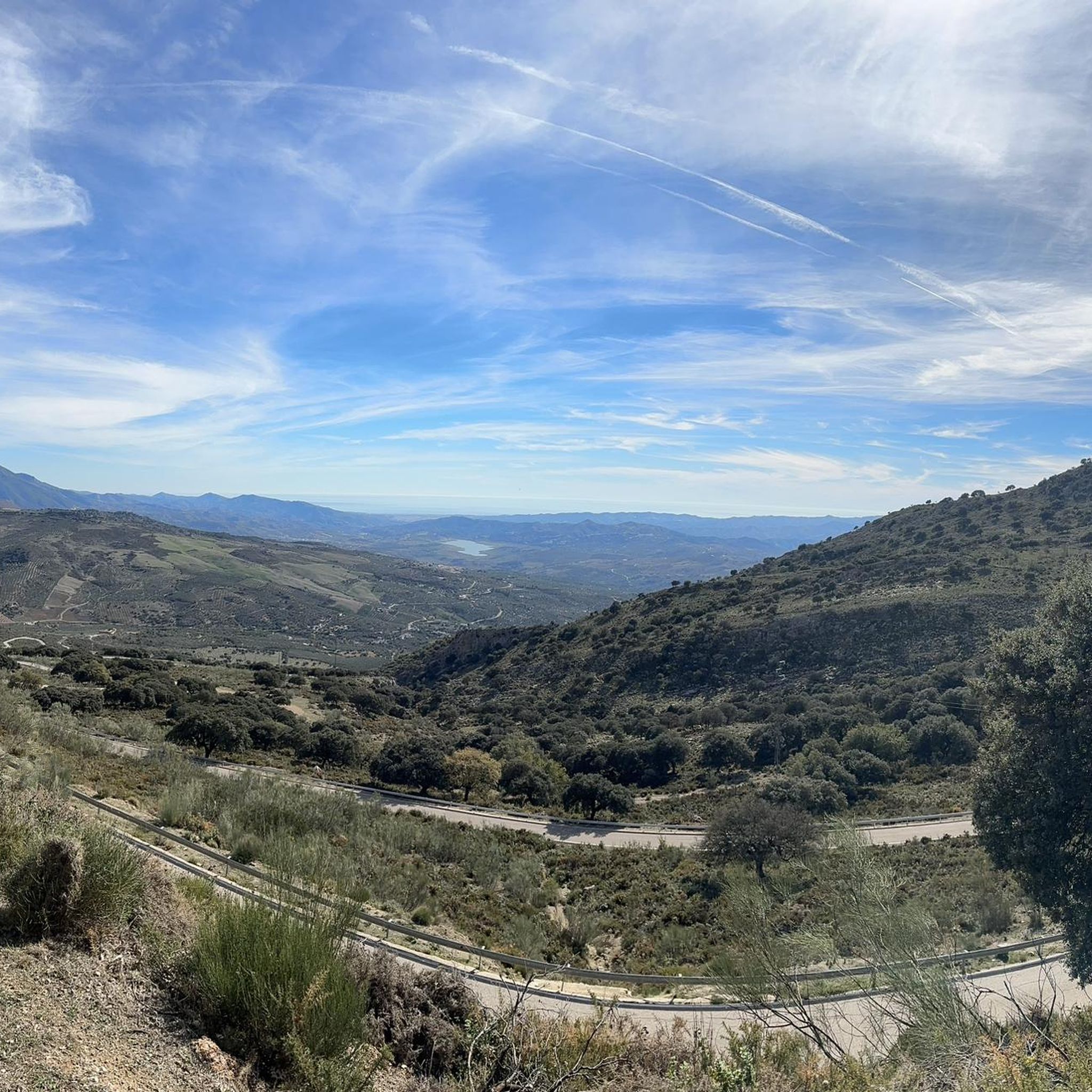
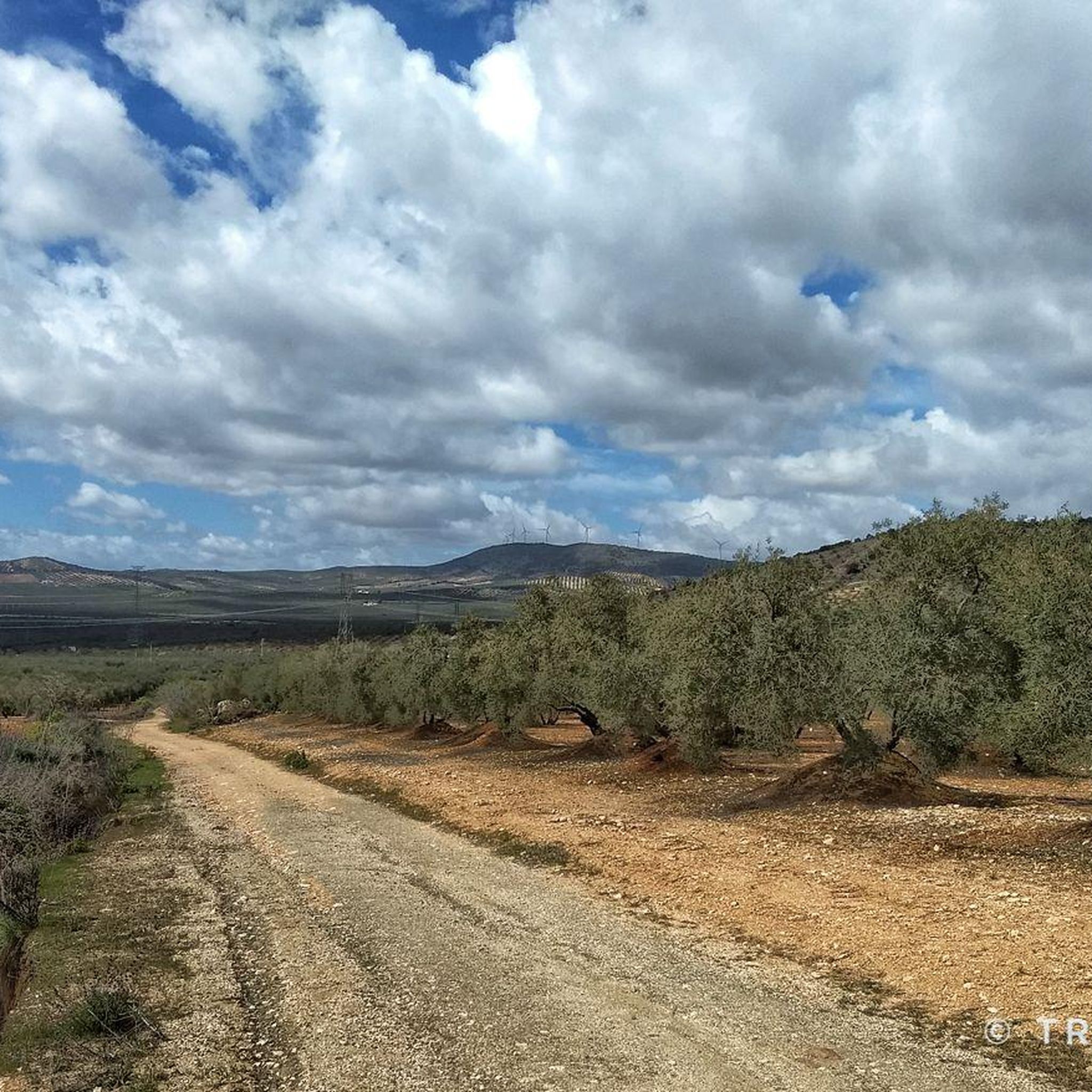

Other adventures around Archidona

Tips from the Community

The Mirador Niña de Antequera offers excellent views over the eastern part of the old town of Antequera and the surrounding mountains.
0
0

An impressive Moorish fortress, perched high above Antequera. Built by the Moors between the 11th and 14th centuries, it was further expanded after the Christian reconquest in the 15th century. It served both as a defensive structure and as a symbol of power over the valley.
1
0
Especially in the evening hours, when the setting sun bathes the walls of the Alcazaba in a golden light, one of the most beautiful perspectives of Antequera is offered, reflecting both the history and the scenic location of the city.
1
0
The Alcazaba de Antequera is a 14th-century Moorish fortress in the heart of the Andalusian city of Antequera. Built on the remains of an ancient Roman settlement, it served as a defensive fortification during the Muslim rule, protecting the city and the surrounding valley. After the Christian conquest in 1410 by Infante Ferdinand of Castile, the fortress became a key strategic point in the Kingdom of Castile. The imposing Torre del Homenaje (Tower of Homage) is particularly impressive, one of the largest keeps in Andalusia, offering panoramic views of the city, the Peña de los Enamorados (Peño de los Enamorados rock formation), and the surrounding landscape. A bell tower was later added to the tower, housing a large bell dating from 1582. Within the walls, remnants of residential buildings, cisterns, and fortifications can still be seen. Today, the Alcazaba is open to the public, offering a fascinating glimpse into the history of Antequera and Andalusia through its panoramic views and audio guides.
1
1

I was there mid november and the fountain was empty...
0
1
The Alcazaba de Antequera is an impressive Moorish fortress that towers high above Antequera. The complex was built by the Moors between the 11th and 14th centuries and further expanded after the Christian reconquest in the 15th century. It served both as a defensive structure and as a symbol of power over the valley. A particularly distinctive feature is the mighty Torre del Homenaje, which towers above the city walls. The view of the Alcazaba, especially at sunset when the warm light bathes the fortress walls in golden hues, is one of the most beautiful views of Antequera and conveys a striking impression of the historical and scenic significance of the place.
2
0
The historic center of Antequera – Centro Histórico de Antequera – is one of the most important cultural heritage ensembles in Andalusia and reflects the city's long and eventful history. Located in the heart of the province of Málaga, it combines traces of Roman, Moorish, and Christian times. The cityscape is characterized by narrow, cobbled streets, white houses with wrought-iron balconies, and numerous churches, monasteries, and palaces, primarily built during the Renaissance and Baroque periods. The predominance of religious buildings is particularly striking – Antequera is often called the "City of Churches," as it boasts over thirty churches. Among the most important are the Real Colegiata de Santa María la Mayor, one of the first Renaissance buildings in Andalusia, and the Iglesia del Carmen with its impressive Baroque sanctuary. The Alcazaba, the former Moorish fortress, towers over the city and offers impressive views over the historic center. Roman remains, such as thermal baths and mosaics, can also be found in the surrounding area. Due to its location between Málaga, Córdoba, Granada, and Seville, the city has always been an important transportation hub and cultural center. Today, the historic center of Antequera, along with the nearby Dolmens of Antequera (a UNESCO World Heritage Site since 2016), is one of the region's most important tourist attractions. It testifies to the cultural diversity, artistic flourishing, and historical significance of this Andalusian city.
1
0
The Alcazaba de Antequera is a 14th-century Moorish fortress in the heart of the Andalusian city of Antequera. Built on the remains of an ancient Roman settlement, it served as a defensive fortification during the Muslim rule, protecting the city and the surrounding valley. After the Christian conquest in 1410 by Infante Ferdinand of Castile, the fortress became a key strategic point in the Kingdom of Castile. The imposing Torre del Homenaje (Tower of Homage) is particularly impressive, one of the largest keeps in Andalusia, offering panoramic views of the city, the Peña de los Enamorados (Peño de los Enamorados rock formation), and the surrounding landscape. A bell tower was later added to the tower, housing a large bell dating from 1582. Within the walls, remnants of residential buildings, cisterns, and fortifications can still be seen. Today, the Alcazaba is open to the public, offering a fascinating glimpse into the history of Antequera and Andalusia through its panoramic views and audio guides.
2
1
Frequently Asked Questions
How many gravel bike trails are available around Archidona?
There are nearly 10 gravel bike trails around Archidona documented on komoot, offering a mix of moderate and difficult routes. These trails explore the diverse landscapes, from rolling olive groves to more challenging mountainous terrain.
What kind of terrain can I expect on gravel bike routes in Archidona?
Gravel biking in Archidona features diverse terrain. You'll find routes through extensive olive groves and peaceful pastures, along unpaved rural roads, and into more rugged mountainous areas like the Sierra de Gracia. Expect limestone formations, river canyons such as the Hoz del Arroyo Marín, and dense holm oak forests.
Are there any long-distance gravel trails suitable for experienced riders?
Yes, for experienced riders seeking a challenge, Archidona offers longer, more demanding routes. One such option is the difficult Hundred‑Spout Fountain – Molino Jabonero - Learn everything about Olives loop from Villanueva del Trabuco, which covers 82.4 km with significant elevation gain. Another difficult route is The Alcazaba of Antequera – Historic Centre of Antequera loop from Antequera AV, spanning 52.7 km with substantial climbs and descents.
Are there any easier or moderate gravel bike routes for beginners or those looking for a relaxed ride?
Yes, there are several moderate routes suitable for less experienced riders or those preferring a more relaxed pace. The Gravel loop from Archidona is a moderate 24.2 km trail that takes you through the local countryside. Another moderate option is the Archidona loop from Archidona, covering 29.1 km.
What natural attractions can I see along the gravel bike trails in Archidona?
Many routes pass by significant natural attractions. You can explore areas like the Hoz del Arroyo Marín river canyon, the unique karstic Lagunas de Archidona Natural Reserve, and the extensive holm oak forests of Encinar Archidona - Salinas. The Hundred‑Spout Fountain, the source of the Guadalhorce River, is also a notable natural monument in the vicinity.
Are there any historical or cultural landmarks accessible by gravel bike?
Yes, some routes offer glimpses of historical sites. For instance, the difficult The Alcazaba of Antequera – Historic Centre of Antequera loop from Antequera AV provides panoramic views of the historic town and its surroundings, including the impressive Alcazaba of Antequera. You might also encounter remnants of ancient fortresses in the Sierra de Gracia.
What is the best season for gravel biking in Archidona?
Archidona benefits from year-round sunshine and mild winters, making it an excellent destination for gravel biking almost any time. Spring and autumn offer particularly pleasant temperatures, while even winter provides comfortable riding conditions.
Are there any circular gravel bike routes around Archidona?
Yes, many of the gravel routes around Archidona are designed as loops. Examples include the moderate Gravel loop from Archidona and the Archidona loop from Archidona. The region's network of rural roads and tracks naturally lends itself to creating circular tours.
What do other gravel bikers say about the trails in Archidona?
The gravel biking routes in Archidona are highly regarded by the komoot community, with an average score of 4.5 stars. Riders often praise the varied terrain, from the tranquil olive groves to the more challenging mountain sections, and the opportunity to explore the region's natural beauty.
Can I find routes that pass through the famous olive groves of Andalusia?
Absolutely. Archidona is surrounded by extensive olive groves, and many gravel routes are specifically designed to take you through these iconic Andalusian landscapes. You'll experience rolling hills, peaceful pastures, and the unique beauty of the agricultural countryside.
Are there any routes that explore the Sierra de Gracia mountain range?
Yes, the Sierra de Gracia mountain range provides a dramatic backdrop to Archidona and offers protected natural areas with magnificent views. While specific gravel routes are not detailed, the area features trails and recreational areas, including a 4 km ascent to the top where ancient fortress remnants are found, suggesting challenging climbs and rewarding descents suitable for gravel bikes.
Are there any routes that include the Lagunas de Archidona Natural Reserve?
While direct gravel biking on the immediate edges of the lagoons might be restricted to protect the wetland ecosystem, the surrounding paths and tracks through the hilly landscape, olive and almond trees, and holm oak forests offer excellent gravel routes that allow you to experience the beauty of the Lagunas de Archidona Natural Reserve.
Most popular attractions around Archidona

Get inspired with the komoot mobile app


Explore more
Browse the best Gravel rides in other regions.
