Top 20 Lakes around Izegem
Lakes near Izegem are primarily recreational areas, often formed from historical sand extraction or industrial basins, providing diverse natural and active pursuits. The region, situated in West Flanders, features a relatively flat landscape crisscrossed by canals and rivers like the Mandel, contributing to its green character. These water bodies offer accessible natural areas for both local residents and visitors.
Best lakes around Izegem
- The most popular lakes is Lake at Provinciedomein De Gavers, a lake that was created by…
Last updated: August 13, 2026
Bergelen Provincial Domain
Highlight • Natural
Translated by Google •
Tip by

Bissegem Plage
Highlight • Natural
Translated by Google •
Tip by

Sign up now to discover places like this
Get recommendations on the best single tracks, peaks, & plenty of other exciting outdoor places.
Sign up for free
Round Basin
Highlight • Lake
The Grote Bassin was constructed in 1862 in the bed of the Mandel and the Kleine Bassin in the bed of the Sint-Amandsbeek. …
Translated by Google •
Tip by

Lake at Provinciedomein De Gavers
Highlight • Lake
Translated by Google •
Tip by

De Zavelput Nature Reserve
Highlight • Natural
Translated by Google •
Tip by
Sign up for free to discover even more lakes around Izegem.
Sign up for free
Already have an account?
Start today with a free account
Your next adventure awaits.
Login or Signup

Tips from the Community

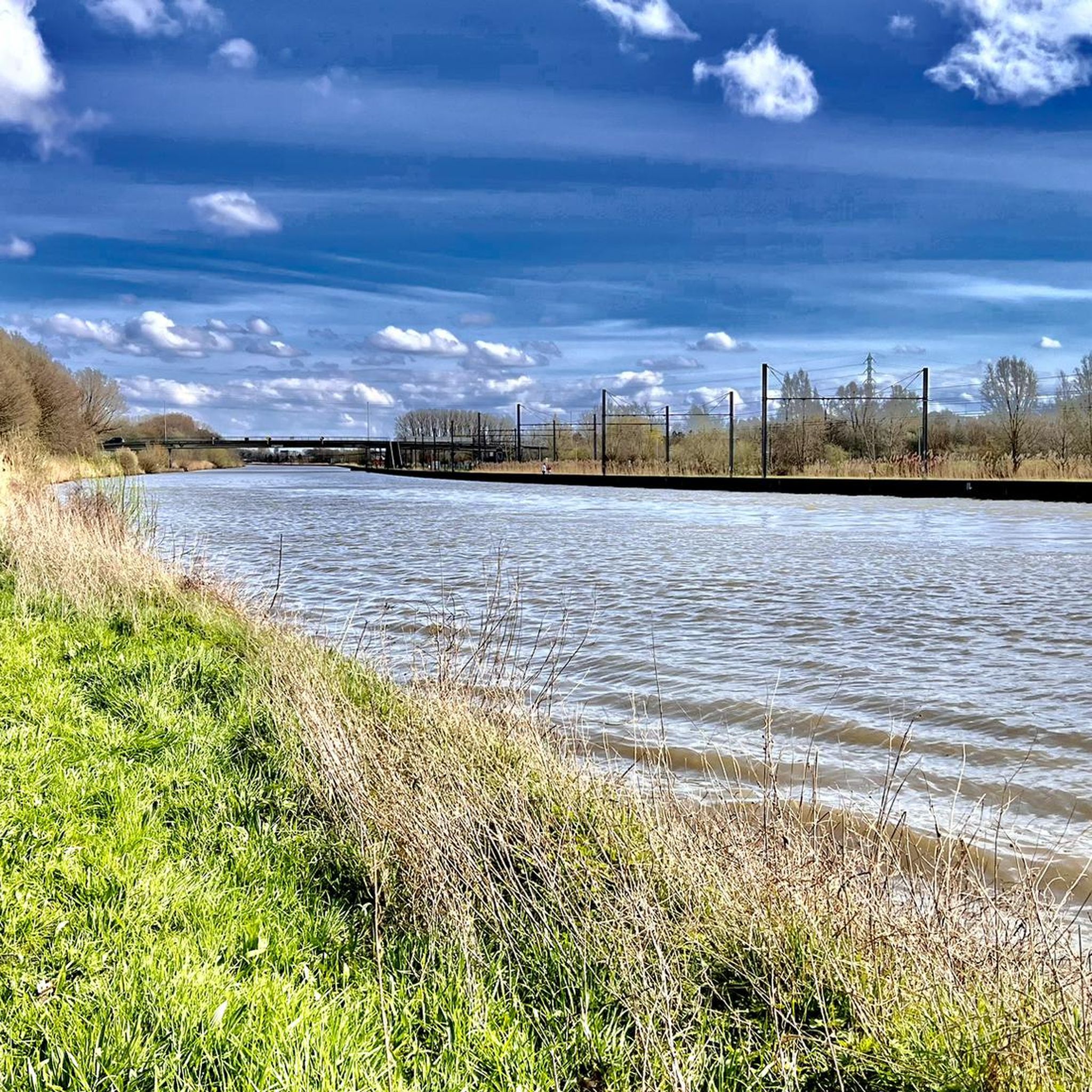
The Bergelen Provincial Estate in Wevelgem developed around a 10-hectare artificial sand extraction pit. The sand was used for the construction of the E403 (A17) motorway in the early 1970s. The municipality purchased this pit and surrounding land between 1989 and 1995. Various planting activities and numerous management works (reprofiling the banks, creating a water berm, building observation huts and walls, creating walking paths, constructing a bat shelter, digging ponds, etc.) were carried out by the municipal council. This created a small but very interesting nature reserve. In 1996, the farm and the 29 hectares of surrounding agricultural land were purchased by the province, and large parts of the newly acquired area were afforested. In 1999, the province entered into a lease with the municipality for the management of the Bergelen pit and its surroundings. This created the Bergelen Provincial Estate, which currently covers an area of 47 hectares. The Heulebeek stream flows along and through the estate, still following a largely natural course there. You'll also find the Bulskamphoeve, first mentioned in Gullegem in 1549. It's a historic farmstead whose horseshoe-shaped buildings are situated within the ramparts. The farmstead was destroyed several times during wartime and subsequently rebuilt or renovated. The current building is believed to date from 1775. A protected monument, the Meiboom, also stands in the area. This is a group of six lime trees with a large iron cross in the center. Source: wevelgem.be
4
0

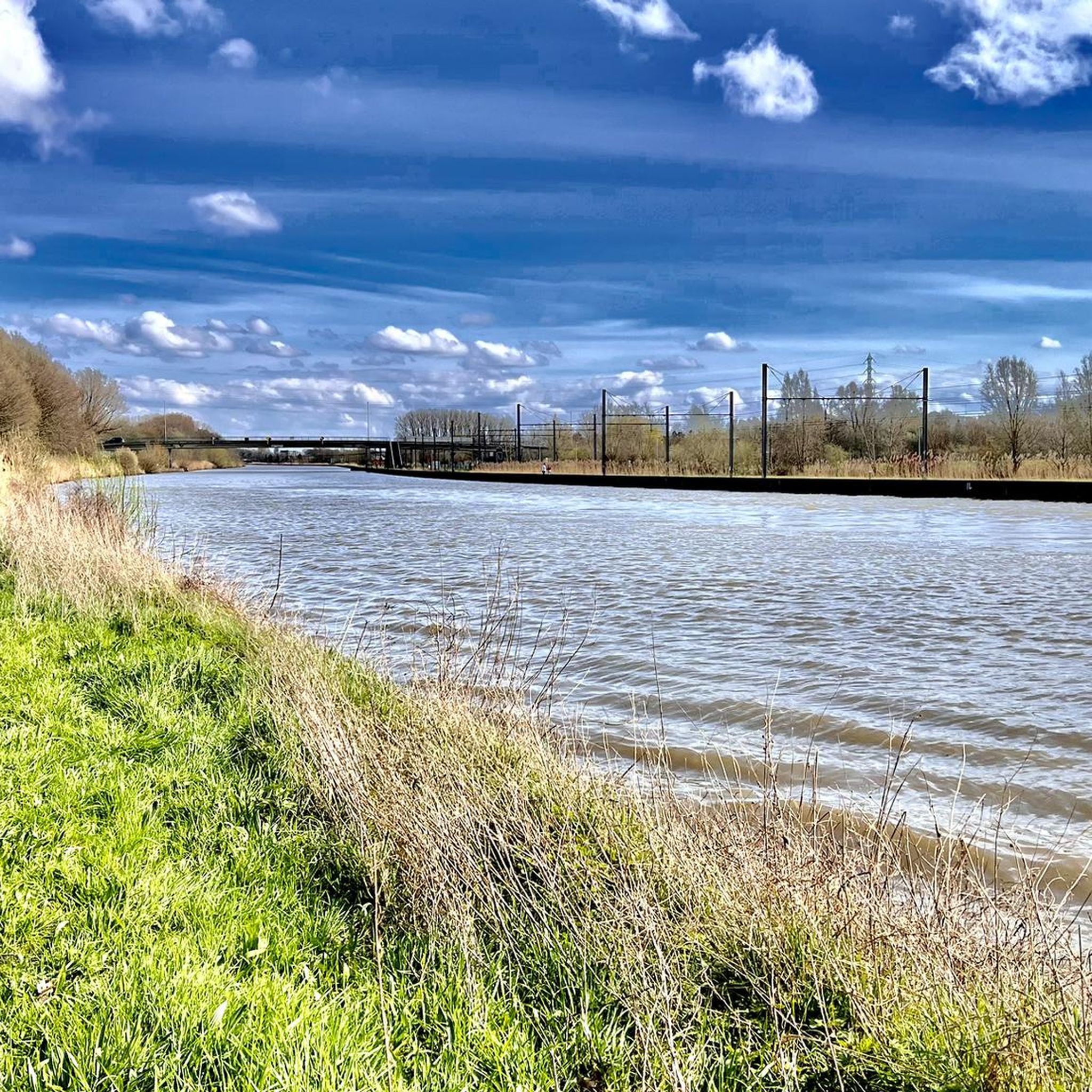
With the realisation of Bissegem Plage, Bissegem will gain an attractive and peaceful location. It will be a beautiful piece of nature of almost 10,000m² (1ha) that will be permanently free from construction. In this way, we will preserve the unique green character along the Leie. This will undoubtedly become one of the most beautiful parts of Bissegem. In this zone, we will set up a water buffer basin. We will collect all the rainwater from the Driekerkenstraat here. It concerns two buffer basins, one of which overflows into the other. They are a maximum of half a metre deep. The largest of the two will never be dry. A jetty (wooden terrace) will partly bridge this basin. Here, everyone can enjoy the peaceful atmosphere and the passage of large boats. We provide a connection with the cemetery. In a large part of the site, children can romp and play freely. This is also possible in the smallest buffer basin. (info City of Kortrijk)
2
0
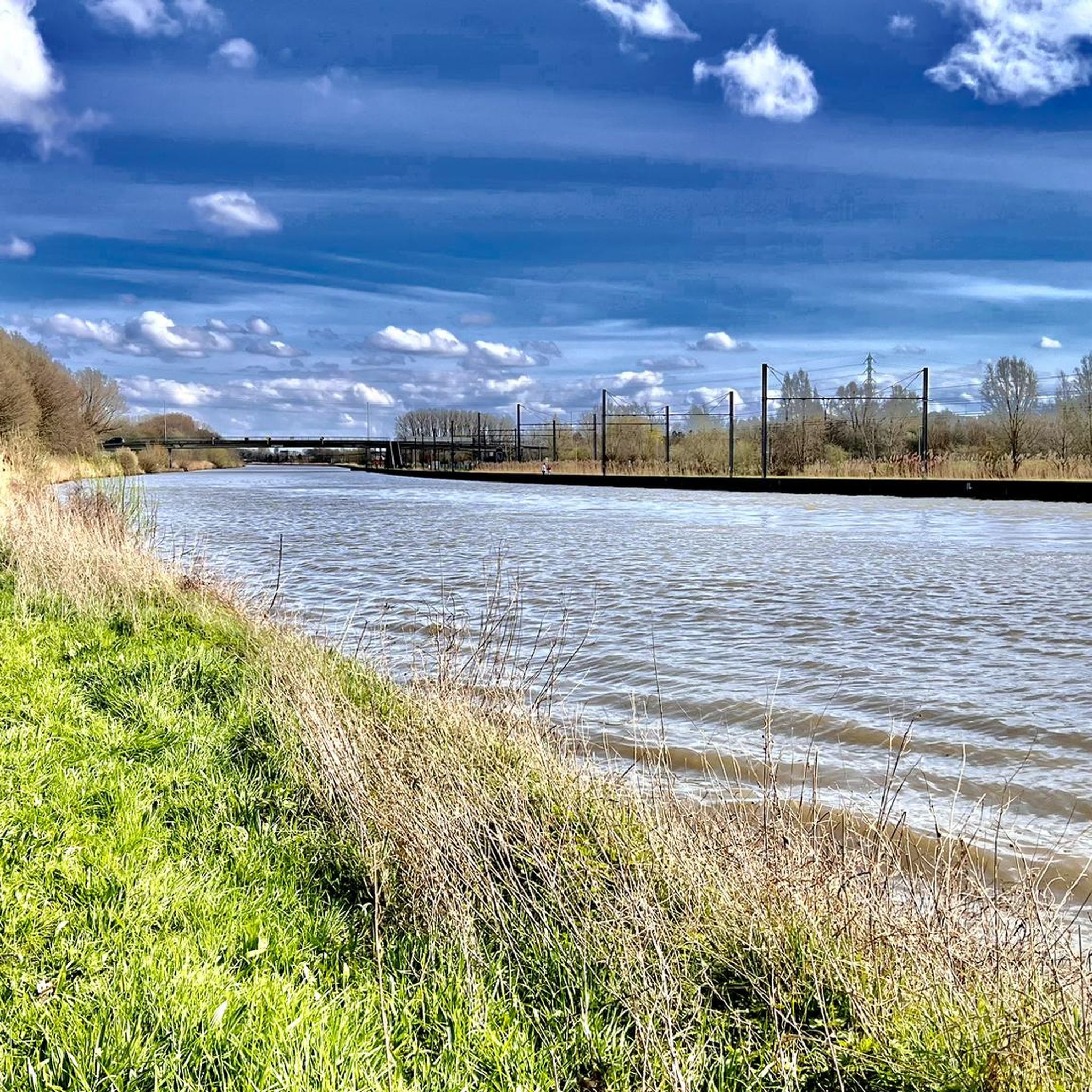
The Zavelput is an old sand quarry that is now managed as a nature reserve. After the exploitation, the pit filled with water and a rich ecosystem was created. The site is 5.2 hectares in size, the pond itself about two hectares. You can go for a walk and observe birds from the observation hut. Nearby you will find the Goed te Beaulieu, a historic farm that dates back to the Frankish period. Behind the farm runs the Leie - it is very nice to walk along the banks. In 2024, the area was expanded on the north side: a forest was planted on a strip along the Leie, between the actual zavelput and the Vlasbrug. Source: https://www.toerisme-leiestreek.be/
5
0

The provincial domain De Gavers in Harelbeke and Deerlijk covers 192 hectares and is a popular recreational area with a large lake, created by sand extraction in the 1960s. The domain offers a wide range of activities: swimming, water sports, walking, cycling and an adventure park. In addition, there is a nature reserve where birds hibernate and a flower-rich area managed by Natuurpunt. The domain attracts around 800,000 visitors annually, who enjoy both the natural environment and the extensive recreational facilities.
3
0

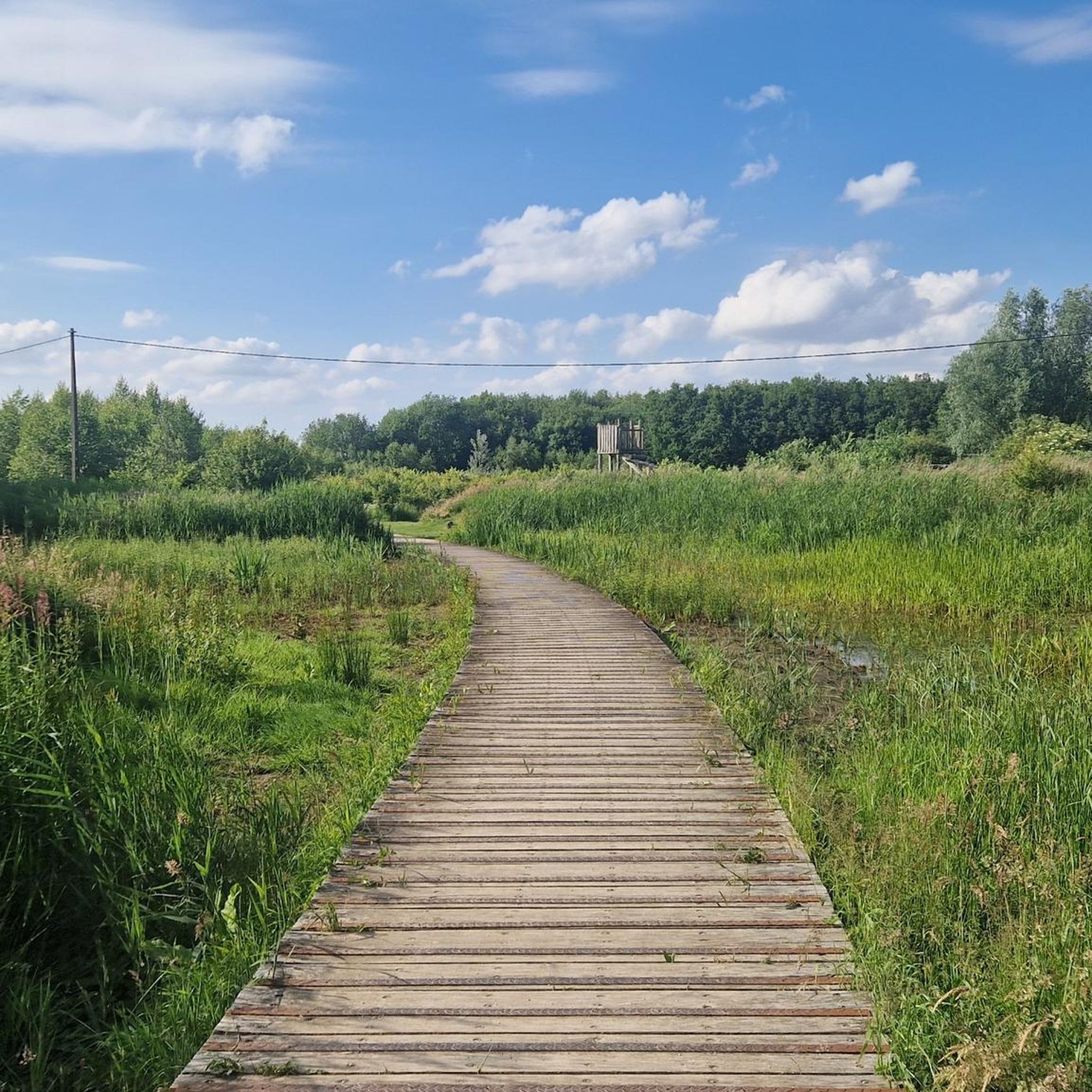
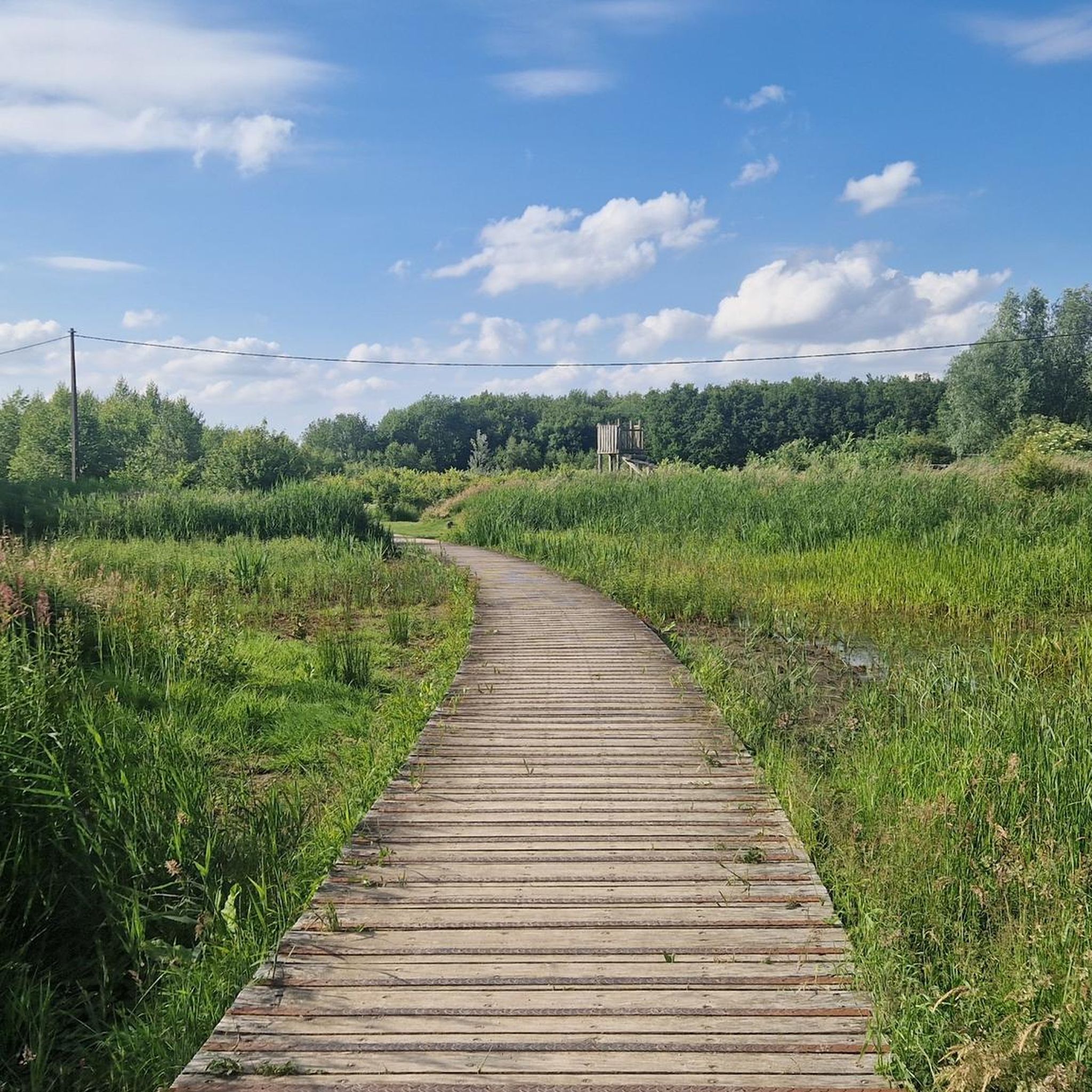
Children can also wade in the water here and walk on the planks
0
1
Very nice to walk around the quiet lake, well-maintained path.
0
1


The Ronde Kom was dug around 1880. The Grote Bassin was constructed in 1862 in the bed of the Mandel and the Kleine Bassin in the bed of the Sint-Amandsbeek. They served for years as water reservoirs for the surrounding textile factories at the time. After the disappearance of the economic function, the sites fell into disrepair. The Ronde Kom was first tackled and provided with a fountain and new greenery that provides an idyllic backdrop. The Kleine Bassin was then drained to clear silt and the overgrown vegetation was removed. At both ends of the basin there is now a stairway with seating structures and an access ramp for wheelchair users and prams. A wooden esplanade just above the water surface allows you to walk around the Kleine Bassin. Source: Tourism Roeselare
8
0
Frequently Asked Questions
What are the most popular recreational lakes near Izegem?
The most popular recreational area is Lake at Provinciedomein De Gavers, known for its wide range of activities and natural environment. Other significant options include Blaarmeersen Sports and Recreation Park near Ghent, Donkmeer in Berlare, and the extensive Eau d'Heure Lakes further afield, all offering diverse recreational opportunities.
What kind of natural features can I expect at the lakes near Izegem?
You'll find a variety of natural features, often centered around water bodies formed from sand extraction or historic basins. Areas like De Zavelput Nature Reserve offer rich ecosystems, ideal for bird observation. Many lakes are surrounded by nature reserves, forests, and sunbathing lawns, providing green spaces for relaxation and wildlife spotting.
What water sports can I do at the lakes near Izegem?
Many lakes offer extensive water sports. At Provinciedomein De Gavers, you can enjoy sailing, surfing, kayaking, rowing, and pedal boating, with swimming available at a designated beach. Blaarmeersen also features swimming, kayaking, pedal boating, surfing, fishing, and diving. The Eau d'Heure Lakes are a paradise for water sports, including jet skiing, water skiing, and motor boating.
Are there hiking or cycling opportunities around the lakes?
Yes, most lake areas provide excellent opportunities for hiking and cycling. Provinciedomein De Gavers has numerous walking and cycling trails. You can also walk or cycle around Donkmeer. For more structured routes, explore the hiking routes around Izegem, which include trails near natural reserves like Rhodesgoed and Mandelhoek. There are also dedicated road cycling and gravel biking routes that pass by some of these water bodies.
Are there family-friendly lakes near Izegem?
Absolutely. Many lake areas are designed with families in mind. Lake at Provinciedomein De Gavers offers playgrounds, an adventure park, minigolf, and a swimming beach. Blaarmeersen features a water park with slides, a large playground, and a forest adventure park. Bissegem Plage and Buffer Zone Zwenken are also noted as family-friendly spots.
Are the lakes around Izegem accessible for people with limited mobility or wheelchairs?
Yes, some areas are specifically designed for accessibility. The Round Basin in Izegem, for example, features access ramps for wheelchair users and prams, along with a wooden esplanade that allows you to walk just above the water surface.
Can I swim in the lakes near Izegem?
Swimming is permitted in designated areas. Provinciedomein De Gavers has a beach area for swimming during summer months. Blaarmeersen also features a swimming pond with a sandy beach. At Donkmeer, the Provincial Recreation Domain Nieuwdonk offers an open-air swimming pond and sandy beach.
What historical significance do some of these lakes hold?
Some lakes have interesting historical origins. The Round Basin, dug around 1880, and the Grote and Kleine Bassin, constructed in 1862, originally served as water reservoirs for the textile factories in the area. Provinciedomein De Gavers was formed from sand extraction in the 1960s for motorway construction.
Are there places to eat or have a coffee near the lakes?
Yes, you can often find dining options. The Donkmeer region is known for its charming restaurants and cafes along the banks, some specializing in eel dishes. Larger provincial domains like De Gavers and Blaarmeersen typically have facilities or are close to towns with various eateries.
What do visitors enjoy most about the lakes around Izegem?
Visitors appreciate the diverse recreational opportunities, from water sports and adventure parks to peaceful walking and cycling trails. The transformation of former industrial or extraction sites into rich natural ecosystems, like De Zavelput Nature Reserve, is also highly valued for bird observation and quiet enjoyment of nature.
Is there parking available at the lakes near Izegem?
Most major recreational domains, such as Provinciedomein De Gavers and Blaarmeersen, offer ample parking facilities for visitors. For smaller or more urban water features, parking availability may vary, often requiring street parking or nearby public lots.
What is the best time to visit the lakes around Izegem?
The lakes are enjoyable year-round, but the best time depends on your preferred activities. Summer is ideal for swimming and water sports, while spring and autumn offer pleasant temperatures for hiking and cycling amidst vibrant natural scenery. Winter can be beautiful for quiet walks, especially in nature reserves.
Most popular attractions around Izegem

Get inspired with the komoot mobile app


Explore more
Still not found your perfect lake around Izegem? Check out the guides of these regions to see even more beautiful places.
