Attractions and Places To See in Læsø - Top 20
Best attractions and places to see in Læsø include a unique blend of unspoiled nature and rich cultural heritage on this Danish island in the Kattegat Sea. The island features diverse attractions, from historical landmarks and distinctive architecture to expansive natural reserves. Læsø is recognized for its unique salt production and seaweed-roofed houses, which are on UNESCO's tentative list.
Best attractions and places to see in Læsø
- The most popular attractions is Jens Herman's Hytte Saltworks, a historical site where medieval white salt is still won from seawater. This site offers insights into the island's historical salt production methods.
- Another must-see spot is Österby Havn Harbor and Lobster Sculpture, an other man-made attraction. Visitors can observe sailing boats and fishing vessels, and find local eateries.
- Visitors also love Lønstrup Saltworks, an other man-made site featuring salt marshes. Salt is still produced and sold here according to ancient tradition.
- Læsø is known for its historical sites, natural features, and cultural experiences. The island offers a variety of attractions to see and explore, including unique architecture and natural reserves.
- The attractions in Læsø are appreciated by the komoot community, with 14 upvotes and 5 photos shared by visitors.
Last updated: July 7, 2026
Traditional turf-roofed house
Highlight • Structure
Showing Translation
Tip by

Hummerhytten on Horneks Odde
Highlight • Mountain Hut
Translated by Google •
Tip by

Sign up now to discover places like this
Get recommendations on the best single tracks, peaks, & plenty of other exciting outdoor places.
Sign up for free
Fannemand Ferry
Highlight • Structure
Translated by Google •
Tip by

Vesterø Church
Highlight • Religious Site
The medieval sections are made of red and yellow monk's stone, set in monk's bands, but are mostly reinforced with small stones.
The nave has a beamed ceiling, and the chancel has a built-in Gothic groin vault. The tower, which projects diagonally from the church, has shining fluted gables to the north and south (the dates 1767 and 1794 refer to restorations).
A pointed arch connects the nave with the tower room, which is covered by an eight-part vault.
The porch was built in 1885 (architect F. Uldall) of red brick. It has been replaced by an older timber-framed porch. There was an earlier porch on the south side.
The church is redwashed with white details. The roof of the nave extends over the choir to the east and ends in a full hip. These are covered with monk's roof tiles, while the other roof surfaces are covered with wing tiles.
A comprehensive renovation took place in 1947-48 (architect L. Teschl).
On the brick altar stands a late Gothic velvet altarpiece from 1475 with two rows of figures: in the nave, Christ and the Virgin Mary in a solitary scourge surrounded by eight saints, including Saint Archclaus and Saint Etherus, probably two rare bishop saints.
The wings depict the apostles. The panel was restored in 1708 by Bertel Hansen's wife, Kirsten Lauritsdatter. There is an old chalice, paid for in 1698 by Berendt Fællenkamp and Magdalene Bracm. The altarpieces were created in 1648 at the expense of Jørgen Rosenkrantz and Mrs. Christensen Juul.
Three ship models and epitaphs hang in the nave. The choir vault features late Gothic frescoes (The Three Kings) from the early 15th century, for which the church is probably best known.
visitlaesoe.dk/turist/planlaeg-din-tur/vesteroe-kirke-gdk598315
Translated by Google •
Tip by

Jens Herman's Hytte Saltworks
Highlight • Historical Site
Translated by Google •
Tip by

Sign up for free to discover even more attractions in Læsø.
Sign up for free
Already have an account?
Start today with a free account
Your next adventure awaits.
Login or Signup
Popular around Læsø
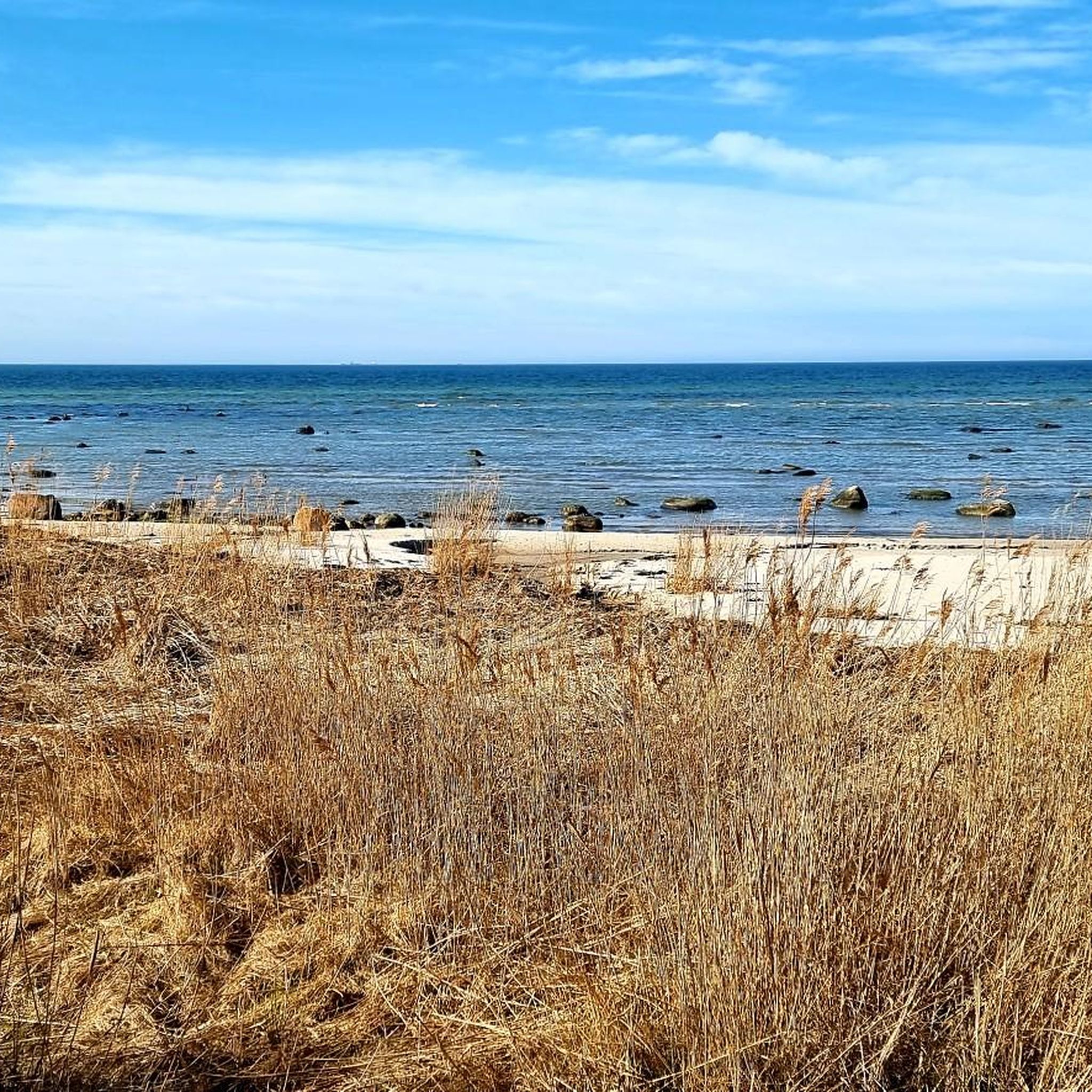
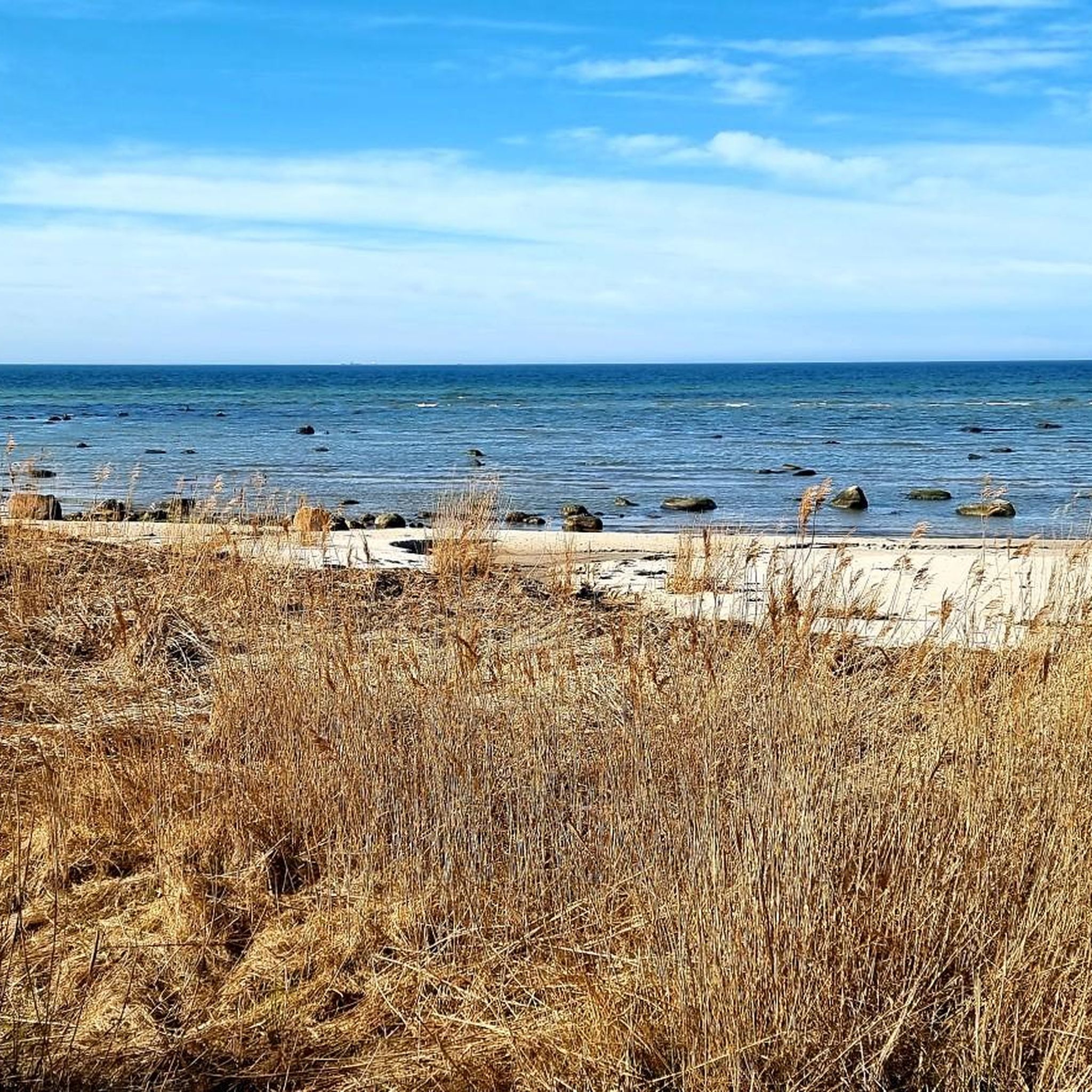
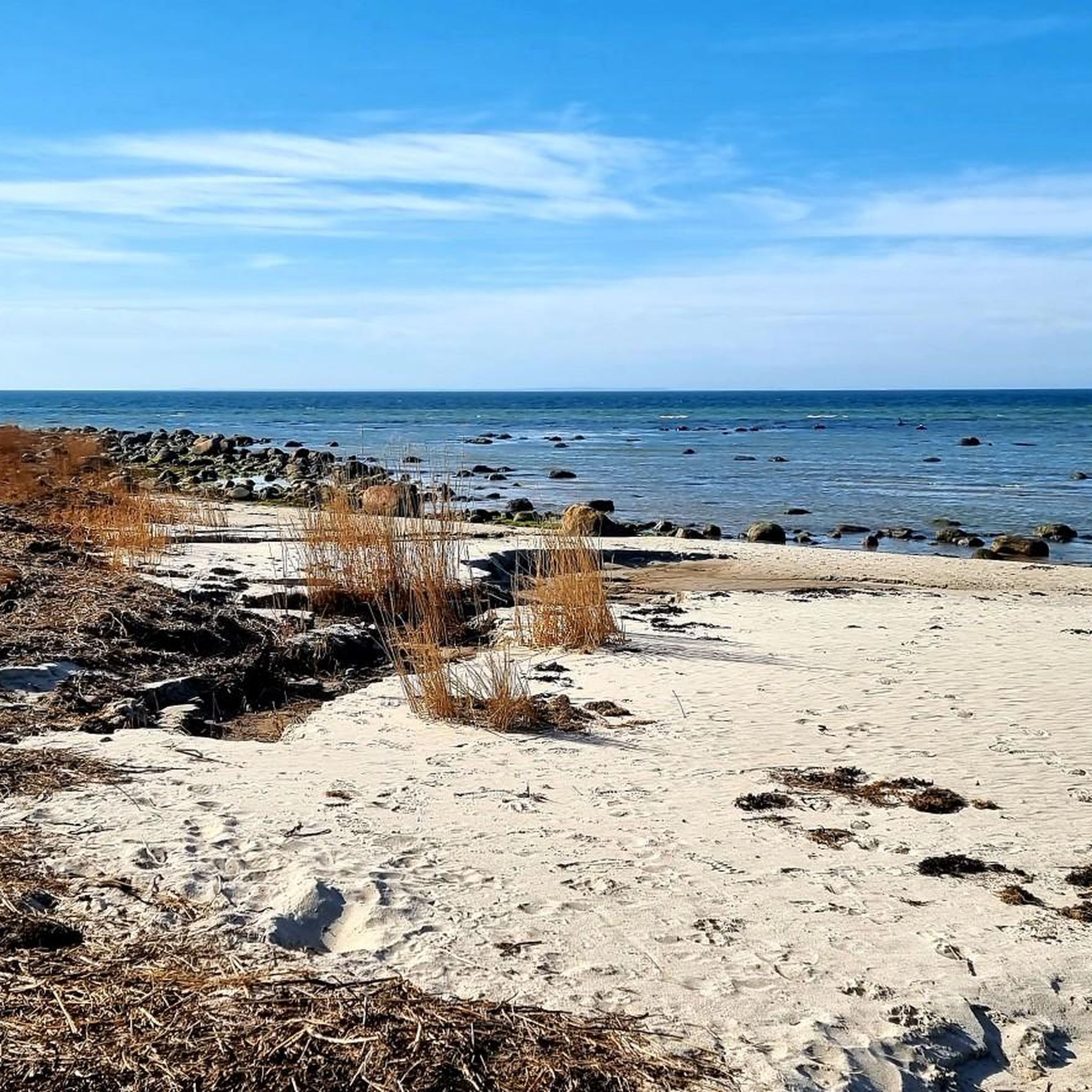
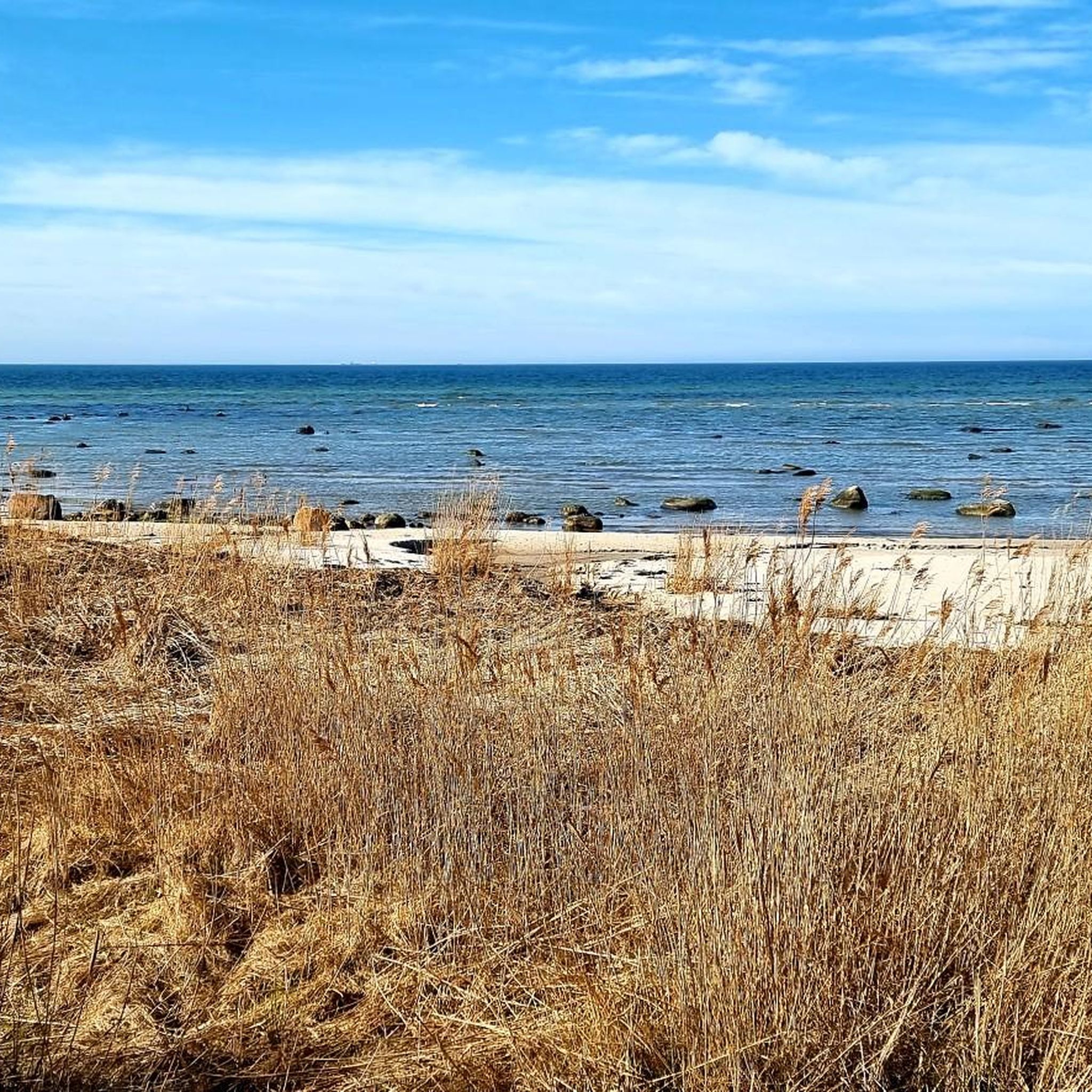
Tips from the Community

Once you have made it to the beautiful island of Læsø, the traditional houses of the island should be at the top of your list of sights. According to the island's official website, they are unique worldwide, as nowhere else are houses thatched with seaweed. There are still a relatively large number of them spread across the island, and you can see most of them along the seaweed house route across the island.
0
0

Small, human-powered ferry for pedestrians and cyclists.
0
0

Good for a picnic, but in the hut lives a swallow that has its nest above the table
1
0
Small ferry for transporting people and bicycles. You have to lend a hand yourself though. 🤩
0
0

The church is redwashed with white details and consists of a late Romantic brick nave with a slightly narrower chancel, a late Gothic tower to the west, and a modern porch to the north. The medieval sections are made of red and yellow monk's stone, set in monk's bands, but are mostly reinforced with small stones. The nave has a beamed ceiling, and the chancel has a built-in Gothic groin vault. The tower, which projects diagonally from the church, has shining fluted gables to the north and south (the dates 1767 and 1794 refer to restorations). A pointed arch connects the nave with the tower room, which is covered by an eight-part vault. The porch was built in 1885 (architect F. Uldall) of red brick. It has been replaced by an older timber-framed porch. There was an earlier porch on the south side. The church is redwashed with white details. The roof of the nave extends over the choir to the east and ends in a full hip. These are covered with monk's roof tiles, while the other roof surfaces are covered with wing tiles. A comprehensive renovation took place in 1947-48 (architect L. Teschl). On the brick altar stands a late Gothic velvet altarpiece from 1475 with two rows of figures: in the nave, Christ and the Virgin Mary in a solitary scourge surrounded by eight saints, including Saint Archclaus and Saint Etherus, probably two rare bishop saints. The wings depict the apostles. The panel was restored in 1708 by Bertel Hansen's wife, Kirsten Lauritsdatter. There is an old chalice, paid for in 1698 by Berendt Fællenkamp and Magdalene Bracm. The altarpieces were created in 1648 at the expense of Jørgen Rosenkrantz and Mrs. Christensen Juul. Three ship models and epitaphs hang in the nave. The choir vault features late Gothic frescoes (The Three Kings) from the early 15th century, for which the church is probably best known. https://www.visitlaesoe.dk/turist/planlaeg-din-tur/vesteroe-kirke-gdk598315
2
0

The lobster huts on Horneks Odde used to be used by fishermen to rest during breaks. They were especially helpful in bad weather. They were furnished with simple stoves, benches and a table.
0
0
small hand-operated ferry to cross over at a small inlet
0
0

From here you can walk to Rønnerne
2
0
Frequently Asked Questions
What unique cultural and historical sites can I visit on Læsø?
Læsø is rich in cultural heritage. You can explore the traditional Jens Herman's Hytte Saltworks, where salt is still produced using medieval methods. Don't miss the distinctive Seaweed Houses, such as Hedvig's House and Museumsgården, which are unique to the island and part of the Læsø Museum's sites. The island's three historic churches also offer a glimpse into its past.
Where can I experience Læsø's unique salt production?
You can experience Læsø's unique salt production at two main sites. The most popular is Jens Herman's Hytte Saltworks, where medieval white salt is still won from seawater. Another option is Lønstrup Saltworks, which also continues the ancient tradition of salt production and offers pancakes, ice cream, and drinks.
What natural attractions should I explore on Læsø?
Læsø offers diverse natural beauty. The Rønnerne Nature Reserve in the south features expansive salt meadows and mudflats, ideal for birdwatching and guided tours. The Læsø Klitplantage (Dune Plantation) provides varied landscapes for hiking and cycling, including forests, heathland, and dunes. You can also visit unique coastal areas like Holtemmen, known for its plant diversity, or Bovet, a south-east-facing bay with salt marshes.
What kind of wildlife can I expect to see on Læsø?
Læsø is an excellent destination for wildlife enthusiasts, especially birdwatchers, due to its varied natural habitats. Many bird species can be observed along the coast throughout the year. You might also spot seals, particularly around areas like the Lobster Huts at Horneks Odde.
Are there family-friendly activities or attractions on Læsø?
Yes, Læsø has several family-friendly options. Both Jens Herman's Hytte Saltworks and Lønstrup Saltworks are engaging for all ages. Storhaven is a farm shop and visitor yard with animals, a playground, and local specialties. The island's many beaches are perfect for swimming and playing, and you can even try amber hunting after heavy winds.
What outdoor activities are popular on Læsø, especially for hiking and cycling?
Læsø's flat terrain and extensive network of routes make it ideal for outdoor activities. For hiking, popular options include the 58 km 'Læsø Rundt' route or shorter trails like the 'Lønstrup Saltworks loop from Byrum'. Cyclists can enjoy routes such as the 'Frederikshavn Ferry Terminal – Læsø Ferry Terminal loop'. You can find more detailed routes and guides for hiking and cycling on Læsø.
What are the best places to enjoy the coast and beaches on Læsø?
With nearly 100 km of coastline, Læsø offers approximately 25 km of excellent swimming beaches, particularly on its western and northern coasts. Popular spots include Danzigmand, known for its high dunes, and Holtemmen, recognized for its diverse plant life. The beaches are also a great place to search for amber, especially after strong winds.
Can I find any unique wellness experiences on the island?
Yes, Læsø offers a unique wellness experience at Læsø Kur. This center provides relaxing treatments that utilize the island's distinctive natural resources, such as salt, clay, and seaweed, for a rejuvenating experience.
What is the best time of year to visit Læsø for sightseeing and outdoor activities?
The summer months are generally considered the best time to visit Læsø for sightseeing and outdoor activities, as the weather is mild and most attractions and activities are fully operational. However, spring and autumn also offer pleasant conditions for hiking and cycling, with fewer crowds and beautiful natural scenery.
Are there any viewpoints offering panoramic views of Læsø?
For panoramic views of Læsø and the surrounding sea, visit Thorvald Hansen's Tower (Læsøtårnet) in Byrum. This hand-built tower from the 1920s provides an excellent vantage point to appreciate the island's landscape.
What are some lesser-known or 'hidden gems' on Læsø?
Beyond the main attractions, consider visiting the historic Hummerhytten on Horneks Odde, old fishing huts that offer a glimpse into the island's past and are a good spot for seal and bird observation. Another natural highlight is Stokken, a sandbar often described as a hidden gem.
Is Læsø suitable for dog owners looking for attractions?
Læsø is generally dog-friendly, especially with its extensive natural areas. Many beaches and forest trails, such as those in Læsø Klitplantage, are suitable for walks with dogs. Always check local regulations for specific areas, especially nature reserves, and keep dogs on a leash where required.
Are there opportunities for horseback riding on Læsø?
Yes, you can experience Læsø's natural landscapes on horseback. Several local providers offer rides on gentle Icelandic ponies, providing a unique way to explore the island's diverse terrain.

Get inspired with the komoot mobile app


Explore more
Still not found the Highlight you’re looking for? See guides of the top attractions in other regions:
