Jasmund National Park
Jasmund National Park
Top 20 Natural Monuments around Jasmund National Park
Best natural monuments around Jasmund National Park are found within Germany's smallest national park, located on the island of Rügen. The park is characterized by its iconic chalk cliffs, which dramatically meet the Baltic Sea, and extensive ancient beech forests. These natural features contribute to the region's unique ecological value and offer diverse landscapes for exploration. The park's geology, formed approximately 70 million years ago, is constantly reshaped by natural forces.
Best natural monuments around Jasmund National Park
- The most…
Last updated: August 19, 2026
Victoria view
Highlight • Viewpoint
Translated by Google •
Tip by

Jasmund Chalk Cliffs and Beech Forests (UNESCO World Heritage Site)
Highlight • Natural Monument
Translated by Google •
Tip by

Sign up now to discover places like this
Get recommendations on the best single tracks, peaks, & plenty of other exciting outdoor places.
Sign up for free
View of the Königsstuhl from the cliff-top trail
Highlight • Viewpoint
Translated by Google •
Tip by

View of Wissower Ufer and Gakower Ufer
Highlight • Viewpoint
Translated by Google •
Tip by

Ernst-Moritz-Arndt Viewpoint
Highlight • Viewpoint
Translated by Google •
Tip by

Sign up for free to discover even more natural monuments around Jasmund National Park.
Sign up for free
Already have an account?
Start today with a free account
Your next adventure awaits.
Login or Signup
Popular around Jasmund National Park
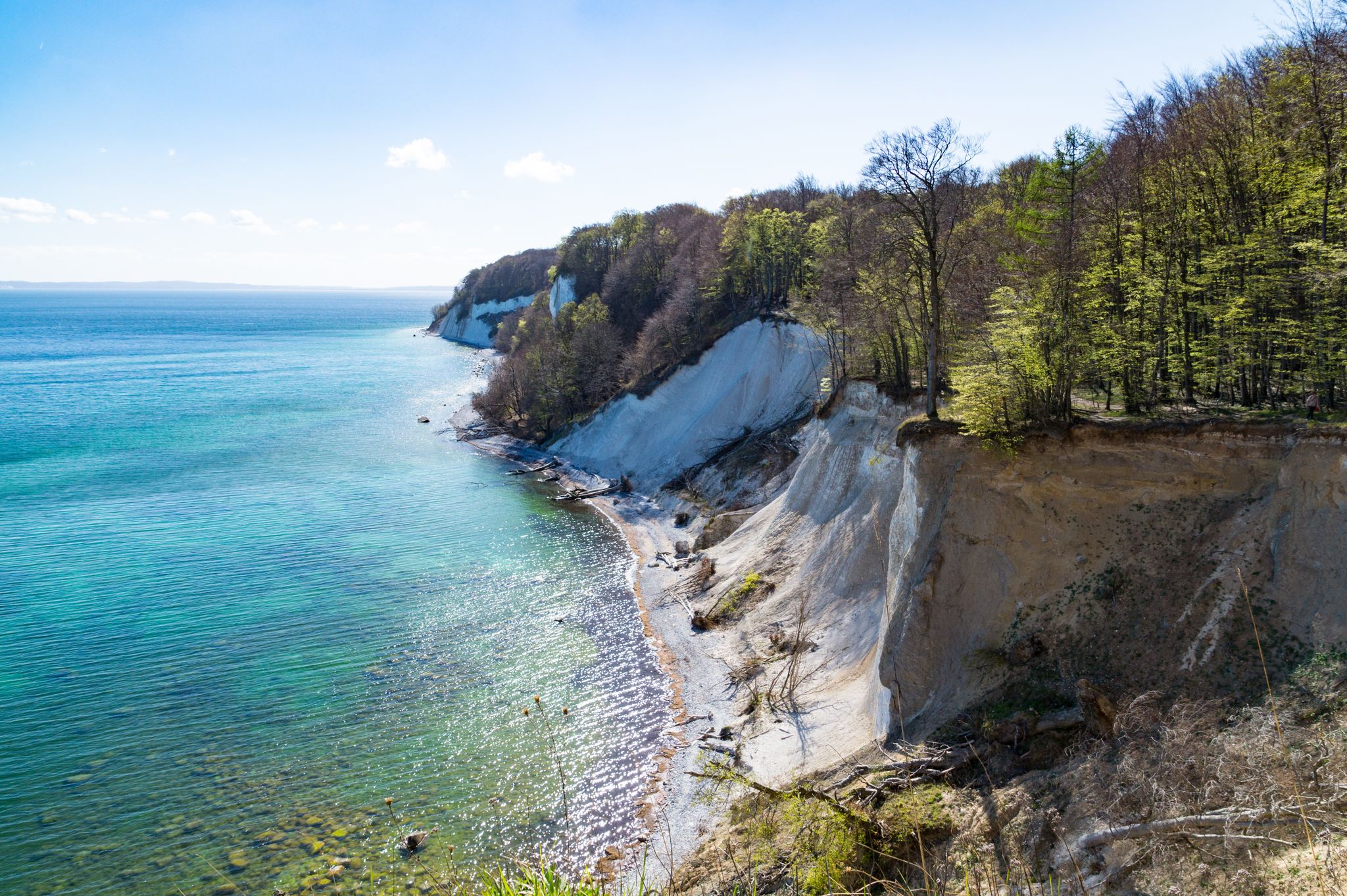
The National Natural Landscapes in Mecklenburg-Vorpommern
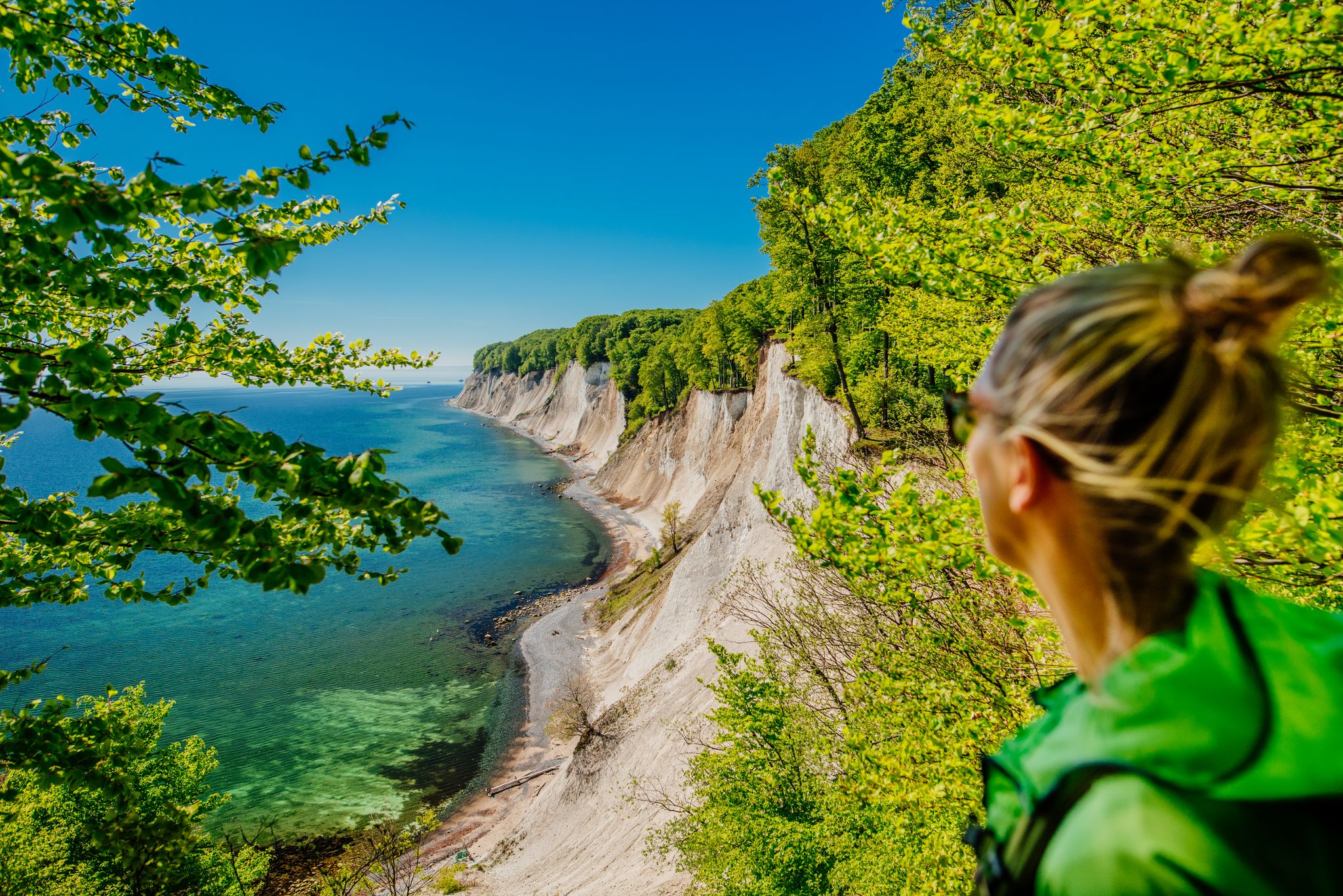
Beech forest and chalk coast – Jasmund National Park’s most beautiful hikes
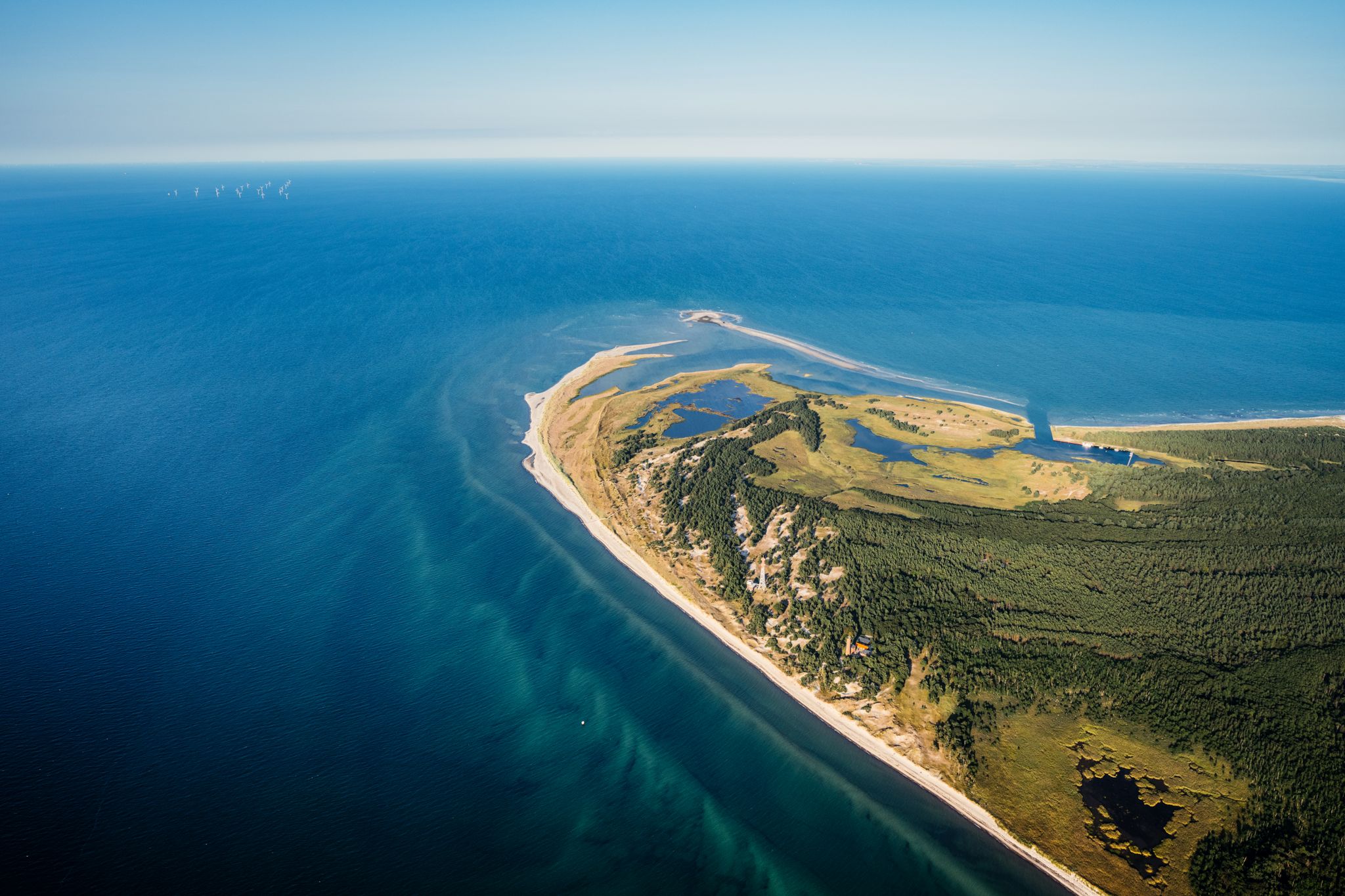
Coast, forest and moors – hike in Mecklenburg-Vorpommern
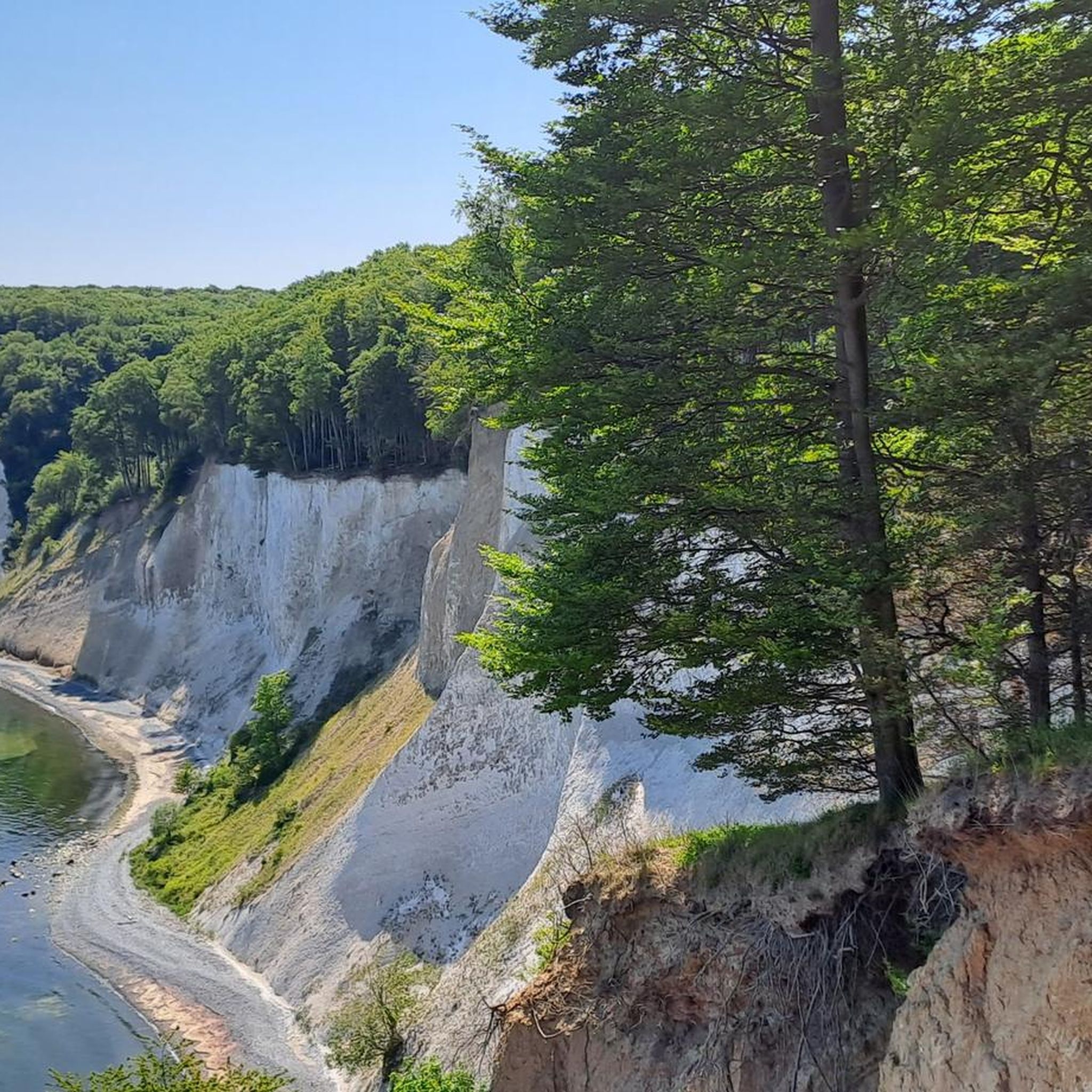
Hiking around Jasmund National Park
Cycling around Jasmund National Park
MTB Trails around Jasmund National Park
Road Cycling Routes around Jasmund National Park
Running Trails around Jasmund National Park
Gravel biking around Jasmund National Park
Other adventures around Jasmund National Park


Tips from the Community

Sensational view of the steep bank and the Baltic Sea. 🤩👍🏻
9
0

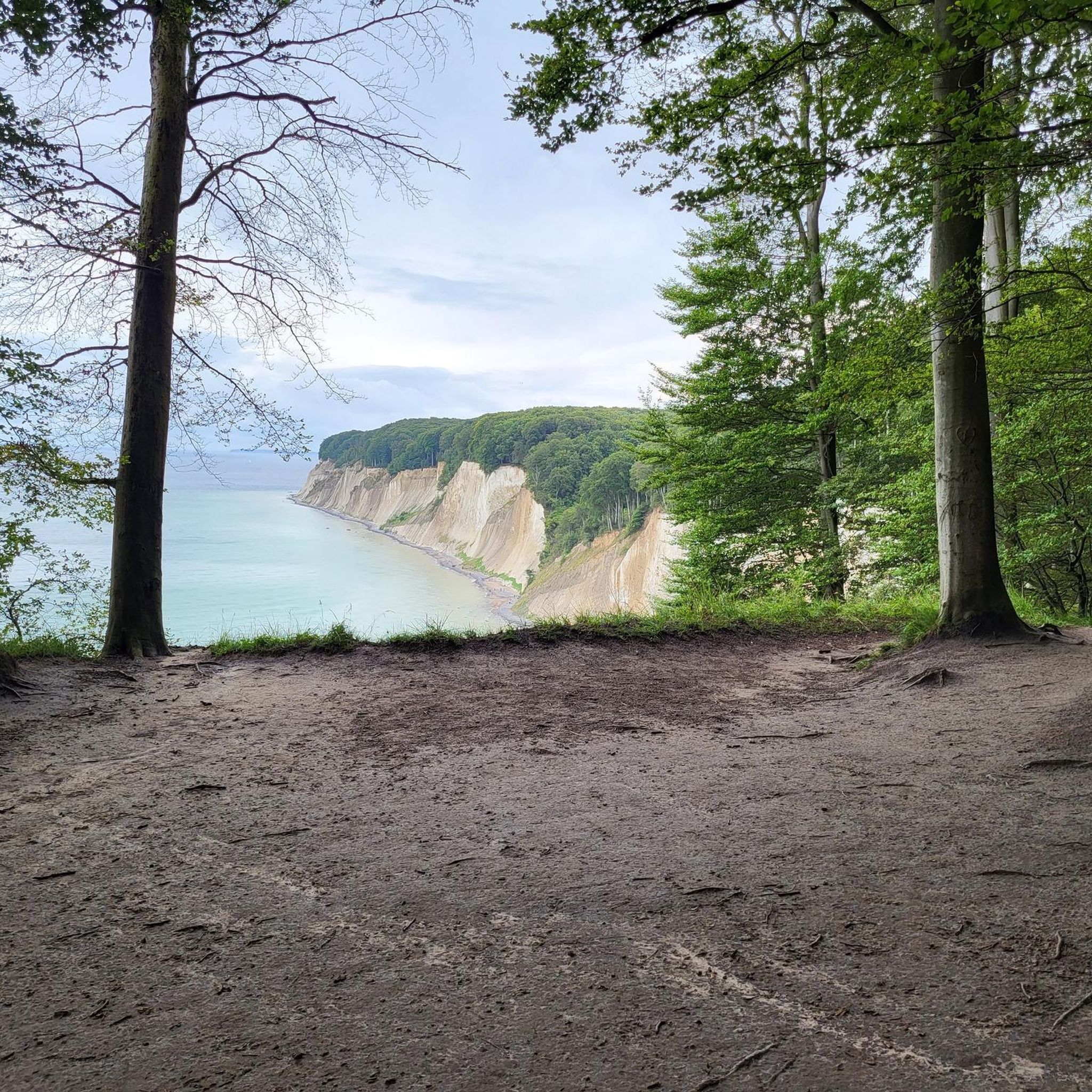
The Ernst Moritz Arndt Viewpoint is an impressive vantage point in Jasmund National Park on Rügen. From here, you can enjoy breathtaking views of the striking chalk cliffs and the Baltic Sea. The vantage point was named after the Rügen-born historian and writer Ernst Moritz Arndt.
1
1

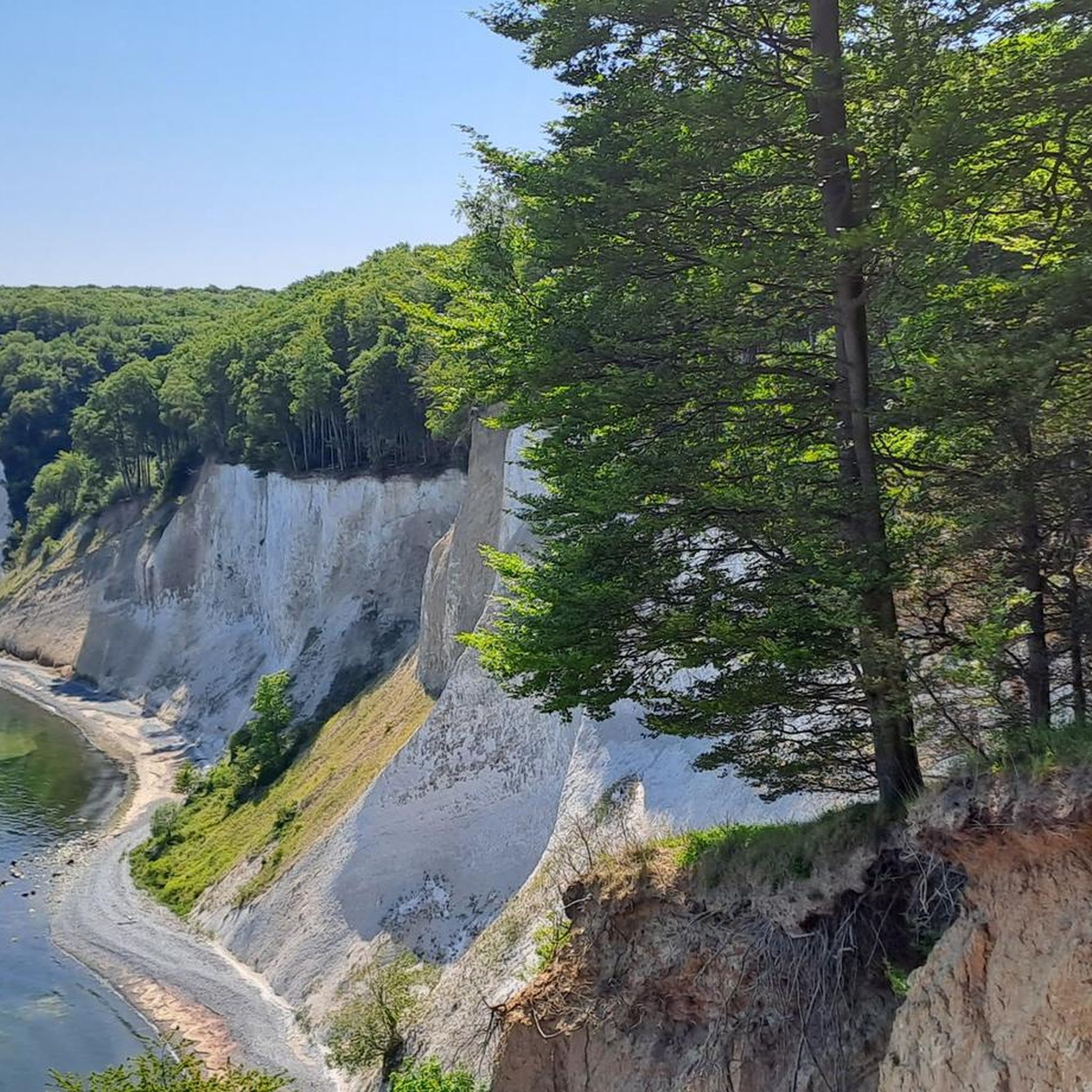
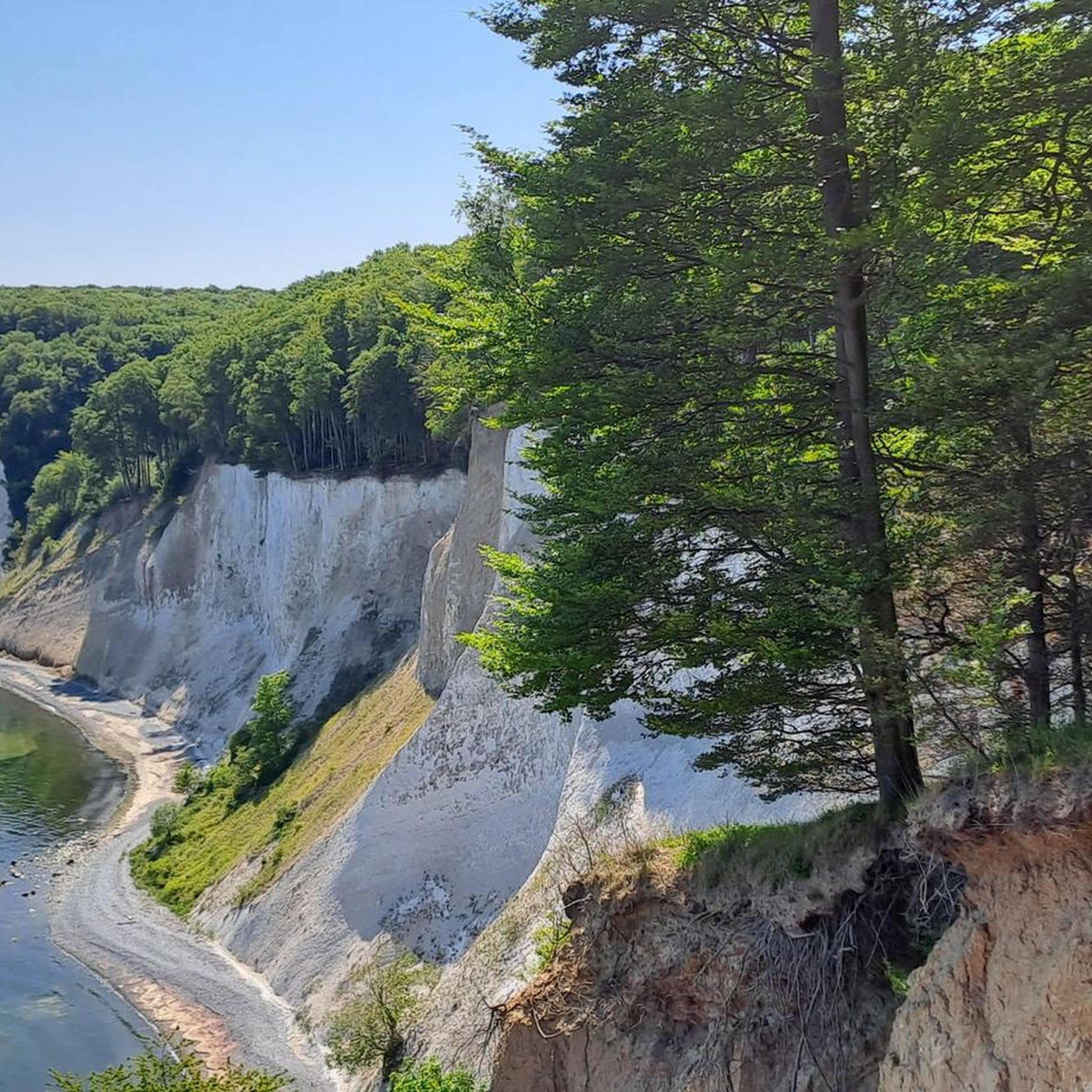
Since February 2005, the Wissower Klinken cliffs have been a lost cause. Approximately 50,000 cubic meters of chalk tumbled from the cliff into the sea.
3
0

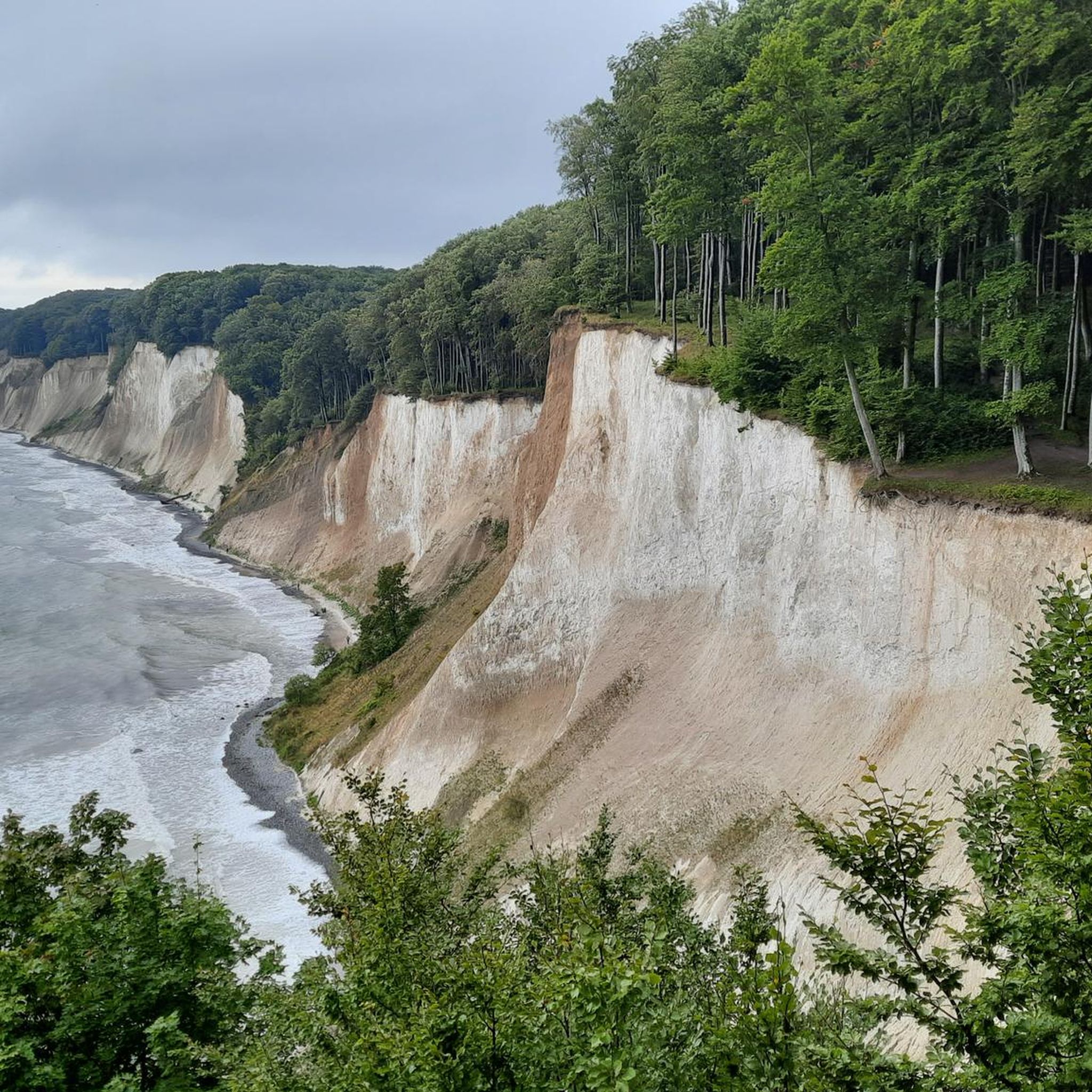
The high shore path between Sassnitz and Lohme is considered one of the most beautiful and spectacular hiking trails on the Baltic Sea. The tour never gets boring, as the view stretches far over the Baltic Sea and to the white chalk cliffs of Rügen.
6
0
The Königsstuhl, the world-famous landmark of the island of Rügen, is located right in the heart of the Jasmund National Park. Chalk cliffs and sea, primeval red beech forests, meadows, moors and a wealth of different creatures - all of this makes Germany's smallest national park so attractive. The beech forest in the Jasmund National Park was declared a universal heritage of humanity - a world natural heritage - by UNESCO in June 2011. This means that this area is placed under special protection for the future.
7
0
Above the Baltic Sea, the high bank path winds along the edge of the steep bank through the beech forest. There are numerous places with unique views. The high bank path is by far the most beautiful path I have walked.
16
1

In the heart of the island of Rügen, in the northeastern tip, lies a paradise for nature lovers: the Jasmund National Park. Nestled in the UNESCO World Heritage Site “Ancient Beech Forests of Germany”, this park – Germany’s smallest national park – contains an impressive diversity that will amaze every hiker. The Stubnitz, a ridge north of the charming port town of Sassnitz, is covered by dense, original beech forest. A green roof that stands in vivid contrast to the brilliant white chalk cliff coast. Particularly striking: the Stubenkammer, a true masterpiece of nature. The path leads along the chalk coast, past moors, dry grasslands and the former Quoltitz chalk quarries. A scenery that enchants with its colors and shapes. The Piekberg, at 161 meters Rügen's highest elevation, offers an impressive overview of this unique terrain. And there it is: the 60 meter high chalk cliff that juts boldly out of the sea. The Ernst-Moritz-Arndt View, a monument of nature, in honor of Rügen's famous son. Hikers can reach this spectacular viewpoint via the Hochuferweg, which connects Sassnitz with the Königsstuhl. And we continue on, past the remains of the Wissow clinics, witnesses of times past. Plan more time than expected. Because this place tempts you to pause, marvel and enjoy the silence. And anyone hiking with children will certainly take a break here and there - be it to collect stones or to admire the view. With every step you take, a new view of the coast opens up. The alternation of ups and downs is almost reminiscent of mountain feelings. And the park is an experience even in fog or cloudy weather. The chalk cliffs in the haze give the landscape an almost mystical grace. For anyone who wants to experience the real character of the chalk cliffs, we recommend using the descents along the high bank path. Viewed from below, the rocks show a completely different face.
7
0
Whether on the high bank path or on the beach, the chalk cliffs are a highlight.
5
0
Frequently Asked Questions
What are the most prominent natural monuments to visit in Jasmund National Park?
Jasmund National Park is renowned for its dramatic chalk cliffs and ancient beech forests. Among the most prominent features are the iconic Königsstuhl, which can be viewed from the Victoria view, offering one of the best perspectives. Another significant site is the Jasmund Chalk Cliffs and Beech Forests (UNESCO World Heritage Site), recognized for its unique ecological value and stunning coastal scenery.
What makes the chalk cliffs of Jasmund National Park so special?
The chalk cliffs, particularly around the Stubbenkammer, are Germany's largest and most dramatic, plunging into the Baltic Sea. Formed over 70 million years ago, their brilliant white color contrasts strikingly with the deep blue sea and lush green forests. The ongoing erosion constantly reshapes the landscape, making each visit unique. The Ernst-Moritz-Arndt Viewpoint offers another fantastic perspective of these impressive formations.
Are there ancient forests to explore in Jasmund National Park?
Yes, Jasmund National Park is home to extensive ancient beech forests, particularly within the Stubnitz region. A significant portion of these forests, including the Ancient Beech Forests of Jasmund National Park, is a UNESCO World Heritage Site. They represent some of Europe's last remaining near-natural beech forests, offering a profound sense of wilderness and rich biodiversity.
What kind of wildlife can be found in Jasmund National Park's natural monuments?
The diverse habitats within Jasmund National Park, including its ancient beech forests and coastal areas, support a rich array of flora and fauna. You might encounter rare plants like orchids, black alder, and yew. The park is also home to various bird species, such as white-tailed eagles, common kingfishers, and peregrine falcons, making it a significant ecological area.
What are the best hiking routes to experience the natural monuments?
The scenic "Hochuferweg" (High Shore Walk) is a popular trail that allows hikers to experience the dramatic coastline and offers various viewpoints along its 12 km stretch, connecting the dense forests with the chalk cliffs. For more hiking options, you can explore the Hiking around Jasmund National Park guide, which includes routes like the Victoria view – View of Wissower Ufer loop.
Are there cycling opportunities near the natural monuments?
Yes, there are several cycling routes that allow you to explore the area around Jasmund National Park. You can find options for touring bicycles and road cycling. For example, the Cycling around Jasmund National Park guide offers routes like the "Sunlight in the Beech Forest loop," while the Road Cycling Routes around Jasmund National Park guide provides options like the "View of the Baltic Sea – View of the Bodden loop."
Is Jasmund National Park suitable for families with children?
Yes, Jasmund National Park offers family-friendly options, particularly within its ancient beech forests. The Ancient Beech Forests of Jasmund National Park are noted as family-friendly, providing a serene environment for exploration. The Königsstuhl National Park Center also offers interactive exhibits suitable for all ages to learn about the park's geology and ecology.
What is the best time of year to visit the natural monuments in Jasmund National Park?
The natural monuments in Jasmund National Park offer beauty throughout the year. Spring brings lush greenery and blooming flora in the forests, while summer provides pleasant weather for coastal walks. Autumn showcases vibrant foliage in the beech forests, and even winter offers a unique, stark beauty, especially with snow contrasting against the white cliffs. Early mornings are often recommended for the best light on the chalk cliffs.
How can I get the best views of the Königsstuhl?
The Königsstuhl, rising 118 meters above the Baltic Sea, is the most famous chalk cliff. For panoramic vistas, visit the viewing platform at the Königsstuhl itself. The Victoria view is another highly recommended spot, offering one of the best perspectives of the Königsstuhl, ideal for photography. A new barrier-free suspended skywalk also provides an immersive experience directly above the cliff.
Are there any geological features besides the chalk cliffs worth noting?
Beyond the dramatic chalk cliffs, the park's geology is shaped by its formation approximately 70 million years ago from fossilized marine organisms. The ancient beech forests are situated in the Stubnitz region, a hilly area with water-filled dells and hollows formed during the Ice Age, contributing to the diverse ecosystem and unique terrain of the park.
What do visitors enjoy most about the natural monuments in Jasmund National Park?
Visitors consistently highlight the breathtaking natural beauty and the striking contrast of the brilliant white cliffs against the deep blue Baltic Sea and lush green forests. The sense of wilderness in the ancient beech forests and the unique ecological value of the UNESCO World Heritage sites are also highly appreciated. Many enjoy the dynamic landscape, which is constantly reshaped by natural forces, making each visit potentially unique.
Most popular routes around Jasmund National Park
Most popular attractions around Jasmund National Park

Get inspired with the komoot mobile app


Explore more
Extend your search for the best caves by checking out these guides of the top ones around Jasmund National Park:
