The best gravel rides around the Zncara
13
riders
17
rides
Gravel biking around the Záncara region in central Spain offers routes through a largely flat, agricultural landscape. The Záncara River basin is characterized by cultivated lands, plains, and traditional livestock trails known as "vías pecuarias." These paths connect diverse environments, including areas of ecological interest like seasonal wetlands and sections with pine forests and vineyards. The topography is generally gentle, making it suitable for long-distance gravel rides.
Best gravel bike trails around the Záncara
- The most popular gravel bike trail…
Last updated: July 15, 2026
1
riders
52.4km
03:47
310m
310m
Hard gravel ride. Good fitness required. You may need to push your bike for some segments of this route.
3
riders
Hard gravel ride. Good fitness required. You may need to push your bike for some segments of this route.

Sign up for free
4
riders
57.2km
04:25
180m
180m
Moderate gravel ride. Good fitness required. Mostly paved surfaces. Suitable for all skill levels.
4
riders
70.4km
05:20
370m
370m
Hard gravel ride. Very good fitness required. Mostly paved surfaces. Suitable for all skill levels.
1
riders
38.5km
02:56
100m
100m
Moderate gravel ride. Good fitness required. Mostly paved surfaces. Suitable for all skill levels.
Get access to more routes and recommendations from other explorers.
Sign up for free
Already have an account?
Our route recommendations are based on thousands of hikes, rides, and runs completed by other people on komoot.
Start today with a free account
Your next adventure awaits.
Login or Signup
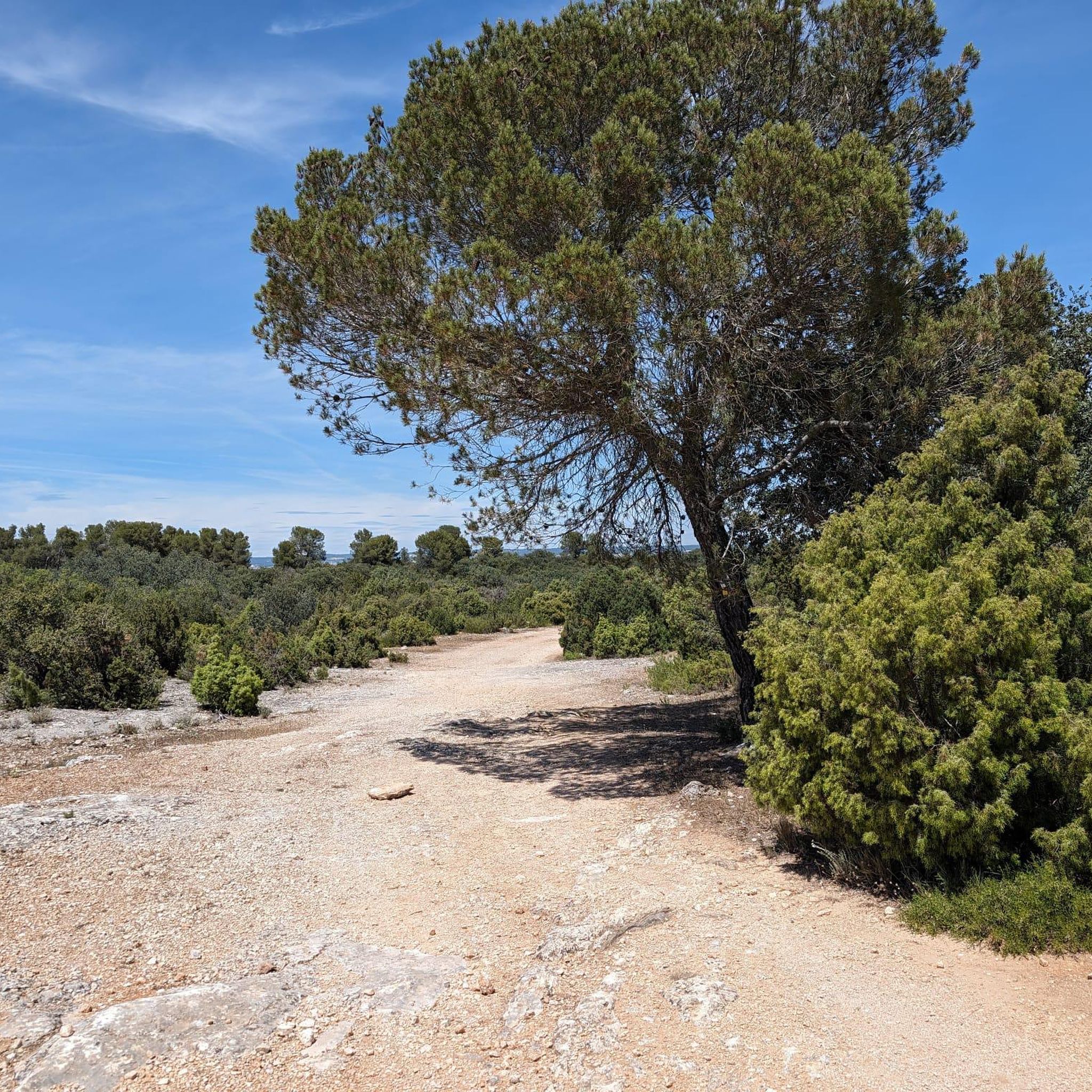
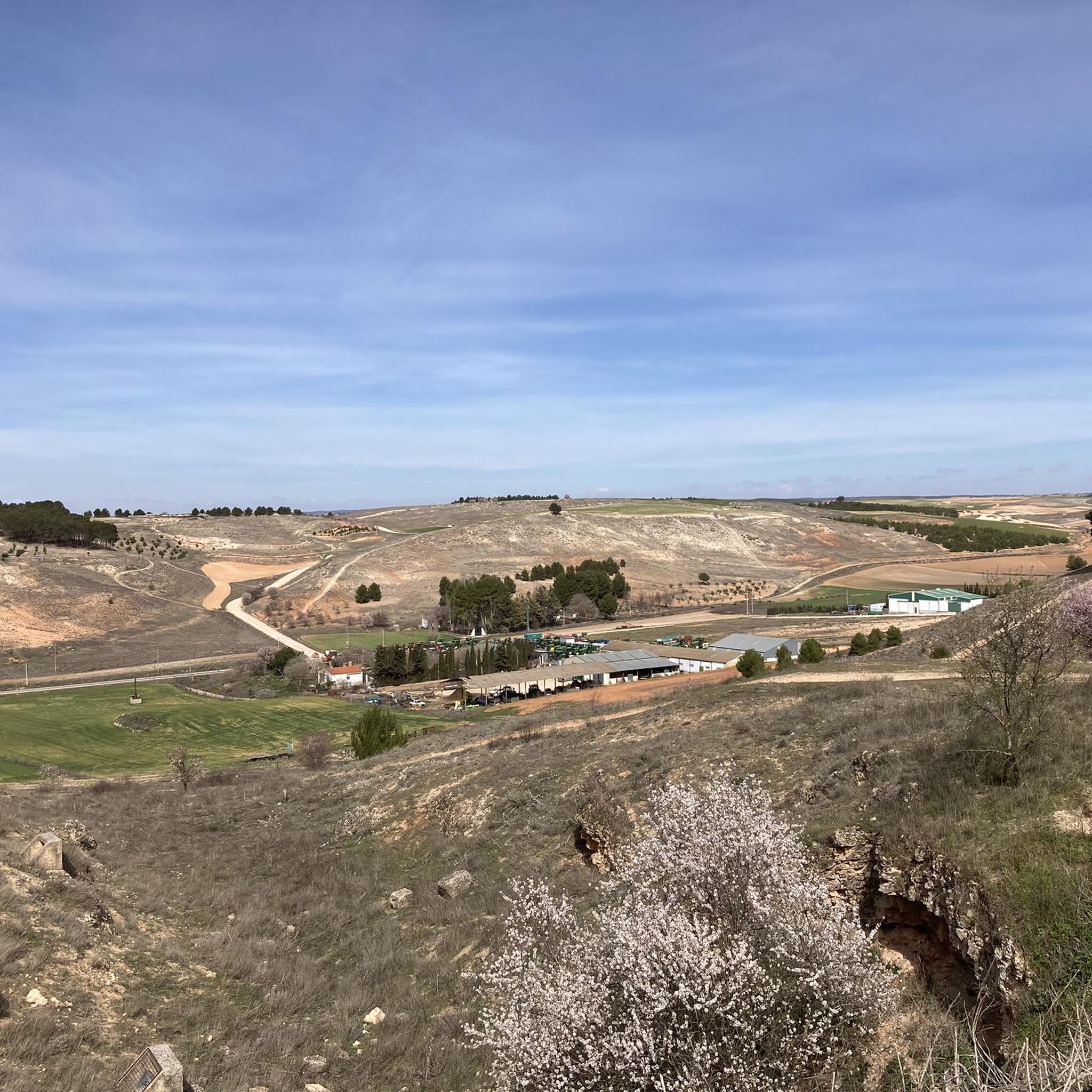

Tips from the Community

Alcázar de San Juan is one of the most interesting destinations in the heart of La Mancha, with a blend of history, heritage, nature, and Cervantine traditions. Its name comes from the Military Order of Saint John, which dominated the area after the Reconquista. It claims to be the birthplace of Miguel de Cervantes, as the baptismal font where, according to some studies, the writer was baptized is preserved in the Collegiate Church of Santa María la Mayor. It was an important railway junction and economic center in the 19th and 20th centuries, which shaped its urban development.
10
0
The Church of Santa Quiteria in Alcázar de San Juan (Ciudad Real) is one of the town's most important churches, boasting a rich history and significant architectural value. Origin: Construction began in the second half of the 16th century based on plans by Juan de Herrera, the architect of El Escorial. Execution: The work was directed by Agustín Argüello and completed by Bartolomé Elorriaga in 1604. Style: Renaissance with classical elements.
7
0

Return to the town of Campo de Criptana
0
0

It is a very austere construction that dates back to the 17th century during the Austrian period. It has a single nave and a considerable height whose foundations rest on a previous construction that dates back to approximately the 13th century.
9
0
These iconic mills are symbols of Campo de Criptana and all of Castilla-La Mancha. Its blades preside over the life of the town of La Mancha from above. The mills are of the “tower” type, built in masonry and whitewashed with lime. They have a circular plan pierced with small windows, which served as a guide for the orientation of the wind. This indicated where to turn the conical cover so that its blades could take advantage of the wind as desired. Each mill has three floors: the upper one with the grinding stones and the lower ones for storage and packaging. The oldest mills, such as the Sardinero, Burleta and Infante, have been standing since the 16th century and preserve their original mechanism. There are also more modern mills, such as the Inca Garcilaso, the Cariari, the Vicente Huidobro, the Pilón, the Lagarto, the Culebro and the Poyatos, which date back to 1900. Currently, some of these mills can be visited, such as the Molino Infante, the Burleta, the Culebro (which houses the Sara Montiel Museum), the Quimera (which houses the town's Holy Week Museum) and the Poyatos Mill (current tourist information point). The others are closed to the public. I hope you enjoy exploring these iconic windmills! 😊
8
0

Also beautiful to look at at dusk
2
0

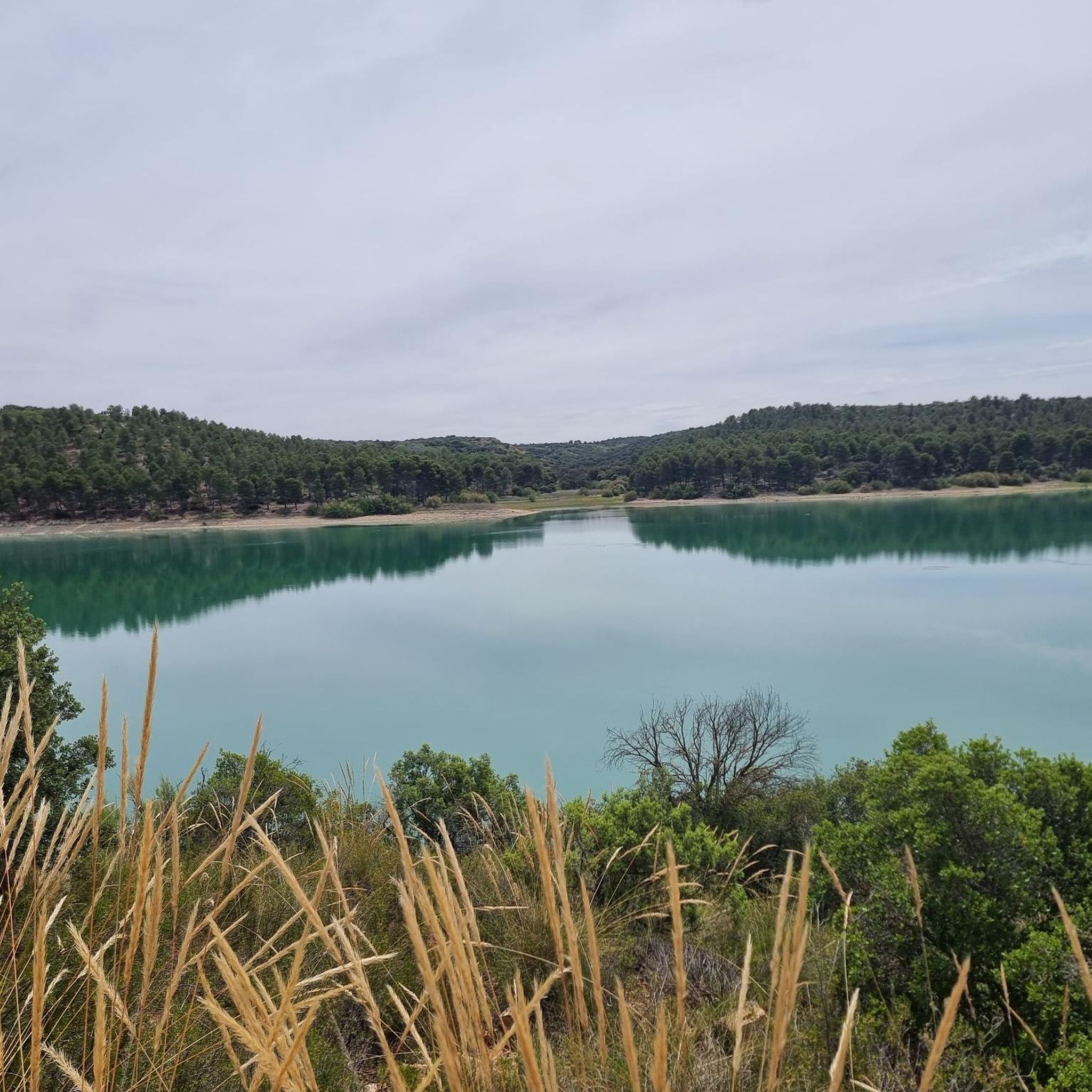
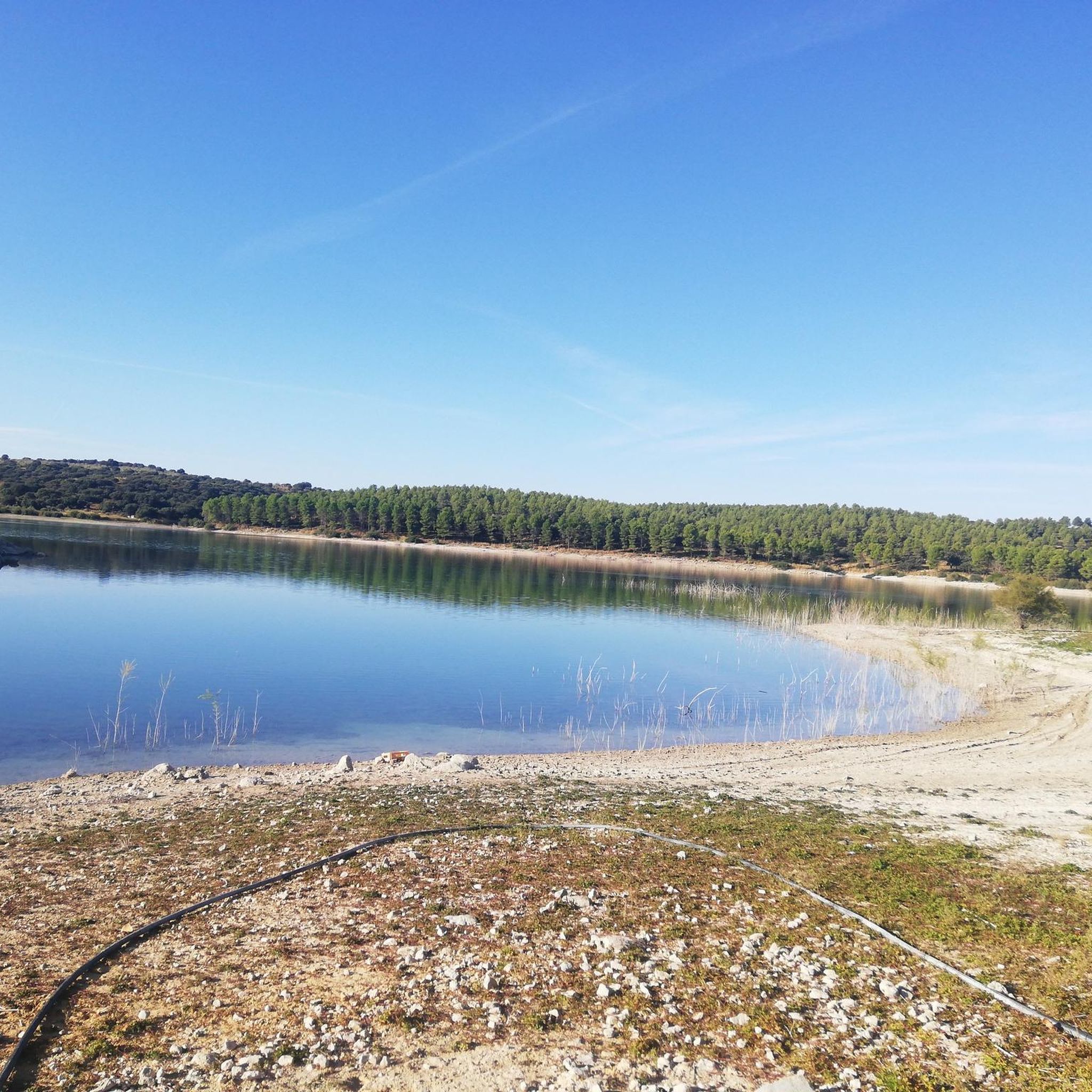
The Salicor lagoons are an important bird refuge in La Mancha. When they are at their peak, you can see flamingos and some migratory birds such as bustards or cranes. It is also common to see hawks hunting.
1
0

The mills are located on a hill. You imagine they are the giants that Don Quixote fought against. Site of cultural interest.
1
0
Frequently Asked Questions
What is the overall difficulty level of gravel biking trails in the Záncara region?
The Záncara region offers a mix of gravel biking trails suitable for various skill levels. You'll find 10 moderate routes and 4 difficult routes, providing options for both experienced riders and those looking for a challenge. The generally flat topography, especially along the "vías pecuarias" (traditional livestock trails), makes many routes accessible, though some longer tours can be demanding.
Are there any beginner-friendly gravel bike routes in the Záncara area?
While most routes are moderate to difficult, the region's flat terrain and network of "vías pecuarias" can be suitable for beginners looking for longer, less technical rides. For a good starting point, consider exploring sections of the Camino Natural del Río Záncara, which is designed for non-motorized activities and offers relatively easy terrain.
What kind of landscapes can I expect to see while gravel biking around Záncara?
Gravel biking in Záncara takes you through a unique blend of landscapes. You'll primarily encounter agricultural lands and open plains, characteristic of central Spain. The routes often follow ancient "vías pecuarias" that connect diverse environments, including areas with specific ecological interest, seasonal wetlands like El Hito Lagoon, and sections with pine forests and vineyards. The flat topography offers expansive views of the Mancha region.
Are there any circular gravel bike routes available in the Záncara region?
Yes, many of the gravel routes in the Záncara region are designed as loops, allowing you to start and end in the same location. For example, the Hermitage of San Cristóbal – Truncated Lives Monument loop from Villarrobledo is a challenging 69.4 km circular route, while the Hill Esplanade – Pinar de Vadohondo loop from Socuéllamos offers a moderate 38.4 km option.
What are some interesting historical or natural attractions to see along the gravel bike trails?
The Záncara region offers several points of interest. You can explore historical sites like the ruins of a castle and a 16th-century Renaissance church in Huerta de la Obispalía, or the San Roque Hermitage and ancient rock-cut tombs along signposted paths. For natural beauty, consider visiting the seasonal El Hito Lagoon, especially in spring when water levels are higher. You might also pass by the Castle of Santiago de la Torre or the Castle of Villaescusa de Haro.
What is the best time of year for gravel biking in Záncara?
The Záncara region is best enjoyed for gravel biking during spring and autumn. These seasons offer milder temperatures, making long rides more comfortable. Spring also brings lush vegetation to areas like El Hito Lagoon. Summers can be very hot, and while the river can be dry for much of the year, the trails remain accessible.
Are there any long-distance gravel routes in the Záncara area?
Yes, the Záncara region is well-suited for longer gravel rides due to its generally flat terrain. Many routes exceed 50 km. For instance, the Pinar de Vadohondo – Villarrobledo loop from Villarrobledo is a challenging 75.8 km route, and the Laguna de la Veguilla – Puerto Lápice Windmills loop from Alcázar de San Juan covers 67.8 km.
Is it possible to access the gravel trails using public transport?
While specific public transport links directly to trailheads might be limited in this rural region, larger towns like Villarrobledo and Alcázar de San Juan, which serve as starting points for several routes, typically have bus or train connections. It's advisable to check local transport schedules for these towns and plan your route accordingly, as the final leg to a trailhead might require a short ride or taxi.
What are the typical trail conditions like for gravel biking in Záncara?
The gravel trails in Záncara primarily consist of agricultural tracks, dirt roads, and "vías pecuarias." These are generally well-maintained but can vary with weather conditions. Expect mostly firm, unpaved surfaces, which can become dusty in dry periods or muddy after rain. The flat topography means fewer technical challenges, but the surfaces can be loose in places.
Are there any routes that follow the Záncara River itself?
Yes, the region is home to the Camino Natural del Río Záncara, a dedicated natural path that spans 186 kilometers along the river's course. While the river itself can have very low flow or be dry for much of the year, this path offers excellent gravel biking opportunities, allowing you to follow the river's basin through its distinct landscapes. The Río Záncara – Ermita de San Antón loop from Alcázar de San Juan is an example of a route that incorporates sections along the river.
Can I find routes that offer views of iconic landmarks like windmills?
Yes, the Záncara region is close to areas famous for their windmills. While the most popular route featuring them is mentioned in the guide's introduction, you can still find routes that offer glimpses of these iconic structures. The Laguna de la Veguilla – Puerto Lápice Windmills loop from Alcázar de San Juan, for example, will take you past the Puerto Lápice Windmills, offering a classic Mancha landscape.
Are there any routes suitable for families with children?
Given the generally flat terrain and the presence of dedicated natural paths like the Camino Natural del Río Záncara, many sections could be suitable for families, especially those with some biking experience. Look for shorter, less challenging segments of these paths. Always check the specific route details for elevation and surface conditions to ensure it matches your family's ability level.
Most popular routes around the Zncara
Most popular attractions around the Zncara

Get inspired with the komoot mobile app


Explore more
Browse the best Gravel rides in other regions.
