Top 20 Caves in Flanders
Best caves in Flanders include a variety of underground sites, from natural marl caves to man-made grottoes. While not known for extensive natural cave systems, the region offers locations with historical, ecological, and cultural significance. These sites provide insights into geological formations and serve as important ecological habitats or places of reflection. Flanders features both natural formations and constructed grottoes, each with distinct characteristics.
Best caves in Flanders
- The most popular caves is Poelk Grotto, a religious building that…
Last updated: October 4, 2026
Lourdes Grotto Oostham
Highlight • Religious Site
Translated by Google •
Tip by

Park Cerckel: Historic Gate, Grotto, and Iron Bridge
Highlight • Historical Site
The park was later laid out by the brewing family of Cerckel Brewery.
It was opened …
Translated by Google •
Tip by

Sign up now to discover places like this
Get recommendations on the best single tracks, peaks, & plenty of other exciting outdoor places.
Marl Caves of Vechmael
Highlight • Cave
Translated by Google •
Tip by

Poelk Grotto
Highlight • Religious Site
Translated by Google •
Tip by

Grootberg
Highlight • Cave
Translated by Google •
Tip by

Poelberg Lourdes Grotto
Highlight • Religious Site
Translated by Google •
Tip by

Aquarium Caves in Citadelpark
Highlight • Cave
Translated by Google •
Tip by

Lourdes Grotto Niel-bij-As
Highlight • Religious Site
On the other side of …
Translated by Google •
Tip by

Grotto of the Virgins of Brustem
Highlight • Religious Site
Translated by Google •
Tip by
Grotto of Our Lady of Lourdes
Highlight • Religious Site
Everywhere in Belgium people build and build Lourdes caves. Some are beautiful constructions and very similar to the original. Each of …
Translated by Google •
Tip by

Sign up for free to discover even more caves in Flanders.
Already have an account?
Start today with a free account
Your next adventure awaits.
Popular around Flanders
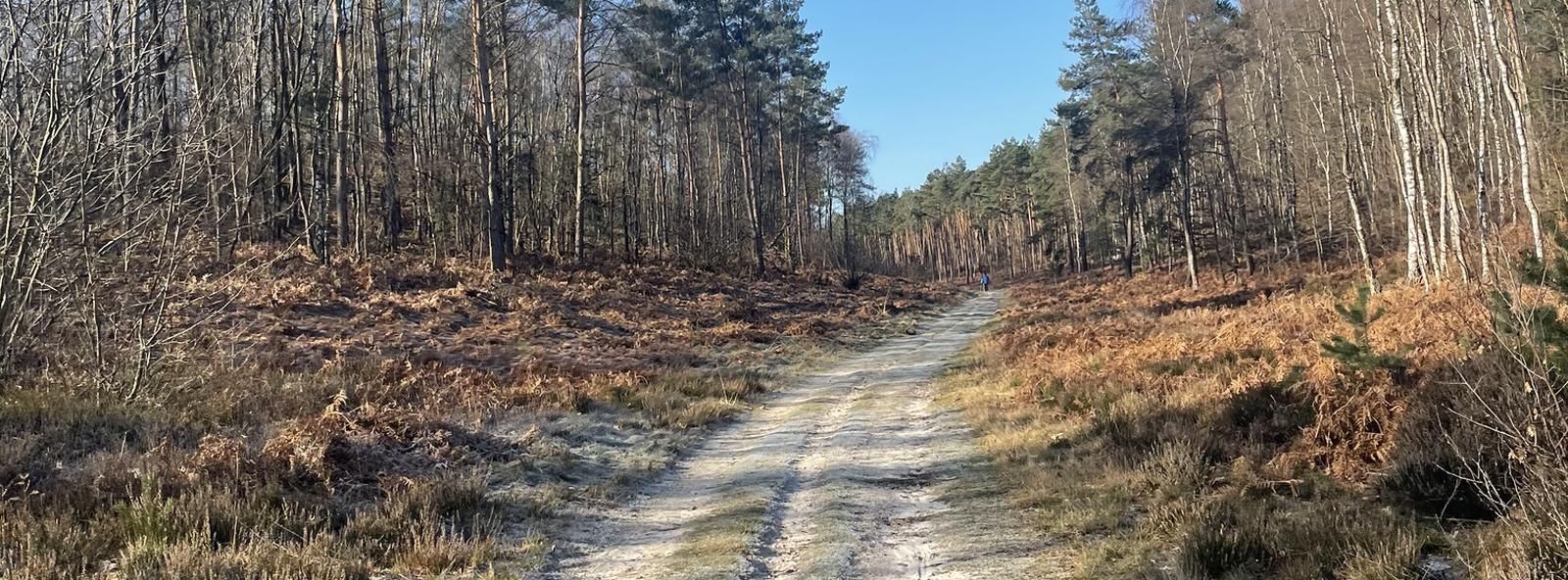
Belgium’s Hoge Kempen and Meuse Valley – Bram Tankink’s best rides
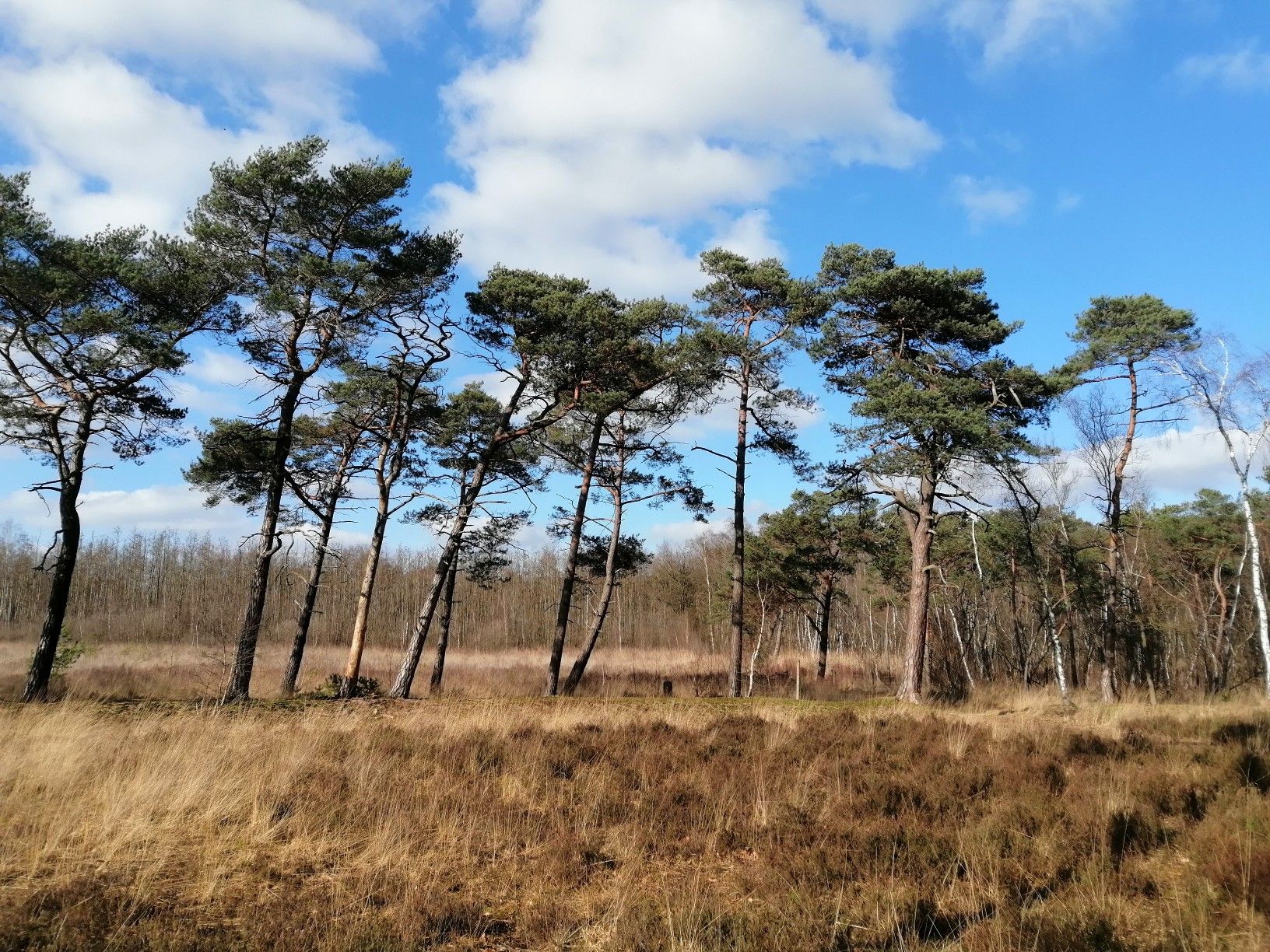
From Flanders to the Ardennes — GR 5 in Belgium
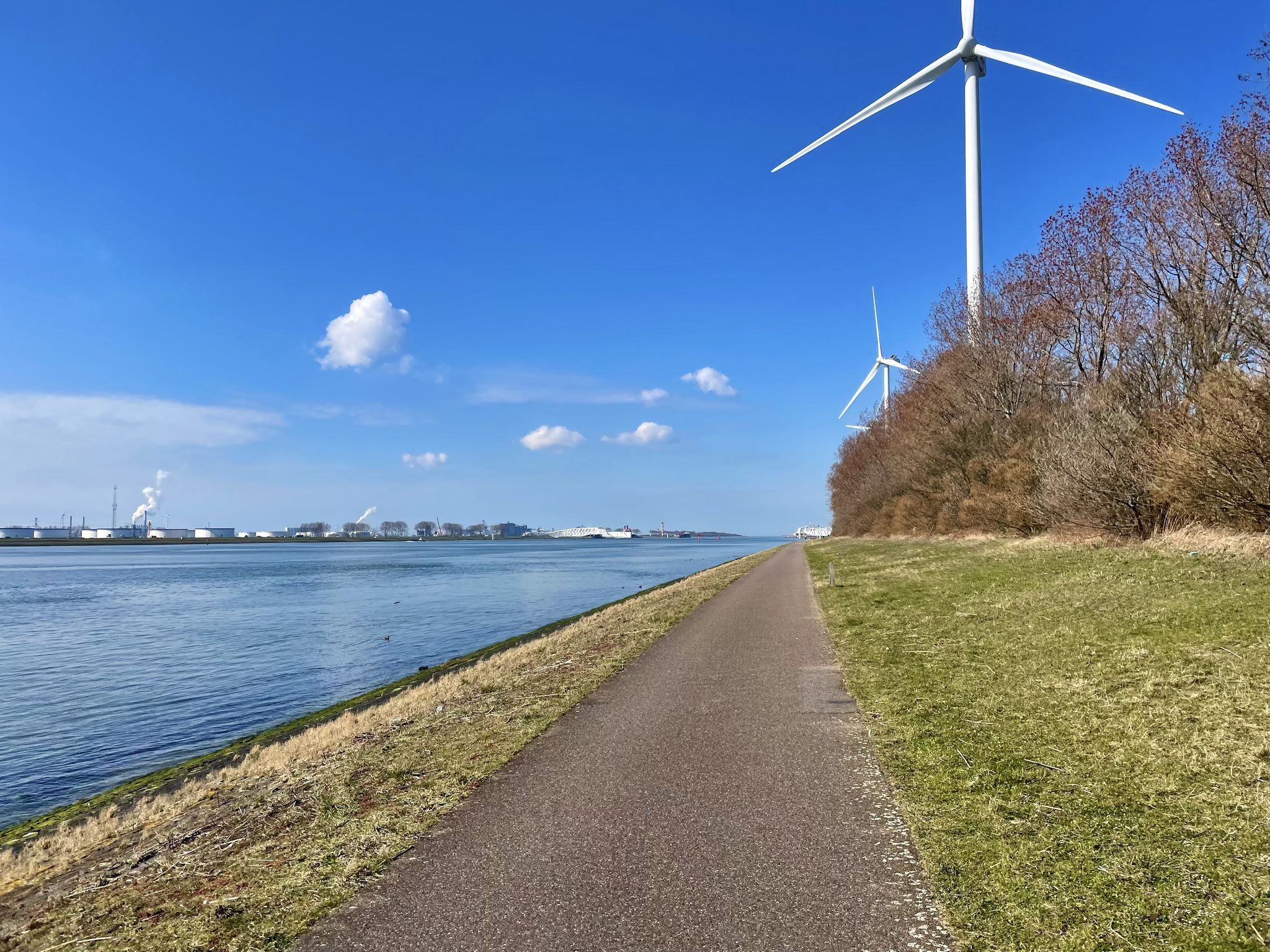
The Meuse Cycle Route - Follow the Meuse from the hills to the harbor
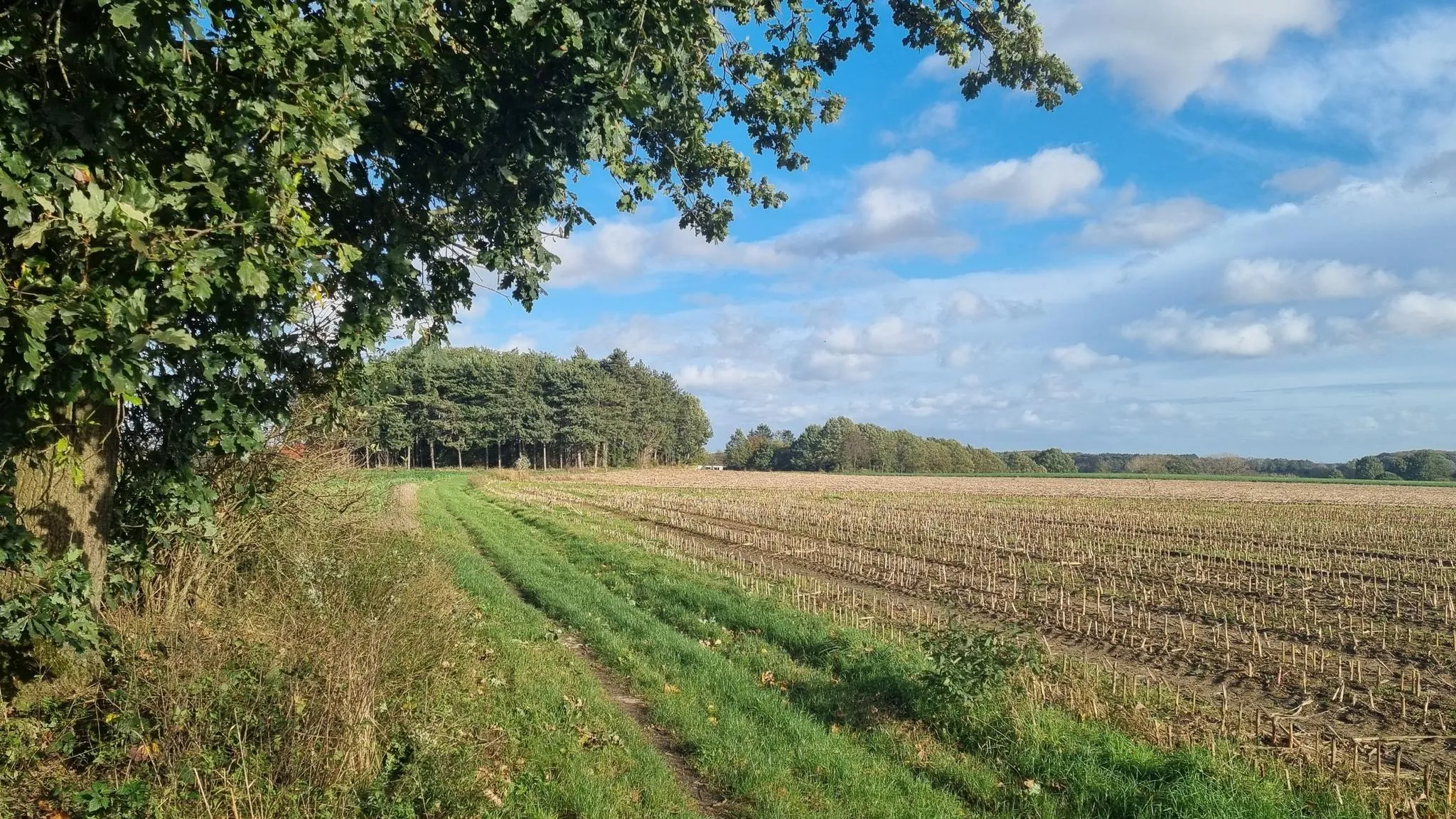
Streek-GR Hageland – Hollow roads and endless fields
Trappist abbeys cycle route – Between beers and heritage
Flanders Divide - Across Flanders

Around the World in 80 Days
From Amsterdam to London - along the North Sea and across the water
The North Sea Coast Cycle Route — Netherlands and Belgium
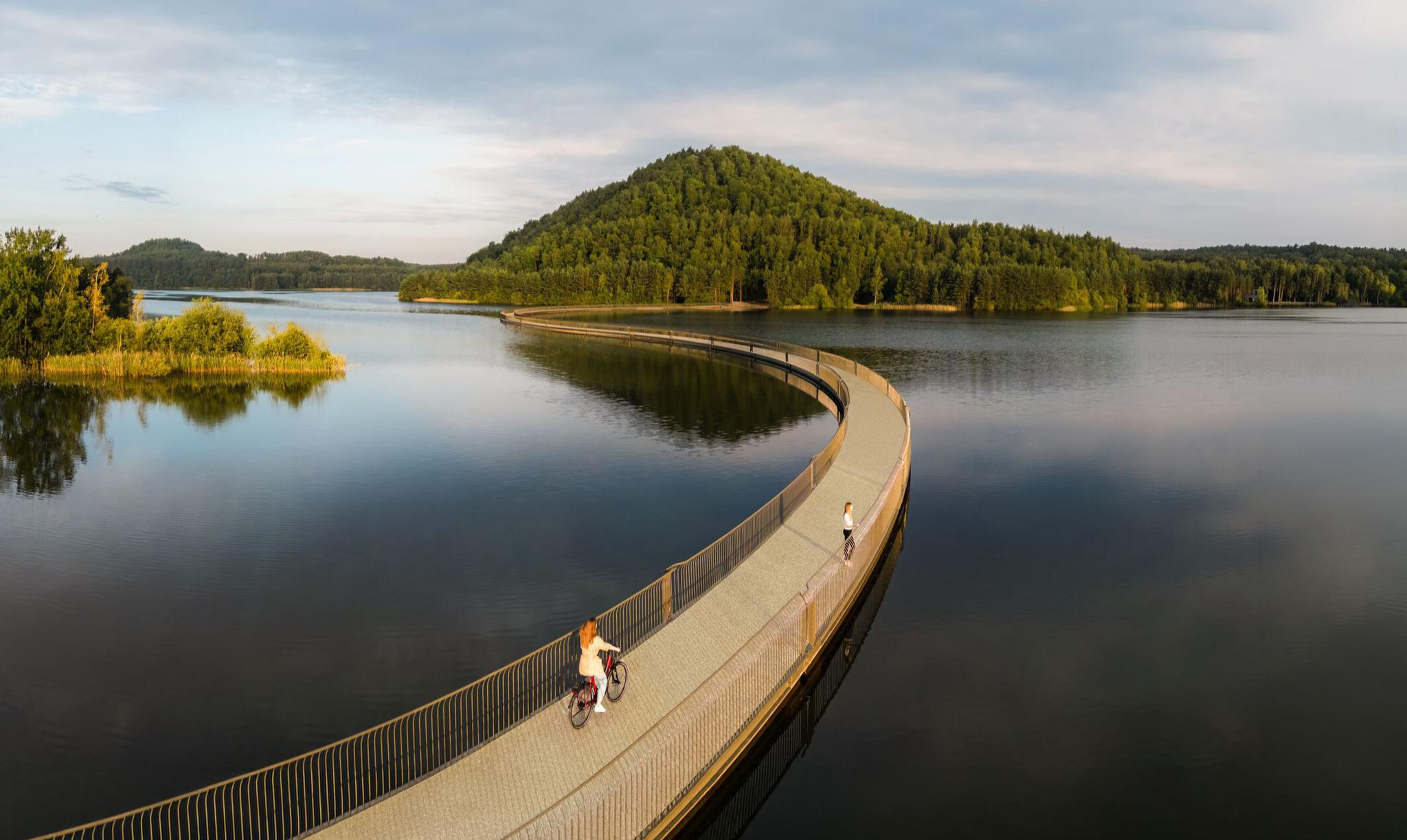
Three days through Belgian Limburg – art, heritage and views
Other adventures in Flanders


Tips from the Community

Park Cerckel is over 800 years old and therefore has a considerable aura. It is wonderful to enjoy nature and the ancient trees. The story of Park Cerckel begins in 1228, when the order of the Friars Minor, one of the oldest monastic communities in Diest, settled on the banks of the Demer. They built a beautiful monastery there. But a large part of the city of Diest was destroyed in 1580 by the armies of William of Orange, and thus also the monastery of the Friars Minor. The troops also looted the tomb of Anne of Lorraine (wife of René of Chalon) at that time. She was later reburied in the Sint-Sulpitiuskerk. In 1583 they returned to Diest and began the reconstruction. But when centuries later the French took over, the monastery was sold publicly, which also meant the end of the Friars Minor of Diest. Only the infirmary and the round arch gate were preserved. When the brewing industry in Diest experienced strong growth in the 19th century, half of the monastery domain was bought up by the Cerckel brewing family. They turned it into a beautiful pleasure garden. Where there were once vegetable gardens, a pond and a bridge were created. The former monastery infirmary was converted into a garden pavilion with an orangery extending from it. When the Cerckel brewery disappeared, the beautiful garden also fell into disrepair. For many years the park was an impenetrable jungle that no one really benefited from. In 1990 the park was bought by the City of Diest. But it took a very long time until the people of Diest could finally enjoy this beautiful park, as it was not until April 2011 that the park was made accessible to the public again. Of course, after a thorough renovation. Source: https://www.staddiest.be/park-cerckel.html
2
0
The Grootberg is an underground marl quarry formed by the extraction of limestone, locally called marl. Marl consists almost entirely of fossil fragments of marine animals and was deposited approximately 66 million years ago in a shallow tropical sea during the Cretaceous geological period.
4
0

The Lourdes Grotto was built by the late Jef Van Dessel, a former Aarschot police officer. He cycled from Aarschot to Lourdes several times. From the book "The Little Houses of Aarschot": This collection of grottoes and chapels is located on the property adjacent to Grotstraat and Kleine Grotstraat... This busy pilgrimage site, which dates back to 1954, can be entered through an iron gate... The plot is demarcated with gray-painted concrete slabs and a wire fence at the rear. Within this fence, trees and shrubs are scattered throughout. Pilgrims can use the numerous seating areas arranged in a theater-like fashion. At the front right of the property is the grotto of Our Lady of Lourdes. A Calvary, also arranged in the form of a grotto, stands centrally on the property. To the left of the Calvary is the chapel of the Brustem Sisters, and to the right is the semi-open chapel of St. Rita. This and more can be found at https://lourdesgrotten.com/2008/11/20/aarschot-grotstraat-20-11-8/
9
0
A Lourdes grotto or Marian grotto is a replica of the grotto of Massabielle near the French town of Lourdes, where the Virgin Mary is said to have appeared to Bernadette Soubirous on February 11, 1858. Copies have been built in many countries for the veneration of Our Lady of Lourdes. These are replicas of what is said to have happened at the grotto. An altar may have been placed inside the grotto. Diagonally above the grotto (on the viewer's right) is a niche containing a white statue of the Virgin Mary with a blue sash and a rosary. In front of the grotto stands a statue of Bernadette, looking upward and kneeling in prayer.
3
1

In 2019, the Lourdes Grotto Committee and the Niel-bij-As parish celebrated the 75th anniversary of their Lourdes Grotto. It is located on Grotstraat (how could it be otherwise). In 1943, Louis Pillards made a solemn promise to Our Lady to make a pilgrimage to Lourdes, but due to the Second World War, he was unable to fulfill his promise. Therefore, he decided to build their own Lourdes Grotto together with his wife Anna Vandeurzen. Anna Berger-Vandeurzen, whose first husband had died and was now married to Louis Pillards, donated the necessary land to the parish, and Louis drew a design sketch for the grotto. Together with a number of volunteers, they traveled by horse and cart to collect pebbles from the heathland on the border between Lanklaar and As. Construction began in 1943, and the grotto was blessed in 1944. Thanks to the Zwartberg mine, they obtained the necessary cement, which was very difficult to obtain in those days. Statues of Mary, Bernadette, and even an angel were provided. In the small tower atop the grotto, there even hung a small bronze bell, which was unfortunately later stolen. On August 15, 1944, the Lourdes grotto was solemnly blessed by the then pastor of Niel, Father Gerstmans. From the very beginning, a grotto committee was established, which to this day ensures the maintenance of the Lourdes grotto and its surroundings, in collaboration with the municipality's technical department. For a long time, Mia Haumont and later Godelieve Meysen took care of the altar and the flowers. In the early years, a hermit even lived in the cottage behind the grotto for a few years. He is known as Brother Boniface. His real name is Tony Vissers. For many years, he was involved in the education of the local youth. The closeness of the Lourdes Grotto to the hearts of many Niel residents is evident in the large attendance at the services, which normally take place on May 1st and August 15th. There is an open-air service at the grotto, followed by a vehicle blessing on August 15th. On the evening of August 14th, there is also a candlelight procession from the church in Niel to the grotto. In May, it is traditional to pray the rosary together at 7:30 PM. This year, we will do this from our homes, united in faith! Want to stop by on your daily bike ride? The Lourdes Grotto in Niel-bij-As is located on the route between cycling junctions 40 and 528.
1
0
The marl caves of Heers are an important hibernation site for numerous bats, including the Bechstein's bat, the Notched Bat, and the Pond Bat. Bat-friendly barriers were installed at the entrances to the caves. In 2014, the Waterkuil was closed off with a steel gate, in which bat silhouettes serve as flight openings. This elegant barrier was designed by Heers artist Frans Vandueren. Initial winter counts already showed that the gate is having an effect.
2
0

Park Cerckel, in the Michel Theysstraat, breathes almost 800 years of history. In 1228, the order of the Friars Minor, one of the oldest monastic communities in Diest, established itself on the banks of the Demer. A large part of Diest was destroyed in 1580 by the troops of William of Orange, including the Friars Minor monastery. Soldiers robbed the tomb of Anna van Lotharingen (wife of René van Chalon). She was later reburied by the city council in the Sint-Sulpitius church. After 3 years of exile, the Friars Minor returned and started rebuilding. At the end of the 18th century, the monastery was sold publicly by the French, which meant the end for the Friars Minor in Diest. Only the infirmary and the round-arched gate were preserved. During the 19th century, the beer industry in Diest experienced strong growth. Brewery family Pieck - later Cerckel - bought about half of the monastery domain and transformed it into a beautiful pleasure garden. The vegetable gardens became a pond with a beautiful wrought iron bridge, the former monastery infirmary was converted into a garden pavilion with an orangery in its extension. When Brewery Cerckel disappeared, the beautiful city garden also fell into disrepair. In 1990, the city of Diest bought the park. With the renovation of the pond, bridge, cave and round arch gate, the park has welcomed the public again since April 2011. The infirmary and orangery are also being restored to their former glory. Source: https://www.diest.be/vrije-tijd/sport/wandelen/park-cerckel
1
0
Frequently Asked Questions
What types of underground sites can I explore in Flanders?
Flanders offers a mix of natural marl caves, such as the Marl Caves of Vechmael, and numerous man-made religious grottoes like the Poelk Grotto. You can also find historical sites with grottoes, like the "love cave" at Park Cerckel.
Are there any natural caves in Flanders with geological significance?
Yes, the Marl Caves of Vechmael are significant. These caves provide access to the remains of a 90-million-year-old seabed, offering a unique glimpse into ancient geological formations.
Which caves in Flanders are important for wildlife conservation?
The Marl Caves of Vechmael are particularly important as a hibernation site for various bat species, including the Bechstein's bat, Notched Bat, and Pond Bat. The entrances are designed with artistic metal plates that allow bats access while restricting human entry to protect these sensitive habitats.
Can I visit religious grottoes in Flanders?
Yes, Flanders has many Lourdes Grottoes, which are man-made replicas of the original Lourdes Grotto in France. Notable examples include the Poelk Grotto, Lourdes Grotto Oostham, and Lourdes Grotto Niel-bij-As. These sites offer a peaceful setting for reflection and are often pilgrimage sites.
Are there family-friendly caves or grottoes to visit in Flanders?
Several sites are considered family-friendly. The religious grottoes, such as Poelk Grotto and Lourdes Grotto Oostham, offer accessible and peaceful environments. Park Cerckel, with its historical elements and green spaces, is also suitable for families.
What historical sites with grottoes can I find in Flanders?
Park Cerckel in Diest is a significant historical site. It contains remains of a Franciscan monastery from 1228 and features a "love cave" within its blend of historical and natural elements. Another unique historical site is the Aquarium Caves in Citadelpark in Ghent, which were once a popular attraction with exotic fish.
What is the best time of year to visit caves in Flanders?
For sites like the Marl Caves of Vechmael, which are bat hibernation sites, it's best to visit during warmer months when bats are not hibernating, typically from spring to early autumn. Religious grottoes and historical parks can be visited year-round, though spring and summer offer more pleasant weather for outdoor exploration.
Are there any caves in Flanders that are accessible for wheelchairs?
While many of the grottoes are open-air or have relatively flat approaches, specific accessibility information for wheelchair users is not widely available for all sites. Religious grottoes often have paved paths leading to them, but the natural marl caves may have uneven terrain. It is advisable to check specific site details before visiting.
What outdoor activities can I do near the caves in Flanders?
Flanders offers a variety of outdoor activities. You can find extensive gravel biking routes, mountain hikes, and road cycling routes throughout the region. Many of these routes pass through scenic landscapes, nature reserves, and historical areas, often near the locations of grottoes and caves.
What do visitors enjoy most about the caves and grottoes in Flanders?
Visitors appreciate the unique blend of natural beauty and historical significance. The Marl Caves of Vechmael are valued for their ecological importance and ancient geology. Religious grottoes like Poelk Grotto are cherished for their peaceful atmosphere and spiritual significance. Historical sites like Park Cerckel offer a tranquil escape with a rich past.
Are there any hidden gem grottoes in Flanders worth discovering?
Beyond the more well-known sites, smaller grottoes like the Grotto of the Virgins of Brustem or the Grotto of Our Lady of Lourdes offer serene and less crowded experiences. These often hold local historical or community significance and provide a quiet place for contemplation.
Most popular routes in Flanders
Most popular attractions in Flanders

Get inspired with the komoot mobile app


Didn’t find what you were looking for?
Discover more caves in Flanders region by region:
Explore more
Extend your search for the best caves by checking out these guides of the top ones in Flanders:
