Top 7 Natural Monuments around Yerres
Best natural monuments around Yerres are found in the Essonne department of France, characterized by its proximity to the Forêt de Sénart and the Yerres River. This region offers a blend of expansive forests, landscaped parks, and riverine islands. These natural areas provide opportunities for outdoor activities and showcase local biodiversity.
Best natural monuments around Yerres
- The most popular natural monuments is Chêne des Bruyères, a forest highlight featuring a majestic, century-old oak tree. This natural monument, present since…
Last updated: June 26, 2026
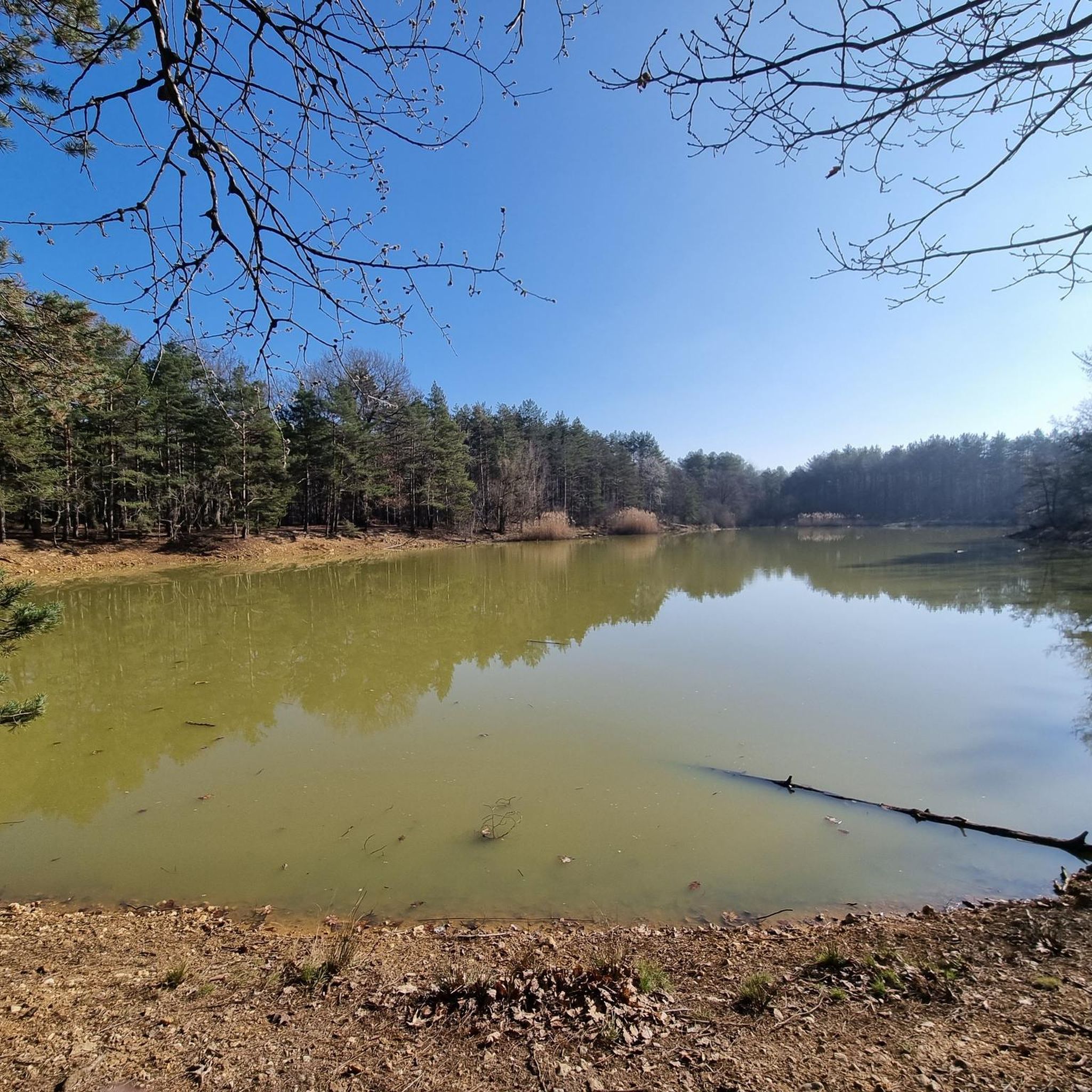
Rut Pond
Highlight • Lake
Translated by Google •
Tip by

Chêne des Bruyères
Highlight • Forest
Translated by Google •
Tip by
Sign up now to discover places like this
Get recommendations on the best single tracks, peaks, & plenty of other exciting outdoor places.
Sign up for free
Chêne d'Antin
Highlight • Natural Monument
Translated by Google •
Tip by

The Oak of the Eight Roads
Highlight • Natural Monument
Translated by Google •
Tip by

The Great Tree of Sénart
Highlight • Natural Monument
Translated by Google •
Tip by

Sign up for free to discover even more natural monuments around Yerres.
Sign up for free
Already have an account?
Start today with a free account
Your next adventure awaits.
Login or Signup


Tips from the Community

ONF will plant a young oak tree in the middle of the Antin oak tree.
0
0


The tree is unfortunately no more… 😕
0
0

Unfortunately he fell. He had had his day!
0
0

In the Grosbois regional forest, a majestic oak tree stands proudly among the heather, well marked by an explanatory sign. This century-old oak tree, nestled in the heart of the forest, is a true natural monument and shows the richness and biodiversity of this wooded area. This site is accessible via a hiking trail.
1
0

Its originality and beauty!
0
0

With a diameter of 1.70 m, this oak is 500 years old.
0
0

A big and beautiful majestic tree!
0
0
Frequently Asked Questions
What natural features can I explore around Yerres?
The Yerres region offers a diverse range of natural features. You can explore the expansive Forêt de Sénart with its ancient oak groves and wetlands, the landscaped Parc Caillebotte bordered by the Yerres River, and the renaturalized Île Panchou. Specific natural monuments include the majestic Chêne des Bruyères, the biodiverse Rut Pond, and the prominent Chêne d'Antin.
Are there opportunities for hiking near the natural monuments in Yerres?
Yes, the Forêt de Sénart offers extensive walking and cycling paths, perfect for exploring. You can find various hiking routes, including moderate trails like the "TGVal Path – Réveillon Valley loop" or the "Mount Griffon – Mont Griffon Summit loop." For more options, check the Hiking around Yerres guide.
What kind of wildlife can be observed in the natural areas around Yerres?
The Forêt de Sénart is rich in biodiversity, supporting large mammals like wild boars, deer, and foxes, as well as various birds, insects, reptiles, and amphibians. The wetlands and peat bogs within the forest are particularly vibrant. Rut Pond is also home to a rich array of birds, unique plant species, and amphibians.
Are there any family-friendly natural monuments in the Yerres region?
Absolutely. The Parc Caillebotte offers peaceful walks and picnicking opportunities in a beautiful setting. Île Panchou provides tranquil green spaces and new viewpoints suitable for family strolls. Highlights like Rut Pond, Chêne d'Antin, and The Oak of the Eight Roads are also categorized as family-friendly.
What historical or cultural aspects are associated with Yerres' natural monuments?
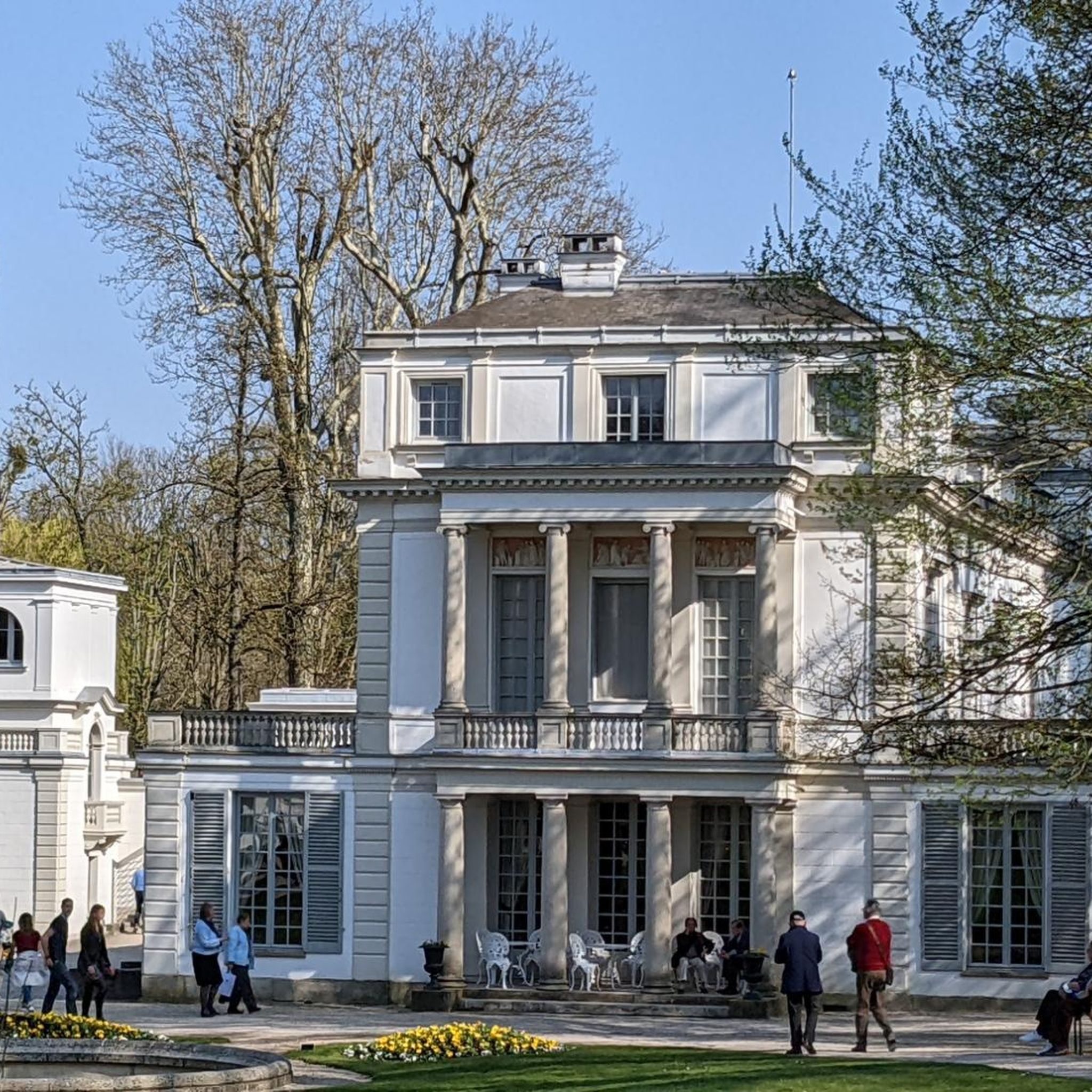
The Forêt de Sénart has a rich history as a royal hunting ground since 1314, with early forest protection rules dating back to 1346. The Faisanderie de Sénart, built under Louis XVI, now serves as a forest information center. The Parc Caillebotte is significant as it inspired the Impressionist painter Gustave Caillebotte, who painted many of his famous works there between 1860 and 1879.
Can I go cycling near the natural monuments in Yerres?
Yes, the region offers excellent cycling opportunities. The Forêt de Sénart has extensive paths suitable for cycling. You can find various routes, including easy options like the "Pond in Sénart Forest loop" or more challenging ones like the "Heather Oak – La Prairie de Servon loop." Explore more routes in the Cycling around Yerres guide.
What do visitors enjoy most about the natural monuments around Yerres?
Visitors particularly appreciate the accessibility to nature, the rich biodiversity, and the peaceful atmosphere. The majestic ancient oak trees like Chêne des Bruyères are often highlighted for their beauty and historical presence. The tranquil ponds and expansive forests provide a refreshing escape, and the renaturalization efforts at Île Panchou are also well-received.
Are there any lesser-known natural gems worth discovering in the Yerres area?
While the main sites are popular, exploring the smaller trails within the Forêt de Sénart can reveal hidden corners and unique natural spots. The ongoing renaturalization of Île Panchou is transforming it into a true haven of nature, offering new viewpoints and a rejuvenated ecosystem that might be considered a hidden gem by some.
What is the best time to visit the natural monuments around Yerres?
The natural monuments around Yerres can be enjoyed throughout the year. Spring brings blooming flora, while autumn offers vibrant foliage in the forests. Summer is ideal for longer walks and picnics, and even winter provides a serene, peaceful atmosphere for those seeking quiet contemplation. Always check local weather conditions before your visit.
How can I get to the natural sites near Yerres using public transport?
Yerres is well-connected, and many natural sites, including parts of the Forêt de Sénart and Parc Caillebotte, are accessible via public transport. For specific routes and schedules, it's recommended to consult local transport services or the official Visit Paris Region website for detailed information on reaching the Forêt de Sénart: visitparisregion.com.
Are there any natural monuments that serve as good entry or exit points for the Forêt de Sénart?
Yes, Chêne d'Antin, a large oak tree at the edge of the forest, is known to be a good entry or exit point for the Forêt de Sénart, making it convenient for visitors starting or ending their forest explorations.
What is the significance of the Île Panchou in Yerres?
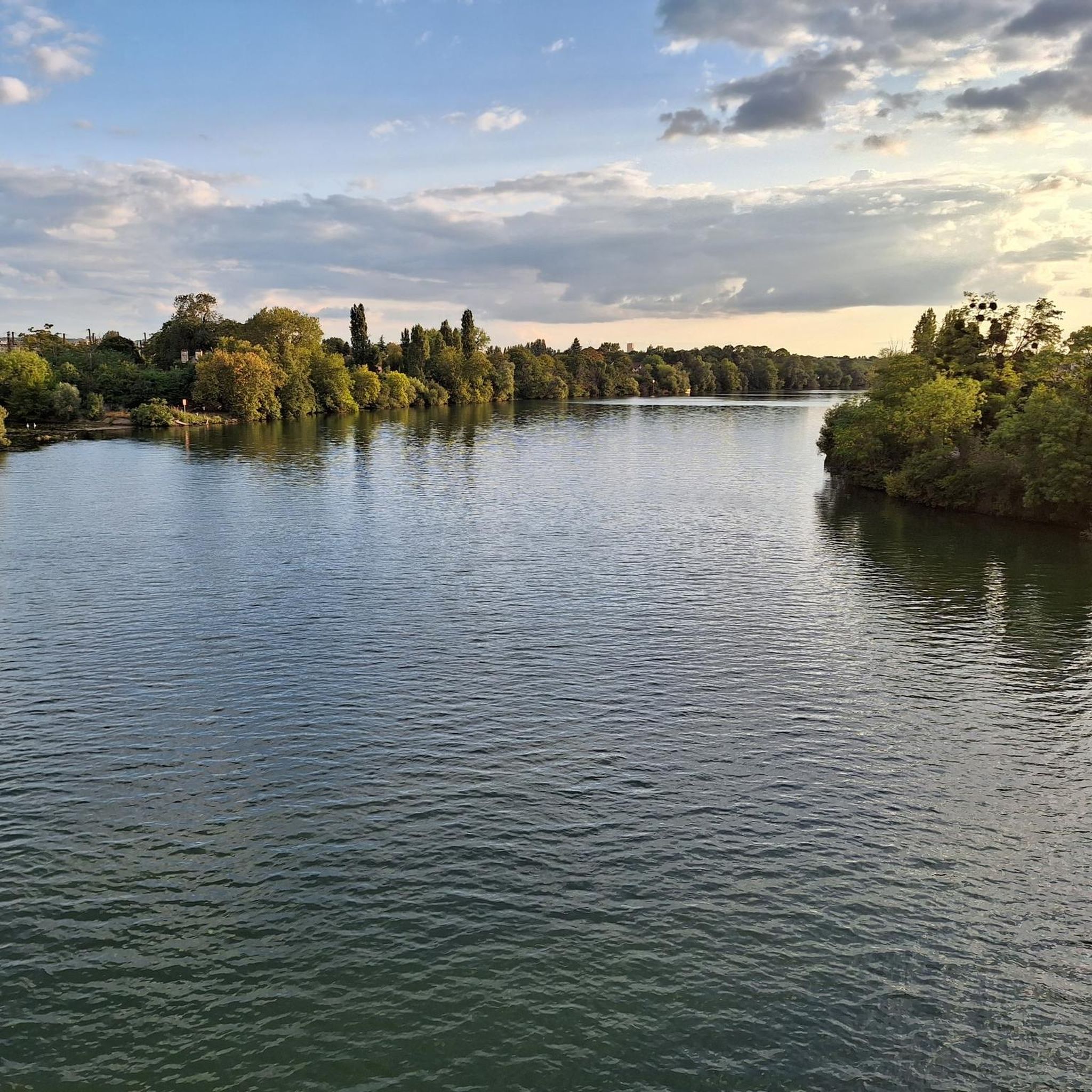
Île Panchou is an 8-hectare island in the center of Yerres, classified as a "sensitive natural space." It's significant for its successful renaturalization project, which involved lowering the Serraven dam to restore the Yerres River's natural flow, enhancing biodiversity, and creating new permeable paths and viewpoints. It's a testament to ecological restoration efforts.
Most popular attractions around Yerres

Get inspired with the komoot mobile app


Explore more
Extend your search for the best caves by checking out these guides of the top ones around Yerres:
