The best gravel rides around Villaviciosa De Córdoba
5.0
(2)
51
riders
8
rides
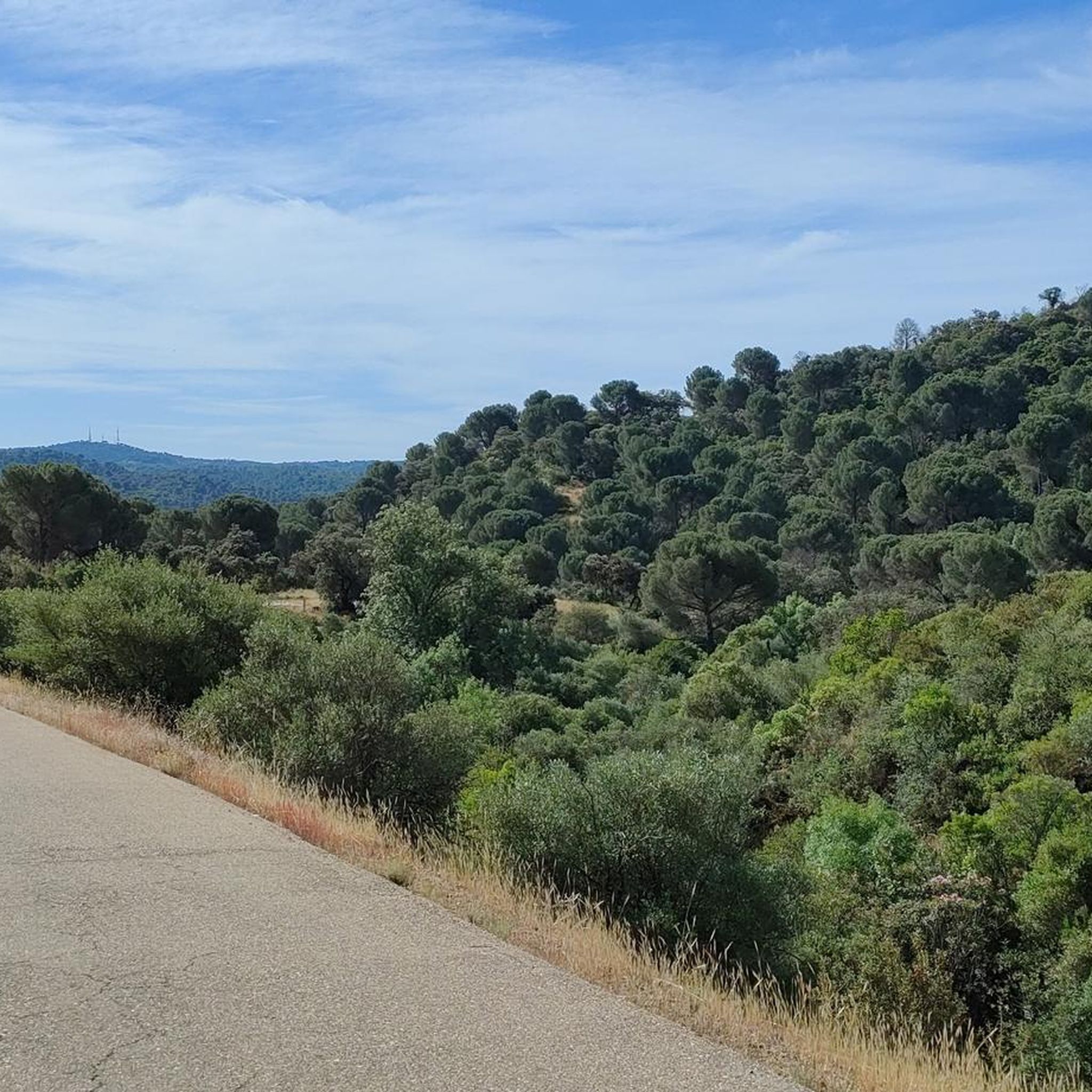
Gravel biking around Villaviciosa de Córdoba offers diverse terrain within the Sierra Morena mountain range. The landscape features rolling hills, dense Mediterranean forests, and significant elevation changes, providing varied routes for cyclists. Prominent natural features include the Puente Nuevo Reservoir, which integrates into scenic routes, and extensive woodlands offering shaded paths. This region is characterized by its natural ecosystems and varied topography.
Best gravel bike trails around Villaviciosa De Córdoba
- The most popular gravel bike trail is San Lorenzo Church…
Last updated: July 11, 2026
13
riders
Moderate gravel ride. Good fitness required. Mostly paved surfaces. Suitable for all skill levels.
4
riders
Hard gravel ride. Very good fitness required. You may need to push your bike for some segments of this route.

Sign up for free
5
riders
94.8km
07:48
1,690m
1,690m
Hard gravel ride. Very good fitness required. Mostly paved surfaces. Suitable for all skill levels.
4
riders
31.4km
02:15
570m
570m
Hard gravel ride. Very good fitness required. Mostly paved surfaces. Suitable for all skill levels.
5.0
(2)
16
riders
48.7km
03:36
980m
980m
Hard gravel ride. Very good fitness required. Mostly paved surfaces. Suitable for all skill levels.
Get access to more routes and recommendations from other explorers.
Sign up for free
Already have an account?
Our route recommendations are based on thousands of hikes, rides, and runs completed by other people on komoot.
Start today with a free account
Your next adventure awaits.
Login or Signup
Tips from the Community

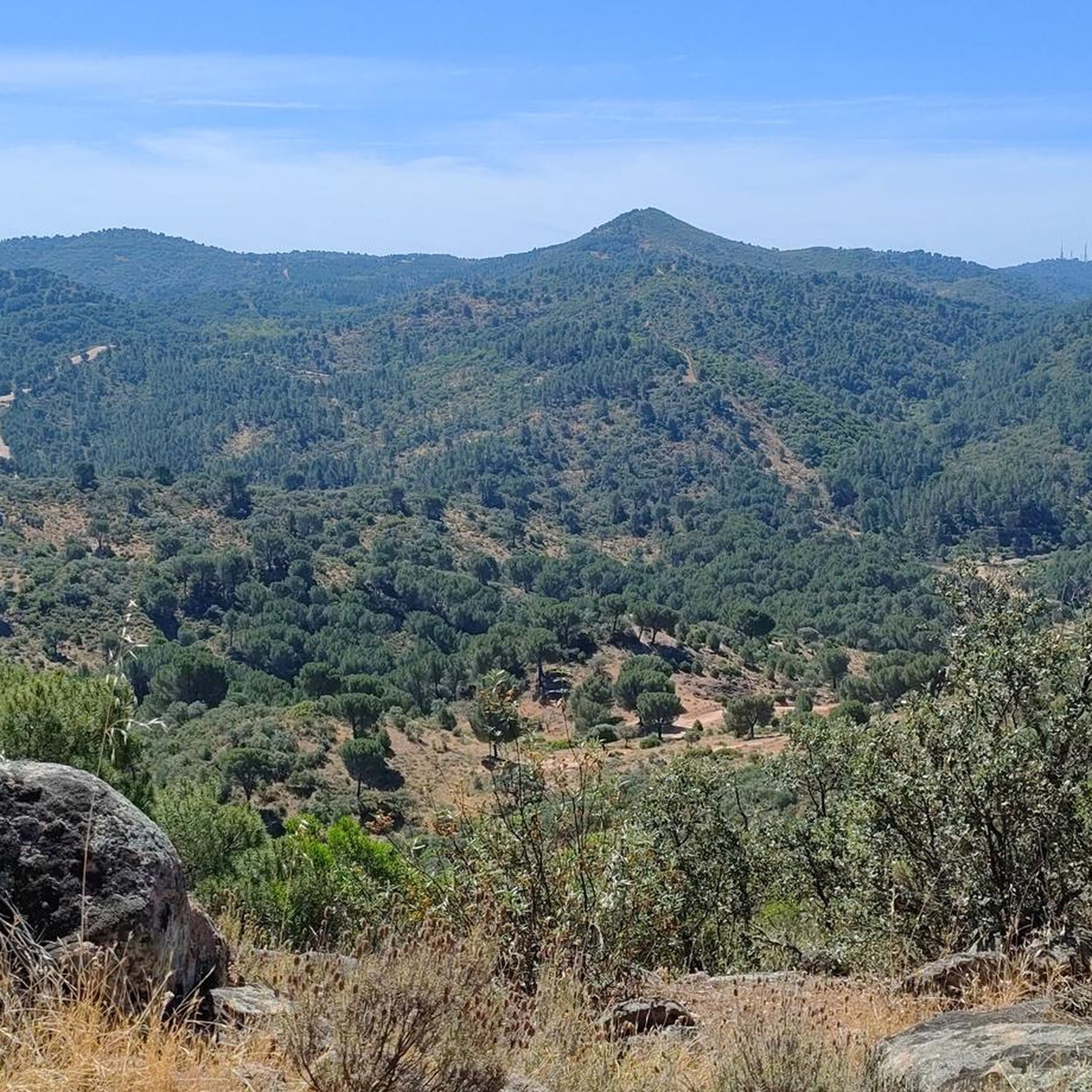
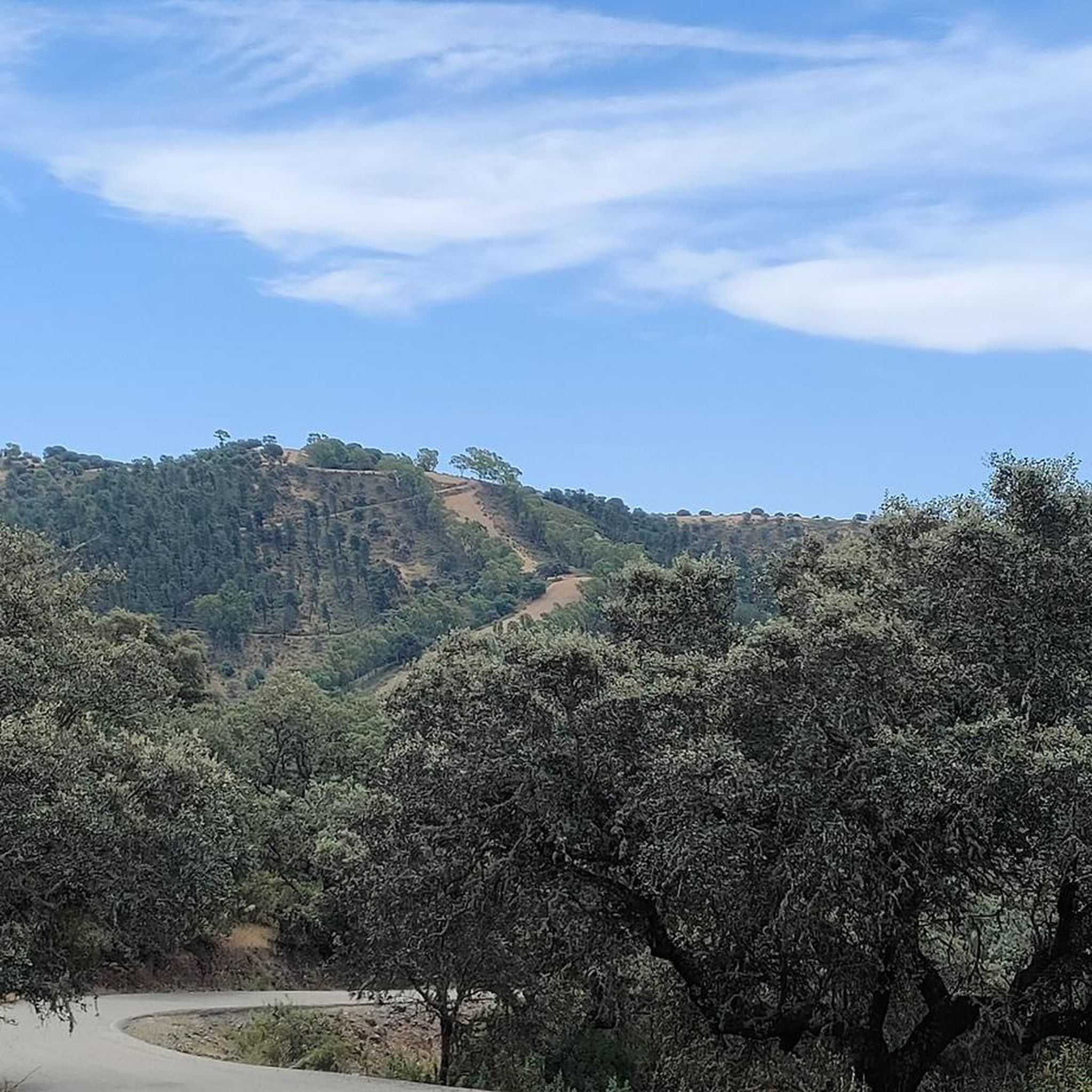
This small road is located very close to the city of Córdoba, right in the Sierra Morena. The asphalt winds through a beautiful holm oak forest, making it ideal for cycling. Proof of this is the fact that La Vuelta usually passes through here.
1
0

One of the most legendary climbs in the Sierra de Córdoba, well-known for both hiking and mountain biking. It's a tough, consistent climb, very popular with local cyclists and races like the Andalucía Bike Race and the Guzmán el Bueno (the latter often runs it in the opposite direction). The Cuesta del Reventón ascends towards the Ermitas de Córdoba, a classic panoramic viewpoint. It's a wide, rocky path with a steep incline, frequently used by cyclists and hikers. Approximate length: between 2.7 km (classic route) and 4.7 km depending on the mountain bike variant. Elevation gain: between 155 m and 486 m, depending on the route.
3
0
The Church of San Pedro (now the Minor Basilica of San Pedro) is one of the oldest and most historic churches in Córdoba. It was built on the remains of a 4th-century basilica that housed the remains of the Cordoban martyrs Januarius, Martial, and Faustus. After the Christian conquest (1236), Ferdinand III ordered its construction between the 13th and 14th centuries, forming part of the Ferdinandine churches.
2
0
The Mosque-Cathedral of Córdoba is one of the most impressive monuments in the world, a symbol of Islamic art in the West and a UNESCO World Heritage Site since 1984. It was originally the Visigothic Basilica of San Vicente, shared by Christians and Muslims. In 784, Abd al-Rahman I began construction of the mosque, which was expanded by his successors: Abd al-Rahman II, Abd al-Rahman III, Al-Hakam II, and Almanzor. After the Christian Reconquista in 1236, it was consecrated as the Cathedral of the Assumption of Our Lady, and in 1523 a Renaissance basilica was built inside.
15
0


Located on the Caño Escaravita estate, just beyond the outlying neighborhood of Santa María de Trassierra. We found it in the western Sierra peri-urban district, next to the crossroads leading to the Ermitas and the Mirador de las Niñas, about fifteen kilometers from Córdoba. This is a zoomorphic water fountain on a pedestal from the Caliphate period, dating back to the 10th century. The sculpture represents a small elephant. Made of gray limestone from the Sierra Morena, it served as a support for the spout. The fountain is made up of three components: a water collection basin, a masonry pillar attached to it on its north side (which leads to a masonry irrigation ditch), and a rectangular pool located to the west of the canal. https://amedinacordoba.com/fuente-del-elefante/
1
0
A waterfall known as the "first spring of the Bejarano," whose water flow has always been active. There are few remains of an ancient structure from which the water flows: the aquifer catchment. The Romans knew how to harness this important spring, unique in these mountains, due to the large amount of water it provides every season (estimated at 20,000 to 35,000 m3/day). (Source: https://www.conocetusfuentes.com/ficha_detalle.php?id_fuente=10057)
1
0

The Torre Campanario (Clock Tower) is an important architectural monument located in the Mezquita-Catedral (Mosque-Cathedral). Originally built as an Islamic minaret, it was converted into a bell tower after the Christian conquest. At 54 meters high, it is the tallest building in the city. The tower has undergone several renovations and additions over the centuries, including the work of architects Hernán Ruiz III, Juan Sequero de Matilla and Gaspar de la Peña. The current structure has a clock and a statue of Saint Raphael on top.
8
0
Frequently Asked Questions
How many gravel bike trails are available in Villaviciosa De Córdoba?
There are 8 gravel bike trails available around Villaviciosa De Córdoba. These routes offer a mix of moderate and difficult options, with 3 routes rated as moderate and 5 as difficult, providing varied experiences for different skill levels.
What is the best time of year for gravel biking in Villaviciosa de Córdoba?
Villaviciosa de Córdoba, with its Mediterranean climate, is generally pleasant for gravel biking outside of the hottest summer months. Spring and autumn offer ideal conditions with milder temperatures and lush landscapes. Winter can also be suitable, though some trails might be wetter.
What kind of terrain can I expect on the gravel trails in Villaviciosa de Córdoba?
The gravel trails in Villaviciosa de Córdoba traverse the diverse landscapes of the Sierra Morena mountain range. You can expect rolling hills, dense Mediterranean forests, and significant elevation changes. Routes often feature winding paths through woodlands and scenic sections near natural water bodies like the Puente Nuevo Reservoir.
Are there any challenging gravel routes for experienced riders?
Yes, Villaviciosa de Córdoba offers several challenging gravel routes. For instance, the Arroyo Bejarano – Reventón Climb loop from Cerro Muriano is a difficult route spanning over 94 km with significant elevation gain. Another demanding option is the Reventón Climb – Arroyo Bejarano loop from Los villares, covering nearly 49 km with almost 1000 meters of ascent.
What natural features or landmarks can I see along the gravel bike trails?
Many gravel routes in the region pass by notable natural features and historical sites. You might encounter the Elephant Fountain, various springs like the First Spring of the Bejarano Stream, or the Alcubilla Spring. The area is also rich in historical heritage, with sites like the Molino del Molinillo.
Are there any waterfalls I can visit while gravel biking?
Yes, the Baños de Popea Waterfalls are a significant natural attraction in the area, often accessible from or near gravel biking routes. These waterfalls are complemented by nearby Moorish mill ruins, offering a unique blend of natural beauty and history.
Are there any circular gravel bike routes available?
Yes, several routes in the area are designed as loops. Examples include the San Lorenzo Church – Mosque–Cathedral of Córdoba loop from Distrito Norte Sierra, a moderate 23 km ride, and the more challenging Los Villares Campsite – Elephant Fountain loop from Plaza del Centro Cívico, which is 32 km long.
Is there parking available near the gravel trailheads?
While specific parking details for every trailhead are not provided, Villaviciosa de Córdoba is a destination that embraces 'slow tourism,' suggesting that facilities for visitors, including parking, are generally available. Many routes start from towns or villages like Cerro Muriano or Los Villares, where public parking options are typically found.
Can I reach the gravel trails using public transport?
Villaviciosa de Córdoba is a rural area, and while local bus services connect it to larger towns like Córdoba, direct public transport access to specific, remote trailheads might be limited. It's advisable to check local bus schedules and routes in advance if you plan to rely on public transport to reach your starting point.
What do other gravel bikers say about the trails in Villaviciosa de Córdoba?
The komoot community highly rates the gravel biking experience in Villaviciosa de Córdoba, with an average score of 5.0 stars. Riders often praise the region's diverse natural landscapes, the challenging yet rewarding terrain, and the opportunity to explore dense Mediterranean forests and scenic reservoirs.
Are there any family-friendly gravel biking options?
While many routes in Villaviciosa de Córdoba are rated moderate to difficult due to elevation changes and terrain, some sections or shorter loops might be suitable for families with older children or those accustomed to off-road cycling. It's recommended to review the route profiles, especially for distance and elevation, to determine suitability for your family.
What are some of the longer gravel routes in the region?
For those seeking longer rides, the Arroyo Bejarano – Reventón Climb loop from Cerro Muriano stands out at over 94 km. Another substantial option is the Reventón Climb – Arroyo Bejarano loop from Los villares, which covers approximately 49 km.
Most popular routes around Villaviciosa De Córdoba
Most popular attractions around Villaviciosa De Córdoba

Get inspired with the komoot mobile app


Explore more
Browse the best Gravel rides in other regions.
