The best gravel rides around Velliza
4.3
(4)
13
riders
5
rides
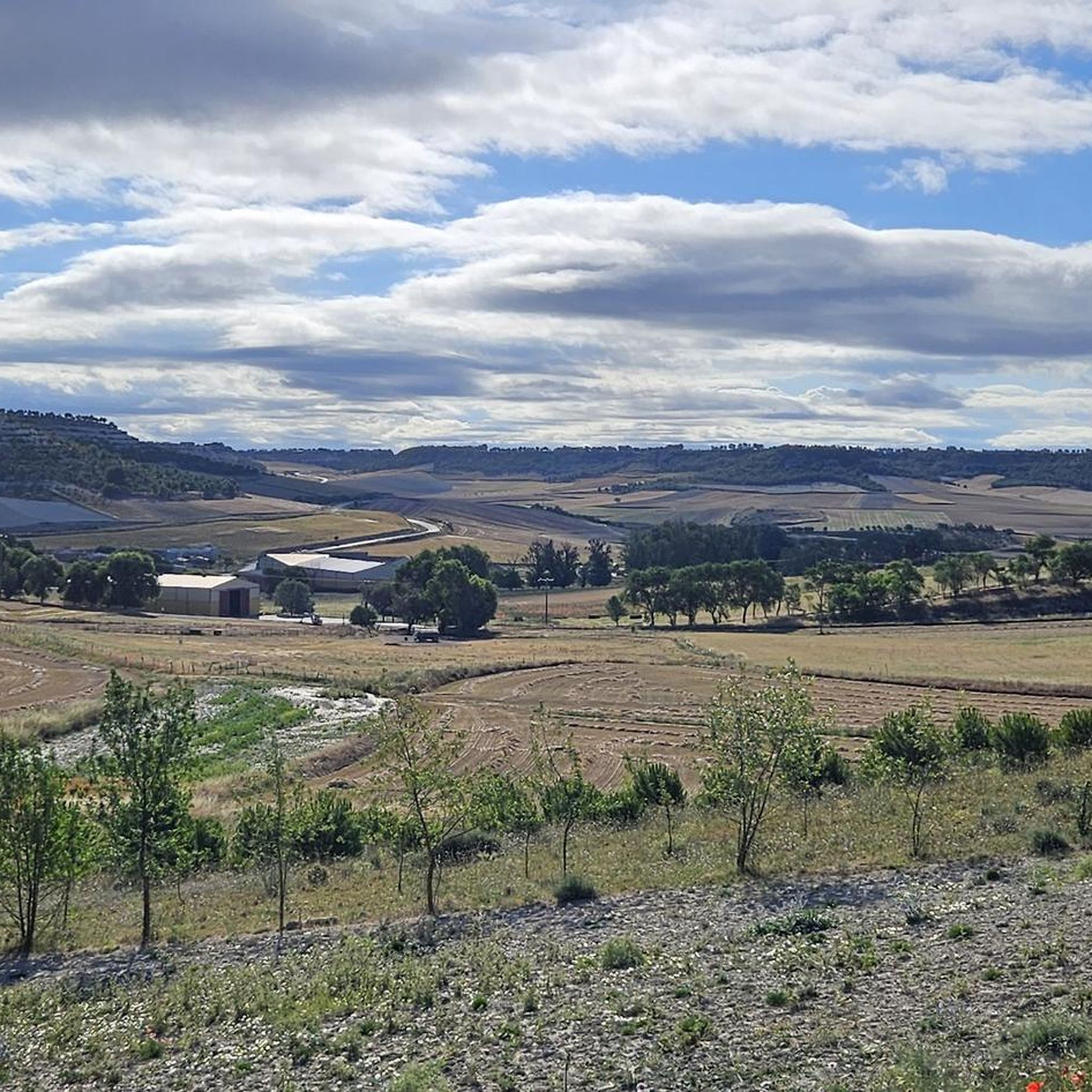
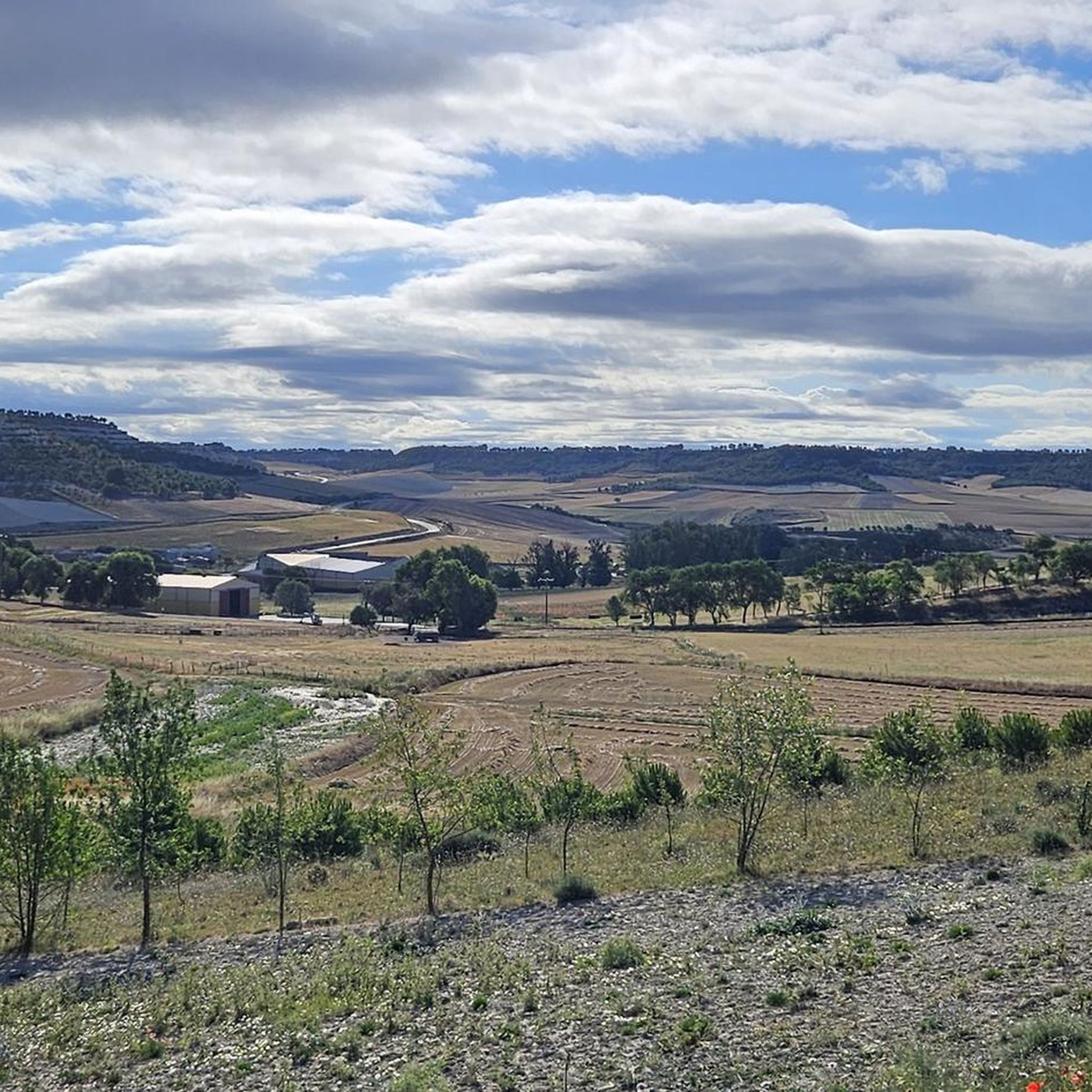
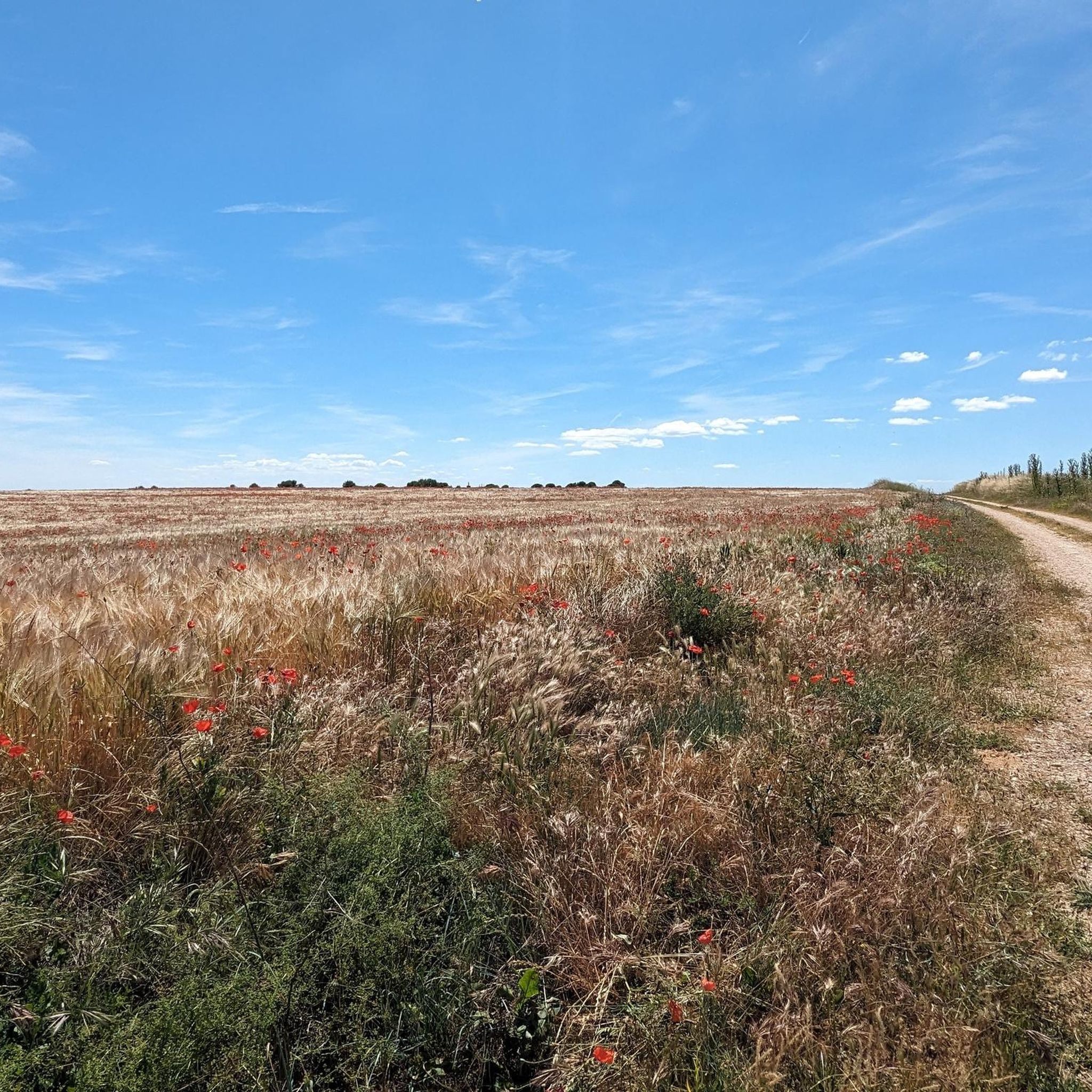
Gravel biking around Velliza offers routes through the Montes Torozos region, characterized by undulating terrain, expansive moors, and small valleys. The landscape features remnants of holm oak and oak forests, alongside páramos and cereal fields. Riverine paths, likely near the Pisuerga and Duero rivers, also contribute to the varied cycling environment. This diverse geography provides a mix of gradients and surfaces suitable for gravel cycling.
Best gravel bike trails around Velliza
- The most popular gravel bike trail is Castillo de…
Last updated: July 11, 2026
5.0
(2)
4
riders
53.6km
04:11
370m
370m
Moderate gravel ride. Good fitness required. Mostly paved surfaces. Suitable for all skill levels.
2
riders
Moderate gravel ride. Good fitness required. Mostly paved surfaces. Suitable for all skill levels.

Sign up for free
3.0
(1)
1
riders
16.9km
01:12
210m
210m
Moderate gravel ride. Good fitness required. Mostly paved surfaces. Suitable for all skill levels.
5.0
(1)
5
riders
58.3km
03:49
160m
160m
Moderate gravel ride. Good fitness required. Mostly paved surfaces. Suitable for all skill levels.
1
riders
Moderate gravel ride. Good fitness required. Mostly paved surfaces. Suitable for all skill levels.
Our route recommendations are based on thousands of hikes, rides, and runs completed by other people on komoot.
Start today with a free account
Your next adventure awaits.
Login or Signup

Tips from the Community

Stop and take a picture
0
0

Declared a Site of Cultural Interest (BIC) on December 7, 1983, this church is located in the heart of Tordesillas (Valladolid), one of the town's most iconic landmarks and the largest in the entire municipality. It is believed to have been built on the site of the former Tordesillas mosque. The main construction took place between the 16th and 17th centuries, with additions continuing into the 18th century. The church combines Gothic elements (the apse and the lower sections of the tower) with Neoclassical renovations inspired by El Escorial. Today, it serves as the headquarters for several Holy Week brotherhoods, housing processional floats such as the Virgin of Solitude and the Christ of Mercy.
5
0
The Church of Our Lady of the Assumption in Rueda (Valladolid) is a prominent 18th-century Baroque church that, together with its Renaissance tower, shines in the heart of the town. It was designed by the architect Manuel Serrano and built in the mid-18th century; the main portal and altarpiece are attributed to Pedro de Sierra. The five-tiered tower dates from the earlier Renaissance construction and was preserved in the new structure. Declared a Site of Cultural Interest (monument) on October 17, 2013.
2
0

The building, constructed between the 16th and 18th centuries, began in the Gothic style and finished in the Neoclassical. Another striking feature is its tower, the tallest in the city. The Baroque-era organ is considered one of the finest in the region, both for its design and its state of preservation.
6
0
The medieval bridge over the Duero River, with its perfectly aligned arches, connects the historic center to the opposite bank. The monumental skyline of Tordesillas, highlighting the Plaza Mayor, the Casas del Tratado (Houses of the Treaty), and the Monastery of Santa Clara, all framed by reddish rooftops and the silhouette of the Church of San Antolín. The Duero River winds beneath the bridge, its reflections shifting with the changing light, creating a highly photogenic scene. Natural surroundings: riverside vegetation and, in autumn, golden hues that enhance the scenery.
6
0
The view of the Stone Bridge and Tordesillas from the viewpoint on Avenida de Portugal is considered one of the most beautiful panoramas of the town.
6
0
The historic center of Tordesillas is one of the most emblematic ensembles in Castile and León, steeped in history and traditional architecture. Here are the main points of interest: Treaty Houses and Treaty Museum The famous Treaty of Tordesillas (1494), which divided the lands of the New World between Spain and Portugal, was signed here. The museum includes original documents, antique maps, and scale models. Santa Clara Monastery A National Monument since 1931. A prime example of Mudéjar architecture, originally a 14th-century royal palace. It houses a church and a museum with historical artifacts. San Antolín Church Museum A 16th-17th century Gothic church. Works by Juan de Juni, Pedro de Mena, and Gregorio Fernández. Main altarpiece and Baroque sculptures. Plaza Mayor (Main Square) The heart of the town, surrounded by arcades and traditional architecture. A venue for markets and historical celebrations.
6
0

It is an architectural gem. Currently you cannot pass through it because it is under construction, you have to go over the previous bridge.
0
0
Frequently Asked Questions
How many gravel bike trails are available around Velliza?
There are 5 curated gravel bike routes around Velliza, all offering a moderate challenge suitable for experienced riders. These routes allow you to explore the diverse landscapes of the Montes Torozos region.
What kind of terrain can I expect on gravel rides near Velliza?
The gravel routes around Velliza traverse a varied landscape, including expansive moors, small valleys, and rolling hills. You'll encounter sections through holm oak and oak forests, alongside riverine paths, and across open cereal fields, providing a mix of surfaces and scenic vistas.
What is the typical difficulty level of gravel routes in Velliza?
All the gravel routes around Velliza are classified as moderate. This means they are suitable for riders with some experience, offering a good balance of distance, elevation gain, and varied terrain without being overly technical.
Are there any shorter gravel routes suitable for a quicker ride?
Yes, for a shorter gravel ride, consider the Town Hall Square, Velliza loop from Aeródromo Beatriz Cantos Matilla. This route covers approximately 16.8 km with around 210 meters of elevation gain, making it a great option for a few hours out.
What historical sites or landmarks can I explore while gravel biking near Velliza?
Several routes pass by significant historical sites. For instance, the Castillo de Simancas – Senda del Duero - GR14 loop from Tordesillas takes you past the impressive Castillo de Simancas. Another route, the Simancas – Simancas Stone Bridge loop from Simancas, features the historic Simancas Stone Bridge. The Tordesillas Historic Center – Historic Center of Tordesillas loop from Tordesillas explores the charming Historic Center of Tordesillas, home to the Royal Convent of Santa Clara.
Are there any circular gravel routes available?
Yes, all the gravel routes listed for Velliza are circular loops. This allows for convenient starting and ending points, such as the Castillo de Simancas – Senda del Duero - GR14 loop from Tordesillas or the Tordesillas Historic Center – Historic Center of Tordesillas loop from Bodega de vinos Copaboca.
What do other gravel bikers enjoy the most about gravel biking in Velliza?
The area is highly rated by the komoot community, with an average score of 4.3 stars. Reviewers often praise the diverse and undulating terrain of the Montes Torozos, the scenic views over páramos and cereal fields, and the opportunity to combine cycling with exploring historical sites like castles and monasteries.
What is the best time of year for gravel biking in Velliza?
The Montes Torozos region generally offers pleasant conditions for gravel biking during spring and autumn, when temperatures are milder. Summer can be hot, while winter might bring colder temperatures, though the varied terrain remains accessible year-round.
Are there any routes that follow river paths?
Yes, the region is known for its riverine paths, particularly along the Pisuerga and Duero rivers. The Castillo de Simancas – Senda del Duero - GR14 loop from Tordesillas incorporates sections of the Senda del Duero and GR14, offering picturesque views along the river.
Can I find routes that pass through forested areas?
Absolutely. The landscape around Velliza features remnants of holm oak and oak forests, as well as the notable Pinar de Antequera. Many gravel routes will take you through these wooded sections, providing natural cover and a different riding experience.
Most popular attractions around Velliza

Get inspired with the komoot mobile app


Explore more
Browse the best Gravel rides in other regions.
