The 4 Most Amazing Peaks around Bellmunt Del Priorat
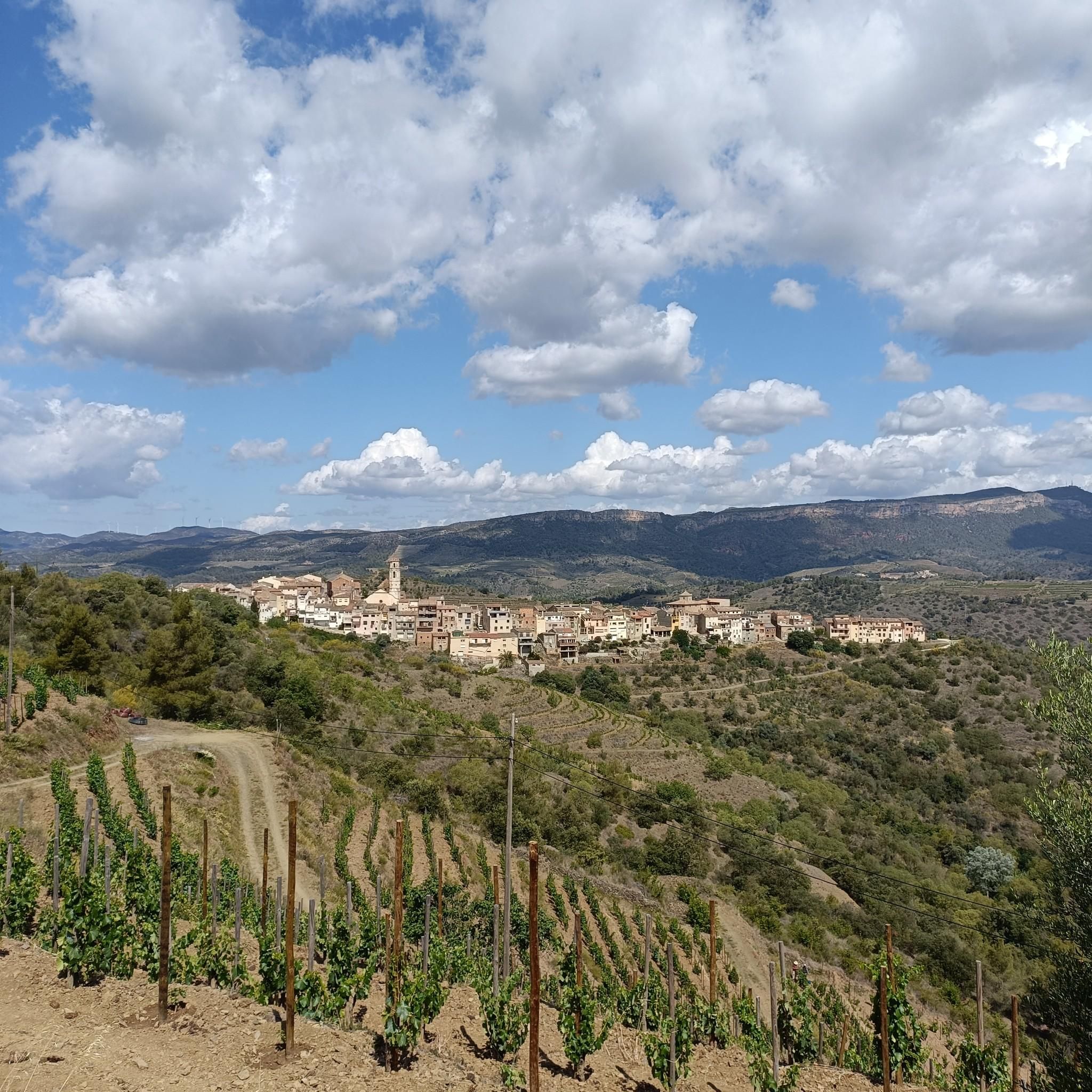
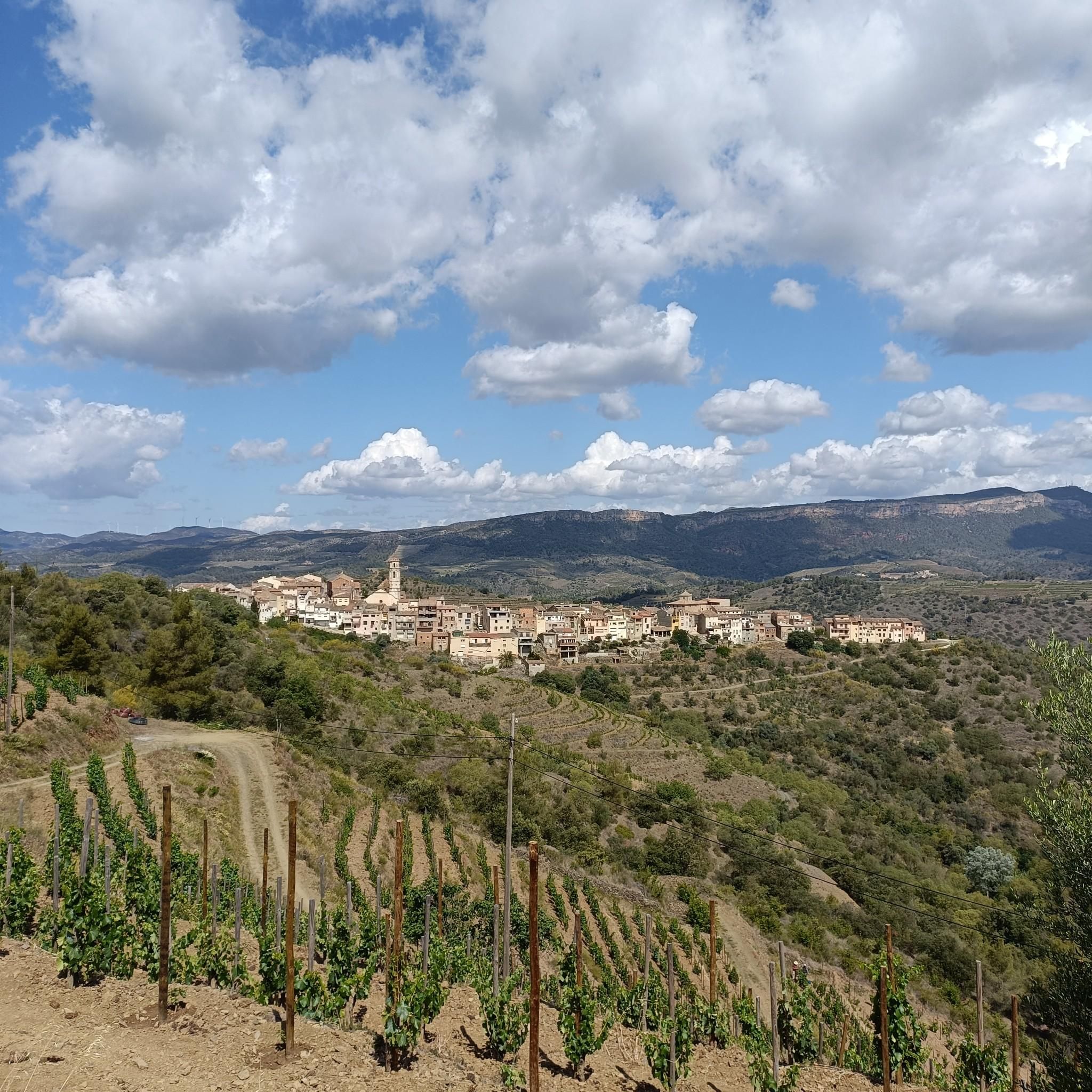
Best mountain peaks around Bellmunt Del Priorat are found within the broader Priorat region, characterized by its position between the Serra de Montsant and Serra de Llaberia mountain ranges. This area features vineyard-covered hills, slate-based mountainsides, and Mediterranean woodlands. The village itself is situated on a ridge with ravines descending towards the Siurana River, contributing to a dramatic landscape. The region offers a variety of mountainous features and natural attractions for exploration.
Best mountain peaks around Bellmunt Del Priorat
- The most popular mountain peaks is La Miranda (918 m), a summit that offers expansive views of the Serra de Llaberia and the coast. It is notable for the walk through the Cadenas pass and the surrounding landscapes.
- Another must-see spot is La Mola Castle, Colldejou, a castle and summit. Visitors can expect a rewarding hike with natural surroundings, leading to a historical site that is part of the Mola de Colldejou peak.
- Visitors also love Coll de la Teixeta, a mountain pass that unites the Tarragona counties of Priorat and Baix Camp. It is special for its location between the Serra de Montsant and Serra de Llaberia, serving as a significant crossroads and a crossing point for the GR7 trail.
- Bellmunt Del Priorat is known for its diverse mountain peaks, including prominent summits, historical castle peaks, and strategic mountain passes. The region offers a variety of mountain peaks to see and explore, from high points in the Serra de Montsant to the rugged terrain of the Serra de Llaberia.
- The mountain peaks around Bellmunt Del Priorat are appreciated by the komoot community, with 71 upvotes and 57 photos shared by visitors.
Last updated: June 27, 2026
La Mola Castle, Colldejou
Highlight • Castle
Translated by Google •
Tip by

Coll de la Teixeta
Highlight • Mountain Pass
Translated by Google •
Tip by

Sign up now to discover places like this
Get recommendations on the best single tracks, peaks, & plenty of other exciting outdoor places.
Sign up for free
La Miranda (918 m)
Highlight • Summit
Translated by Google •
Tip by

Bassot de la Mola
Highlight • Lake
Translated by Google •
Tip by

Ermita de Sant Pau de la Figuera
Highlight • Religious Site
Translated by Google •
Tip by

Sign up for free to discover even more peaks around Bellmunt Del Priorat.
Sign up for free
Already have an account?
Start today with a free account
Your next adventure awaits.
Login or Signup

Tips from the Community

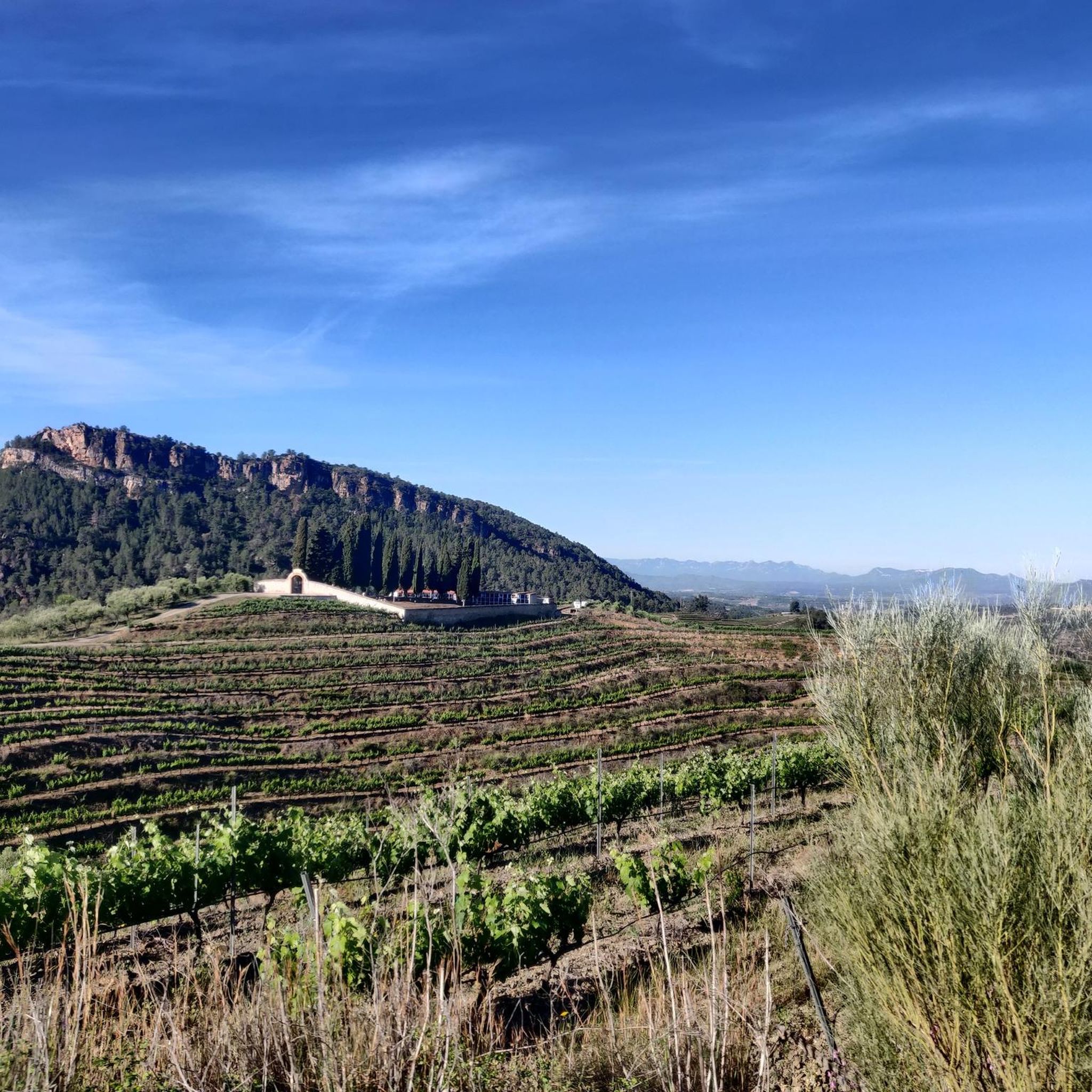
Pass between Tarragona and towards Teruel along the N420. It is also a crossing point for the GR7, on a gravel route you can follow the Porrera path towards Argentera, under the cliffs of the Serra de Llaberia.
1
1
This mountain pass is the passage from the Serra de Montsant towards the Serra de Llaberia, and is also a crossroads between Tarragona and Aragon, towards Alcanyís on the N420. It is also a crossing point for the GR7.
1
1


From up here you have a beautiful view.
0
0

Coll de la Teixeta is a mountain pass that is 541 meters above sea level. It unites the Tarragona counties of Priorat and Baix Camp and is located between the Sierra de Puigcerver and the Sierra de Pradell.
1
0

Located in the highest part of the Mola de Colldejou and just a few meters from the castle, the view reaches the coast of Cambrils. You can also see the impressive Llaberia mountain range and the Pradell-L'Argentera mountain ranges.
1
0

The stone tower was built during the third Carline war and was used for optical telegraphy in a very similar way to the Torre de l'Esquirol de Cambrils, making use of a system of planks that could be seen from miles away .
0
0
This emblematic peak constitutes one of the landmark silhouettes that dominate the Camp de Tarragona. From the top of La Mola you will see an extensive territory, with Ufan meadows grateful for the herds, and the remains of a communications tower, the castle of La Mola, built at the time of the Carline wars (19th century). It is part of the Serra de Llaberia EIN. Together with the Tivissa-Vandellòs mountains and the Cardó massif, they form the biological corridor that connects the large natural spaces of the Prades Mountains and the Ports. There are several trails that access its summit, with an altitude of 914 meters. In 2000, the installation of a wind farm was planned there. Fortunately, strong opposition from the people of the territory prevented it. Therefore, in this case we can say that the fight was a success.
1
1
Frequently Asked Questions
What are the most popular mountain peaks and viewpoints around Bellmunt del Priorat?
Visitors frequently enjoy La Miranda (918 m), a summit offering expansive views of the Serra de Llaberia and the coast. Another highly rated spot is La Mola Castle, Colldejou, which combines a historical site with a rewarding hike to a peak. The Coll de la Teixeta mountain pass is also popular for its strategic location between the Serra de Montsant and Serra de Llaberia, serving as a significant crossroads and viewpoint.
What kind of terrain can I expect when hiking in the mountains near Bellmunt del Priorat?
The region features diverse and often rugged terrain. The Serra de Montsant, to the north, is known for its abrupt orography, dramatic cliffs, ravines, and gorges. The Serra de Llaberia, to the south, also presents rugged landscapes with steep cliffs and dramatic geological formations. You'll encounter calcareous conglomerates, slate-based mountainsides, and Mediterranean woodlands, offering varied hiking experiences from intermediate to challenging.
Are there any historical or cultural sites to explore on these mountain peaks?
Yes, the region is rich in history. La Mola Castle, Colldejou is a prominent historical site located on a peak, offering a glimpse into the past. Additionally, the Serra de Montsant Natural Park is home to ancient hermitages, some dating back to the 12th century, such as the hermitage of San Bartomeu in the Fraguerau gorge. You can also visit the Ermita de Sant Pau de la Figuera, a religious building and historical site with spectacular views.
What natural features can I discover in the mountain ranges around Bellmunt del Priorat?
The area boasts stunning natural features. The Serra de Montsant is characterized by spectacular chasms, caves, and grottoes, along with a rich biodiversity. The Serra de Llaberia also features numerous caves, chasms, and grottoes carved into its limestone. You can also find the Bassot de la Mola, a lake located near the Mola de Colldejou, offering views reaching the coast of Cambrils and the impressive Llaberia mountain range.
What outdoor activities can I do near the mountain peaks of Bellmunt del Priorat?
The region is ideal for various outdoor activities. The Serra de Montsant Natural Park offers numerous well-marked trails for hiking and mountain biking, as well as opportunities for climbing and via ferrata. The Serra de Llaberia also provides an abundance of hiking trails. For more specific routes, you can explore options for hiking, gravel biking, and road cycling around Bellmunt del Priorat.
Are there family-friendly mountain walks or activities in the area?
While some peaks like La Mola Castle, Colldejou are described as challenging, there are also intermediate options and trails suitable for various fitness levels within the Serra de Montsant and Serra de Llaberia. When planning a family outing, look for trails marked as 'easy' or 'moderate' in the hiking guide, such as the 'View of the Vineyards – Masroig Spring loop from el Masroig' which is an easy 4.8 km route.
What is the best time of year to visit the mountain peaks around Bellmunt del Priorat?
The region's Mediterranean climate generally makes spring (April to June) and autumn (September to November) ideal for hiking and exploring the mountain peaks. During these seasons, temperatures are milder, and the natural landscapes are particularly vibrant, with blooming flora in spring and rich colors in autumn. Summers can be very hot, and winters can be chilly, especially at higher elevations.
What do visitors enjoy most about the mountain peaks near Bellmunt del Priorat?
Visitors consistently praise the stunning panoramic views, especially from summits like La Miranda (918 m), which offers vistas of the Serra de Llaberia and the coast. The unique geological formations, rich biodiversity, and the tranquility of the Serra de Llaberia are also highly valued. Many appreciate the rewarding hikes to historical sites like La Mola Castle, Colldejou, and the overall connection with nature the region provides.
Can I find long-distance hiking trails that pass through this region?
Yes, the Coll de la Teixeta mountain pass is a significant crossing point for the GR7 trail, which is a long-distance hiking route. This indicates that the region is integrated into broader trekking networks, offering opportunities for extended hikes through varied landscapes.
What kind of wildlife can I expect to see in the Serra de Montsant and Serra de Llaberia?
Both the Serra de Montsant and Serra de Llaberia are known for their rich biodiversity. The Serra de Montsant boasts rare endemic species, while the Serra de Llaberia is a breeding ground for rupicolous birds and also hosts a rich array of flora and fauna, including rare endemic species. Keep an eye out for various bird species, and if you're lucky, you might spot some of the region's unique plant life.
Are there any specific tips for hiking to La Mola Castle, Colldejou?
Hiking to La Mola Castle, Colldejou is a rewarding experience, but it's considered a challenging hike. Visitors recommend having a good physical condition and wearing sturdy, non-slip footwear. Some sections can be difficult, so it might not be suitable for inexperienced hikers. Don't forget to explore the grindstone cave if you find it along the way.
What makes the Serra de Montsant Natural Park special?
The Serra de Montsant Natural Park is special due to its dramatic and unique landscape of calcareous conglomerates, spectacular chasms, caves, and grottoes. It's historically significant as a haven for hermits and boasts a rich biodiversity, including rare endemic species. Its geology also plays a crucial role in the renowned Priorat wine region by shielding vineyards from cold winds. It's an ideal spot for active tourism and cultural exploration.
Most popular routes around Bellmunt Del Priorat
Most popular attractions around Bellmunt Del Priorat

Get inspired with the komoot mobile app


Explore more
See even more amazing summits around Bellmunt Del Priorat with these guides:
