The 5 Most Amazing Peaks in Tarn
Best mountain peaks in Tarn are found within the Occitanie region of France, characterized by its diverse landscapes including the Montagne Noire and the Monts de Lacaune. The department offers a range of elevations, from rolling hills to higher summits, providing varied terrain for exploration. These peaks serve as natural landmarks, offering panoramic views of the surrounding countryside. The region's geology contributes to its distinct features, with granite formations and ancient rock structures.
Best mountain peaks in Tarn
- The most popular mountain peaks is Summit of the Oppidum de Berniquaut, a summit that was occupied during the medieval period. This highest point offers a magnificent view, particularly of the Montagne Noire.
- Another must-see spot is Peyremaux Rock, a granite rock formation on a high plateau. Visitors can climb on it to reach the end, where a 360-degree view is available.
- Visitors also love Montalet Peak, one of the highest peaks of the Tarn at 1259 meters. From the Rocher de la Vierge, a view of the south of the Massif Central is available.
- Tarn is known for its diverse summits, viewpoints, and historical sites. The region offers a variety of mountain peaks to see and explore, from challenging climbs like Pic de Nore to accessible natural monuments.
- The mountain peaks in Tarn are appreciated by the komoot community, with 11 upvotes and 11 photos shared across the highlights.
Last updated: June 15, 2026
Ascent of Pic de Nore via Mazamet (Route des Usines)
Highlight (Segment) • Climb
Translated by Google •
Tip by

Peyremaux Rock
Highlight • Summit
Translated by Google •
Tip by

Sign up now to discover places like this
Get recommendations on the best single tracks, peaks, & plenty of other exciting outdoor places.
Sign up for free
Summit of the Oppidum de Berniquaut
Highlight • Summit
Translated by Google •
Tip by

Montalet Peak
Highlight • Summit
Translated by Google •
Tip by

Roc des Ecus
Highlight • Summit
Translated by Google •
Tip by
Virgin Rock of Pic du Montalet
Highlight • Summit
Translated by Google •
Tip by
Start today with a free account
Your next adventure awaits.
Login or Signup
Popular around Tarn
GR 36 long-distance footpath – Cross France from the Channel to the Pyrenees
Hexatrek – The Cévennes to the Pyrenees between gorges and limestone plateau
Born to Ride 2020
Loops between Toulouse and Mazamet – the special liO bike train
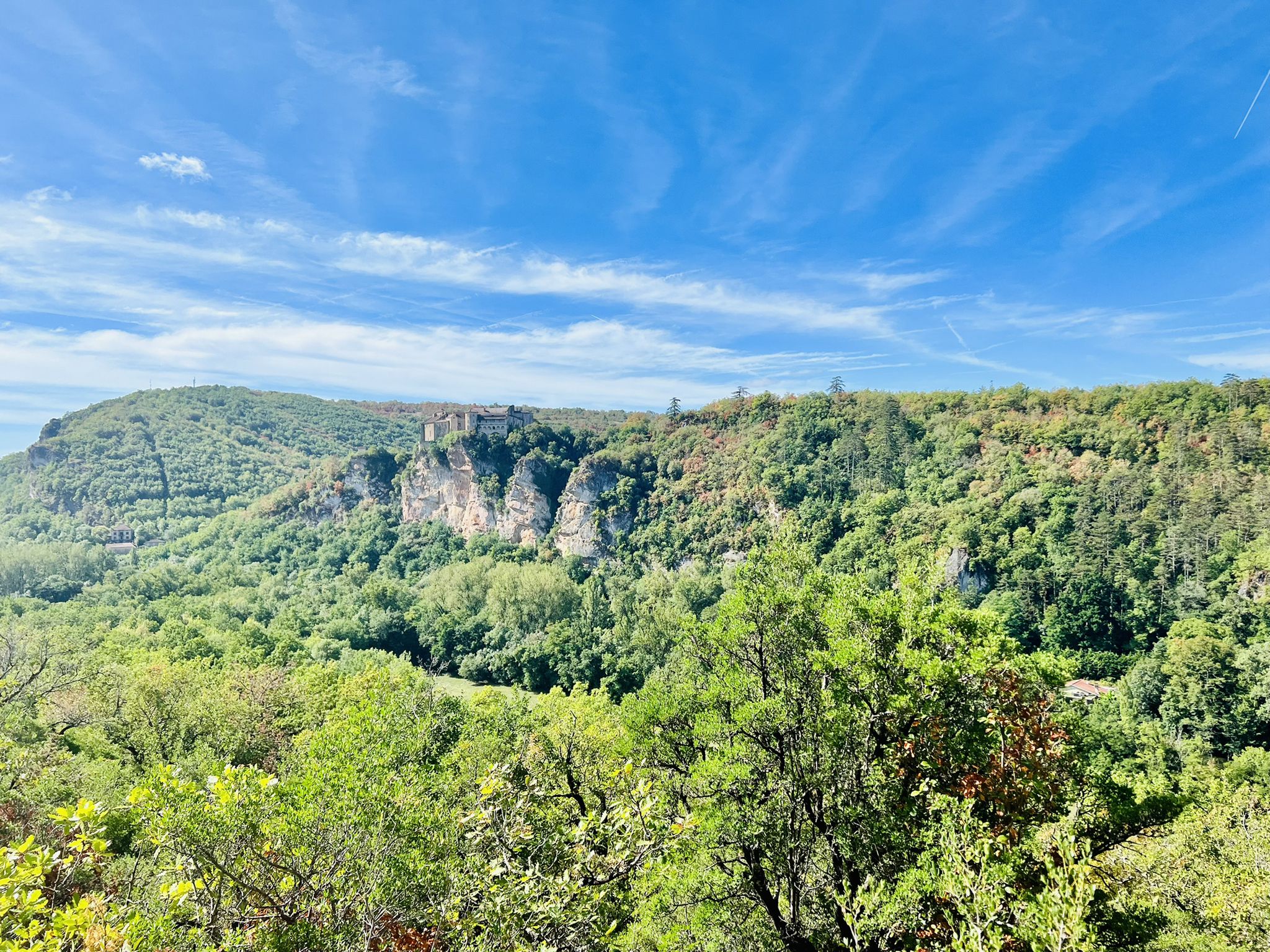
GR 46 — The Truant School
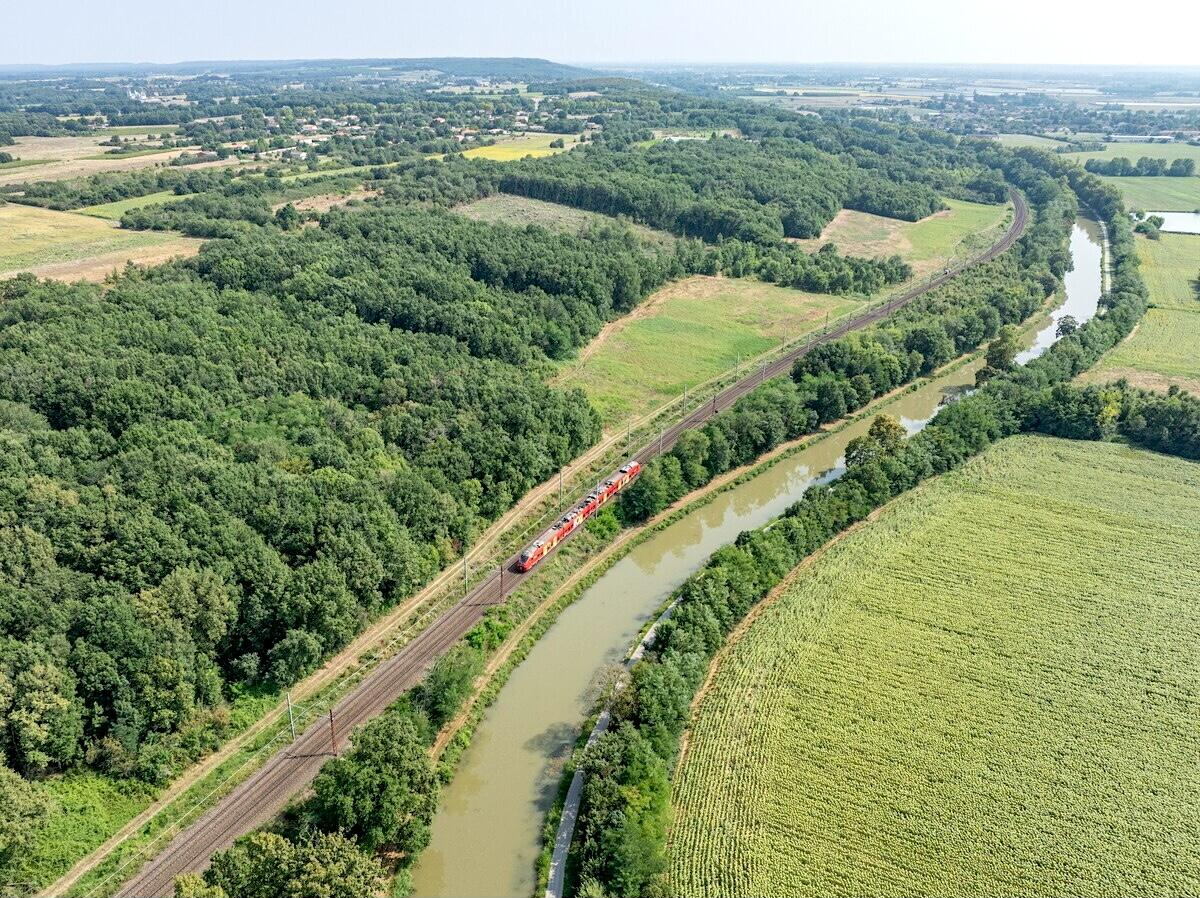
Rides between Toulouse and Figeac – liO train for bicycle transport
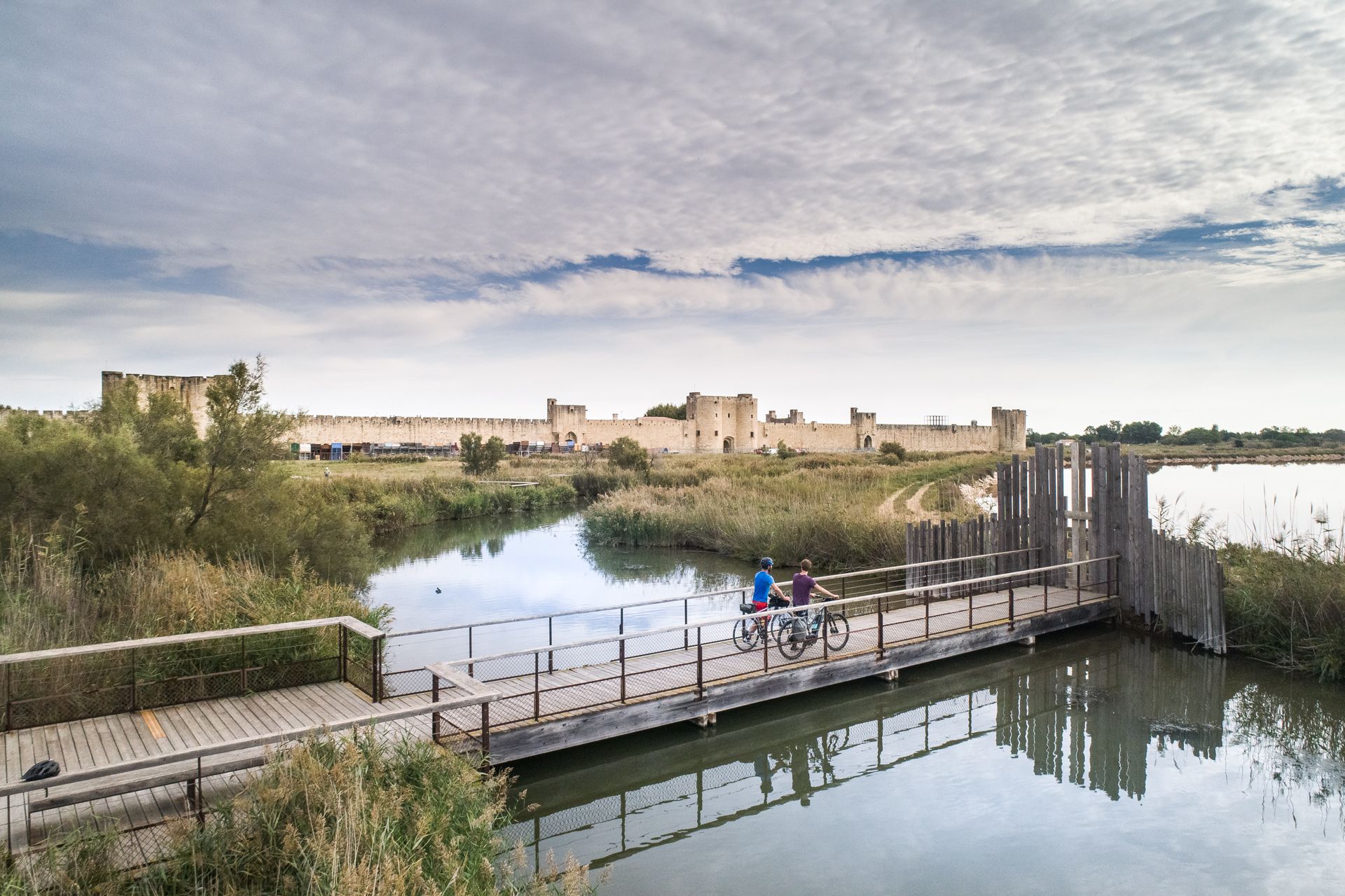
The most beautiful bike rides in Occitanie
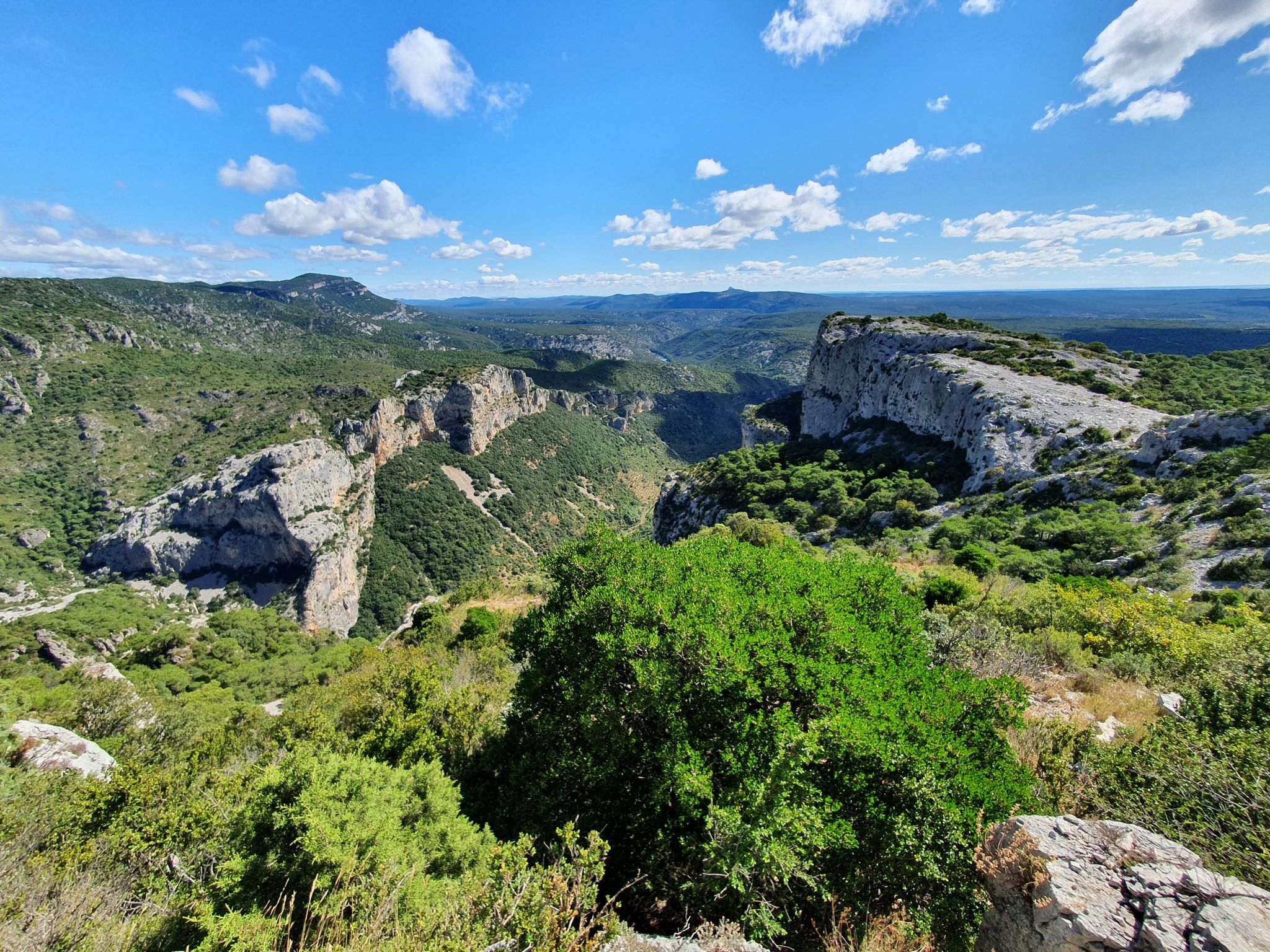
On the way to Compostela – Via Tolosana (Arles Way)
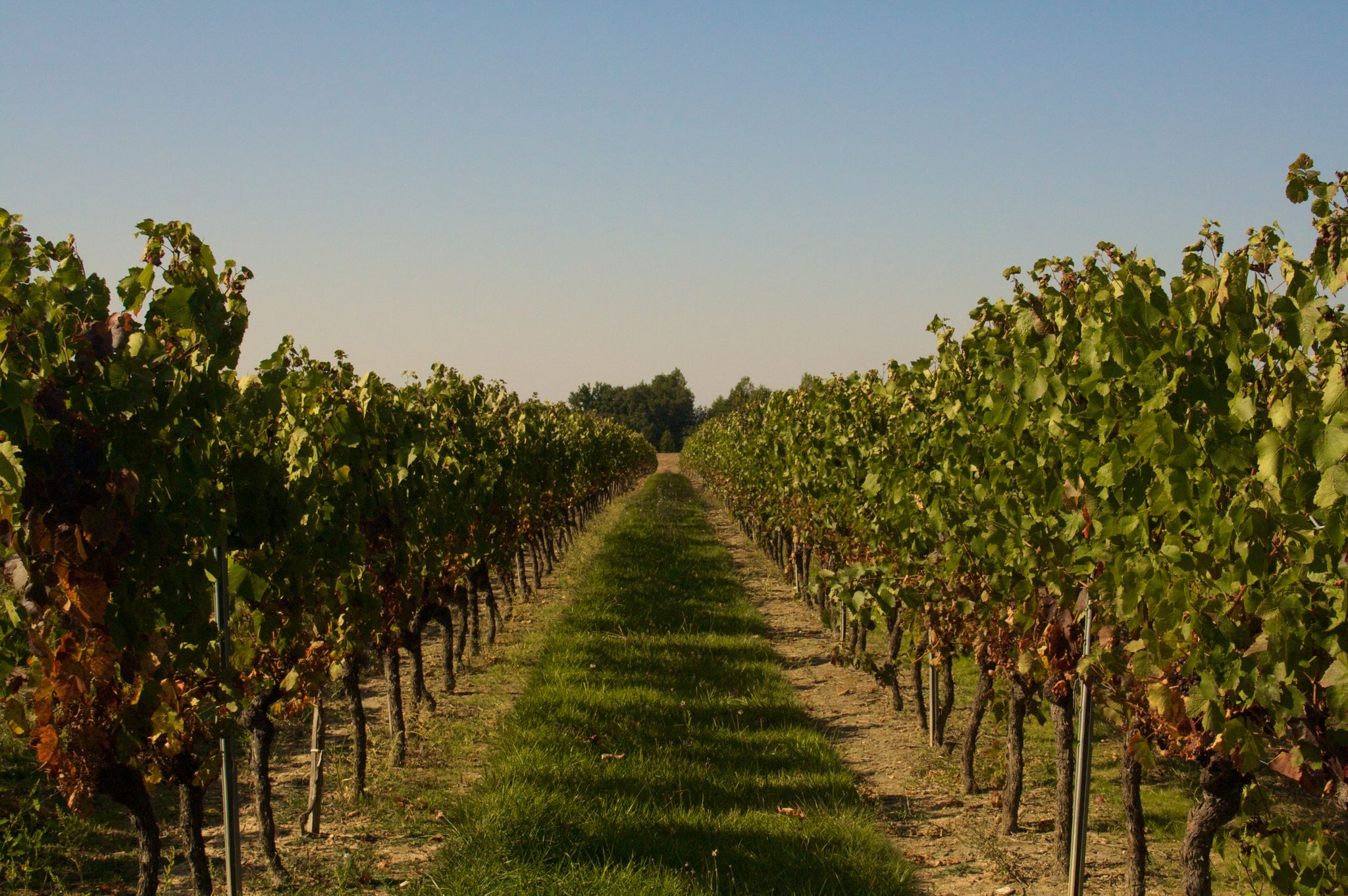
Loop of the bastides and the Gaillac vineyard – tastings and mountain biking
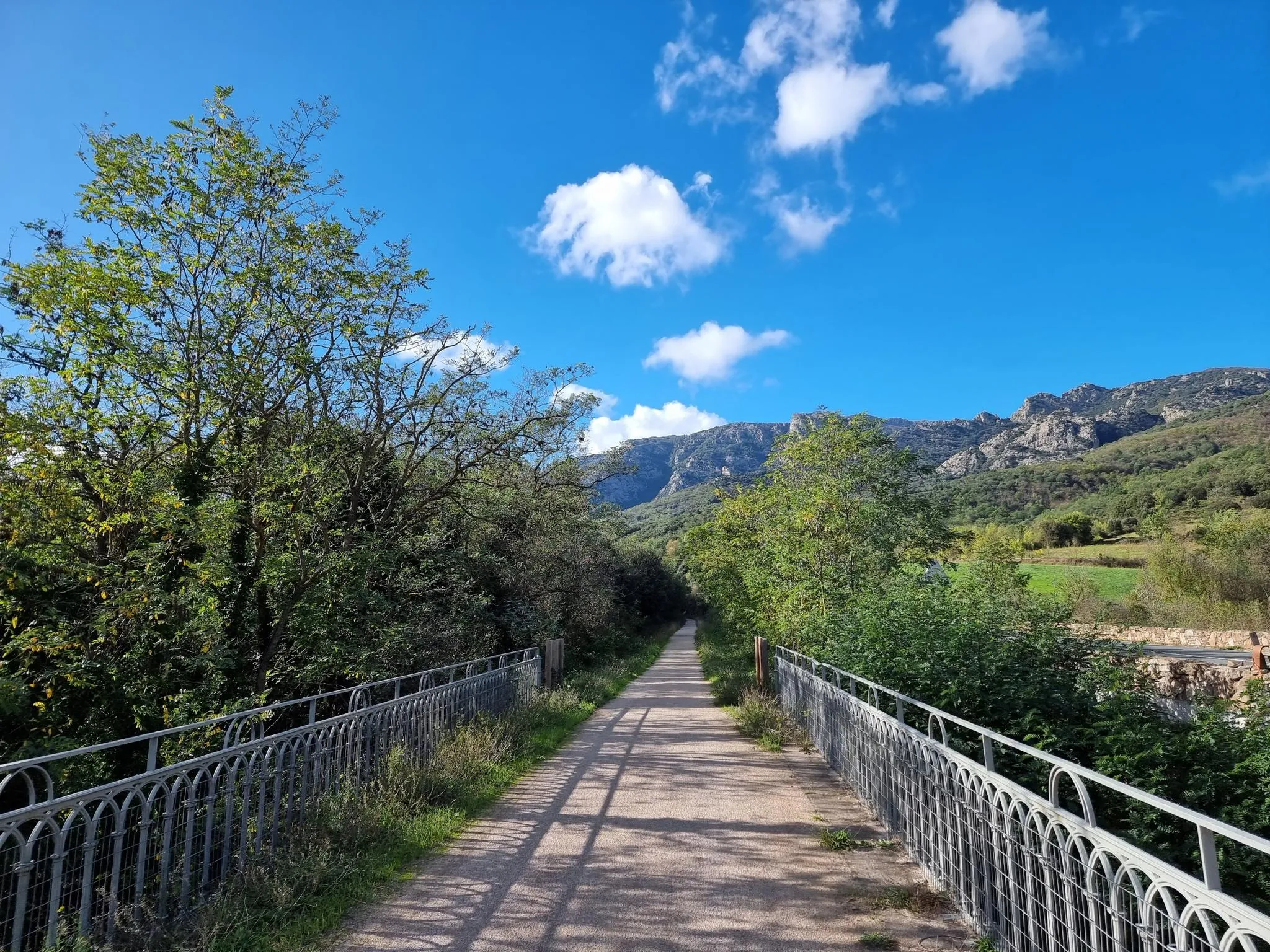
Under the sun of the Midi — La Véloccitanie
Other adventures in Tarn


Tips from the Community

The highest point was occupied mainly during the medieval period.
0
0


The rock of Peyremaux forms a beautiful rocky tooth which is extracted from the forest massif located at its feet. It is possible to climb on it to go to the end, but you have to be comfortable on very technical ground. For insiders, the panorama is worth a thousand times this small climb.
1
0

The road follows the Arnette gorges then branches off towards Pradelles-Cabardès. And until then it's a quiet climb that does not exceed 3/4%. From Pradelles-Cabardès begins the real ascent of the Pic de Notre with a slope, again regular, of 6/7% on a road in very good condition. A good alternative if you want to avoid the more severe slopes of the other climb by the Triby road.
0
0

The peak of Montalet, at 1259 meters, is one of the highest peaks of the Tarn (only surpassed by the puech de Montgrand and the puech de Rascas). The view of the south of the Massif Central from the Rocher de la Vierge is magnificent.
0
0
The Roc des Ecus at 1074m offers a magnificent belvedere allowing you to enjoy a beautiful view of Lacaune.
0
0
The highest point of the Oppidum de Berniquaut, northwest of the Montagne Noire, offers a magnificent view.
0
1
The Roc des Ecus is not the highest of the peaks but it offers a magnificent belvedere allowing you to enjoy in particular a beautiful view of Lacaune.
0
0
Frequently Asked Questions
What are some of the highest mountain peaks in Tarn?
Among the notable peaks in Tarn, Montalet Peak stands out at 1259 meters, offering magnificent views of the Massif Central from the Rocher de la Vierge. Other significant peaks include Roc des Ecus at 1074 meters and Pic de Nore.
Are there any mountain peaks in Tarn with historical significance?
Yes, the Summit of the Oppidum de Berniquaut is a historically significant site. This highest point was notably occupied during the medieval period and offers a magnificent view, particularly of the Montagne Noire.
What kind of views can I expect from the mountain peaks in Tarn?
The mountain peaks in Tarn offer diverse and stunning views. From Peyremaux Rock, you can experience a grandiose 360-degree panorama. Montalet Peak provides a view of the south of the Massif Central, while Roc des Ecus offers a beautiful belvedere overlooking Lacaune.
What outdoor activities can I do near the mountain peaks in Tarn?
The Tarn region offers a variety of outdoor activities near its peaks. You can explore numerous hiking trails, enjoy road cycling routes, or tackle challenging mountain biking paths. For detailed routes, check out the guides for Hiking in Tarn, Road Cycling Routes in Tarn, and MTB Trails in Tarn.
Are there any challenging climbs for experienced hikers or cyclists?
Yes, for those seeking a challenge, the Ascent of Pic de Nore via Mazamet (Route des Usines) is a popular intermediate climb. It features a regular ascent with slopes of 6-7% on a well-maintained road, offering a good alternative to more severe routes.
What is the best time of year to visit the Tarn mountains for hiking?
The Tarn mountains are generally pleasant for hiking from spring to autumn. During these seasons, the weather is typically mild, making for comfortable conditions to explore the diverse landscapes. Winter can bring colder temperatures and snow at higher elevations, requiring appropriate gear.
Are there any unique rock formations to see in the Tarn peaks?
Absolutely. Peyremaux Rock is a prominent granite rock formation situated on a high plateau. It's possible to climb on it to reach the end, where you're rewarded with a magnificent 360-degree view.
What do visitors enjoy most about the mountain peaks in Tarn?
Visitors frequently praise the stunning panoramic views and the sense of accomplishment after reaching a summit. The diverse landscapes, from granite formations to historical sites like the Summit of the Oppidum de Berniquaut, are also highly appreciated. Many enjoy the opportunity to explore both challenging climbs and accessible natural monuments.
Can I find circular hiking routes in the Monts de Lacaune area?
While specific circular routes for the Monts de Lacaune are not detailed here, the region is known for its varied terrain suitable for hiking. You can explore the Hiking in Tarn guide for routes that may include circular options in the broader area, such as the 'Oppidum de Berniquaut Loop'.
Are there any mountain peaks in Tarn that are easily accessible for a quick visit?
The Summit of the Oppidum de Berniquaut, located northwest of the Montagne Noire, offers a magnificent view and is generally considered an accessible natural monument for visitors looking for a less strenuous experience.
What should I wear for hiking in the Tarn mountains during winter?
For winter hiking in the Tarn mountains, it's crucial to dress in layers. Include thermal base layers, an insulating mid-layer (fleece or down), and a waterproof and windproof outer shell. Don't forget warm gloves, a hat, and sturdy, waterproof hiking boots. Conditions can vary, so be prepared for cold temperatures and potential snow, especially at higher elevations.
Are there any wild swimming spots near the Montagne Noire peaks?
While the guide focuses on mountain peaks, the Montagne Noire region is known for its natural beauty, including rivers and lakes. You might find wild swimming opportunities in natural pools or designated areas within the broader Montagne Noire area. It's always recommended to check local regulations and safety information before swimming in natural waters.
Most popular routes in Tarn
Most popular attractions in Tarn

Get inspired with the komoot mobile app


Explore more
See even more amazing summits in Tarn with these guides:
