Attractions and Places To See in Tarn - Top 20
Best attractions and places to see in Tarn, a department in the Occitanie region of France, blend historical landmarks with diverse natural landscapes. The area is characterized by its red-brick architecture, medieval villages, and unique geological formations like Le Sidobre. Rivers such as the Tarn and Agout crisscross the department, contributing to its varied natural environment. Tarn offers a range of cultural sites, including UNESCO World Heritage locations, alongside mountainous areas and lakes.
Best attractions and places to see in Tarn
- The most popular attractions is La Passerelle de Mazamet, a bridge that is 140 meters long and 70 meters high. This footbridge offers views and connects to the medieval village of Hautpoul.
- Another must-see spot is Saint Cecilia's Cathedral, Albi, a religious building. This red-brick cathedral is a significant example of Gothic architecture and is noted as the largest brick church in the world.
- Visitors also love Cordes-sur-Ciel, a historical site. This pedestrian medieval city is perched on a rocky outcrop, featuring fortified gates and Gothic facades.
- Tarn is known for its historical sites, natural features, and charming settlements. Visitors can explore ancient castles, unique geological formations, and picturesque villages.
- The attractions in Tarn are appreciated by the komoot community, with over 250 highlights and 190 photos shared.
Last updated: June 22, 2026
La Passerelle de Mazamet
Highlight • Bridge
Translated by Google •
Tip by

Saint Cecilia's Cathedral, Albi
Highlight • Religious Site
The first cathedral dates back to the 4th century, but it was during the 13th century that it was profoundly modified by major works. Under the aegis of Sainte-Cécile, patron saint of musicians, take the time to visit this marvel. It is the most visited cathedral in France ahead of Notre-Dame de Paris.
Translated by Google •
Tip by

Sign up now to discover places like this
Get recommendations on the best single tracks, peaks, & plenty of other exciting outdoor places.
Sign up for free
Cordes-sur-Ciel
Highlight • Historical Site
Translated by Google •
Tip by

Albi
Highlight • Settlement
Translated by Google •
Tip by
Vauban Vault
Highlight • Bridge
Translated by Google •
Tip by
Puycelsi
Highlight • Settlement
Translated by Google •
Tip by
Castres
Highlight • Settlement
Translated by Google •
Tip by

View of Ambialet
Highlight • Settlement
Translated by Google •
Tip by
Saint-Salvi Cloister of Albi
Highlight • Religious Site
Translated by Google •
Tip by
Lac du Merle
Highlight • Lake
Translated by Google •
Tip by
Sign up for free to discover even more attractions in Tarn.
Sign up for free
Already have an account?
Start today with a free account
Your next adventure awaits.
Login or Signup
Popular around Tarn
GR 36 long-distance footpath – Cross France from the Channel to the Pyrenees
Hexatrek – The Cévennes to the Pyrenees between gorges and limestone plateau
Born to Ride 2020
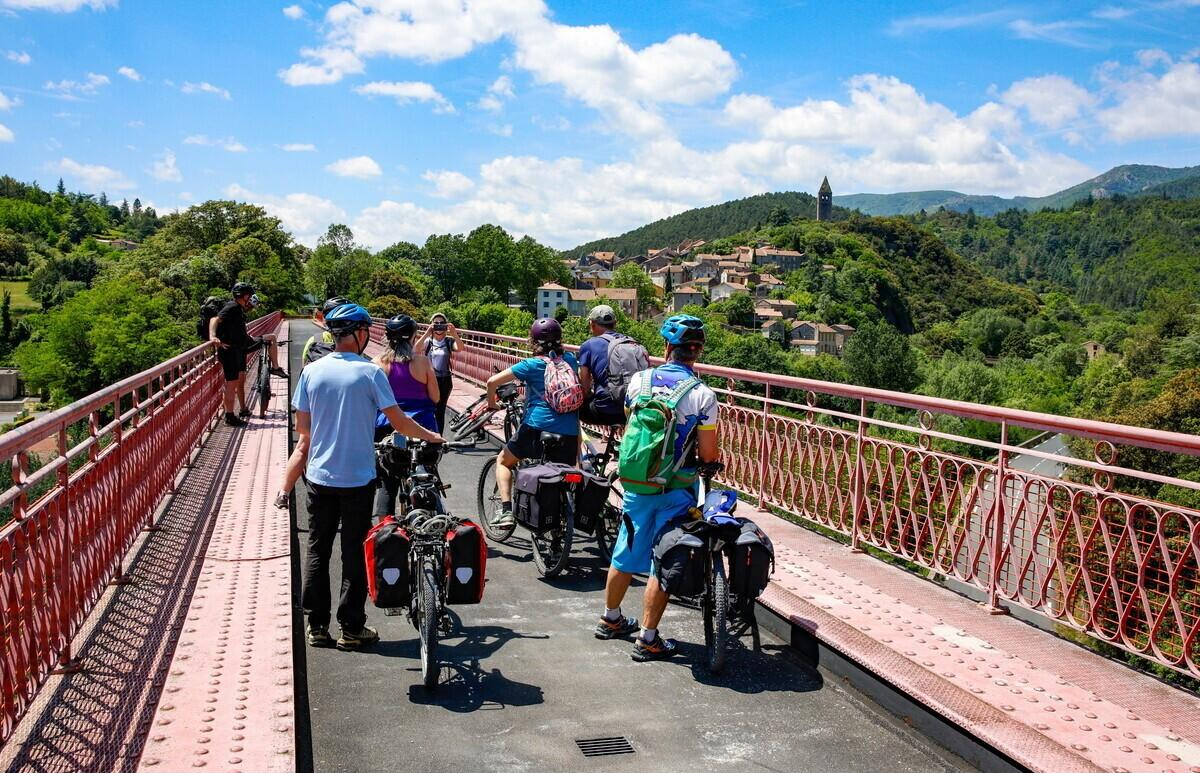
Loops between Toulouse and Mazamet – the special liO bike train
GR 46 — The Truant School
Rides between Toulouse and Figeac – liO train for bicycle transport
The most beautiful bike rides in Occitanie
On the way to Compostela – Via Tolosana (Arles Way)
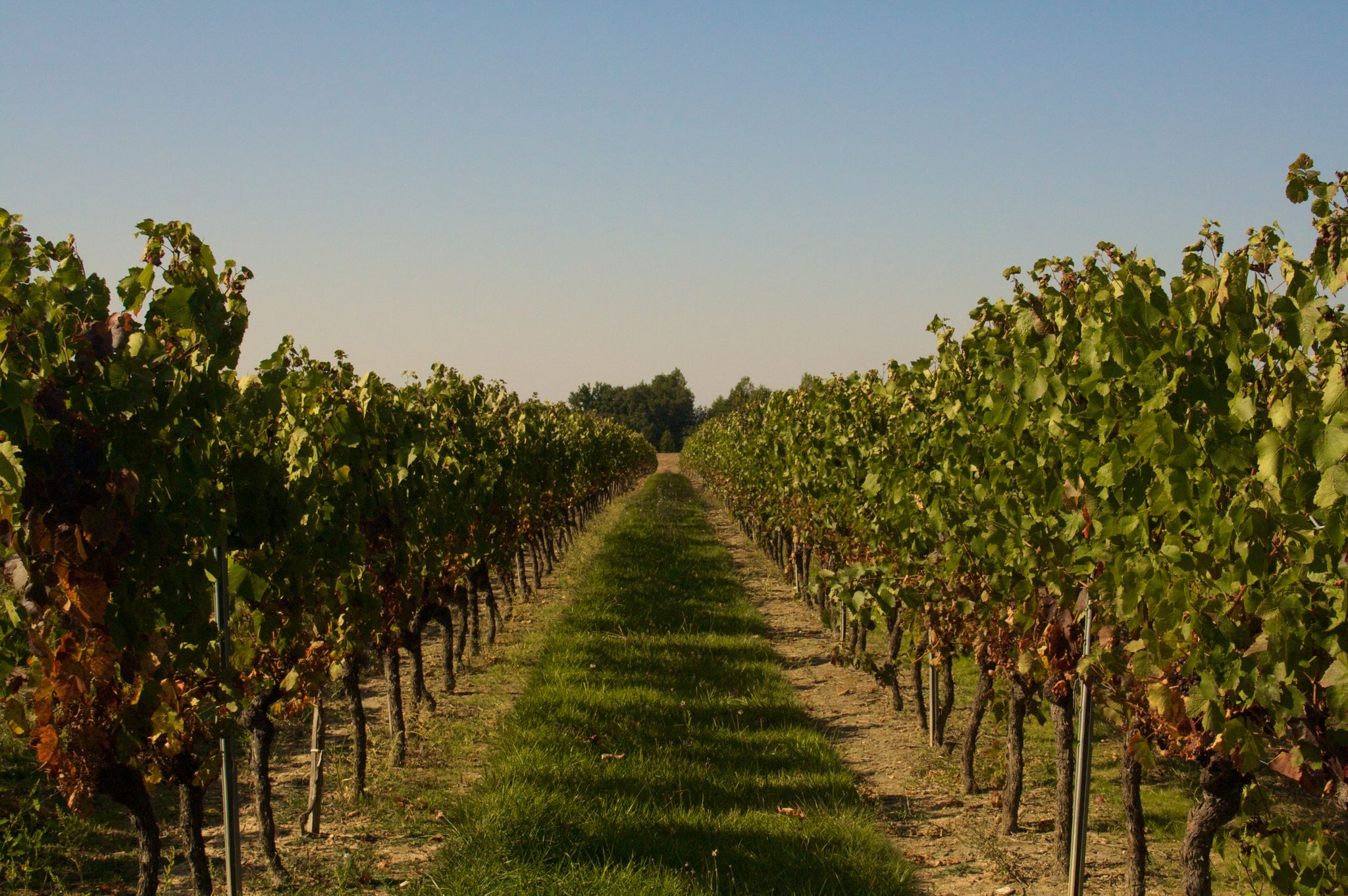
Loop of the bastides and the Gaillac vineyard – tastings and mountain biking
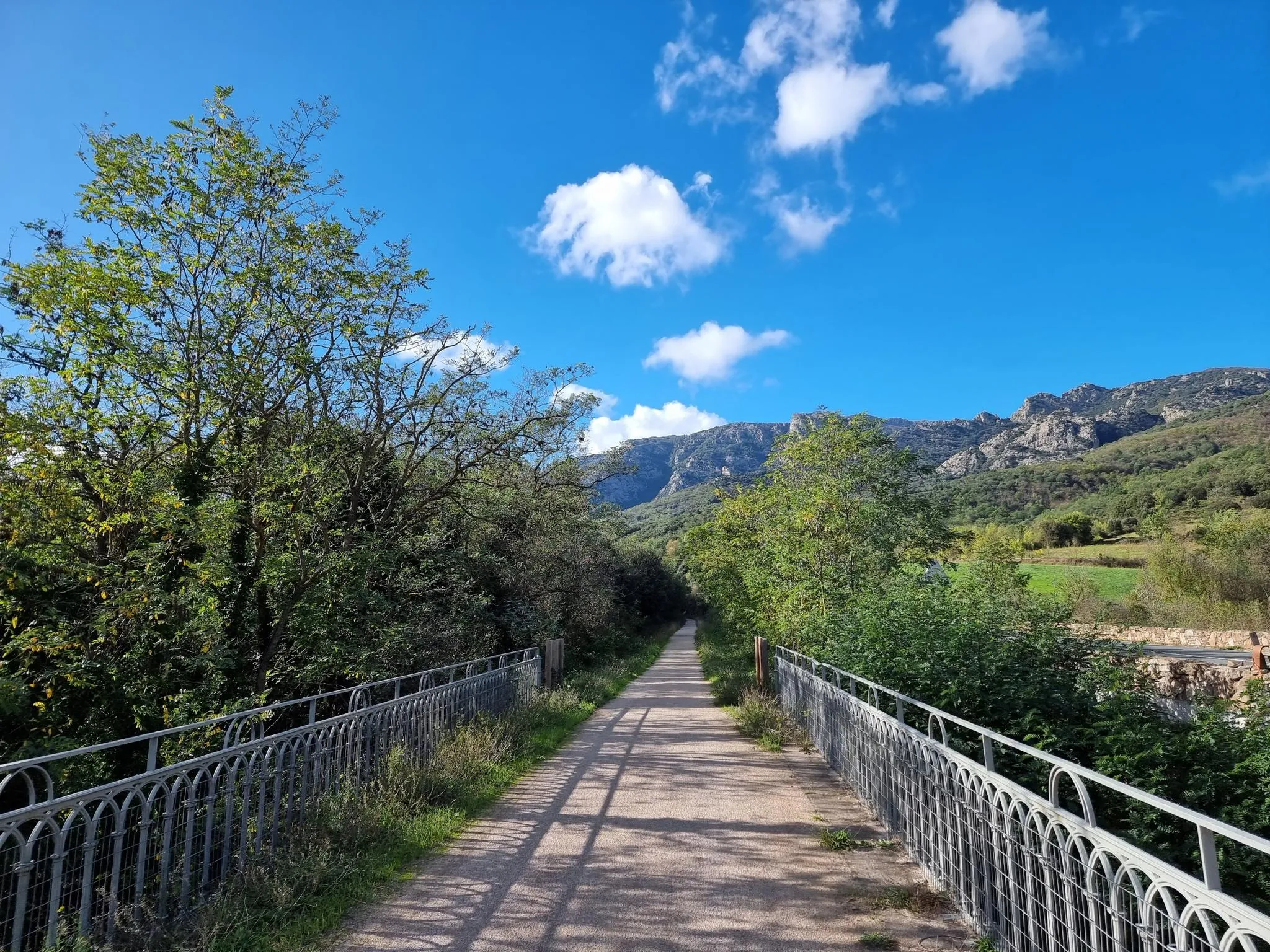
Under the sun of the Midi — La Véloccitanie
Other adventures in Tarn


Tips from the Community

This lake is truly magnificent! Its dark and smooth water offers a mirror effect of the entire surrounding landscape, and its rocks in the water enhance this picture! A top spot, it's just a shame it passes so close to the road, although it wasn't very busy when I went, and the presence of the parking lot could bring more motorists, I imagine. When I went there weren't too many people, but given the less than ideal weather, maybe it's not always as good!
0
0

A natural curiosity among others in the granite massif of Sidobre
0
0

Superb medieval bastide and superb viewpoint over the surrounding valley.
0
0
Superb medieval bastide and superb panorama over the surrounding valley.
0
0

Very physical but worth it. We didn't go as far as the Hautpaul building.
0
0

superb hike 🚶♀️🚶♂️all in the undergrowth, total freedom halfway, place to rest, eat and play for children and animals, not to mention the rocks of the sidobre. 👍
0
0

Lake Merle is a very beautiful stretch of water where it is good to stop for a shaded picnic.
0
0

Very pretty village! A look at the incredible homemade ice creams you can find at the grocery store!
0
0
Frequently Asked Questions
What are some unique natural attractions to visit in Tarn?
Tarn offers several distinctive natural features. Explore Le Sidobre, a unique granite region in Europe known for its strangely shaped, massive balanced rocks like the Peyro Clabado. While primarily outside the department, parts of the breathtaking Gorges du Tarn influence the area, offering spectacular views and opportunities for water activities. The Lacaune Mountains and Montagne Noire provide exceptional panoramic views and dense forests perfect for hiking. You can also find several lakes, such as Lac du Laouzas and Lac de la Raviege, offering various water activities.
Are there any UNESCO World Heritage sites in Tarn?
Yes, the Episcopal City of Albi is a UNESCO World Heritage site. It is renowned for its stunning red-brick architecture, including the majestic Sainte-Cécile Cathedral, the largest brick cathedral in the world. Adjacent to the cathedral, the Palais de la Berbie houses the Toulouse-Lautrec Museum. You can also explore Albi's historic center with its half-timbered houses and the Saint-Salvi Cloister.
What historical villages or towns are worth visiting in Tarn?
Tarn is home to several captivating historical villages. Don't miss Cordes-sur-Ciel, a perched medieval village with cobbled streets and Gothic houses. Puycelsi is another fortified village classified as one of France's most beautiful, offering views from its ramparts. The village of Lautrec also features interesting historic buildings and pleasant views. For a unique experience, visit Ambialet, a peninsula embraced by a meander of the Tarn River, dominated by an 11th-century priory.
What kind of outdoor activities can I do near the attractions in Tarn?
The Tarn region offers diverse outdoor activities. You can find numerous trails for mountain biking, gravel biking, and running. For example, explore MTB trails like 'Anglès – boucle dans le Parc naturel régional du Haut-Languedoc' or 'The Tilted Rocks – Lac du Merle loop'. Gravel biking options include 'Path of Human Rights – View of Lautrec loop'. Running enthusiasts can enjoy routes such as 'Tour du lac des Cammazes' or 'Oppidum Berniquaut Loop Trail'. You can find more details on these activities in the MTB Trails in Tarn, Gravel biking in Tarn, and Running Trails in Tarn guides.
Are there any family-friendly attractions in Tarn?
Yes, Tarn has several attractions suitable for families. The Saint Cecilia's Cathedral, Albi, and the Saint-Salvi Cloister of Albi are historical sites that can be engaging for all ages. The city of Castres, with its colorful houses along the Agout River, offers a pleasant environment for family strolls. For a unique experience, the Gaillacois Miniature Train Club in Gaillac exhibits a large network of miniature trains. Additionally, the Jardin des Martels is a beautiful garden with a mini-farm.
Where can I find impressive viewpoints in Tarn?
For breathtaking views, visit La Passerelle de Mazamet, a 140-meter-long footbridge suspended 70 meters above the Arnette valley, offering dizzying panoramas and connecting to the medieval village of Hautpoul. The perched village of Cordes-sur-Ciel also provides incredible vistas from its rocky outcrop. The View of Ambialet offers a superb perspective of the Tarn River's meander. The Montagne Noire and Lacaune Mountains also boast exceptional panoramic views.
What are some notable castles or historical fortifications in Tarn?
Tarn is rich in historical fortifications. The Château de Penne is a military castle from the Middle Ages, dating back to the 13th century, which overlooks the Aveyron river and offers a journey through history with demonstrations and workshops. The fortified village of Puycelsi, perched on a rocky spur, also retains its ancient ramparts.
Are there any significant museums in Tarn?
Yes, Tarn hosts several notable museums. In Albi, the Toulouse-Lautrec Museum, housed in the Palais de la Berbie, holds the largest public collection of the city-born artist's works. Castres is home to the Goya Museum, which boasts a significant collection of Hispanic art. Other museums include the Carmaux Glass Museum, the Montans Archaeological Center, the Interpretation Center of the Statues-Menhirs in Murat (Neolithic period), the Museum of Protestantism in Ferrières, and the Mazamet Cathar Museum.
What is the best time of year to visit Tarn for sightseeing and outdoor activities?
The best time to visit Tarn for sightseeing and outdoor activities is generally during the spring (April to June) and early autumn (September to October). During these periods, the weather is typically pleasant, with comfortable temperatures for exploring historical sites, medieval villages, and natural landscapes like Le Sidobre or the Gorges du Tarn. Summer (July and August) can be warm, but it's ideal for water activities on the rivers and lakes. Winter offers a quieter experience, though some outdoor activities might be limited by colder weather.
Can I explore wine regions in Tarn?
Yes, the town of Gaillac is at the heart of one of France's oldest vineyards. Wine lovers can find opportunities to visit local wineries and sample the region's distinctive vintages. The town itself also features historic buildings and lively markets, making it a pleasant stop for those interested in both culture and viticulture.
What is special about the city of Castres?
Castres is particularly known for its picturesque, colorful houses lining the Agout River, often compared to Venice. Beyond its charming canals, the city is home to the Goya Museum, which houses one of France's largest collections of Hispanic art outside the Louvre. Visitors can also enjoy the Bishop's garden, designed by André Le Nôtre, and an Italian-style municipal theater.
Are there any unique historical institutions or schools to visit?
Yes, the Abbey-School of Sorèze is a significant historical institution. Founded in 754, this abbey housed a school for centuries. Today, it includes a museum detailing the lives of its former pupils and a museum dedicated to the tapestry works of Dom Robert, offering a glimpse into its rich educational and artistic past.
Most popular routes in Tarn
Most popular attractions in Tarn

Get inspired with the komoot mobile app


Explore more
Still not found the Highlight you’re looking for? See guides of the top attractions in other regions:
