Top 16 Natural Monuments in Essonne
Natural monuments in Essonne, a department within the Île-de-France region, offer diverse landscapes and geological features. The area is characterized by extensive forests, river valleys, and unique sandstone formations. These natural sites provide opportunities to explore varied ecosystems and historical elements. Essonne's natural environment includes parts of the Parc Naturel Régional du Gâtinais Français and a section of the Forêt de Fontainebleau.
Best natural monuments in Essonne
- The most popular natural monuments is Domaine de Courances, a castle and…
Last updated: May 13, 2026
La Troche Quarry
Highlight • Climb
This is an old sandstone quarry, traces …
Translated by Google •
Tip by

Sequoia Avenue at Villeroy Park
Highlight (Segment) • Natural Monument
A little history: the Mennecy sequoia avenue was planted in Villeroy park in 1887 at the request of the Darblay family, owner of …
Translated by Google •
Tip by

Sign up now to discover places like this
Get recommendations on the best single tracks, peaks, & plenty of other exciting outdoor places.
Sign up for free
Domaine de Courances
Highlight • Castle
Translated by Google •
Tip by

Rut Pond
Highlight • Lake
Translated by Google •
Tip by

The Cyclop
Highlight • Monument
Translated by Google •
Tip by

The Oak of Petit Launay
Highlight • Natural Monument
The organizers of the Universal Exhibition …
Translated by Google •
Tip by

Tree Sculptures of the Parc naturel régional du Gâtinais français
Highlight • Structure
Translated by Google •
Tip by
Chêne d'Antin
Highlight • Natural Monument
Translated by Google •
Tip by

Preserved Sand Quarry
Highlight • Natural Monument
Translated by Google •
Tip by
Small lake in the rocks
Highlight • Natural
Translated by Google •
Tip by
Sign up for free to discover even more natural monuments in Essonne.
Sign up for free
Already have an account?
Start today with a free account
Your next adventure awaits.
Login or Signup
Popular around Essonne
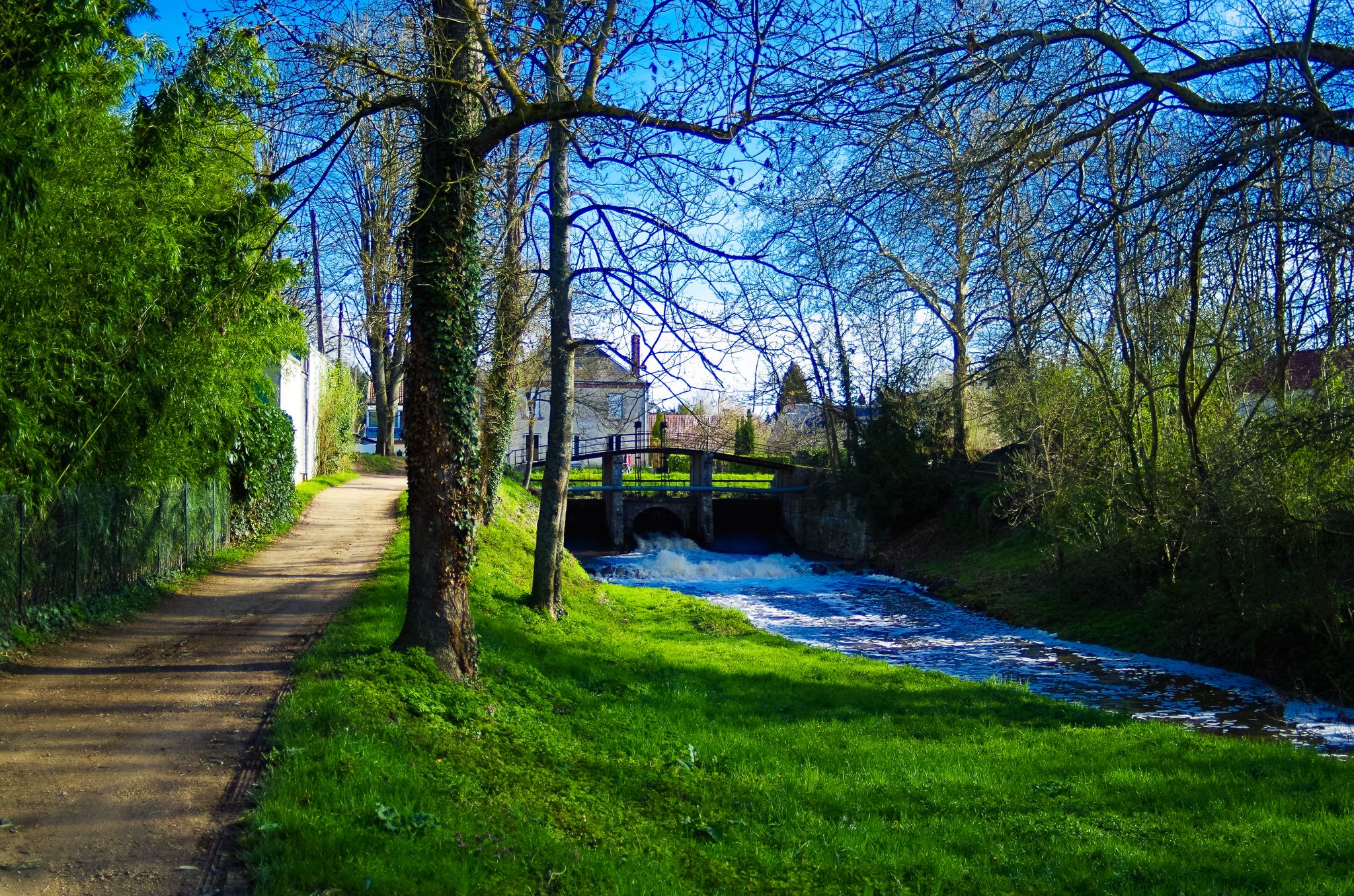
Seine to the Loire (GR 32) – Between Gâtinais and Beauce
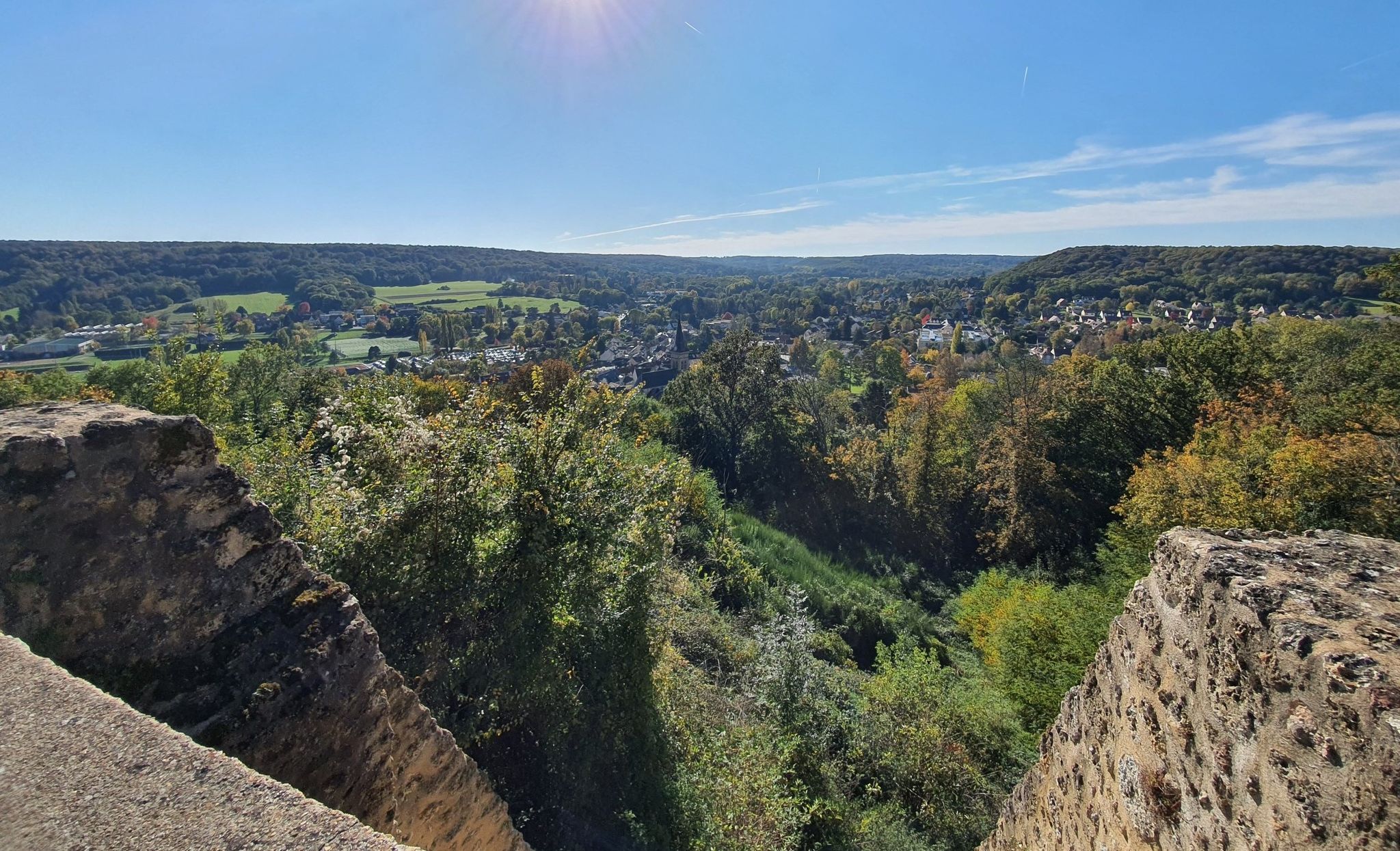
Run in the Chevreuse Valley – Bures-sur-Yvette trails
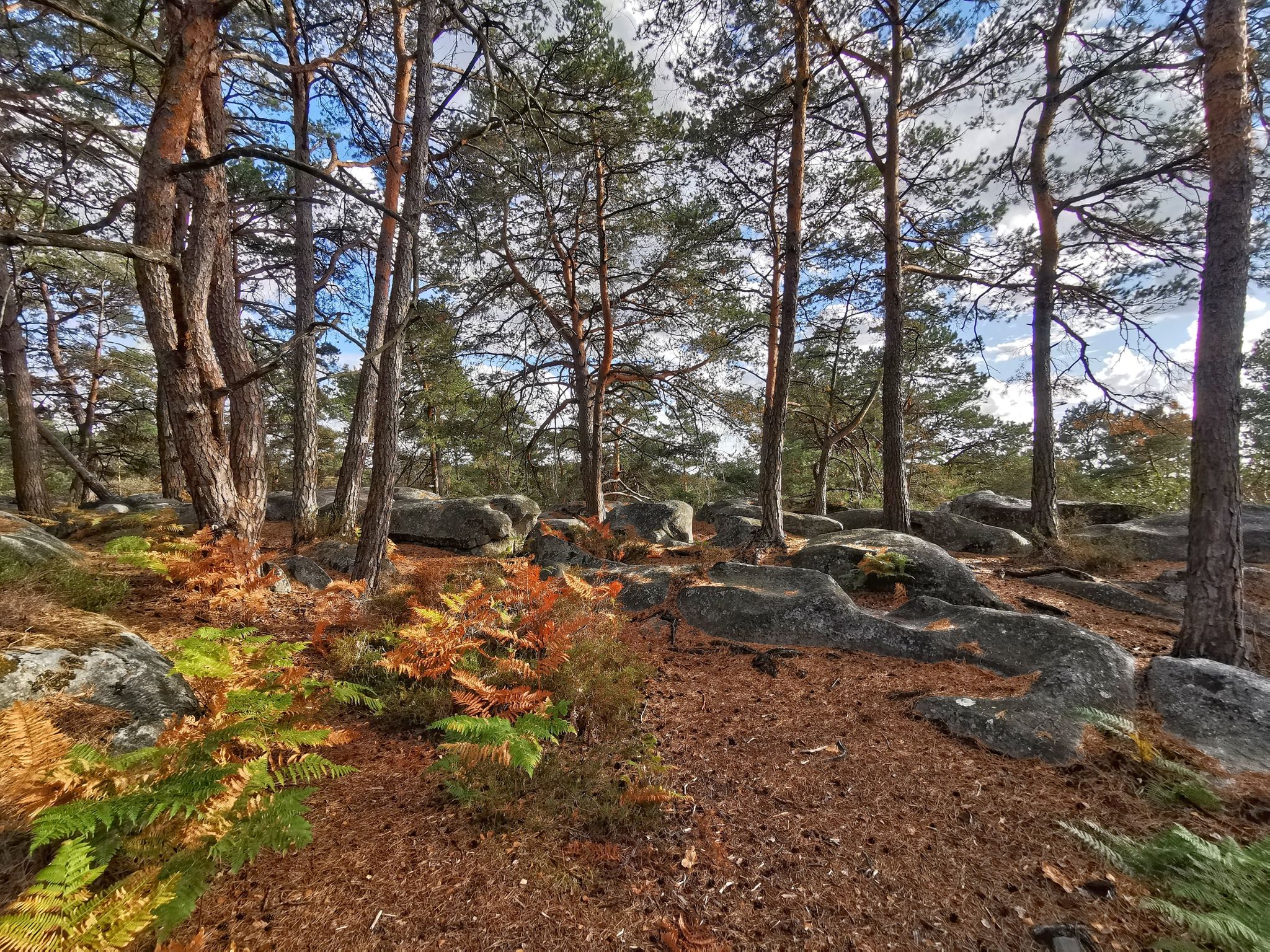
Natural beauty on Île-de-France – mountain biking around Paris
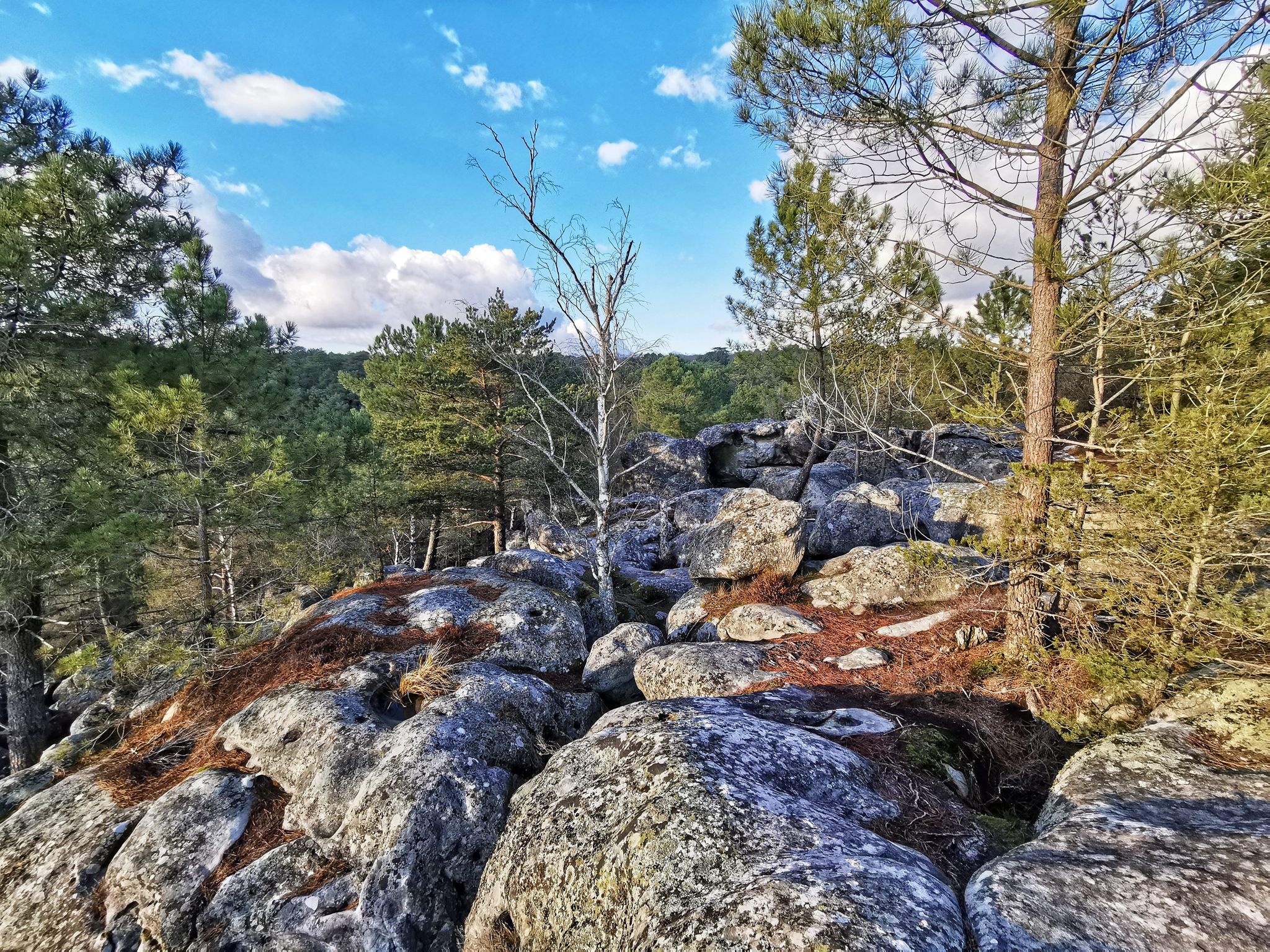
In the heart of the Île-de-France countryside — 7 trails south of Paris
Walking around Ile-de-France in Paris – GR 1
Exploring the Seine on the Île-de-France – hike the GR 2
Running Trails in Essonne
Cycling in Essonne
Hiking in Essonne
Road Cycling Routes in Essonne
Other adventures in Essonne


Tips from the Community

ONF will plant a young oak tree in the middle of the Antin oak tree.
0
0


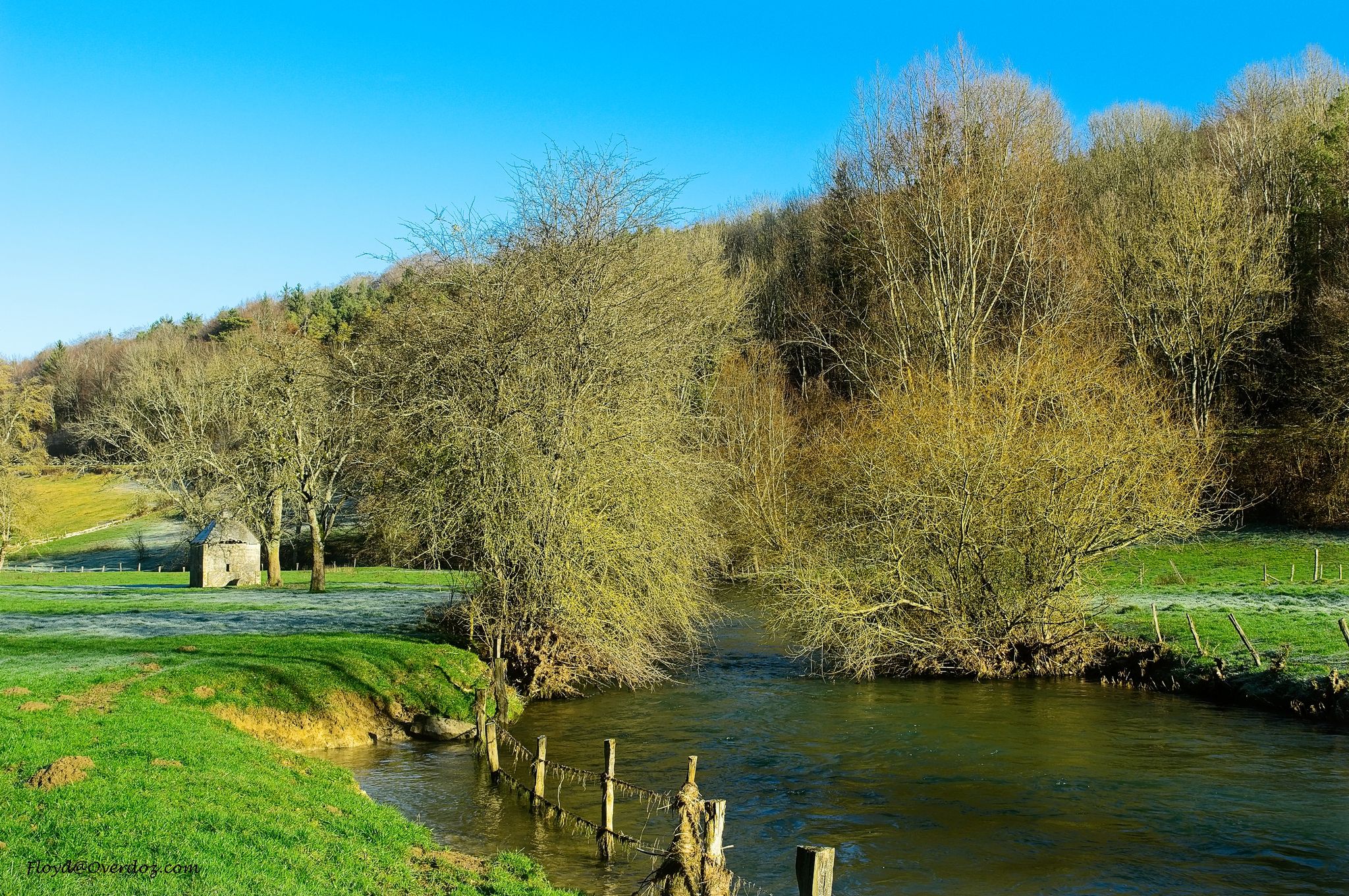
In the morning, the rocks show blue reflections.
0
0

The cyclops visit is not free, 12 euros entry but it lasts 45 minutes and is very interesting. Limit of 25 people at a time. Please note that photos inside are prohibited. I recommend the first visit at 10:30 a.m. (less crowded)
1
0

The “Petit Launay” oak (the aulnoye), remarkable for its size and the distribution of its branches, seems to date back to the 15th century. The organizers of the Universal Exhibition of 1900 in Paris wanted to transport it to the capital, which attests to the interest that this Tree already presented. Mr Grisier, mayor of Bures and owner of “Petit Launay” fortunately declined this offer. This estate, a former stronghold from the 14th century, has been better known, since 1810, under the name of "The Virgin". A statuette is still visible on the surrounding wall of the property. It is crossed by the Vaularon, a tributary of the Yvette, hence the humidity conducive to the growth of alders. This tree has been classified in the list of “venerable trees in France”.
0
0

This sculpture, made of concrete and iron, represents the fantastic creature from Greek mythology which gave its name to the work. 22.5 meters high, the sculpture is a project by artists Jean Tinguely and Niki de Saint Phalle, carried out between 1969 and 1994. On site, you can also discover two other works: the Face of Mirrors and the Tribute to the Deportees. Visiting all the monuments is completely free.
0
1
Standing in the heart of the Gâtinais, the Courances estate extends over 75 hectares and includes a magnificent 17th century castle as well as its park and vegetable garden. Closed during the winter, it opens its doors the rest of the year for fun visits. If you're not pressed for time, don't hesitate to drop by.
0
0
Frequently Asked Questions
What are some of the most popular natural monuments in Essonne?
Visitors to Essonne particularly enjoy the Domaine de Courances, a 75-hectare estate with a 17th-century castle, park, and vegetable garden, known for its refreshing pools and streams. Another highly appreciated spot is the Tree Sculptures of the Parc naturel régional du Gâtinais français, where ancient trees have been carved into artistic totems. The Rut Pond is also popular for its rich biodiversity, including unique plant species and birds.
Are there natural monuments in Essonne suitable for families?
Yes, several natural monuments in Essonne are family-friendly. The Domaine de Courances offers a relaxing green setting for all ages. The Tree Sculptures of the Parc naturel régional du Gâtinais français provide an artistic and engaging experience for children and adults alike. Additionally, the Rut Pond is a great place to observe nature and biodiversity with the family. The Oak of Petit Launay and Chêne d'Antin are also accessible and enjoyable for families.
What kind of unique natural features can I expect to see in Essonne's natural monuments?
Essonne's natural monuments are characterized by diverse landscapes. You can find unique sandstone rock formations and sandy areas, particularly in the Parc Naturel Régional du Gâtinais Français and the Essonne portion of the Forêt de Fontainebleau, especially in the Trois Pignons area. The region also features extensive forests, river valleys like the Vallée de l'Orge, and various ponds and lakes, such as the Rut Pond, known for their rich biodiversity.
What outdoor activities can I do near Essonne's natural monuments?
The natural monuments in Essonne offer numerous possibilities for outdoor activities. You can enjoy nature walks, cycling, and horseback riding, especially within the Parc Naturel Régional du Gâtinais Français. The Forêt de Fontainebleau is world-renowned for hiking and rock climbing (bouldering) among its unique sandstone formations. The Vallée de l'Orge provides routes for walking and cycling along its riverbanks. For specific routes, you can explore options like "Walk between Brie and Gâtinais" or "Loop of Gâtinais Nord" on the Hiking in Essonne or Road Cycling Routes in Essonne guides.
Are there specific hiking trails recommended near these natural sites?
Yes, there are many hiking opportunities. For moderate hikes, consider routes like "Walk between Brie and Gâtinais" or "Milly-la-Forêt and Coquibus Trail." If you're looking for easier options, the "Laveyssière Pond – Laveyssière Pond loop from Vigneux-sur-Seine" or "Justice Pond – Justice Pond loop from Viry-Châtillon" are great choices. You can find more details and routes in the Hiking in Essonne and Easy hikes in Essonne guides.
What kind of flora and fauna can be observed in Essonne's natural areas?
Essonne's natural areas, particularly the Parc Naturel Régional du Gâtinais Français and the Forêt de Fontainebleau, boast diverse biodiversity. The Fontainebleau forest alone houses 5,685 plant species and 6,000 animal species, including deer, roe deer, and wild boars. The forests are mainly composed of oak, Scots pine, and beech. River valleys like the Vallée de l'Orge support diverse fish species such as pike and zander, while ponds like the Rut Pond are home to various birds, unique plant species, and amphibians.
Are there any cultural or historical sites integrated with the natural monuments?
Yes, the region blends natural beauty with rich cultural and historical heritage. The Domaine de Courances features a magnificent 17th-century castle set within its natural park. The Parc Naturel Régional du Gâtinais Français also includes châteaux and "remarkable gardens" alongside its natural landscapes. Within the Vallée de l'Orge, you can find historical elements like the Pont des Belles Fontaines and the Parc du Château de Morsang.
What are some less crowded or 'hidden gem' natural monuments in Essonne?
While popular spots attract many, you can discover quieter natural monuments. The La Troche Quarry offers a unique landscape for exploration. The Preserved Sand Quarry is another interesting natural site. For a tranquil spot, the Small lake in the rocks provides a preserved site ideal for a picnic or rest during a hike.
What is the best time to visit Essonne's natural monuments?
Essonne's natural monuments can be enjoyed throughout the year, with each season offering a different experience. Spring brings blooming flora, while summer is ideal for longer walks and cycling. Autumn showcases vibrant fall foliage, particularly in the forests. Even in winter, the landscapes offer a serene beauty, though some facilities might have reduced hours. For specific sites like the Domaine de Courances, it's worth noting that it's closed during the winter but opens its doors the rest of the year.
Can I find unique geological formations in Essonne?
Absolutely. Essonne is known for its distinctive geological features, particularly the chaotic sandstone rock formations (chaos rocheux de grès) and sandy areas. These are prominently found in the Parc Naturel Régional du Gâtinais Français and the Essonne section of the Forêt de Fontainebleau, especially in the Trois Pignons forest area, which is famous for iconic rock formations like "Cul du Chien".
Are there any natural monuments featuring ancient or remarkable trees?
Yes, Essonne is home to several impressive trees recognized as natural monuments. The Oak of Petit Launay and Chêne d'Antin are notable examples. Additionally, the Sequoia Avenue at Villeroy Park offers a unique experience with its majestic trees.
What do visitors enjoy most about the natural monuments in Essonne?
Visitors frequently appreciate the diverse landscapes, from extensive forests and river valleys to unique sandstone formations. The opportunity for various outdoor activities like hiking, cycling, and bouldering is a major draw. Many also value the blend of natural beauty with cultural and historical heritage, such as castles and artistic tree sculptures. The tranquility and rich biodiversity, including unique plant species and wildlife, are also highly valued by those exploring Essonne's natural sites.
Most popular routes in Essonne
Most popular attractions in Essonne

Get inspired with the komoot mobile app


Didn’t find what you were looking for?
Find even more amazing natural monuments in Essonne by checking out the top Highlights region by region:
Explore more
Extend your search for the best caves by checking out these guides of the top ones in Essonne:
