The best gravel rides in Las Chrustowski
4.5
(2)
11
riders
3
rides
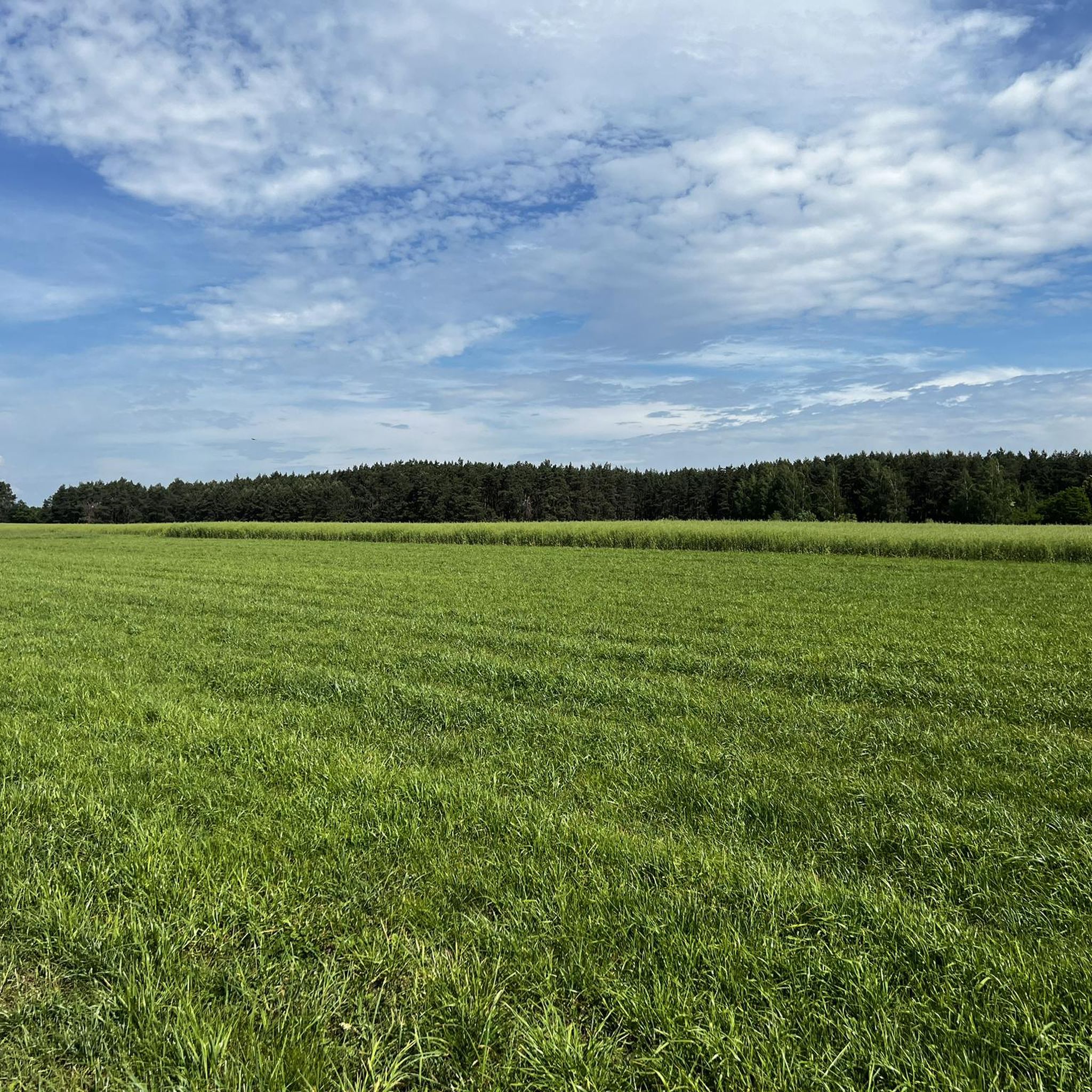
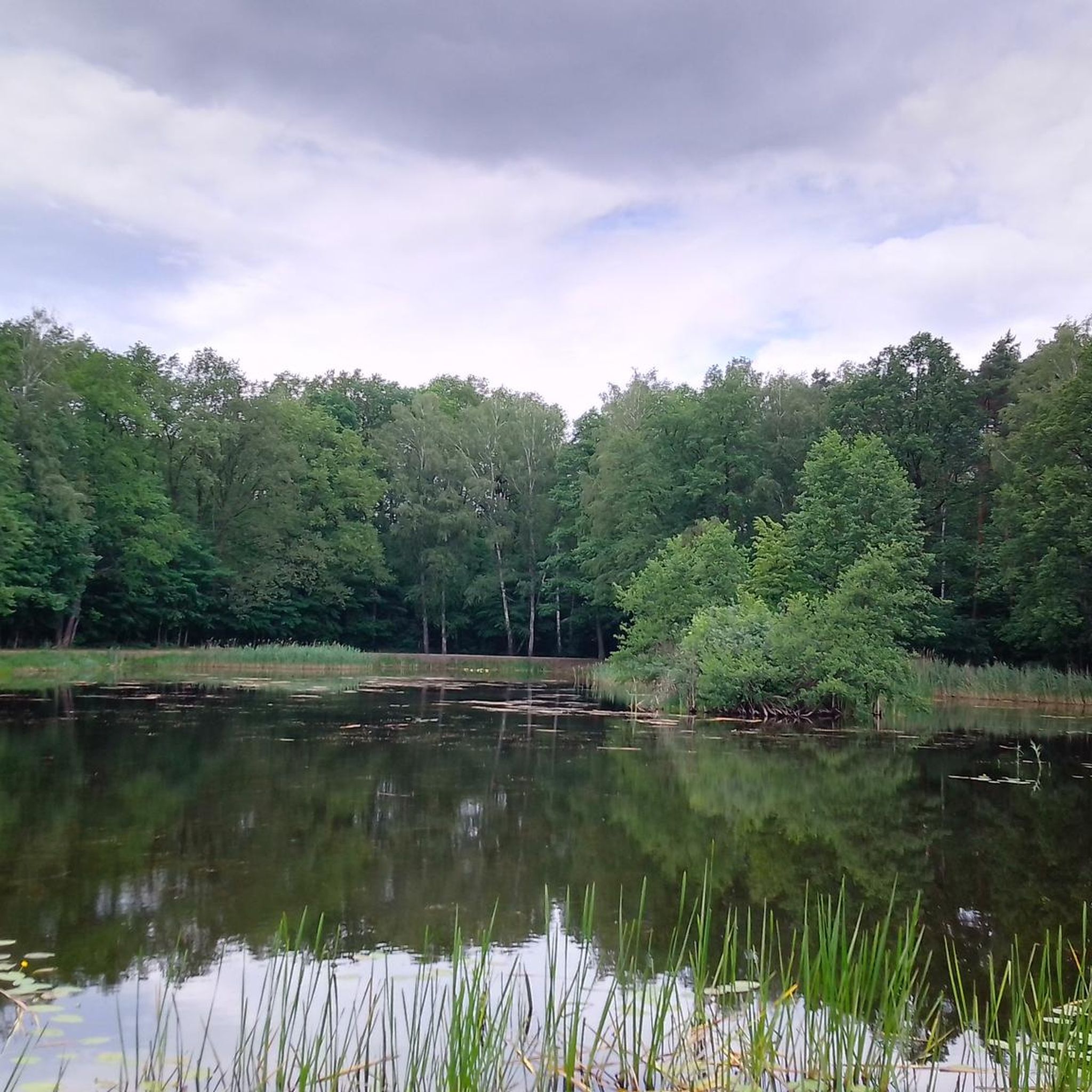
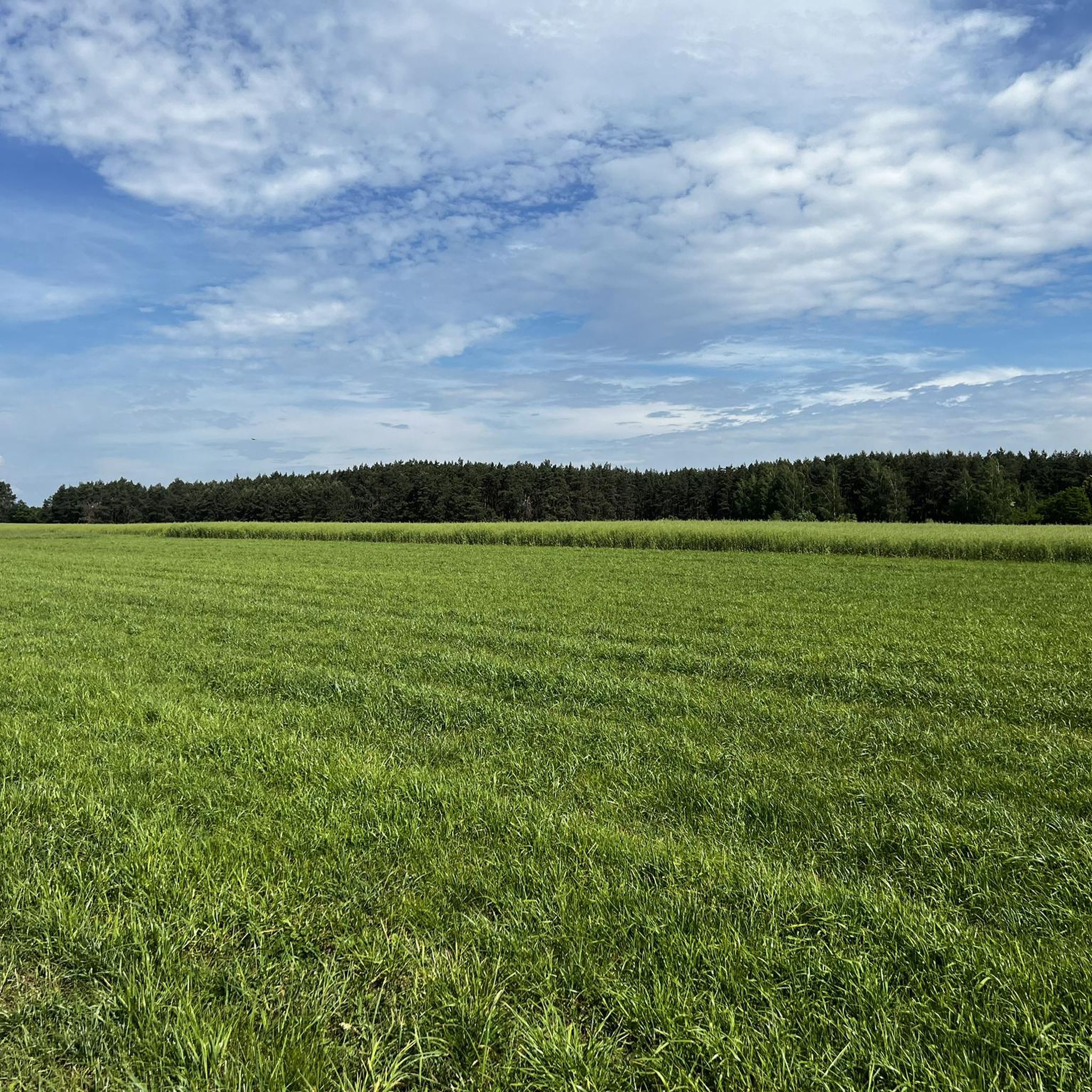
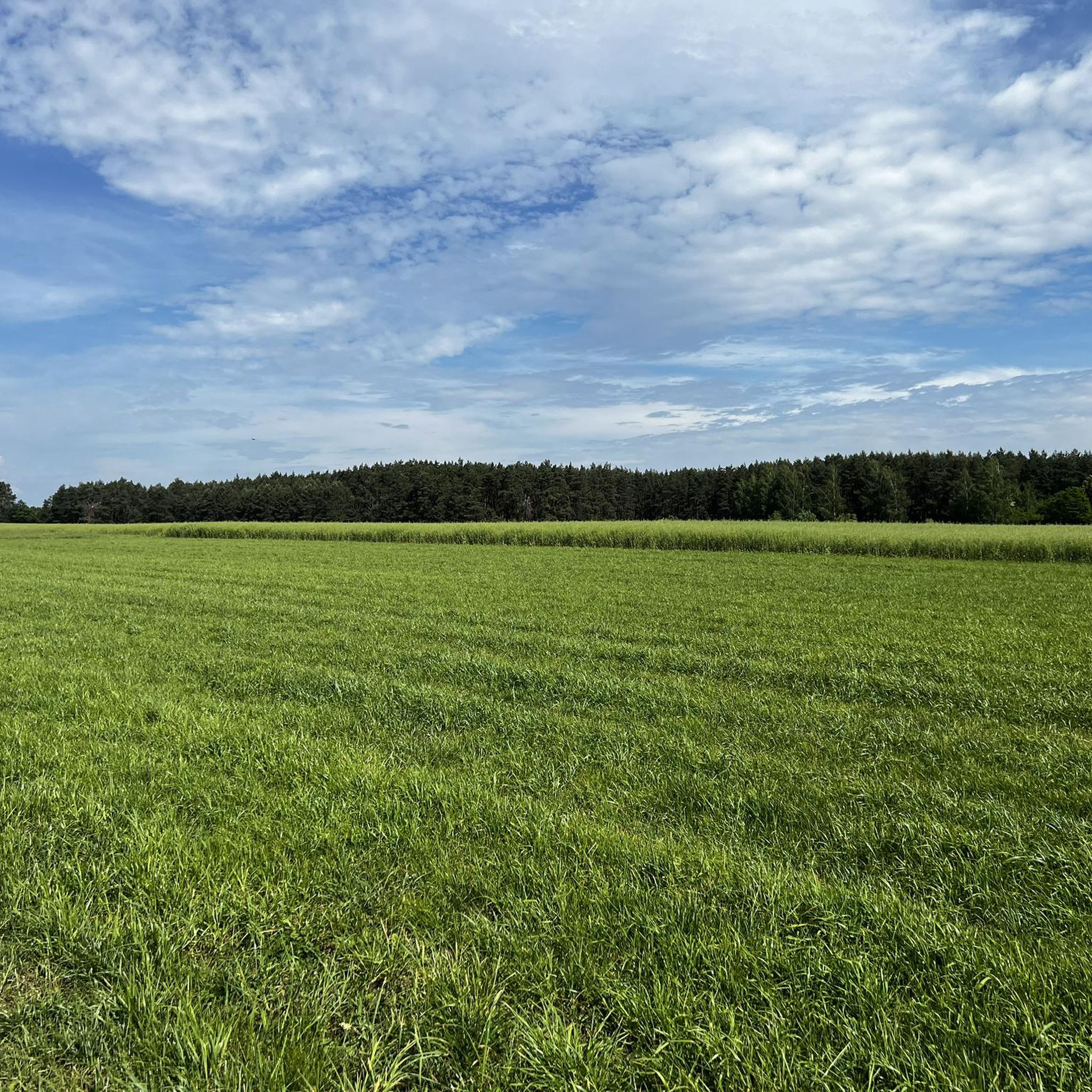
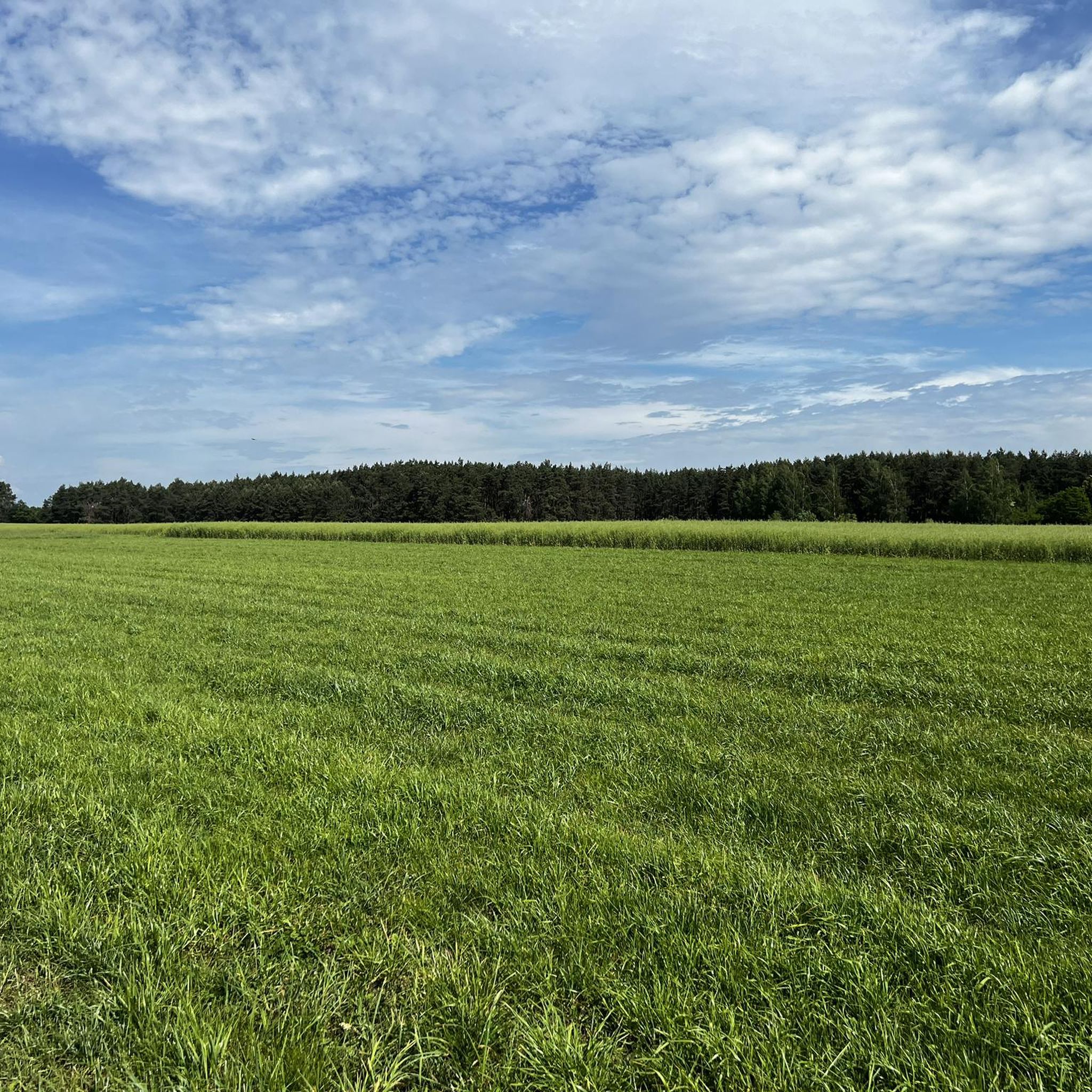
Gravel biking in Las Chrustowski features routes predominantly through forested areas and along former railway lines. The region is characterized by generally flat to gently rolling terrain, with minimal elevation changes. Rivers like the Mrożyca also contribute to the landscape, offering varied natural settings for cycling. These conditions provide a suitable environment for gravel biking, with routes often utilizing forest tracks and converted rail paths.
Best gravel bike trails in Las Chrustowski
- The most popular gravel bike trail is Forest…
Last updated: June 28, 2026
5.0
(1)
3
riders
Hard gravel ride. Great for any fitness level. You may need to push your bike for some segments of this route.
3
riders
37.7km
02:23
180m
180m
Moderate gravel ride. Good fitness required. Mostly paved surfaces. Suitable for all skill levels.

Sign up for free
4.0
(1)
2
riders
22.0km
01:32
60m
60m
Easy gravel ride. Great for any fitness level. Mostly paved surfaces. Suitable for all skill levels.
3
riders
7.27km
00:34
20m
20m
Easy gravel ride. Great for any fitness level. Mostly paved surfaces. Suitable for all skill levels.
Our route recommendations are based on thousands of hikes, rides, and runs completed by other people on komoot.
Start today with a free account
Your next adventure awaits.
Login or Signup
Tips from the Community

Very pleasant, picturesque bike path, good quality asphalt.
0
0

It's flying. I like fire roads like this.
0
0

A very nice route for walking, running and cycling.
0
0

Premium gravel, we press, keep going.
0
0

Narrow Gauge Railway Rogów – Rawa – Biała (colloquial: Kolej Rogowska) – the first and only museum narrow gauge railway in the Łódź province. Previous names were Rogow Feldbahn, Rogowska Kolej Dojazdowa and Rogowska Kolej Wąskotorowa. The name currently used also functioned in the interwar period. Its beginnings date back to 1915 when German troops built a military field railway with a 600 mm gauge connecting Rogów with Biała Rawska. The narrow gauge railway was used to supply the German front with food, weapons and ammunition. It was used to transport soldiers and evacuate the wounded. Construction of the Rogów – Rawa – Biała Narrow Gauge Railway began on February 28, 1915. Construction was carried out by the 22nd Reserve Eisenbahn Kompanie and three other German railway companies. The railway was built to supply the eastern front near the Rawka and Pilica rivers. The line ran from the standard gauge railway station in Rogów to Biała Rawska via Głuchów and Rawa Mazowiecka. After the end of World War I, the Rogów–Rawa–Biała Narrow Gauge Railway was taken over by PKP. In 1954, it was re-gauged to a 750 mm gauge. In 1996, it was entered into the register of historical monuments. In 2001, PKP decided to liquidate it. It was saved from destruction by the Foundation of Polish Narrow Gauge Railways (FPKW), which restored it to a state of technical efficiency. The Rogów Towarowy Narrow Gauge Station houses the second largest collection of historic narrow gauge rolling stock in Poland. The entire railway is maintained thanks to the work of volunteers, who can be joined by any railway enthusiast.
0
0
The people of Koluszkowo decided to build a temple in their own backyard. For this purpose, a construction committee was established, consisting mainly of railway workers and local residents, led by the station manager Teofil Leśniewski and the parish priest of Jeżów, Father Andrzej Stypułkowski (it was planned that the future church would be a branch of the Jeżów parish). The committee's tasks were not easy, it had to convince as many people as possible to support the construction and spread its noble ideas, conduct preparatory work, and above all, try to obtain funds and material goods necessary for the construction of the first Koluszkowo temple. One of the committee members, Włodzimierz Mikołajewski, donated 3 morga (1.68 ha) of land for the construction of a church and a rectory, and soon the committee had in its hands the plans for the future house of God, made free of charge by a builder from Opoczno - Wołkoński, who promised to supervise the future construction. The estimated cost of construction carried out by Antoni Sroka, a mechanical engineer, graduate of the Technical School of the Warsaw-Vienna Railway and the Faculty of Mechanics of the Karlsruhe University of Technology, was 9,998 rs. (rs. – silver rubles).
0
0

It's not a perfect gravel road, there are a lot of stones, especially on the driveway, but it's worth it for the views!
0
0

The wooden gazebo is already very worn and certainly won't protect against rain, but despite this the place has its own atmosphere.
0
0
Frequently Asked Questions
How many gravel bike trails are available in Las Chrustowski?
Las Chrustowski offers a selection of 4 gravel bike routes, catering to various skill levels. These routes predominantly feature forest tracks and former railway lines, providing a unique cycling experience.
Are there any easy or beginner-friendly gravel bike routes in Las Chrustowski?
Yes, there are routes suitable for beginners. For an easier ride, consider the Gravel road – Forest Singletrack loop from Bedoń, which is 22.3 km long and takes about 1 hour 34 minutes. Another easy option is the Wiączyn Forest – Forest Path loop from Eufeminów, a shorter 7.2 km path ideal for a quick, gentle ride.
What kind of terrain can I expect on the gravel bike trails in Las Chrustowski?
The gravel bike trails in Las Chrustowski are characterized by diverse desert landscapes, including extensive unpaved roads and trails. You'll encounter sandy sections, especially in the Chihuahuan Desert, which may require wider tires for comfort. The region also features dramatic mountain ranges like the Organ Mountains and Robledo Mountains, offering varied elevation and stunning views.
What are the best times of year for gravel biking in Las Chrustowski?
Las Chrustowski, with its over 320 days of blue skies annually, is a year-round destination for outdoor adventure. However, the cooler months from late autumn through early spring are generally most comfortable for cycling, avoiding the peak heat of summer. Late October is particularly popular, coinciding with events like the DangerBird 250.
Are there any circular gravel bike routes in Las Chrustowski?
Yes, many of the routes in Las Chrustowski are designed as loops. For example, the Forest Gravel Road – Koluszki Railway Cycle Path loop from Koluszki and the Gravel Road No. 102 – Rogów Narrow-Gauge Railway loop from Koluszki are both excellent circular options that allow you to start and end in the same location.
What are some scenic highlights or natural features to look out for on the trails?
The region is rich in natural beauty. You'll be cycling through the heart of the Chihuahuan Desert, with expansive views and unique flora. The dramatic Organ Mountains-Desert Peaks National Monument is a centerpiece, offering views of sharp spires and pine-dotted slopes. While specific highlights along the gravel routes are not detailed, the general landscape provides breathtaking desert vistas.
What tire size is recommended for gravel biking in Las Chrustowski?
Given the diverse terrain, including sandy sections common in the Chihuahuan Desert, wider tire sizes are recommended for improved comfort and traction. Cyclists often find 40-47mm for 700c wheels, or 47-55mm for 650b wheels, to be suitable for the conditions in Las Chrustowski.
Are there any places to explore or visit near the gravel biking areas?
Beyond the trails, Las Chrustowski (Las Cruces) offers several attractions. You can explore the historic Old Mesilla Village with its shops and restaurants, visit the New Mexico Farm and Ranch Heritage Museum, or experience the vibrant Farmers & Crafts Market. For more outdoor exploration, White Sands National Park is less than an hour away, offering a surreal landscape of gypsum dunes.
What do other gravel bikers enjoy most about the routes in Las Chrustowski?
The routes in Las Chrustowski are highly rated by the komoot community, with an average score of 4.0 stars. Reviewers often praise the varied terrain, which includes forest tracks and former railway lines, and the opportunities to explore the unique desert landscapes and dramatic mountain backdrops.
Are there any long-distance gravel biking or bikepacking opportunities?
Yes, Las Chrustowski (Las Cruces) is gaining recognition as a bikepacking destination. The established Monumental Loop is a significant draw, and the region hosts events like the DangerBird 250, a grassroots bikepacking event. The extensive network of unpaved roads and public lands allows for custom, longer off-road cycling experiences.
Where can I find parking for the gravel bike trails?
While specific parking details for each route are not provided, many trailheads and access points to public lands offer parking. For example, Soledad Canyon Day Use Area, about 10 miles east of Las Cruces, provides easy access to biking trails in the western foothills of the Organ Mountains and likely has parking facilities.
What is the typical elevation gain on gravel bike routes in Las Chrustowski?
The region is characterized by generally flat to gently rolling terrain, with minimal elevation changes on many routes. However, some trails, especially those venturing into the foothills of the Organ Mountains, can have more significant climbs. For instance, the Footbridge Over the Mrożyca – Parowy Janinowskie Forest loop from Zalesie has an elevation gain of over 200 meters.
Most popular routes in Las Chrustowski

Get inspired with the komoot mobile app


Explore more
Browse the best Gravel rides in other regions.
