Attractions and Places To See around Saint-Jean-D'Ataux - Top 4
Best attractions and places to see around Saint-Jean-D'Ataux include a blend of historical sites and natural landscapes within the Dordogne department of France. The area is characterized by the expansive Double Forest, featuring oak, chestnut, and pine trees, numerous ponds, and small streams. Visitors can explore ancient churches, remnants of historical walls, and natural features like the Fontaine Saint-Jean. The region offers opportunities to experience both historical charm and diverse ecosystems.
Best attractions and places to see around Saint-Jean-D'Ataux
- The…
Last updated: July 3, 2026
Saint-Aquilin
Highlight • Other
Translated by Google •
Tip by

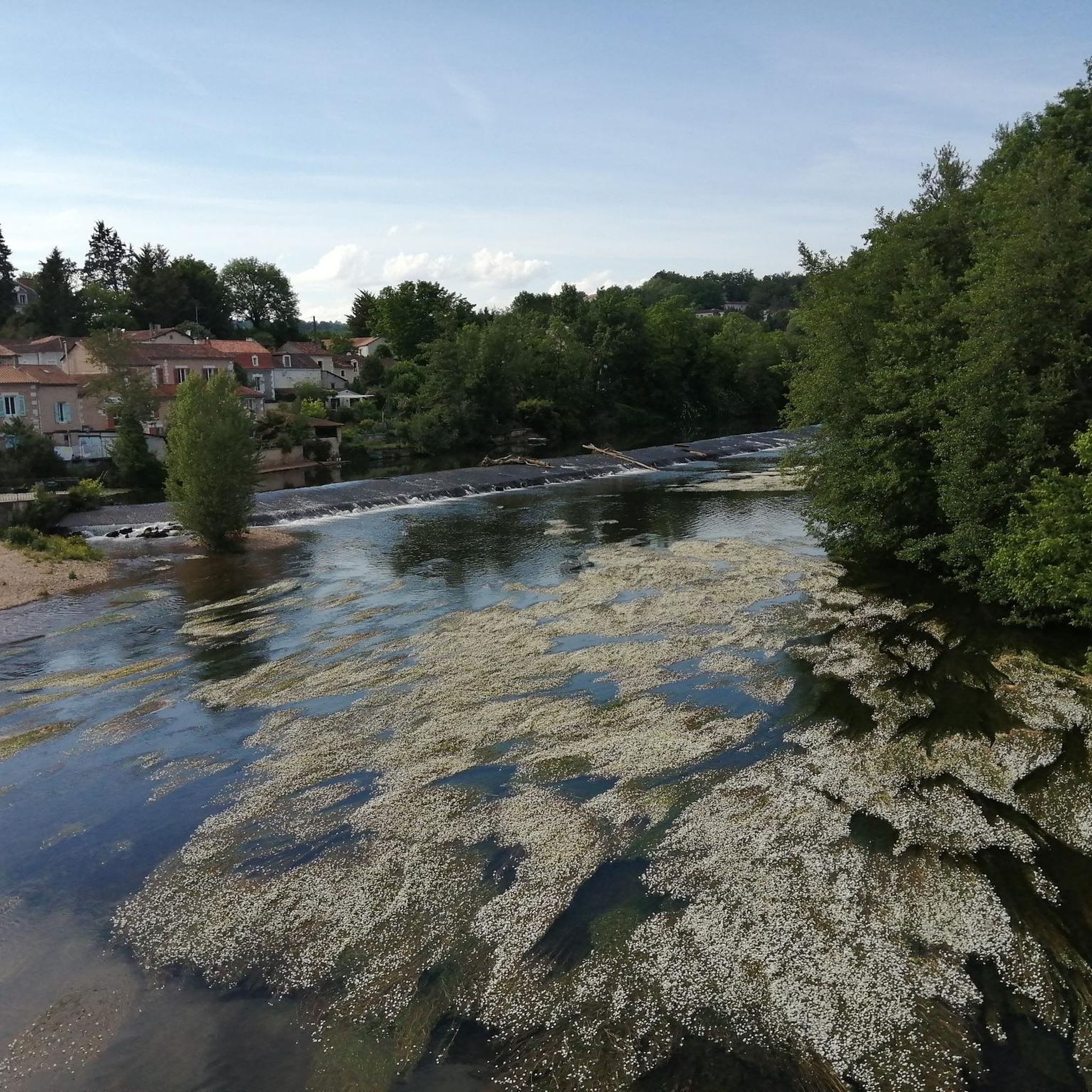
The Isle at Saint-Léon-sur-l'Isle
Highlight • River
Translated by Google •
Tip by
Sign up now to discover places like this
Get recommendations on the best single tracks, peaks, & plenty of other exciting outdoor places.
Sign up for free
Château de Puyferrat
Highlight • Castle
Translated by Google •
Tip by

Saint-Astier Bridges
Highlight • Other
Translated by Google •
Tip by

Hunting lodge
Highlight • Other
Showing Translation
Tip by

Start today with a free account
Your next adventure awaits.
Login or Signup



Tips from the Community

Hut of the local hunting community with table, chairs and a lounger. The hut is open to hikers and pilgrims.
0
0

Puyferrat Castle, perched proudly on its hill, offers breathtaking views of Saint-Astier and the surrounding countryside. This 16th-century gem combines towers, turrets, and a patrol path, perfect for fairytale adventures. Behind its thick walls, it hides majestic rooms, a romantic chapel, and even ancient underground shelters for explorers at heart. Listed as a historical monument since 1862, it can be visited in the summer and has a thousand surprises in store for curious visitors who come to stroll through its 100 hectares of nature.
0
0
Saint-Astier is a jewel of the Périgord, where history flirts with nature along the Isle. It hosts the famous Thursday market, festive and fragrant, a popular meeting place for savoring local produce. The town is home to heritage gems like the Château de Puyferrat and the fortified church, proud guardian of a vibrant past. Saint-Astier also shines for its natural lime, a world star in the restoration of historic monuments.
0
0

Why Visit Saint-Aquilin? For its historical heritage: Between the Romanesque church, the Château de la Jarthe and its ancient traditions, Saint-Aquilin is a village where the past continues to live. For its peaceful landscapes: Nestled in a valley, the village offers magnificent views of the surrounding nature, ideal for recharging your batteries far from the hustle and bustle of modern life. For the authentic experience of rural life: The village, with its farms, craftsmen and local traditions, allows visitors to discover the culture of Périgord in all simplicity. Saint-Aquilin, with its discreet charm and rich heritage, is an ideal stopover for those who wish to explore the calm and authenticity of the Dordogne.
2
0
Natural Heritage: Bucolic Landscapes: Saint-Aquilin is surrounded by green hills, forests and fields, offering many opportunities for hiking and strolling through the countryside. It is a privileged place for nature lovers and those seeking peace and quiet. Rivers and Streams: The presence of small rivers and streams adds to the beauty of the landscape. These waterways are an integral part of the charm of the region. Fontaine Saint-Jean: Ancient Place of Worship: The Fontaine Saint-Jean is an ancient place of pilgrimage where, in the past, the inhabitants came to pray and ask for healings. This site, surrounded by peaceful nature, remains a point of curiosity for visitors. Holy Water: The fountain is still considered a place of meditation, with water that is traditionally associated with healing properties. Rural Life and Crafts: Local Agriculture: The region around Saint-Aquilin is rich in agricultural land. Visitors can discover local products, such as honey, fruits, and other regional specialties, directly from local farms. Crafts: A few local artisans perpetuate traditional skills, offering a unique opportunity to acquire handmade objects, which reflect the authentic character of the region.
2
0
Saint-Aquilin is a picturesque village located in the Dordogne department, in the Nouvelle-Aquitaine region. This charming village, nestled in a rolling and green landscape, is known for its historical heritage, its natural landscapes and its peaceful atmosphere. Saint-Aquilin embodies the essence of French rural villages, with its old stones, its small streets and its connection with the surrounding nature. Points of Interest in Saint-Aquilin: Saint-Eutrope Church: Roman Heritage: The Saint-Eutrope Church is a listed Romanesque building, dating from the 12th century. Its sober architecture, with its typical bell-wall of the region, makes it one of the historical jewels of the village. Refined Interior: The interior of the church contains interesting elements such as ancient frescoes and sculpted capitals. It is a place that bears witness to the long Christian history of the village. Château de la Jarthe: Historic Residence: The Château de la Jarthe, located not far from the village center, is a beautiful building dating from the 17th century. Surrounded by greenery and gardens, it bears witness to the elegance of the rural residences of the time. Park and Gardens: The castle park, with its shaded paths and century-old trees, is a peaceful place, ideal for a relaxing walk.
2
0


Here in this castle you can stay overnight cheaply, ideal for pilgrims on the Way of St. James
1
0
Frequently Asked Questions
What natural features can I explore around Saint-Jean-D'Ataux?
The region is rich in natural beauty, primarily dominated by the expansive Double Forest, characterized by oak, chestnut, and pine trees, numerous ponds, and small streams. You can also discover the Ponds of the Double Forest, which are crucial wetlands home to diverse species. The Saint-Aquilin area also offers bucolic landscapes with green hills, forests, and rivers. Don't miss the ancient Fontaine Saint-Jean, a peaceful natural setting traditionally associated with healing properties.
Are there historical sites to visit in the area?
Absolutely. The historic Saint-Jean-d'Ataux Church features a 12th-century Romanesque choir. You can also find vestiges of old walls, bearing witness to the commune's past during the English occupation. Nearby, the village of Saint-Aquilin boasts the 12th-century Romanesque Saint-Eutrope Church and the 17th-century Château de la Jarthe. The Château de Puyferrat near Saint-Astier is another significant 16th-century castle.
What kind of outdoor activities are available near Saint-Jean-D'Ataux?
The area is excellent for outdoor enthusiasts. You can enjoy hiking through the Double Forest, with trails like "Discovering the ponds of the Double Forest." For running, explore routes such as the "Étang d'Ataux loop from Saint-Jean-d'Ataux" or various loops from nearby towns, which you can find in the Running Trails around Saint-Jean-D'Ataux guide. Cycling is also popular, with options ranging from easy to difficult, including routes that pass by The Isle at Saint-Léon-sur-l'Isle and Saint-Astier Bridges. Check out the Traffic-free bike rides around Saint-Jean-D'Ataux and Road Cycling Routes around Saint-Jean-D'Ataux guides for more details.
Are there any unique local experiences or hidden gems?
Yes, the "Les Verrières" locality in Saint-Jean-D'Ataux is historically significant as a site where fine sand was extracted for a once-flourishing glass industry. For a unique culinary experience, consider visiting Caviar de Neuvic, just 6 km away. The Abbaye d'Echourgnac, about 15.5 km away, is known for its cheese production, offering a taste of local monastic tradition.
What are some family-friendly attractions in the vicinity?
Families can enjoy exploring the natural landscapes of the Double Forest, with its numerous ponds and hiking trails. The Château de Neuvic (7 km away) offers tours, escape games, and nature walks within its six-hectare botanical park, providing engaging activities for all ages. The Grand Etang La Jemaye (10.5 km away) is a large pond popular for nature lovers, ideal for a family day out.
When is the best time to visit Saint-Jean-D'Ataux for outdoor activities?
The region is generally pleasant for outdoor activities from spring through early autumn. Spring offers lush greenery and comfortable temperatures for hiking and cycling, while summer allows for full enjoyment of the natural ponds and forest trails. Autumn brings beautiful foliage and cooler weather, perfect for longer walks. Winters are generally milder but can be damp, making some trails less accessible.
Where can I experience local culture, like markets?
To immerse yourself in local culture and find regional produce, visit the vibrant markets in nearby towns. Saint-Astier (9 km away) hosts a popular market on Thursdays. Mussidan (13 km away) has a market on Saturdays, and Riberac (13 km away) is famous for its large markets on Tuesdays and Fridays. These markets are excellent places to discover local specialties and crafts.
What are some interesting towns or villages to visit nearby?
Several charming towns and villages are within a short drive. Neuvic sur l'Isle (7 km away) features the impressive Château de Neuvic. Saint-Astier (9 km away) is known for its attractive riverside setting and heritage gems. Mussidan (12 km away) is located at the confluence of the Isle and Crempse rivers. Riberac (13 km away) is a traditional town famous for its large market, and Issac (15 km away) is a picturesque village with a 15th-century tower.
What do visitors particularly enjoy about the Saint-Jean-D'Ataux area?
Visitors appreciate the peaceful atmosphere and the beautiful, calm nature, especially around Saint-Aquilin, which is described as a good starting point for hikes and bike rides. The region's rich historical heritage, from ancient churches to castles, also captivates many. The opportunity to explore the extensive Double Forest and its numerous ponds is a major draw for those seeking tranquility and outdoor exploration.
Are there dog-friendly walking options around Saint-Jean-D'Ataux?
The natural areas, particularly the trails within the Double Forest and around its ponds, generally offer good opportunities for dog walking. Many rural paths and forest tracks are suitable for exploring with your canine companion, allowing them to enjoy the natural surroundings alongside you. Always ensure your dog is under control and respect local regulations regarding pets in natural reserves.
Can I find cycling routes suitable for different skill levels?
Yes, the area offers a variety of cycling routes. For an easy ride, consider the "The Isle at Saint-Léon-sur-l'Isle – Saint-Astier Bridges loop from Saint-Léon-sur-l’Isle" (19.4 km). Moderate options include the "Mauriac Castle and Dam – The Isle at Saint-Léon-sur-l'Isle loop from Saint-Louis-en-l'Isle" (46.9 km). For a more challenging ride, try the "The Isle at Saint-Léon-sur-l'Isle – Beauséjour Castle loop from Saint-Léon-sur-l’Isle" (35.2 km). You can find more details in the Traffic-free bike rides around Saint-Jean-D'Ataux guide.
Most popular routes around Saint-Jean-D'Ataux

Get inspired with the komoot mobile app


Explore more
Still not found the Highlight you’re looking for? See guides of the top attractions in other regions:
