Top 20 Lakes in Hérault
Best lakes in Hérault are found in this department of Southern France's Occitania region, offering diverse landscapes and activities. The area is characterized by varied natural features, from the striking red earth of Lac du Salagou to tranquil forest settings. Hérault's lakes provide opportunities for outdoor recreation amidst unique geological formations and preserved natural environments. This region is known for its blend of artificial reservoirs and natural pools, catering to different interests.
Best lakes in Hérault
- The most popular lakes…
Last updated: October 4, 2026
Between the Étang du Méjean and the Étang de l'Arnel
Highlight • Cycleway
Translated by Google •
Tip by

View of the Étang de Thau
Highlight • Viewpoint
Translated by Google •
Tip by

Sign up now to discover places like this
Get recommendations on the best single tracks, peaks, & plenty of other exciting outdoor places.
Submersible Road Between the Étang de l'Arnel and the Étang des Moures
Highlight (Segment) • Cycleway
Showing Translation
Tip by

Salagou Dam
Highlight • Monument
Translated by Google •
Tip by

The Red Lands of Salagou
Highlight • Natural
It is the iron oxide present in the rock that gives clay and sandstone this particular red color.
Translated by Google •
Tip by
Vic Pond
Highlight • Lake
Showing Translation
Tip by

Stunning view of the Thau Lagoon and Sète
Highlight • Lake
Translated by Google •
Tip by

Etang de Montady viewpoint
Highlight • Lake
This is a Mediterranean lagoon that was …
Translated by Google •
Tip by

Gouffre du Cerisier Natural Pool and Waterfall
Highlight • Waterfall
Translated by Google •
Tip by

Lake Cécélès
Highlight • Lake
A path goes around, very narrow, prefer the feet to the bike.
Translated by Google •
Tip by

Sign up for free to discover even more lakes in Hérault.
Already have an account?
Start today with a free account
Your next adventure awaits.
Popular around Hérault

Triathlon 360 – my journey around the world
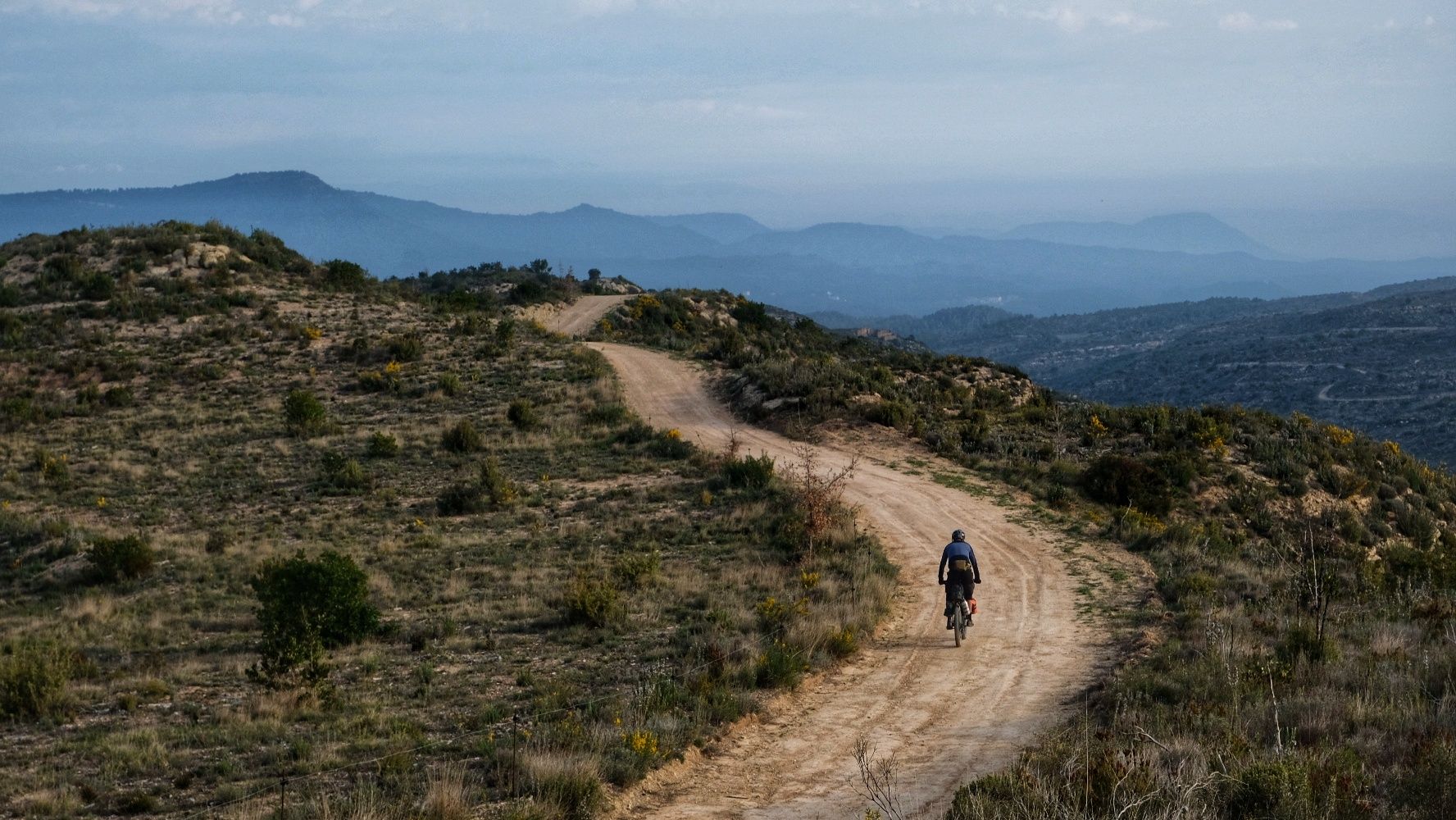
European Divide Trail — 7,600 km across the continent
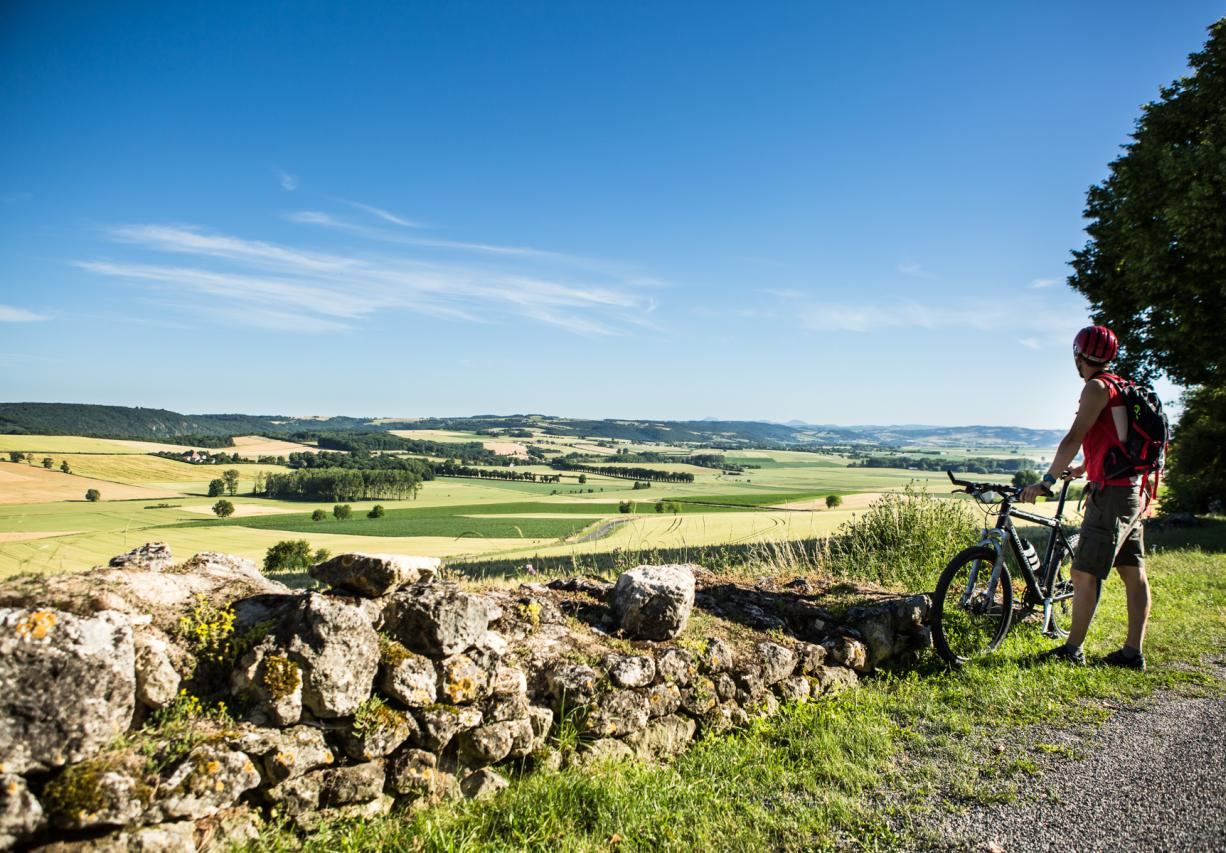
The Grande traversée du Massif Central by gravel bike
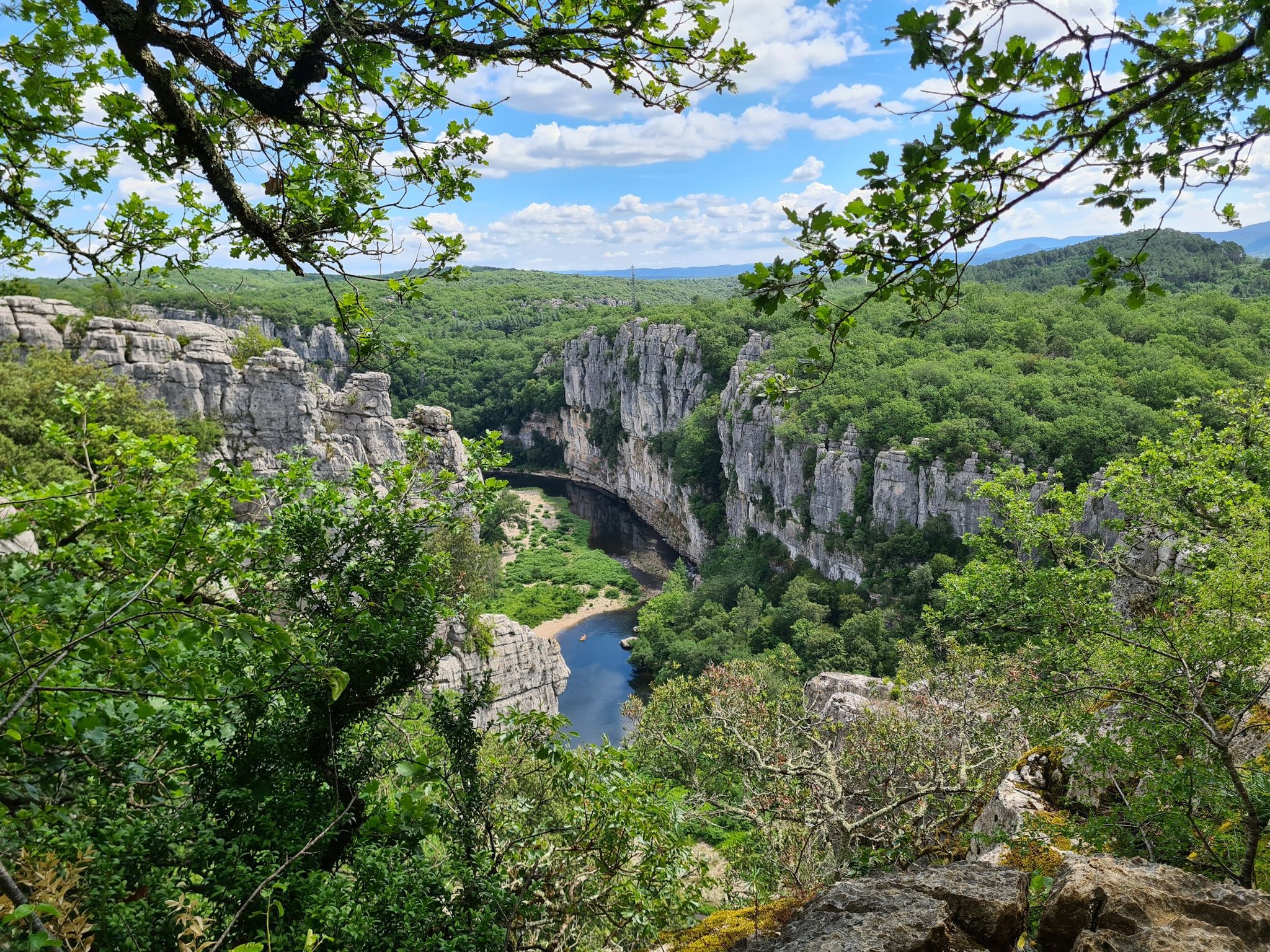
Hexatrek – The Cévennes to the Pyrenees between gorges and limestone plateau
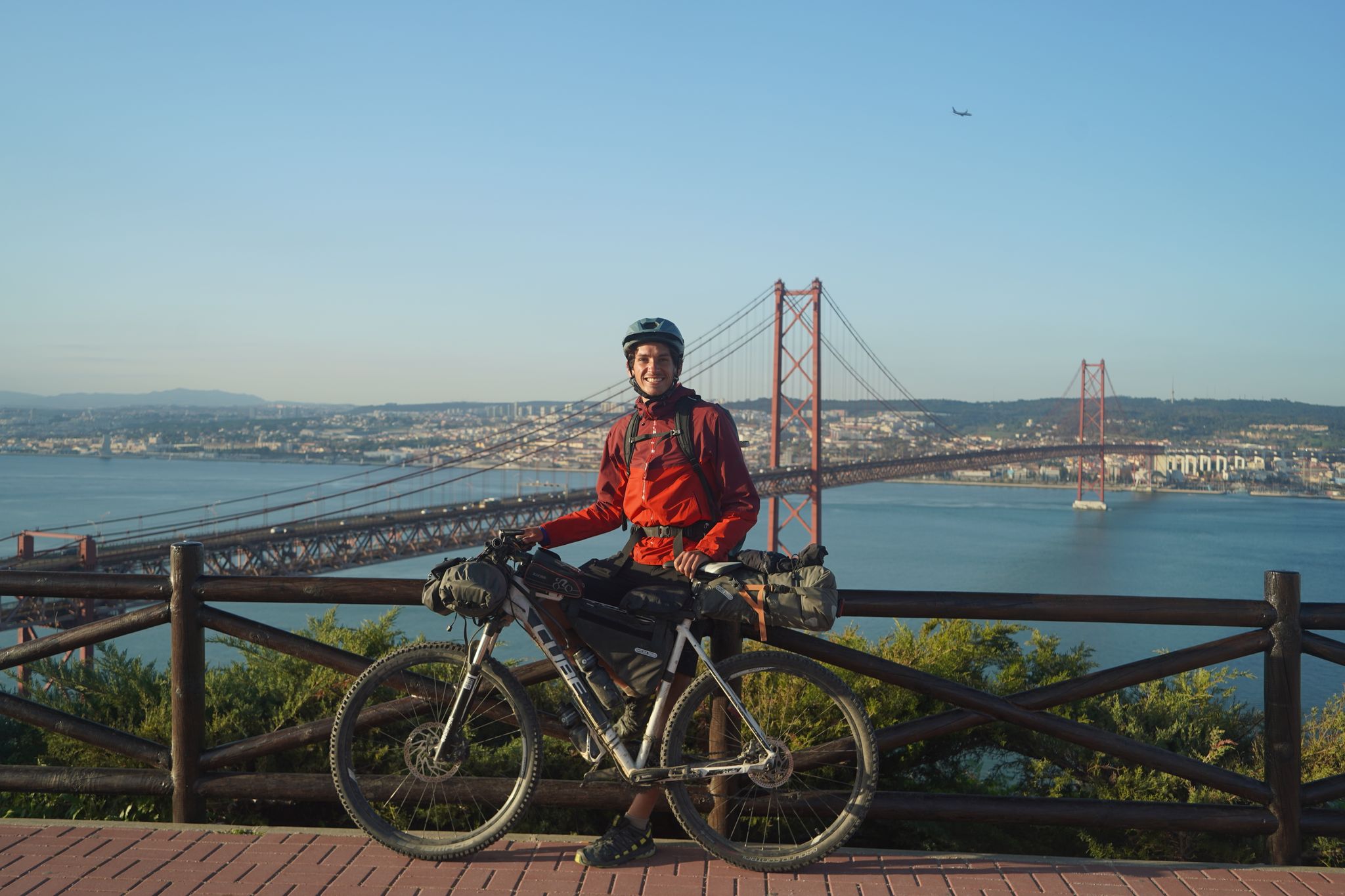
Road to Lisbon – bikepacking the Alps, Pyrenees and Picos de Europa
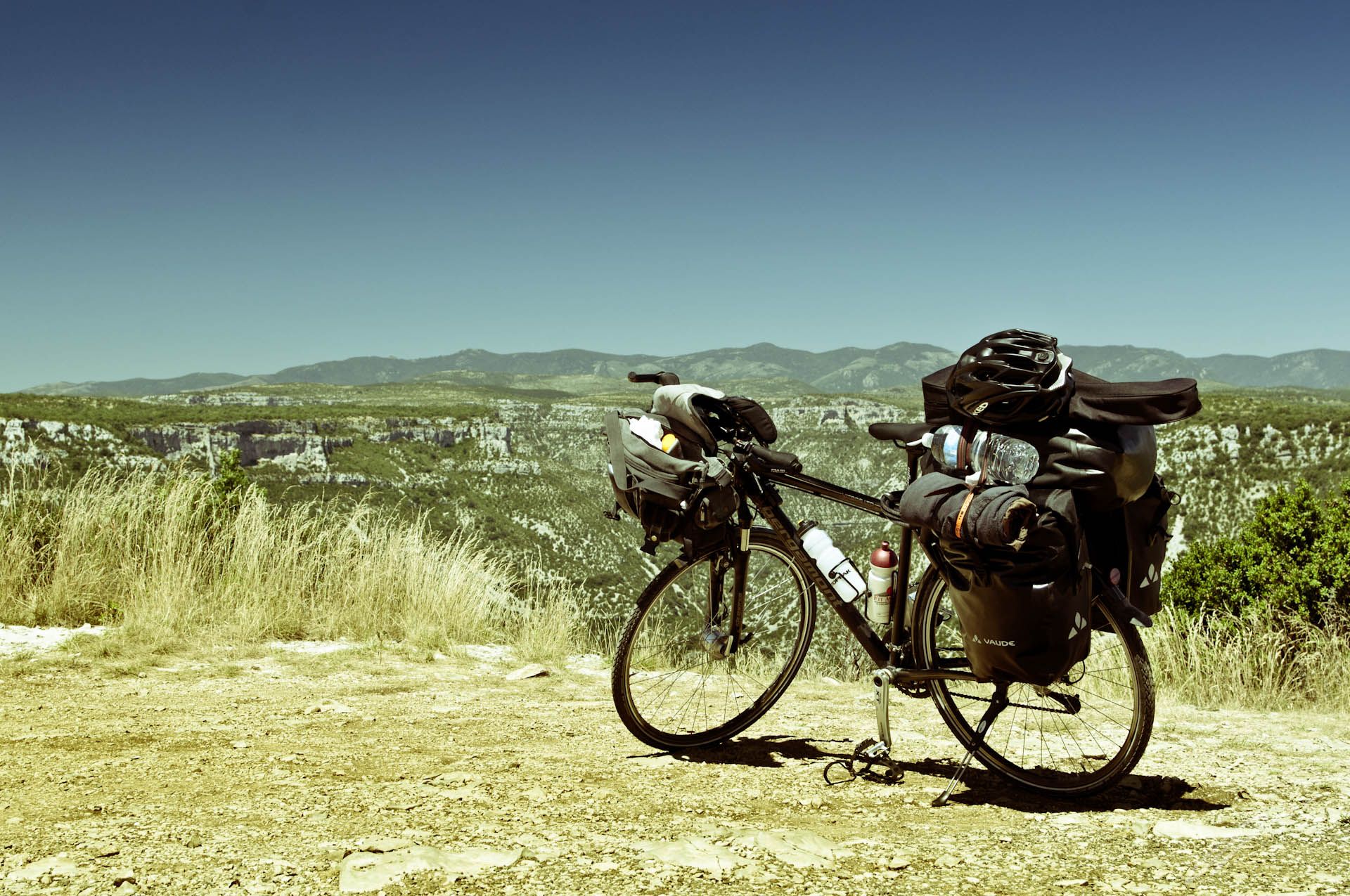
Follow the sun – riding from Germany to the south of France
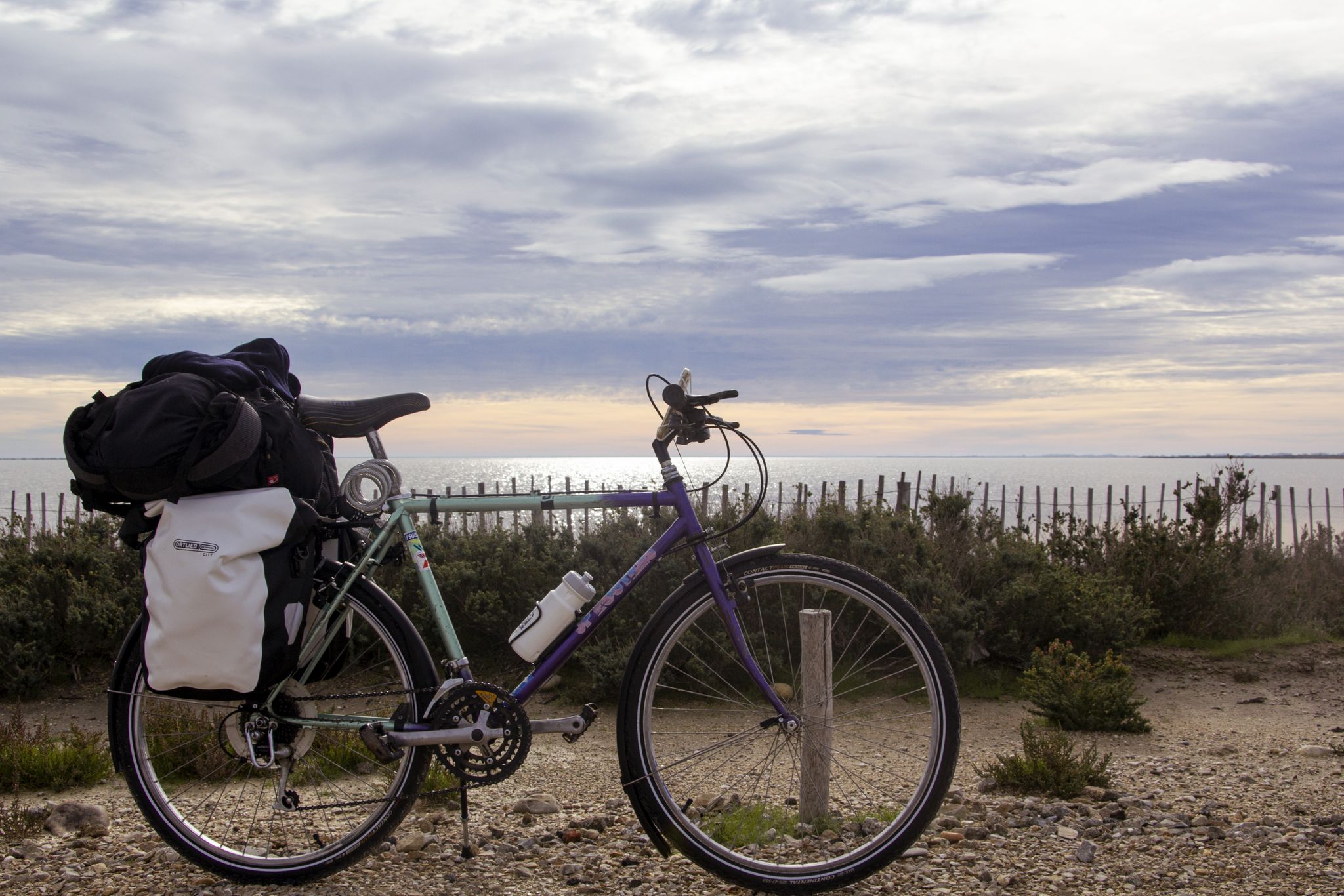
From Marseille to Montpellier — France's south coast by bike
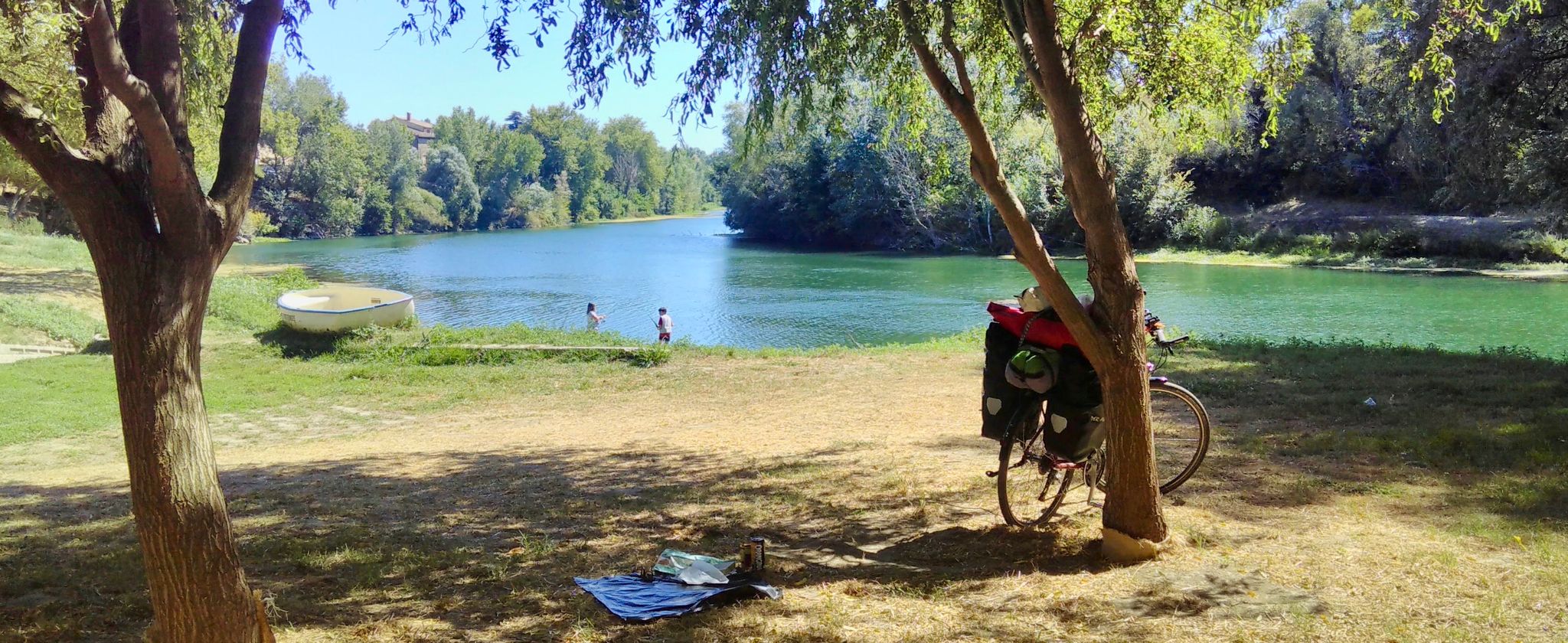
Via Rhôna — cycling the Rhone Valley Way from Lyon to the Mediterranean
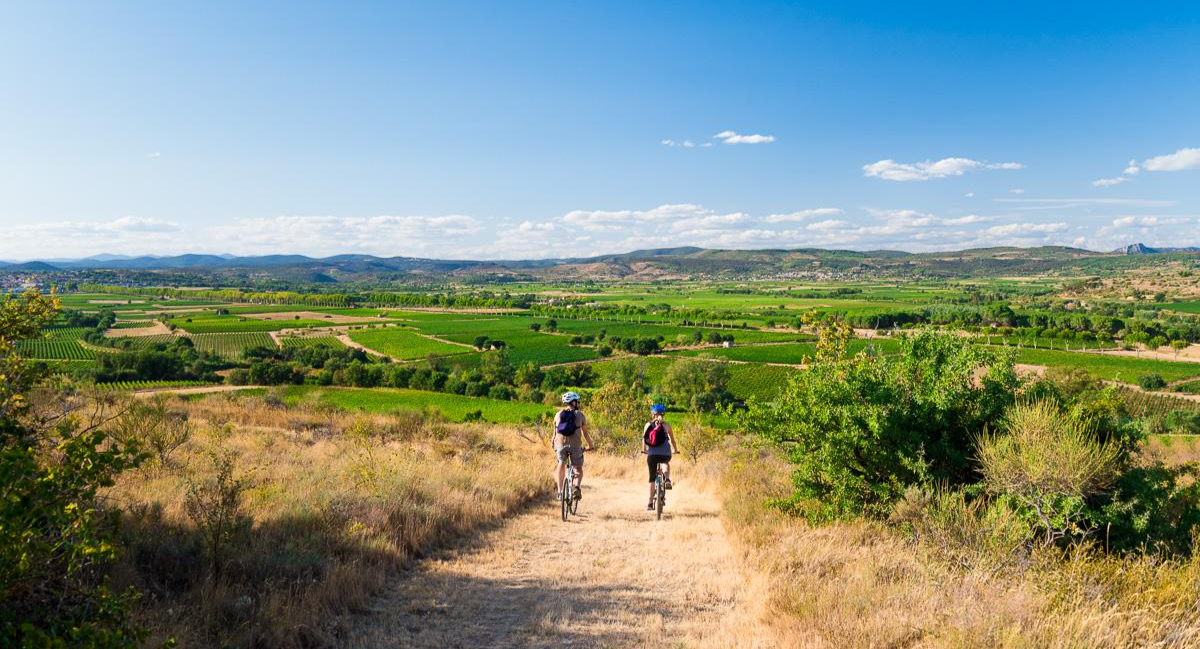
Cap d’Agde by bike – a unique terroir and wines with character
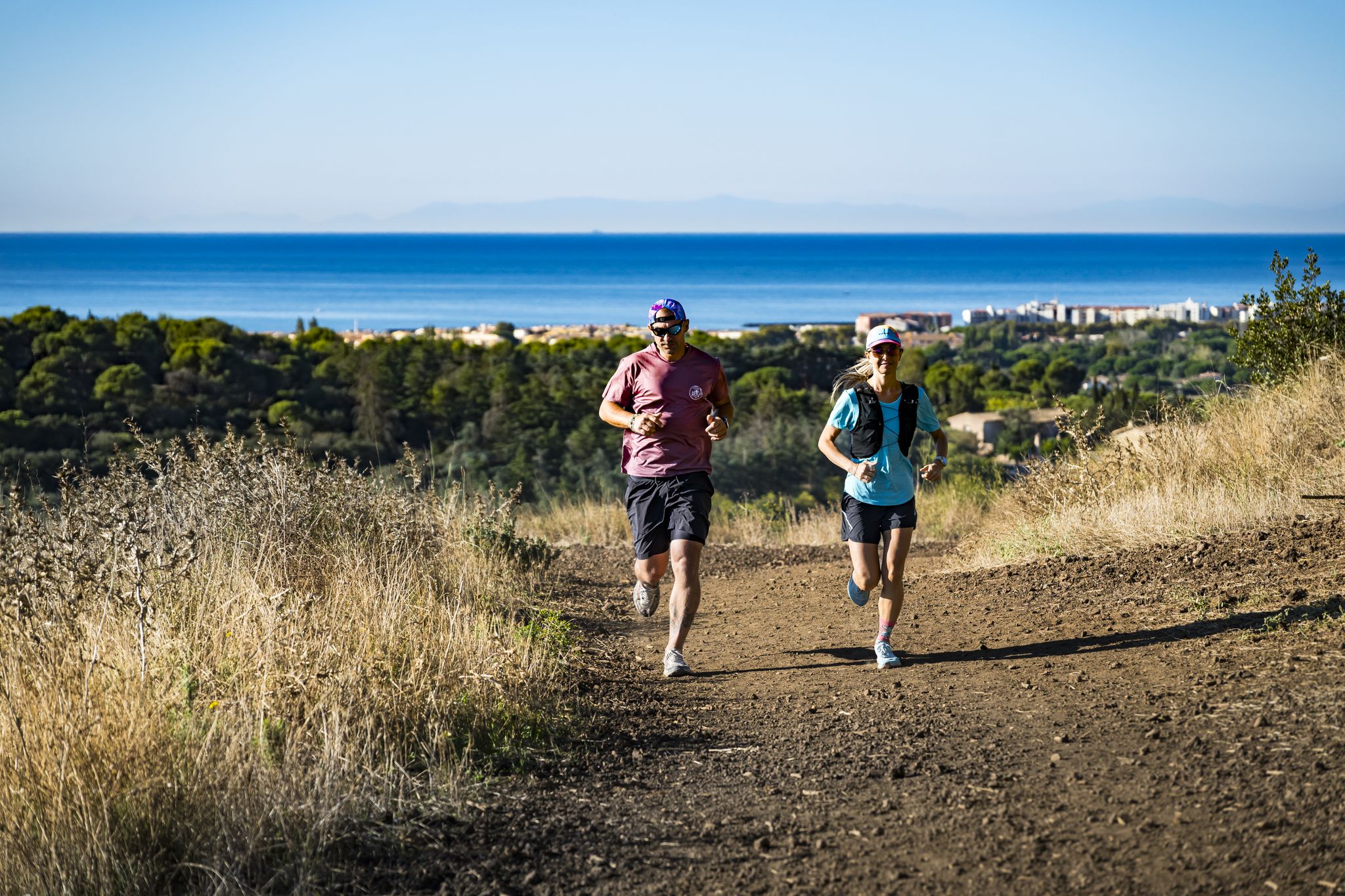
Running the trails and races of the Cap d’Agde
Other adventures in Hérault


Tips from the Community

The Étang de Thau is the largest lagoon in Occitania and a species-rich inland sea, separated from the Mediterranean by a narrow sandbank. The waters are the center of South French oyster farming, whose hanging mussel beds shape the landscape. As a nautical hub, the lagoon also connects the famous Canal du Midi with the Canal du Rhône à Sète. Along the shore, charming towns line up, such as the fishing town of Sète, the vermouth town of Marseillan, and the oyster towns of Bouzigues and Mèze, which can be perfectly explored via the 53-kilometer-long cycling route around the basin.
0
0

The view plunges over the Thau lagoon and its immense checkerboard of shellfish farms. These regular alignments are the breeding facilities where the oysters and mussels of the lagoon are produced. Bouzigues holds a special place in this history: in 1925, Antoine Louis Tudesq and other Bouzigues oyster farmers developed the "Pyramid" technique, which contributed to the development of shellfish farming in the lagoon. Thus, the panorama allows us to read the landscape differently: behind this vast expanse of water lies a real production area, shaped for over a century by the work of the "sea farmers".
0
0
From the greenway, the panorama opens onto the Étang de Vic. This vast coastal lagoon of over 1,000 hectares stretches between the Gardiole massif and the Aresquiers lido. Protected within the Natura 2000 site of the Palavasian ponds and recognized as a wetland of international importance under the Ramsar convention, the pond forms a vast landscape of lagoon, salt marshes, and wetlands here. This opening allows its full extent to be appreciated from the surroundings of Vic-la-Gardiole.
2
0
From the place called Le Pilou to the eponymous footbridge, this path takes us to the heart of the lagoon landscape of the Arnel pond. A space where human developments rub shoulders with the characteristic environments of the Palavas ponds: lagoon, sansouire and halophytic vegetation. Arnel is today a protected natural area, integrated into the Natura 2000 network and the classified site of the Palavas ponds. But the lagoon also bears the traces of a long history of exploitation: fishing, old salt pans and hydraulic structures have shaped this amphibious territory for several centuries.
2
0

The étang du Méjean (also called étang de Pérols) is a protected natural site of over 600 hectares located in Lattes, just 8 kilometers south of Montpellier. Managed by the Conservatoire du littoral, this exceptional lagoon space offers a mosaic of preserved landscapes (marshes, reed beds, sansouïres) where you can easily observe pink flamingos, white storks, bulls, and Camargue horses.
0
0
L'étang de l'Arnel is a vast coastal lagoon located in the municipality of Villeneuve-lès-Maguelone, in the Hérault department, less than 20 km south of Montpellier.
0
0
The étang de Montady, now dried up, is one of France's most famous landscapes. This natural basin of 400 ha was dug by the winds, like many others in the Biterrois. The reliefs that surround it, occupied by the oppidum of Ensérune and the old village of Montady, correspond to two valleys from the tertiary era dug by erosion and then filled with hard materials at the end of the Miocene (- 5 million years ago).
0
0

Please note that ... from June to August access is subject to a fee! (Only if you arrive via the main entrance). Whether you are on a bike or on foot, for a short trip to Ste Croix, you will have to pay 5 euros to pass ... (even if you don't swim, don't go to the "guinguette", etc ...). In short ... prefer another nearby passage, or come back off-season.
0
0
Frequently Asked Questions
What are the unique natural features of the lakes in Hérault?
Hérault's lakes offer diverse natural features. The Red Lands of Salagou, for instance, are characterized by vibrant red earth (ruffes) and volcanic formations, creating a 'Martian' landscape around Lac du Salagou. Other lakes like Lac de la Raviège are nestled in tranquil forests, while Gouffre du Cerisier Natural Pool and Waterfall features crystal clear waters in a rock pool.
Which lakes in Hérault are best for water sports?
Many lakes in Hérault are excellent for water sports. Lac du Salagou is ideal for swimming, paddleboarding, kayaking, sailing, and windsurfing. Lac de la Raviège also offers a wide range of activities including swimming, sailing, windsurfing, pedal boating, canoeing, kayaking, and even water skiing. Lac de Cécélès is known for its turquoise waters, perfect for relaxation and water activities.
Are there family-friendly lakes in Hérault with amenities?
Yes, several lakes are great for families. Lac des Montagnès, located in the Black Mountain, features sandy beaches with supervised swimming in summer, a playground, mini-golf, and picnic areas. Lac du Crès is also highly suitable for families, offering a swimming area, walking/cycling paths, games for children, lifeguards in summer, and shaded areas. The Bouldouïres leisure center at Lac de la Raviège provides a large sandy beach and play areas.
Where can I find good hiking trails around Hérault's lakes?
You'll find numerous hiking opportunities around the lakes. At Lac du Salagou, you can hike up Mont Liausson for panoramic views. Lac des Montagnès has a 2.7 km sports and botanical trail around the lake, and the GR7 passes nearby. For a comprehensive list of trails, explore the Mountain Hikes in Hérault and Easy Hikes in Hérault guides, which include routes like the 'Tour of Lac de Vézoles Trail' and 'Lac de Cécélès – loop from the parking lot of the dam'.
What is the best time of year to visit the lakes in Hérault?
The best time to visit the lakes in Hérault generally depends on your preferred activities. Summer (July and August) is ideal for swimming and water sports, with supervised beaches at many lakes. Spring and autumn offer pleasant temperatures for hiking and cycling, with fewer crowds and vibrant natural colors. Some higher-altitude lakes like Lac des Montagnès offer a cooler climate, which can be refreshing during warmer months.
Can I go fishing in the lakes of Hérault?
Yes, fishing is a popular activity in many of Hérault's lakes. Lac du Salagou is renowned for its rich fishing grounds, particularly for carp, pike, and perch. Lac de la Raviège and Lac des Montagnès also welcome fishermen, with Lac des Montagnès being stocked with trout and carp and featuring an accessible fishing pontoon. Lac d'Avène is particularly appreciated by fishermen for its tranquility.
Are there cycling routes near the lakes in Hérault?
Absolutely. Many lakes offer excellent cycling opportunities. Around Lac du Salagou, you'll find gravel paths, including The Red Lands of Salagou, suitable for mountain biking. The area between Between the Étang du Méjean and the Étang de l'Arnel features a beautiful cycle path. For more options, consult the Cycling in Hérault guide, which lists routes like 'Tour de l'étang de Thau'.
What kind of wildlife can be observed around Hérault's lakes?
The lakes and their surrounding areas are home to diverse wildlife. The Languedoc lagoon ecosystem, visible between the Étang du Méjean and the Étang de l'Arnel, is known for its typical vegetation and fauna, including flamingos in the shallow waters. Lakes like Lac de la Raviège are part of 'Natura 2000' sites, indicating preserved natural environments that support various species.
Are there accessible options for visitors with limited mobility around the lakes?
While specific details on fully accessible trails are limited, some lakes offer features that may be suitable. Lac des Montagnès has an accessible fishing pontoon. Lac du Crès provides walking paths and shaded areas, which can be more comfortable for a wider range of visitors. It's always recommended to check specific trail conditions before visiting.
What are some lesser-known or 'hidden gem' lakes in Hérault?
Beyond the more popular spots, Hérault offers tranquil hidden gems. Lac d'Avène, located north of Hérault, is less crowded and appreciated for its tranquility and well-being, making it a paradise for those seeking peace. Lac de Vézoles, situated at 935 meters altitude in the Somail state forest, has an irresistible charm due to its protected environment and a nearby waterfall, despite its small size.
What are the main differences between Lac du Salagou and Lac de la Raviège?
Lac du Salagou is famous for its striking red earth landscape and volcanic formations, offering a unique visual experience. It's a large artificial reservoir known for its diverse water sports and fishing. Lac de la Raviège, on the other hand, is situated amidst a dense forest of beech and fir trees, providing a cooler, more tranquil, and picturesque environment, also popular for water sports and fishing but with a distinct green, forested setting.
Where can I find viewpoints offering panoramic views of the lakes?
For breathtaking panoramic views, hike up Mont Liausson, the highest point at 535 meters near Lac du Salagou. This offers expansive vistas of the lake, its red ruffes, and the surrounding region. The Salagou Dam itself also provides excellent views of the lake and its contrasting landscapes.
Most popular routes in Hérault
Most popular attractions in Hérault

Get inspired with the komoot mobile app


Didn’t find what you were looking for?
Find the best lakes in Hérault per region:
Explore more
Still not found your perfect lake in Hérault? Check out the guides of these regions to see even more beautiful places.
