Attractions and Places To See in Charente - Top 20
Best attractions and places to see in Charente encompass a diverse range of historical landmarks, picturesque natural settings, and rich cultural sites. The region features the serene Charente River, which offers opportunities for various outdoor activities, alongside impressive castles and Romanesque architecture. Visitors can explore a blend of history, nature, and cultural experiences, from ancient ruins to renowned brandy production. The department provides a variety of landscapes, including forests, lakes, and river valleys.
Best attractions and places to see in…
Last updated: June 22, 2026
Bain des Dames Beach on the Charente
Highlight • Beach
Translated by Google •
Tip by

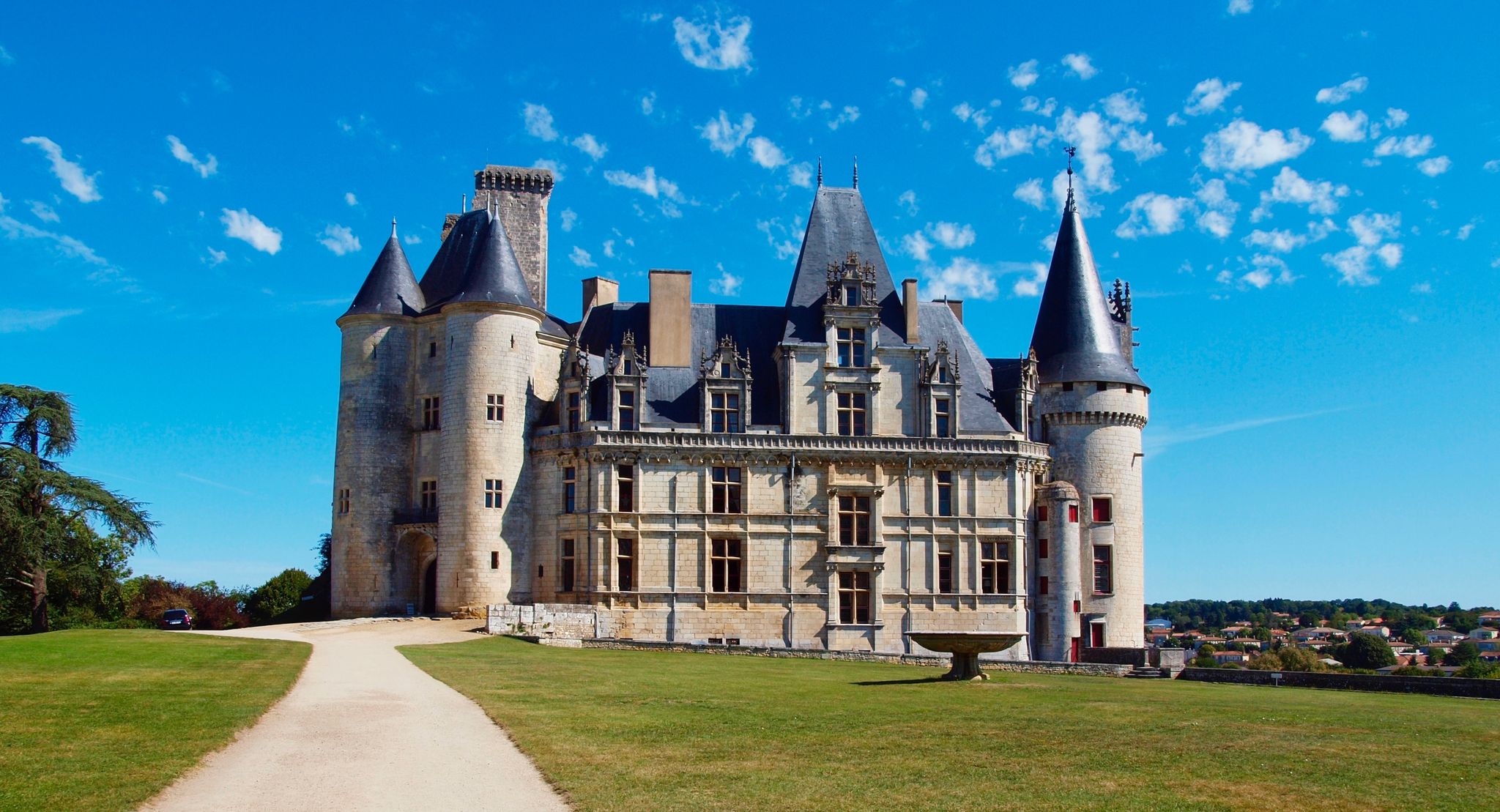
Bourg-Charente Castle
Highlight • Castle
Acquired …
Translated by Google •
Tip by

Sign up now to discover places like this
Get recommendations on the best single tracks, peaks, & plenty of other exciting outdoor places.
Sign up for free
Church of Notre-Dame de Trois-Palis
Highlight • Religious Site
Translated by Google •
Tip by
View of Saint-Simeux
Highlight • Settlement
Translated by Google •
Tip by
Vallée des Eaux claires
Highlight (Segment) • Other
Translated by Google •
Tip by

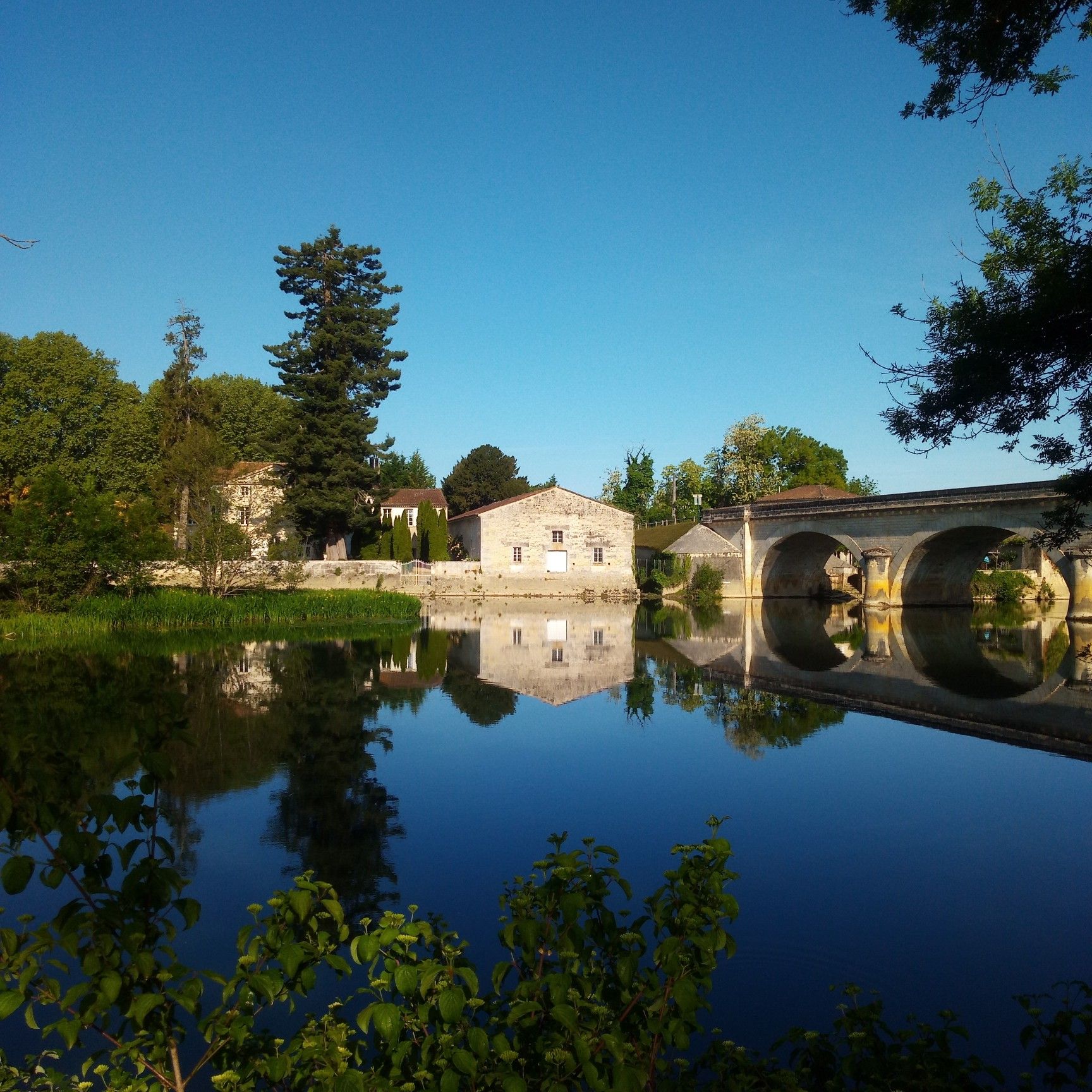
Charente Riverside Path at La Meure
Highlight (Segment) • Trail
Translated by Google •
Tip by

Fleurac Islands
Highlight • Other
Translated by Google •
Tip by
Chateau des Chabannes
Highlight • Other
Translated by Google •
Tip by

Saint-Pierre d'Angoulême Cathedral
Highlight • Monument
The construction of a replacement church …
Translated by Google •
Tip by

Towpath of the Coulée Verte
Highlight • Trail
Translated by Google •
Tip by
Sign up for free to discover even more attractions in Charente.
Sign up for free
Already have an account?
Start today with a free account
Your next adventure awaits.
Login or Signup
Popular around Charente
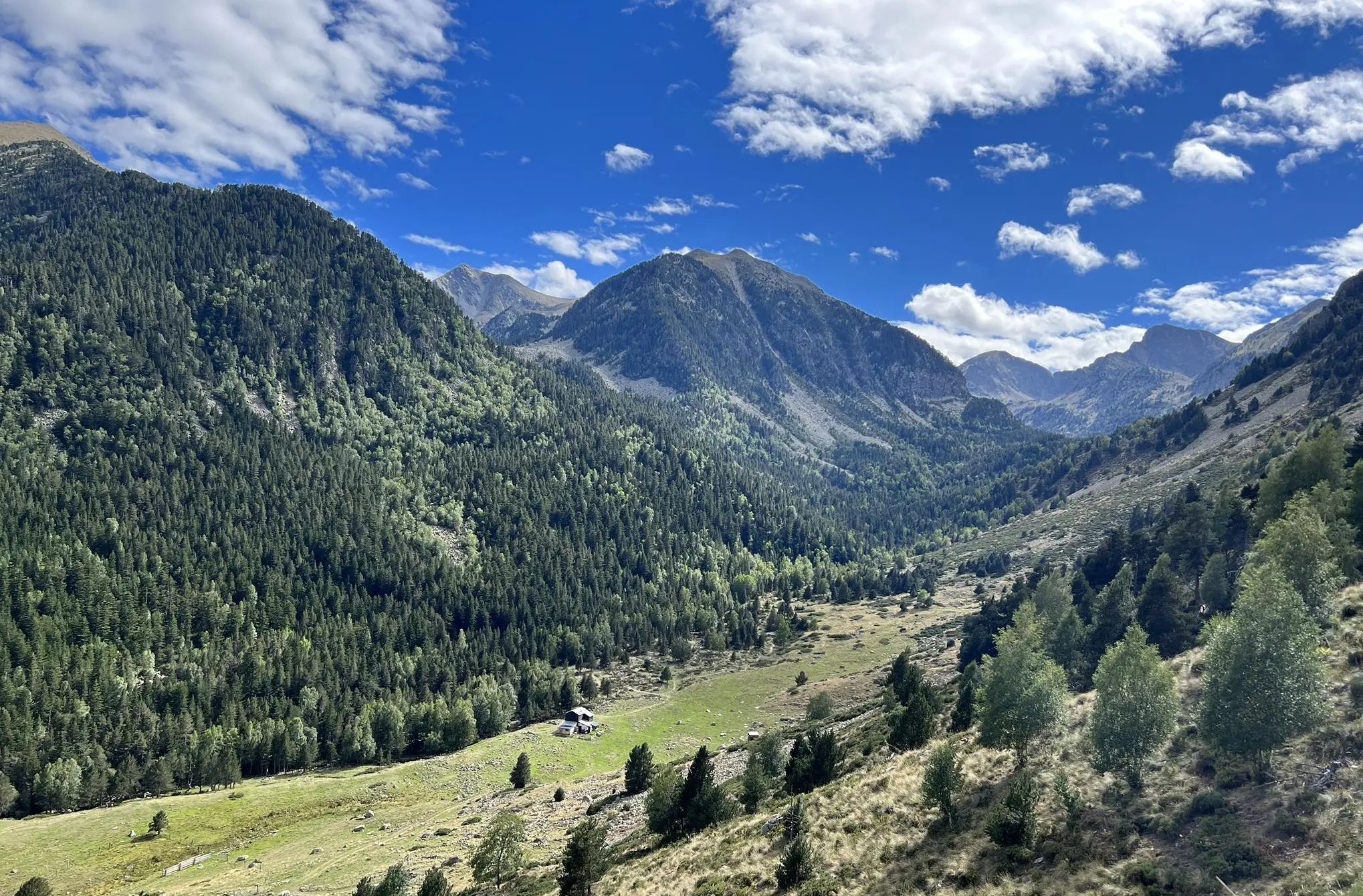
GR 36 long-distance footpath – Cross France from the Channel to the Pyrenees
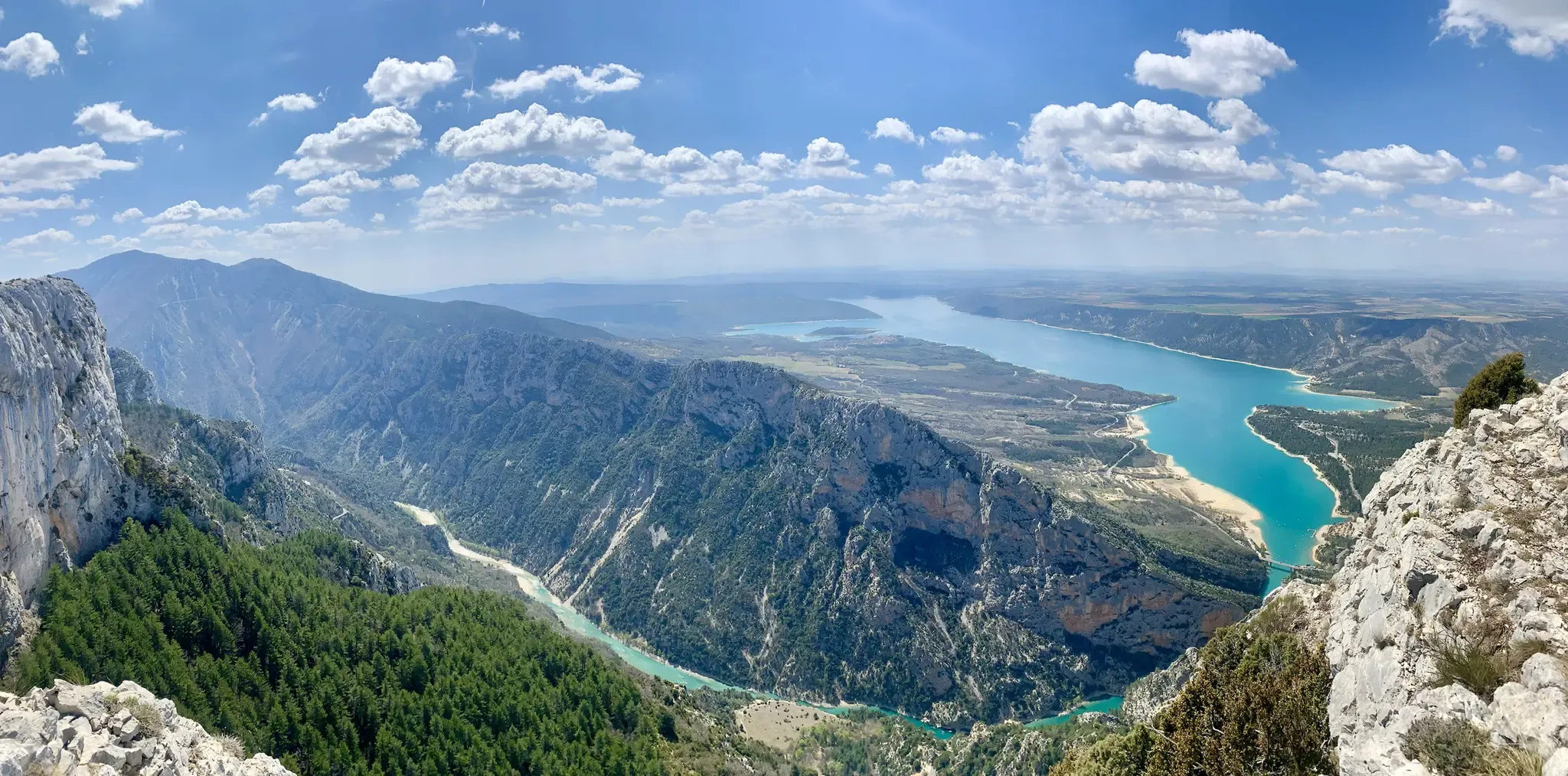
GR 4 – Crossing the south of France from Atlantic Coast to Provence
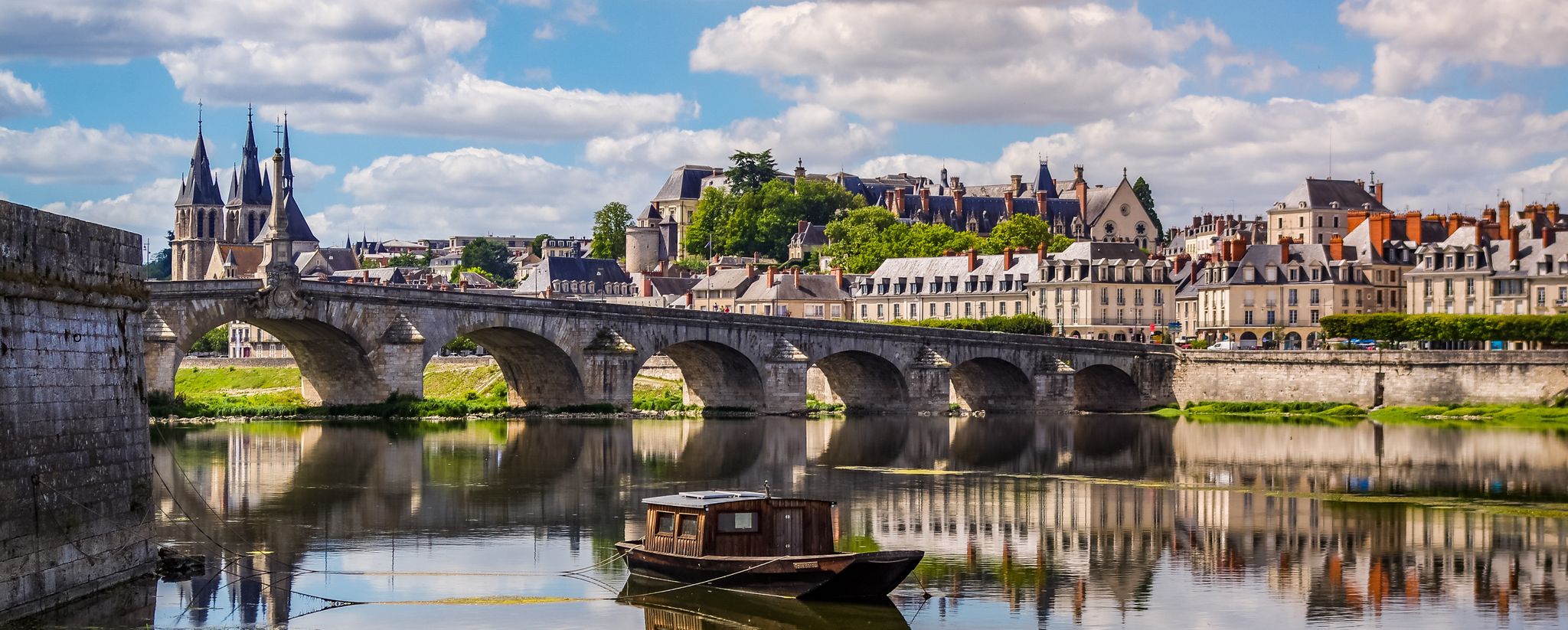
EuroVelo 3 – A cycling pilgrimage from Norway to France
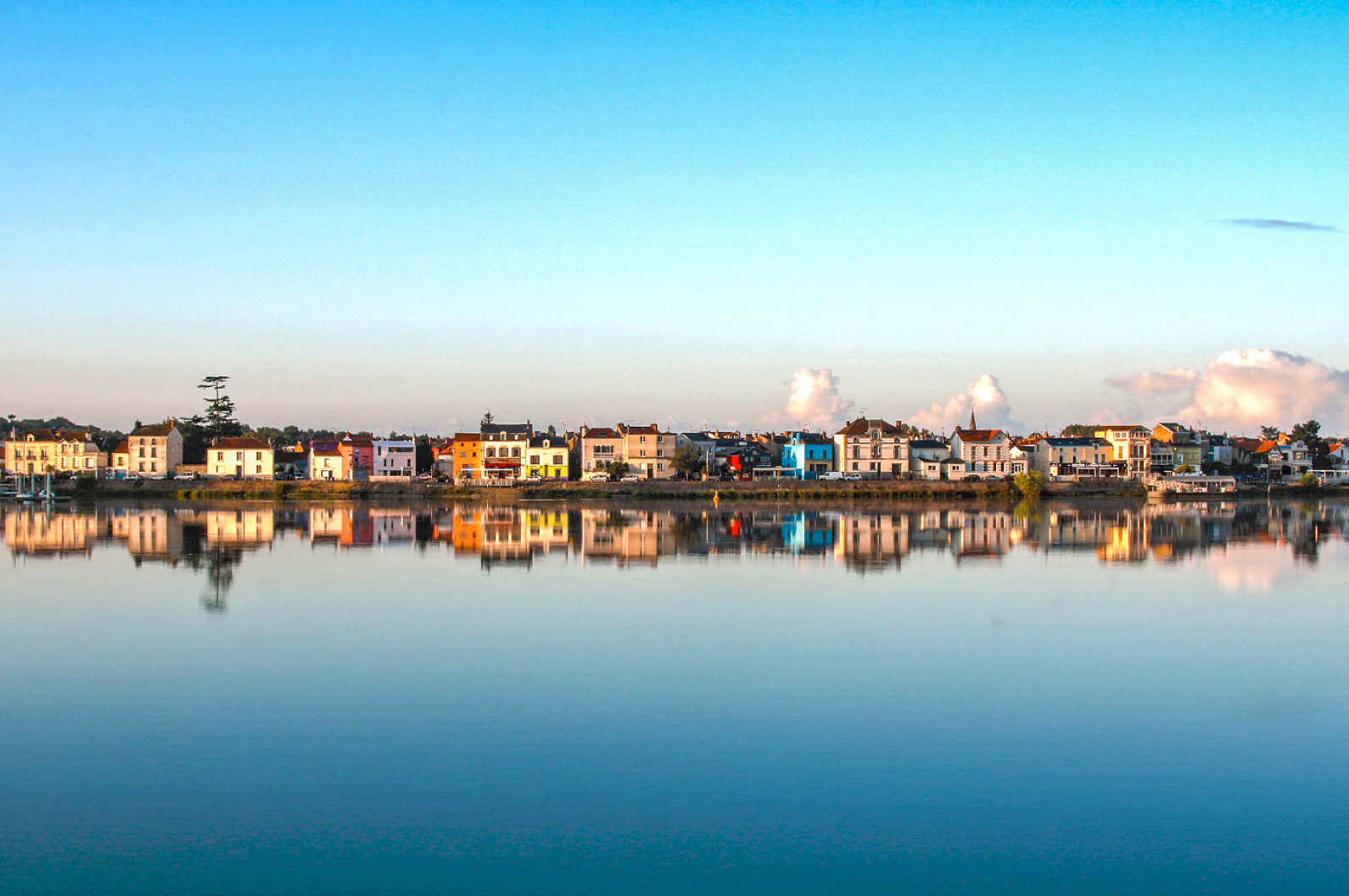
La Vélidéale - From the Limousin to the Atlantic
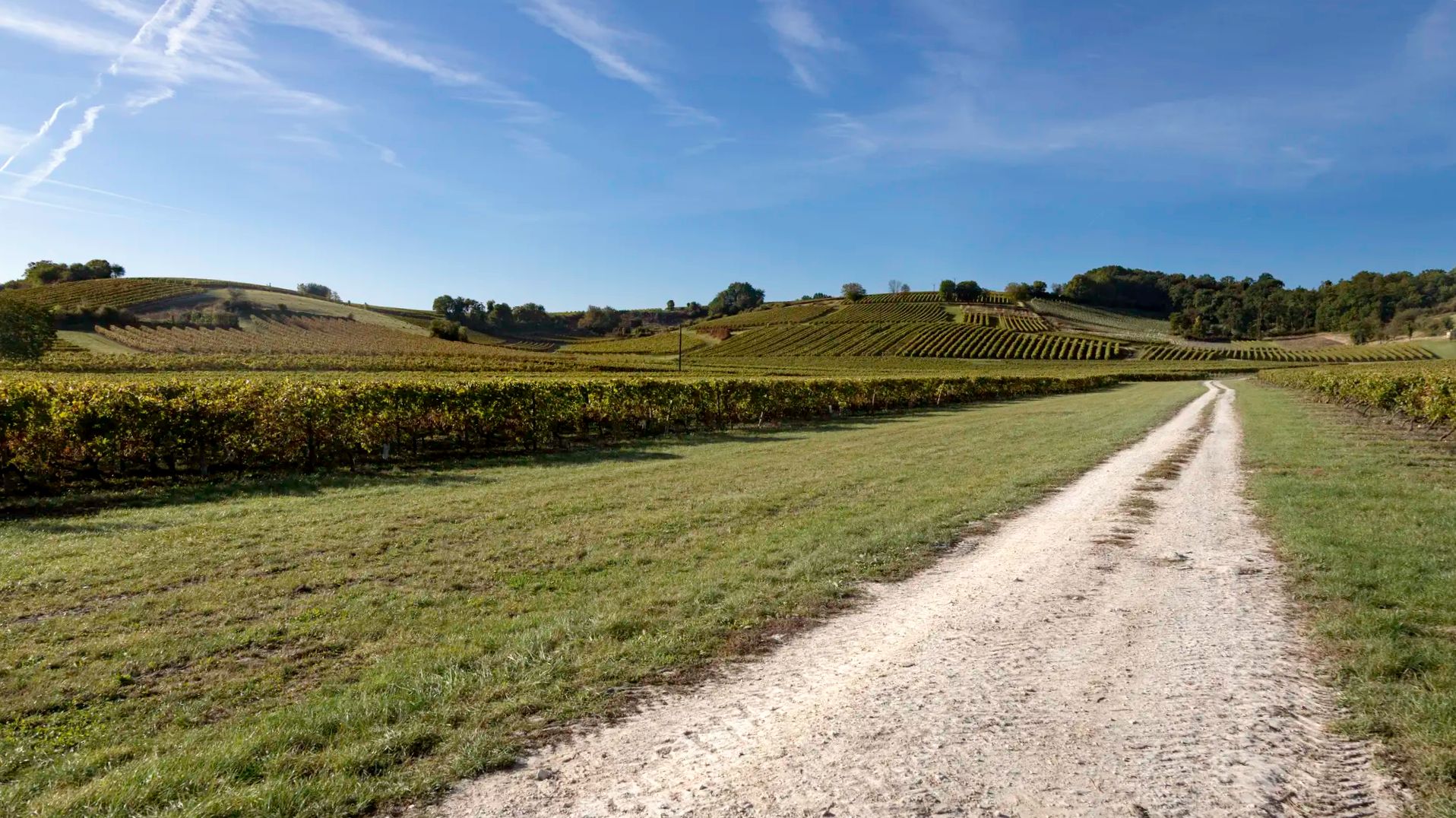
Crossing the Charente by MTB – forests to vineyards
History and local produce – Tour de la Charente MTB
The Flow Vélo – a route that transports you
Tracing your route -- Solo from Paris to the edges of the Pyrenees
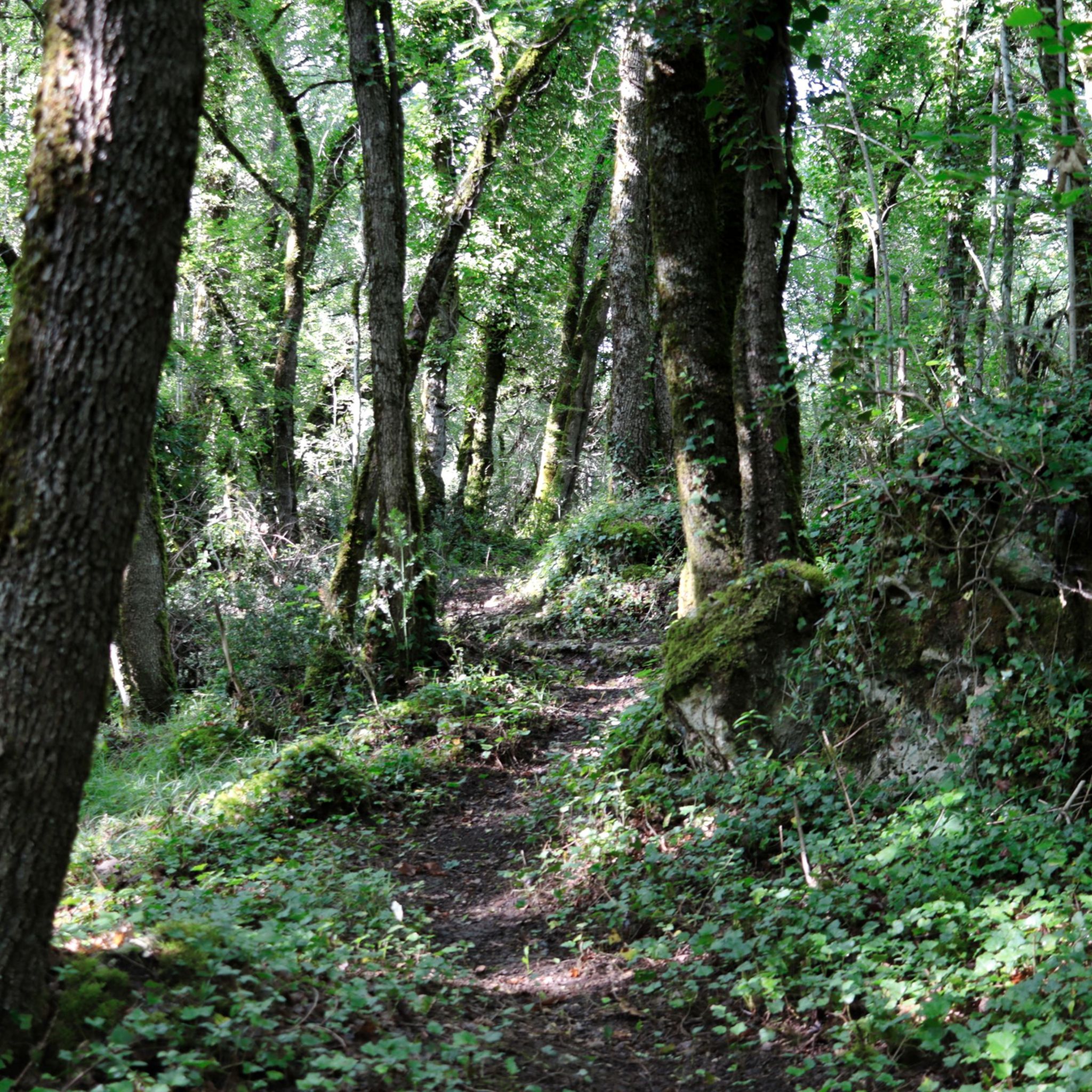
Hiking in Charente
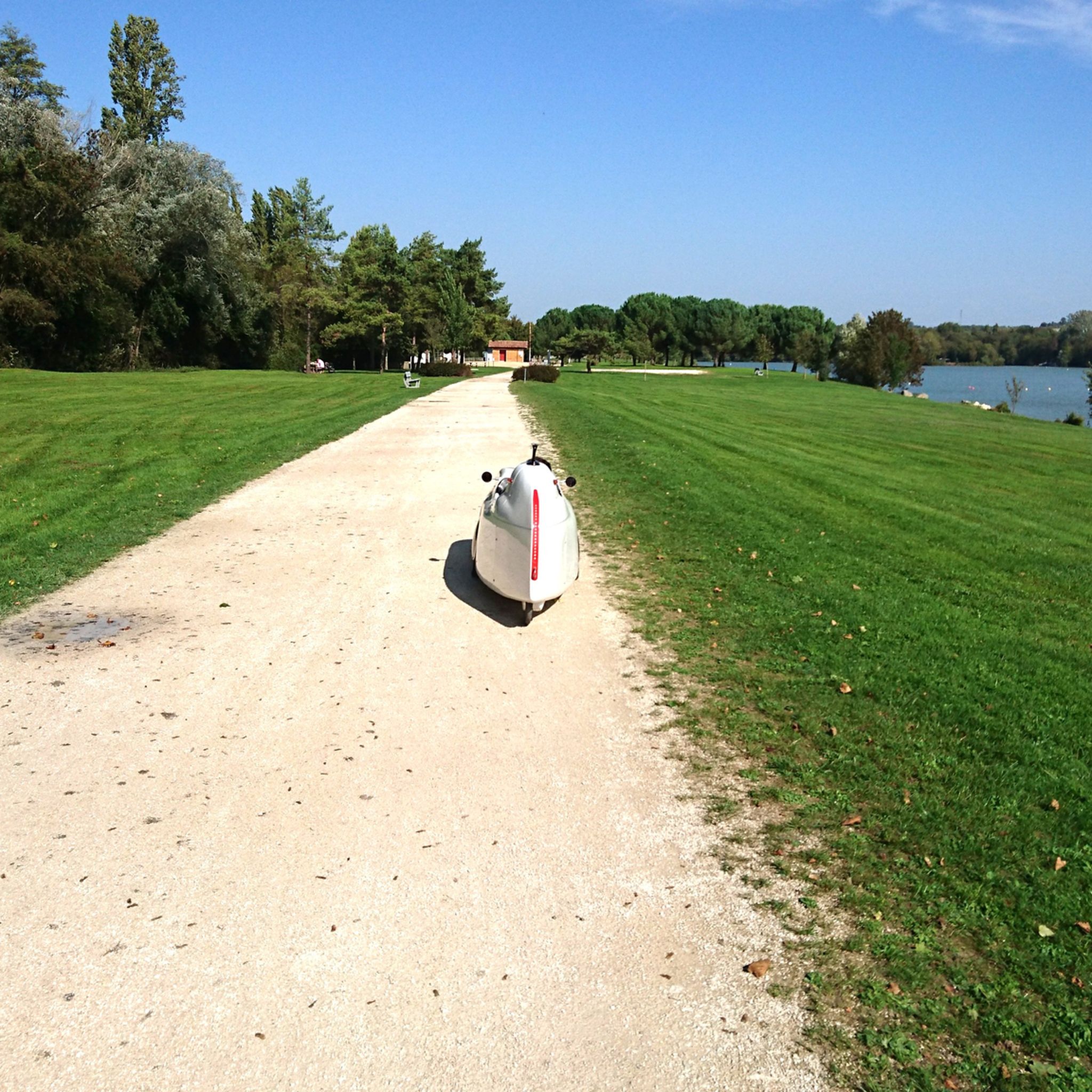
Cycling in Charente
Other adventures in Charente


Tips from the Community

Its location, near the city walls and an old city gate, corresponds to that of a primitive sanctuary, predating Christianity, probably a temple dedicated to Jupiter. A first cathedral was built during the 4th century, dedicated to Saint Saturninus. The building disappeared when Clovis captured Angoulême in 508, after he drove out the Visigoths following the victory at Vouillé in 507. Clovis and then King Charibert ordered the cathedral's reconstruction in honor of Saint Peter.[2] This second cathedral was consecrated in 566 by Saint Germain, Bishop of Paris, and Saint Euphronius, Bishop of Tours, and is mentioned in Gregory of Tours' History of the Franks.[Note 1] It was burned down, probably by the Normans. The third cathedral was the work of Grimoard of Mussidan, Bishop of Angoulême (991-1018). He was also Abbot of Brantôme in Périgord and used the abbey's revenues to finance its construction. Begun around 991 and consecrated in 1015, it lasted only a century, its dimensions being too small. Only the north wall remains in the second and third bays of the nave, beneath the windows.
0
0


The biblical accounts of the New Testament, which describe the events in the life of Jesus and his disciples, paint a very nuanced picture of the Apostle Peter (Saint-Pierre), to whom the church of Angoulême is dedicated: On the one hand, he is a convinced and determined disciple of Jesus, but also not free from human weakness and fear. In the Garden of Gethsemane, he falls asleep (like the other disciples) when Jesus turns to God the Father after the Last Supper and asks the disciples to pray as well; and after Jesus' arrest, Peter denies three times that he even knows him. But he also weeps over his weakness and, upon encountering the risen Christ, professes his love and loyalty to him. His real name is Simon, but Jesus gives him the name Peter (which means rock), upon which the church is to be built, and he gives him—according to the account of the Evangelist Matthew—the "keys to the kingdom of heaven."
0
0
It's still very beautiful
0
0
Beautiful little town center
0
0

Path that is part of the Coulée Verte. Pleasant to follow.
0
0
The parish church of Notre-Dame is Romanesque and dates from the 12th century. It has a Romanesque bell tower with two floors of arched bays and a conical spire. A dome is at the crossing and the capitals are decorated with sculptures. On the gable of the façade, bas-reliefs depict Christ between evangelical symbols. Its façade was damaged during the Revolution, and heavily restored in the 19th century10. It was classified as a historic monument on July 12, 1886 https://www.angouleme-tourisme.com/patrimoine-culturel/eglise-notre-dame-de-trois-palis/ A little history of the town of Trois Palis by following this link: http://trois-palis.fr/histoire-et-patrimoine/
0
0
Frequently Asked Questions
What are some family-friendly attractions in Charente?
Charente offers several family-friendly options. You can spend a relaxing day at Bain des Dames Beach on the Charente, which has picnic tables and games for children, and allows swimming during the summer. The Fleurac Islands are also a popular spot for families, easily reachable by bike from Angoulême, offering shaded areas for picnics and a refreshment bar during the season. Many historical sites like Bourg-Charente Castle and Saint-Pierre d'Angoulême Cathedral are also listed as family-friendly.
Which historical sites and castles are a must-see in Charente?
Charente is rich in history. Don't miss the impressive Saint-Pierre d'Angoulême Cathedral, a stunning example of Romanesque architecture with over 70 sculptures on its façade. The region is also home to magnificent châteaux, such as the medieval and Renaissance Bourg-Charente Castle, and the grand Château de La Rochefoucauld, known for its extensive library and a spiral staircase possibly designed by Leonardo da Vinci. In Saintes, you can explore ancient Roman remains like the amphitheater and the Arc de Germanicus, as well as the 11th-century Romanesque Abbaye aux Dames.
Where can I enjoy the natural beauty of the Charente River and its surroundings?
The Charente River is central to the region's natural charm. You can explore the Charente Riverside Path at La Meure, offering scenic views. The Towpath of the Coulée Verte is another excellent option for enjoying the river. The Fleurac Islands provide a peaceful spot for walks and picnics. For more extensive natural exploration, visit the Sources de la Touvre wetlands, the serene Forêt de la Braconne, or the picturesque Vallée des Eaux-Claires.
Are there good hiking and cycling routes near Charente's attractions?
Yes, Charente offers numerous opportunities for hiking and cycling. You can find routes like the Charente Riverside Path at La Meure and the Towpath of the Coulée Verte for scenic walks or rides. For more structured outdoor adventures, explore the routes in the Hiking in Charente guide, which includes trails like the 'Vallee des Eaux Claires – Pumoyen loop' and the 'Blue Lakes of Touvérac Loop'. Cyclists can also enjoy the 'Sentier des Douaniers' along the Charente River.
What unique cultural experiences can I find in Charente?
Charente is rich in cultural experiences. The town of Cognac is world-renowned for its brandy, offering distillery tours and tastings. Angoulême, known as the 'Cartoon Capital,' hosts the International Comics Festival and features a Comic Strip Museum and a unique Painted Walls Tour with 30 cartoon murals. You can also visit the Musée d'Angoulême to learn about the region's history or the Musée du Papier, built in a former paper mill. Don't miss Aubeterre-sur-Dronne, one of France's most beautiful villages, home to an incredible underground church.
What are some good options for a rainy day in Charente?
On a rainy day, you can explore Charente's indoor cultural and historical sites. Visit the Comic Strip Museum in Angoulême, housed in a former cognac warehouse, or the Musée d'Angoulême. Take a guided tour of a Cognac distillery to learn about brandy production. The Abbaye aux Dames in Saintes offers audio guide tours and a 3D visit. The Corderie Royale in Rochefort, a 17th-century rope factory, also provides an interesting indoor historical experience.
Are there any lesser-known or 'hidden gem' attractions in Charente?
Beyond the main highlights, Charente holds several charming spots. The View of Saint-Simeux offers picturesque village scenery, especially in the morning light. The Church of Notre-Dame de Trois-Palis is a beautiful religious building worth discovering. The town of Verteuil-sur-Charente, with its fairytale château, and the medieval town of Nanteuil-en-Vallée, with its abbey, offer delightful excursions away from the crowds. The Sources de la Touvre, with its bubbling resurgences and hiking trails, is another tranquil natural gem.
When is the best time to visit Charente for sightseeing and outdoor activities?
The Charente region is generally pleasant from spring to early autumn. For outdoor activities like hiking, cycling, and enjoying river beaches, the summer months (June to August) are ideal, though popular attractions can be busy. The Bain des Dames Beach on the Charente, for example, offers catering during the summer season. Spring and autumn provide milder weather, perfect for exploring historical sites and cultural towns without the peak summer heat or crowds.
Can I go swimming in Charente?
Yes, you can enjoy swimming in Charente. The Bain des Dames Beach on the Charente is a popular and relaxing leisure area where swimming is allowed, especially during the summer season. The Lakes of the Haute Charente also offer opportunities for watersports, including swimming, canoeing, and jet skiing.
What is there to see and do in Angoulême?
Angoulême, the capital city, is a hub of activity. You can visit the magnificent Saint-Pierre d'Angoulême Cathedral, explore the Angoulême Town Hall (part of a former fortress), and walk along the historic ramparts. Angoulême is also famous for its comic strip culture, with the Comic Strip Museum, the annual International Comics Festival, and a unique Painted Walls Tour featuring 30 cartoon murals throughout the city. The Musée d'Angoulême and Musée du Papier offer further cultural insights.
Are there any notable viewpoints in Charente?
Yes, Charente offers several scenic viewpoints. The View of Saint-Simeux is highly recommended, especially in the morning light, offering excellent perspectives from the lock. The Charente Riverside Path at La Meure and the Towpath of the Coulée Verte also provide beautiful river views. Additionally, the hills surrounding the Sources de la Touvre offer panoramic views of the Charente valley.
What kind of events or festivals take place in Charente?
Charente hosts a variety of events throughout the year. Angoulême is internationally recognized for its annual International Comics Festival, held every January. In mid-September, the city's upper town transforms into a racetrack for the Circuit des Remparts, commemorating a legendary post-war Grand Prix. During the summer, the town of La Rochefoucauld hosts a medieval Renaissance festival, and many villages across the region feature lively night markets offering local food and entertainment.
Most popular routes in Charente
Most popular attractions in Charente

Get inspired with the komoot mobile app


Explore more
Still not found the Highlight you’re looking for? See guides of the top attractions in other regions:
