Attractions and Places To See in Côte-d'Or - Top 20
Best attractions and places to see in Côte-d'Or, a department in the Burgundy-Franche-Comté region of France, offers a diverse range of historical, cultural, and natural sites. The region is characterized by its renowned vineyards, ancient abbeys, and historic cities like Dijon and Beaune. Visitors can explore well-preserved medieval architecture, significant winemaking heritage, and picturesque landscapes.
Best attractions and places to see in Côte-d'Or
- The most popular attractions is Half-timbered houses in Dijon's Old Town, a historical site that showcases the city's architectural heritage. Dijon's old town center features these distinctive houses, offering a blend of old and new.
- Another must-see spot is Route des Grands Crus Cycle Path, a cycle way that runs along the Côte d'Or escarpment. This approximately 60-kilometer route passes through many of Burgundy's wine appellations, including the vineyards of the Côte de Nuits and the Côte de Beaune.
- Visitors also love Clos de Vougeot Castle, a 12th and 16th-century castle situated amidst Burgundy vineyards. It serves as a wine museum and promotes traditional Burgundian gastronomy and wines.
- Côte-d'Or is known for its historical sites, vineyards, and charming settlements. The region offers a variety of attractions to see and explore, from ancient abbeys to cultural museums and scenic routes.
- The attractions in Côte-d'Or are appreciated by the komoot community, with more than 600 upvotes and 55 photos shared across various highlights.
Last updated: June 22, 2026
Route des Grands Crus
Highlight (Segment) • Cycleway
Translated by Google •
Tip by

Route des Grands Crus Cycle Path
Highlight (Segment) • Cycleway
Tip by

Sign up now to discover places like this
Get recommendations on the best single tracks, peaks, & plenty of other exciting outdoor places.
Sign up for free
Saint-Jean-de-Losne
Highlight • Settlement
Saint-Jean-de-Losne is one of the smallest municipalities in France: a total of 0.60 km², of which 0.36 km² is land and the rest water.
Translated by Google •
Tip by

Clos de Vougeot Castle
Highlight • Castle
Translated by Google •
Tip by

Hôtel-Dieu Museum - Hospices de Beaune
Highlight • Museum
Translated by Google •
Tip by
Place de Libération
Highlight • Settlement
Square is so named as a reference to the liberation of Dijon in 1944.
Translated by Google •
Tip by

Half-timbered houses in Dijon's Old Town
Highlight • Historical Site
Translated by Google •
Tip by

Meursault Castle
Highlight • Castle
During the Second World War, Meursault was very close to the free zone. It is for this reason that part of the plot of the famous fictional film La Grande Vadrouille is located in Meursault, where the heroes of the film will try to cross the line of demarcation.
fr.wikipedia.org/wiki/Meursault
Translated by Google •
Tip by
Hospiz von Beaune
Highlight • Other
Translated by Google •
Tip by

Rue Verrerie — a historic half-timbered street in Dijon
Highlight • Historical Site
Translated by Google •
Tip by
Sign up for free to discover even more attractions in Côte-d'Or.
Sign up for free
Already have an account?
Start today with a free account
Your next adventure awaits.
Login or Signup
Popular around Côte-d'Or
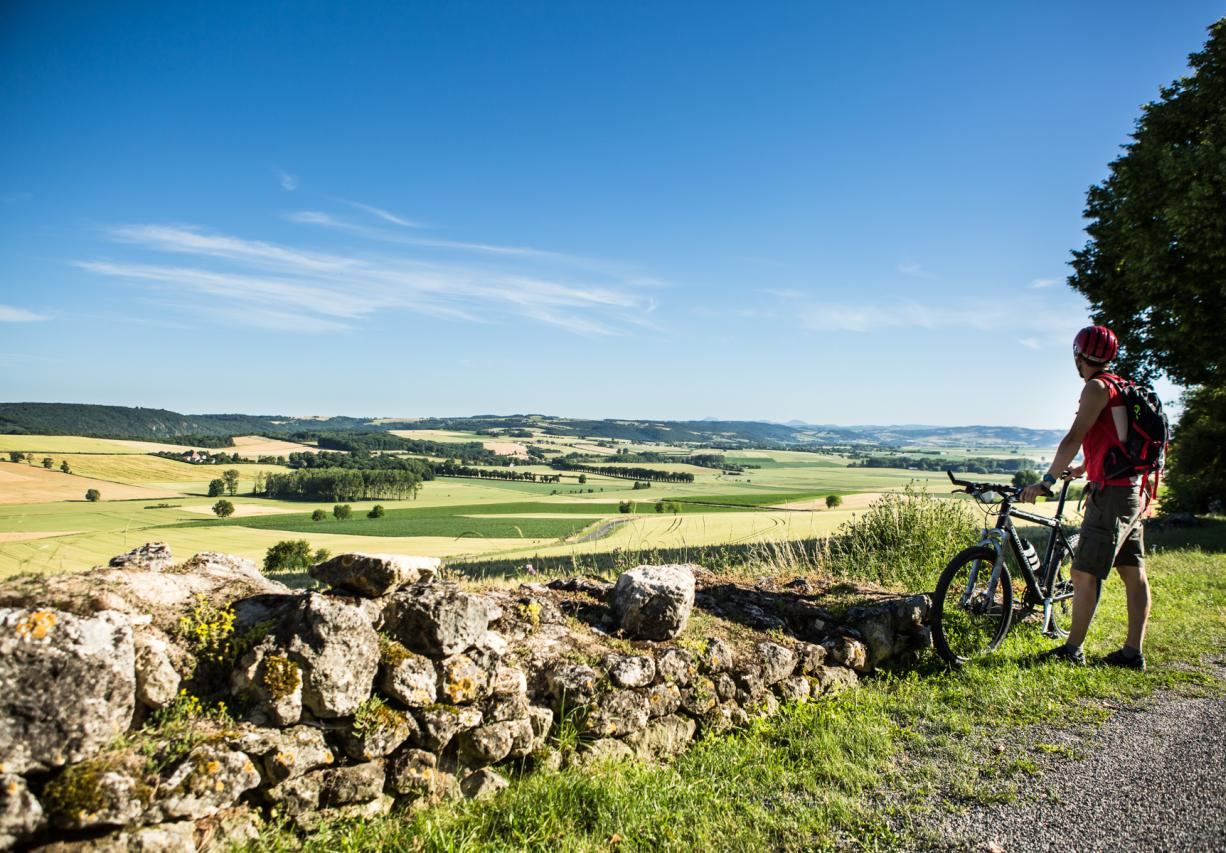
The Grande traversée du Massif Central by gravel bike
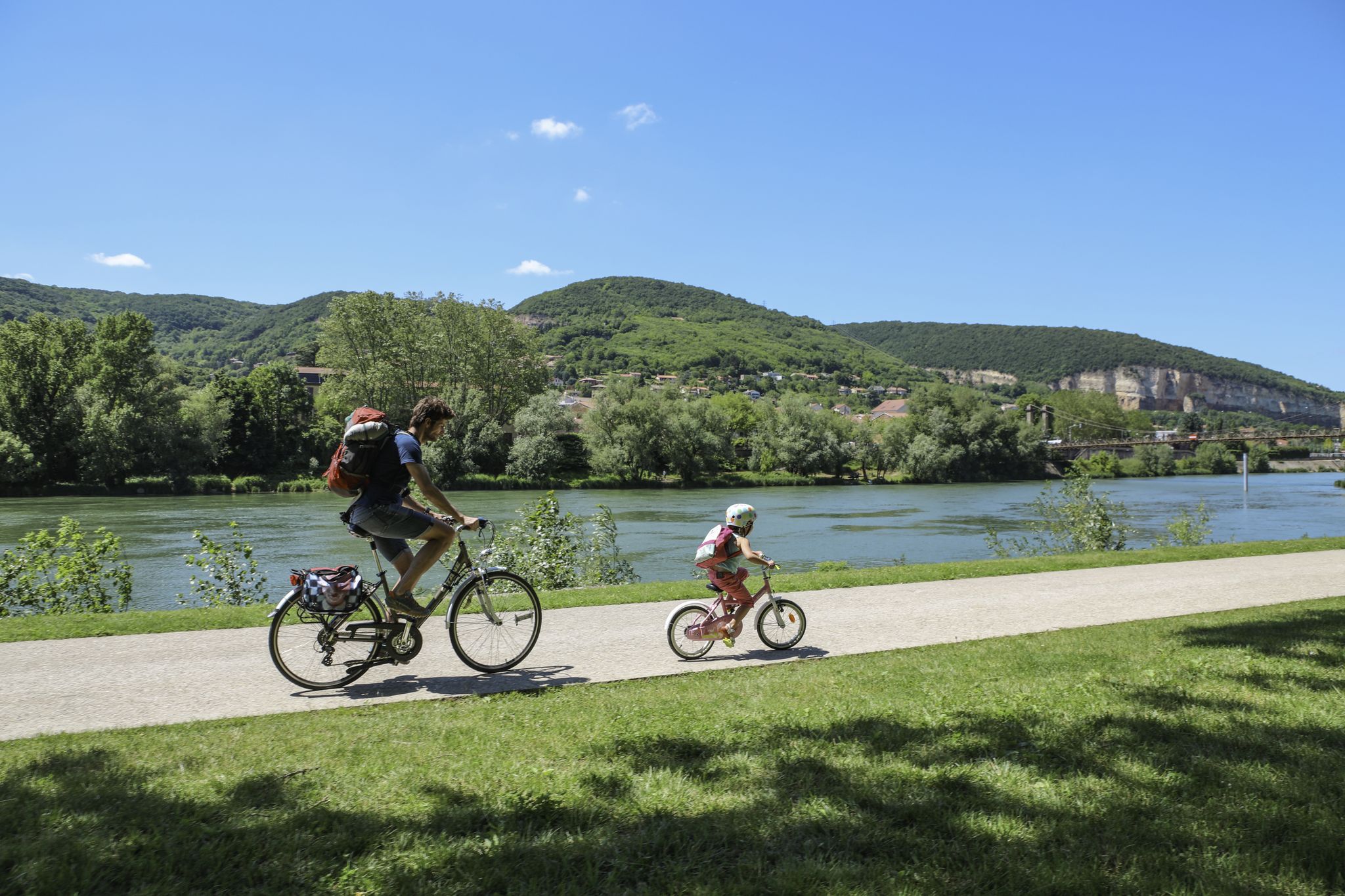
The Voie Bleue – Moselle-Saône by bike
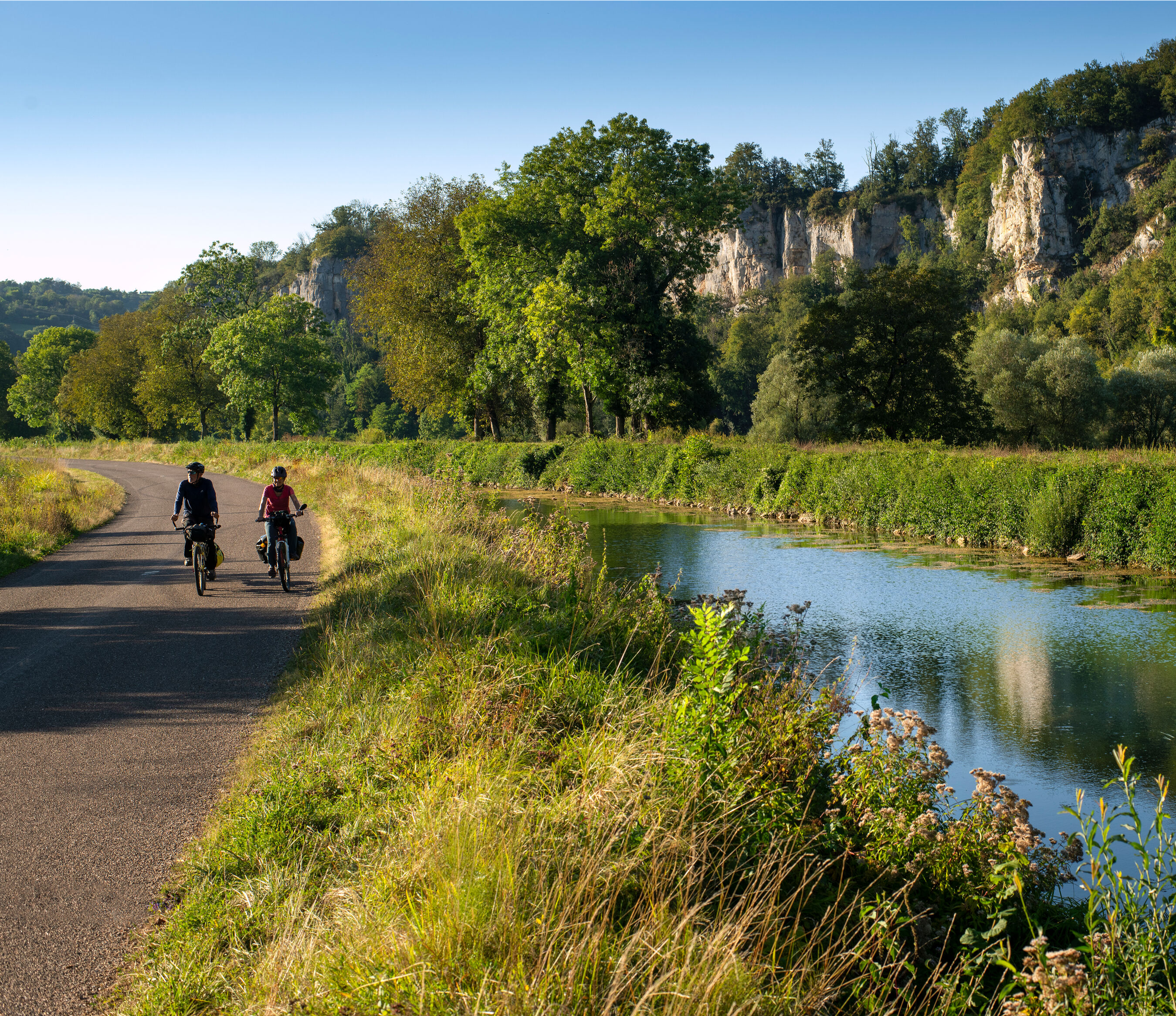
Burgundy-Franche-Comté by bike – between vineyards and peaks
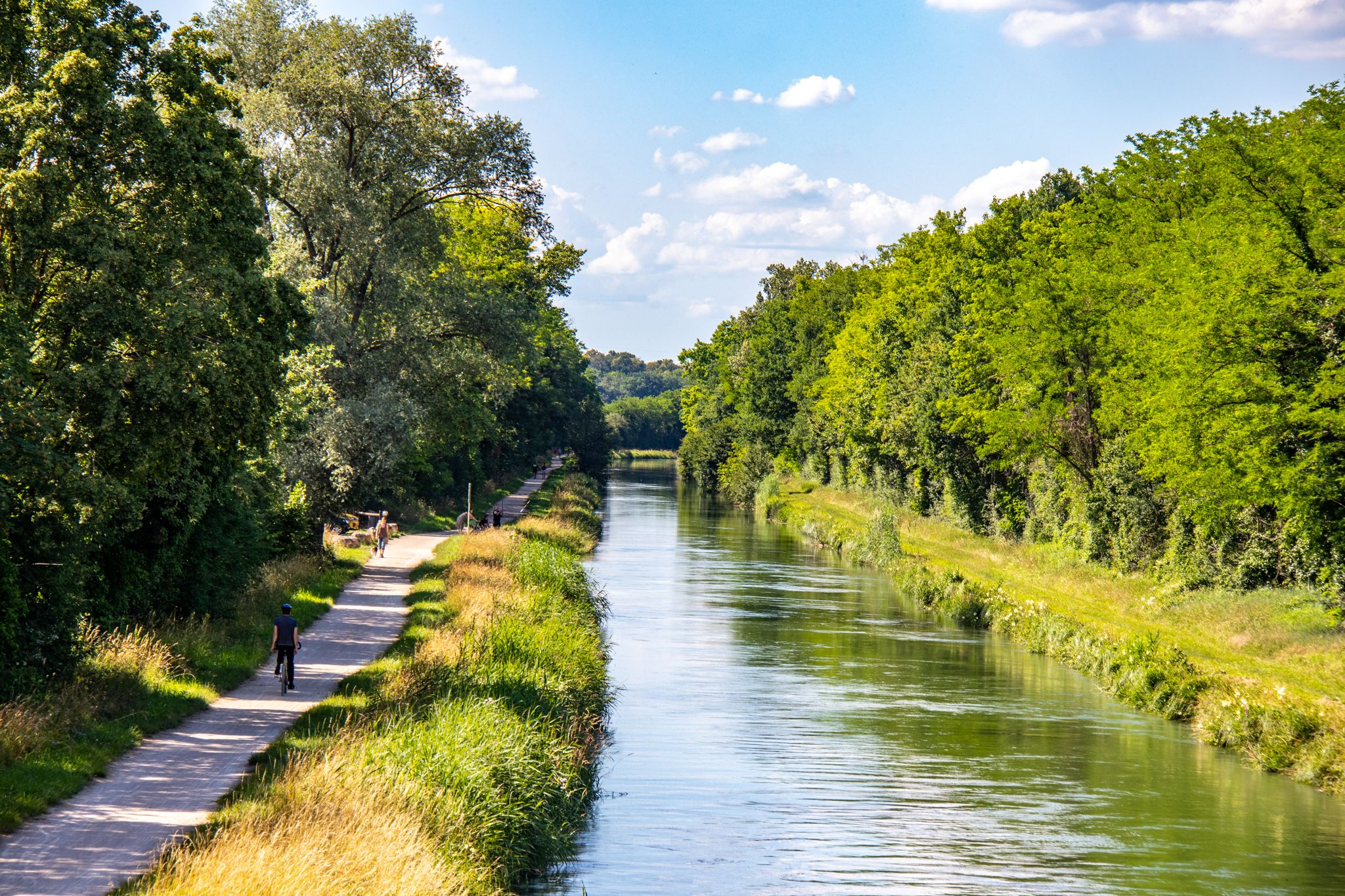
EuroVelo 6 – between the Rhine and the Loire by bike
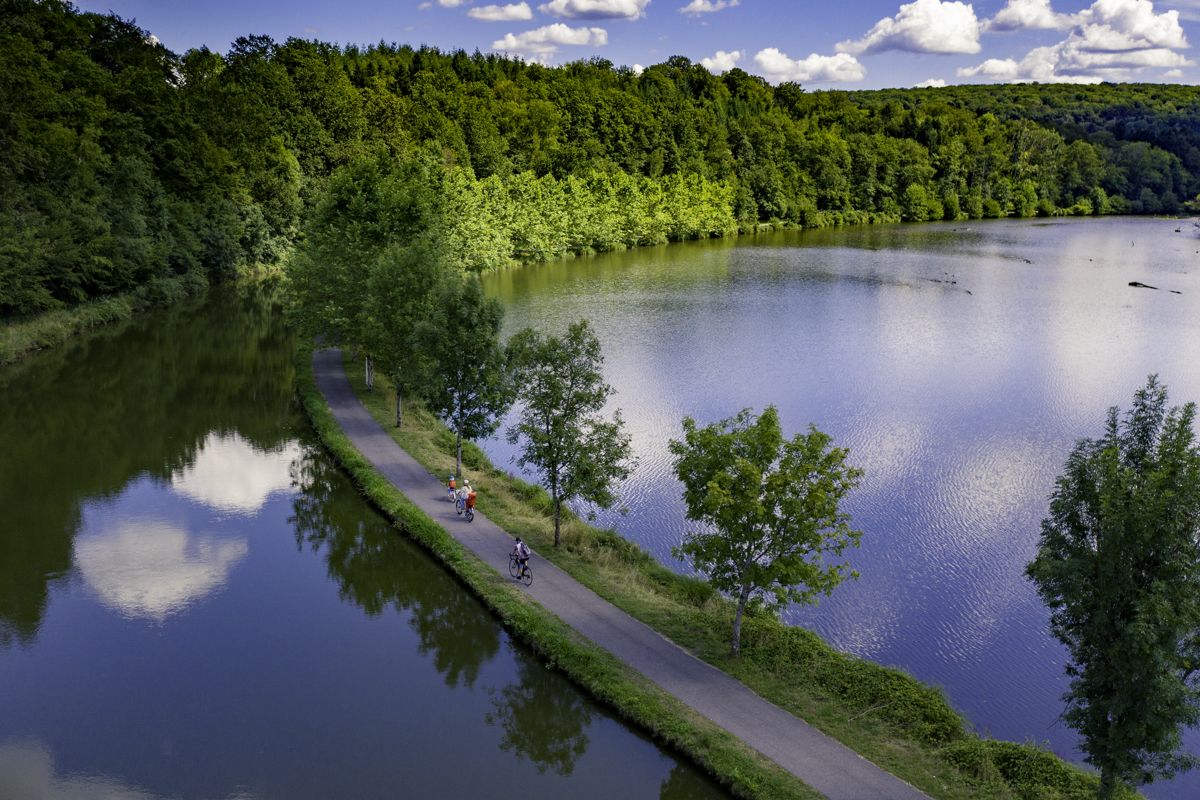
La Voie Bleue — “Cycle Route of the Year 2026”
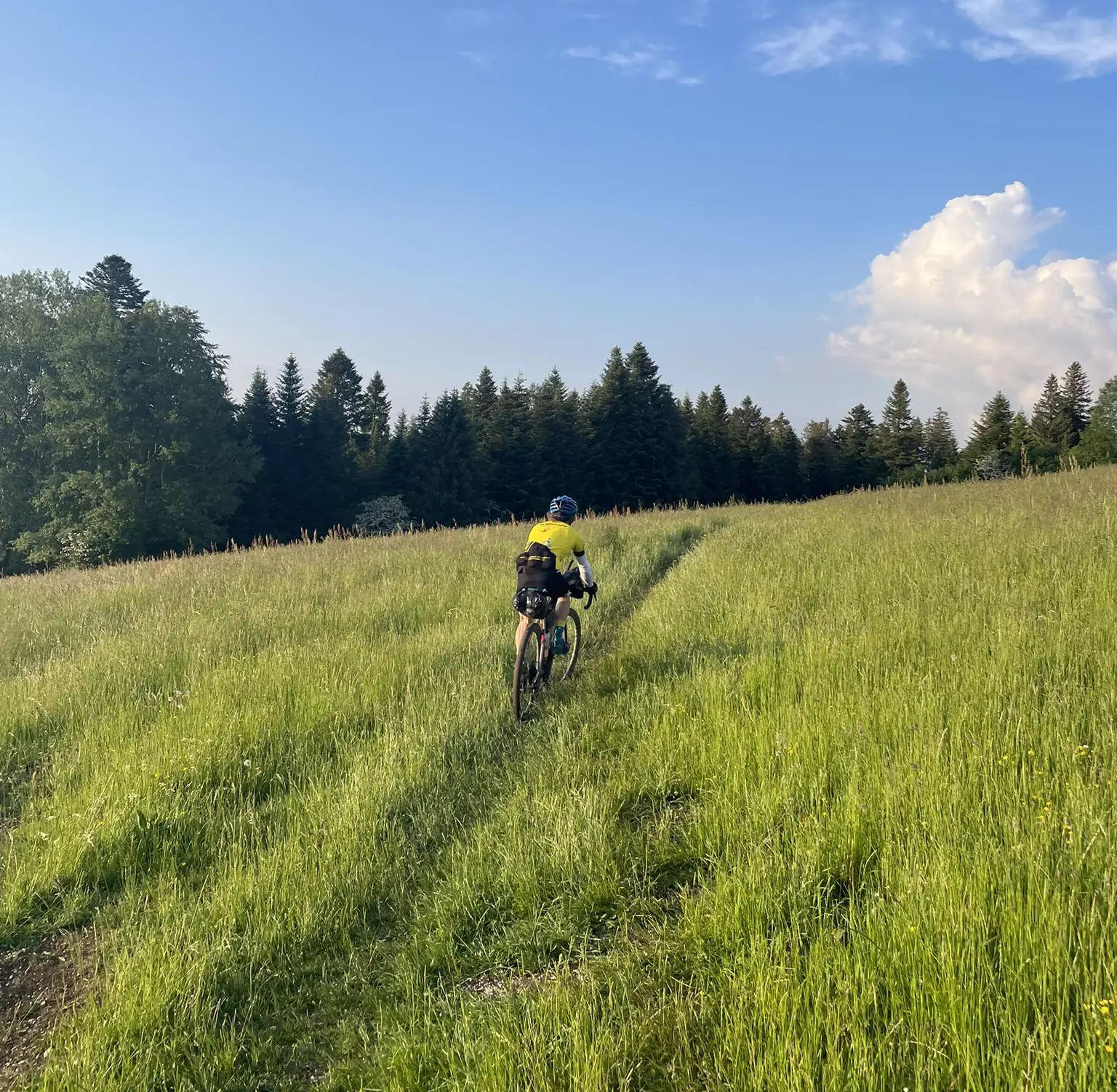
The Jura Mountains and Black Forest – La Poco Loco Dijon-Stuttgart 2023
Seine River Trail — A cycling adventure from Dijon to Le Havre
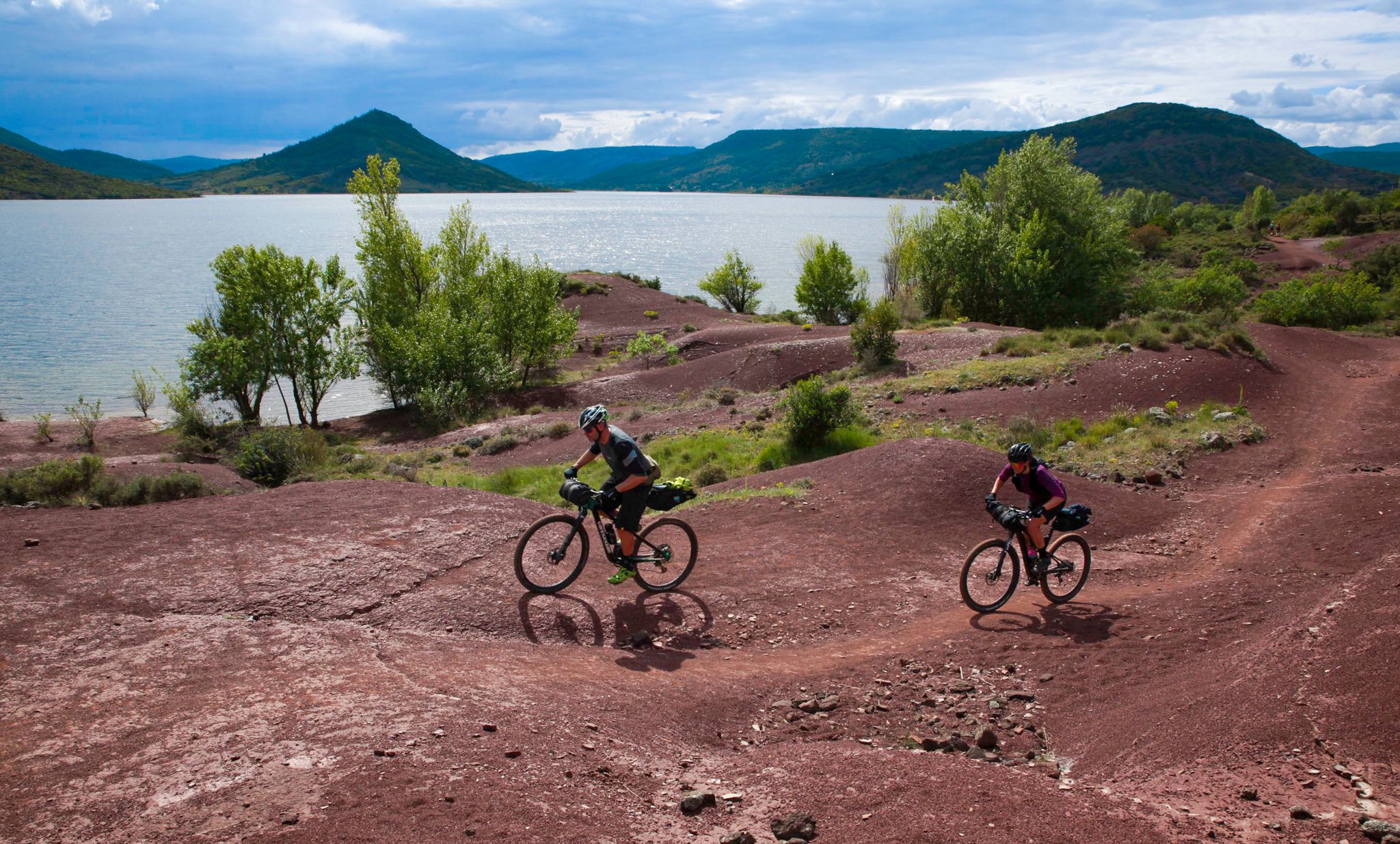
The Great Crossing of France's Massif Central by mountain bike
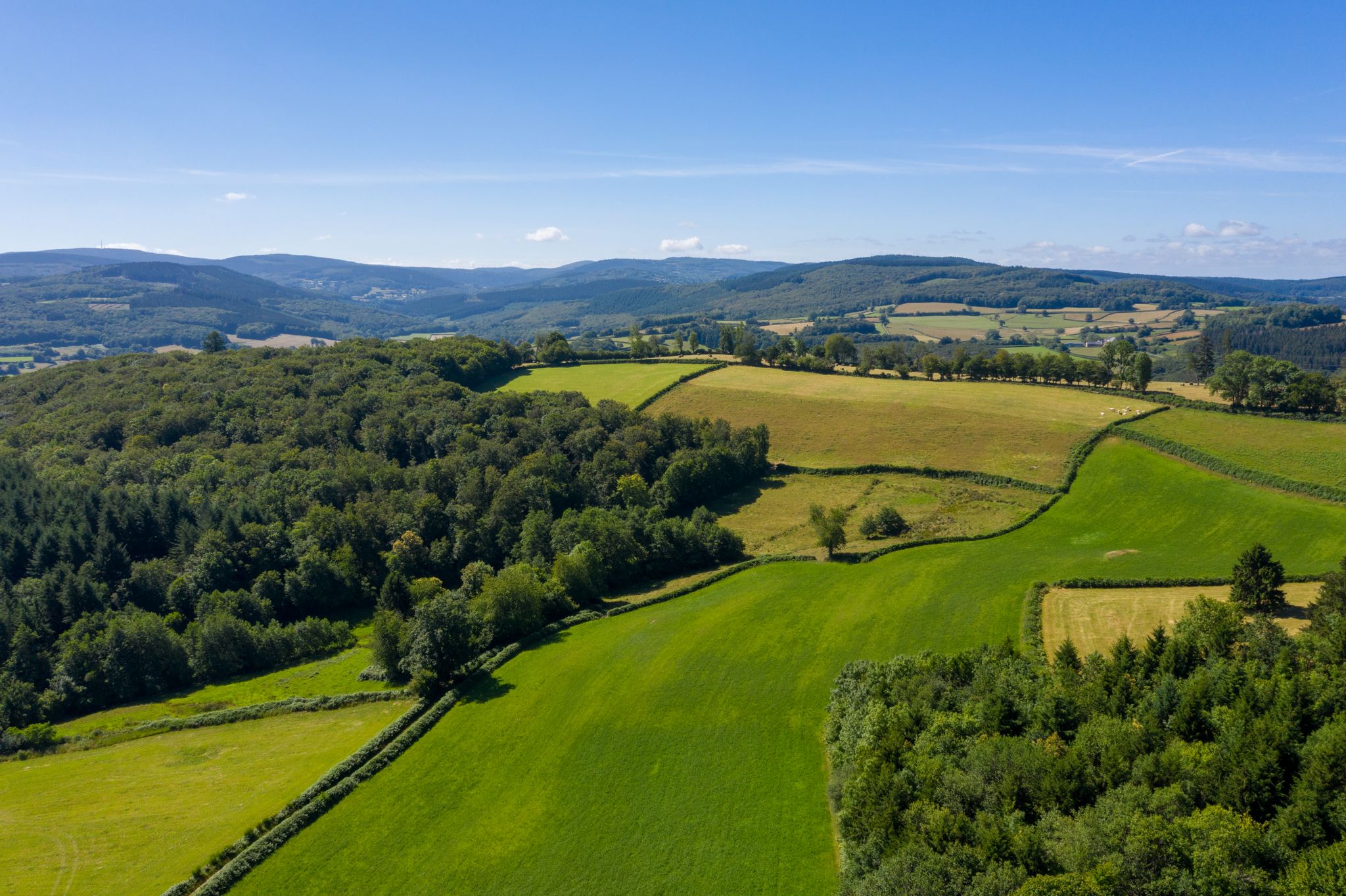
MTB fun in the Massif Central — La Grande Traversée du Morvan
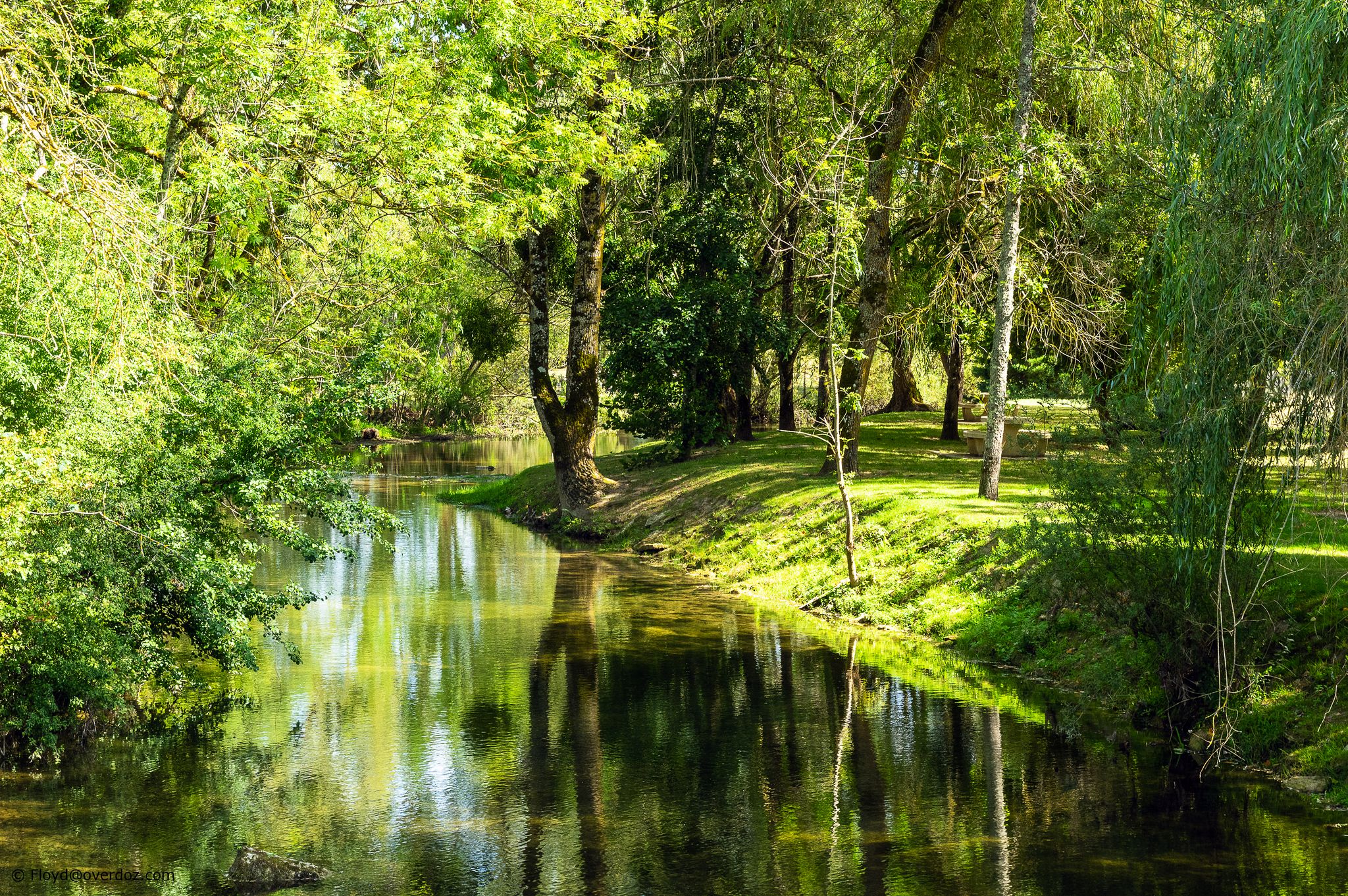
Along the Seine — the GR 2 from Dijon to Le Havre
Other adventures in Côte-d'Or


Tips from the Community

The historic hospital is a must-see
2
0

Meursault: a beautiful wine-growing village, the town hall and its Burgundian rooftops are not to be missed. Fun fact: scenes from The Great Stroll were filmed in Meursault.
0
0

The Hôtel-Dieu is a former hospital in Beaune. It was founded in 1443 and used as a hospital until 1971. The Hôtel-Dieu is now part of the Hospices Civils de Beaune complex. Today, parts of the old complex are used as a retirement home, while the rest can be visited as a museum, providing interesting insights into nursing in the early modern period.
12
0

Restaurants in central squares often cater to tourists. Here in Dijon, some of the establishments on Place de la Libération are highly recommended, such as Le Pré au Clercs.
4
0
The city center, with its authentic, medieval flair, has often been the backdrop for films such as Cyrano de Bergerac
4
0

Formerly Place Royale, then Place d'Armes, Place de la Libération is a must-see in the city of Dijon. Located in its heart, just above the town hall stands the Philippe le Bon tower. Beautiful illuminations in the evening, and, in the summer, a few fountains and numerous terraces for dining or enjoying a drink.
4
0

Look up a lot to see the typical enamelled tiled roofs.
3
1

Frequently Asked Questions
What are the most popular historical attractions in Côte-d'Or?
Côte-d'Or is rich in history. Among the most popular historical sites are the Hôtel-Dieu Museum - Hospices de Beaune, famous for its distinctive Gothic architecture and colorful glazed tile roofs. You can also explore the Clos de Vougeot Castle, a symbol of Burgundy winemaking, and the well-preserved Half-timbered houses in Dijon's Old Town.
Are there any family-friendly attractions in Côte-d'Or?
Yes, many attractions in Côte-d'Or are suitable for families. The Clos de Vougeot Castle offers a fascinating look into winemaking history. Exploring the Half-timbered houses in Dijon's Old Town and the Rue Verrerie provides an engaging stroll through history. The MuséoParc Alésia, which commemorates the historic battle between Julius Caesar and Vercingetorix, is also an interactive site that immerses visitors in Gallo-Roman history.
What natural features or scenic viewpoints can I discover in Côte-d'Or?
The region is renowned for its natural beauty, especially the Route des Grands Crus, which winds through the prestigious vineyards of Côte de Nuits and Côte de Beaune. These unique vineyard plots were listed by UNESCO in 2015. You can also find scenic views from the Butte de Vergy in the Hautes-Côtes region, which has marked paths leading to an orientation table and the ruins of the former Saint-Vivant monastery.
What outdoor activities can I do near the attractions in Côte-d'Or?
Côte-d'Or offers excellent opportunities for outdoor activities. You can enjoy cycling along the Route des Grands Crus Cycle Path, which spans approximately 60 kilometers through Burgundy's wine appellations. For more routes, explore cycling guides like Cycling in Côte-d'Or. The Burgundy Canal also provides opportunities for easy-going boat trips or bike rides along its towpath. For running, you can find trails like the Lake Kir Circuit or Lac de Pont Loop in the Running Trails in Côte-d'Or guide.
Are there any specific wine-related attractions or routes?
Absolutely, Côte-d'Or is at the heart of Burgundy's wine country. The Route des Grands Crus is a must-do, taking you through world-renowned vineyards. The Clos de Vougeot Castle serves as a wine museum and promotes traditional Burgundian gastronomy and wines. Beaune also hosts the Burgundy Wine Museum, illustrating the significant role winemaking has played in the region's history.
What is the best time of year to visit Côte-d'Or for sightseeing?
The best time to visit Côte-d'Or for sightseeing is generally from spring to autumn (April to October). During these months, the weather is pleasant for exploring historical sites, walking through vineyards, and enjoying outdoor activities. The grape harvest season in late summer/early autumn (September/October) is particularly vibrant for wine enthusiasts.
Can I find wheelchair-accessible attractions in Côte-d'Or?
Yes, efforts are made to ensure accessibility at various sites. For example, the Place de Libération in Dijon is noted as wheelchair accessible. When planning your visit, it's always advisable to check specific accessibility details with individual attractions beforehand.
What are some charming towns or villages to visit in Côte-d'Or?
Beyond Dijon and Beaune, Côte-d'Or boasts several charming towns and villages. Flavigny-sur-Ozerain is a beautiful fortified village known for its aniseed-flavored pastilles. Semur-en-Auxois is a medieval town with an extensive historic center and picturesque views. Gevrey-Chambertin, located on the Route des Grands Crus, is famous for its Grand Cru wines and an 11th-century fortress.
Where can I experience local culture and gastronomy in Côte-d'Or?
Dijon, as the capital, is a hub for culture and gastronomy. The Palace of the Dukes of Burgundy houses the Musée des Beaux-Arts, and the Cité Internationale de la Gastronomie is dedicated to the region's rich culinary traditions. Beaune's old town, with its historic architecture and the Hôtel-Dieu Museum, also offers a deep dive into local heritage and art.
Are there any dog-friendly walking routes or attractions in Côte-d'Or?
While specific rules vary, many outdoor areas in Côte-d'Or are suitable for walks with dogs, especially along the Burgundy Canal towpath or in forested areas like the Chatillonais Region. For specific attractions, it's best to check their individual policies regarding pets. Always keep dogs on a leash and clean up after them.
What are the best places for a city break in Côte-d'Or?
For a vibrant city break, Dijon's Historic Center is ideal. You can stroll through streets, explore private mansions, admire church steeples, and discover the antiques district. Beaune's Old Town, surrounded by city walls, is another excellent choice, offering a chance to explore old houses, churches, and ramparts, providing insight into its past as an art and culture hub.
What are some lesser-known or 'hidden gem' attractions in Côte-d'Or?
Beyond the major highlights, consider visiting Fontenay Abbey, a UNESCO World Heritage site and one of France's most beautifully preserved Cistercian abbeys. The understated Château de Bussy-Rabutin, known for its paintings and remarkable gardens, also offers a unique experience. The Church of Saint-Vorles in Chatillon-sur-Seine is a lovely 10th-century church worth exploring.
Most popular routes in Côte-d'Or
Most popular attractions in Côte-d'Or

Get inspired with the komoot mobile app


Explore more
Still not found the Highlight you’re looking for? See guides of the top attractions in other regions:
