Top 5 Mountain Passes around Borée
Best mountain passes around Borée are situated within the Ardèche department, part of the Central Massif and Monts d'Ardèche Regional Natural Park. The region is characterized by mountainous terrain, with elevations reaching up to 1,747 meters, including Mont Mézenc. These passes offer access to scenic roads and diverse landscapes, contributing to the area's natural character. The road network within the Monts d'Ardèche Regional Natural Park provides routes with elevation changes and views.
Best mountain passes around Borée
- The most popular…
Last updated: June 26, 2026
Boutières Cross Pass
Highlight • Mountain Pass
Translated by Google •
Tip by

Col de la Croix Peccata
Highlight • Viewpoint
Translated by Google •
Tip by

Sign up now to discover places like this
Get recommendations on the best single tracks, peaks, & plenty of other exciting outdoor places.
Sign up for free
Col de Joux
Highlight • Mountain Pass
Translated by Google •
Tip by
Scenic Descent in Parc Naturel Régional des Monts d'Ardèche
Highlight (Segment) • Trail
Translated by Google •
Tip by

Col de l'Ardèchois (1184 m)
Highlight • Mountain Pass
Translated by Google •
Tip by

Start today with a free account
Your next adventure awaits.
Login or Signup
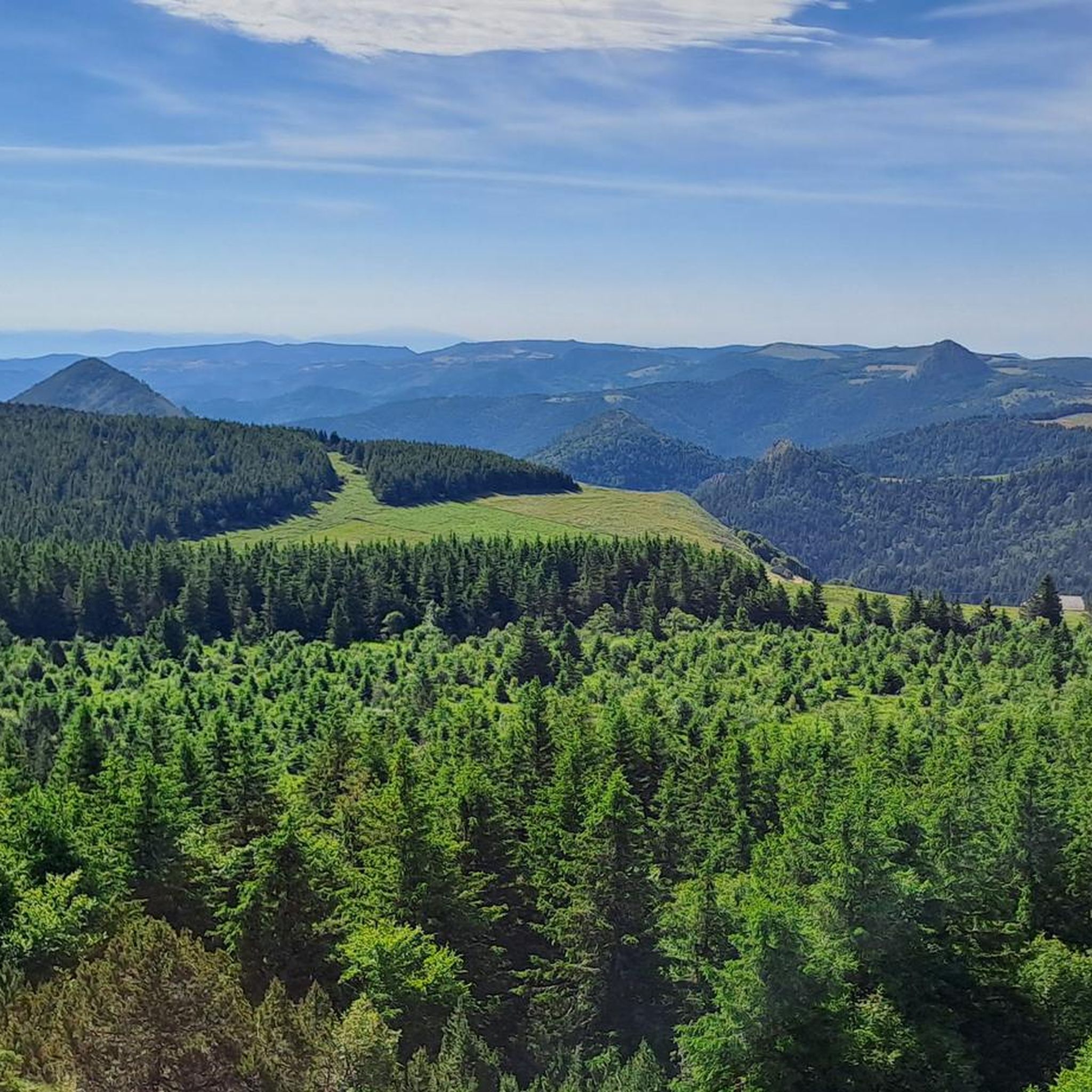
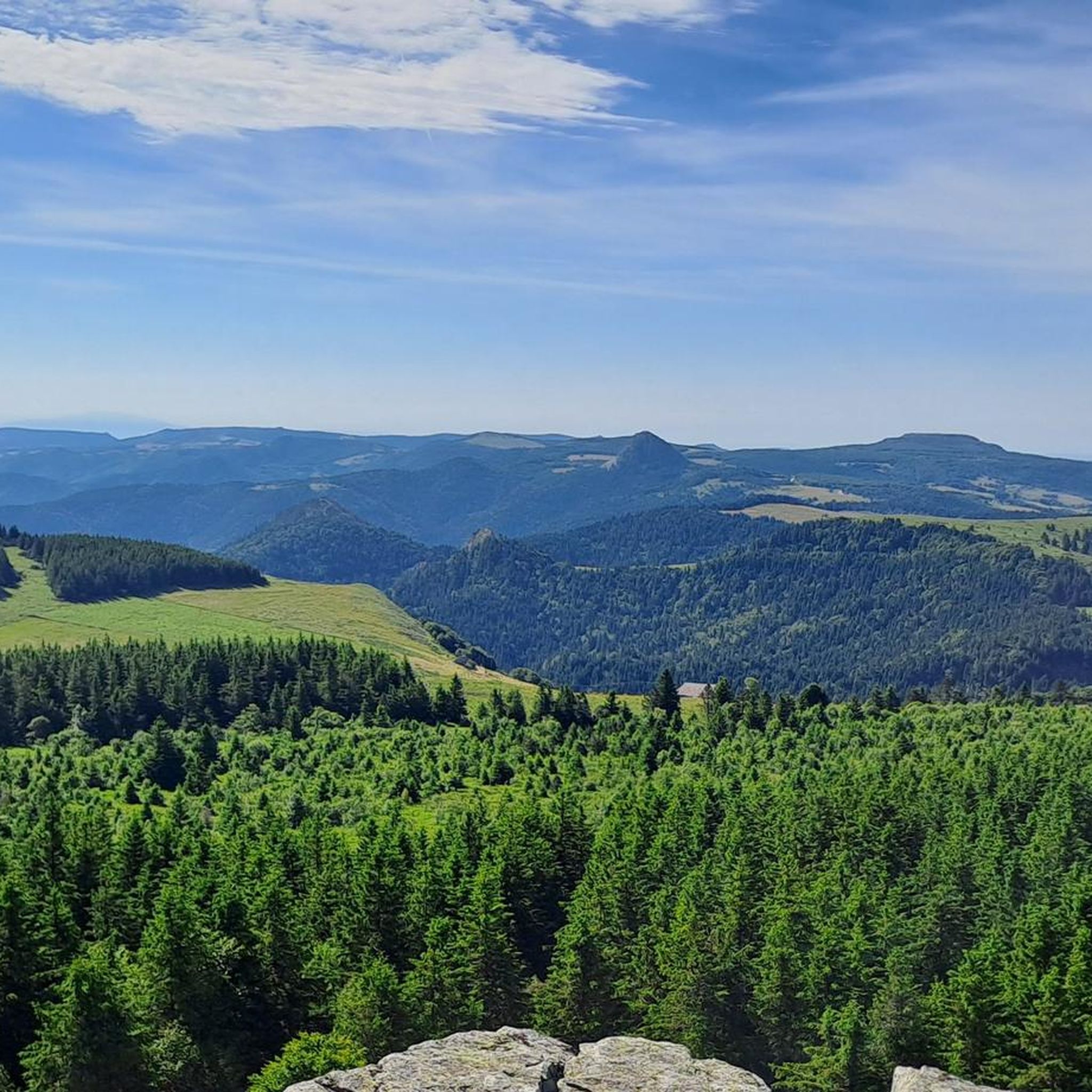
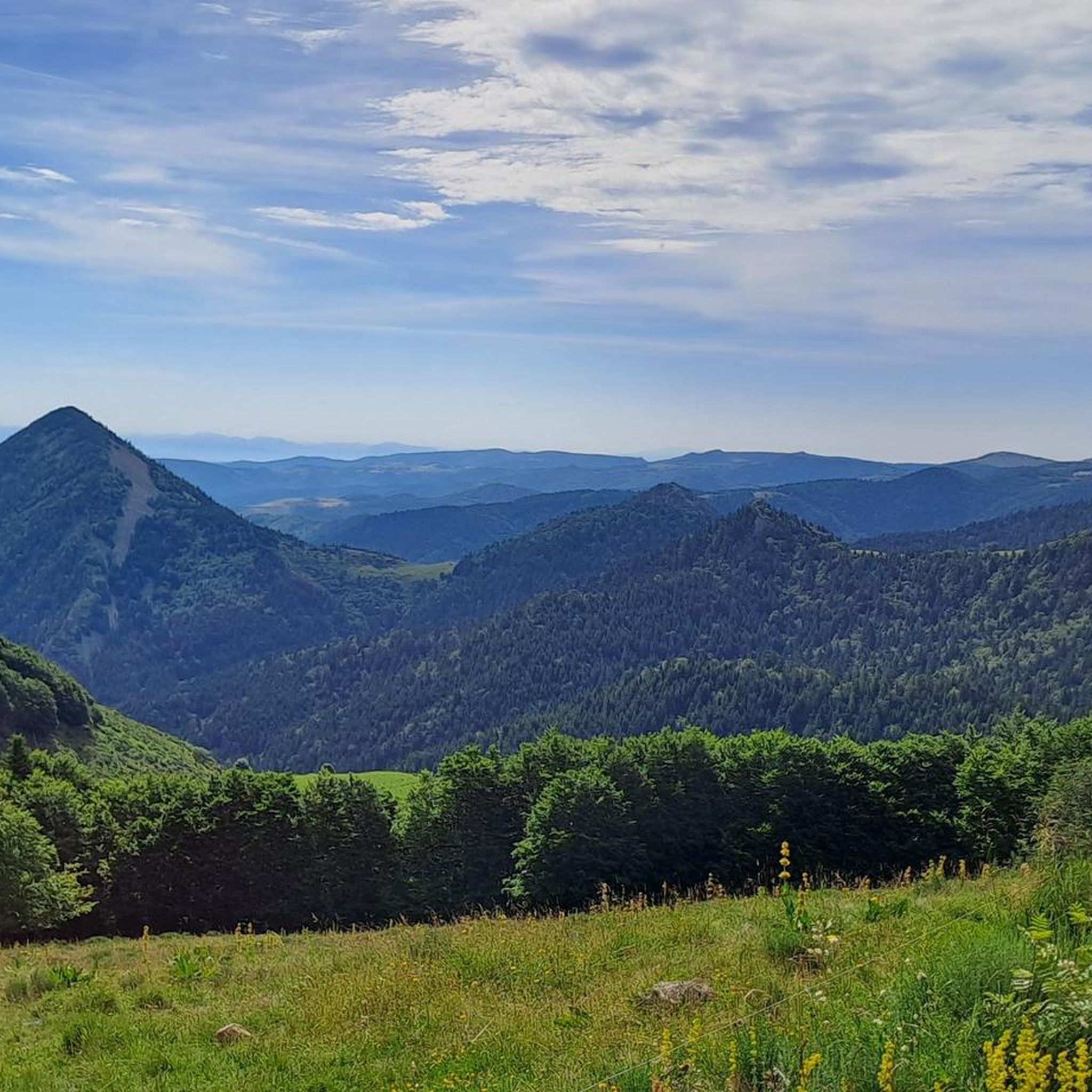
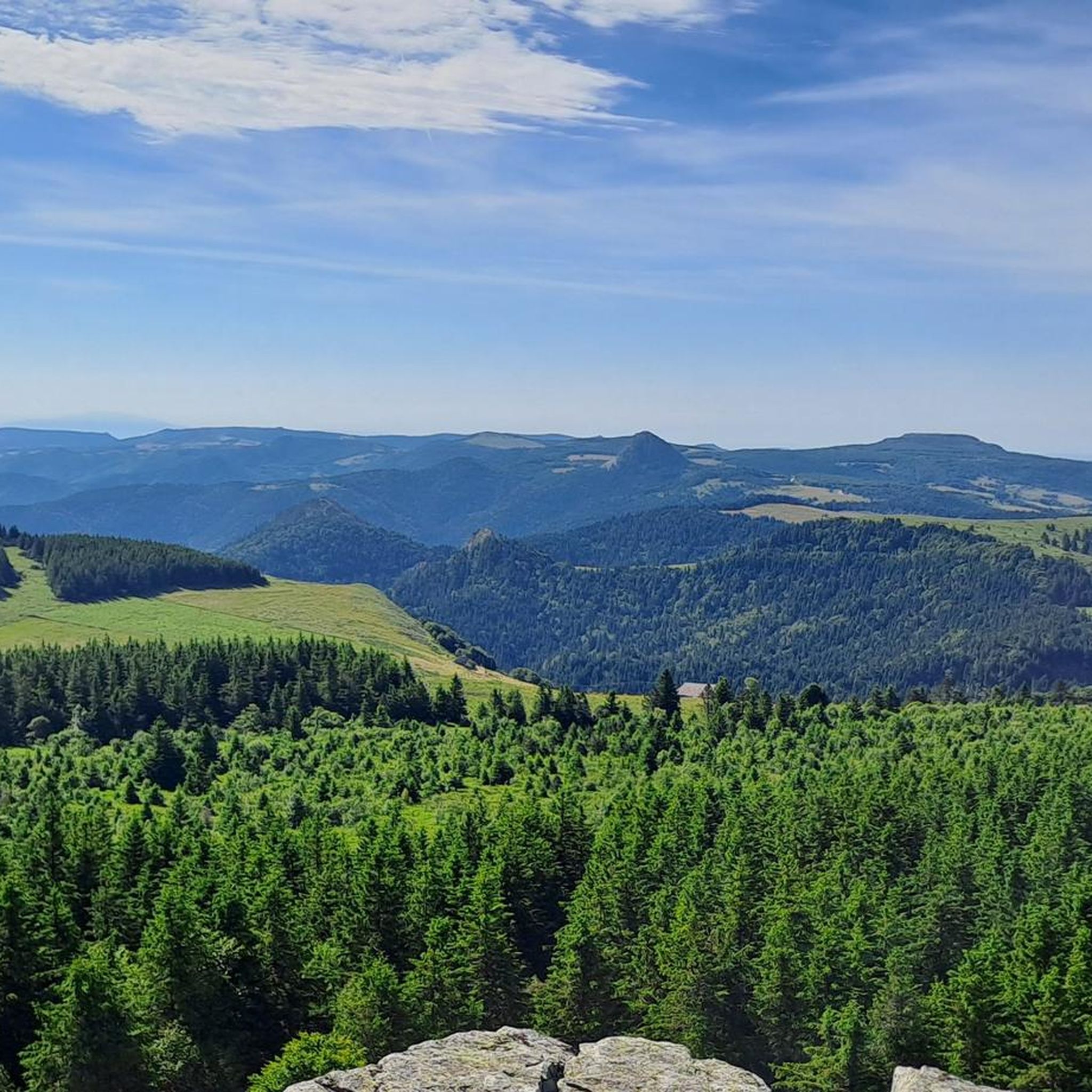

Tips from the Community

pretty flowers, pretty trees, pretty views, but what more could you ask for...oh yes, a windbreaker, because the mistral makes his grandmother cold.
0
0
The cross is a bit ugly but it is not for it that we come to frolic in these green lands but rather for this landscape that would make a Caribou pale.
0
0
landscape that would make a caribou pale
0
0

An emblematic pass by its name which refers to the legendary Ardèche race
0
0
A pass at an altitude of over 1500 m. It is the highest in Ardèche.
0
0

One of the highest road points in Haute-Loire, and a very beautiful view of the Pic Du Lisieux
0
0

A very nice climb - rolling at the beginning, more demanding later but it's worth it
0
0

Very regular and varied climb, superb viewpoints, the tilt at the pass allows us to discover another atmosphere with a plateau and meadows.
0
0
Frequently Asked Questions
What are some of the most scenic mountain passes to explore near Borée?
The region around Borée, within the Monts d'Ardèche Regional Natural Park, offers several scenic mountain passes. Notable options include Boutières Cross Pass, known for its spectacular viewing spot and refreshment options, and Col de la Croix Peccata, which provides breathtaking views between Ardèche and Haute-Loire at 1569 meters.
Are there opportunities for hiking near the mountain passes around Borée?
Yes, the mountain passes around Borée serve as excellent starting points for various hikes. For instance, Col de la Croix Peccata offers numerous departures for hikes, including routes towards Mont Mézenc. You can find a variety of trails, from moderate to difficult, in the area. Explore more hiking options in the region by visiting the Hiking around Borée guide.
What kind of cycling routes can I find on the mountain passes near Borée?
The mountain passes around Borée are popular for cycling, offering challenging climbs and scenic rides. For example, Boutières Cross Pass features a 27.1 km climb with a total drop of 1024 meters, while Col de Joux has an 18.3 km climb with an elevation gain of 587 meters and maximum gradients of 10%. The region is also suitable for gravel biking; discover routes in the Gravel biking around Borée guide.
What natural features can I expect to see when visiting the mountain passes?
The mountain passes around Borée are situated within the Monts d'Ardèche Regional Natural Park, offering diverse natural features. You'll encounter mountainous terrain, views of ancient volcanic landscapes, and lush forests. Mont Mézenc, the highest point in the department, is often visible and acts as a watershed between the Mediterranean Sea and the Atlantic Ocean. Many passes also offer superb viewpoints over plateaus and meadows.
Are there any family-friendly options among the mountain passes or nearby trails?
While specific mountain passes might involve challenging climbs, the broader Monts d'Ardèche Regional Natural Park offers various trails suitable for families. Many hiking routes around Mont Mézenc and other areas provide moderate difficulty options. It's advisable to check individual trail descriptions for specific difficulty levels and suitability for children before heading out.
Can I bring my dog on the trails near the mountain passes?
The Monts d'Ardèche Regional Natural Park generally welcomes dogs on trails, but it's crucial to keep them on a leash, especially in protected areas or near livestock. Always respect local regulations and ensure your dog is well-behaved to protect wildlife and other visitors.
What is the best time of year to visit the mountain passes around Borée?
The best time to visit the mountain passes around Borée for hiking and cycling is typically during the warmer months, from late spring to early autumn (May to October). During this period, the weather is generally more favorable, and trails are clear of snow. Winter can offer opportunities for snow sports around higher elevations like Mont Mézenc, but road conditions on passes may be challenging.
Where can I find parking when visiting these mountain passes?
Parking is generally available at key access points for popular mountain passes and trailheads. For example, areas around Boutières Cross Pass and Col de la Croix Peccata often have designated parking spots. It's recommended to check specific route descriptions or local signage for the most convenient parking locations.
Are there any refreshment options or cafes available at the mountain passes?
Some mountain passes offer refreshment options. For instance, Boutières Cross Pass is noted for having a cafe available. However, not all passes will have facilities, so it's always a good idea to carry your own water and snacks, especially on longer excursions.
What are the typical elevation gains and gradients on these mountain passes?
The mountain passes around Borée feature significant elevation changes. For example, Boutières Cross Pass involves a 27.1 km climb with a total drop of 1024 meters, averaging 3.5% with maximum gradients of 9%. Col de Joux has an 18.3 km climb with an elevation gain of 587 meters, an average gradient of 3.1%, and maximum gradients of 10%.
What other outdoor activities can I do near the mountain passes around Borée?
Beyond hiking and cycling, the area around Borée and its mountain passes offers opportunities for running. You can find various running trails, including loops around Mont Mézenc and Col de la Croix Peccata. Explore more running routes in the Running Trails around Borée guide.
Is public transport available to reach the mountain passes?
Public transport options directly to specific mountain passes in this rural region may be limited. Visitors typically rely on personal vehicles or cycling to access these areas. It's advisable to check local transport schedules and routes if you plan to use public transport, as services might be infrequent or not reach all trailheads.
Most popular attractions around Borée

Get inspired with the komoot mobile app


Explore more
See even more epic mountain passes by checking out these guides around Borée:
