Top 5 Mountain Passes around Le Béage
Mountain passes around Le Béage are located in the Ardèche mountains, providing routes through a region known for its diverse natural landscapes. This area features mountainous terrain and serves as a significant watershed divide. The passes offer access to various valleys and provide views of the surrounding environment within the Massif Central.
Best mountain passes around Le Béage
- The most popular mountain passes is Boutières Cross Pass, a mountain pass that is 27.1 km long with a total drop…
Last updated: June 26, 2026
Boutières Cross Pass
Highlight • Mountain Pass
Translated by Google •
Tip by

Col de la Croix Peccata
Highlight • Viewpoint
Translated by Google •
Tip by

Sign up now to discover places like this
Get recommendations on the best single tracks, peaks, & plenty of other exciting outdoor places.
Sign up for free
Col de Joux
Highlight • Mountain Pass
Translated by Google •
Tip by
Scenic Descent in Parc Naturel Régional des Monts d'Ardèche
Highlight (Segment) • Trail
Translated by Google •
Tip by

Col de l'Ardèchois (1184 m)
Highlight • Mountain Pass
Translated by Google •
Tip by

Start today with a free account
Your next adventure awaits.
Login or Signup
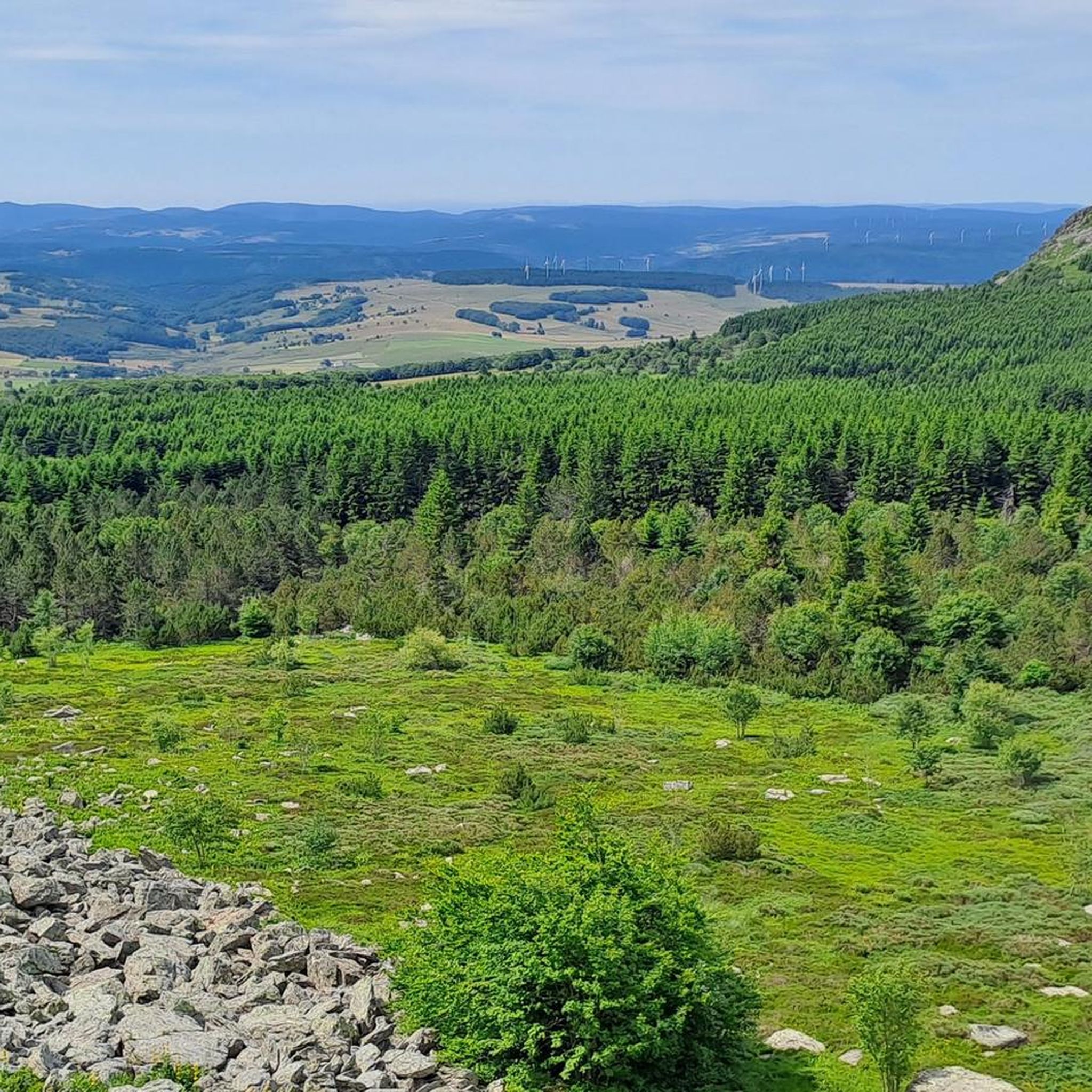
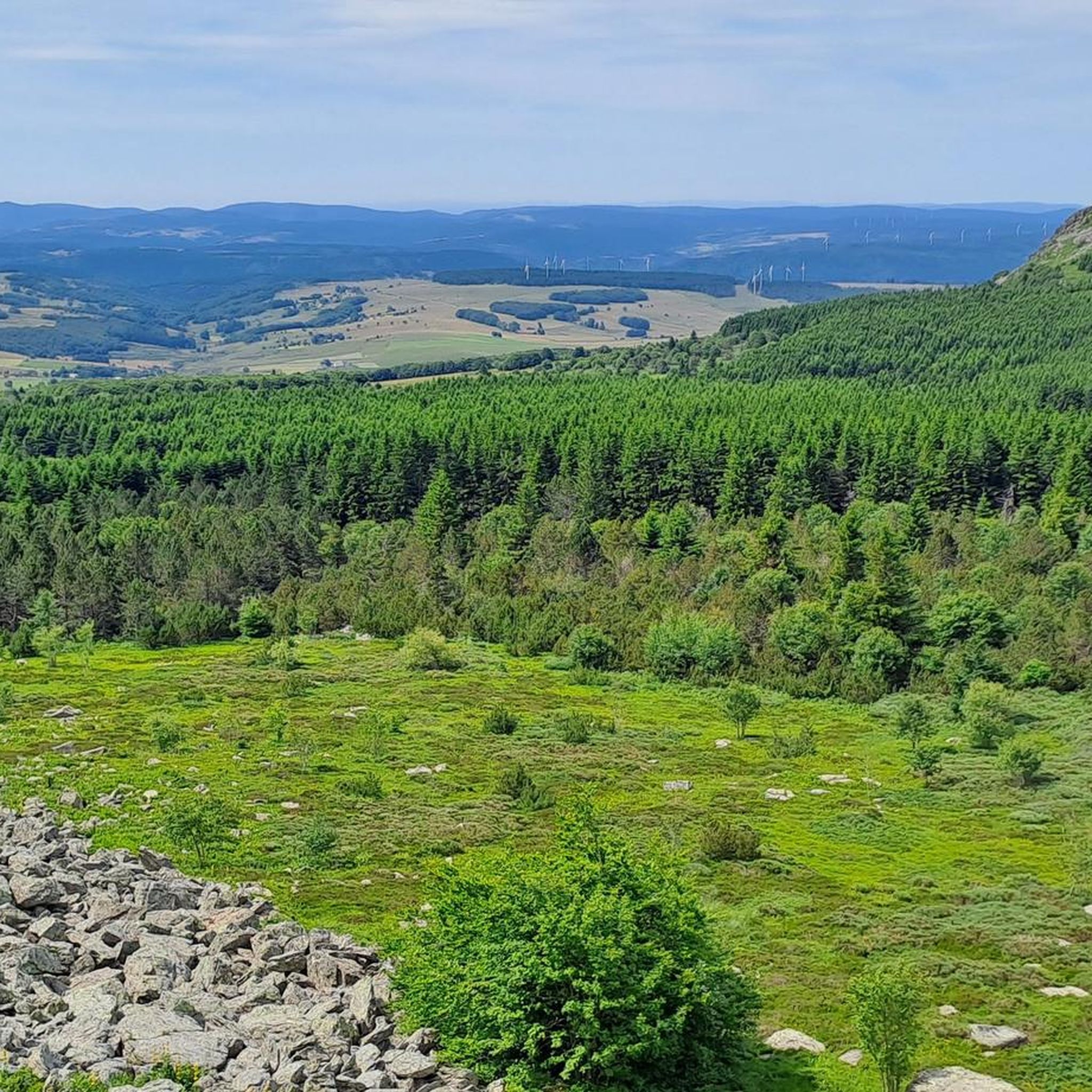
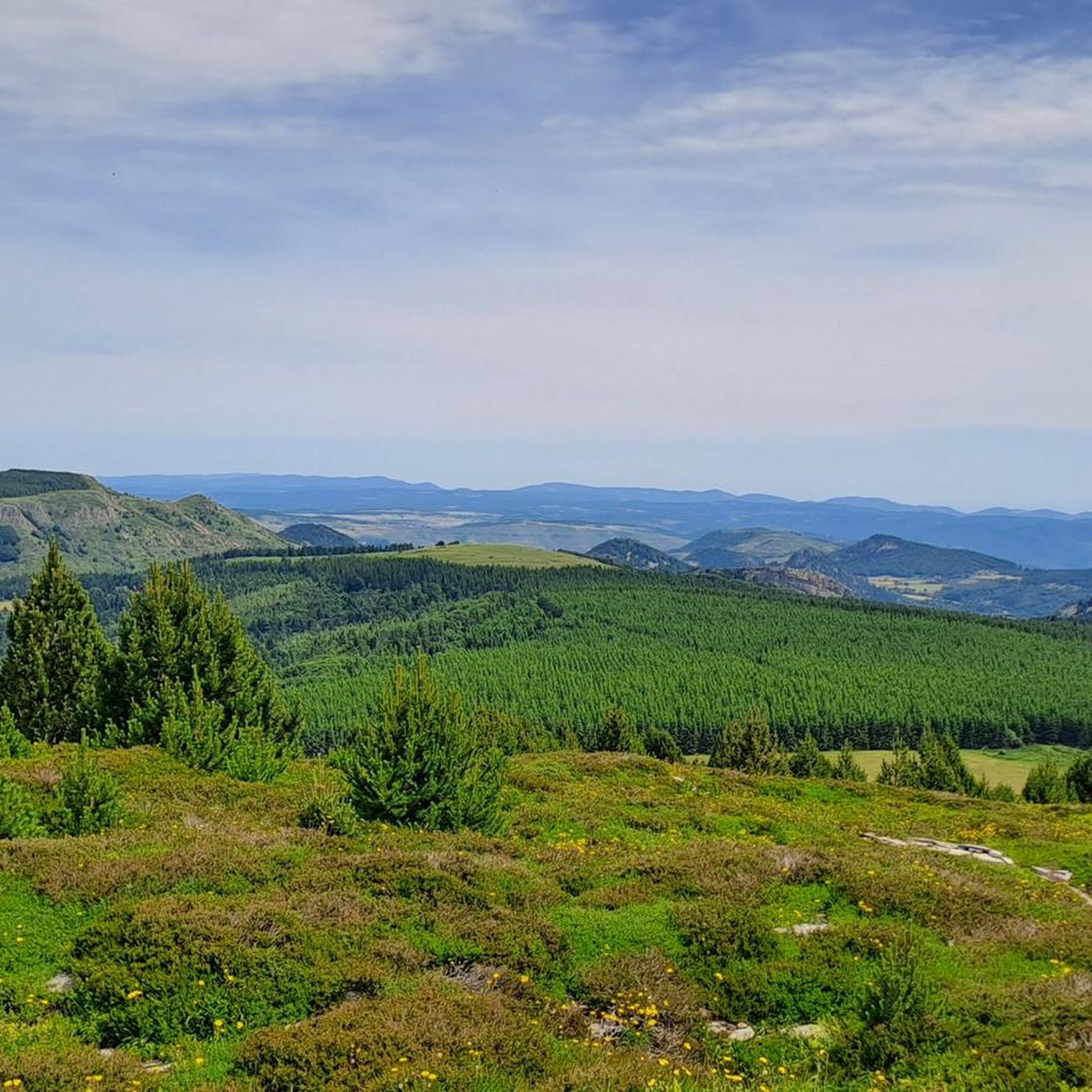
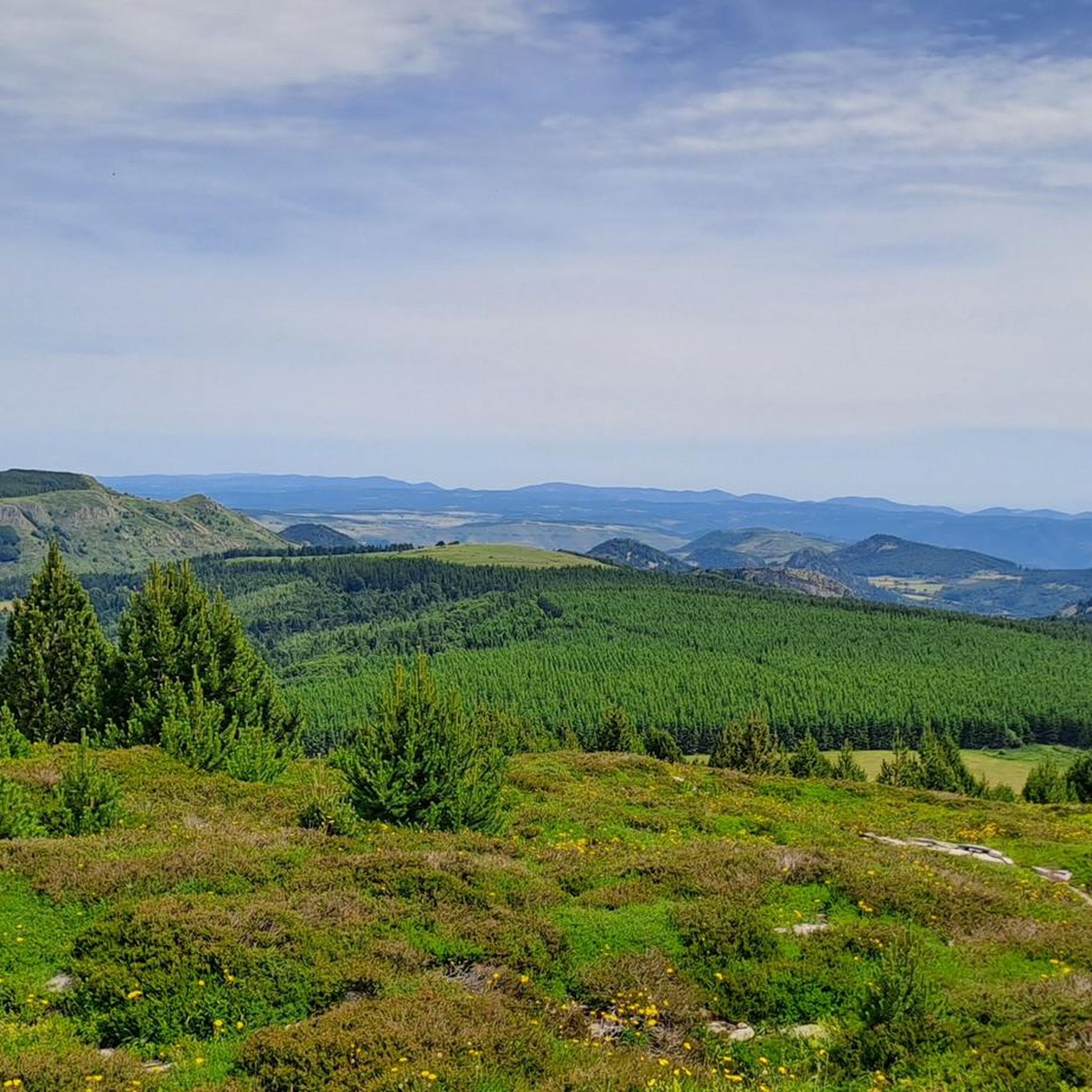
Tips from the Community

pretty flowers, pretty trees, pretty views, but what more could you ask for...oh yes, a windbreaker, because the mistral makes his grandmother cold.
0
0
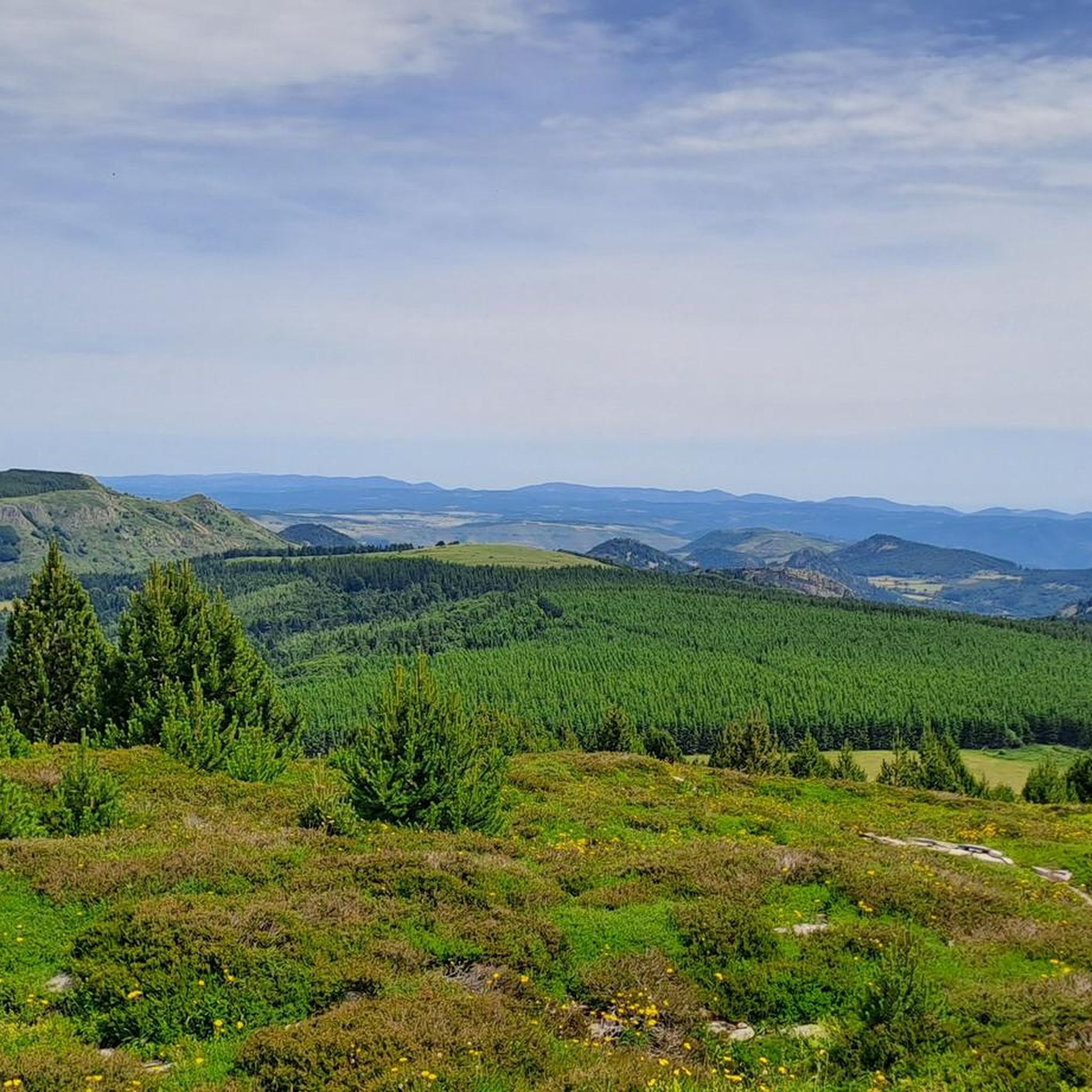
The cross is a bit ugly but it is not for it that we come to frolic in these green lands but rather for this landscape that would make a Caribou pale.
0
0
landscape that would make a caribou pale
0
0

An emblematic pass by its name which refers to the legendary Ardèche race
0
0
A pass at an altitude of over 1500 m. It is the highest in Ardèche.
0
0

One of the highest road points in Haute-Loire, and a very beautiful view of the Pic Du Lisieux
0
0

A very nice climb - rolling at the beginning, more demanding later but it's worth it
0
0

Very regular and varied climb, superb viewpoints, the tilt at the pass allows us to discover another atmosphere with a plateau and meadows.
0
0
Frequently Asked Questions
What unique natural features can I discover among the mountain passes near Le Béage?
The region offers several distinct natural features. The Col de la Clède is notable for being on the Atlantic-Mediterranean watershed, a fascinating geographical point. The Col de Meyrand, located within the Monts d'Ardèche Regional Natural Park, provides expansive panoramic views from its belvedere. The Boutières Cross Pass also offers spectacular views, including of Mont Mézenc, which marks the Atlantic-Mediterranean watershed.
Are there good hiking opportunities around the mountain passes near Le Béage?
Yes, the mountain passes serve as excellent starting points for hiking. The Col de la Clède is part of the GR7 and GR420 long-distance trails, and you can find a moderate 13.2 km loop to the north and south summits of Mont Mézenc starting from there. The Col de Meyrand is also a starting point for various walks, including the GR de Pays Tour du Tanargue. For more hiking options, explore the Hiking around Le Béage guide.
Which mountain passes offer the best panoramic views?
For breathtaking panoramic views, consider the Col de Meyrand, which features an orientation table and a belvedere offering vistas of the Monts d'Ardèche, the Cévennes, and even Mont Ventoux on clear days. The Col du Pendu also provides stunning 360-degree views, potentially including the Alps, Vercors, Mont Gerbier de Jonc, and Mont Ventoux. Additionally, Col de la Croix Peccata, at 1569 m, offers expansive views between Ardèche and Haute-Loire.
Can I find cycling routes that incorporate these mountain passes?
Absolutely. Many passes in the region are popular with cyclists. The Col de Meyrand is a well-known cycling destination with an average gradient of 4.6% over 22.5 km from one approach. The Col du Pendu also offers a challenging cycling route, particularly its southern ascent from Col du Bez. For more cycling adventures, check out the Cycling around Le Béage guide, which includes routes like the 'Lac d’Issarlès – Col de Gage' loop.
What is the best time of year to visit the mountain passes around Le Béage?
The best time to visit generally depends on your preferred activity. Spring and autumn offer pleasant temperatures for hiking and cycling, with vibrant foliage or blooming wildflowers. Summer is ideal for warmer weather activities, though some passes can be busy. Winter can bring snow, making some routes suitable for snowshoeing or cross-country skiing, but road conditions should be checked beforehand.
Are there any mountain passes with historical significance or unique stories?
Yes, the Col du Pendu is steeped in history and mystery, with ancient legends of knights and adventurers adding to its enchanting aura. While the specific legends are local, the pass offers a sense of historical depth alongside its natural beauty.
What kind of flora and fauna can I expect to see near these passes?
The area around the Col du Pendu is particularly known for its abundant flora and fauna, attracting nature lovers for unique observation opportunities. The Monts d'Ardèche Regional Natural Park, encompassing passes like the Col de Meyrand, is rich in biodiversity, offering chances to spot various plant species and wildlife characteristic of the Massif Central.
Are there any less crowded mountain passes for a more tranquil experience?
While specific crowd levels can vary, passes like the Col de la Clède and the Col du Pendu, though offering significant features, might provide a more tranquil experience compared to more heavily trafficked tourist spots, especially outside of peak season. Exploring hiking trails from these passes can also lead to quieter areas.
What activities are available for families near the mountain passes?
Many of the hiking trails around the passes can be adapted for families, depending on the children's ages and abilities. For example, the Hiking around Le Béage guide lists an easy 4.5 km loop around Felsenmeer from Suc de Montfol. The scenic drives to and over the passes themselves offer enjoyable outings with stunning views for all ages. The orientation table and belvedere at Col de Meyrand can also be engaging for children.
Are there any specific tips for visiting the <a href="https://www.komoot.com/highlight/2831181" target="_blank" rel="noopener">Col de Joux</a>?
The Col de Joux is a mountain pass that is 18.3 km long with an elevation gain of 587 m from Le Cheylard, featuring an average gradient of 3.1% and maximum gradients of 10%. It's a popular spot for cyclists due to its challenging yet rewarding climb. Be aware that this pass should not be confused with the Col de Joux Plane in Savoie.
Where can I find refreshments or cafes near the mountain passes?
While the passes themselves are often remote, the Boutières Cross Pass is noted for having a cafe available for refreshments. For other passes, it's advisable to check in nearby villages like Le Béage or other communes along the routes for dining options before or after your visit.
What is special about the <a href="https://www.komoot.com/highlight/4457245" target="_blank" rel="noopener">Col de l'Ardèchois</a>?
The Col de l'Ardèchois is an emblematic pass, particularly known among cyclists as its name refers to the legendary Ardèche race. It offers a very nice climb that starts rolling and becomes more demanding, but the effort is well worth it for the experience and views.
Most popular attractions around Le Béage

Get inspired with the komoot mobile app


Explore more
See even more epic mountain passes by checking out these guides around Le Béage:
