Top 8 Castles around Cap-D'Ail
Best castles around Cap-D'Ail include a range of historical structures, from Belle Époque villas to medieval fortifications. The region is known for its grand residences, often referred to as châteaux, which showcase impressive architecture and historical significance. These structures provide insight into the opulent past of the French Riviera and its strategic importance. Cap-D'Ail's terrain offers various viewpoints and historical sites, making it a notable area for exploring historical landmarks.
Best castles around Cap-D'Ail
- The most popular castles is Fort…
Last updated: August 13, 2026
Castle Hill
Highlight • Viewpoint
Translated by Google •
Tip by

Prince's Palace of Monaco
Highlight • Historical Site
Translated by Google •
Tip by

Sign up now to discover places like this
Get recommendations on the best single tracks, peaks, & plenty of other exciting outdoor places.
Sign up for free
Fort du Mont Alban
Highlight • Castle
Translated by Google •
Tip by
L'Oréillon
Highlight • Historical Site
Translated by Google •
Tip by

Castle ruins
Highlight • Castle
Translated by Google •
Tip by
Sign up for free to discover even more castles around Cap-D'Ail.
Sign up for free
Already have an account?
Start today with a free account
Your next adventure awaits.
Login or Signup
Tips from the Community

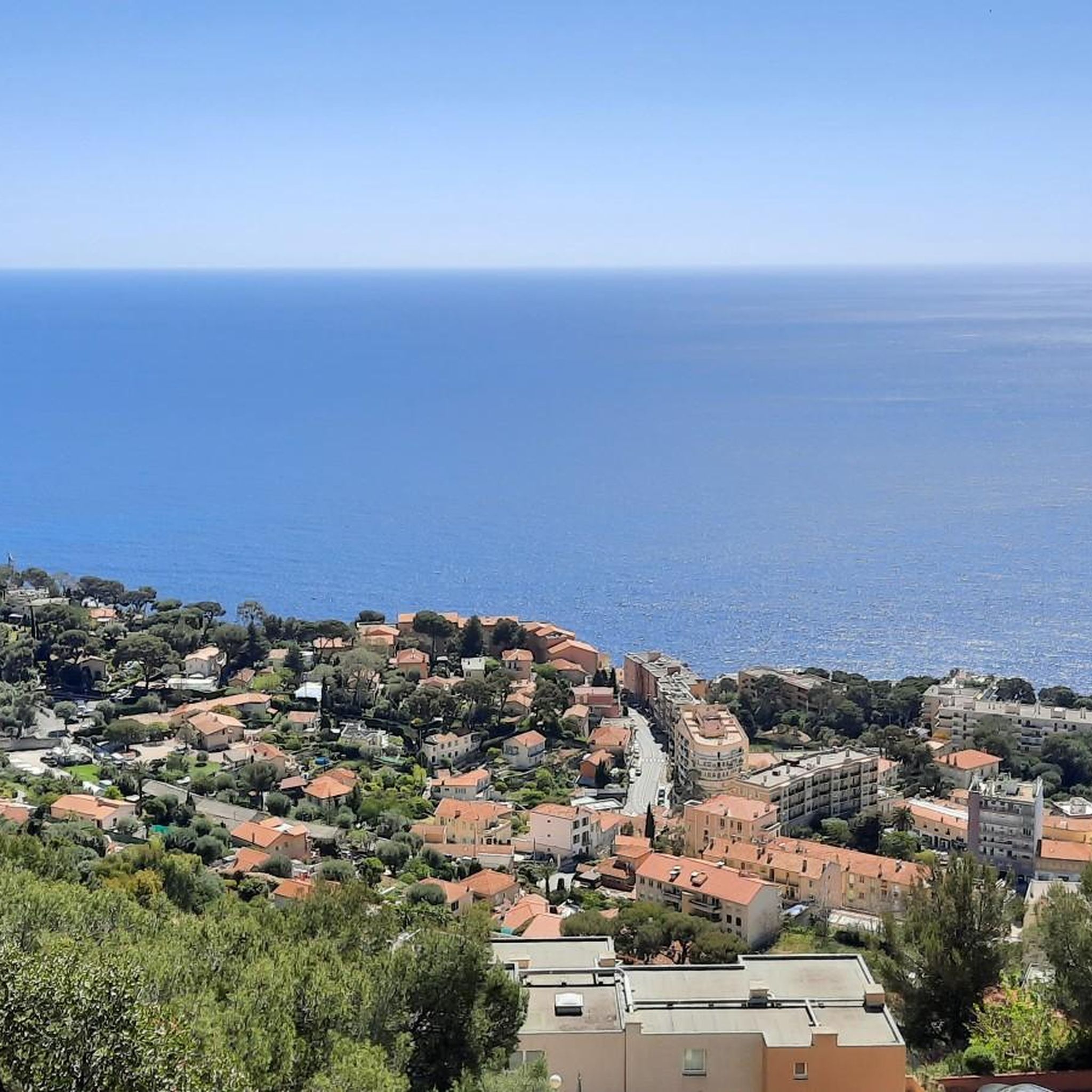
A staircase with a magnificent view leads out - alternatively, an elevator (usually with short waiting times)
0
0

The castle ruins in Èze are one of the most important historical sites in the village and offer stunning views of the Mediterranean Sea. Here are some key points about these ruins: 1. **History**: The castle dates back to the 12th century and was originally built to protect the people of Èze. It served as a defensive point and was a strategic location because of its view of the sea and surrounding countryside. 2. **Demolition and Ruins**: The castle fell into disrepair after the 17th century and was eventually abandoned in the 18th century. What remains are the ruins which are now a major attraction for visitors. 3. **Panoramic Views**: One of the biggest draws of the castle ruins is the breathtaking views they offer. Visitors can enjoy panoramic views of the Mediterranean Sea, the coastline and the surrounding mountains. 4. **Gardens**: Surrounding the ruins are beautiful botanical gardens, the Jardin Exotique d'Èze, which contain various types of cacti and other plants. This makes it a beautiful place to explore and relax. 5. **Accessibility**: The castle ruins are open to the public, and visitors can explore the remains and learn more about the history of the castle and the village. 6. **Culture and Events**: The ruins are sometimes used for cultural events and are a popular spot for photographers and artists because of their picturesque setting. So, the castle ruins in Èze are not only an important historical monument, but also a beautiful viewpoint that adds to the charm of the village. They offer visitors the chance to explore the history of the region and enjoy the natural beauty of the surroundings.
3
0

L'Oréillon in Monaco is a historic building that was originally designed as a residential palace. It is known for its baroque architecture and elegant finishes. Here are some of the features and functions of L'Oréillon: 1. **Architectural style**: The building has a typical baroque style with an impressive facade, ornaments and symmetrical lines. The architecture reflects the artistic trends of the early 18th century. 2. **Historical function**: L'Oréillon served as a residence for aristocratic families and has served various functions over the years, including as a home for the princely family. 3. **Strategic location**: The building is located at a prominent point in Monaco, which contributed to the strategic and defensive capabilities of the city. 4. **Cultural value**: L'Oréillon is an important example of the architectural development in Monaco and contributes to the historical heritage of the principality. It reflects the wealth and power of the ruling class during that period. 5. **Accessibility**: Today, the building is a point of interest for visitors interested in Monaco's history and architecture. L'Oréillon is therefore not only an architectural masterpiece, but also an important part of Monaco's rich history and culture.
3
0

E n most beautiful races and trails at this location
0
0

The Prince's Palace has a long history. It has been enlarged and changed several times over the centuries. Its origins date back to 1215. Through several renovations in the 17th century, the former Genoese fortress was transformed into a magnificent residence typical of the “Grand Siècle”. Prince Honoré II endowed the palace with a rich art collection, which unfortunately disappeared during the French Revolution when the palace was looted and served as a hospital for the Italian troops. Today some magnificent parts of this palace can be visited, such as: The Palace Chapel of Saint-Jean-Baptiste, the Hercules Gallery, the Mirror Gallery, the Red Salon, the York Room, the Yellow Salon or the Louis XV Salon and the Throne room. There are also numerous frescoes, carpets and furniture to see. https://www.visitmonaco.com/de/platz/gehenswurdigkeiten-museen/22156/der-furstenpalast
6
0

Frequently Asked Questions
What kind of historical structures are referred to as 'castles' around Cap-D'Ail?
Around Cap-D'Ail, the term 'castles' encompasses a variety of historical structures, primarily magnificent Belle Époque villas, often called châteaux, alongside historical palaces and military fortifications. These include grand residences like Château des Terrasses and Villa Les Camélias, which showcase impressive architecture and offer a glimpse into the opulent past of the French Riviera.
Are there any traditional medieval castles or ruins to explore near Cap-D'Ail?
Yes, while many 'châteaux' are Belle Époque villas, you can find medieval history. Castle Hill in Nice features ruins of a former fortress and cathedral. The Medieval village of Èze, perched high above the sea, also has the remains of a castle, now a luxury hotel, offering a rich historical atmosphere.
Which castles or historical sites are family-friendly?
The Prince's Palace of Monaco is a family-friendly option, with parts open to tourists, including a museum and the daily changing of the guard. Villa Les Camélias also offers an interactive and engaging visit, including an audio guide for children, making it a great choice for families.
What are some notable viewpoints or natural features near these castles?
Many of the historical sites offer stunning views. From Castle Hill, you get unique views over Nice. Fort du Mont Alban provides beautiful panoramas of the old town, the sea, and the Bay of Villefranche-sur-Mer. The Medieval village of Èze is renowned for its breathtaking panoramic views of the Côte d’Azur.
What outdoor activities can I do near the castles around Cap-D'Ail?
The region offers various outdoor activities. You can find numerous routes for hiking, cycling, and gravel biking. For example, there are moderate hiking loops like the Cap d'Ail Coastal Path, or more challenging cycling routes such as the Menton – Prince's Palace of Monaco loop.
What is the best time of year to visit the castles and historical sites in Cap-D'Ail?
The French Riviera generally enjoys a mild climate, making visits pleasant throughout much of the year. Spring and autumn offer comfortable temperatures and fewer crowds, ideal for exploring. Summer is vibrant but can be very warm, while winter provides a quieter experience, though some attractions might have reduced hours.
Are there any historical sites in Monaco worth visiting near Cap-D'Ail?
Absolutely. Monaco is home to the Prince's Palace of Monaco, the official residence of the Monegasque Royal family since the 13th century, which is partially open to the public. Another significant site is L'Oréillon, a historic building known for its baroque architecture and cultural value.
What do visitors enjoy most about the castles and historical sites in this region?
Visitors frequently praise the stunning panoramic views offered by sites like Castle Hill and the Medieval village of Èze. The well-preserved architecture, rich history, and the opportunity to witness events like the changing of the guard at the Prince's Palace of Monaco are also highly appreciated.
Is public transport available to reach these historical sites?
Yes, public transport options are generally available to reach many of the historical sites and towns around Cap-D'Ail, including buses and trains connecting to Nice, Monaco, and Èze. It's advisable to check local schedules for specific routes and timings to plan your visit effectively.
Can I find cafes or restaurants near the historical sites?
Yes, popular historical sites and villages like the Medieval village of Èze and areas around Castle Hill in Nice offer a variety of cafes, restaurants, and shops where you can relax and enjoy local cuisine.
Are there any dog-friendly options for visiting castles or historical walks?
While specific castle interiors may have restrictions, many outdoor areas and parks associated with historical sites are dog-friendly. For instance, Castle Hill in Nice is a large park where dogs are often welcome. Additionally, many of the coastal paths and hiking routes around Cap-D'Ail are suitable for walks with dogs.
What should I wear when visiting castles and historical sites in Cap-D'Ail?
Comfortable walking shoes are highly recommended, as many sites involve walking on uneven terrain, cobblestones, or climbing stairs. Light layers are suitable for most seasons, and a hat and sunscreen are advisable during warmer months due to the Mediterranean sun. For visits to religious sites, modest attire may be appropriate.
Most popular routes around Cap-D'Ail
Most popular attractions around Cap-D'Ail

Get inspired with the komoot mobile app


Explore more
Looking for the best castles somewhere else? Discover other guides around Cap-D'Ail:
