The best walks and hikes around Jolanda Di Savoia
4.2
(10)
62
hikers
8
hikes
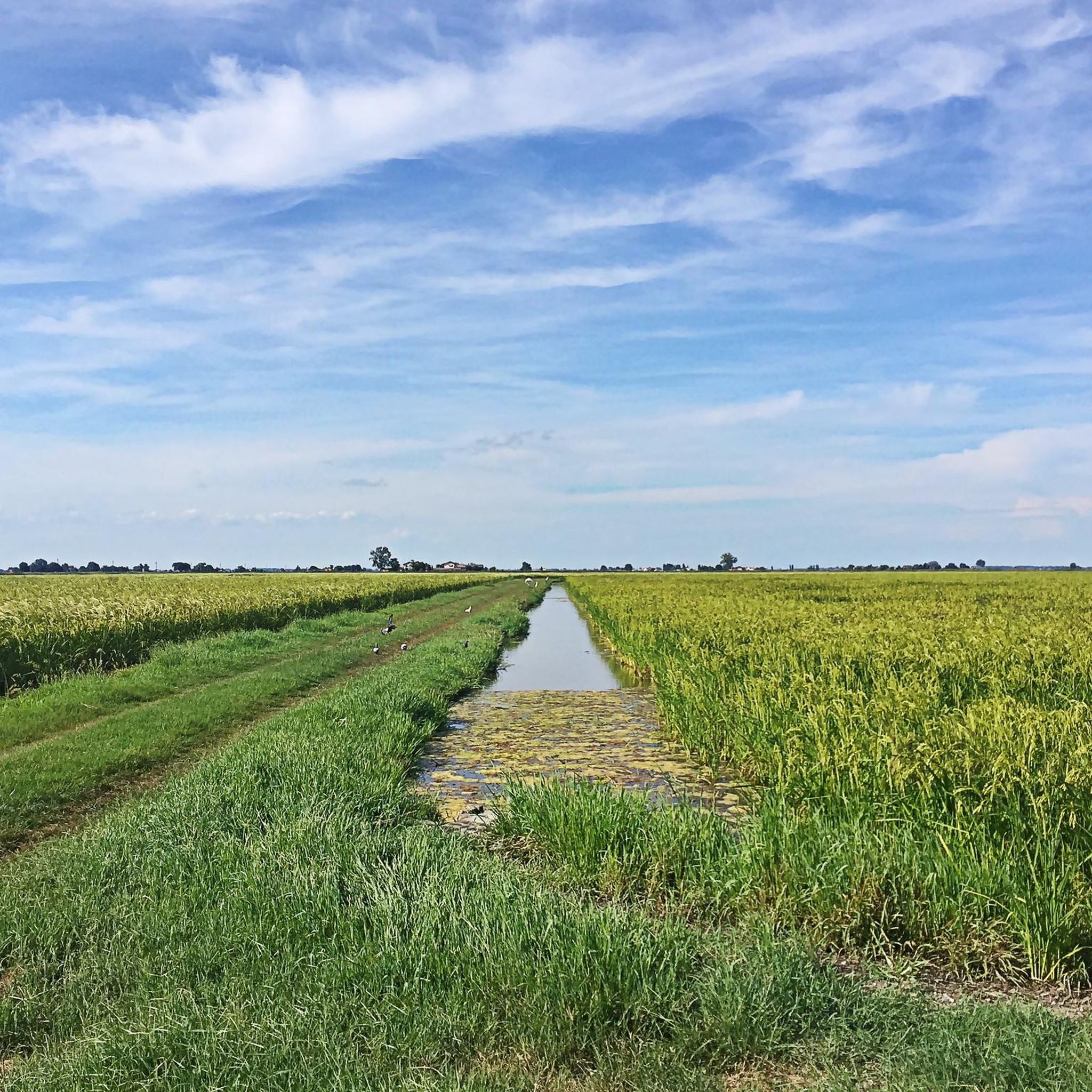
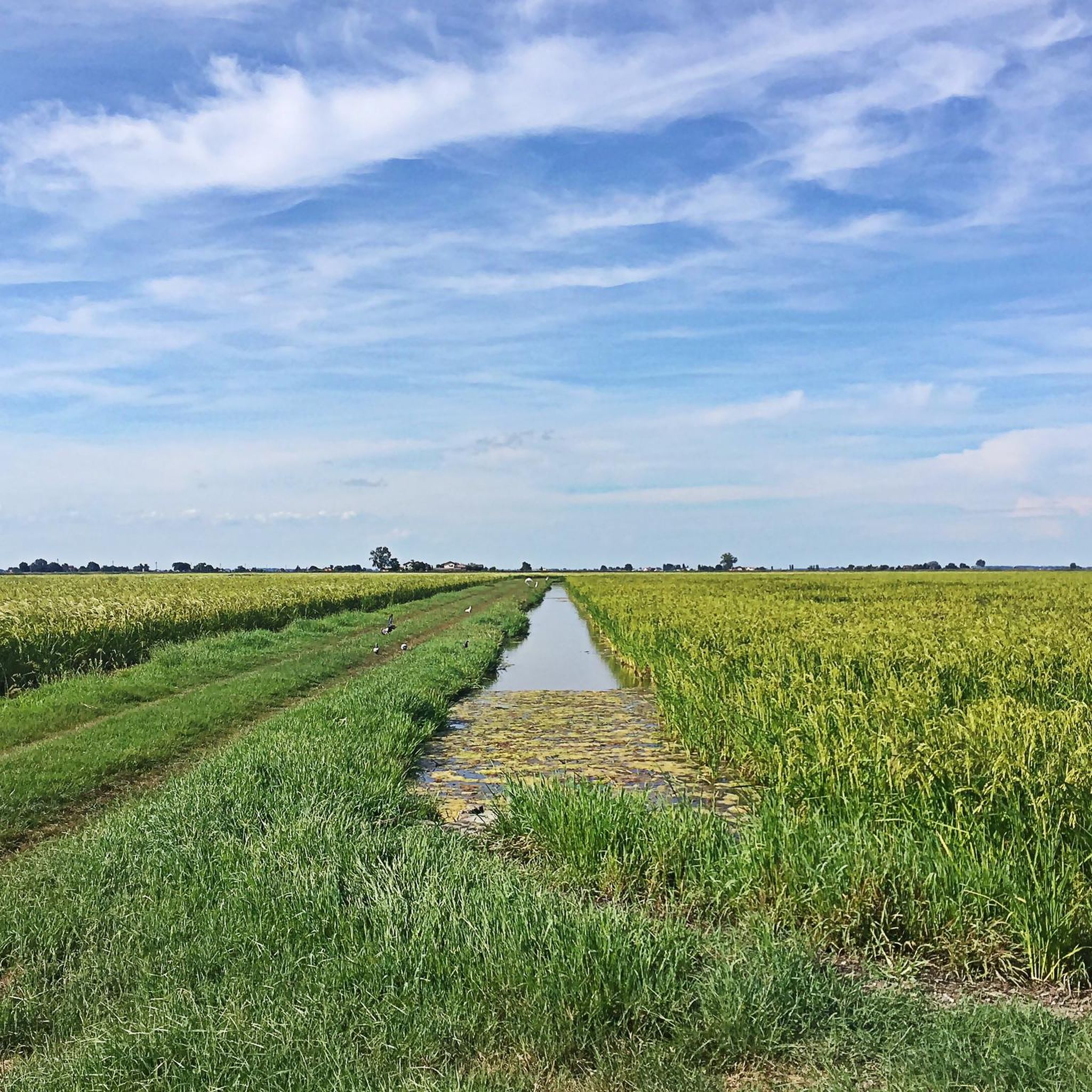
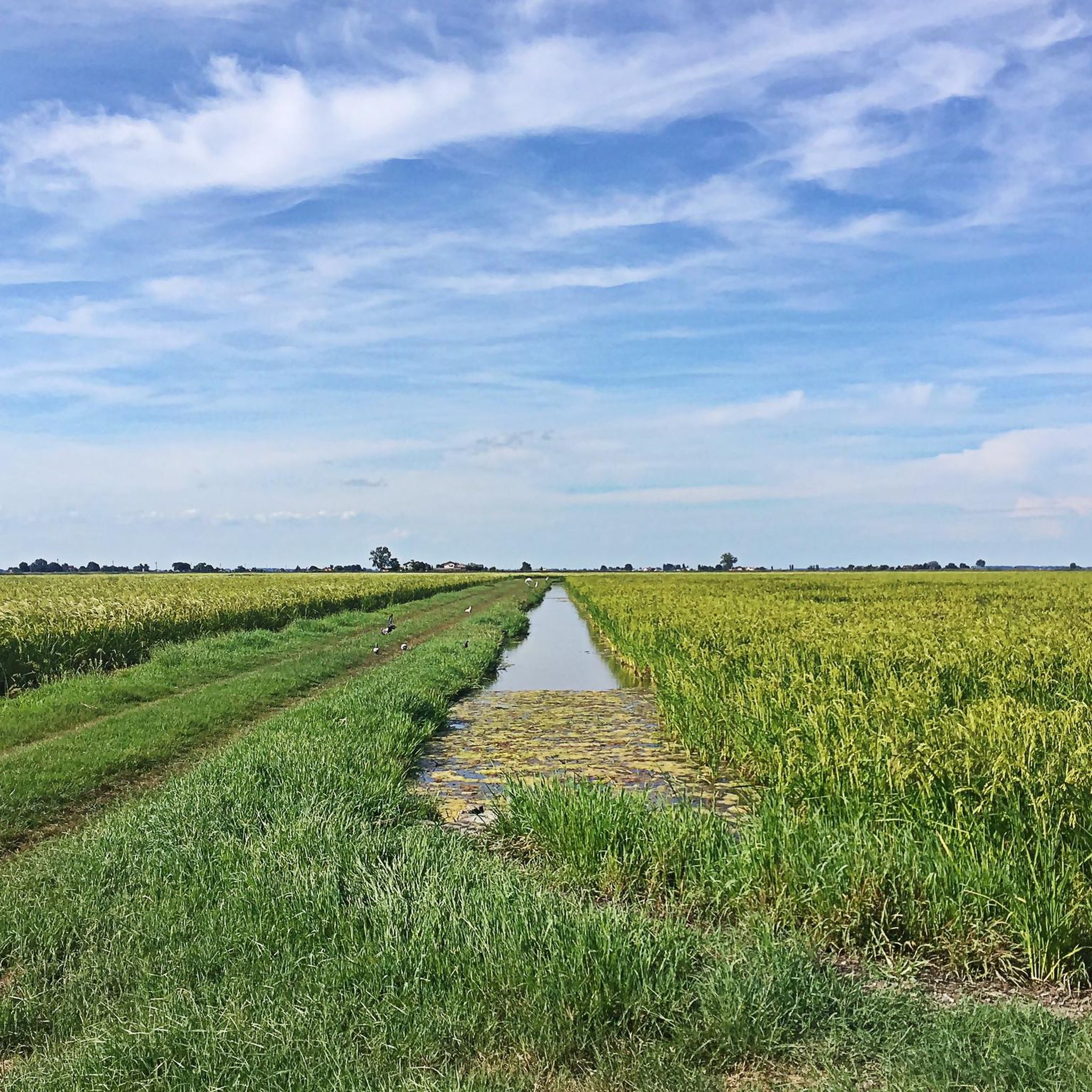
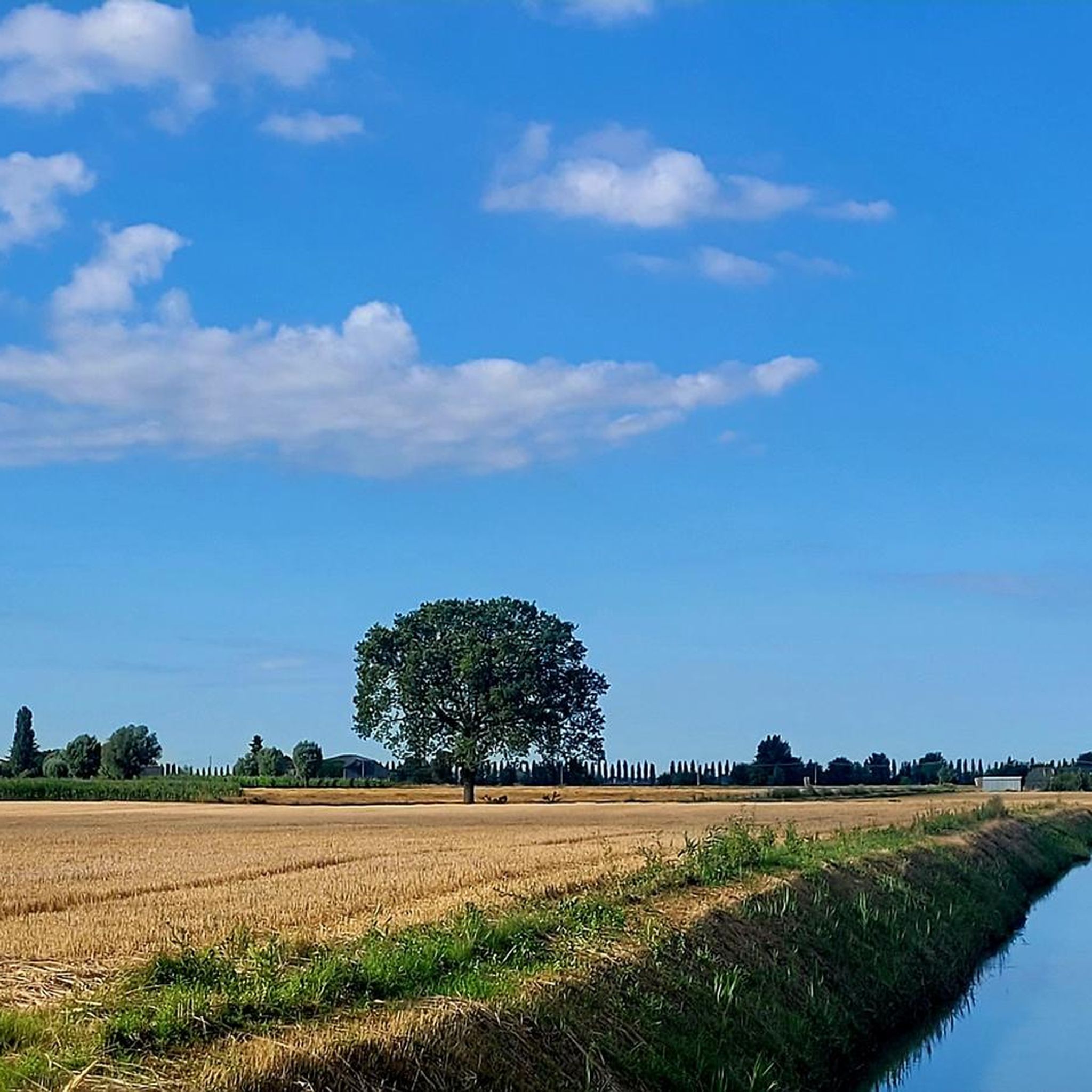
Hiking around Jolanda Di Savoia offers routes through the flat, agricultural landscapes and natural areas of the Po Delta region in Italy. The terrain is characterized by minimal elevation changes, making it suitable for accessible hikes. Waterways and biotopes are common features, providing opportunities for wildlife walks. The area provides a network of trails for various activity levels.
Best hiking trails around Jolanda Di Savoia
- The most popular hiking route is Canal Bianco loop from Serravalle, a 5.4 miles…
Last updated: July 1, 2026
5.0
(1)
16
hikers
4.29km
01:05
0m
0m
Easy hike. Great for any fitness level. Easily-accessible paths. Suitable for all skill levels.
4.0
(1)
12
hikers
Moderate hike. Good fitness required. Easily-accessible paths. Suitable for all skill levels.

Sign up for free
4
hikers
3.08km
00:47
0m
0m
Easy hike. Great for any fitness level. Easily-accessible paths. Suitable for all skill levels.
5
hikers
3.48km
00:53
0m
0m
Easy hike. Great for any fitness level. Easily-accessible paths. Suitable for all skill levels.
2
hikers
7.44km
01:52
10m
10m
Easy hike. Great for any fitness level. Easily-accessible paths. Suitable for all skill levels.
Get access to more routes and recommendations from other explorers.
Sign up for free
Already have an account?
Our route recommendations are based on thousands of hikes, rides, and runs completed by other people on komoot.
Start today with a free account
Your next adventure awaits.
Login or Signup

Tips from the Community

It can be a starting point towards Lido di Volano
0
0

The Abbey of Pomposa welcomed illustrious figures of the time, among whom we should remember Guido d'Arezzo, the monk who invented musical notation based on the system of seven notes.
0
0


The church, dedicated to Saints Vito, Modesto and Crescenzio, dates back to 1027 but was built on the ruins of an older building. In the 12th-14th centuries it represented one of the parish churches of the Diocese of Ravenna. The bell tower, later, is dated 1228. In the 17th century it was profoundly modified but, between 1925 and 1927, the old Romanesque church was rediscovered and its original layout was restored, although the central nave was raised. The basilica has three naves separated by round arches, with relative apses and retains its typical Romanesque structure, characterised by a raised altar, preceded by steps, under which there is the crypt. The parish church represents one of the few examples of Romanesque architecture still existing in the area.
0
0


Former Benedictine abbey with valuable floor frescoes
0
0

Located on the border of the Po delta park, there is the Pomposa Abbey dating back to the 11th century. Its tower, 48 meters high, stands out from the plain and the thick winter fog.
3
0
Frequently Asked Questions
How many hiking trails are available around Jolanda Di Savoia?
There are 6 hiking routes available around Jolanda Di Savoia. These include 4 easy trails and 2 moderate trails, offering options for various fitness levels.
What is the terrain like for hiking in Jolanda Di Savoia?
The terrain around Jolanda Di Savoia is predominantly flat, characterized by agricultural landscapes, waterways, and natural biotopes within the Po Delta region. You'll experience minimal elevation changes, making it suitable for accessible and relaxed walks.
Are there any easy hiking trails suitable for beginners or families?
Yes, there are several easy trails perfect for beginners and families. For example, the Biotope loop from Ostellato is an easy 2.8-mile (4.5 km) path exploring a natural biotope. Another option is the Papozze loop from Papozze, a 3.7-mile (6.0 km) trail through agricultural and riverside landscapes.
Can I find circular hiking routes in Jolanda Di Savoia?
Many of the hiking routes in Jolanda Di Savoia are circular, allowing you to start and end at the same point. Examples include the Canal Bianco loop from Serravalle and the Church of Ostellato loop from Ostellato.
Are the hiking trails in Jolanda Di Savoia dog-friendly?
Generally, the trails in the Po Delta region are dog-friendly, especially those through open agricultural areas and along waterways. However, it's always recommended to keep dogs on a leash, especially near wildlife habitats like the Le Vallette di Ostellato Nature Reserve, and to check local regulations for specific protected areas.
What are some interesting places to explore near the hiking routes?
While hiking, you can explore several interesting nearby attractions. Consider visiting the Le Vallette di Ostellato Nature Reserve for birdwatching, or the unique architectural site of Tresigallo Metaphysical City. The historic Villa della Mensa is also a notable landmark in the area.
What is the best season for hiking in Jolanda Di Savoia?
The best seasons for hiking in Jolanda Di Savoia are typically spring (April to June) and autumn (September to October). During these months, the weather is mild and pleasant, and the natural landscapes of the Po Delta are vibrant with flora and fauna. Summers can be hot, and winters can be damp and foggy.
Are there opportunities for wildlife observation on the trails?
Yes, the Po Delta region, including areas around Jolanda Di Savoia, is known for its rich biodiversity. Trails that pass through natural biotopes and along waterways, such as the Biotope loop from Ostellato, offer excellent opportunities for birdwatching and observing local flora and fauna.
What do other hikers say about the trails in Jolanda Di Savoia?
The routes in Jolanda Di Savoia are well-regarded by the komoot community, with an average score of 3.6 stars from over 8 reviews. Hikers often appreciate the peaceful, flat terrain, the scenic waterways, and the opportunities for wildlife spotting in the natural biotopes.
Is parking available at the trailheads in Jolanda Di Savoia?
For most rural hiking routes in the Jolanda Di Savoia area, you can typically find roadside parking or small designated parking areas near the starting points of trails, especially in villages like Ostellato, Serravalle, or Papozze. It's always advisable to check specific route details for precise parking information.
Are there any longer or more challenging hikes available?
While the region is generally flat, there are moderate options for those looking for a longer walk. The Canal Bianco loop from Serravalle is a moderate 5.4-mile (8.7 km) trail that takes about 2 hours and 12 minutes to complete, offering a good distance without significant elevation.
Most popular routes around Jolanda Di Savoia
Most popular attractions around Jolanda Di Savoia

Get inspired with the komoot mobile app


Explore more
Browse the best Hikes in other regions.
