Top 19 Castles in Essonne
Best castles in Essonne offer a journey through French history and architectural styles within the Île-de-France region. This department features a diverse collection of historical estates, from medieval fortresses to classical châteaux with extensive gardens. These sites provide insights into centuries of design and cultural heritage. The region's landscape complements these historical structures, making them notable destinations for exploration.
Best castles in Essonne
- The most popular castles is Château de Dourdan, a castle that is an old fortified castle…
Last updated: May 3, 2026
Château du Mesnil-Voisin
Highlight • Castle
Translated by Google •
Tip by

Château de Dourdan
Highlight • Castle
Translated by Google •
Tip by

Sign up now to discover places like this
Get recommendations on the best single tracks, peaks, & plenty of other exciting outdoor places.
Sign up for free
Domaine de Courances
Highlight • Castle
Translated by Google •
Tip by

Janvry Fountain
Highlight • Castle
Translated by Google •
Tip by

Beauregard Castle
Highlight • Viewpoint
Translated by Google •
Tip by

Button Castle
Highlight • Castle
Following the Second World War, …
Translated by Google •
Tip by

Villeconin Castle
Highlight • Castle
Translated by Google •
Tip by

Chamarande Castle and Park
Highlight • Castle
Translated by Google •
Tip by
Château de Courson
Highlight • Castle
Translated by Google •
Tip by
Château de Forges-les-Bains
Highlight • Castle
Translated by Google •
Tip by
Sign up for free to discover even more castles in Essonne.
Sign up for free
Already have an account?
Start today with a free account
Your next adventure awaits.
Login or Signup
Popular around Essonne
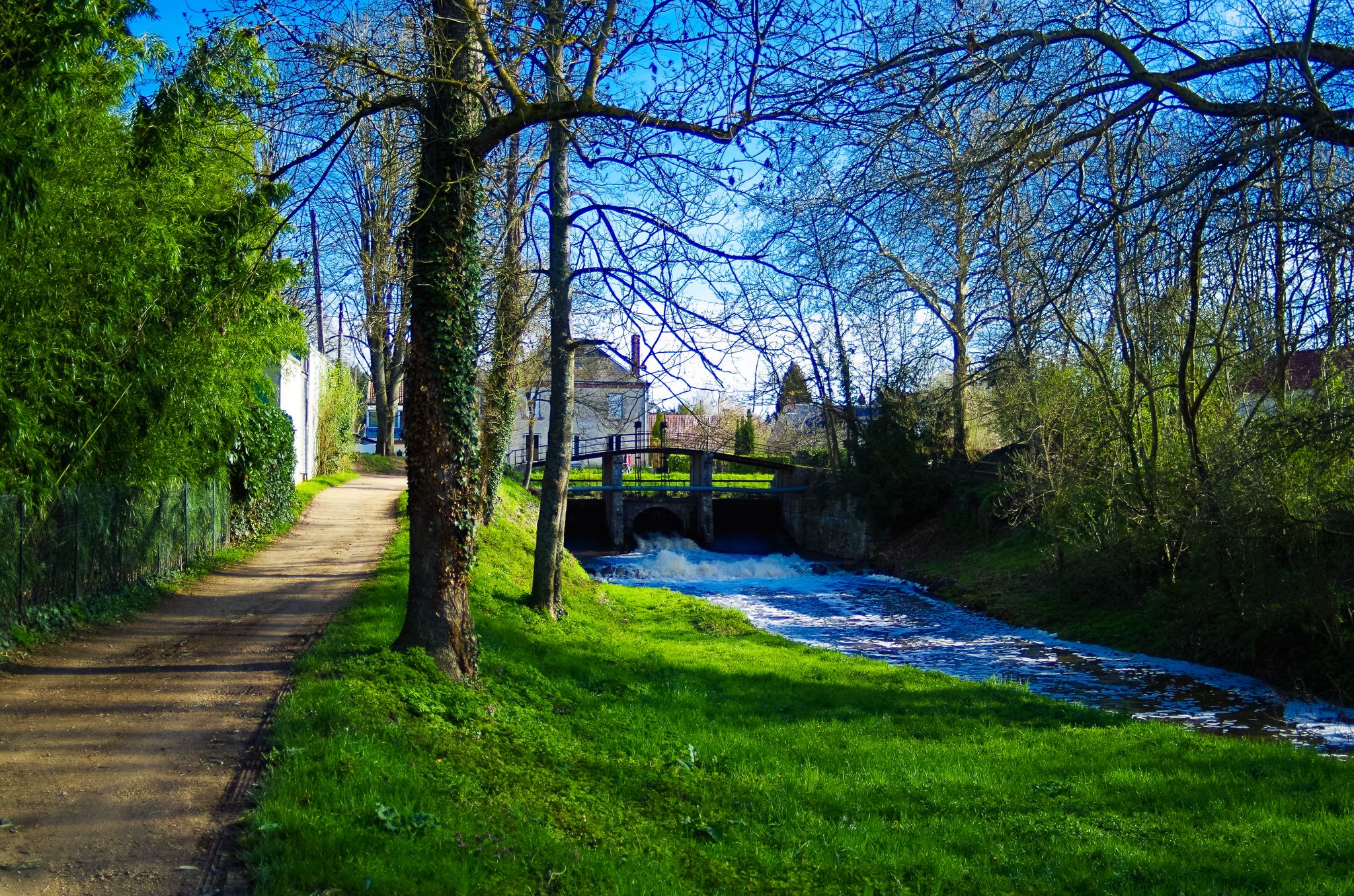
Seine to the Loire (GR 32) – Between Gâtinais and Beauce
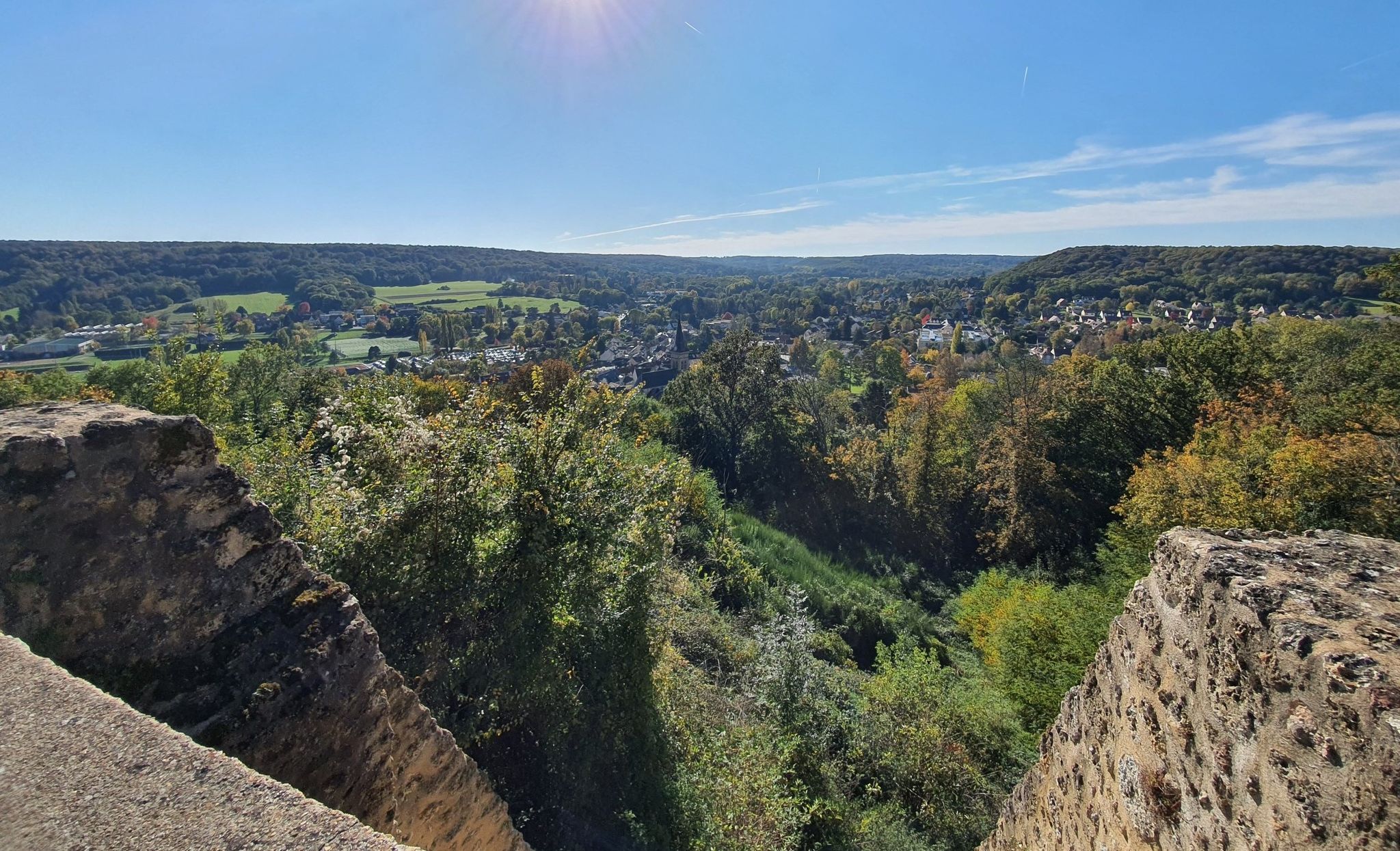
Run in the Chevreuse Valley – Bures-sur-Yvette trails
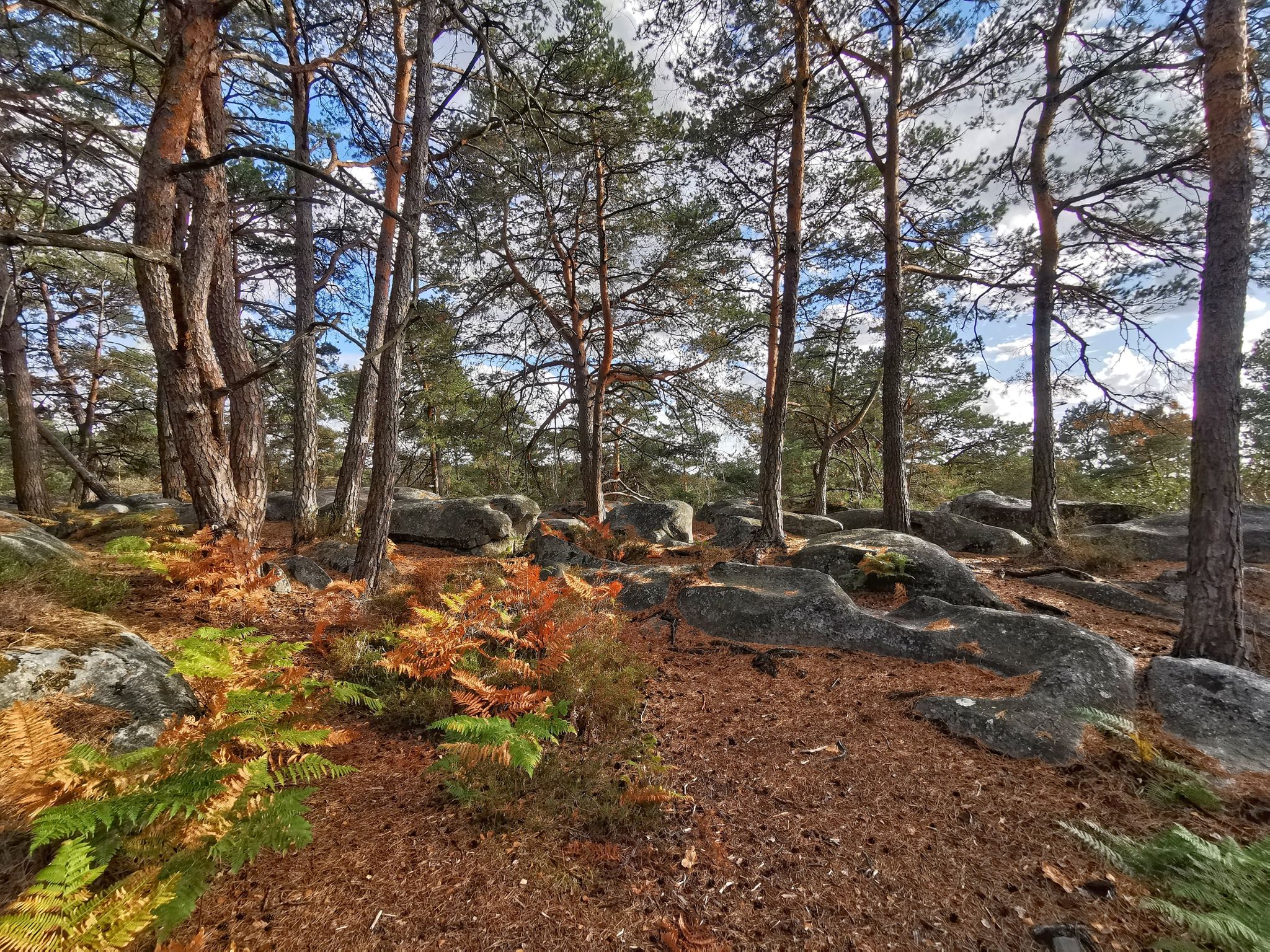
Natural beauty on Île-de-France – mountain biking around Paris
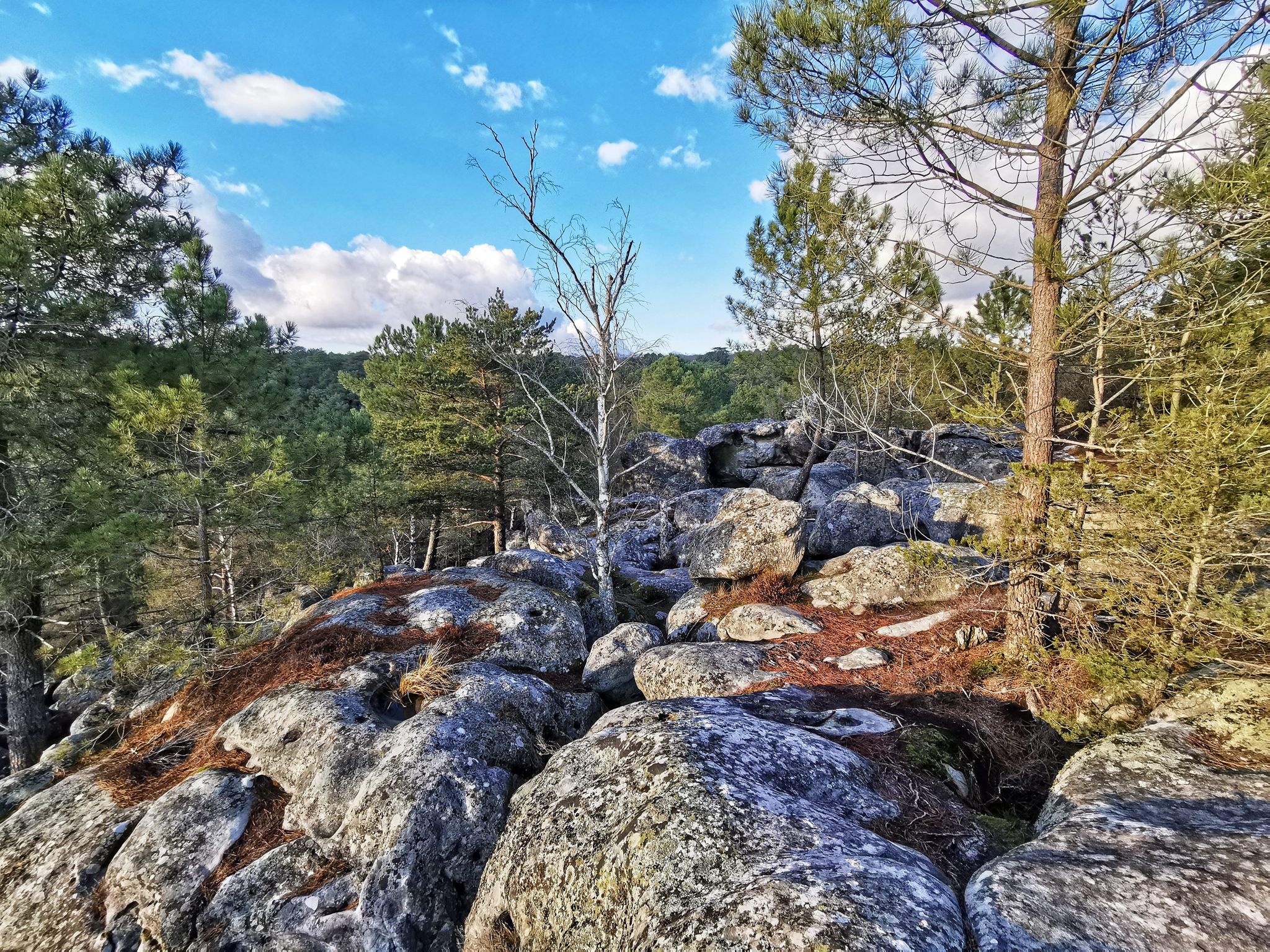
In the heart of the Île-de-France countryside — 7 trails south of Paris
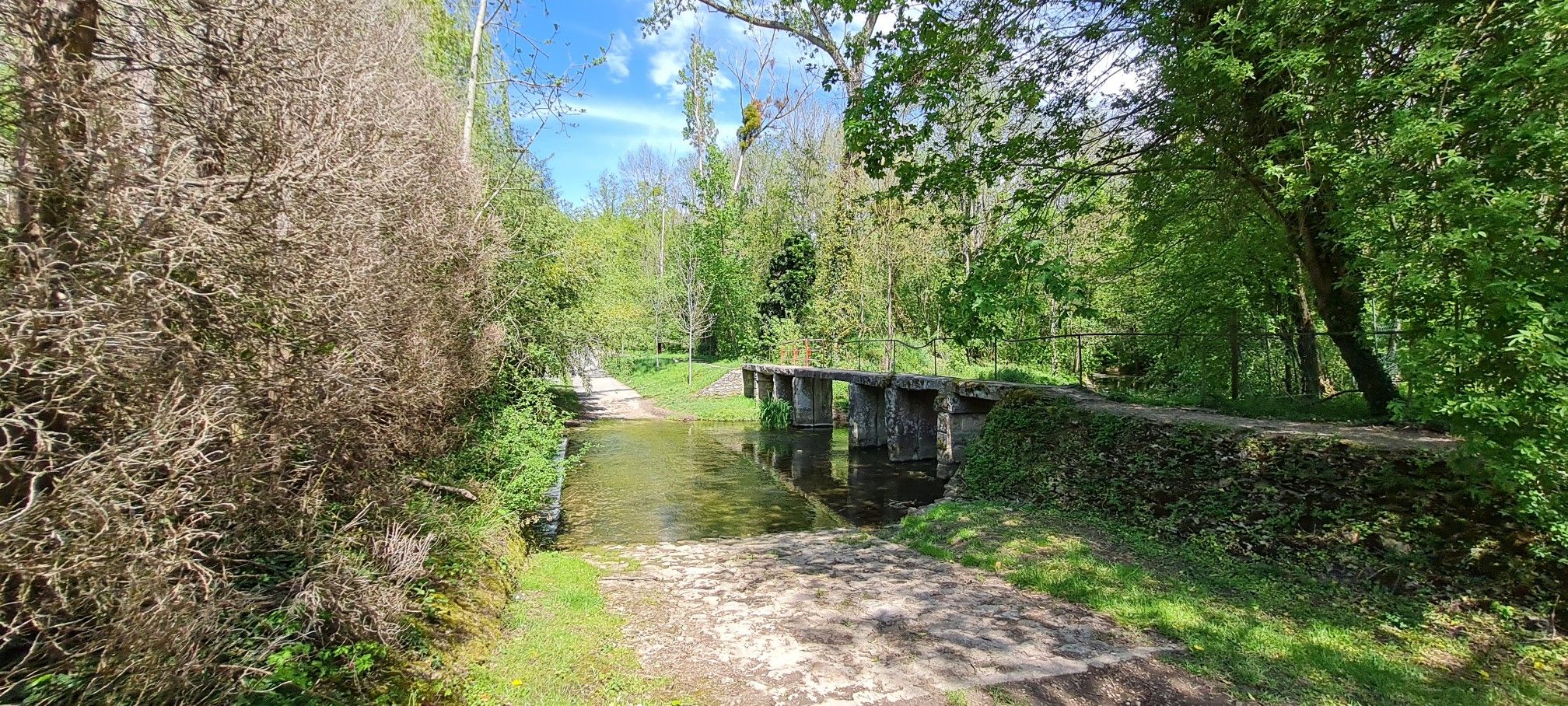
Walking around Ile-de-France in Paris – GR 1
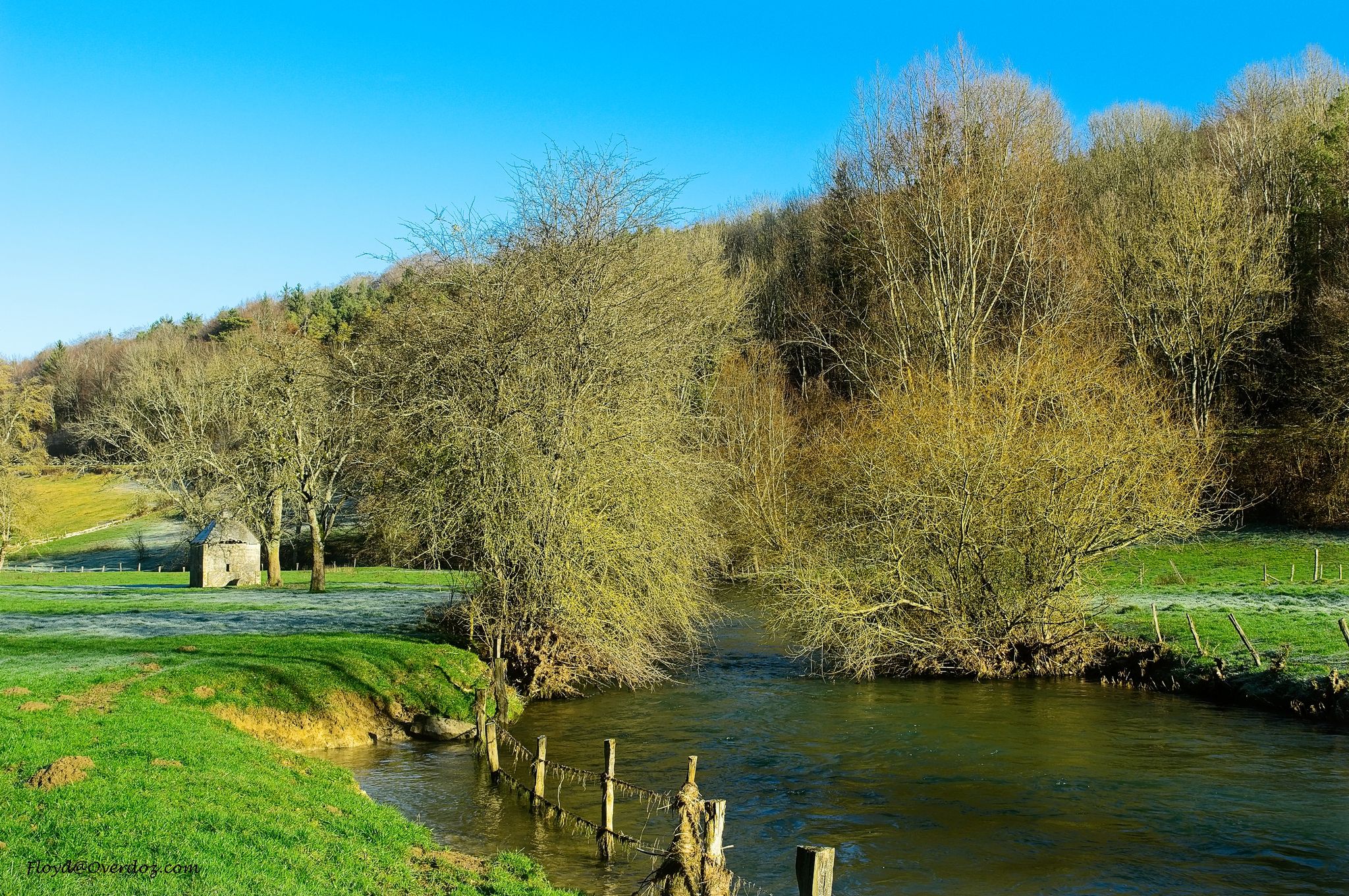
Exploring the Seine on the Île-de-France – hike the GR 2
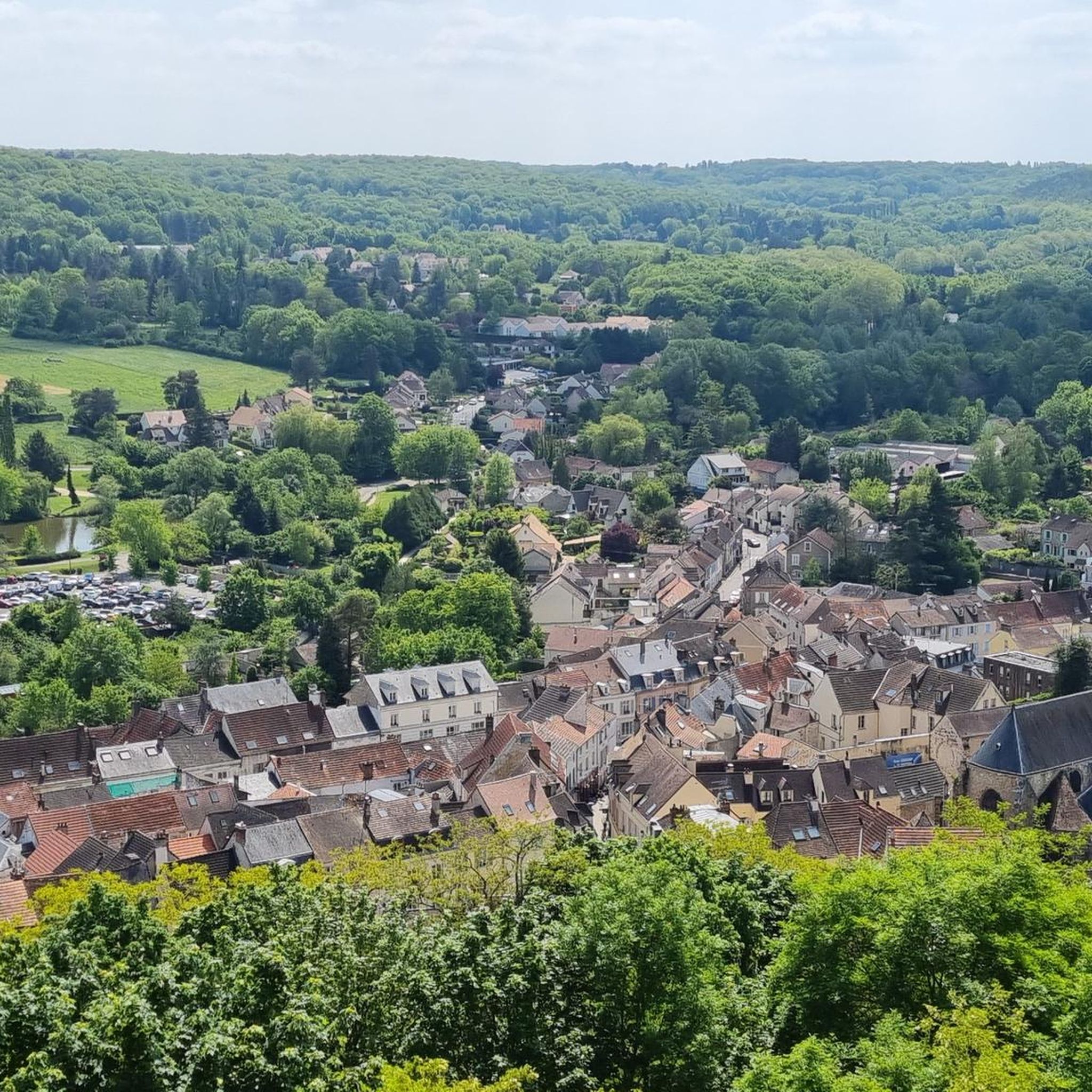
Running Trails in Essonne
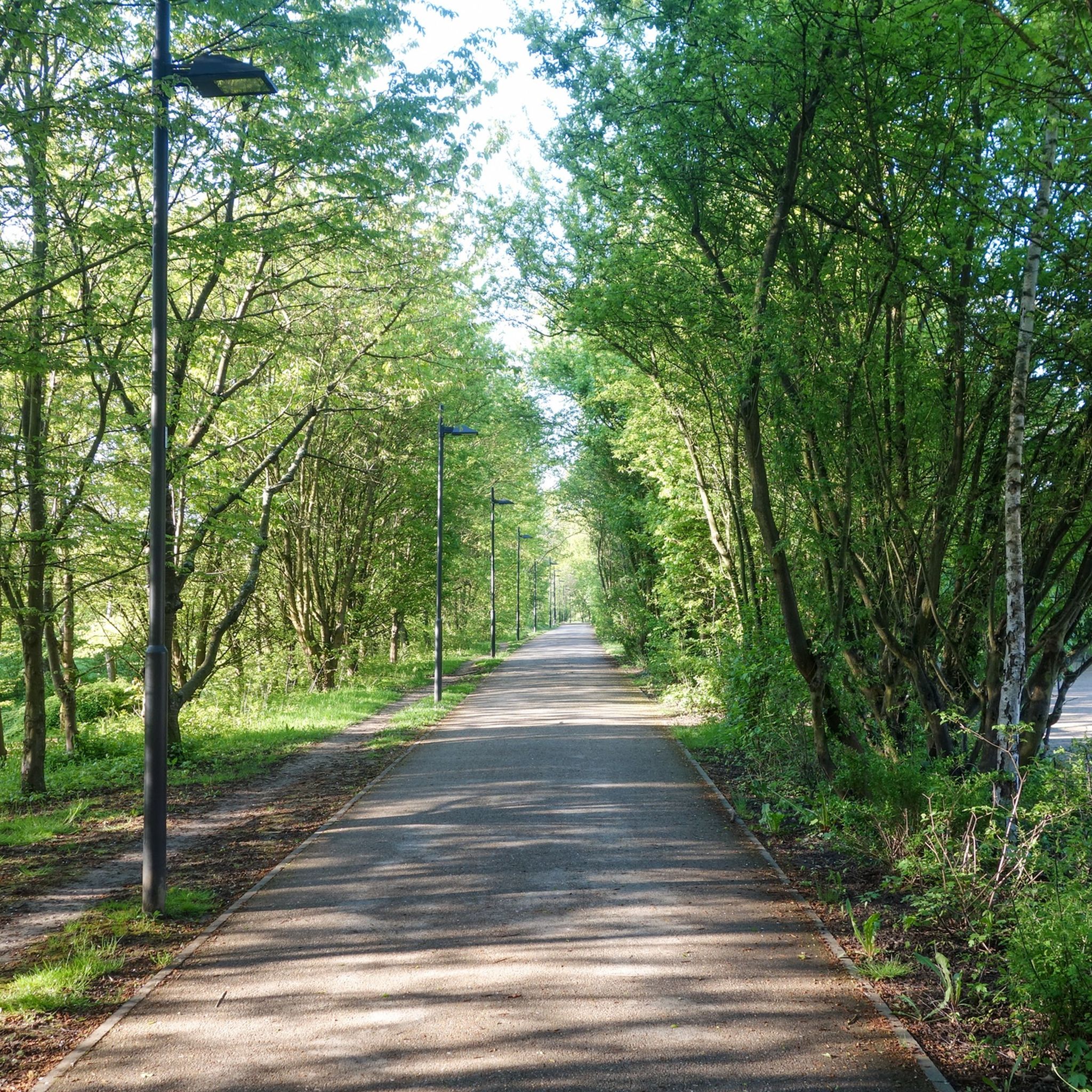
Cycling in Essonne
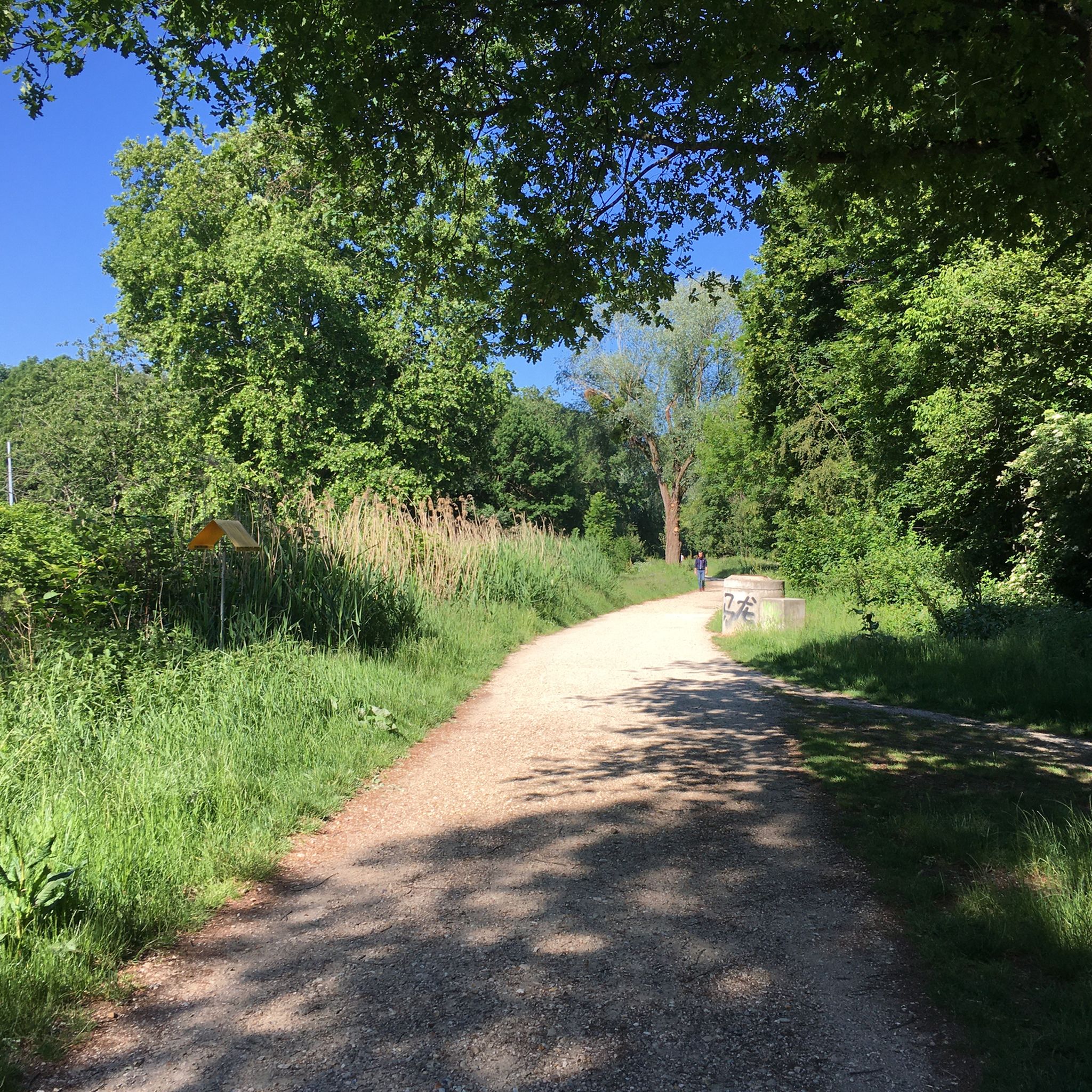
Hiking in Essonne
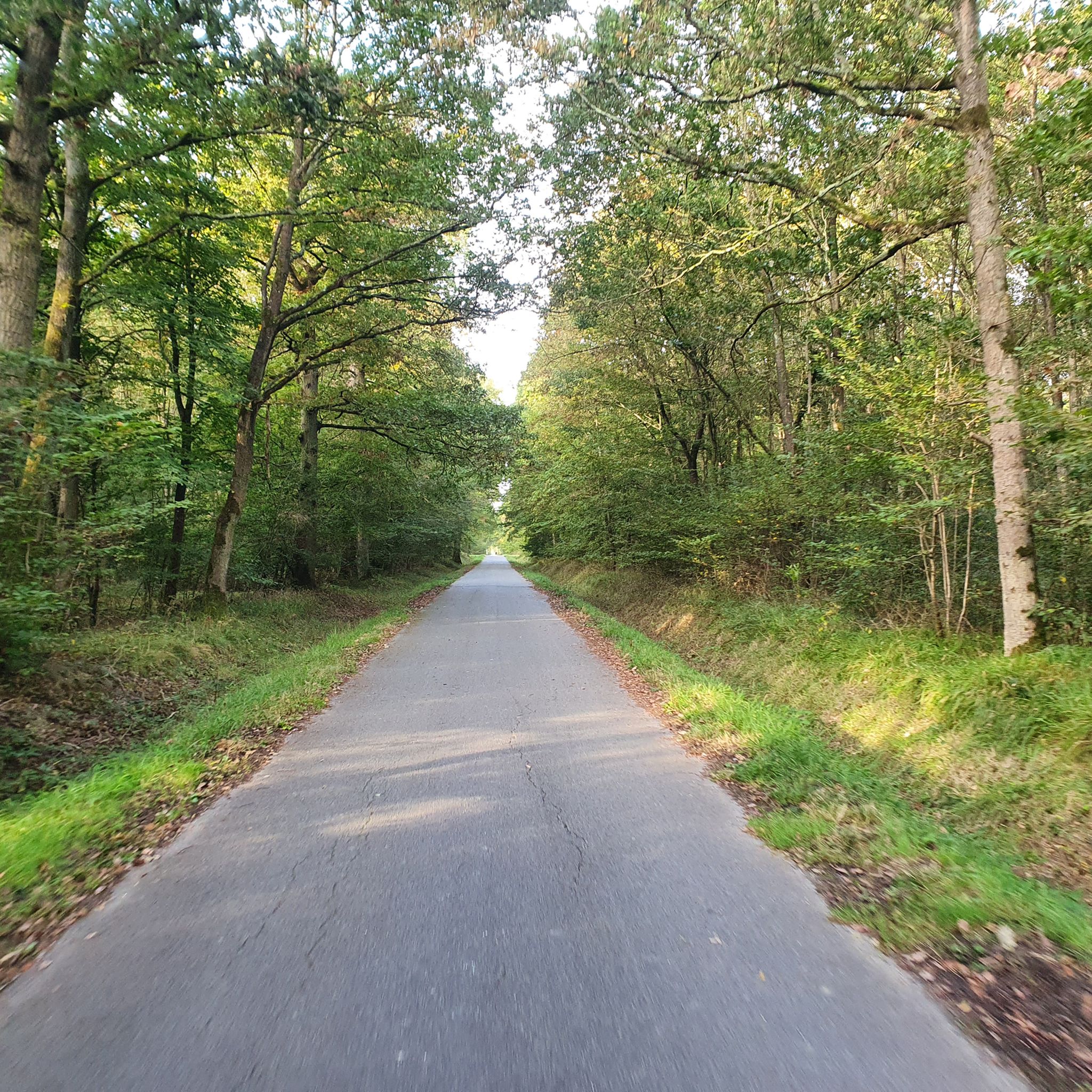
Road Cycling Routes in Essonne
Other adventures in Essonne


Tips from the Community

The fortress once held up to 300 prisoners simultaneously, as recorded in revolutionary period prison registers when it served as a royal prison.
3
0
Dourdan Castle is a 13th-century fortress built by King Philip Augustus between 1220-1222, representing the pinnacle of "Philippian" military architecture with its square plan, defensive towers, and isolated donjon. The castle holds significant historical importance as the birthplace of Hugh Capet, the first Capetian king of France, whose father built an earlier wooden fortress on the site. Throughout its history, the castle served various roles including royal residence, hunting lodge, prison, and military barracks before being restored as a historical monument in 1964.
3
0


Great castle. A small collaborative cafe has opened right next door. You have to check the opening hours.
0
0
Castle closed to the public, but it is bordered by a shared road limited to 30 km/h which is very pleasant.
0
0

Driving through the idyllic French countryside, you’ll come across the magnificent Château du Mesnil-Voysin. This impressive 18th-century château, surrounded by lush gardens and a serene moat, offers a glimpse into the opulent lifestyle of the French aristocracy. You can explore the beautifully preserved interior, admire the intricate architectural details, and stroll through the peaceful grounds.
0
0

The Chamarande estate is listed as a historical monument. The park is open all year round, and you can explore the vast estate along the trails and paths.
0
0

At the end of the 12th century, the estate was allegedly owned by a knight Gautier, "lord of Mesnil", and a liege man of King Philippe Auguste. In the 15th century, the property passed into the hands of the Karnazet family, who passed it down through several generations, until 1455, when Jean de Vaillant took over the reins of the estate. The Mesnil chapel was commissioned by Renée Sabathier, wife of Guillaume Hérouard, secretary of the King's chamber, in 1611. She was buried there in 1616.
0
0
Frequently Asked Questions
What are some notable historical castles in Essonne?
Essonne is rich in historical castles. The Château de Dourdan is a prime example of 13th-century military architecture, remarkably well-preserved. The Domaine de Courances, built around 1630, showcases classical Louis XIII style, while the Chamarande Castle and Park is an elegant 17th-century estate. Each offers a unique glimpse into different periods of French history and architectural styles.
Which castles in Essonne are known for their magnificent gardens?
The Domaine de Courances is particularly renowned for its magnificent park, considered one of France's loveliest Renaissance water gardens with 14 springs and 17 water features. The Chamarande Castle and Park also features a vast 98-hectare park designated as a 'remarkable garden.' Additionally, the Château de Saint-Jean de Beauregard boasts a 'Jardin Remarquable' labeled kitchen garden, famous for its rare vegetables and flowers.
Are there family-friendly castles to visit in Essonne?
Yes, several castles in Essonne are suitable for families. The Château de Dourdan offers a captivating journey back to medieval times, allowing visitors to explore its keep and enjoy panoramic views. The parks of Domaine de Courances and Chamarande Castle and Park provide ample space for children to explore and enjoy nature. Many castles also host events or exhibitions that appeal to all ages.
What are the public transport options for reaching castles in Essonne?
Public transport options vary by castle. For example, the Château de Dourdan is accessible by train, as Dourdan has an RER C station. For specific routes and schedules, it's best to check local transport websites or the castle's official site. You can find more information about Dourdan Castle and its accessibility on Visit Paris Region.
Is there parking available at the castles?
Most major castles in Essonne, especially those open to the public, offer parking facilities. For instance, the Chamarande Castle and Park has parking available. For privately owned estates like Domaine de Courances, parking is typically provided for visitors during opening hours. It's always advisable to check the specific castle's website for detailed parking information before your visit.
What is the best time of year to visit the castles in Essonne?
The best time to visit Essonne castles largely depends on your interests. Spring (April-May) and autumn (September-October) offer pleasant weather for exploring gardens and grounds, with vibrant foliage or blooming flowers. Summer (June-August) is ideal for enjoying outdoor events and longer daylight hours, though it can be busier. Some castles, like the Château de Courances, are open from April to early November, while others may have limited winter hours.
Can I find cafes or restaurants near the castles in Essonne?
Yes, many castles are located near towns or villages that offer dining options. Larger estates often have their own cafes or refreshment stands, especially during peak season. For example, the town of Dourdan, home to the Château de Dourdan, has various restaurants and cafes. It's recommended to check local listings or the castle's website for nearby amenities.
Are there hiking or walking trails near the castles in Essonne?
Yes, Essonne offers numerous opportunities for hiking and walking near its castles. You can find routes like the 'Walk between Brie and Gâtinais' or the 'Milly-la-Forêt and Coquibus Trail' which often pass through scenic areas. For more detailed information on hiking trails in the region, you can explore the Hiking in Essonne guide.
Are any castles in Essonne wheelchair accessible?
Accessibility varies significantly between castles, especially given their historical nature. While some modern visitor centers or ground-level areas might be accessible, older structures like medieval keeps (e.g., Château de Dourdan) often have stairs and uneven terrain. It is best to contact the specific castle directly to inquire about their current accessibility provisions for wheelchair users.
How long does a typical visit to a castle like Château de Dourdan take?
A typical visit to a castle like Château de Dourdan can take anywhere from 1.5 to 3 hours, depending on your interest in history and how much you wish to explore. This includes time to climb the keep, visit the museum, and wander through the grounds. For estates with extensive parks, such as Domaine de Courances, you might easily spend half a day or more enjoying the gardens.
Are dogs allowed in the castle grounds or parks?
Dog policies vary by castle and specific areas within the estates. While some parks, especially public ones like parts of Chamarande Castle and Park, may allow dogs on leash, others, particularly private gardens or interior castle areas, might not. It is always best to check the individual castle's visitor information or contact them directly regarding their pet policy before your visit.
What makes Château de Chamarande a unique destination?
The Chamarande Castle and Park is unique because it houses a contemporary art center within its 17th-century château. This blend of historical grandeur and modern art, combined with its vast 98-hectare 'remarkable garden,' offers a distinctive cultural experience. It's a place where visitors can appreciate both architectural heritage and dynamic artistic expression.
Are there any lesser-known or 'hidden gem' castles in Essonne?
While the main castles are well-known, Essonne also has lesser-known historical sites. The Château du Mesnil-Voisin, for instance, is a beautiful 17th-century château often noted for being under restoration and typically open only on special occasions like Heritage Days, making it a more exclusive visit. Its remarkable dovecote is a particular highlight.
What kind of events or festivals are held at Essonne castles?
Essonne castles frequently host various events and festivals. The Château de Dourdan holds an annual medieval festival in June. The Château de Saint-Jean de Beauregard is famous for its renowned plant festivals in spring and autumn, showcasing rare plants and forgotten fruits and vegetables. Many estates also participate in national events like European Heritage Days.
Most popular routes in Essonne
Most popular attractions in Essonne

Get inspired with the komoot mobile app


Didn’t find what you were looking for?
Explore Essonne’s best castles region by region:
Explore more
Looking for the best castles somewhere else? Discover other guides in Essonne:
