The best gravel rides around Sainte-Hermine
4.3
(7)
70
riders
1
ride
Gravel biking around Sainte-Hermine offers routes through varied landscapes, transitioning between the Vendéen plain and its characteristic bocage. The region features gentle elevation changes along waterways like the Smagne river and canal paths, alongside more undulating terrain further inland. Riders can expect a mix of open countryside, paths connecting small towns, and routes through areas such as the Mareuil vineyard. This diverse terrain provides a range of experiences for gravel bikers.
Best gravel bike trails around Sainte-Hermine
- The most popular…
Last updated: August 27, 2026
4.0
(3)
37
riders
153km
08:10
310m
310m
Hard gravel ride. Very good fitness required. Mostly paved surfaces. Suitable for all skill levels.
4.5
(4)
11
riders
32.1km
01:51
30m
30m
Easy gravel ride. Great for any fitness level. Mostly paved surfaces. Suitable for all skill levels.

Sign up for free
5
riders
46.7km
02:50
100m
100m
Moderate gravel ride. Good fitness required. Mostly paved surfaces. Suitable for all skill levels.
9
riders
Hard gravel ride. Very good fitness required. Mostly paved surfaces. Suitable for all skill levels.
2
riders
31.9km
02:14
240m
240m
Moderate gravel ride. Good fitness required. Mostly paved surfaces. Suitable for all skill levels.
Our route recommendations are based on thousands of hikes, rides, and runs completed by other people on komoot.
Start today with a free account
Your next adventure awaits.
Login or Signup


Tips from the Community

I took this trail 2 days ago. The trail is in a deplorable state and borderline dangerous. Impossible to look at the scenery as you have to concentrate so much on the path to avoid falling or getting a wheel stuck in the holes.
2
0

Trail in catastrophic condition. No effort to promote cycle tourism in the region
3
0

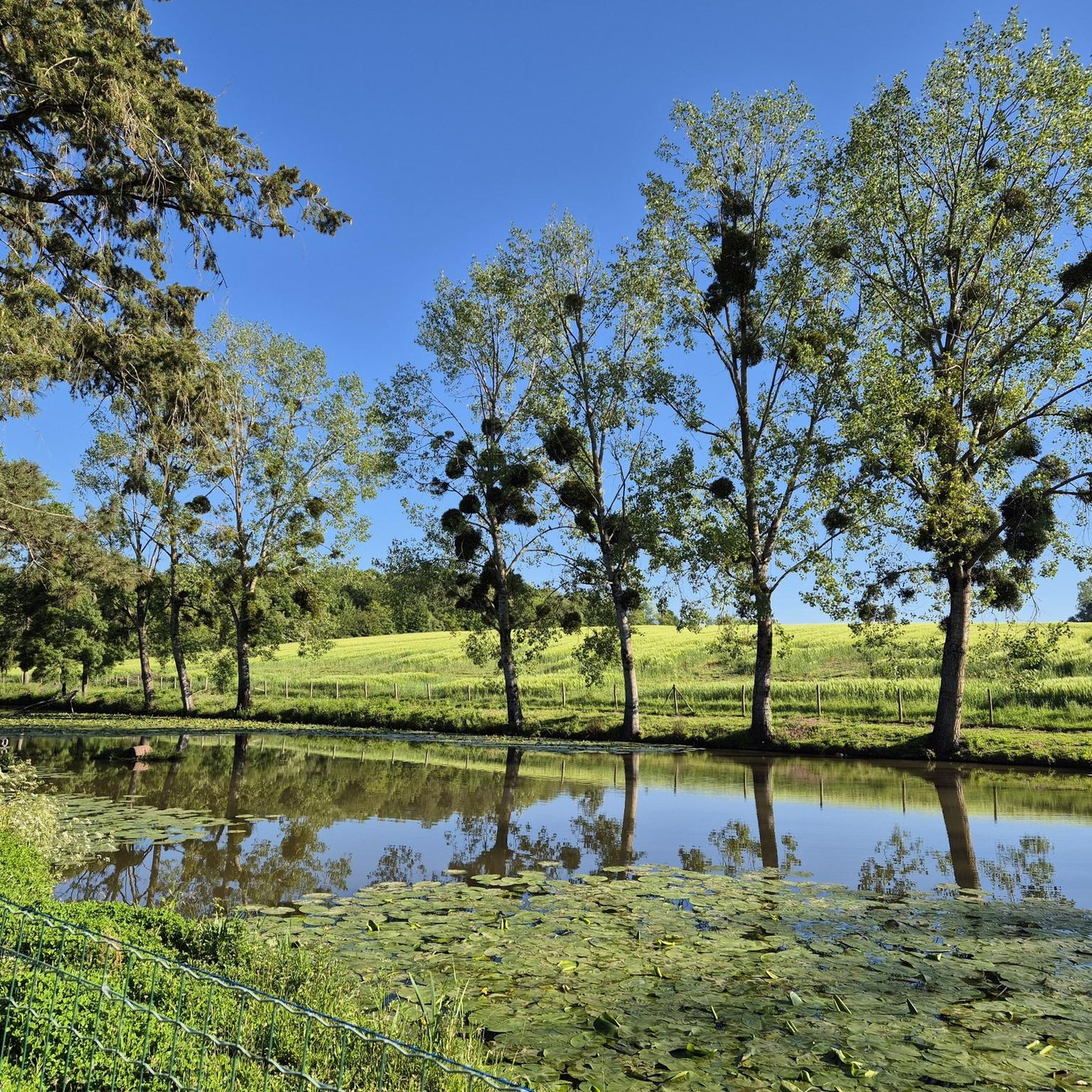
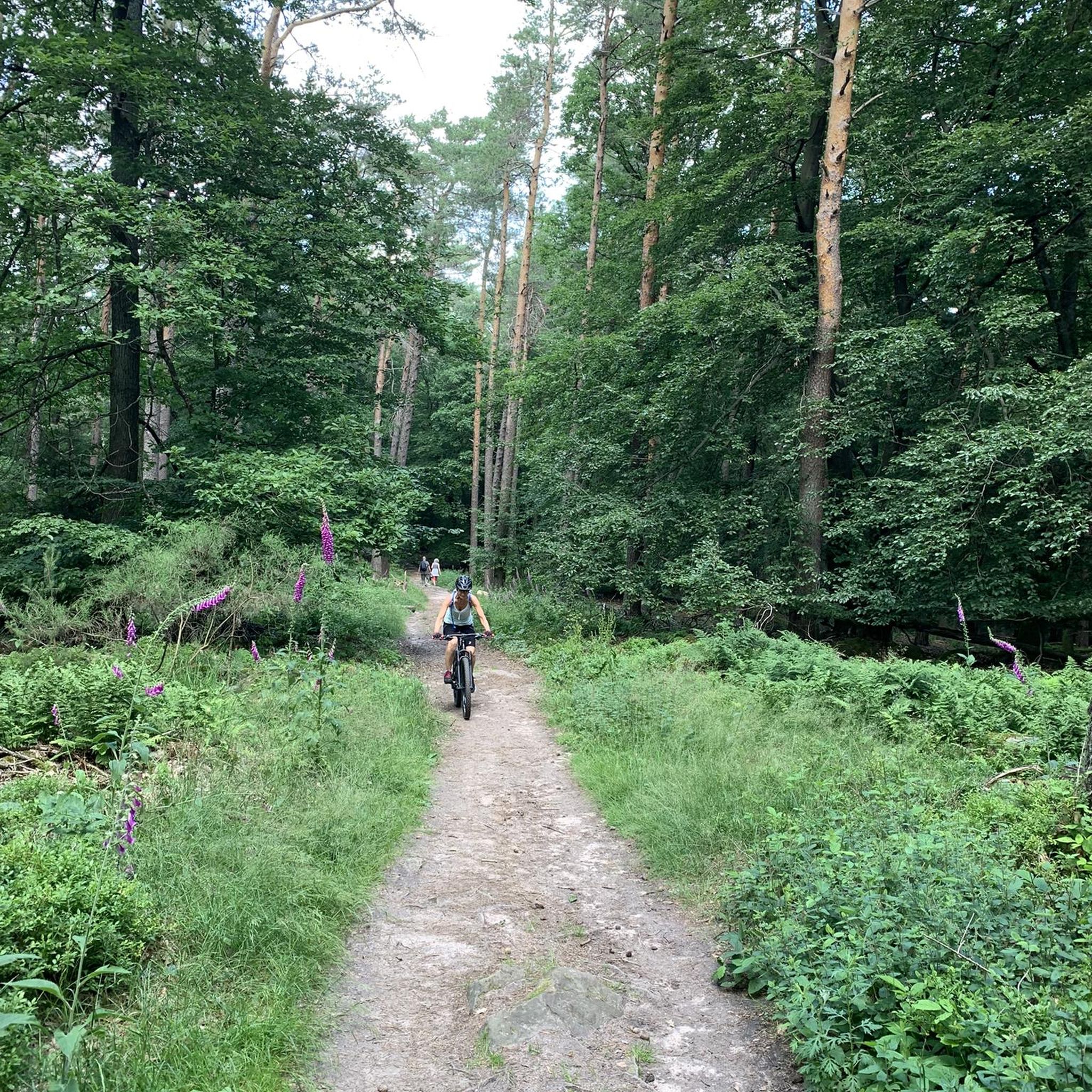
very pleasant segment, we appreciate this road for its natural shade
0
0

The first section of the Luçon Canal, heading south, is uncovered; we are on the dike. The section from Triaize to Luçon is wilder. A country road then a path leads between crops.
0
0


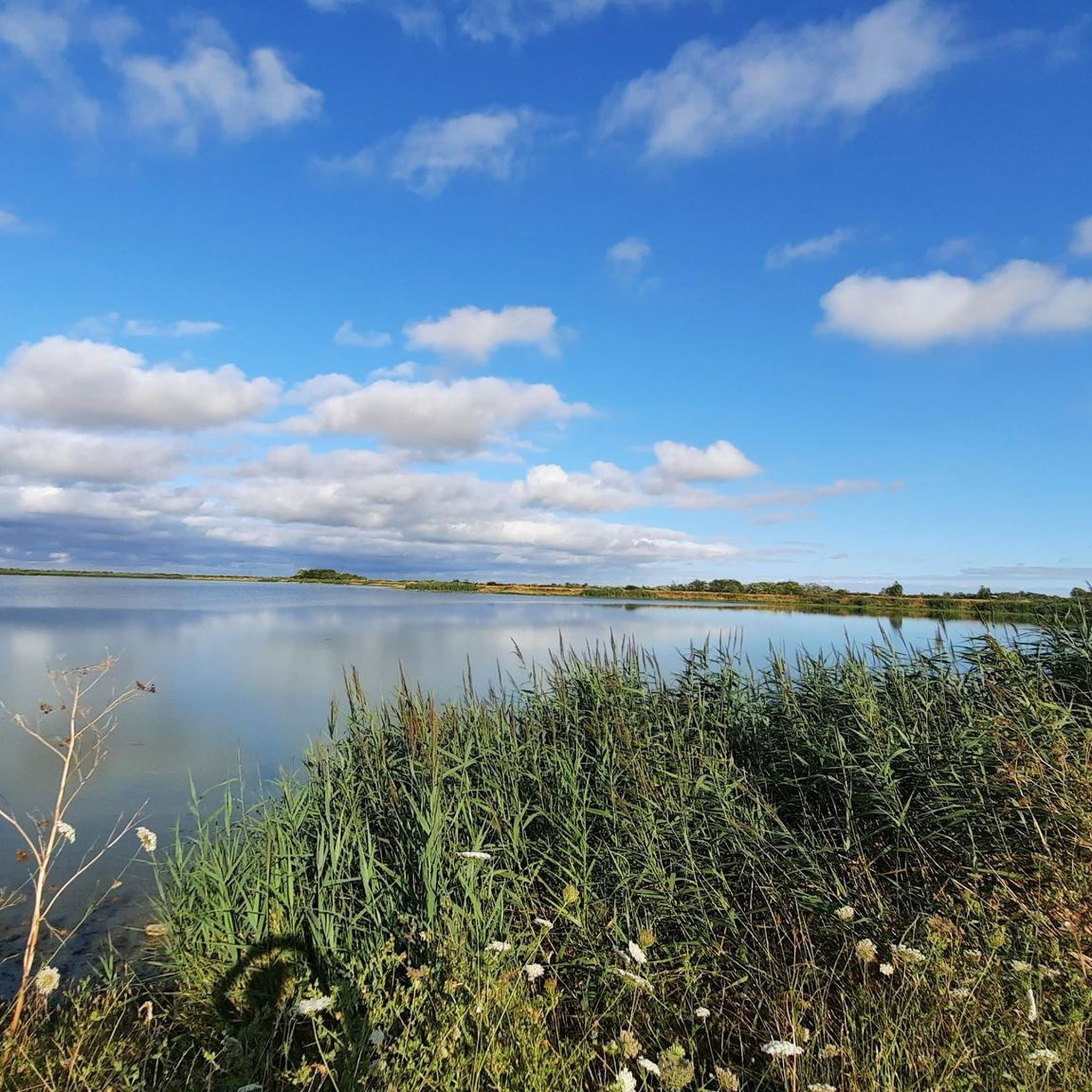
The salt marshes of the Payré estuary are splendid. Their unique shapes create delightful patterns in the landscape.
0
0

The Marais Neuf is a well-landscaped, picturesque marsh. We cross it by bike with pleasure while observing the local fauna and flora.
1
0
Frequently Asked Questions
How many gravel bike trails are available around Sainte-Hermine?
There are several gravel bike routes around Sainte-Hermine, offering diverse experiences from canal paths to more challenging rural terrain. Komoot currently lists 5 distinct routes in the area.
Are there any easy gravel bike trails suitable for beginners near Sainte-Hermine?
Yes, for beginners or those seeking a relaxed ride, the Luçon Canal – Portes du Chapître loop from Luçon is an excellent choice. This 19.9-mile (32.1 km) route follows gentle canal paths with minimal elevation gain, making it ideal for an easy introduction to gravel biking in the region.
What are the options for more challenging gravel bike routes around Sainte-Hermine?
If you're looking for a more demanding ride, consider the Tour of Sainte-Hermine loop from La Réorthe. This 38.5-mile (62.0 km) trail features significant elevation changes, offering a robust workout through varied rural landscapes.
Are there any circular gravel bike routes in the Sainte-Hermine area?
Yes, many of the gravel bike routes around Sainte-Hermine are designed as loops, allowing you to start and finish at the same point. Examples include the Canal de Luçon – Porte des Portes loop from Luçon and the Yon Footbridge – Charming town center loop from Mareuil-sur-Lay-Dissais.
What kind of scenery can I expect on gravel bike trails near Sainte-Hermine?
The region offers a mix of open rural landscapes, tranquil canal paths, and undulating terrain. You'll ride through countryside connecting small towns and may encounter historical sites. The area is characterized by its waterways and agricultural vistas.
What do other gravel bikers say about the trails in Sainte-Hermine?
The gravel biking routes around Sainte-Hermine are highly rated by the komoot community, with an average score of 4.2 stars from over 4 reviews. Riders often appreciate the varied terrain and the opportunity to explore both canal-side paths and more challenging rural roads.
Are there any notable attractions or landmarks along the gravel bike routes?
While riding, you might encounter various points of interest. For example, the region is home to historical churches like the Saint-Sauveur Church of Mareuil-sur-Lay, and natural spots such as Marillet Lake. The Luçon Cathedral is also a significant landmark in a nearby town.
What is the best season for gravel biking in Sainte-Hermine?
Sainte-Hermine generally offers pleasant conditions for gravel biking from spring through autumn. The mild climate during these seasons makes for comfortable riding, allowing you to fully enjoy the rural landscapes and canal paths. Winter can be ridden, but expect cooler temperatures and potentially wetter conditions.
Are there any less crowded gravel bike trails near Sainte-Hermine?
While the region is generally not overly crowded, exploring routes further from the main towns or opting for trails during off-peak hours can offer a more solitary experience. Routes like the Château de Nieul-sur-l'Autise – Charming town center loop from Luçon might provide a quieter ride through varied landscapes.
Where can I find parking for gravel biking near Sainte-Hermine?
Many routes start from towns like Luçon or La Réorthe, where public parking is typically available. It's advisable to check local parking options in the starting village of your chosen route before you set off.
Are there gravel bike routes that pass through charming towns or villages?
Yes, several routes are designed to connect or pass through local towns. For instance, the Yon Footbridge – Charming town center loop from Mareuil-sur-Lay-Dissais specifically highlights a charming town center, offering opportunities to explore local life and amenities.
Most popular routes around Sainte-Hermine
Most popular attractions around Sainte-Hermine

Get inspired with the komoot mobile app


Explore more
Browse the best Gravel rides in other regions.
