Attractions and Places To See in Marne - Top 20
Best attractions and places to see in Marne offer a blend of historical landmarks, cultural sites, and natural features. The department is known for its role in the Champagne industry, featuring vast vineyards and prestigious houses. Visitors can explore diverse landscapes, including forests, lakes, and rivers, providing opportunities for outdoor activities. This region provides varied experiences, from ancient Roman architecture to expansive natural parks.
Best attractions and places to see in Marne
- The most popular attractions is Place Royale (Reims), a man-made monument. This spacious square features a bronze statue of Louis XV and showcases preserved 18th-century facades.
- Another must-see spot is Faux de Verzy Biological Reserve, a forest that is home to the world's largest concentration of Sombre beeches. This protected area within the Montagne de Reims Natural Park offers unique botanical interest.
- Visitors also love Avenue de Champagne, a historical site in Épernay. This avenue is home to many illustrious Champagne houses, offering cellar tours and tastings.
- Marne is known for its historical landmarks, natural features, and renowned champagne houses. The region offers a variety of attractions, from ancient Roman gates to expansive natural parks and significant WWI sites.
- The attractions in Marne are appreciated by the komoot community, with over 200 upvotes and 9 photos shared by users.
Last updated: October 9, 2026
Coulée Verte de Reims
Highlight • Trail
Translated by Google •
Tip by

Place Royale (Reims)
Highlight • Monument
Translated by Google •
Tip by

Sign up now to discover places like this
Get recommendations on the best single tracks, peaks, & plenty of other exciting outdoor places.
Subé fountain
Highlight • Monument
Translated by Google •
Tip by
Blue Bridge and Saint-Hilaire Church, Mareuil-sur-Ay
Highlight • Bridge
Translated by Google •
Tip by

Abbaye de Hautvillers
Highlight • Historical Site
Translated by Google •
Tip by
Faux de Verzy Biological Reserve
Highlight • Forest
Benches for a nice picnic in the woods.
Translated by Google •
Tip by

Mars Gate
Highlight • Historical Site
Translated by Google •
Tip by
Avenue de Champagne
Highlight • Historical Site
Translated by Google •
Tip by
Cycle path along the Canal Latéral de la Marne
Highlight • Cycleway
Translated by Google •
Tip by
Solidarity Fountain
Highlight • Other
Translated by Google •
Tip by

Sign up for free to discover even more attractions in Marne.
Already have an account?
Start today with a free account
Your next adventure awaits.
Popular around Marne
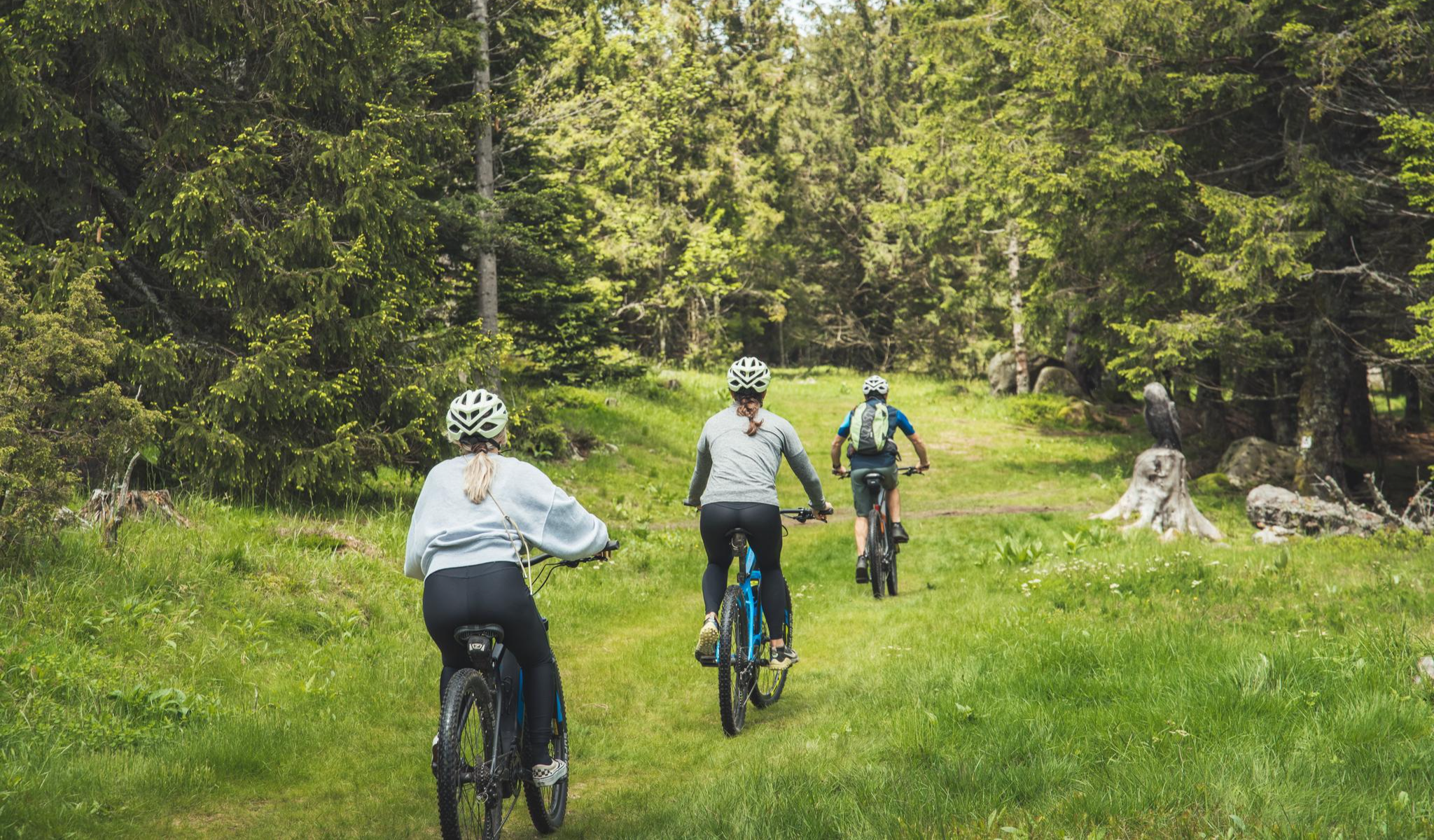
MTB and gravel in the Grand Est – the joy of the low mountains
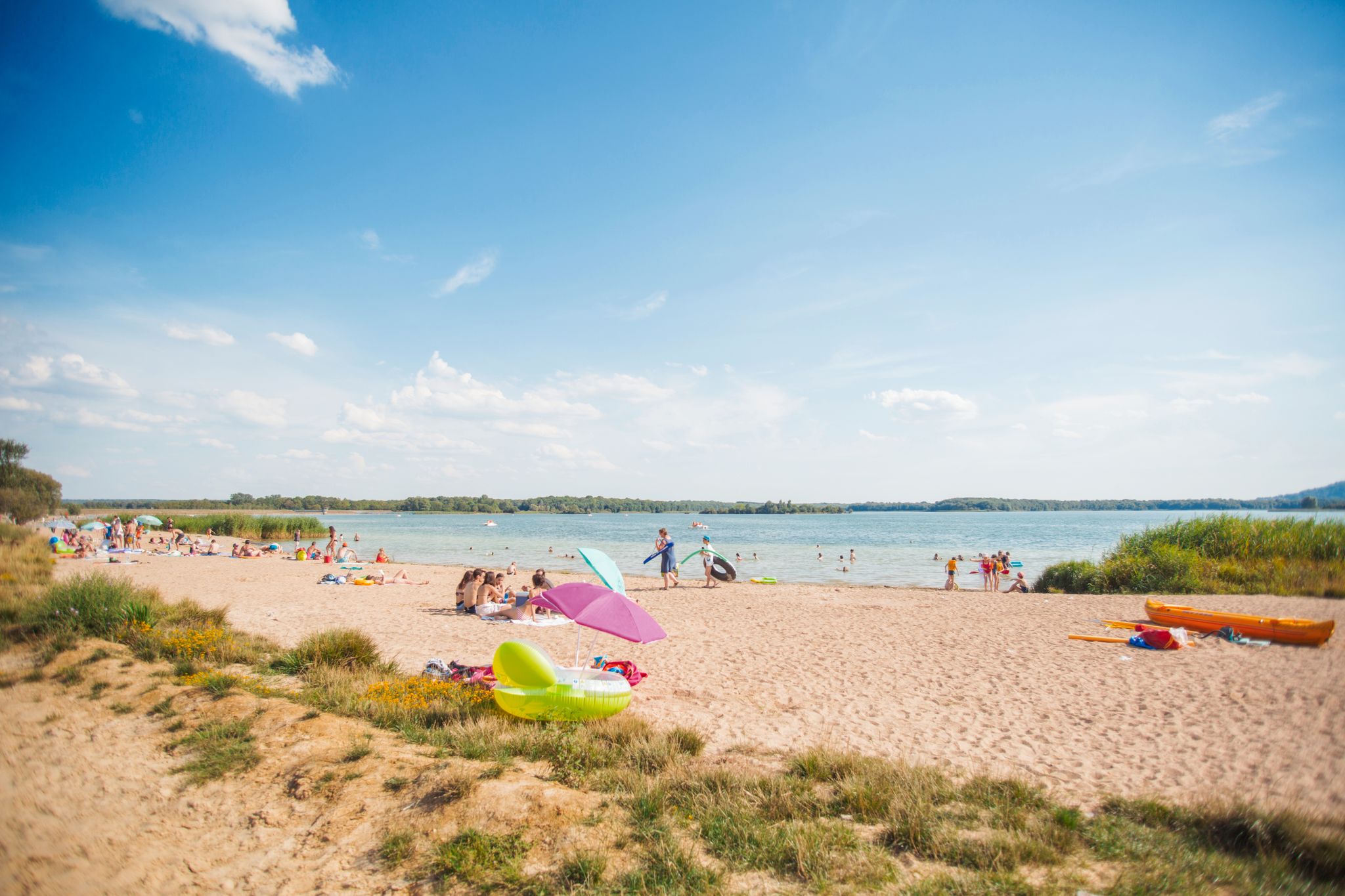
Walking in fresh air or alongside water in the Grand Est

The Grand Est without a car – cycling from station to station
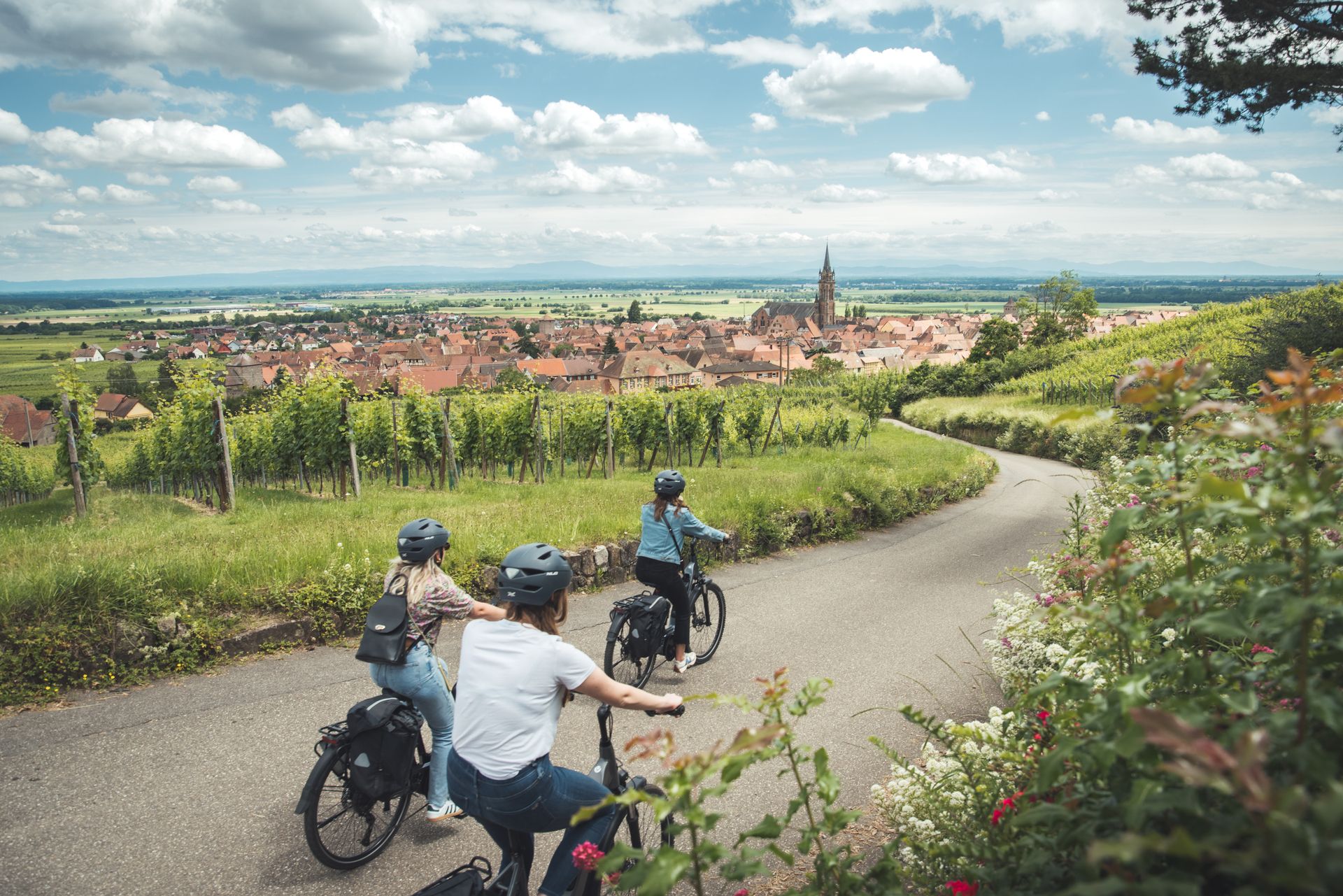
Wine getaways in the Grand Est — cycling between hillsides and traditions
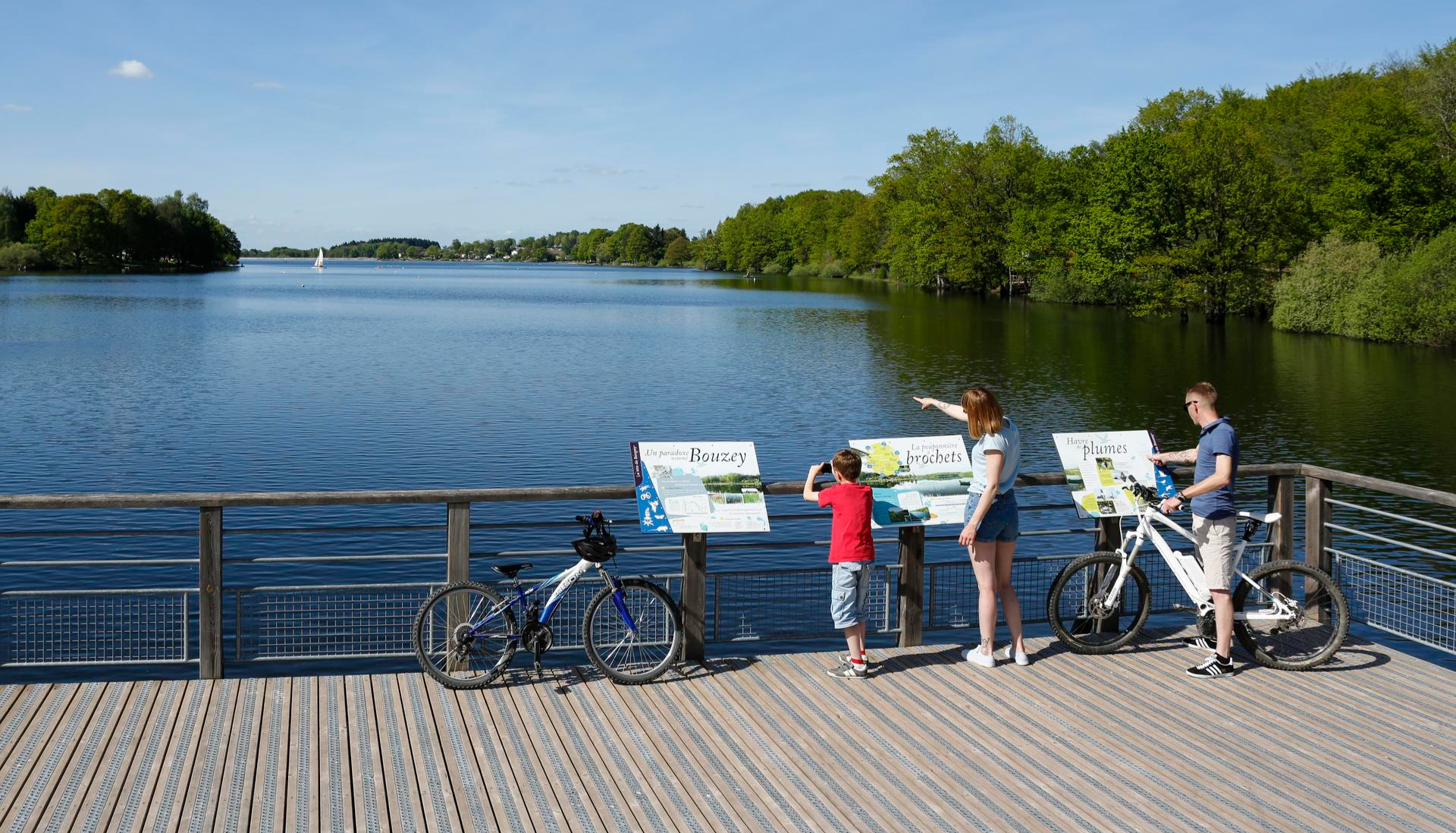
Family getaways – cycling in the Grand Est
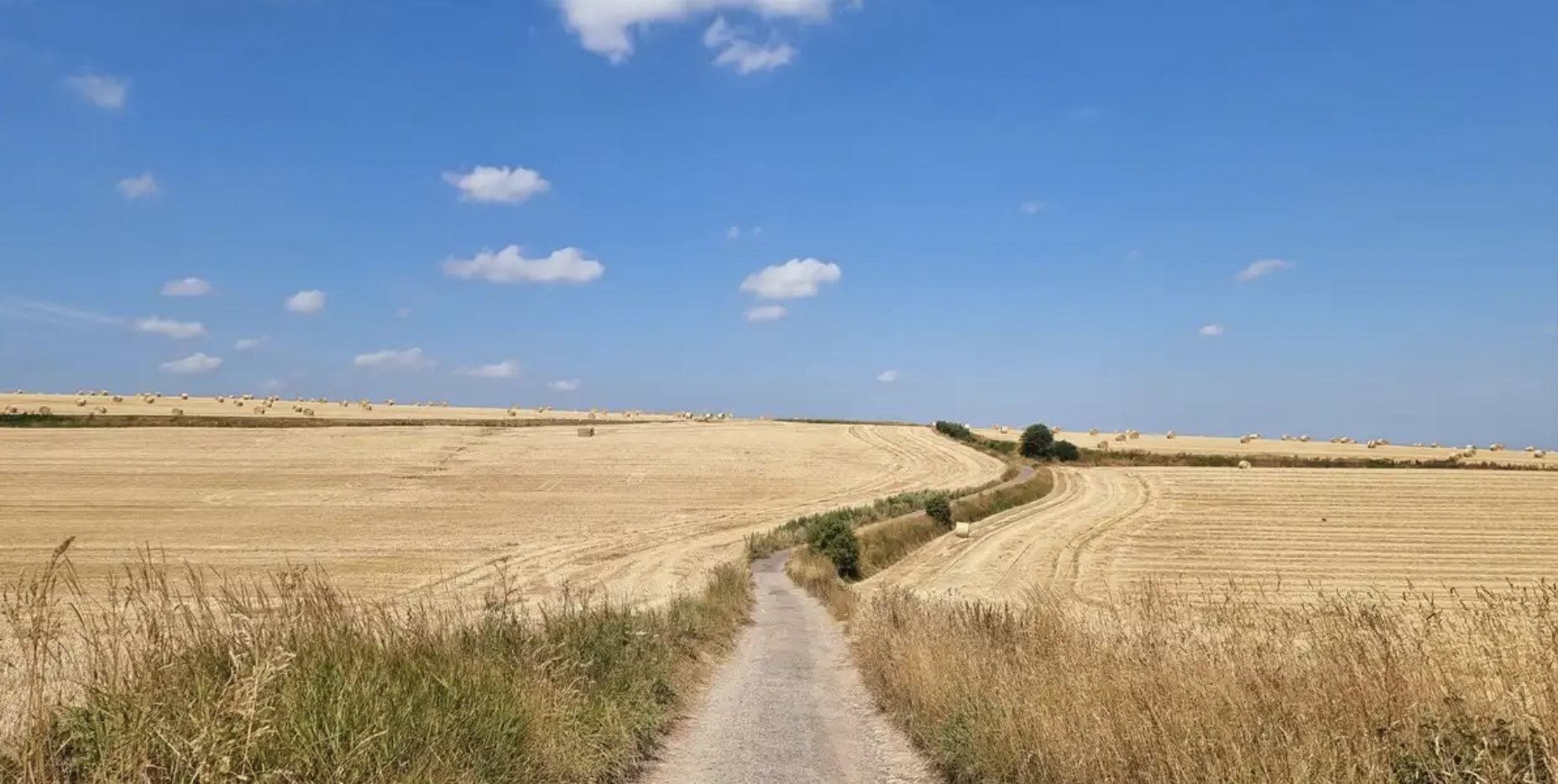
In the footsteps of History — GR 145, the Via Francigena
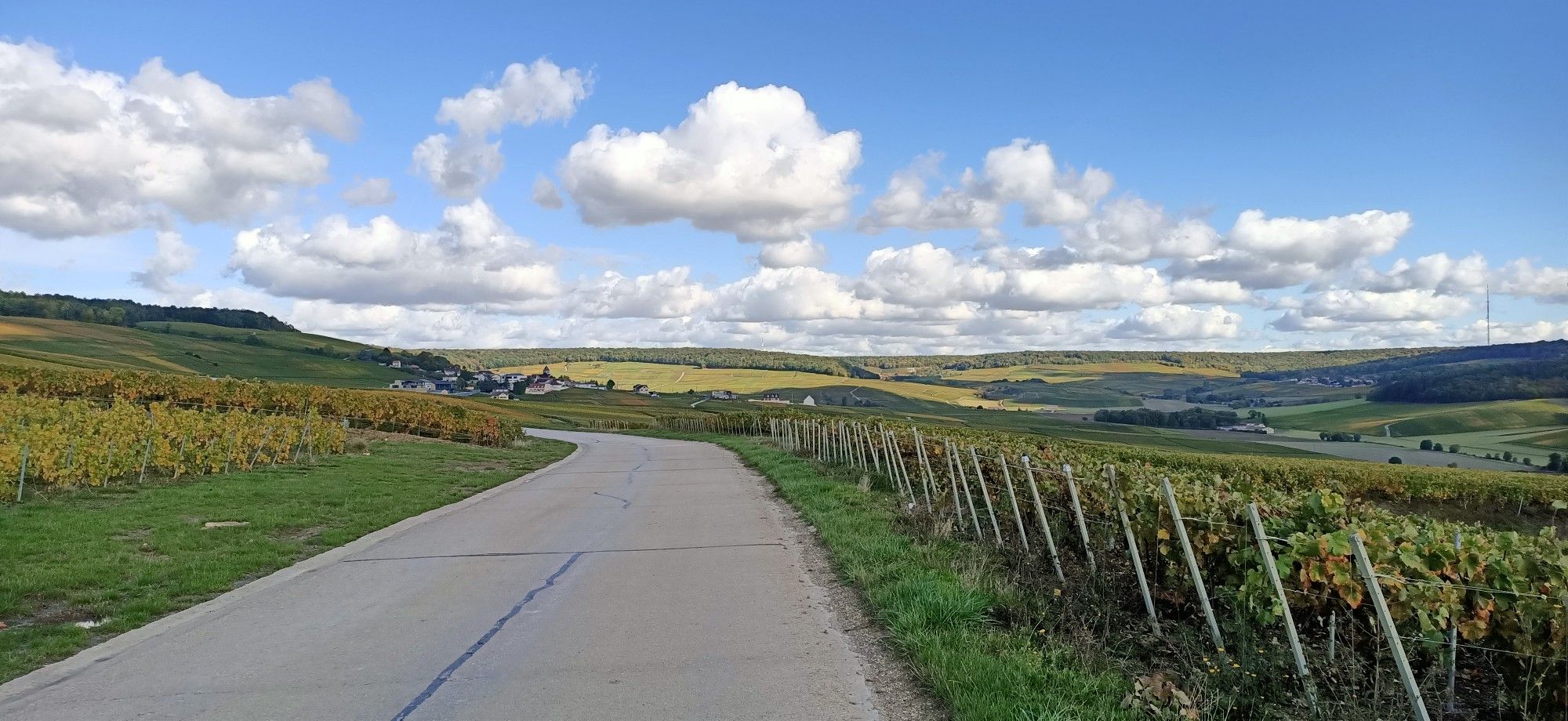
On the Champagne trails — discover the Montagne de Reims
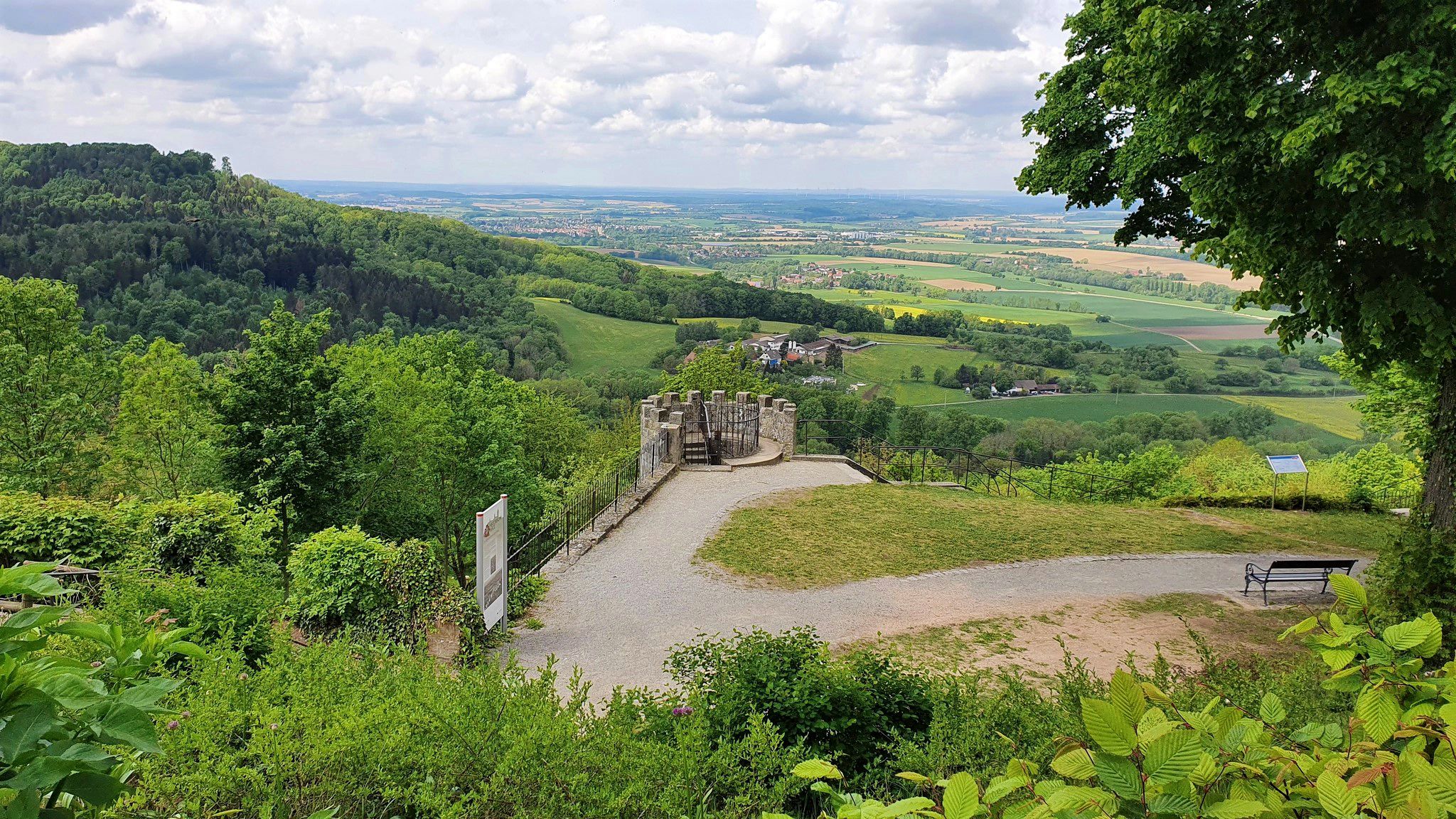
A cycling adventure from Paris to Prague – Pan-European Cycle Route
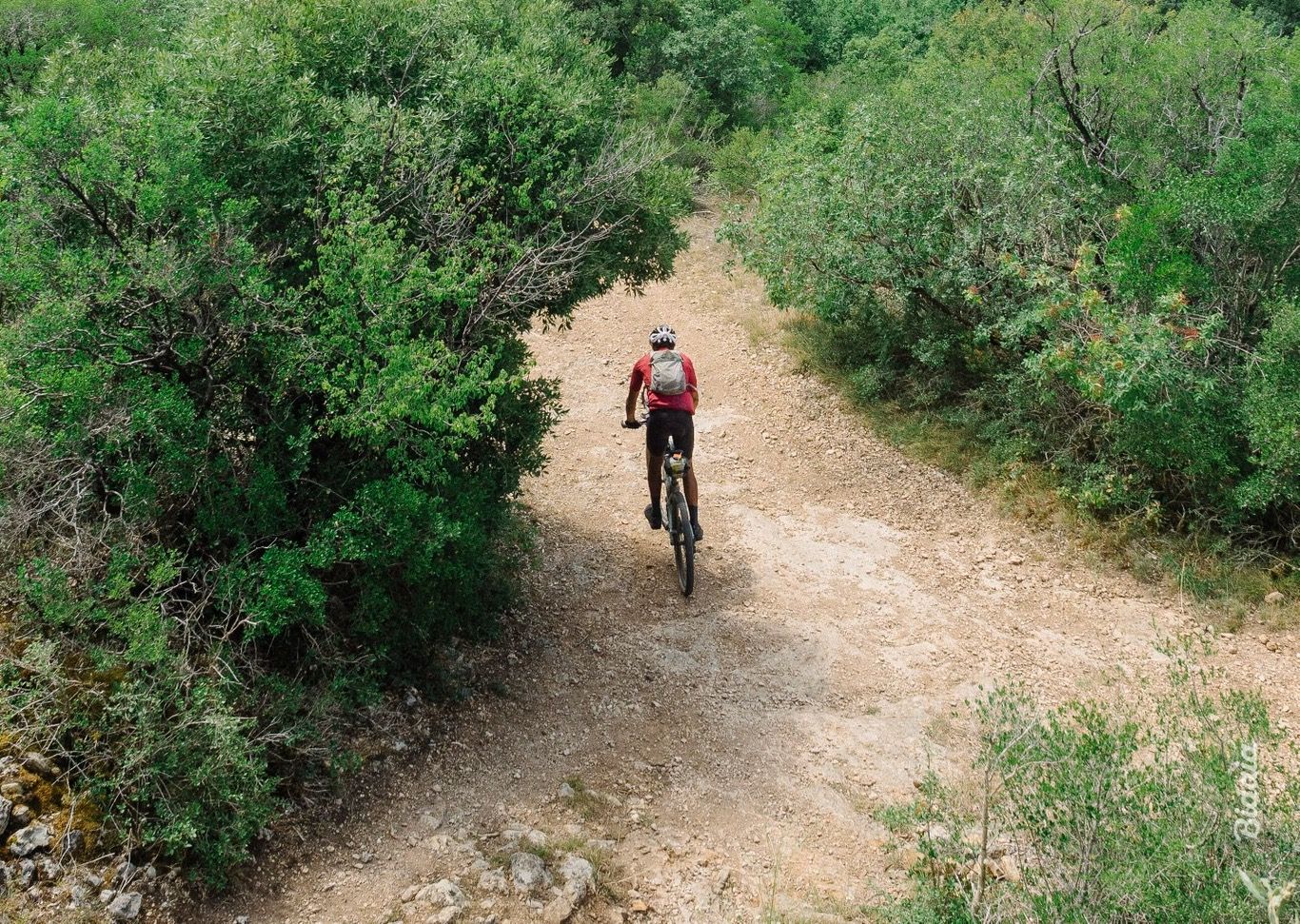
French Divide: the other Tour de France
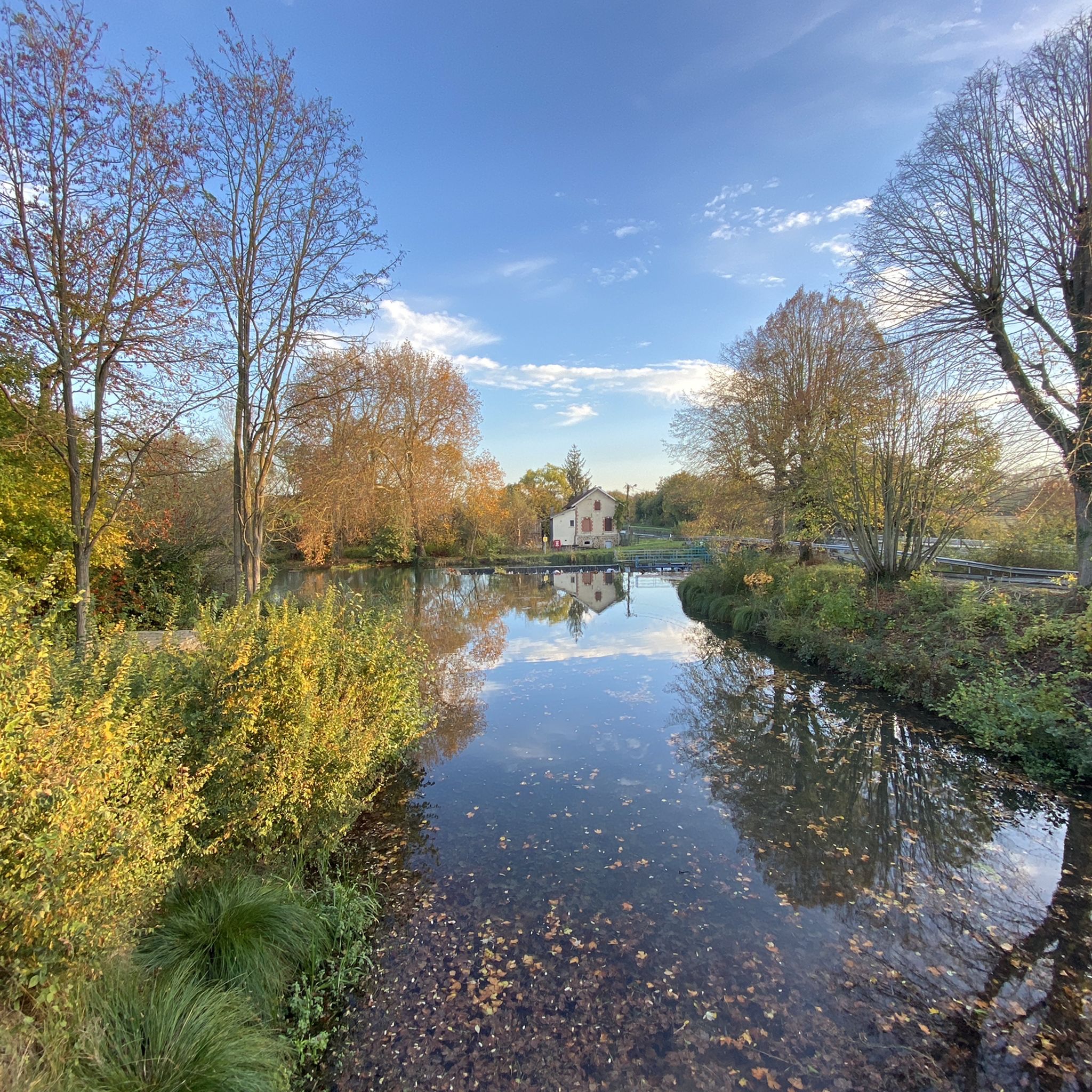
Hiking in Marne
Other adventures in Marne


Tips from the Community


The cycle path offers the possibility to park outside and cycle into the city in a relaxed manner.
0
0

Under the central arch is a calendar depicting the activities and tasks of agriculture and viticulture: grape pressing, harvesting, etc. A calendar can be seen here through the carved reliefs. Under the eastern arch, we can see a she-wolf suckling Romulus and Remus. According to legend, it was Remus who founded Reims. Finally, under the western arch, we can see Leda being seduced by Jupiter.
1
0
This ancient monument is one of the longest in the Roman world: it is approximately 32 meters long and 12 meters high! The Mars Gate was built towards the end of the 2nd century and is the only one of the four monumental arches providing access to the city of Durocortorum that has survived. It consists of three arcades. The central arch carried the city's major north-south axis, intended for the passage of carriages. The two side arcades were used by pedestrians.
1
0

Place Drouet d'Erlon, with its two fountains, is a vibrant and integral part of the city's social and cultural fabric. It serves as a central meeting place for residents and visitors and offers a lively mix of shops, cafés, and restaurants.
2
0

The monument survived destruction because it was walled up inside the Archbishop's castle in the 13th century, which inadvertently preserved it for future generations.
3
1
The Porte de Mars is a 3rd-century Roman monument in Reims, France, representing the widest arch in the entire Roman world at 33 meters long and 13 meters high. Originally built as one of four monumental arches at the cardinal entrances to ancient Durocortorum, it's the only surviving example of these grand structures. The arch features three decorated archways with intricate relief carvings, including scenes of Romulus and Remus with the she-wolf, agricultural calendars showing Gallic harvesters, and mythological figures like Leda and Zeus.
3
1
The square sits on the site of the ancient Roman forum of Durocorturum and follows the original Roman street layout with the main axes (Cardo and Decumanus). The architect Jean-Gabriel Legendre was married to the sister of Sophie Volland, who was the famous correspondent of philosopher Denis Diderot.
4
1
Frequently Asked Questions
What are some notable historical and cultural sites to visit in Marne?
The Marne department is rich in history and culture. You can explore the iconic Place Royale (Reims), featuring a bronze statue of Louis XV and preserved 18th-century facades. Don't miss the ancient Mars Gate in Reims, a renovated triumphal arch from Roman times. The Abbaye de Hautvillers is also a significant historical site, considered the birthplace of *Méthode Champenoise*.
Where can I experience the Champagne heritage in Marne?
Marne is the cradle of Champagne. A must-visit is the Avenue de Champagne in Épernay, often called 'the most prestigious avenue in the world,' home to many illustrious Champagne houses offering cellar tours and tastings. The Abbaye de Hautvillers is also historically significant for Champagne production.
Are there family-friendly attractions in Marne?
Yes, Marne offers several family-friendly options. The Coulée Verte de Reims is a green strip perfect for walking and cycling. The Blue Bridge and Saint-Hilaire Church, Mareuil-sur-Ay is also listed as family-friendly. Additionally, the region boasts world-renowned theme parks like Parc Walt Disney Studios and Disneyland Park in Marne La Vallée, and SEA LIFE Val d'Europe aquarium.
What natural features and outdoor spaces can I explore in Marne?
Marne is home to diverse natural landscapes. The Faux de Verzy Biological Reserve is a unique forest with the world's largest concentration of Sombre beeches. You can also explore the Montagne de Reims Regional Natural Park, offering forests, vineyards, and ponds. Lac du Der-Chantecoq, one of Europe's largest artificial lakes, is excellent for water sports and birdwatching. The Marne River itself provides picturesque banks for strolls and cycling.
What kind of outdoor activities and routes are available in Marne?
Marne offers a variety of outdoor activities. You can find numerous running trails, such as the 'Champagne Louis Roederer – Jacquart Champagne loop from Reims' or routes around Place Royale (Reims). For mountain biking, explore trails like 'The Faux de Verzy (the twisted beeches of Verzy) – Mount Sinai loop from Mailly-Champagne'. Gravel biking routes are also popular, including 'Route du Champagne Epernay – View of Hautvillers loop from Germaine'. You can find more details on these activities in the Running Trails in Marne, MTB Trails in Marne, and Gravel biking in Marne guides.
Are there any accessible attractions for wheelchair users in Marne?
Yes, some attractions in Marne are noted for their accessibility. Place Royale (Reims) and the Mars Gate are both listed as wheelchair accessible. The Subé fountain is also considered accessible.
What are some unique or 'hidden gem' attractions in Marne?
Beyond the well-known sites, Marne holds some unique spots. The Faux de Verzy Biological Reserve, with its rare Sombre beeches, offers a truly distinctive natural experience. The Saint-Laurent Church in Giffaumont-Champaubert, located directly on Lac du Der-Chantecoq, is notable for its connection to the flooded villages and its visibility when the lake's water level is low.
What do visitors enjoy most about the attractions in Marne?
Visitors frequently praise the unique natural beauty of areas like the Faux de Verzy Biological Reserve, often noting it as a great spot for a picnic. The Avenue de Champagne is highly appreciated for its beautiful properties and the opportunity for champagne tastings. Historical sites like the Mars Gate are valued for their ancient Roman architecture and historical significance.
Are there any dog-friendly places to visit in Marne?
While specific dog-friendly trails are not extensively listed, many outdoor areas in Marne are generally welcoming to dogs. The Subé fountain in Reims is noted as dog-friendly. Always check local regulations for parks and natural reserves, but areas like the Coulée Verte de Reims and the Montagne de Reims Regional Natural Park often allow dogs on leash.
What are some significant WWI and WWII historical sites in Marne?
The Marne region played a crucial role in both World Wars. You can visit sites preserving the memory of WWI battles, such as the Dormans memorial, the Verdun Memorial, the Douaumont cemetery and ossuary, and Fort de la Pompelle. For WWII history, the Musée de la Reddition du 7 mai 45 in Reims is where the German surrender was signed.
Can I find viewpoints with scenic vistas in Marne?
Yes, Marne offers several scenic viewpoints. The Abbaye de Hautvillers provides extraordinary views of the Marne valley. The Avenue de Champagne also offers picturesque views of the prestigious Champagne houses and surrounding vineyards. Many routes in the Montagne de Reims Regional Natural Park will also lead to beautiful vistas.
Are there any parks or green spaces for relaxation in Marne?
Marne has numerous parks and green spaces. The Coulée Verte de Reims is a beautiful green strip along the canal and River Vesle. In Reims, you can also find Parc de Champagne, Hautes Promenades (with leisure facilities), Jardin Le Vergeur, Parc Léo-Lagrange, and Parc Saint-Remi. The Montagne de Reims Regional Natural Park and the Argonne Forest also provide extensive natural areas for relaxation.
Most popular routes in Marne
Most popular attractions in Marne

Get inspired with the komoot mobile app


Didn’t find what you were looking for?
Are you keen on exploring more awesome places nearby? Browse our guides:
Explore more
Still not found the Highlight you’re looking for? See guides of the top attractions in other regions:
