The best gravel rides around Ceaux-En-Loudun
4.0
(1)
38
riders
3
rides
Gravel biking around Ceaux-En-Loudun offers routes through varied terrain, characterized by rolling countryside and historical landmarks. The region features a network of paths that connect ancient sites and rural landscapes. Elevations on some routes indicate a mix of flatter sections and sustained climbs. The area provides opportunities for long distance gravel cycling routes, often passing through agricultural areas and past notable structures.
Best gravel bike trails around Ceaux-En-Loudun
- The most popular gravel bike trail is Chinon Fortress – Fontevraud Royal…
Last updated: July 3, 2026
4.0
(1)
26
riders
97.2km
06:31
970m
970m
Hard gravel ride. Very good fitness required. Mostly paved surfaces. Suitable for all skill levels.
7
riders
59.0km
04:09
590m
590m
Hard gravel ride. Very good fitness required. Mostly paved surfaces. Suitable for all skill levels.

Sign up for free
2
riders
60.2km
03:41
280m
280m
Moderate gravel ride. Good fitness required. Mostly paved surfaces. Suitable for all skill levels.
2
riders
63.1km
03:56
420m
420m
Moderate gravel ride. Good fitness required. Mostly paved surfaces. Suitable for all skill levels.
1
riders
53.5km
03:24
340m
340m
Hard gravel ride. Good fitness required. You may need to push your bike for some segments of this route.
Our route recommendations are based on thousands of hikes, rides, and runs completed by other people on komoot.
Start today with a free account
Your next adventure awaits.
Login or Signup
Tips from the Community

a priori that of Paradise is not far.
0
0

The Royal Abbey of Fontevraud is one of the largest monastic communities in Europe dating back to the Middle Ages. It is a place with a rich history, located in the heart of the Loire Valley and listed as a UNESCO World Heritage Site. The abbey is a unique cultural site! An abbey with a royal destination, a formidable prison is today a place of creation (museum of modern art).
3
0
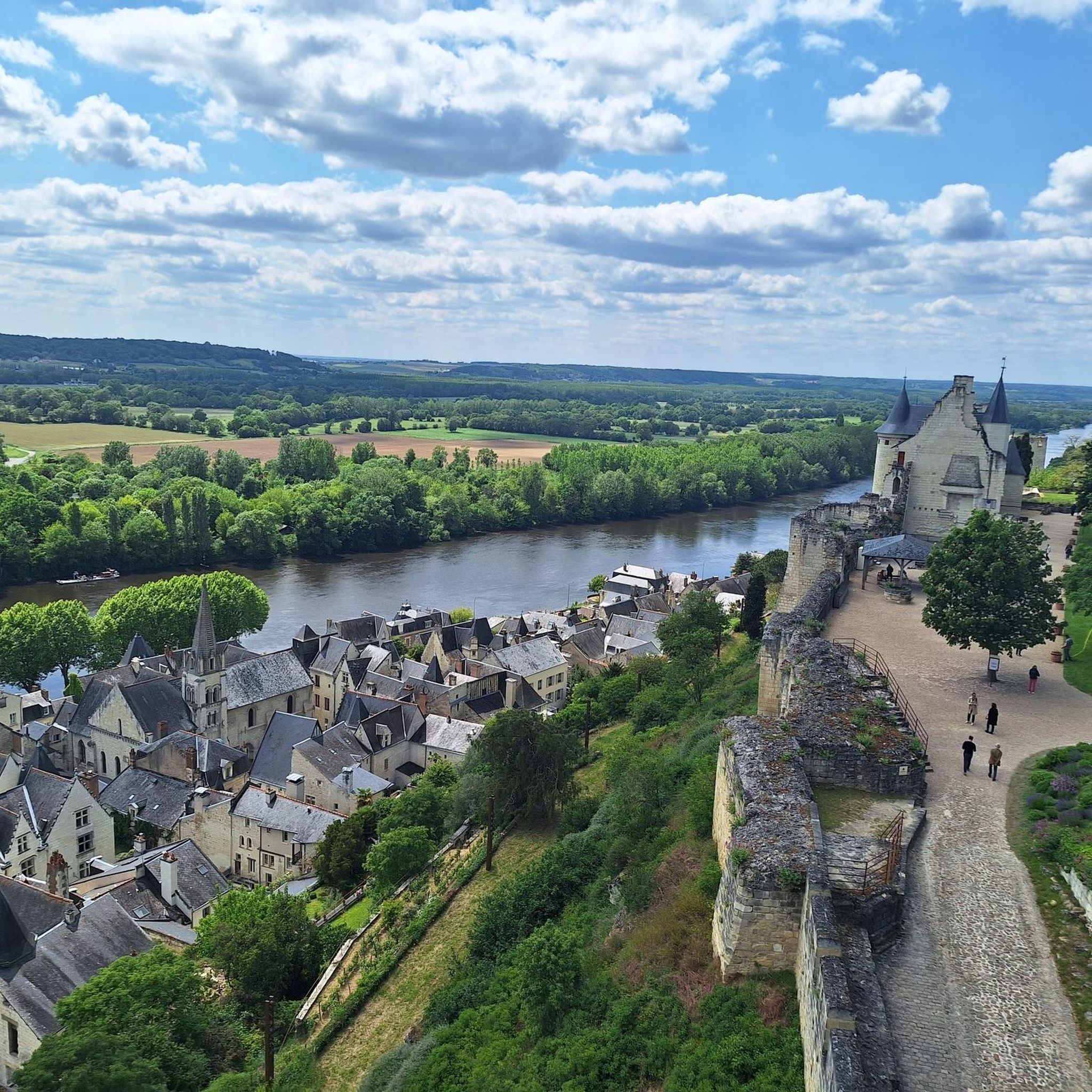
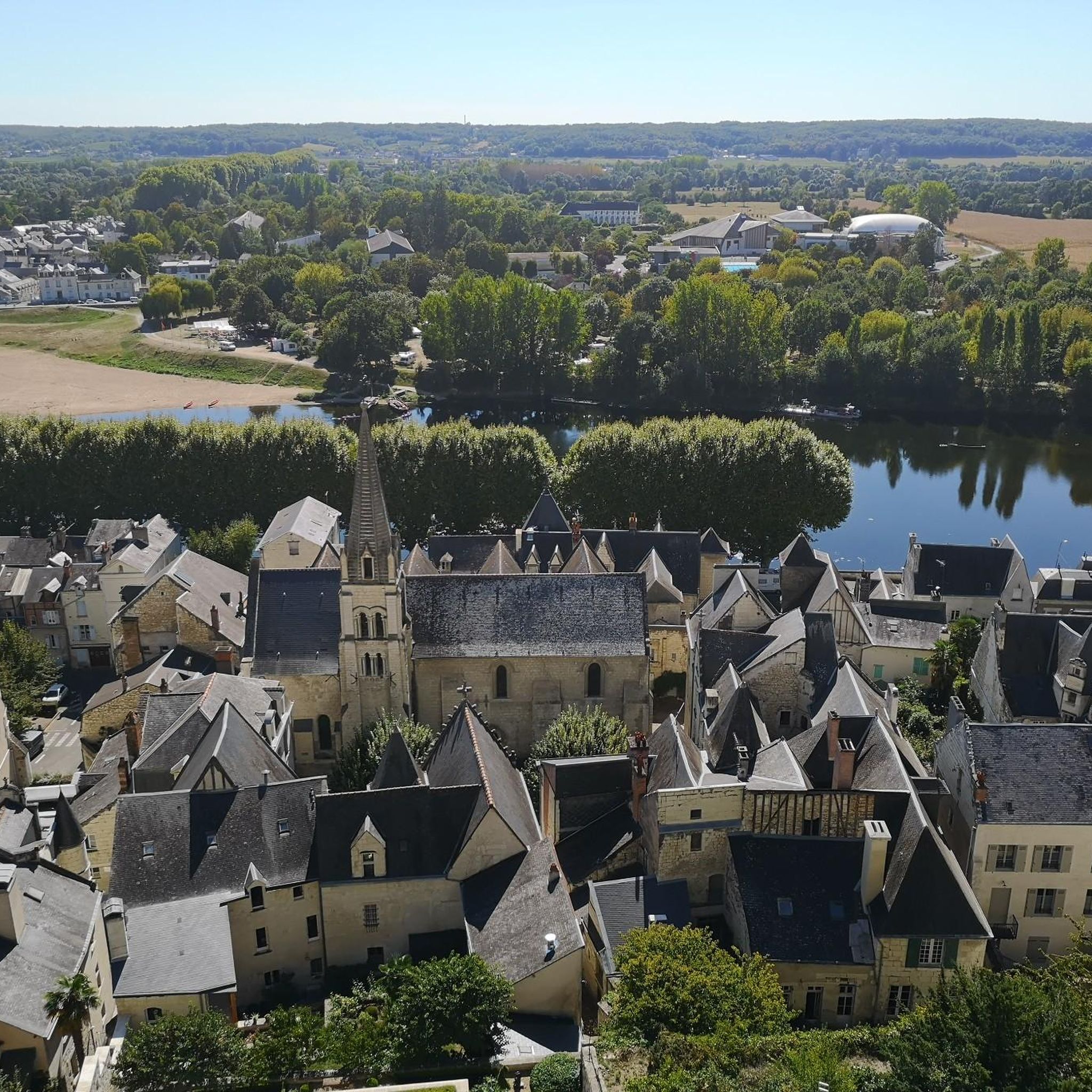
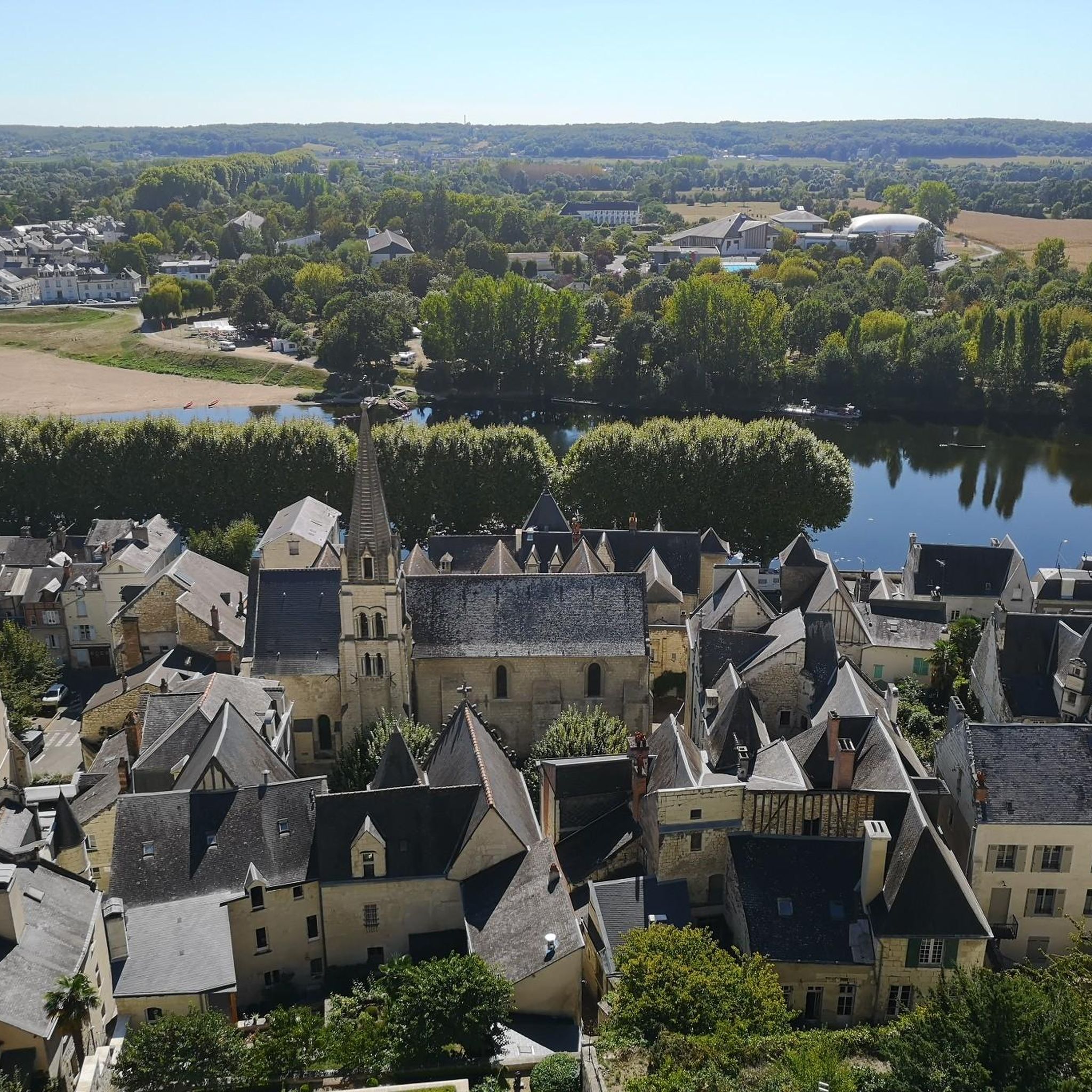
History in brief Antiquity: the site is strategically located on a promontory and has been inhabited for 3,000 years. It was not fortified until the end of the Roman Empire. Middle Ages: in 1154, the new King of England, Henry II Plantagenet, became ruler of an empire stretching from Scotland to the Pyrenees and made Chinon his continental capital. He had a large palace built next to the fortress, which has now disappeared. In 1189, abandoned by his sons, Richard the Lionheart and John Lackland, and fleeing from the King of France, he eventually died there. Philippe Auguste had the defensive Tour du Coudray built there after the siege of 1205. Renaissance: in 1454, the fortress became the main residence of Queen Marie d'Anjou, who lived there without her husband. She spent lavishly on decorating the house to her taste. From the 16th century onwards, the fortress was gradually abandoned and fell into disrepair. Despite the dangerous nature of the terrain, it became a public promenade in 1824 and was listed as a monument in 1840. The restoration of the estate began in 1854 thanks to the efforts of the writer Prosper Mérimée. Source: https://loirelovers.fr/en/visit-royal-fort-chinon/
6
0
Nice location to take a break here. Picnic benches are set up in the shaded area. The terrace of the summer bar La Guinguette has a nice view of the river Vienne and the Royal Fort of Chinon.
5
0
Tough calf biter. Here you know why there are gears on your bike.
0
0
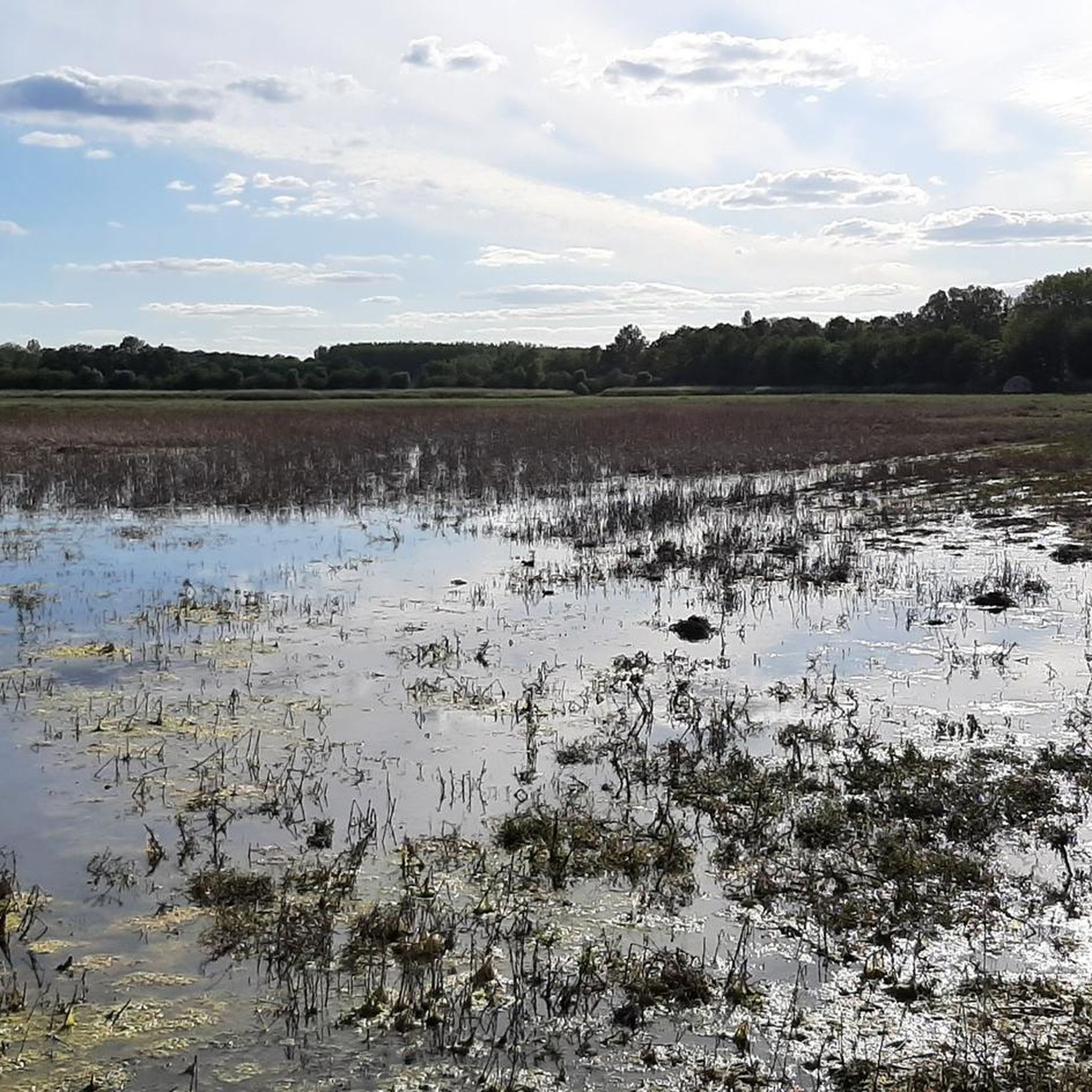
Come in the right season and admire the rolling landscape where sunflowers show their best side.
5
0
Fontevraud-l'Abbaye is located in the natural region of the Loire Valley, listed as a "living cultural landscape" by UNESCO. As its name suggests, the history and present of the municipality are closely linked to the Abbey of Notre-Dame, founded in 1099. The abbey presents the originality of being part of a mixed order, but led by abbesses until the Revolution. was the necropolis of the Plantagenet dynasty. The recumbent figures of Richard the Lionheart, Henry II and Eleanor of Aquitaine are still preserved there. The vast abbey complex was transformed by Napoleon I into a penal colony and then into a "central house". This extraordinary prison closed its doors in 1963. While the abbey church and the various monastic sites were rehabilitated, the entire old abbey has since housed a prestigious cultural centre with, among other things, a renowned art museum, welcoming meetings and artists in residence. Art, history and heritage are highlighted throughout the year.
4
0
Located at the crossroads of Anjou, Touraine and Poitou, welcome to the Fontevraud-l'Abbaye Tourist Office, our travel advisors will welcome you in front of the Saint-Michel church to help you discover the destination. Let us advise you and discover a village full of charm. Formed around the famous royal abbey, the Plantagenets necropolis, it is today a lively village, rich in numerous monuments, shops and craftsmen. The Tourist Office offers you: a privileged welcome - a free wifi hotspot - a shop with a wide choice of regional products, gifts, books and souvenirs - good tips to visit more and spend less when buying your entrance tickets - a complete tourist guide - a website - but also to travel light, by leaving your luggage with us. More information and opening hours at https://www.ot-saumur.fr/nl/sheets/vvv-kantoor-fontevraud-labbaye-5404626/
5
0
Frequently Asked Questions
How many gravel bike trails are available around Ceaux-En-Loudun?
There are currently 4 gravel bike routes listed around Ceaux-En-Loudun on komoot, offering a variety of experiences through the region's rolling countryside and historical landscapes.
Are there any easy gravel bike trails suitable for beginners in Ceaux-En-Loudun?
While many routes in the area are rated moderate to difficult, the region's varied terrain means there are sections suitable for different skill levels. For a less strenuous experience, consider routes with lower elevation gains, though all listed routes have some challenging aspects. It's always best to check the route details for specific difficulty ratings.
What are some long-distance gravel cycling routes in the Ceaux-En-Loudun area?
For those seeking longer rides, the region offers several substantial routes. The Chinon Fortress – Fontevraud Royal Abbey loop from Loudun is a challenging 61.5-mile (99.0 km) trail connecting significant historical sites. Another option is the Château de Basché loop from Loudun, which covers 37.4 miles (60.2 km) through rural landscapes.
What kind of terrain can I expect on gravel bike trails around Ceaux-En-Loudun?
Gravel biking around Ceaux-En-Loudun is characterized by rolling countryside, varied terrain, and a mix of flatter sections with sustained climbs. Routes often pass through agricultural areas, rural landscapes, and connect ancient sites.
What historical landmarks or attractions can I see along the gravel bike trails?
The routes often pass by significant historical sites. For example, the Chinon Fortress – Fontevraud Royal Abbey loop from Loudun connects two major historical landmarks. You can also explore highlights like the Château du Rivau or the Château de Basché, which is featured on the Château de Basché loop from Loudun.
Are there any family-friendly gravel bike routes in Ceaux-En-Loudun?
The listed routes in Ceaux-En-Loudun tend to be moderate to difficult with significant distances and elevation gains, making them more suitable for experienced riders. For family outings, it's recommended to carefully review the route profiles for shorter distances and less challenging terrain, or consider sections of longer routes that are flatter.
What is the best time of year for gravel biking in Ceaux-En-Loudun?
The best time for gravel biking in Ceaux-En-Loudun is typically during spring and autumn when the weather is milder and the natural scenery is at its most vibrant. Summer can also be pleasant, but be prepared for warmer temperatures. Winter conditions may vary, so always check local forecasts.
Are there any routes that explore Roman history in the area?
Yes, the Roman camp – Cinais Roman Camp loop from Loudun is a difficult 36.7-mile (59.0 km) path specifically designed to explore historical Roman camp locations through varied rural scenery.
What do other gravel bikers enjoy most about the routes in Ceaux-En-Loudun?
The routes in Ceaux-En-Loudun are highly rated by the komoot community, with an average score of 4.0 stars. Riders often praise the diverse landscapes, the connection to historical sites, and the challenging yet rewarding nature of the trails.
Are there any gravel routes that pass through notable towns or villages?
Yes, some routes will take you through or near charming settlements. For instance, the Richelieu Park – Richelieu loop from Assay explores the area around Richelieu, a town known for its historical significance and architecture.
What is the most challenging gravel bike route in Ceaux-En-Loudun?
The Chinon Fortress – Fontevraud Royal Abbey loop from Loudun is considered one of the most challenging, rated as difficult. It features a significant elevation gain of over 1000 meters across its 61.5 miles (99.0 km) distance, making it suitable for experienced gravel bikers.
Most popular routes around Ceaux-En-Loudun
Most popular attractions around Ceaux-En-Loudun

Get inspired with the komoot mobile app


Explore more
Browse the best Gravel rides in other regions.
