Attractions and Places To See around Athens - Top 20
Best attractions and places to see around Athens, Greece, offer a blend of ancient history, vibrant culture, and accessible natural landscapes. The city is home to iconic landmarks that showcase over 2,500 years of history, alongside world-class museums and charming neighborhoods. Visitors can explore significant archaeological sites, discover serene natural escapes, and experience the city's rich heritage. The region provides diverse opportunities for exploration, from urban cultural sites to nearby mountains and coastal areas.
Best attractions and places to see around Athens
- The most popular attractions is Parthenon, the Acropolis of Athens, a historical site that stands on a 156-meter high rock. This unique building is a temple dedicated to the goddess Athena, known for its architectural design.
- Another must-see spot is The Propylaea of the Acropolis, a historical site and man-made monument. Visitors can expect an impressive and mighty white marble entrance gate to the Acropolis, offering insight into the architecture of the ancient site.
- Visitors also love Hadrian's Arch, a man-made monument. This monumental gate of pentelic marble marked the passage from old Athens to the new city built by Roman emperor Hadrian.
- Athens is known for its historical sites, cultural institutions, and natural features. The city offers a variety of attractions to see and explore, including ancient temples, museums, and tranquil gardens.
- The attractions around Athens are appreciated by the komoot community, with 542 upvotes and 864 photos shared by visitors.
Last updated: August 29, 2026
Parthenon, the Acropolis of Athens
Highlight • Historical Site
Source: weltkulturerbe.com/europa/greece/acropolis-of-athen.html
Translated by Google •
Tip by

The Propylaea of the Acropolis
Highlight • Historical Site
Tip by

Sign up now to discover places like this
Get recommendations on the best single tracks, peaks, & plenty of other exciting outdoor places.
Sign up for free
Monastiraki Square and the Church of Panagia Pantanassa
Highlight • Settlement
Translated by Google •
Tip by

Hadrian's Arch
Highlight • Monument
The gate spanned a pre-existing road that ran from the old city to the southwestern part of the city. It was not part of a city wall. It is usually assumed that its function was to mark the separation between the old city and the new part of the city that Hadrian had built, but it is also thought that the residents of Athens wanted to honor Hadrian for his building activities with the arch as the new founder of their city.
The arch is 18 m high, 12.5 m wide and 2.30 m thick. On either side of the passage, the arch was decorated with Corinthian columns, of which only the bases and upper parts can now be seen. On top of the arch is a colonnade of four columns, crowned by a pediment between the two middle columns.
Translated by Google •
Tip by

Hellenic Parliament Building
Highlight • Monument
The Greek parliament has been meeting in this impressive building since 1935.
Translated by Google •
Tip by

Sign up for free to discover even more attractions around Athens.
Sign up for free
Already have an account?
Start today with a free account
Your next adventure awaits.
Login or Signup

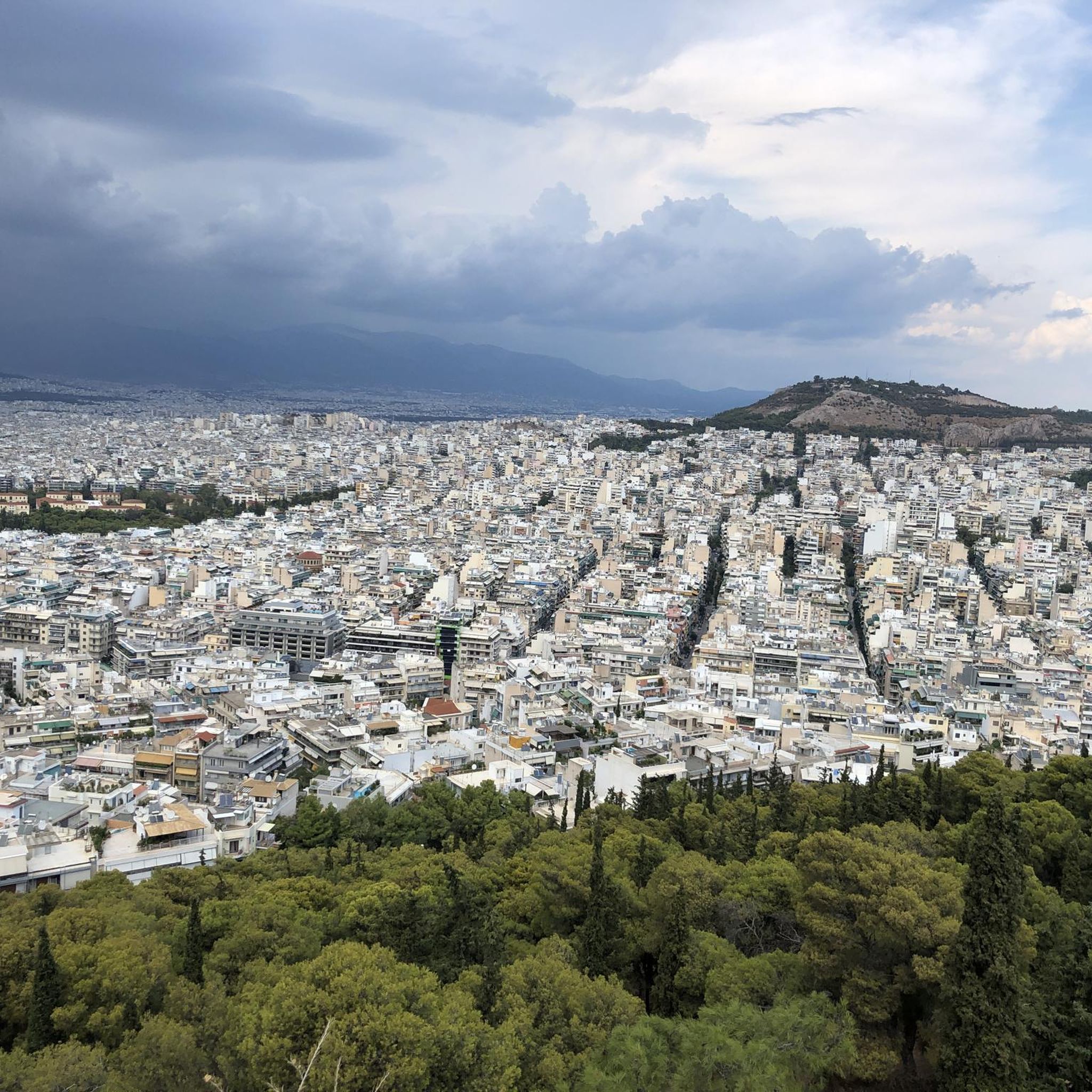
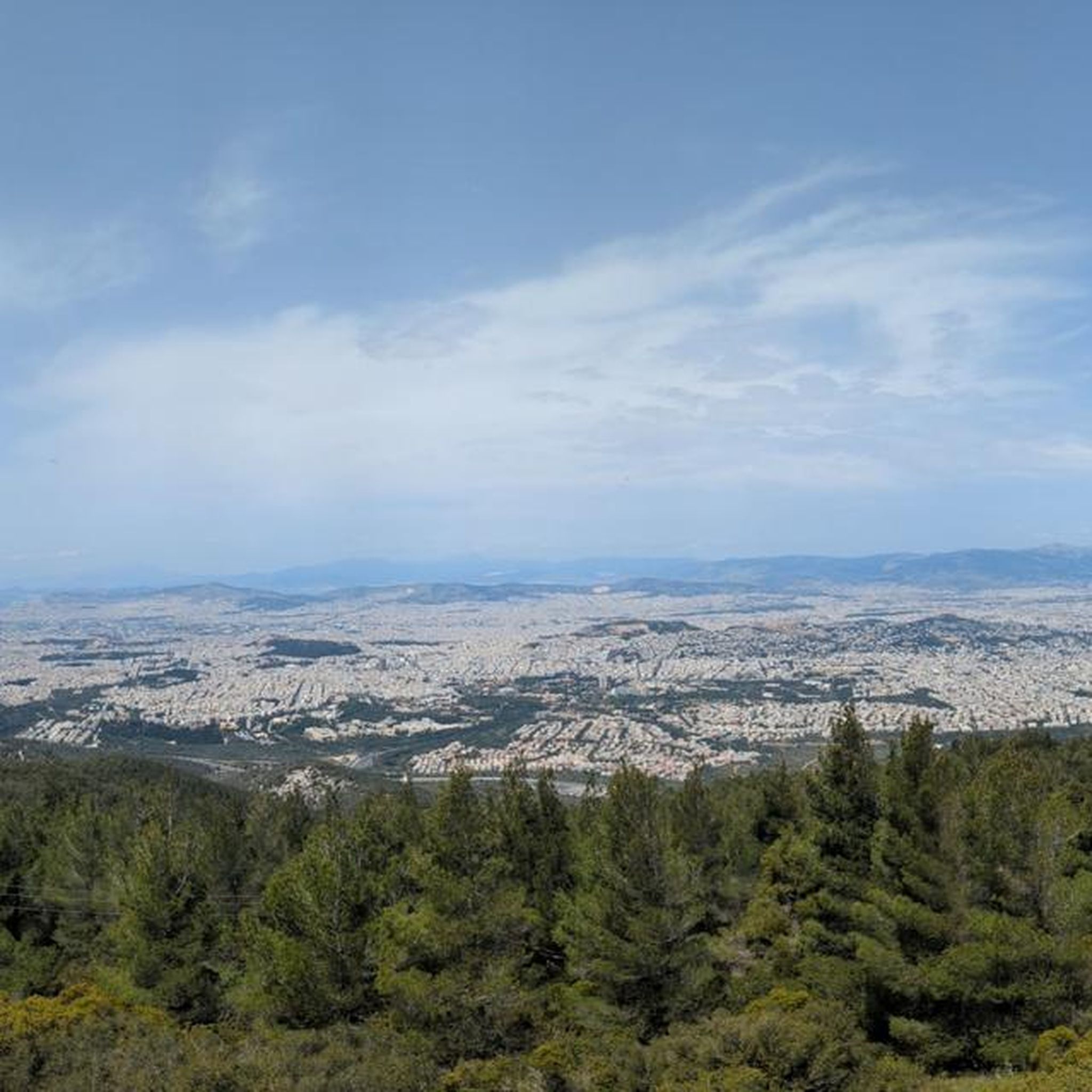
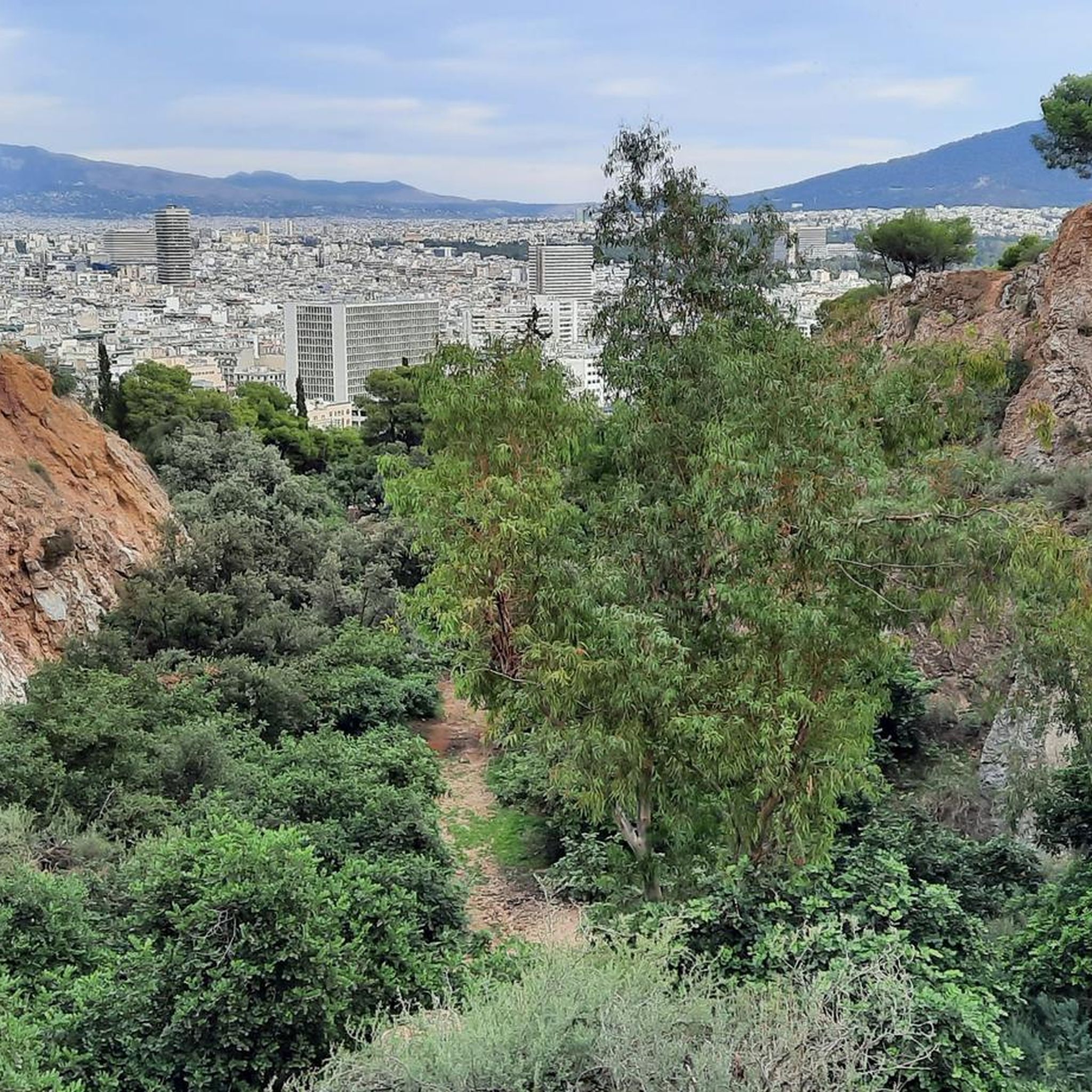
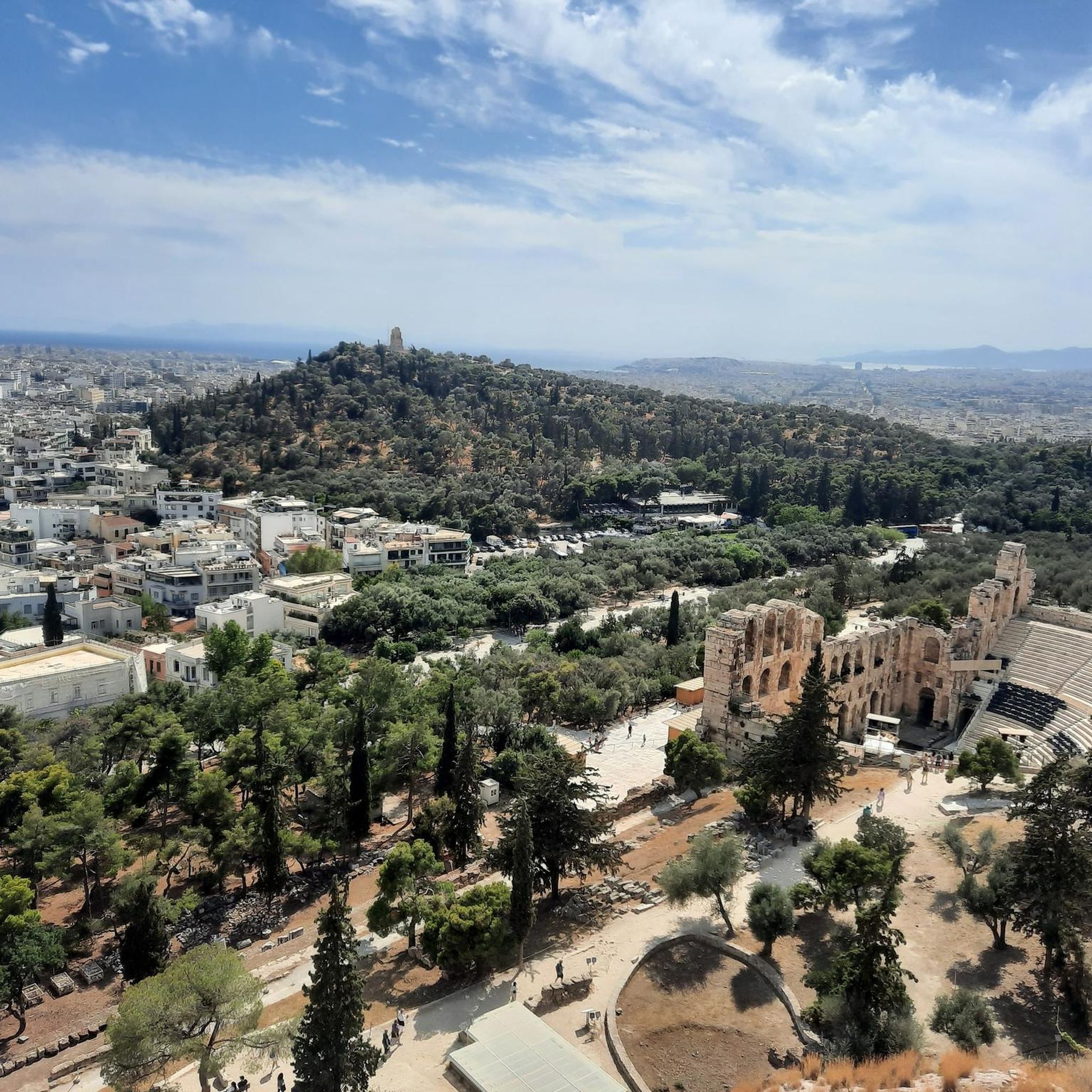
Other adventures around Athens

Tips from the Community

Hadrian's Gate is an ancient building in Athens. It marks the entrance to the Athenian Temple of Olympian Zeus and was dedicated to Hadrian during his visit to Athens in 132. Strictly speaking, it was not a city gate, but rather a monument of honor.
5
0
Hadrian's Gate is an ancient structure in Athens. It marks the entrance to the Temple of Olympian Zeus and was dedicated in honor of Hadrian during his visit to Athens in 132. Strictly speaking, it was not a city gate, but rather a monument of honor. WIKIPEDIA
5
0

There are two inscriptions on the gate. The inscription on the western side reads: "This is Athens, the ancient city of Theseus", and the text on the eastern side reminds: "This is the city of Hadrian, not Theseus". https://www.podrozepoeuropie.pl/luk-hadriana-w-atenach/
5
0
In gratitude to the emperor and on the occasion of his arrival in the city, the Arch (also called the Gate) of Hadrian was built in 132 BC. The characteristic two-level arch was built of Pentelic marble, which was extracted from the nearby Mount Penteleikon. The same building material was used in the construction of the most important monuments on the Acropolis, including the Parthenon. The total height of the monument is about 18 m, its width is 13.50 m, and its depth is over 2.30 m. Two styles were used in the building: the lower one refers to Roman triumphal arches, and the upper one to the traditional Greek propylon (monumental gate). https://www.podrozepoeuropie.pl/luk-hadriana-w-atenach/
6
0
One of the traces of the Roman presence in Athens is the Arch of Hadrian. The monument is located about 325 meters from the Acropolis, at the temple of Olympian Zeus (Olympiaeum). Publius Aelius Hadrian ruled the Roman Empire in the years 117-138 CE, he was the successor of Trajan, the third of the so-called five good emperors. He supported Hellenization, and he had special respect for Greece and Greek culture. He initiated the construction and funded public buildings, roads and aqueducts. Athens was expanded on Hadrian's orders, which is why we can find many Roman remains in this city today. https://www.sladyrzymu.pl/2020/06/hadrian-i-ateny.html
6
0

The Propylaea - the monumental entrance to the Acropolis - impresses at first glance with its mighty marble columns. As I hiked up the steep path to the Acropolis, this gate was something of a small reward after the climb. This is where access to the heart of ancient Athens is opened, and walking through the gate gives you the feeling of immersing yourself in history. The gate was never fully completed, but the dimensions and arrangement of the columns alone give an idea of how magnificent it should have once been. From here you can already get an initial overview of what awaits you on the Acropolis - the Parthenon and the other buildings rise majestically in the background. A little tip: try to come early in the day or late in the afternoon when the crowds of visitors subside. And don't forget to stop and enjoy the view over Athens. The perspective of the modern city from the gate is quite impressive - the connection between ancient architecture and today's urban landscape is particularly noticeable here. Apart from the architecture, it is also worth taking a closer look at the history of the Propylaea. During the work, the Peloponnesian War broke out and the construction was never completed. Nevertheless, this entrance remains an important part of Athens' heritage.
2
0

Up to the Acropolis and the viewpoint
2
0

Frequently Asked Questions
What are some must-see ancient historical sites in Athens beyond the Acropolis?
Beyond the iconic Acropolis, Athens offers a wealth of ancient historical sites. Explore the Ancient Agora of Athens, once the city's bustling heart, featuring the well-preserved Temple of Hephaestus and the reconstructed Stoa of Attalos. Discover the colossal remains of the Temple of Olympian Zeus, or visit the Panathenaic Stadium, the only stadium in the world built entirely of marble and host to the first modern Olympic Games. You can also see the Roman Agora with its notable Tower of the Winds, and the ruins of Hadrian's Library.
Where can I find the best panoramic views of Athens and the Acropolis?
For unparalleled panoramic views of Athens and the Acropolis, head to Mount Lycabettus. It's one of the best viewpoints in the city. Another excellent vantage point, particularly beautiful at sunset, is Philopappos Hill, which is also a popular spot for walks.
Are there any natural escapes or parks within the city of Athens?
Yes, Athens offers several natural havens within its urban landscape. The National Garden of Athens is a tranquil oasis in the city center, featuring diverse plants, ponds, and even archaeological findings. For a unique natural spa experience, visit Vouliagmeni Lake with its warm, mineral-rich waters.
What museums should I visit to delve deeper into Greek history and culture?
Athens is home to world-class museums. The Acropolis Museum, located at the foot of the Acropolis, houses artifacts excavated from the site. The National Archaeological Museum is Greece's largest, showcasing an extensive collection from prehistory to Egyptian art. For ancient Aegean and Cypriot cultures, visit the Museum of Cycladic Art, and the Benaki Museum offers a diverse collection of Greek cultural artifacts spanning from prehistory to the present day.
What are some charming neighborhoods or unique points of interest to explore in Athens?
For a unique Athenian experience, wander through the picturesque neighborhoods of Plaka and Anafiotika, located near the Acropolis. Plaka is known for its narrow streets and neoclassical architecture, while Anafiotika resembles an island village. Don't miss the bustling Monastiraki Flea Market for souvenirs and local products, or witness the Changing of the Guard ceremony at Syntagma Square in front of the Hellenic Parliament Building.
Are there opportunities for hiking or outdoor activities near Athens?
Absolutely. The region around Athens provides diverse opportunities for outdoor activities. You can explore the trails of Mount Hymettus, which also hosts the historic Kaisariani Monastery, or venture further to Parnitha National Park for lush forests and diverse wildlife. Sounion National Park offers forested hills and the iconic Temple of Poseidon. For more detailed routes and options, check out the Hiking around Athens guide.
Where can I find easy hiking trails suitable for families near Athens?
For easy hiking trails near Athens, consider routes that explore the city's historical core or nearby accessible parks. For example, there are easy loops around the Acropolis area, such as the The Propylaea of the Acropolis to Parthenon, the Acropolis of Athens loop from Akropoli. You can find more options in the Easy hikes around Athens guide.
What do visitors particularly enjoy about the historical sites in Athens?
Visitors are often impressed by the sheer scale and historical significance of Athens' ancient sites. Many highlight the architectural grandeur of places like The Propylaea of the Acropolis, noting the mighty white marble columns and the insight they offer into ancient architecture. The historical context and the feeling of walking through millennia of history are frequently mentioned as highlights.
Are there any cycling routes available near Athens?
Yes, Athens and its surroundings offer various cycling opportunities. You can find road cycling routes that take you through different landscapes, from coastal areas to more challenging terrains. For example, routes like the 'Marathon Dam – Marathon Dam Climb loop' offer a good challenge. Explore more options in the Road Cycling Routes around Athens guide.
What is the significance of the Hellenic Parliament Building and its surroundings?
The Hellenic Parliament Building, located in Syntagma Square, is a significant landmark. Originally built as a royal palace, it has housed the Greek Parliament since 1935. Its neoclassical style and the traditional guards in front make it a popular spot. The square itself is a central hub, often bustling with activity, and is where the ceremonial Changing of the Guard takes place.
Where can I experience local Athenian life and markets?
To experience authentic local Athenian life, visit the Varvakeios Market, Athens' central municipal market, where vendors sell fresh meat, fish, and vegetables. The Monastiraki Flea Market, while popular with tourists, also offers a glimpse into local commerce with a wide array of goods, from antiques to local products.
Most popular routes around Athens
Most popular attractions around Athens

Get inspired with the komoot mobile app


Explore more
Still not found the Highlight you’re looking for? See guides of the top attractions in other regions:
