Top 8 Lakes around Pilton
Lakes near Pilton are not a prominent feature of the local landscape. Pilton, whether referring to the village in Somerset or Devon, does not contain significant natural lakes or large recreational bodies of water. The Somerset area is historically part of the drained Somerset Levels, an area that was once a shallow tidal lake. The region is characterized by its rural nature and proximity to rivers and historical landscapes.
Best lakes around Pilton
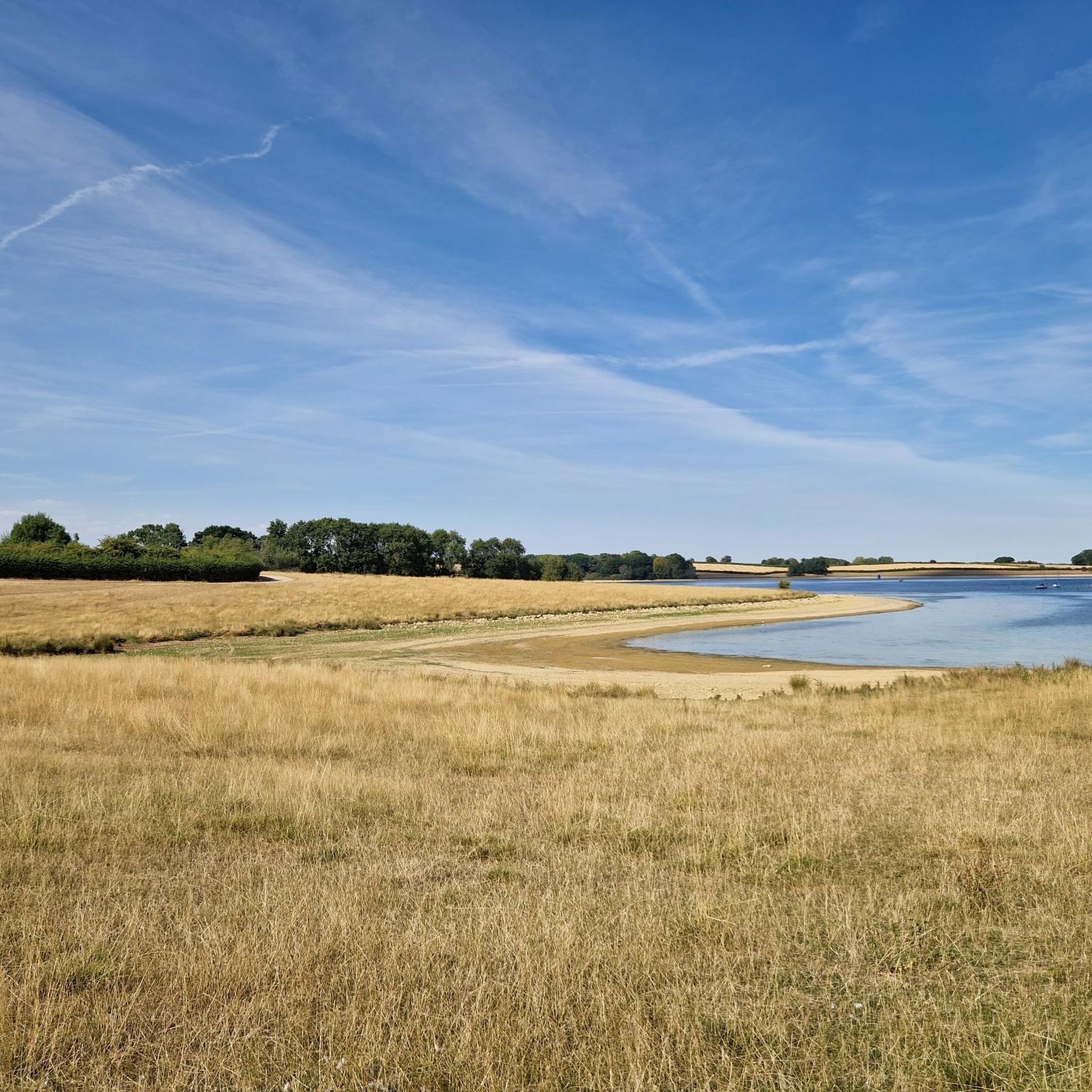
- The most popular lakes is Rutland Water…
Last updated: October 15, 2026
Normanton Church
Highlight • Monument
Tip by

Rutland Water
Highlight • Structure
Tip by

Sign up now to discover places like this
Get recommendations on the best single tracks, peaks, & plenty of other exciting outdoor places.
Eyebrook Reservoir
Highlight • Natural Monument
Tip by

Rutland Water South Shore
Highlight • Viewpoint
Tip by

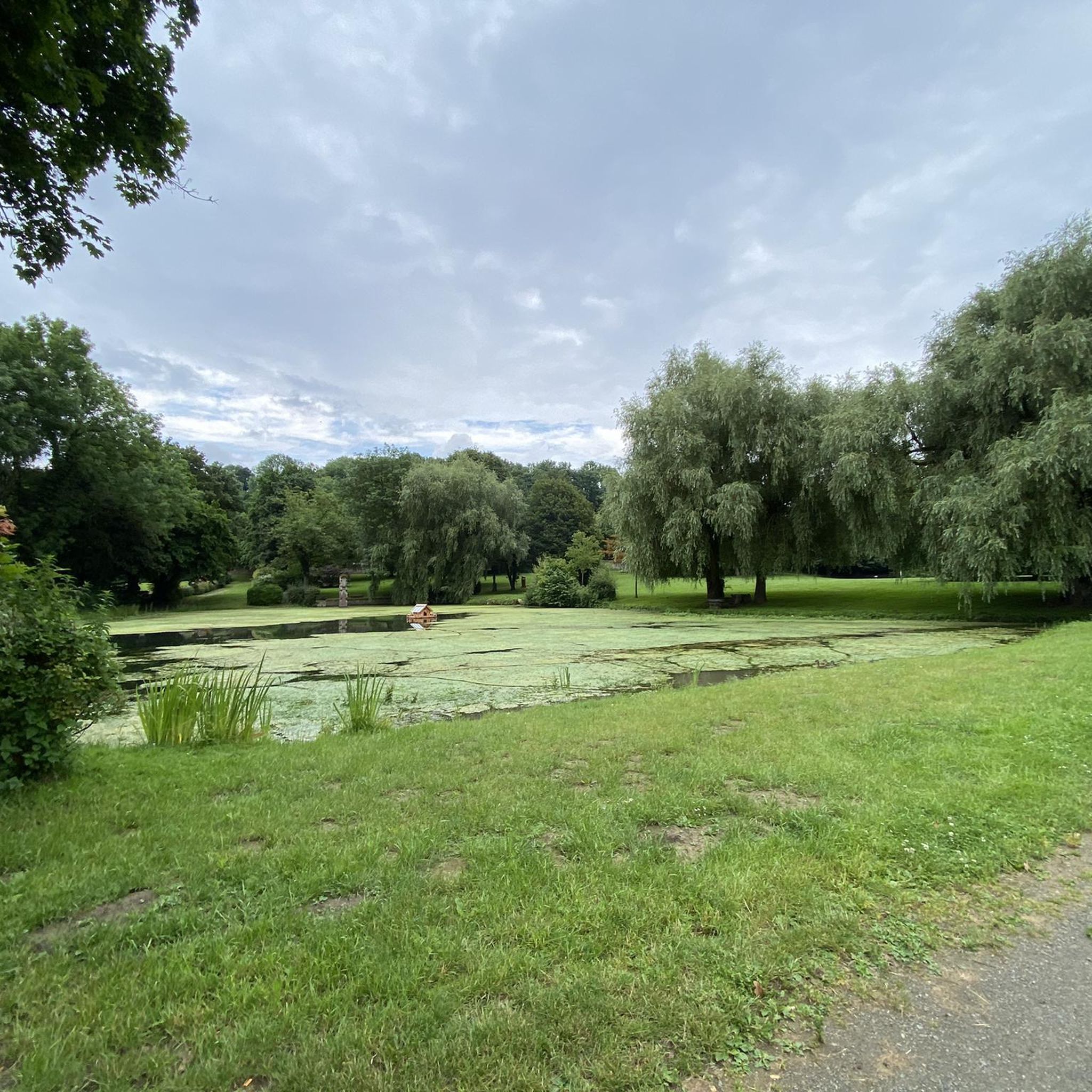
Fort Henry Lake in Exton Park
Highlight • Lake
Built in 1788 for Henry, Earl of Gainsborough, …
Tip by
Sign up for free to discover even more lakes around Pilton.
Already have an account?
Start today with a free account
Your next adventure awaits.


Tips from the Community

Great area for a hike. If you do not want to go the full circle alternatives to walking back on the same track are a bit limited.
4
0

The church was built in classical style for the Normanton Hall estate on the site of a 14th-century building. Except for the tower, the medieval church was rebuilt in 1764 by Sir Gilbert Heathcote, 3rd Baronet. The church was de-consecrated in 1970, and was to have been demolished as part of the reservoir construction, as its floor was below the proposed water level. Following a public outcry, the lower half was filled with stone and rubble, and a concrete cap constructed just below the level of the windows.
1
0

Amazing place to walk no matter the weather no hills or muddy places, mainly asphalt. Plenty of places to stop for a break (coffee/tea/snacks) and plenty of benches if you have brought your own refreshments
0
0

Fort Henry is a gothic folly, sitting beside a large lake often adorned with water lilies in the heart of Exton Park. Built in 1788 for Henry, Earl of Gainsborough, Fort Henry is located on private grounds, as are the shores of the larger, Northern lake. The public footpath circumnavigates the smaller lake to the South.
1
0
An iconic and unusual Rutland landmark. Saved from demolition in the 1970's following public protest, the church now seems to float when the lake is full, at other times it seems as if the lower half has sunk completely, as though the church is too heavy for the ground beneath it.
1
0

Perfect picnic spot - FYI, The north shore is private property.
0
0

definitely swing by this point of view for a photo, lovely spot, iconic part of rutland water
1
0
An iconic and unusual Rutland landmark. Saved from demolition in the 1970's following public protest, the church now seems to float when the lake is full, at other times it seems as if the lower half has sunk completely, as though the church is too heavy for the ground beneath it.
4
0
Frequently Asked Questions
Are there any natural lakes directly in Pilton, Somerset or Pilton, Devon?
No, there are no prominent natural lakes in either Pilton, Somerset or Pilton, Devon, that are typically described as notable for public visitation or recreational activities. The Somerset area was historically part of the drained Somerset Levels, and Pilton in Devon is near the River Yeo, but lacks significant lakes.
If there are no lakes in Pilton, what is the closest significant lake for outdoor activities?
While not in Pilton itself, Rutland Water is a significant man-made lake offering extensive recreational opportunities. It is the largest man-made lake in England by surface area and is a popular destination for various outdoor pursuits.
What kind of activities can I do at Rutland Water?
Rutland Water is excellent for recreation and relaxation. You can enjoy hiking, cycling, fishing, and watersports. It's also a great spot for wildlife spotting, often hosting over 25,000 waterfowl. The Rutland Water Cycle Route is particularly popular for cycling.
Are there family-friendly options at Rutland Water?
Yes, Rutland Water is very family-friendly. The Rutland Water Cycle Path is traffic-free and safe for children. Many areas, including the Rutland Water Dam and Rutland Water itself, are categorized as family-friendly.
What historical or notable landmarks can I see at Rutland Water?
A must-see landmark is Normanton Church, an iconic and unusual structure that appears to float on the lake when water levels are high. The Rutland Water Dam is also a significant engineering feat, constructed in the 1970s.
Are there walking trails near Rutland Water?
Yes, there are many walking trails. You can find easy hikes around the area, such as the 'Rutland Water Dam – Rutland Water Dam loop from Edith Weston' or the 'Rutland Water Cycle Route – View of Rutland Water loop from Rutland'. For more options, explore the Easy hikes around Pilton guide.
Can I cycle around Rutland Water?
Absolutely. The Rutland Water Cycle Route is very popular. It can get busy on weekends, so a bell is recommended. There are various cycling routes, including the 'Rutland Water Cycle Path – Rutland Water Nature Reserve loop'. Check the Cycling around Pilton guide for more details.
Are there options for gravel biking near Rutland Water?
Yes, gravel biking is a popular activity. Routes like the 'Rutland Water Cycle Path – Rutland Water Nature Reserve loop from Edith Weston' offer moderate challenges, while others like 'View of Rutland Water – Rutland Water Dam loop from Uppingham' can be more difficult. Find more routes in the Gravel biking around Pilton guide.
What are the parking options at Rutland Water?
Parking is available at various points around Rutland Water. For example, Barnsdale parking is typically £3, which is less expensive than the £10 charged at other car parks. Be aware that car parks can get busy, especially on weekends.
Are there places to eat or get refreshments near Rutland Water?
Yes, there are refreshment options. The Rutland Nurseries Cafe, located between Manton and the Lynton reserve, is a good choice. The Horse & Jockey pub in Manton also offers refreshments.
What is the best time to visit Rutland Water?
Rutland Water is enjoyable year-round. Weekends can be busy, especially on the cycle routes. For a quieter experience, consider visiting during weekdays. The area is also suitable for winter walking, though crosswinds can be noticeable near the dam.
What kind of wildlife can I expect to see at Rutland Water?
Rutland Water is a significant habitat for wildlife, particularly birds. It is often home to over 25,000 waterfowl, making it an excellent spot for birdwatching and general wildlife spotting.
Most popular attractions around Pilton

Get inspired with the komoot mobile app


Explore more
Still not found your perfect lake around Pilton? Check out the guides of these regions to see even more beautiful places.
