Top 13 Caves around Sant'Ambrogio Di Valpolicella
Best caves around Sant'Ambrogio Di Valpolicella are located within the Valpolicella region, an area characterized by its natural landscapes and historical significance. This region features a variety of geological formations and archaeological sites, offering insights into prehistoric human presence. The caves here provide a glimpse into ancient life and natural karst processes.
Best caves around Sant'Ambrogio Di Valpolicella
- The most popular caves is Veja Bridge, a natural monument that is also an archaeological site with 5 large caves beneath…
Last updated: July 11, 2026
Caves Along the Ascent to La Rocca
Highlight • Cave
Translated by Google •
Tip by

Veja Bridge
Highlight • Natural Monument
Translated by Google •
Tip by

Sign up now to discover places like this
Get recommendations on the best single tracks, peaks, & plenty of other exciting outdoor places.
Sign up for free
Val Sorda Gorge and Waterfalls
Highlight (Segment) • Gorge
Translated by Google •
Tip by

Prehistoric Cave with Rock Art (Parco delle Cascate di Molina)
Highlight • Cave
Translated by Google •
Tip by
Grotta Grande di Contrada Boar
Highlight • Cave
Translated by Google •
Tip by

Sign up for free to discover even more caves around Sant'Ambrogio Di Valpolicella.
Sign up for free
Already have an account?
Start today with a free account
Your next adventure awaits.
Login or Signup
Popular around Sant'Ambrogio Di Valpolicella
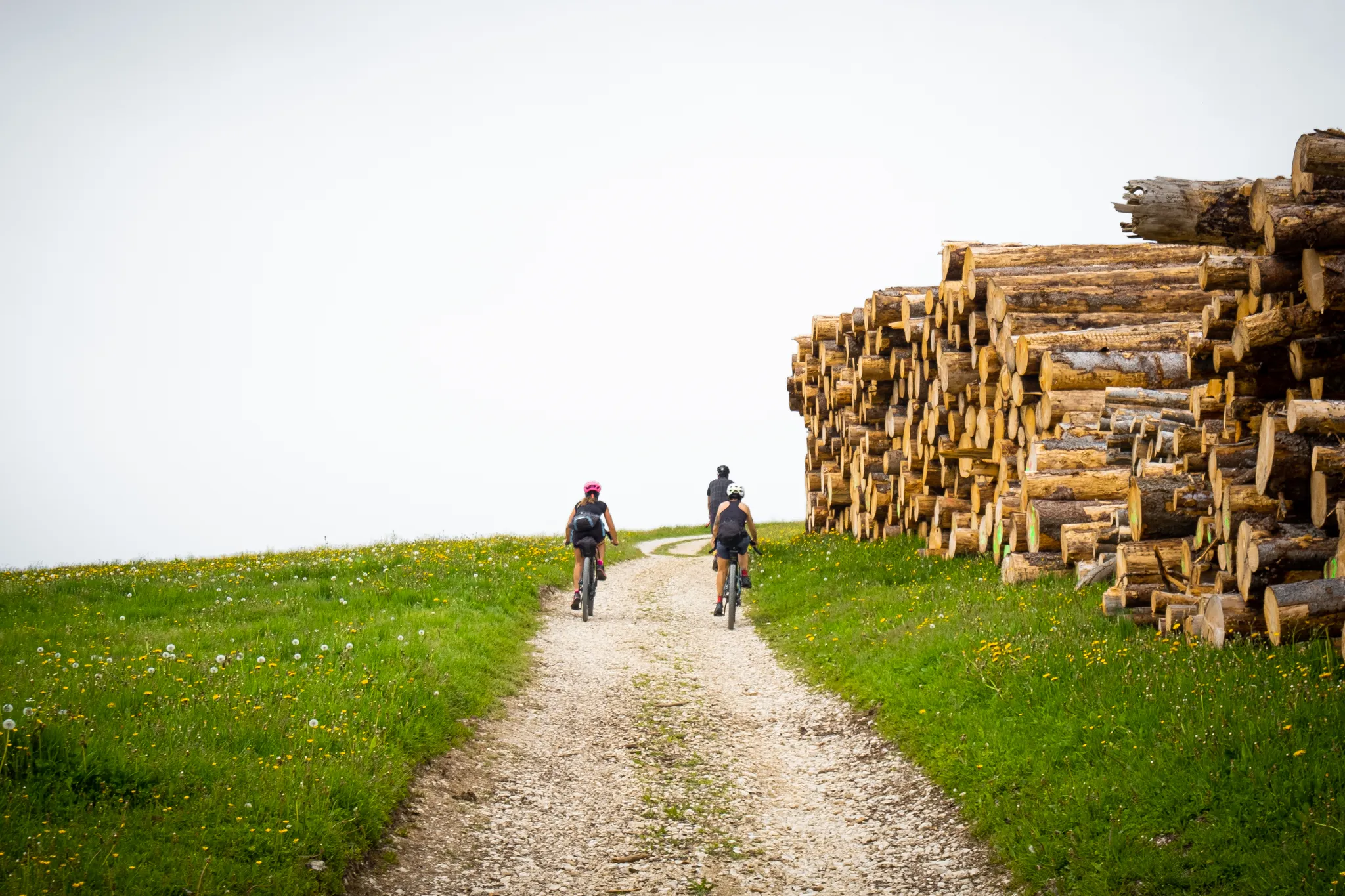
Via delle Prealpi – On the way with the MTB in the Venetian Prealps
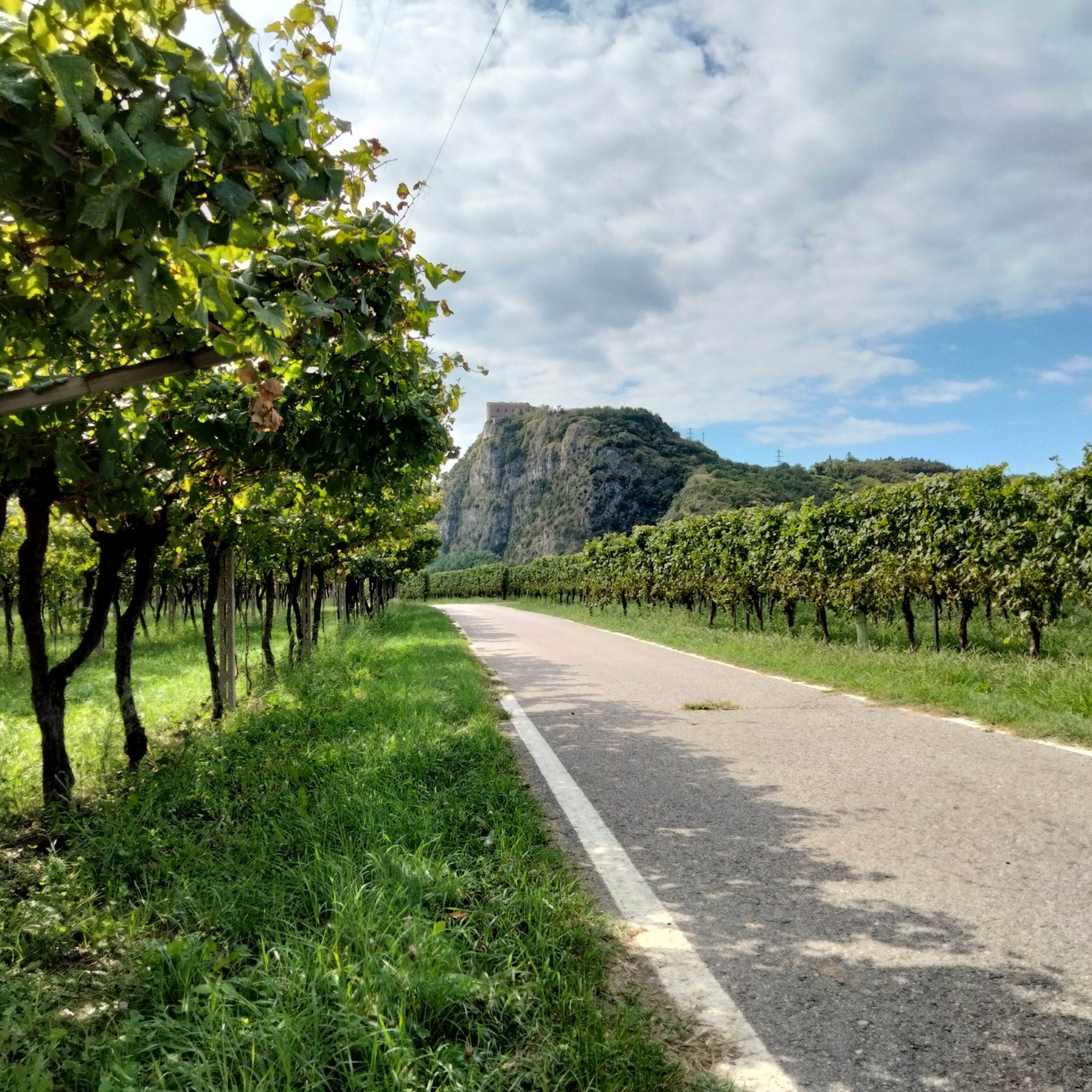
Cycling around Sant'Ambrogio Di Valpolicella
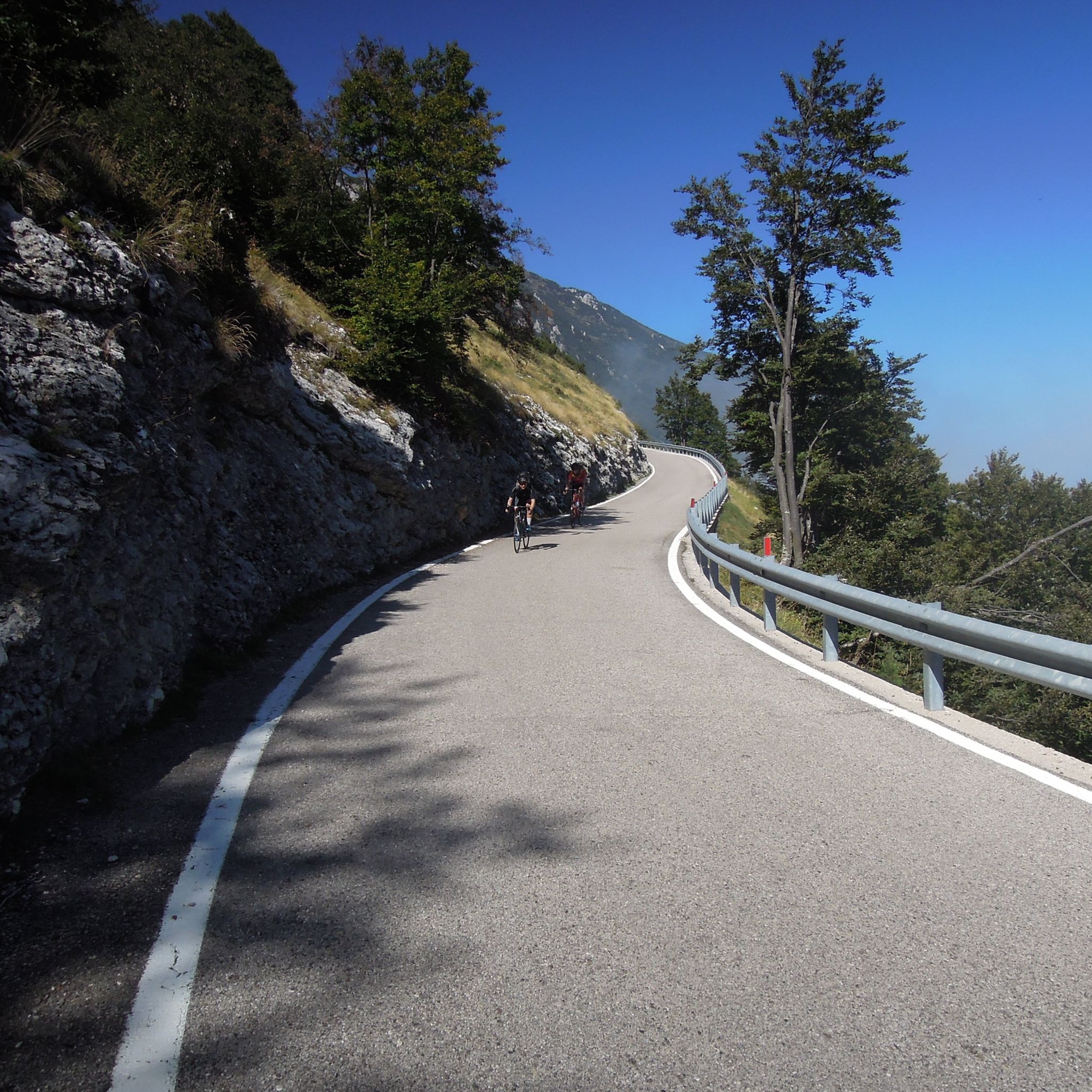
Road Cycling Routes around Sant'Ambrogio Di Valpolicella
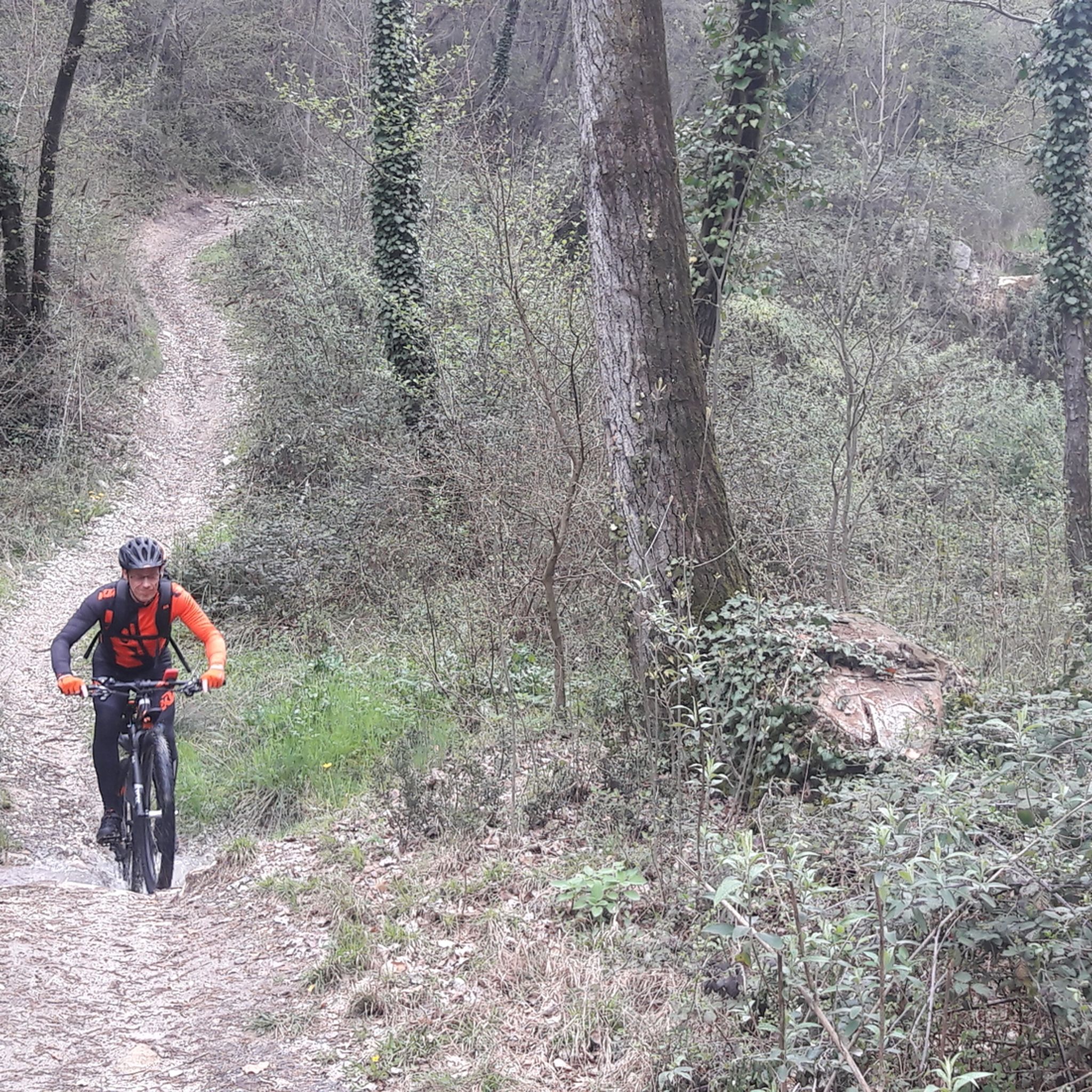
MTB Trails around Sant'Ambrogio Di Valpolicella
Hiking around Sant'Ambrogio Di Valpolicella
Running Trails around Sant'Ambrogio Di Valpolicella

Gravel biking around Sant'Ambrogio Di Valpolicella
Other adventures around Sant'Ambrogio Di Valpolicella

Tips from the Community

Route immersed in a glimpse of wild nature in the Fumane valleys; one of the many routes now abandoned due to lack of maintenance. Sure-footedness and suitable footwear required! DANGEROUS for novices, dogs, and children!! ❌ Strongly discouraged for those suffering from vertigo (unfortunately I had to stop at a certain point). The phone has no signal.
0
0

Hiking trails currently closed, generally very slippery. If at all, only recommended with a via ferrata set.
1
0


Beautiful cave paintings and a good photo opportunity
6
0

Fantastic natural caves, but excavated by humans to extract sand.
0
0
Guys, it's so beautiful there!! You have to see it and enjoy it! The tour was only 5.5 km long but it's very time-consuming. There's so much to discover and experience. Take your time! The tour is not easy. There are quite a few differences in altitude, you should be sure-footed and not afraid of heights and wear sturdy shoes. The tour is varied with a suspension bridge, cave, great water-filled gorge, super exciting guided tour, waterfalls, forest motifs like in paradise, but there are also mountain panoramas and pools that invite you to cool off. I wouldn't miss it 😉.
9
1
The region around Molina has been known and inhabited since prehistoric times, when humans still lived in caves and needed natural shelters, food, water, and stones to survive. In the Parco delle Cascate, it is also possible to visit such a prehistoric cave, which has been reconstructed in recent years for educational purposes. There, we can see that our ancestors slept on beds of hay and were covered with animal hides, hunted with flint, and used fire for both warmth and cooking.
2
0

In your opinion, is it feasible on gravel? Thank you
1
0
Frequently Asked Questions
What historical or archaeological caves can I visit in the Valpolicella region?
The Valpolicella region offers several caves with significant historical and archaeological value. The Grotta di Fumane is one of Europe's most important prehistoric sites, featuring ancient drawings and evidence of Neanderthal and early Homo sapiens presence. Another notable site is Veja Bridge, a natural monument with five large caves that served as a refuge for prehistoric humans. Additionally, the Prehistoric Cave with Rock Art (Parco delle Cascate di Molina) has been reconstructed for educational purposes, showcasing ancient living conditions.
Are there any caves with prehistoric art in the Valpolicella area?
Yes, the Valpolicella region is home to caves featuring prehistoric art. The Grotta di Fumane is renowned for its ancient ochre drawings, including animal depictions and ritual scenes, which are among the oldest in human history. The Prehistoric Cave with Rock Art (Parco delle Cascate di Molina) also features reconstructed rock art for educational purposes, illustrating the life of our ancestors.
What unique natural formations can be found in the caves around Sant'Ambrogio di Valpolicella?
The region boasts diverse natural formations. Veja Bridge is a striking natural arch with caves beneath its immense vault. The Val Sorda Gorge and Waterfalls offers narrow passages, small waterfalls, and caves, along with natural pools and washed-out rocks. Other karst caves like Coalo del Diaolo and Buso Streto, located northwest of Marano di Valpolicella, are known for their numerous limestone concretions, primarily stalagmites.
Are there family-friendly caves to explore in the Valpolicella region?
Yes, several caves are suitable for families. Veja Bridge is a popular natural monument that can be enjoyed with children, and there's even an adventure park nearby. The Prehistoric Cave with Rock Art (Parco delle Cascate di Molina) offers an educational and engaging experience for all ages, with reconstructions of ancient living spaces.
What is the difficulty level for exploring caves in the area, and do I need special equipment?
Difficulty varies by location. For instance, the ascent to Caves Along the Ascent to La Rocca is described as short, stony, and a little wild, recommending sturdy shoes. The Val Sorda Gorge and Waterfalls tour is not easy, requiring sure-footedness and sturdy shoes due to altitude differences. For caves like Grotta Grande di Contrada Boar, a flashlight is recommended as it gets dark quickly inside.
Are guided tours available for any of the caves?
Yes, guided tours are available for the Grotta di Fumane. These tours offer a comprehensive and immersive experience, providing insights into the cave's archaeological significance and prehistoric art. Tours are available in multiple languages.
When is the best time to visit the caves in Valpolicella?
The best time to visit the caves in Valpolicella generally aligns with pleasant weather for outdoor activities. Spring and autumn offer mild temperatures, ideal for exploring both the caves and the surrounding natural areas. Summer can also be suitable, especially for the cooler cave interiors, but be prepared for potentially warmer temperatures outside.
What outdoor activities can I combine with a visit to the caves?
The Valpolicella region offers various outdoor activities to complement your cave exploration. You can find numerous cycling routes, including those for touring bicycles and road cycling, with routes like the 'Ponte Pietra – Arena of Verona loop'. There are also many running trails, such as the 'Vajo Pangoni loop' or routes around Fumane and Molina, which is also home to the Parco delle Cascate with its waterfalls and lush vegetation.
Are there any less-known or 'hidden gem' caves in the Valpolicella area?
Beyond the more prominent sites, the Valpolicella region holds some lesser-known caves. Coalo del Diaolo and Buso Streto, located northwest of Marano di Valpolicella, are karst caves used as shelters in prehistory, noted for their limestone concretions and archaeological traces. The Grotta Grande di Contrada Boar is another cave that goes deep and offers many small sinuses to discover, making it a unique exploration for those with a flashlight.
Do I need permits for caving in the Valpolicella region?
For publicly accessible and managed sites like the Grotta di Fumane or the Prehistoric Cave with Rock Art (Parco delle Cascate di Molina), you typically do not need a special caving permit, but rather an entrance ticket or booking for a guided tour. For more adventurous or wild caving in unmanaged areas, specific permits or local guidance might be required, though this is less common for general tourist exploration.
What do visitors enjoy most about the caves around Sant'Ambrogio di Valpolicella?
Visitors appreciate the blend of natural beauty and historical significance. Many are captivated by the geological formations, such as the immense arch of Veja Bridge, and the pure nature found in places like Val Sorda Gorge and Waterfalls. The archaeological insights, particularly the prehistoric art and evidence of ancient human life at sites like Grotta di Fumane, also leave a lasting impression. The opportunity for immersive experiences and educational value is highly valued.
Most popular routes around Sant'Ambrogio Di Valpolicella
Most popular attractions around Sant'Ambrogio Di Valpolicella

Get inspired with the komoot mobile app


Explore more
Extend your search for the best caves by checking out these guides of the top ones around Sant'Ambrogio Di Valpolicella:
