The best running trails around Filadelfia
3.7
(3)
62
runners
8
runs
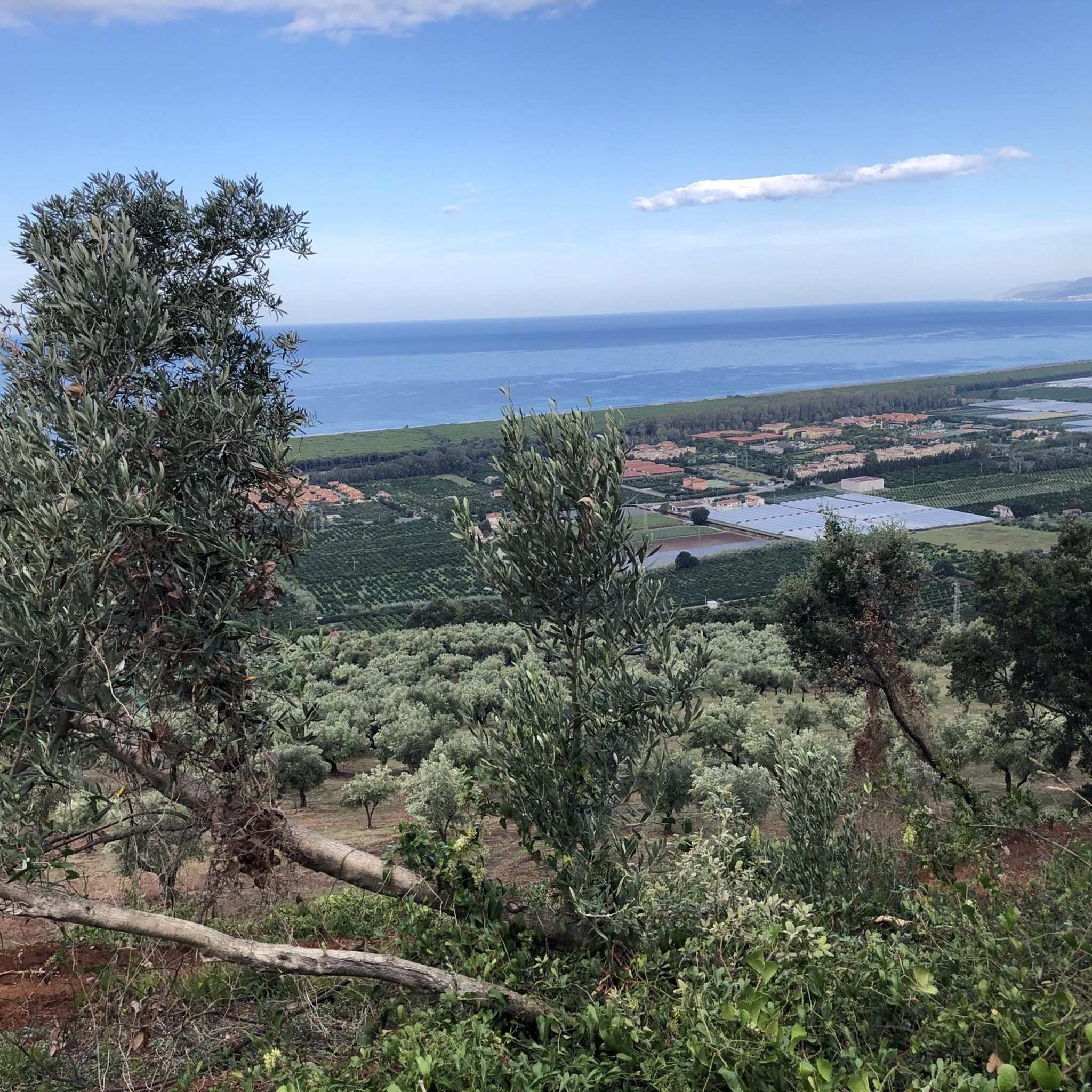
Jogging around Filadelfia offers a variety of routes across its diverse landscape. The region features coastal areas and inland trails, providing options for different running preferences. Most routes are characterized by relatively low elevation changes, making them suitable for consistent running. The terrain primarily consists of established paths and roads, connecting points of interest within the area.
Best jogging routes around Filadelfia
- The most popular jogging route is Forte di Mezza Praia loop from Rezeption, a 4.7 miles (7.5…
Last updated: October 14, 2026
4.0
(1)
20
runners
6.97km
00:49
40m
40m
Moderate run. Good fitness required. Mostly paved surfaces. Suitable for all skill levels.
3.0
(1)
10
runners
8.99km
01:00
30m
30m
Moderate run. Good fitness required. Mostly paved surfaces. Suitable for all skill levels.

7
runners
11.5km
01:14
150m
150m
Moderate run. Good fitness required. Mostly paved surfaces. Suitable for all skill levels.
6
runners
Hard run. Very good fitness required. Mostly paved surfaces. Suitable for all skill levels.
3
runners
8.68km
00:55
80m
80m
Moderate run. Good fitness required. Mostly paved surfaces. Suitable for all skill levels.
Get access to more routes and recommendations from other explorers.
Already have an account?
Our route recommendations are based on thousands of hikes, rides, and runs completed by other people on komoot.
Start today with a free account
Your next adventure awaits.

Tips from the Community

An excellent starting point for a visit to the historic center of Pizzo Calabro
1
0

A very beautiful church.
1
0

Beautiful fortress with a great history of Napoleon's brother-in-law
2
0


For information about the castle see https://it.m.wikipedia.org/wiki/Pizzo_(comune)
2
1
The Church of San Rocco and San Francesco da Paola in Pizzo was built in the 16th century in gratitude for being saved from a terrible plague epidemic that had struck the city. The church, located not far from the Church of Purgatory, was originally dedicated only to San Rocco, but also had attached the structure of the convent of the brothers of the Order of the Minimists of Saint Francis of Paola, which was temporarily dissolved there at the end of the 18th century. with the establishment of the Holy Fund and at the beginning of the 19th century. with the French. In 1973 it was recognized as a parish and dedicated to San Rocco and San Francesco di Paola. With the unification of Italy it was used as a barracks and then as a hospital. The earthquake of 1905 partially destroyed the upper part of the high wall structure of the church, so it was rebuilt in 1907 with the participation of the entire population. Source: https://catalogo.beniculturali.it/detail/ArchitecturalOrLandsc
3
1
Noteworthy is the monastery of the minimal fathers of San Francesco di Paola from 1579 and the associated church, which was rebuilt after the earthquake of 1905. Since 2013, the parish of San Rocco and San Francesco di Paola has been elevated to a diocesan sanctuary. Source: https://it.m.wikipedia.org/wiki/Pizzo_(comune)
1
0
Frequently Asked Questions
What kind of terrain can I expect on the running routes around Filadelfia?
The jogging routes in Filadelfia primarily feature established paths and local roads. They are generally characterized by relatively low elevation changes, making them suitable for consistent running. You'll find a mix of coastal areas and inland trails, offering varied scenery.
Are there any long-distance running trails available in Filadelfia?
Yes, Filadelfia offers several routes suitable for longer runs. For example, the Castello Murat loop from Gelateria da Enrico is a notable option, covering approximately 7.4 miles (11.9 km) and leading through coastal areas and local landmarks.
Are there any loop running routes in the Filadelfia area?
Absolutely. Many of the routes in Filadelfia are designed as loops, providing a convenient way to start and finish in the same location. Popular options include the Forte di Mezza Praia loop from Rezeption and the Forte di Mezza Praia loop from Konferenz Zentrum, both offering consistent running surfaces.
What are the difficulty levels of the jogging routes in Filadelfia?
Most of the running routes in Filadelfia are rated as moderate. They offer accessible running experiences with minimal elevation gain, making them suitable for a wide range of abilities, from casual joggers to those looking for a steady workout.
What do other runners enjoy most about jogging in Filadelfia?
The area is highly rated by the komoot community, with an average score of 3.0 stars from over 1 review. Runners often praise the accessible coastal paths and local roads, as well as the variety of routes that cater to different ability levels.
Are there any scenic viewpoints or natural features to see along the running routes?
While the guide focuses on running, the region around Filadelfia offers natural beauty. You can explore areas with lakes like Lake Angitola and La Trota Pond, which are part of the broader landscape. Some routes, like the Castello Murat loop, lead through coastal areas, offering picturesque views.
Are there any historical landmarks or places of interest near the jogging trails?
Yes, the region has several points of interest. For instance, the Castello Murat loop passes by local landmarks. Additionally, you might find historical sites like Rocca Angitola or the Chiesetta di Piedigrotta of Pizzo in the wider area, which could be explored before or after your run.
How many running routes are available in Filadelfia?
There are over 5 dedicated running routes documented in Filadelfia, offering a good selection for various preferences and distances.
Are there any routes suitable for families or those with children?
Given the generally low elevation changes and established paths, many of Filadelfia's moderate routes are suitable for families. The Forte di Mezza Praia loop from Rezeption, with its flat profile and moderate distance, could be a good option for a family outing.
What is the best time of year to go running in Filadelfia?
While specific seasonal advice isn't provided, coastal regions like Filadelfia generally offer pleasant running conditions during spring and autumn, with milder temperatures. Summer can be warm, especially midday, so early morning or late evening runs might be preferable.
Are there any routes that offer a more challenging experience?
While most routes are moderate, the Castello Murat loop from Gelateria da Enrico has a slightly higher elevation gain compared to others (around 190m up and down), which might offer a bit more of a challenge for those looking to push themselves.
Are there any facilities like picnic areas near the running trails?
Yes, in the broader region around Filadelfia, you can find facilities such as the Picnic Area at Lake Acero and the Picnic Area at Lake Angitola. These could be convenient spots for a break before or after your run, though they might require a short detour from the immediate running paths.
Most popular attractions around Filadelfia

Get inspired with the komoot mobile app


Explore more
Browse the best Running Trails & Routes in other regions.
