Top 20 Natural Monuments around Marèo - Enneberg - Marebbe
Natural monuments around Marèo - Enneberg - Marebbe are primarily found within the Fanes-Sennes-Braies Nature Park, a UNESCO World Heritage site in the Dolomites. This region features a diverse landscape of towering peaks, extensive alpine plateaus, and pristine lakes. The area is characterized by dramatic Dolomite rock walls and unique geological formations, offering a range of natural landmarks to explore.
Best natural monuments around Marèo - Enneberg - Marebbe
- The most popular natural monument is Cinque Torri, a natural…
Last updated: August 19, 2026
Lake Braies north shore
Highlight • Lake
Translated by Google •
Tip by

Lake Braies / Pragser Wildsee
Highlight • Lake
Translated by Google •
Tip by

Sign up now to discover places like this
Get recommendations on the best single tracks, peaks, & plenty of other exciting outdoor places.
Sign up for free
Nuvolau Hut
Highlight • Mountain Hut
Source: rifugionuvolau.it/?page_id=253
Translated by Google •
Tip by

Cinque Torri
Highlight • Natural Monument
Translated by Google •
Tip by

View of the Puez and Odle groups
Highlight • Viewpoint
Translated by Google •
Tip by
Sign up for free to discover even more natural monuments around Marèo - Enneberg - Marebbe.
Sign up for free
Already have an account?
Start today with a free account
Your next adventure awaits.
Login or Signup
Popular around Marèo - Enneberg - Marebbe
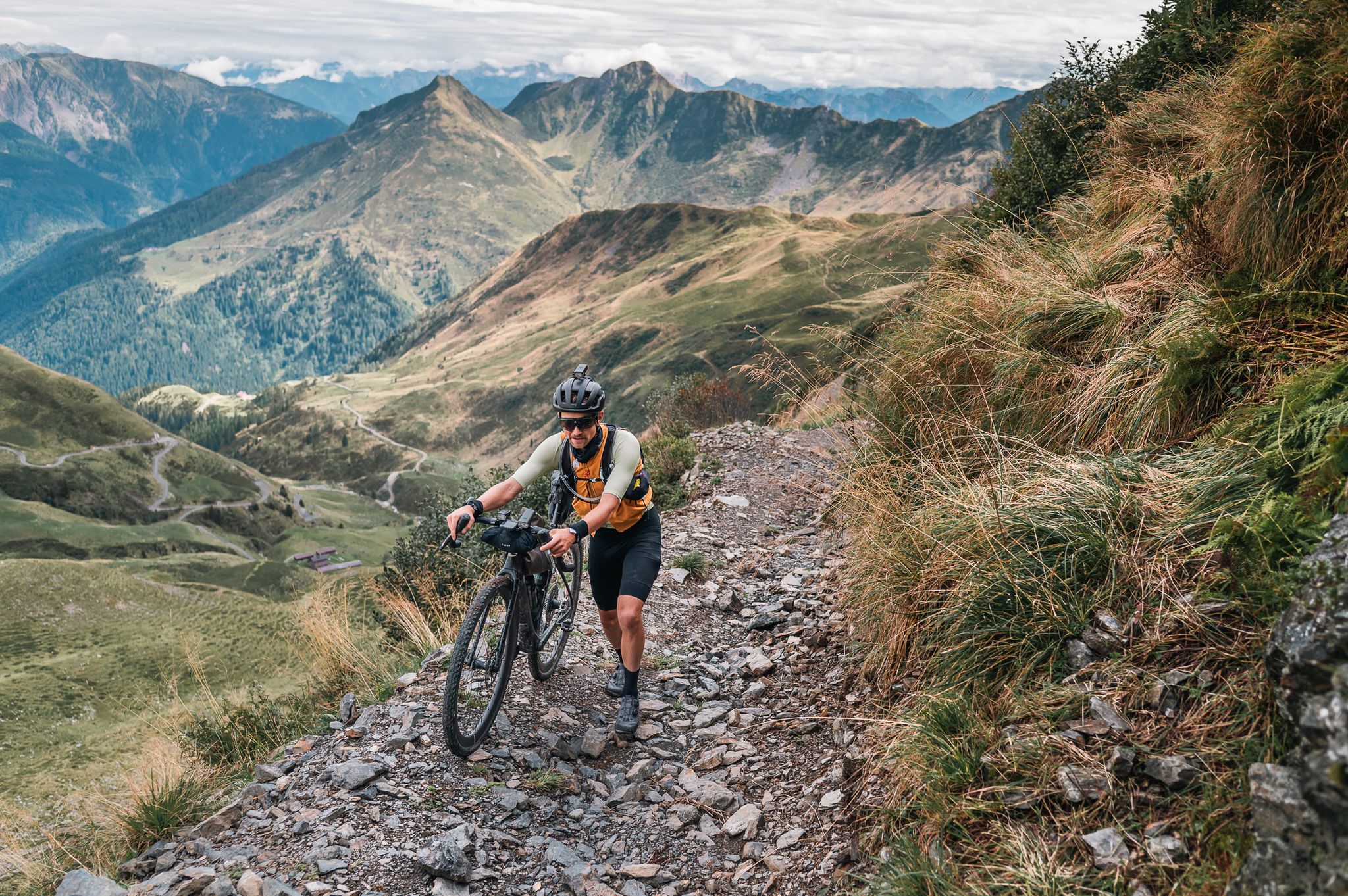
Sneak Peaks ADVENTURE 🥇
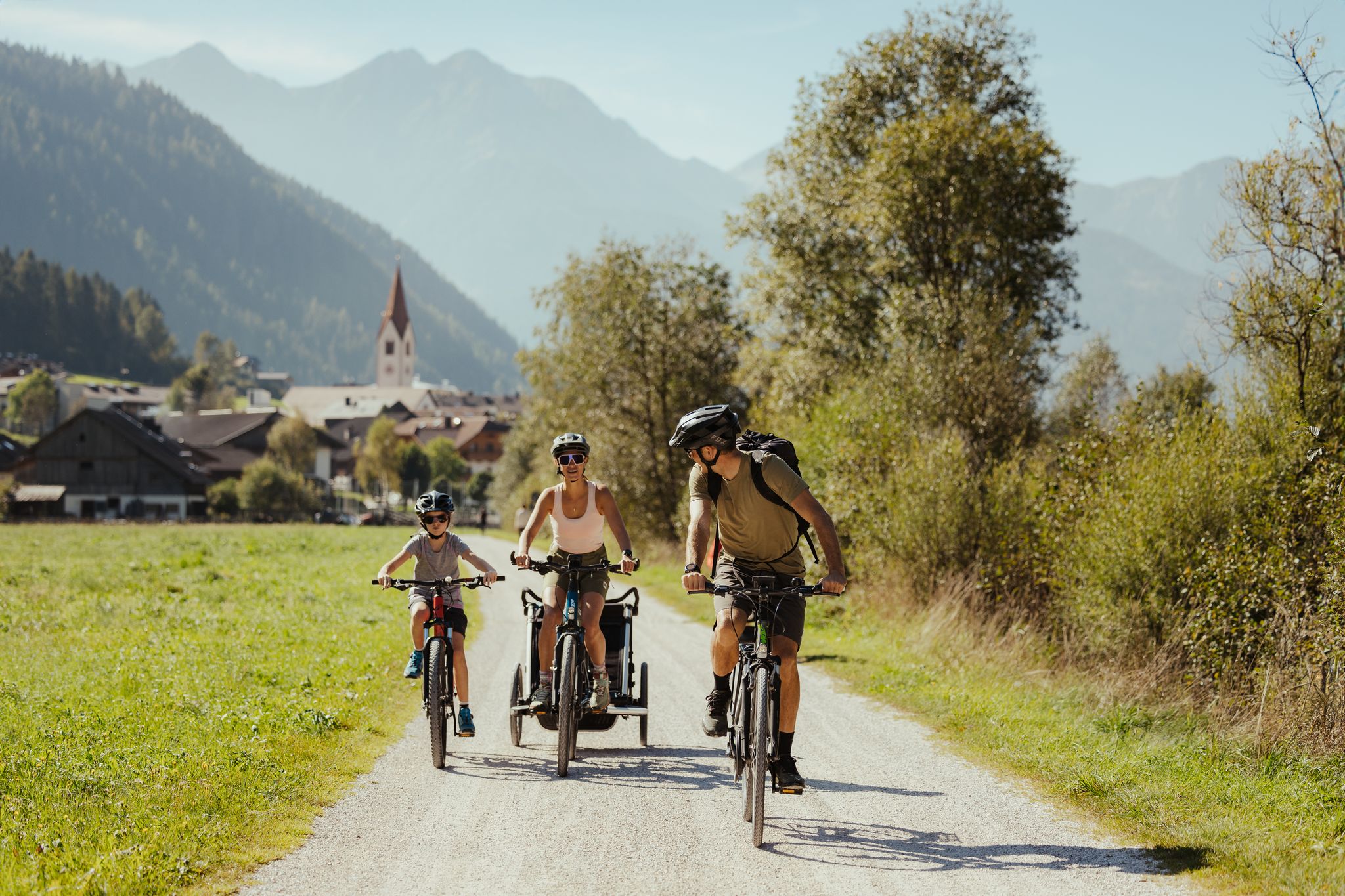
Great food, great fun and action – varied family cycling in South Tyrol
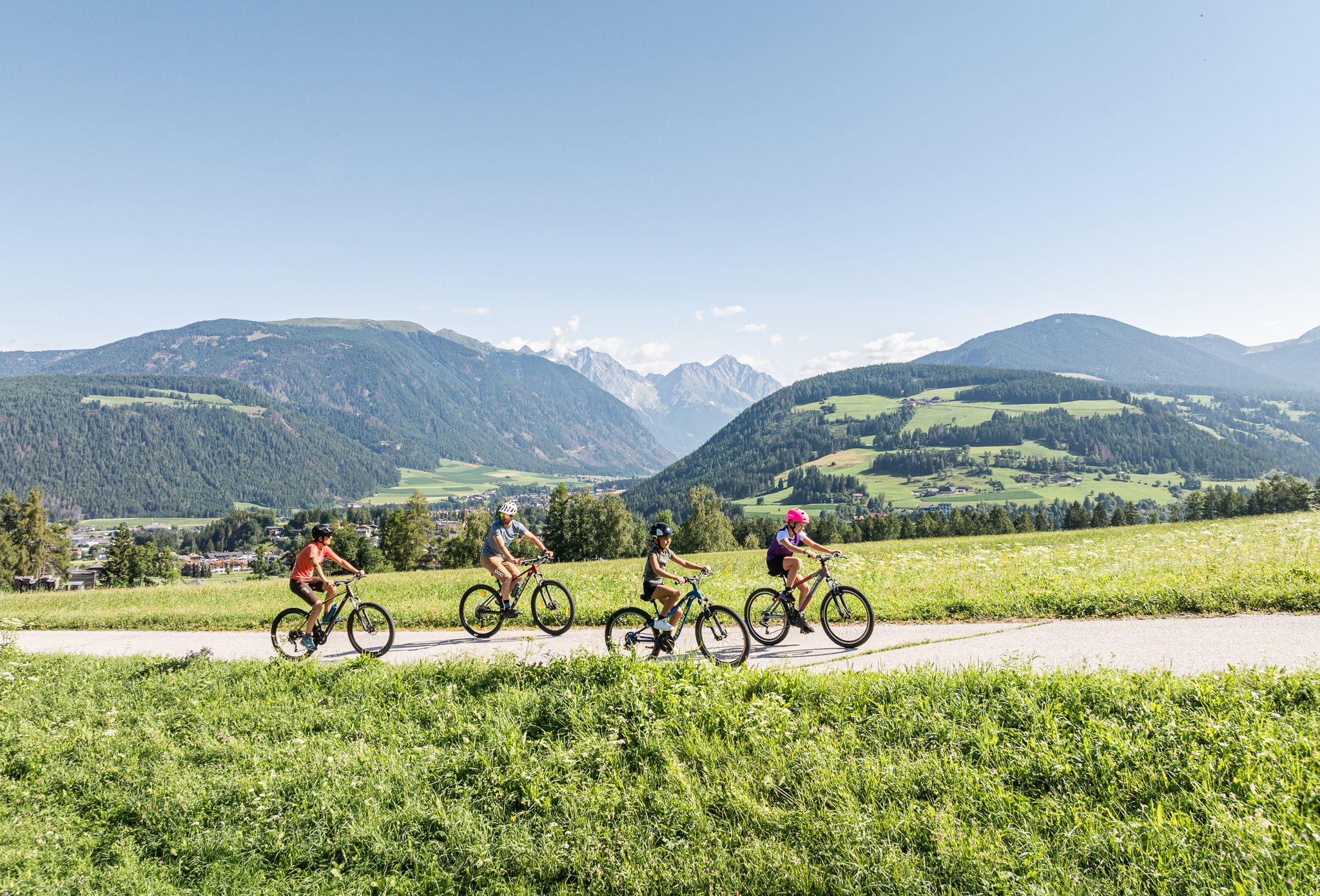
Dolomites gold on the Kronplatz – the most beautiful Tours!
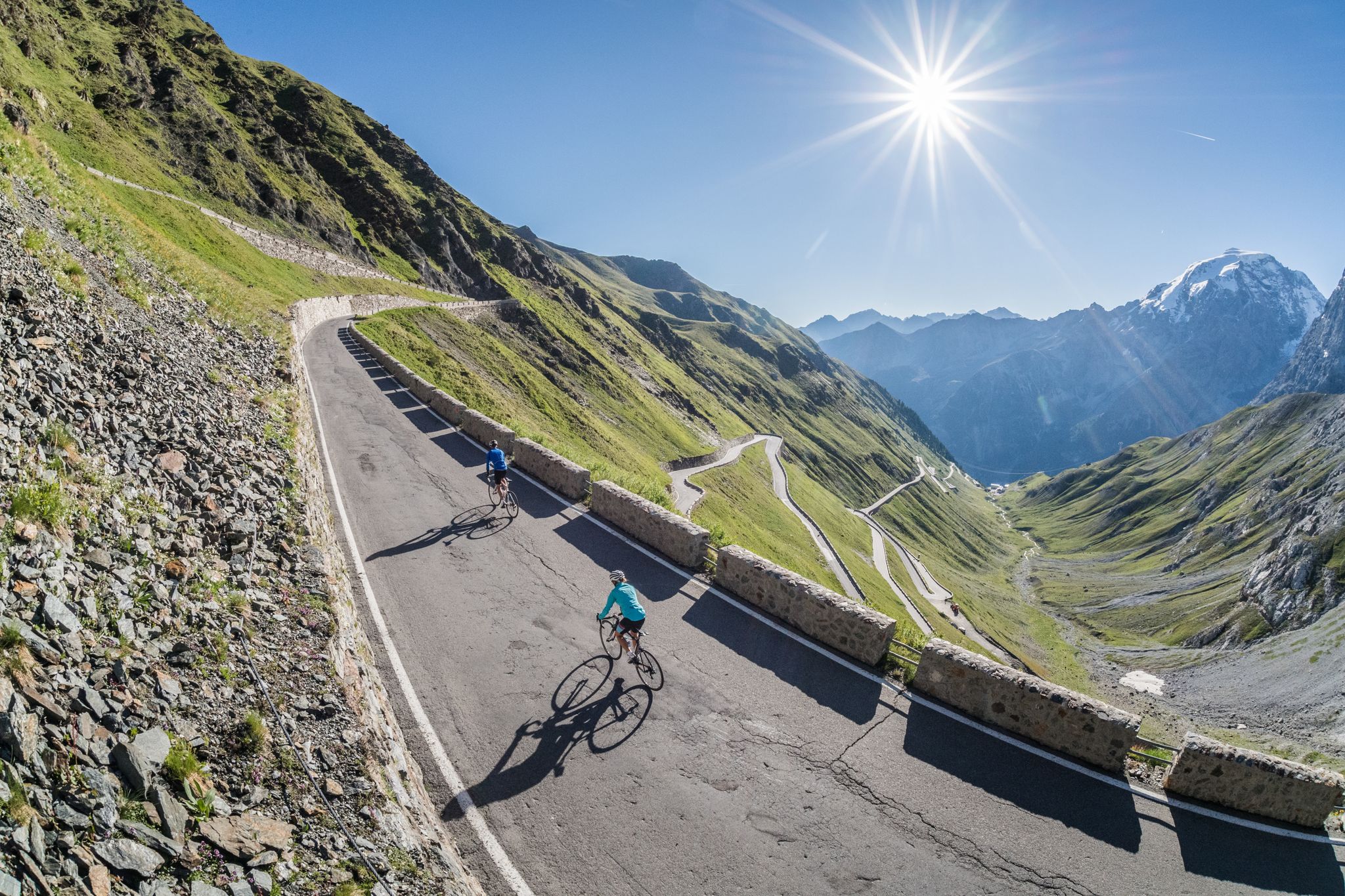
Road biking in South Tyrol
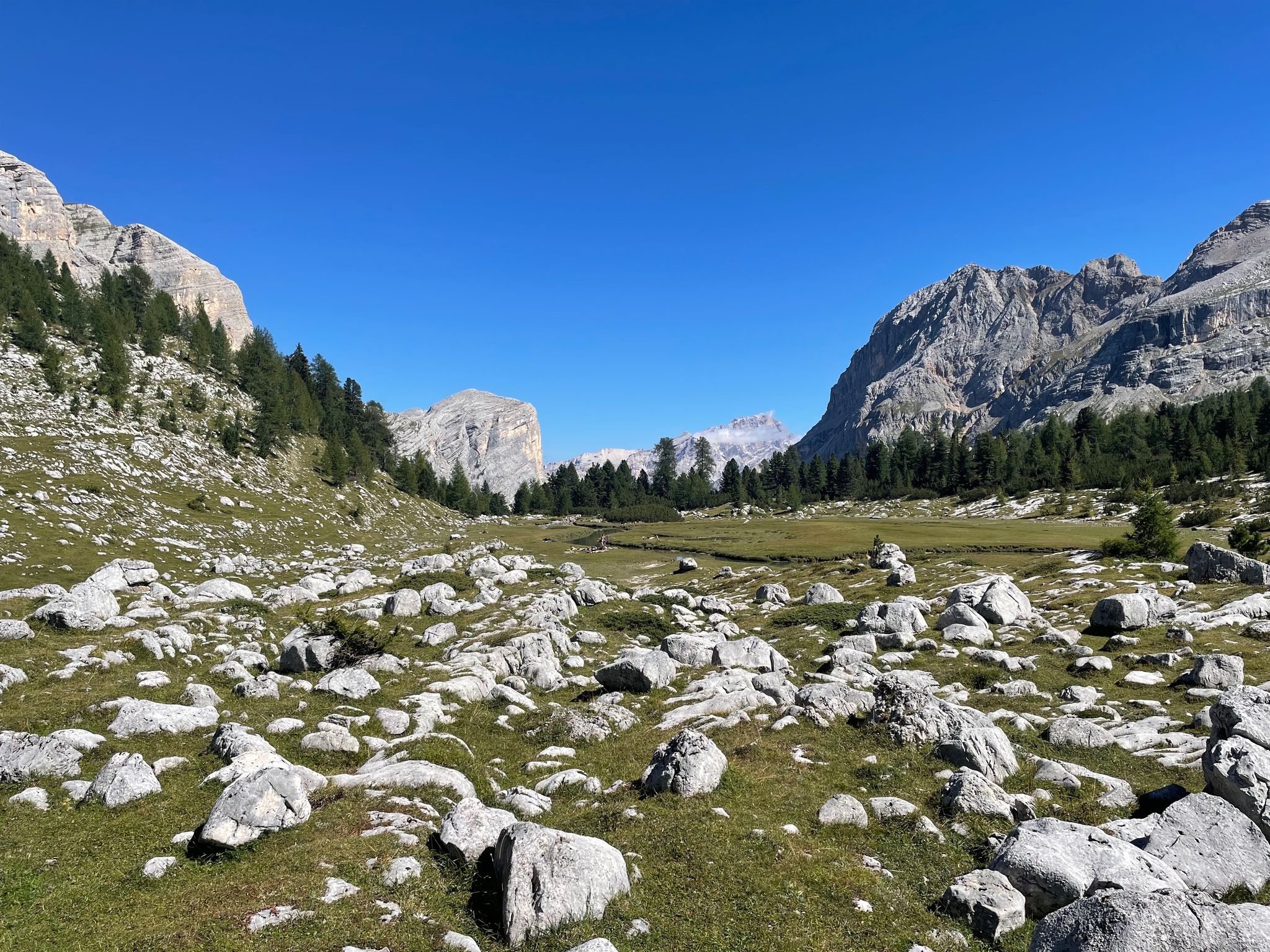
The rugged peaks of Trentino - Hiking in South Tyrol
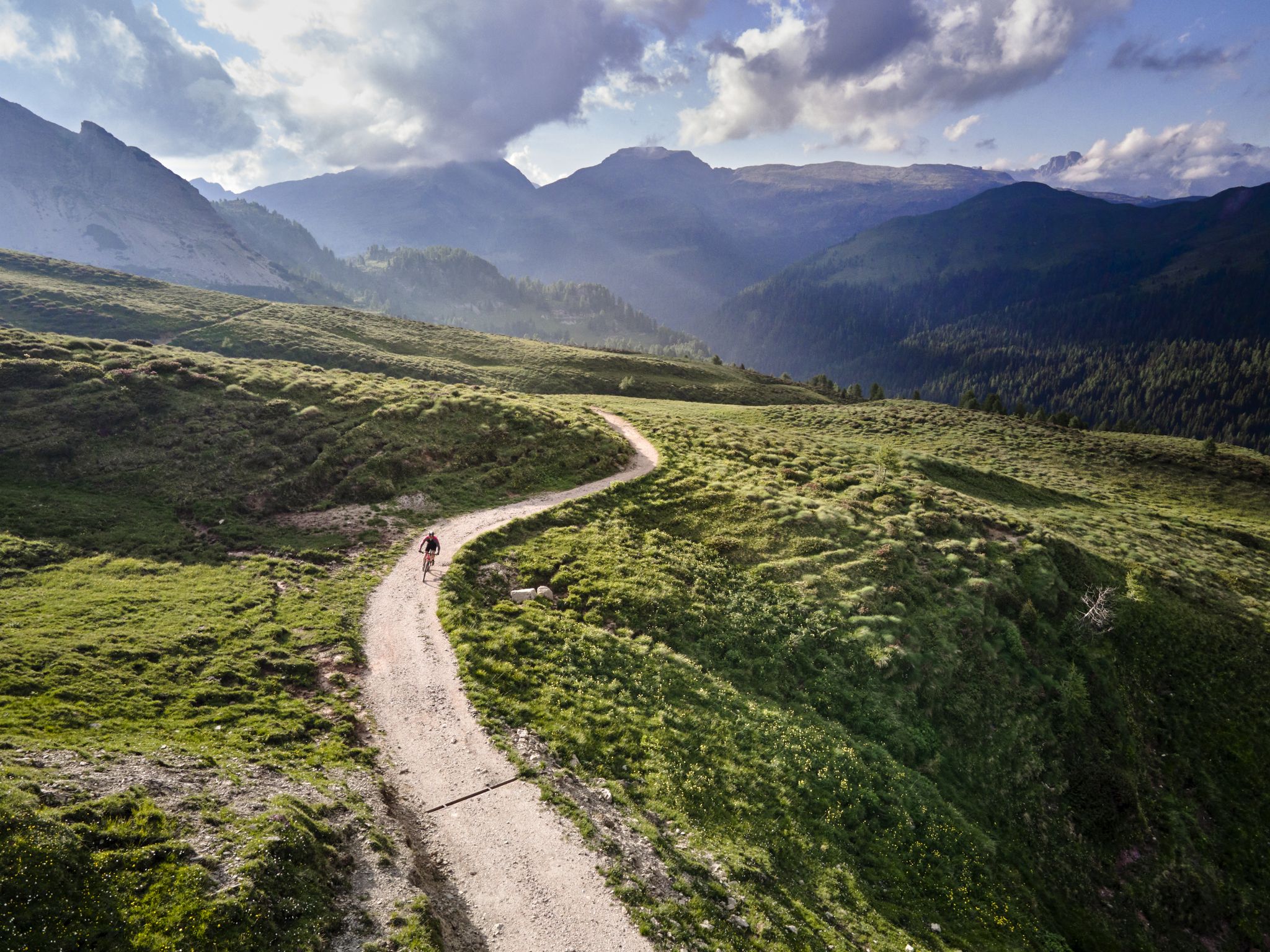
Mountain biking in the heart of the Dolomites
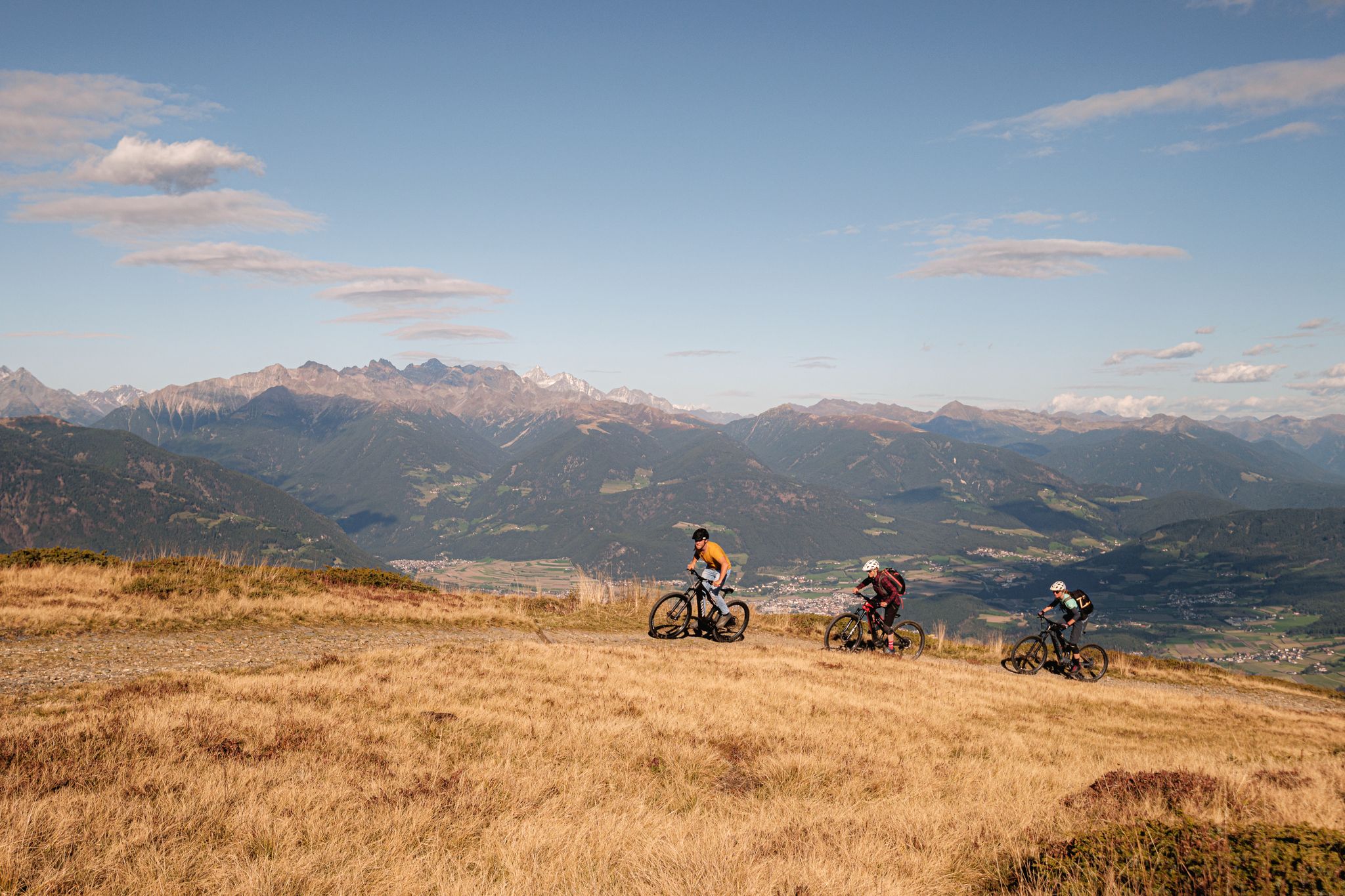
Glorious autumn – the coolest MTB Tours in South Tyrol
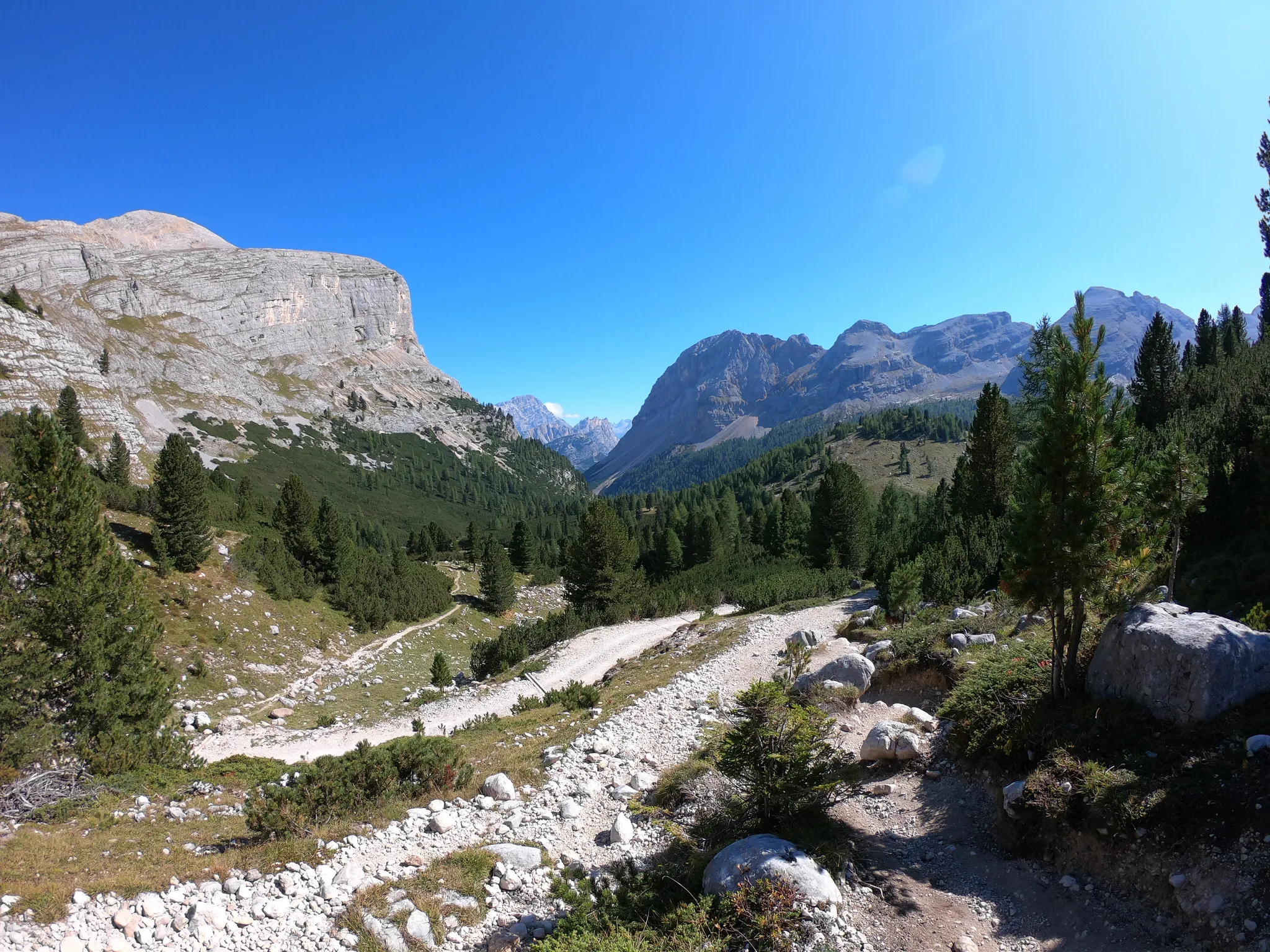
Run through the clouds – Alta Via 1 in the Dolomites
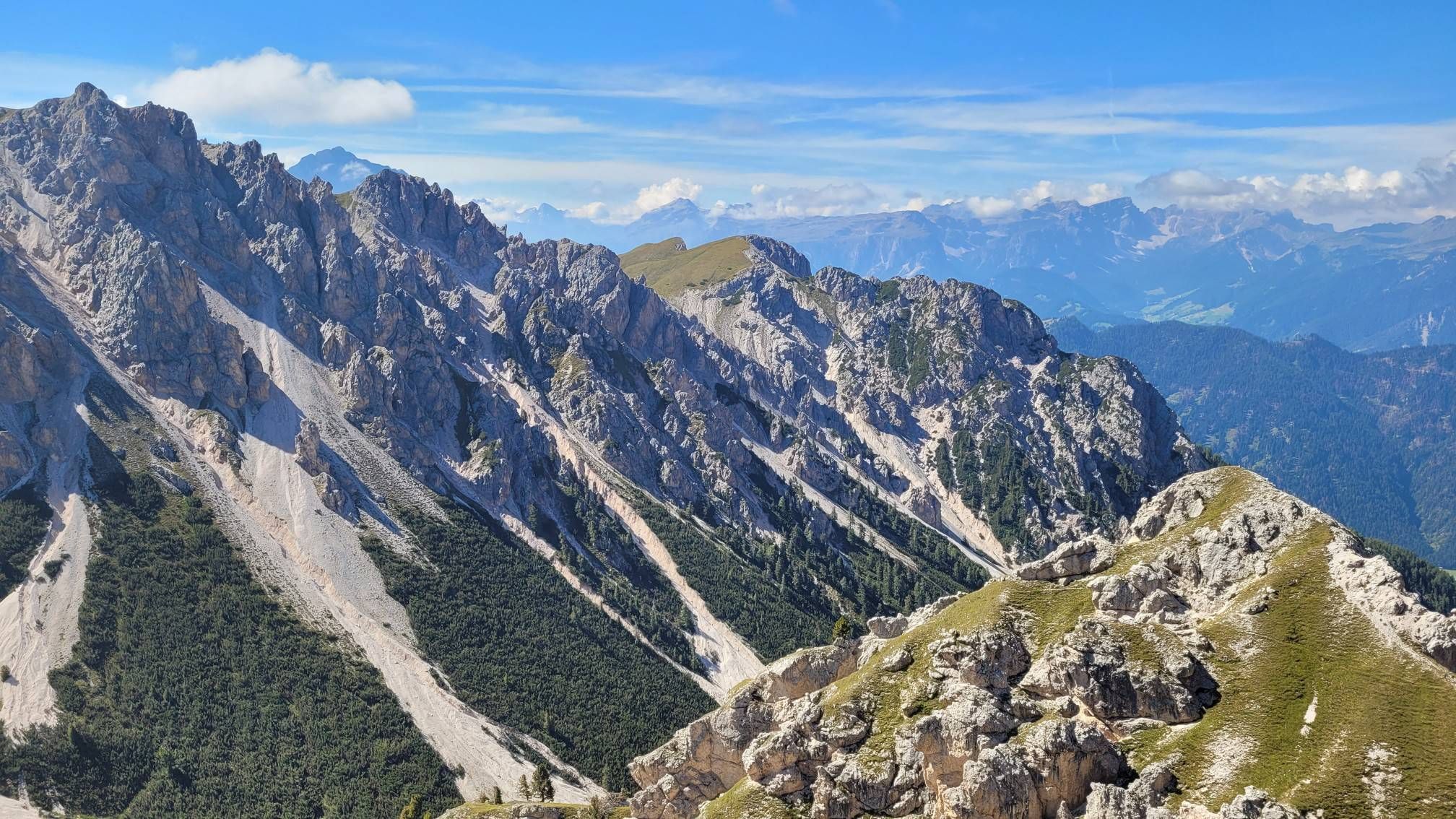
Impressive hikes in the mountains around South Tyrol’s Bruneck
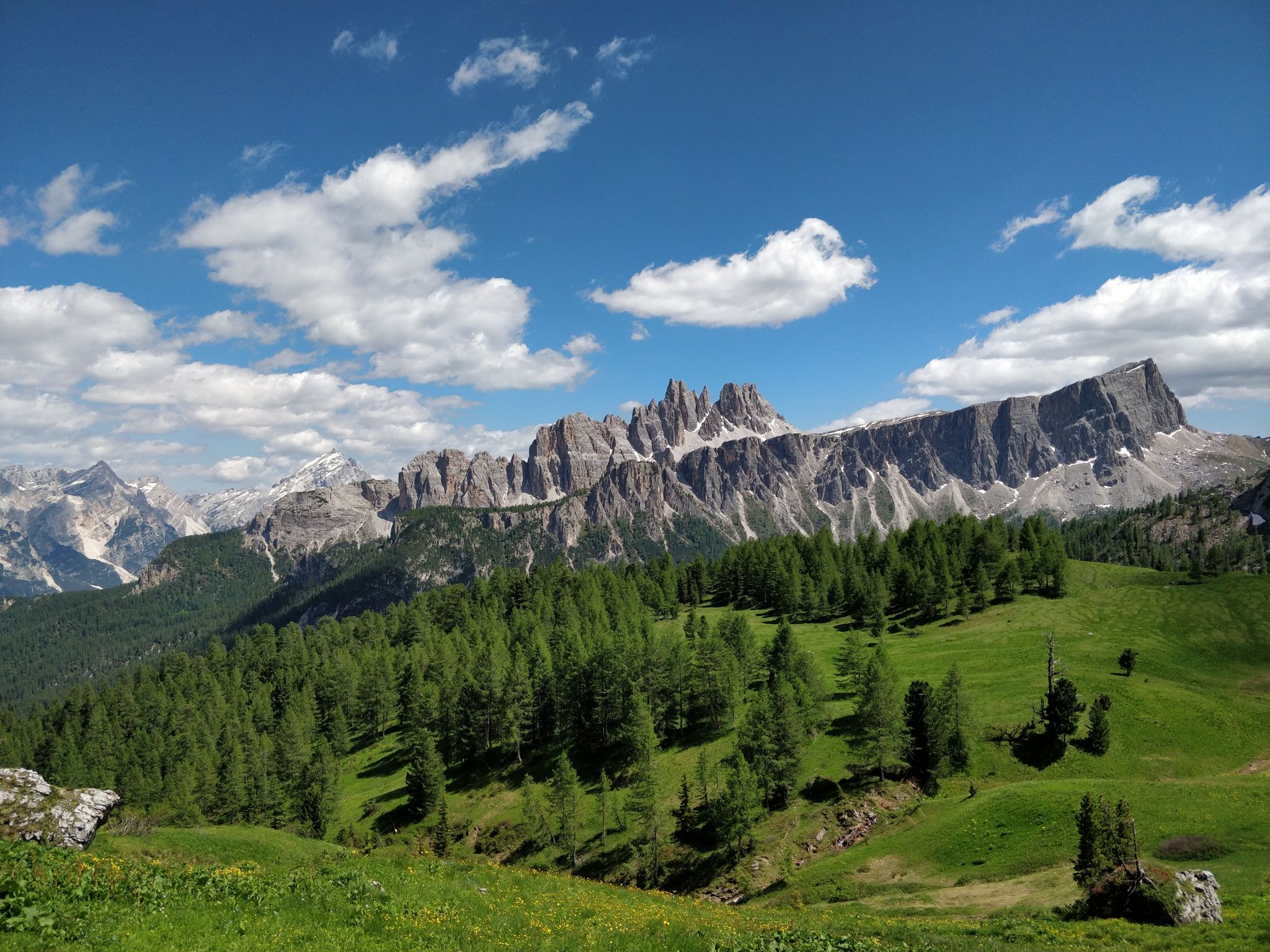
Hiking one step from heaven – Alta Via delle Dolomiti 1
Other adventures around Marèo - Enneberg - Marebbe


Tips from the Community

The western shore of Lake Wildsee is the most easily accessible area for visitors of all ages. The well-developed section of the circular trail here allows for barrier-free strolls and child-friendly short excursions.
16
0
Lake Braies (Italian: Lago di Braies) lies at an altitude of approximately 1,500 meters in the Prags Valley, a side valley of the Puster Valley. It is considered one of the most beautiful lakes in the region and is often called the "Pearl of the Dolomites" due to its clear, emerald green to turquoise-blue shimmering water. Surrounded by steep rock faces and dense forests, the lake offers an impressive natural backdrop and is one of the most photographed motifs in South Tyrol. It is approximately 1.2 kilometers long, up to 36 meters deep, and can be circumnavigated on foot in about an hour on a scenic circular path. Excursions in traditional wooden rowboats are particularly popular in summer, lending the lake a romantic character. In addition to its scenic beauty, the lake also has historical significance, as it was the scene of a liberation of concentration camp prisoners during World War II. An information panel about this is located at the entrance to the Chapel of St. Mary.
39
0

It's a dream how the lake is nestled in front of the Seekofel. A great opportunity for a circular hike.
9
0

The Pragser Wildsee (Italian Lago di Braies) is a mountain lake in the Pragser Valley in the South Tyrolean municipality of Prags. It is located a few kilometers south of the Alta Pusteria between Bruneck and Dobbiaco in the Braies Dolomites. It is part of the Fanes-Sennes-Prags Nature Park and a protected natural monument. Source: Wikipedia
16
1

You can see sport climbers on every corner. Just pause and watch the ladies and gentlemen doing their great sport. Really nice to look at.
13
0

Obviously a paradise for sport climbers. We were able to discover climbers in all possible and sometimes impossible places.
8
1

the hike from the closest cable car (Rifugio Averau) on a summer day is similar to the exit of a subway station in term of people density ! Fortunately, the view on the top is rewarding. And the best comes when you go down on the north ridge: after 5 minutes, the crowd is behind and you can enjoy a very nice walk. Beware of the path: 2 short sections of 40m are equipped with a cable. Easy if you have a sure foot.
6
1

Great location, good food, very friendly staff. No water for showering, hardly any power sockets in the rooms, so a power bank is necessary.
5
1
Frequently Asked Questions
What are the main natural monuments to explore in the Marèo - Enneberg - Marebbe region?
The region is primarily centered around the Fanes-Sennes-Braies Nature Park, a UNESCO World Heritage site. Key natural monuments include the iconic Lake Braies, known as the 'Pearl of the Dolomite Lakes,' the distinctive rock formations of Cinque Torri, and the extensive Fanes and Sennes Plateaus. You can also find breathtaking views of the Puez and Odle groups.
Are there family-friendly natural monuments or walks in the area?
Yes, several natural monuments are suitable for families. The 3.5 km loop trail around Lake Braies is an easy walk with stunning views, and its western shore is particularly accessible. The area around Cinque Torri also offers family-friendly paths where you can observe climbers.
What kind of geological features can I expect to see in the Fanes-Sennes-Braies Nature Park?
The Fanes-Sennes-Braies Nature Park is renowned for its unique geological context. You'll encounter dramatic Dolomite rock walls, vast high plateaus, and significant karst phenomena, including wells and cracks. The landscapes of the Fanes and Sennes Plateaus, in particular, showcase these karstic formations, offering a glimpse into the geological history of the Dolomites.
What outdoor activities can I do near these natural monuments?
The region offers a wide range of outdoor activities. You can find numerous running trails, road cycling routes, and mountain biking trails. Hiking is particularly popular, with trails ranging from easy walks around lakes to challenging climbs to mountain huts and peaks.
Are there any historical or cultural sites associated with the natural monuments?
Yes, the region holds cultural significance. The Fanes-Sennes-Braies Nature Park is inextricably linked to the Ladin legends of the Fanes Kingdom. Additionally, Nuvolau Hut is one of the oldest mountain huts in the Dolomites, founded in 1883, and Cinque Torri also has historical significance, particularly from World War I.
What is the best time of year to visit the natural monuments in Marèo - Enneberg - Marebbe?
The best time to visit largely depends on your preferred activities. Summer (June to September) is ideal for hiking, cycling, and enjoying the alpine flora. Early morning or evening visits to popular spots like Lake Braies are recommended to avoid crowds and experience tranquility. Fall (late September to October) offers spectacular fall foliage.
Can I bring my dog to the Fanes-Sennes-Braies Nature Park?
While dogs are generally welcome in the Dolomites, specific regulations apply within the Fanes-Sennes-Braies Nature Park to protect wildlife. Dogs must typically be kept on a leash. It's advisable to check the latest park regulations at the visitor center in San Vigilio di Marebbe before your visit to ensure compliance.
Are there mountain huts (rifugios) available for food and accommodation within the nature park?
Yes, the Fanes-Sennes-Braies Nature Park and surrounding areas feature charming mountain huts. For example, Nuvolau Hut offers accommodation and food with magnificent panoramic views. Other huts like Fanes Rifugio and Senes Rifugio on the high alpine plateaus provide opportunities to enjoy local cuisine and extend your hikes.
How can I reach the natural monuments using public transport from San Vigilio di Marebbe?
San Vigilio di Marebbe serves as a good base for exploring the region. The visitor center there can provide detailed information on bus routes and schedules to various trailheads and natural monuments within the Fanes-Sennes-Braies Nature Park. Public transport options are available, especially during peak season, to help you reach popular starting points.
What makes the Fanes-Sennes-Braies Nature Park a UNESCO World Heritage site?
The Fanes-Sennes-Braies Nature Park was designated a UNESCO World Heritage site in 2009 due to its outstanding universal value. It's recognized for its dramatic Dolomite rock walls, vast high plateaus, unique geomorphological context with significant karst phenomena, and diverse ecosystems supporting rare flora and fauna. The park's towering peaks and pristine landscapes contribute to its exceptional natural beauty.
What do visitors enjoy most about the natural monuments in Marèo - Enneberg - Marebbe?
Visitors frequently praise the unparalleled scenic beauty, particularly the emerald-green waters of Lake Braies and the panoramic views from spots like Nuvolau Hut. The opportunity for diverse outdoor activities, from easy walks to challenging climbs, and the chance to experience a UNESCO World Heritage landscape with rich biodiversity and local folklore are also highly appreciated.
Most popular routes around Marèo - Enneberg - Marebbe
Most popular attractions around Marèo - Enneberg - Marebbe

Get inspired with the komoot mobile app


Explore more
Extend your search for the best caves by checking out these guides of the top ones around Marèo - Enneberg - Marebbe:
