Top 20 Caves in Verona
Best caves in Verona are found within the city and its surrounding Lessini Mountains, an area rich in karst formations. This region offers diverse subterranean experiences, characterized by natural bridges and deep abysses. These geological formations provide insights into ancient history and natural processes. The caves range from significant archaeological sites to impressive natural wonders.
Best caves in Verona
- The most popular caves is Veja Bridge, a natural monument that is Europe's largest natural arch, formed from a collapsed karst cave. Beneath its immense vault, five large caves served as refuge for prehistoric humans, with archaeological finds dating back over 10,000 years.
- Another must-see spot is Pozzo Tondo Waterfall, a waterfall and cave within the Molina Waterfalls Park. Visitors can expect to see vertical rock walls, canyons, mossy caves, and lush vegetation sculpted by water over millennia.
- Visitors also love Val Sorda Gorge and Waterfalls, a gorge with waterfalls and caves. This route features a suspension bridge, a cave, and natural pools, offering a varied natural experience.
- Verona is known for natural bridges, prehistoric archaeological sites, and deep karst abysses. The region offers a variety of caves to see and explore, from accessible tourist caves to sites for expert speleologists.
- The caves in Verona are appreciated by the komoot community, with over 424 upvotes and 116 photos shared by users.
Last updated: October 12, 2026
Caves Along the Ascent to La Rocca
Highlight • Cave
Translated by Google •
Tip by

Veja Bridge
Highlight • Natural Monument
Translated by Google •
Tip by

Sign up now to discover places like this
Get recommendations on the best single tracks, peaks, & plenty of other exciting outdoor places.
Val Sorda Gorge and Waterfalls
Highlight (Segment) • Gorge
The tour is not easy. There are quite a few differences in altitude, you should be sure-footed and not afraid of heights and wear sturdy shoes. The tour is varied with a suspension bridge, cave, great water-filled gorge, super exciting guided tour, waterfalls, forest motifs like in paradise, but there are also mountain panoramas and pools that invite you to cool off. I wouldn't miss it 😉.
Translated by Google •
Tip by

Church of Saint Mary in Stelle
Highlight • Religious Site
Translated by Google •
Tip by

Prehistoric Cave with Rock Art (Parco delle Cascate di Molina)
Highlight • Cave
Translated by Google •
Tip by
Grotta Grande di Contrada Boar
Highlight • Cave
Translated by Google •
Tip by

Cave of the Tette More
Highlight • Cave
Translated by Google •
Tip by

Cave Entrance
Highlight • Cave
Translated by Google •
Tip by

Pozzo Tondo Waterfall
Highlight • Waterfall
Translated by Google •
Tip by

Cava Ongarine
Highlight • Structure
Source: verona.com/it/verona/avesa
Translated by Google •
Tip by

Sign up for free to discover even more caves in Verona.
Already have an account?
Start today with a free account
Your next adventure awaits.
Popular around Verona
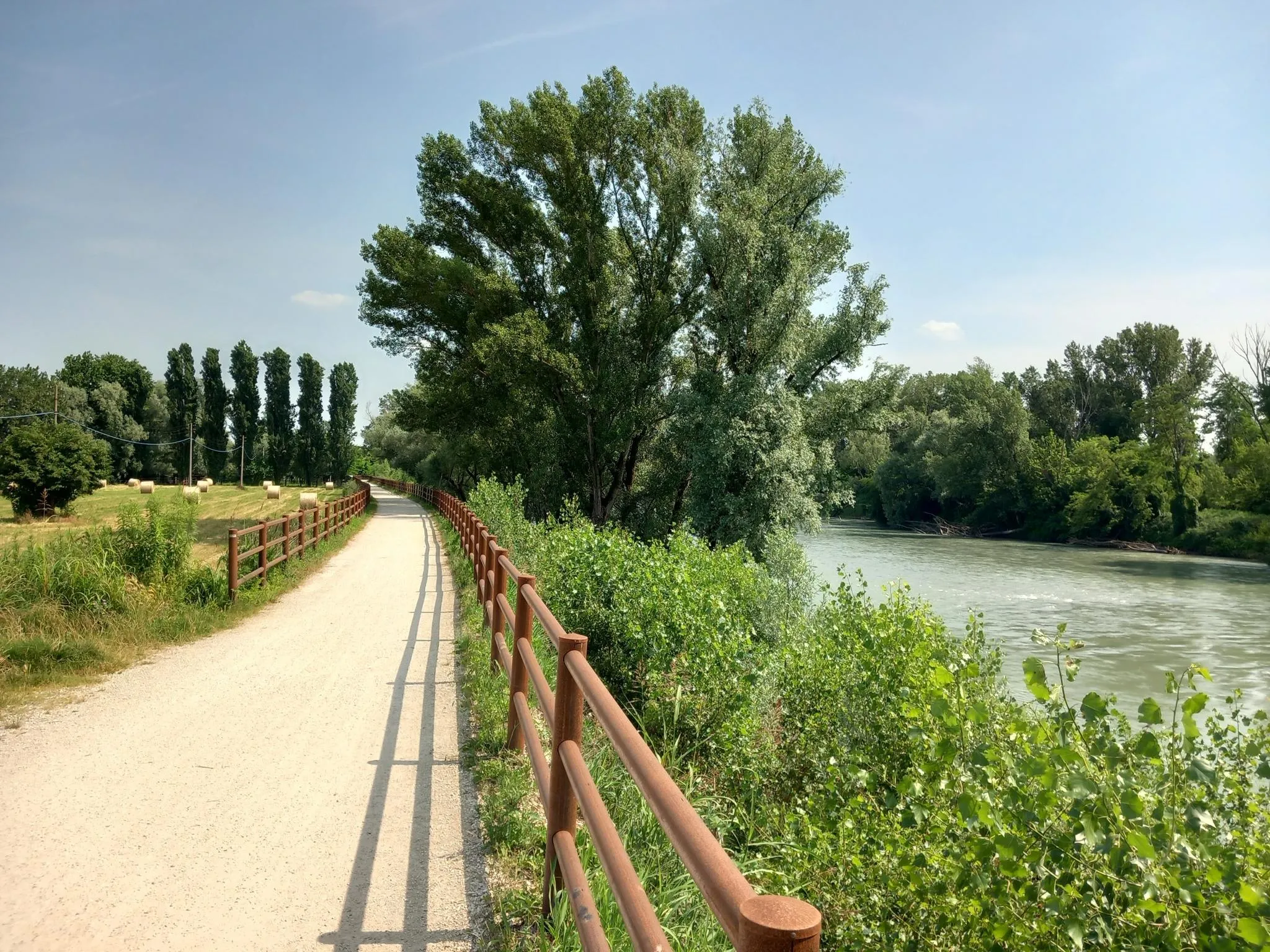
Via Postumia – Hike between the Tyrrhenian and Adriatic seas
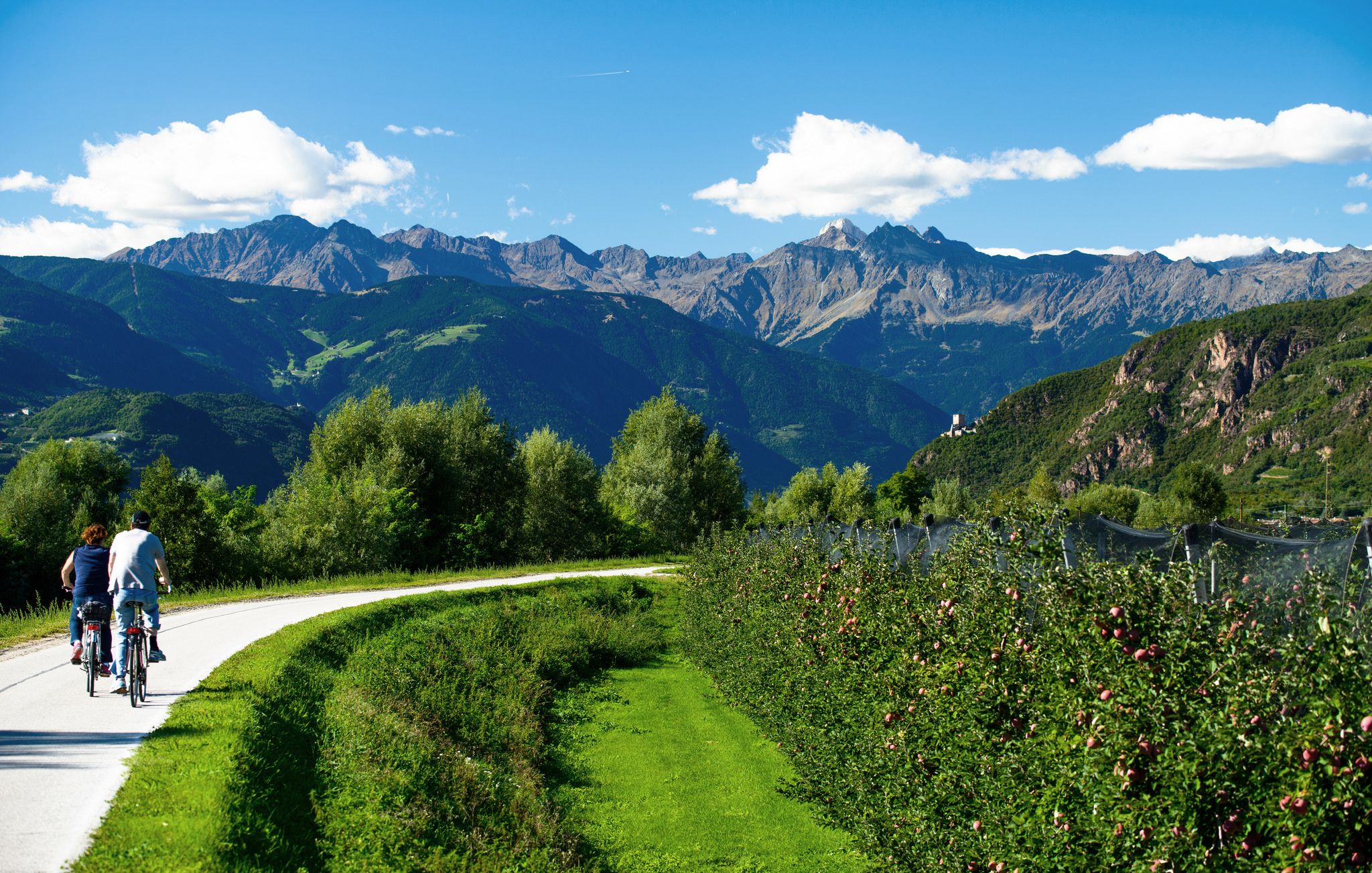
Adige Valley Cycle Path – Through South Tyrol

Road to BAM! 2026 – Condividi la strada
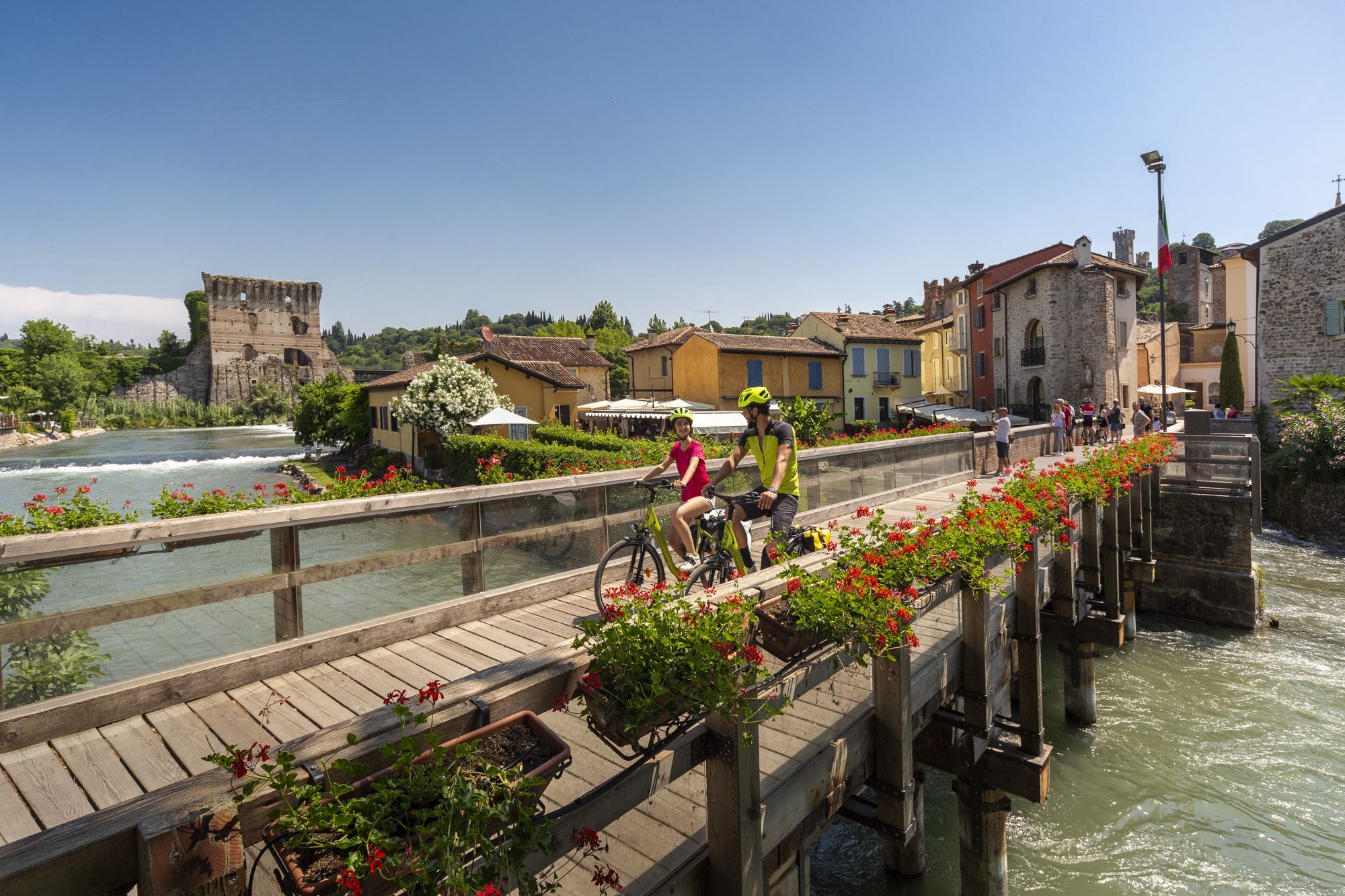
Explore Veneto at a slow pace – day trips by bike
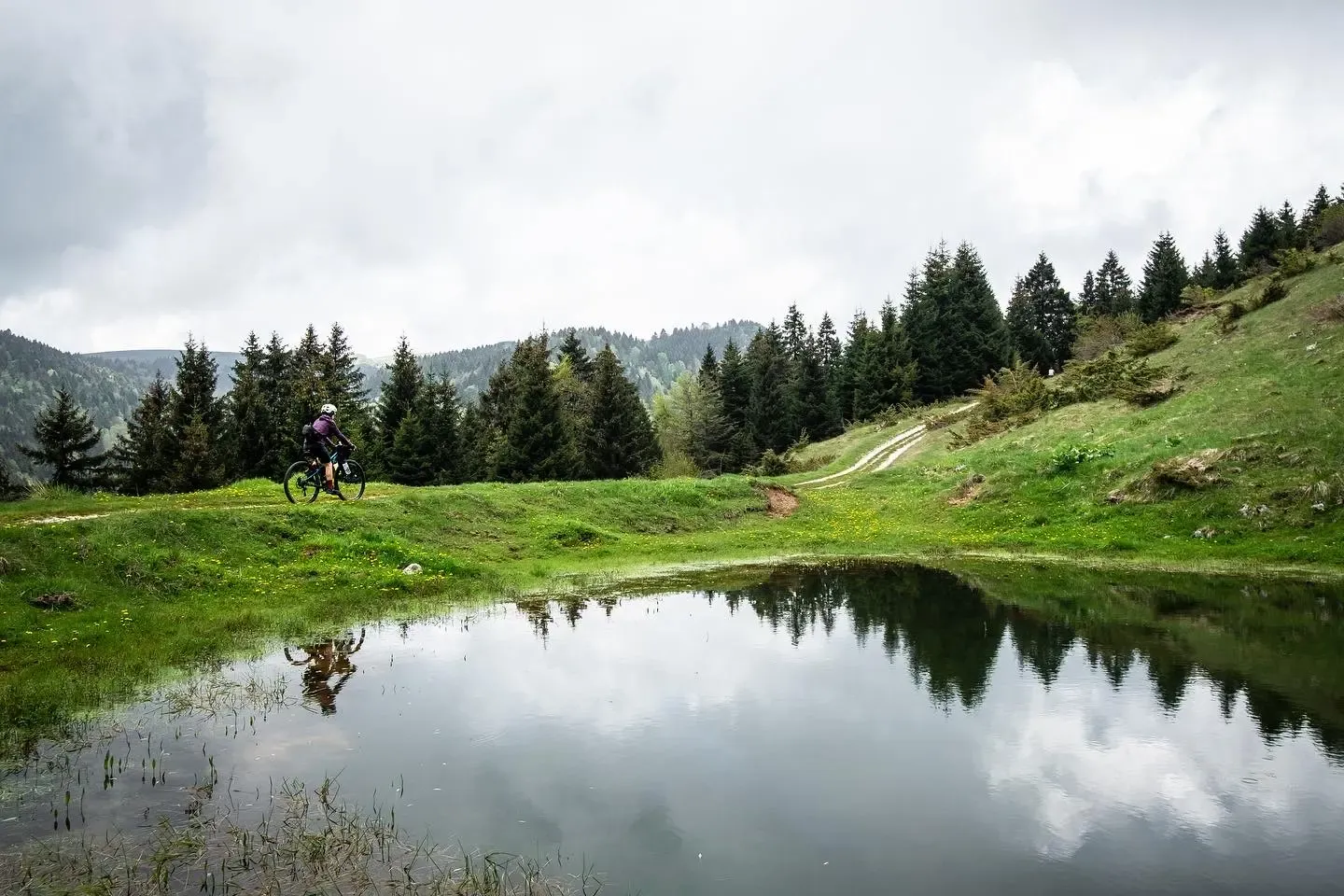
In the mountains a stone's throw from Verona - Lessinia by mountain bike
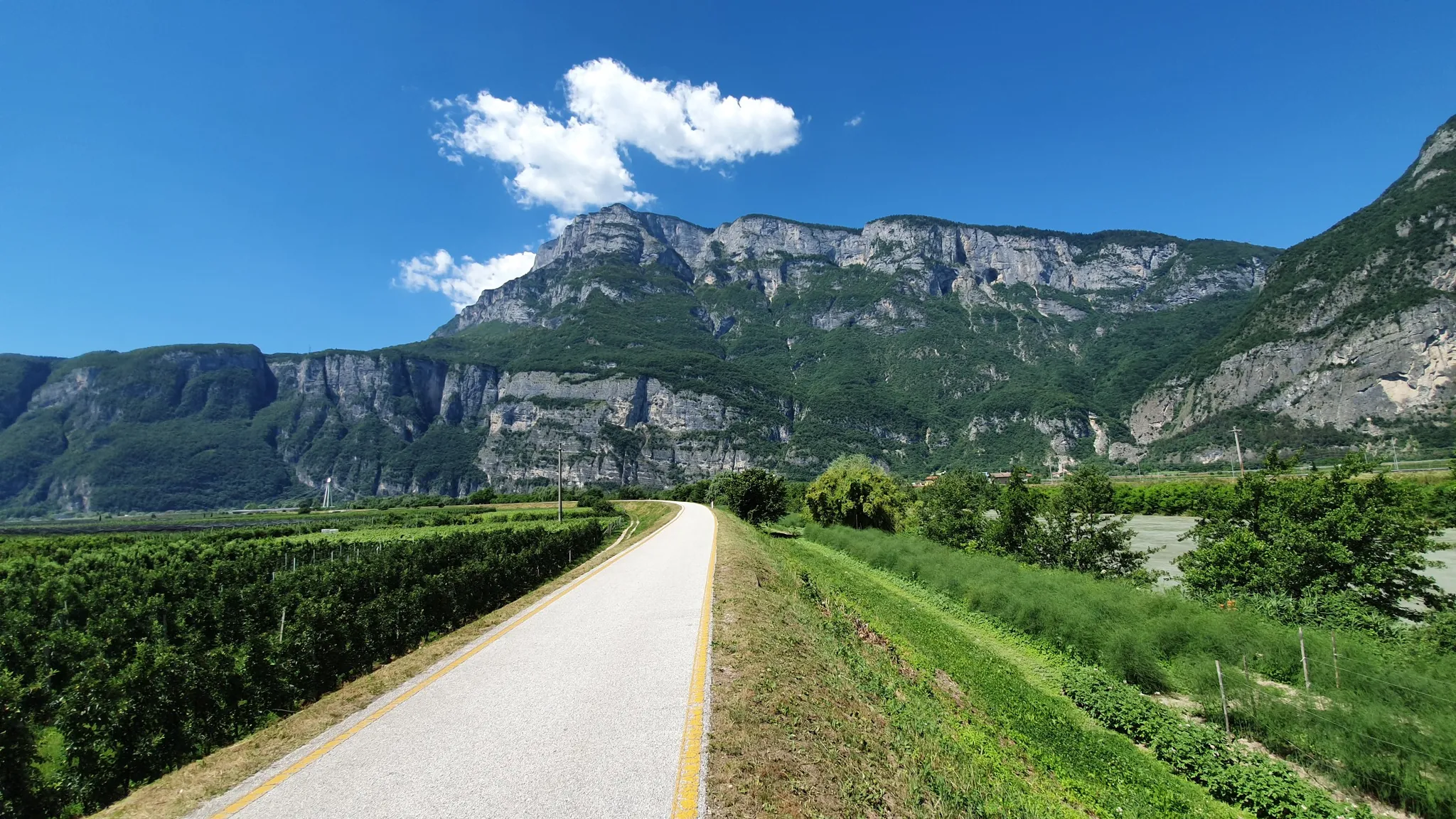
Ride a Roman road in Northern Italy – Claudia Augusta Cycle Path
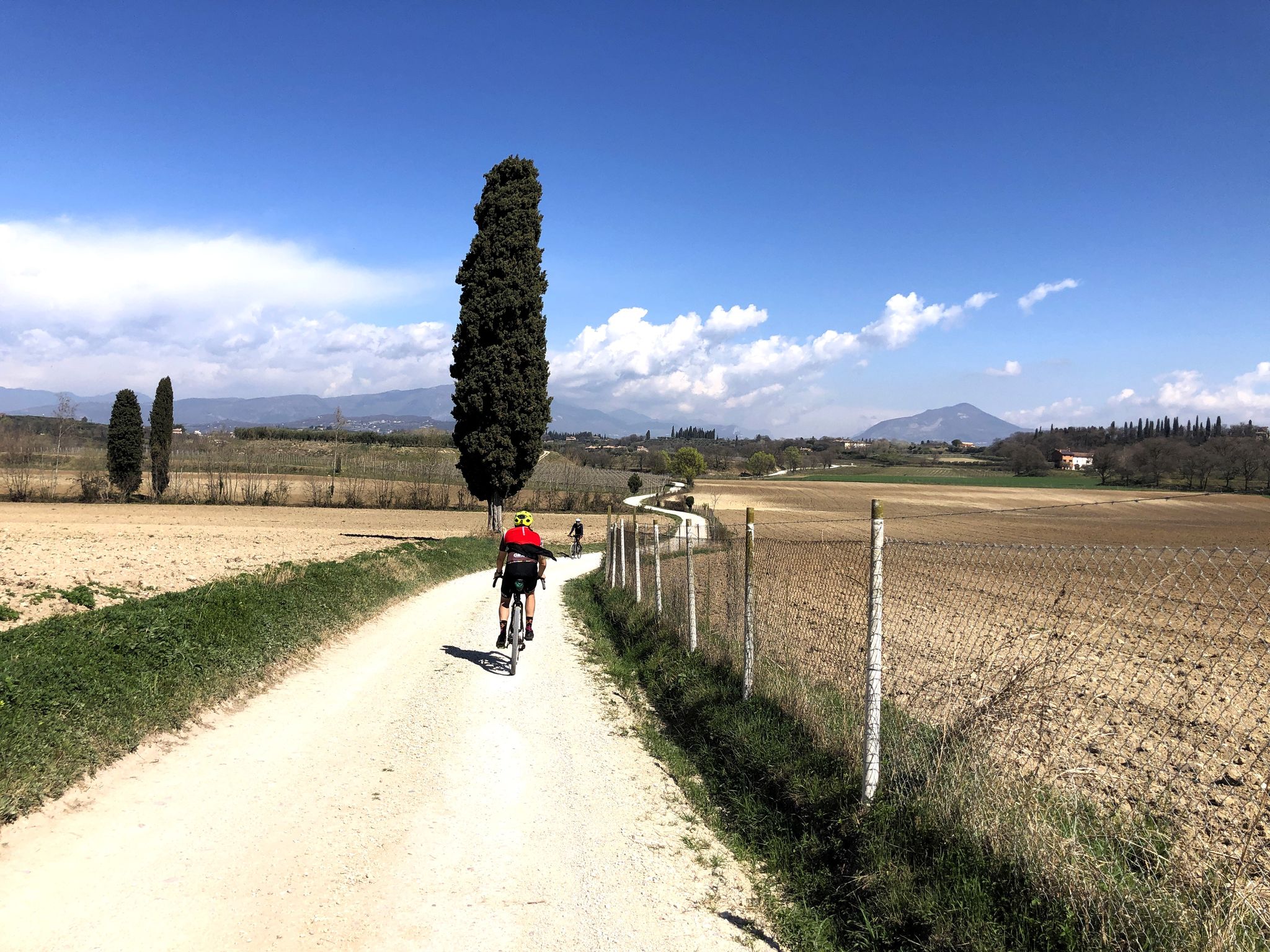
Vineyards and dreamy dirt roads – gravel in Valpolicella and Lessinia
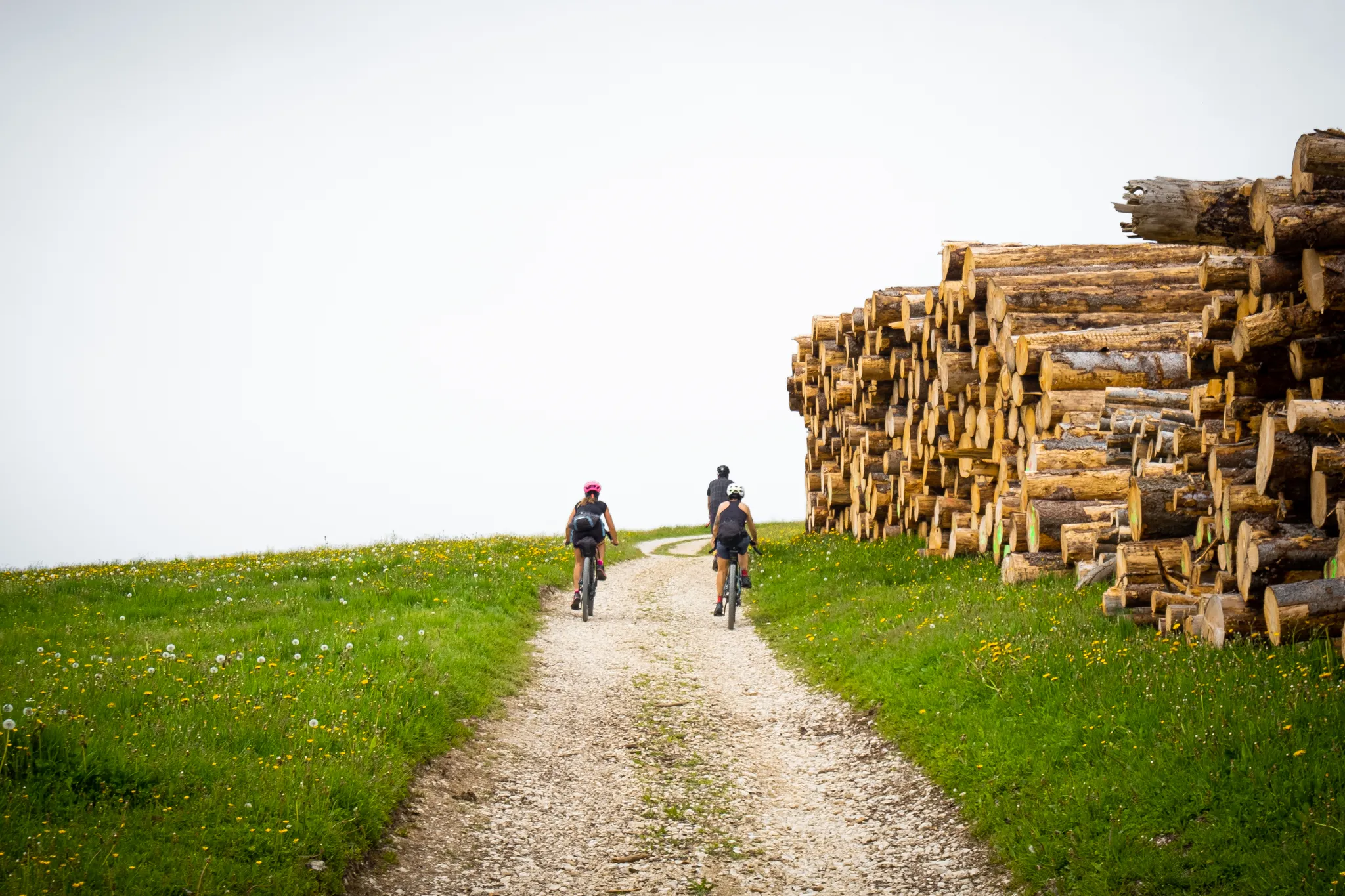
Via delle Prealpi – On the way with the MTB in the Venetian Prealps
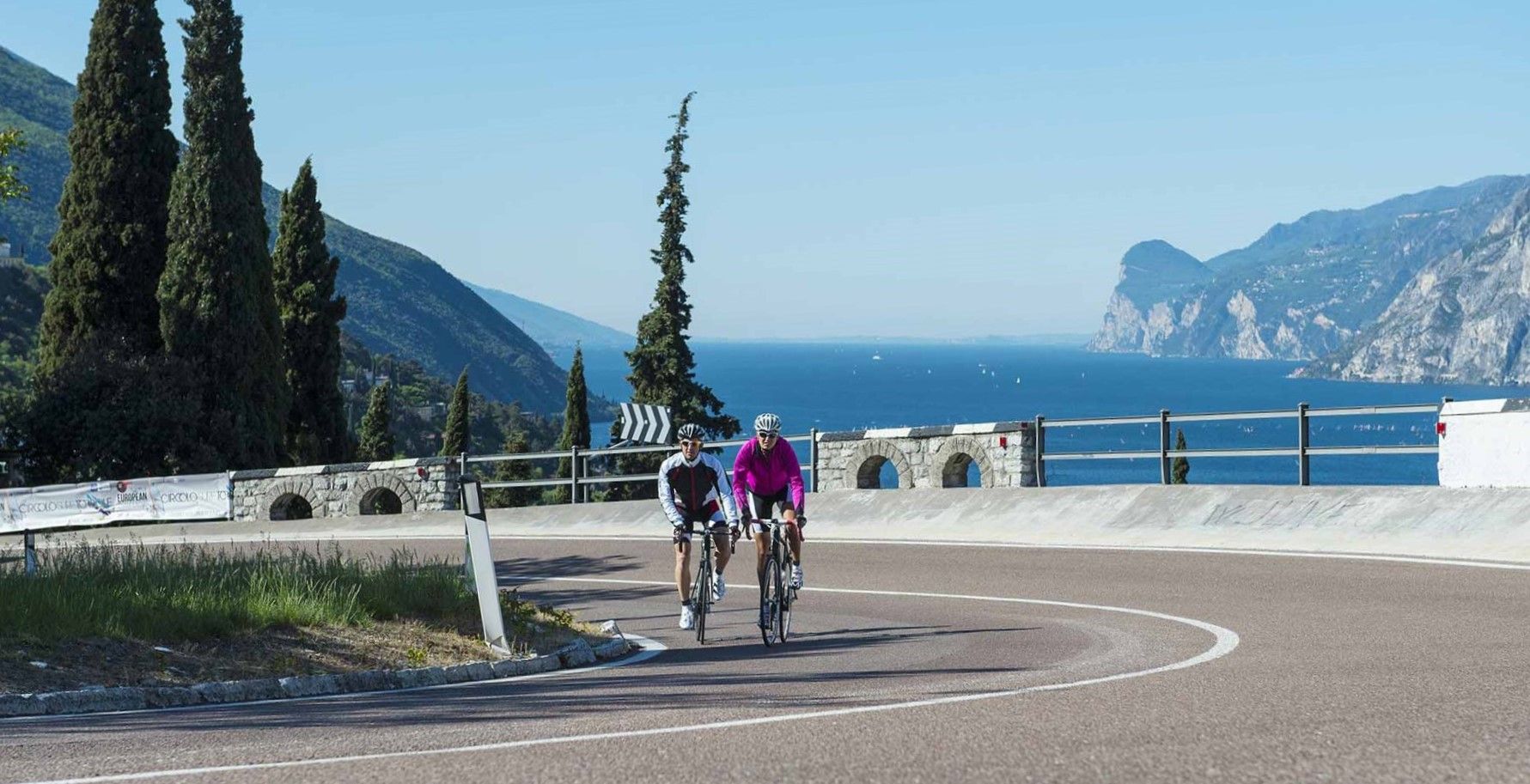
Lakeside paradises and great climbs – seven rides between Lakes Garda and Iseo
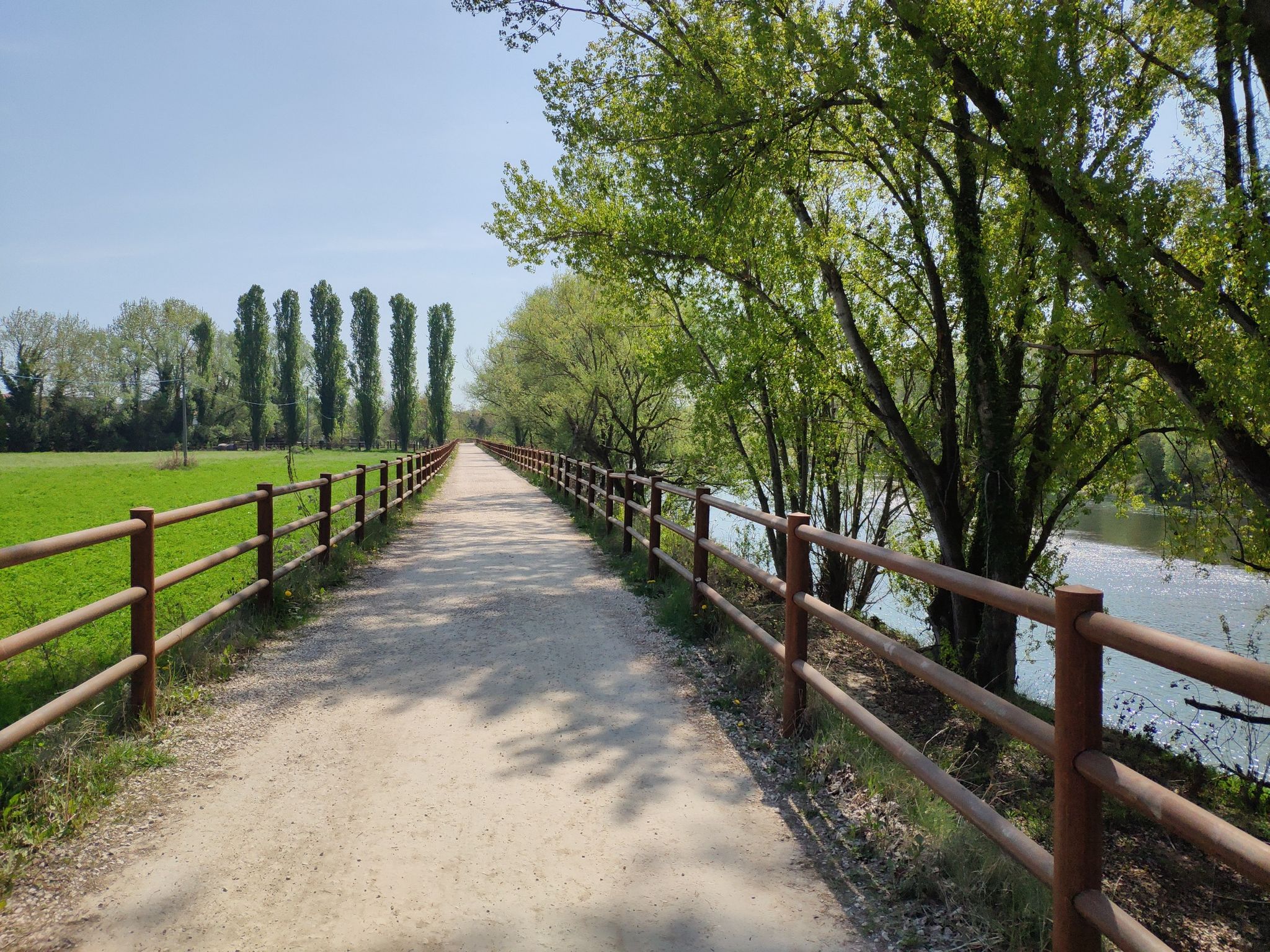
From the sea to the mountains – Veneto Gravel 2023
Other adventures in Verona


Tips from the Community

Taking water is important. The ascent back is very steep. In 10/26 there was little water at the falls
0
0

Route immersed in a glimpse of wild nature in the Fumane valleys; one of the many routes now abandoned due to lack of maintenance. Sure-footedness and suitable footwear required! DANGEROUS for novices, dogs, and children!! ❌ Strongly discouraged for those suffering from vertigo (unfortunately I had to stop at a certain point). The phone has no signal.
0
0

Hiking trails currently closed, generally very slippery. If at all, only recommended with a via ferrata set.
1
0

Interesting caves and a magnificent view of Lake Garda
0
0

Great hike with a view of Lake Garda.
0
0

Even though the waterfall was very thin due to the persistent heat, it was a great experience. We've only experienced standing behind a waterfall like that in Iceland.
0
0

Steep climb, fantastic views, suitable for families with children. Benches for picnics and meadows with views of Lake Garda.
0
0

Frequently Asked Questions
What types of caves can I explore in Verona and the Lessinia region?
Verona and the surrounding Lessinia region offer a diverse range of subterranean experiences. You can find impressive natural formations like Europe's largest natural bridge, Veja Bridge, which is a collapsed karst cave. The area also features significant prehistoric archaeological sites such as Grotta di Fumane, deep karst abysses like Spluga della Preta, and accessible tourist caves like Grotta di Monte Capriolo. Many caves are characterized by stunning stalactites, stalagmites, and unique geological features.
Are there any family-friendly caves to visit in Verona?
Yes, several caves in the Verona area are suitable for families. The Veja Bridge is easily accessible with trails over and through the arch, making it great for a relaxing walk. The Pozzo Tondo Waterfall, located within the Molina Waterfalls Park, features mossy caves and lush vegetation, offering a captivating experience for all ages. Additionally, the Prehistoric Cave with Rock Art (Parco delle Cascate di Molina) is also considered family-friendly.
Which caves offer insights into the region's history and archaeology?
The Verona region is rich in historical and archaeological caves. The Veja Bridge features five large caves beneath its arch that served as refuges for prehistoric humans, with archaeological finds dating back over 10,000 years. Grotta di Fumane is another crucial site, providing evidence of three prehistoric hominid cultures and some of Europe's oldest cave art. The Prehistoric Cave with Rock Art (Parco delle Cascate di Molina) also offers a glimpse into ancient human activity.
What are the most challenging caves for experienced explorers?
For expert speleologists, the Spluga della Preta in the Lessinia mountains is a significant challenge. It's one of Italy's deepest caves, with an explored depth of 877 meters, comprising a complex system of wells and chambers. Access requires prior authorization and specialized equipment. Other challenging routes that include caves are Val Sorda Gorge and Waterfalls and Grotta Grande di Contrada Boar.
Is there a tourist cave fully open to visitors in the Verona area?
Yes, Grotta di Monte Capriolo, also known as 'Grotta di Roverè 1000' or 'Grotta del Sogno', is the only tourist cave in the Verona area fully open to visitors. It offers an accessible and spectacular experience of an underground karst environment, showcasing a stunning variety of stalactites, stalagmites, and flowstones.
What unique natural phenomena can be observed in Verona's caves?
Verona's caves offer several unique natural phenomena. The Cave of the Tette More is known for its suggestive shape and the play of light created inside. Grotta del Ciabattino is notable for its magnificent ice formations, with ice stalactites that can be admired until late spring due to the cave's consistently low temperature. The Veja Bridge itself is Europe's largest natural bridge, a geological marvel formed from a collapsed karst cave.
What outdoor activities can I do near the caves in Verona?
The Lessinia region, where many of Verona's caves are located, is excellent for outdoor activities. You can find various hiking routes, from easy walks to challenging mountain hikes. For example, the Molina Waterfalls Park, home to several caves, offers routes like the 'Bear Waterfall – Molina Waterfalls loop from Molina' for easy hikes. More challenging mountain hikes include the 'Monte Baldo Panoramic Trail' or 'Carega Peak' routes. Cycling is also popular, with options like the 'Fortress Canal of Peschiera' or 'Lake Garda Lakeside Cycle Path'. You can explore these and more on komoot's guides for easy hikes, mountain hikes, and cycling in Verona.
Are there any caves near Verona that feature waterfalls?
Yes, several caves in the Verona area are associated with beautiful waterfalls. The Pozzo Tondo Waterfall is a prominent feature within the Molina Waterfalls Park, where you can explore mossy caves alongside the cascades. The Val Sorda Gorge and Waterfalls also includes a cave along its challenging route. Even the Cave of the Tette More is known for its waterfall, which, while sometimes thin, adds to the cave's natural charm.
What do visitors particularly enjoy about the caves in Verona?
Visitors frequently praise the stunning natural beauty and historical significance of Verona's caves. Many appreciate the unique geological formations, such as the immense arch of the Veja Bridge and the intricate stalactites and stalagmites in accessible caves. The opportunity to step back in time through archaeological sites and the varied natural experiences, including waterfalls and gorges, are also highly valued. The region's blend of nature and history makes for a compelling visit.
What should I wear when visiting caves in Verona?
When visiting caves in Verona, it's advisable to wear sturdy, comfortable shoes, especially if you plan to explore trails or more rugged areas. Caves often maintain cooler temperatures than the outside, so bringing a light jacket or extra layer is recommended. For more challenging routes like Val Sorda Gorge and Waterfalls, sure-footedness and appropriate hiking gear are essential.
Are there any caves that are also historical sites in Verona?
Absolutely. Many caves in Verona hold significant historical importance. The Veja Bridge is a major archaeological site where prehistoric human refuges and tools have been found. Grotta di Fumane is considered one of Europe's most important prehistoric archaeological sites, revealing insights into Neanderthals and early Homo sapiens. The Prehistoric Cave with Rock Art (Parco delle Cascate di Molina) and Caves Along the Ascent to La Rocca are also recognized as historical sites.
Most popular routes in Verona
Most popular attractions in Verona

Get inspired with the komoot mobile app


Didn’t find what you were looking for?
Discover more caves in Verona region by region:
Explore more
Extend your search for the best caves by checking out these guides of the top ones in Verona:
